
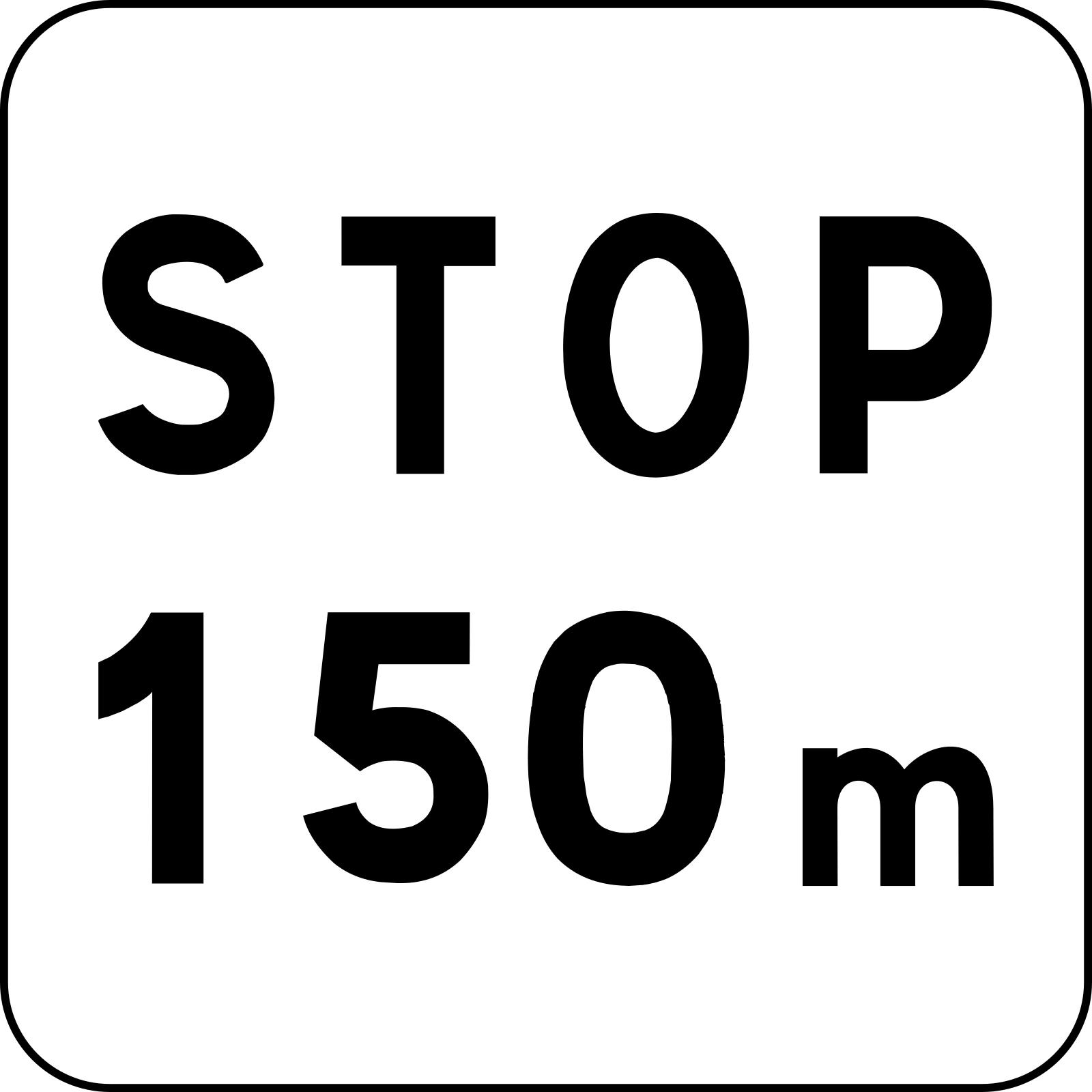
The M5 'Stop Ahead' sign is a crucial warning that you are approaching a mandatory stop sign or stop line in France. It's designed to help you reduce your speed progressively and get ready for a full stop, preventing sudden braking. Always heed this advance warning, check your mirrors, and be prepared to stop completely at the upcoming designated stop point.
This M5 plate signifies an imminent stop sign or line, requiring drivers to adjust speed and anticipate a full halt. Master its meaning for your theory test revision and confident navigation of French roads.
A stop-ahead plate is used where advance notice is needed before a stop-controlled junction or point. It helps prevent harsh braking and missed stop lines, especially where visibility or approach speed could make the stop sign appear late. Drivers should check mirrors, reduce speed early, and be ready to stop fully at the upcoming line. Official French sign code: M5.
"Stop ahead" warns that a stop sign or stop line is ahead. It gives drivers time to reduce speed progressively and prepare for a complete stop.
Get clear, practical answers to the most common questions about the M5 - Stop ahead road sign. Learn how the sign works, what rules it represents, and how it affects real driving situations. This FAQ strengthens your understanding and supports accurate decision making for the French driving theory exam in France.
The M5 sign is a warning that a 'Stop' sign or a stop line is located further down the road. It's an advance notice to alert you to slow down and prepare for a complete halt, rather than a sign that itself requires you to stop immediately.
When you see the M5 sign, you should immediately check your mirrors for traffic behind you, begin to reduce your speed gradually, and prepare to stop fully at the actual stop line or sign that will appear shortly afterwards. Do not assume the road is clear until you have reached the stop line and checked.
No, the M5 'Stop Ahead' sign is a warning sign and does not replace the actual 'Stop' sign (often designated as B2 in France) or the stop line on the road. You must still come to a complete stop at the sign or line that follows the M5 warning.
A common mistake is to treat the 'Stop Ahead' sign as the actual stopping point, or to not slow down enough in advance. Drivers might also brake too suddenly at the last moment, which can be dangerous for following traffic. Always anticipate the need for a full stop at the proper location.
This warning plate is used where advance notice is particularly important, such as on roads with higher speed limits, bends that might obscure the view of the junction, or where a long approach might lead drivers to miss the stop sign if it were placed too late. It helps ensure drivers are properly prepared and avoid harsh braking.
A clear reference image of the M5 - Stop ahead road sign used in France.
The M5 - Stop ahead road sign may also be known by these alternative names or terms.
The M5 - Stop ahead road sign is part of the France Stop Ahead Plates category, which groups together signs with similar rules and functions.
Comparing signs like the 'Stop ahead' M5 with other warning plates helps solidify your understanding and reduces confusion. Effective traffic sign comparison is key for successful theory test revision and accurate road sign recognition in France.
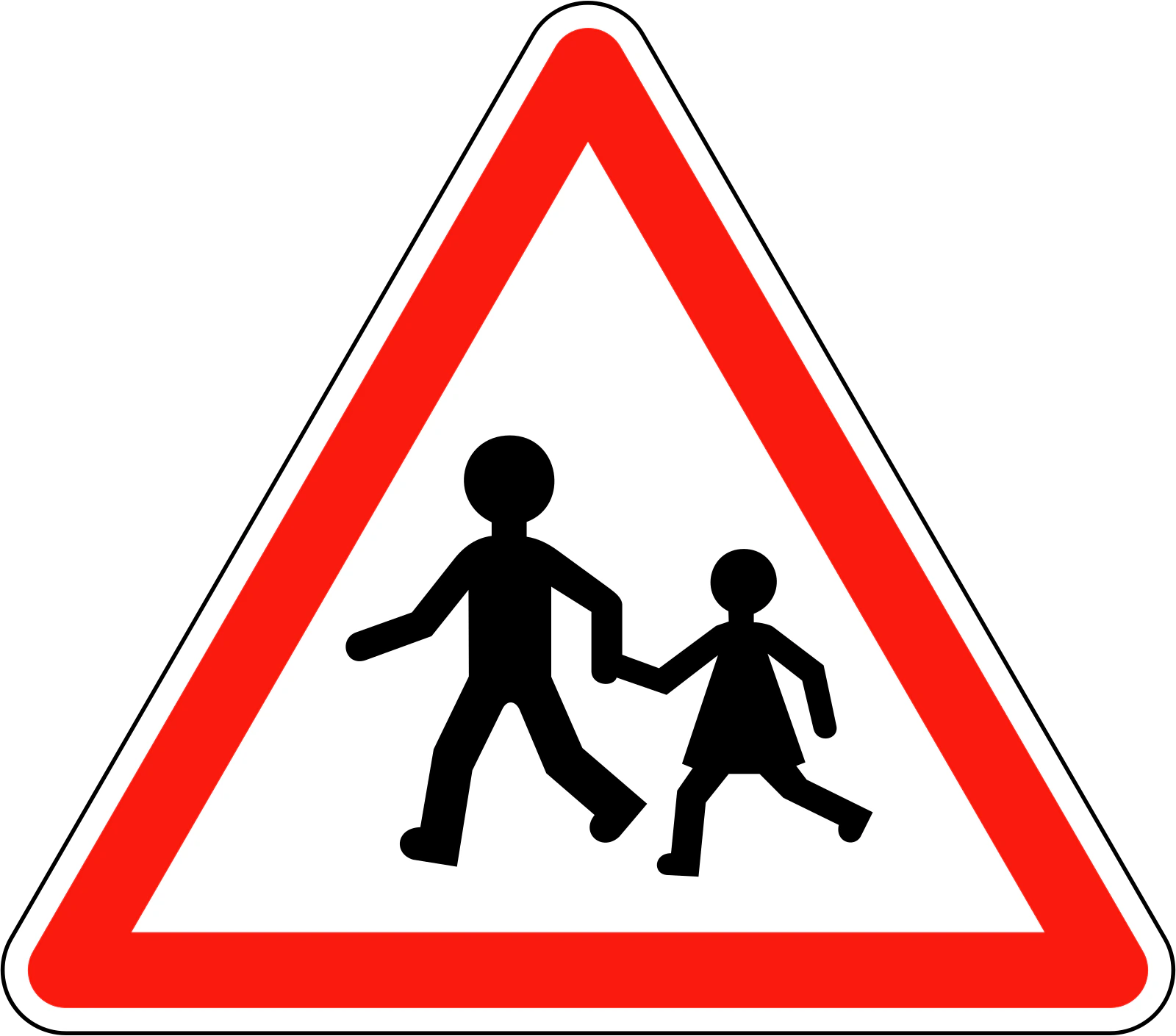
Warning: Children Crossing Ahead – Prepare to slow down and be vigilant!
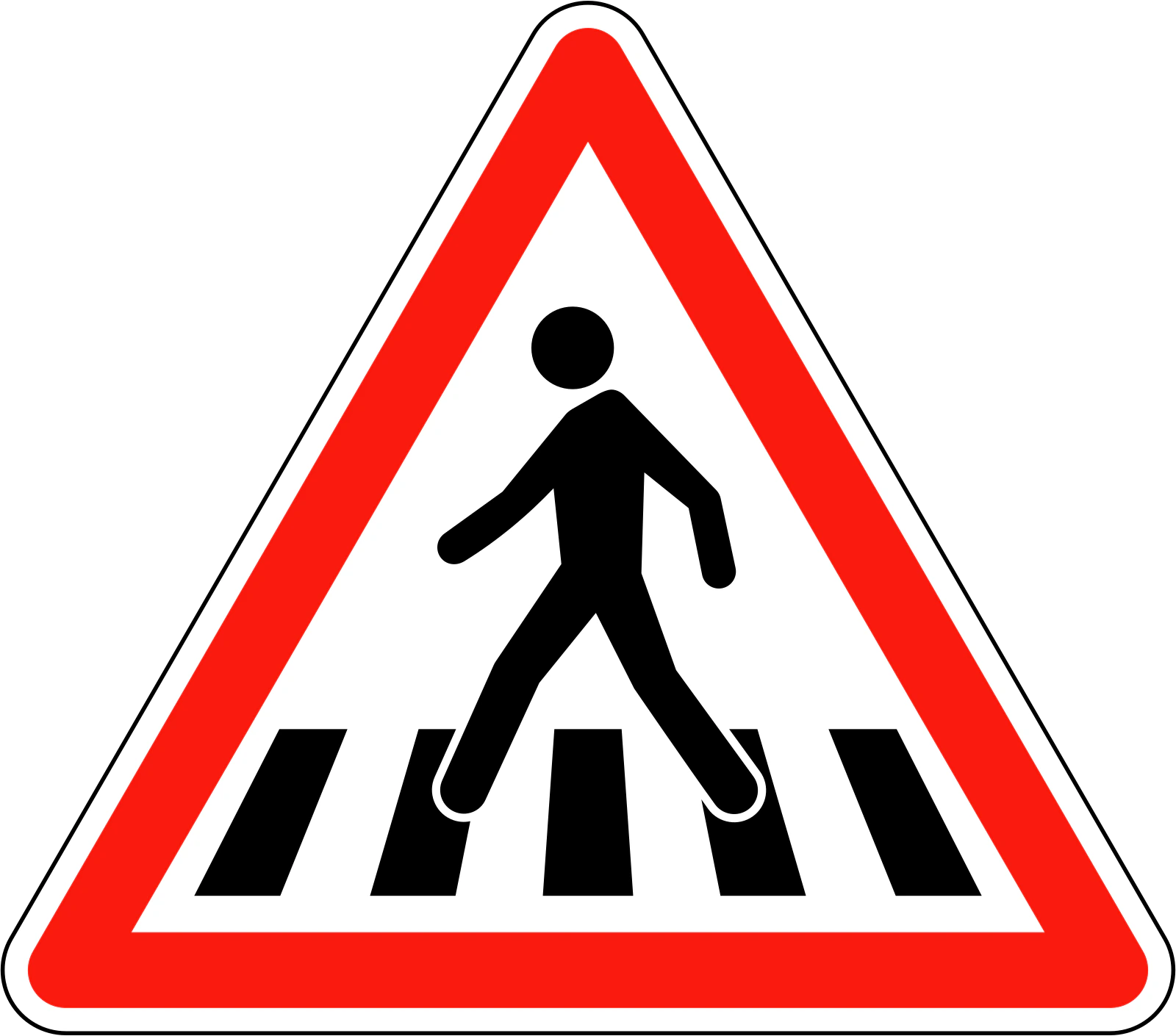
Prepare for Pedestrians: The A13b 'Pedestrian Crossing Ahead' Warning Sign
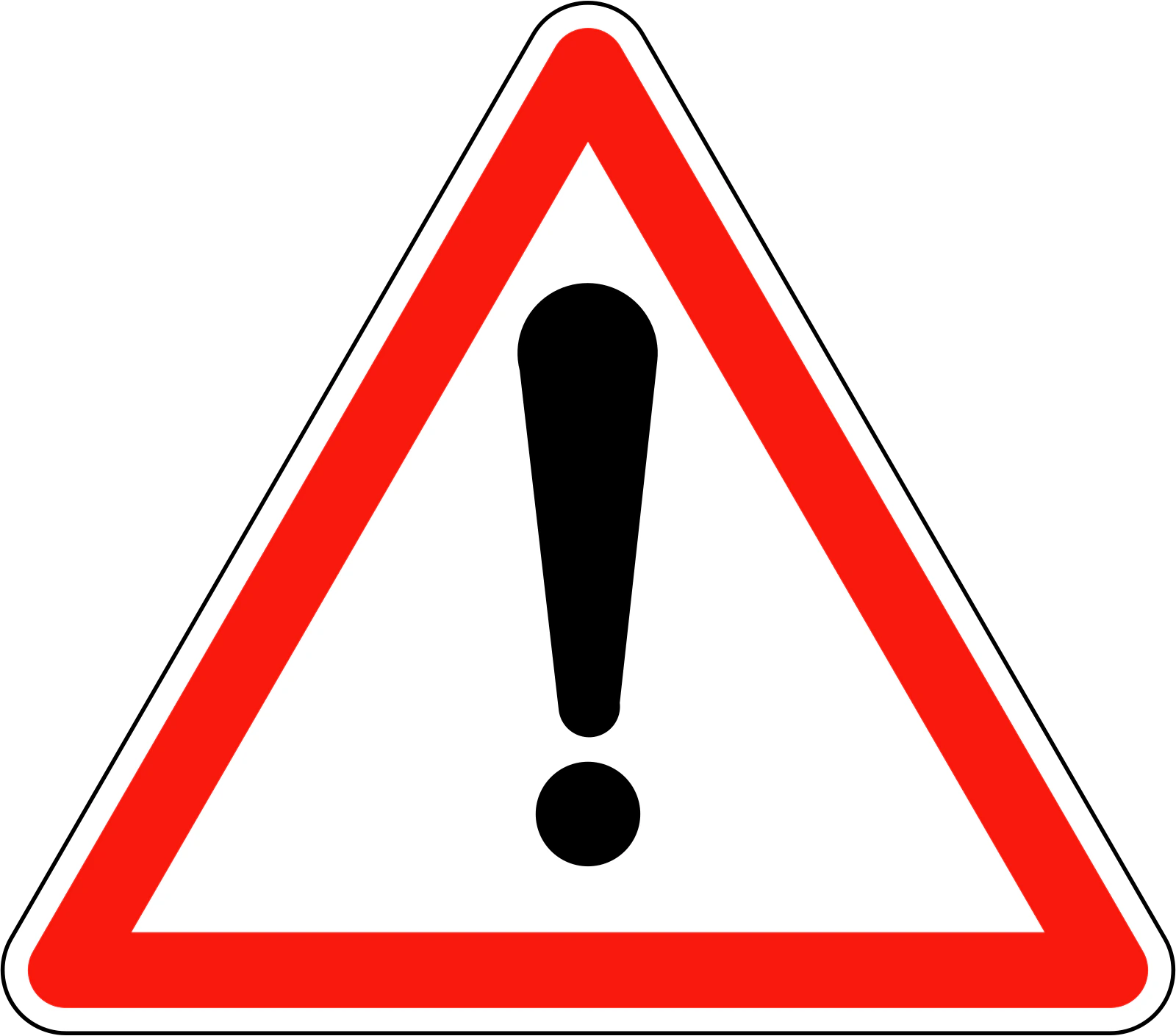
A14 Other Danger: Prepare for the Unexpected Ahead!
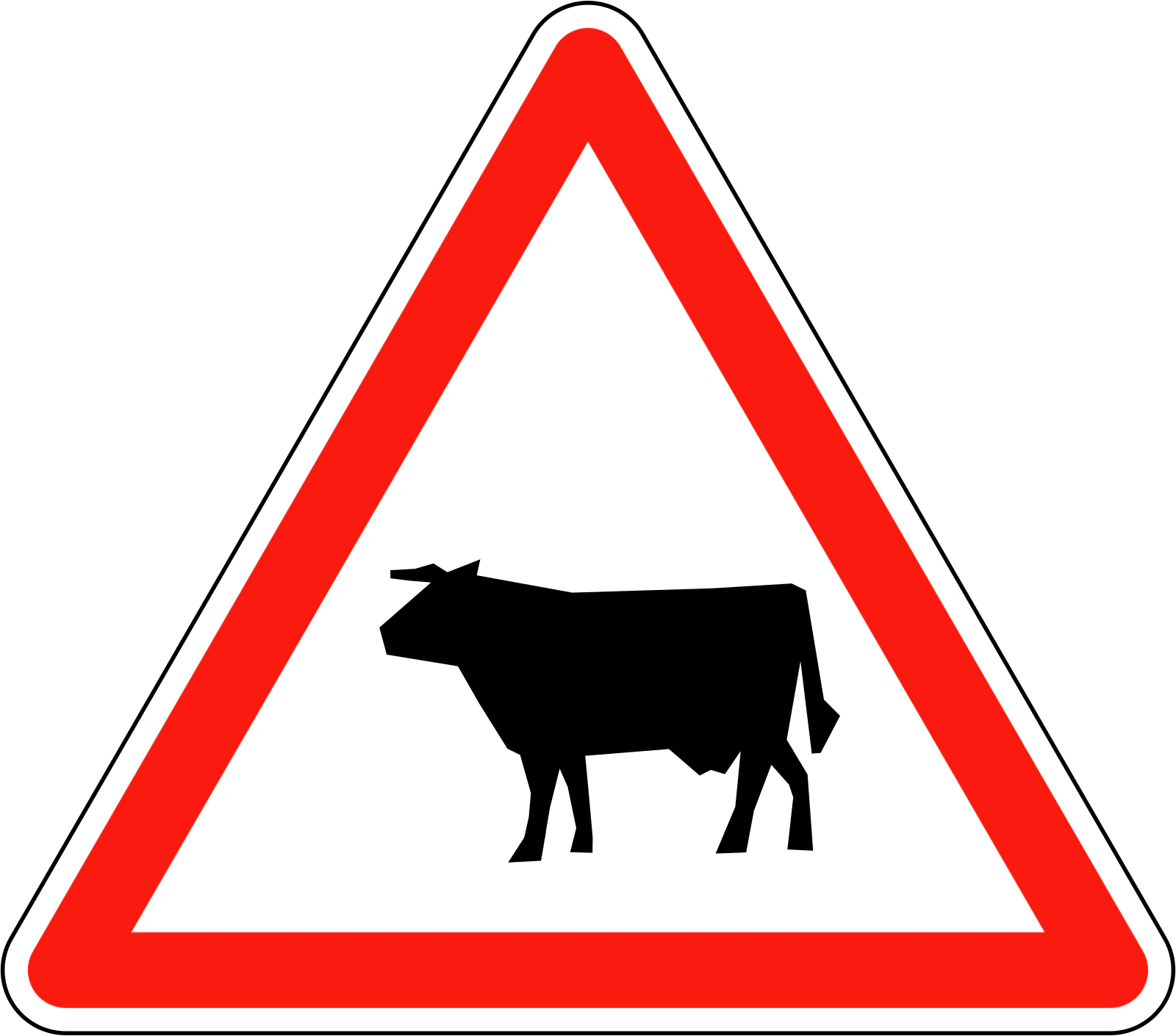
Prepare for cattle on the road with the French A15a warning sign.
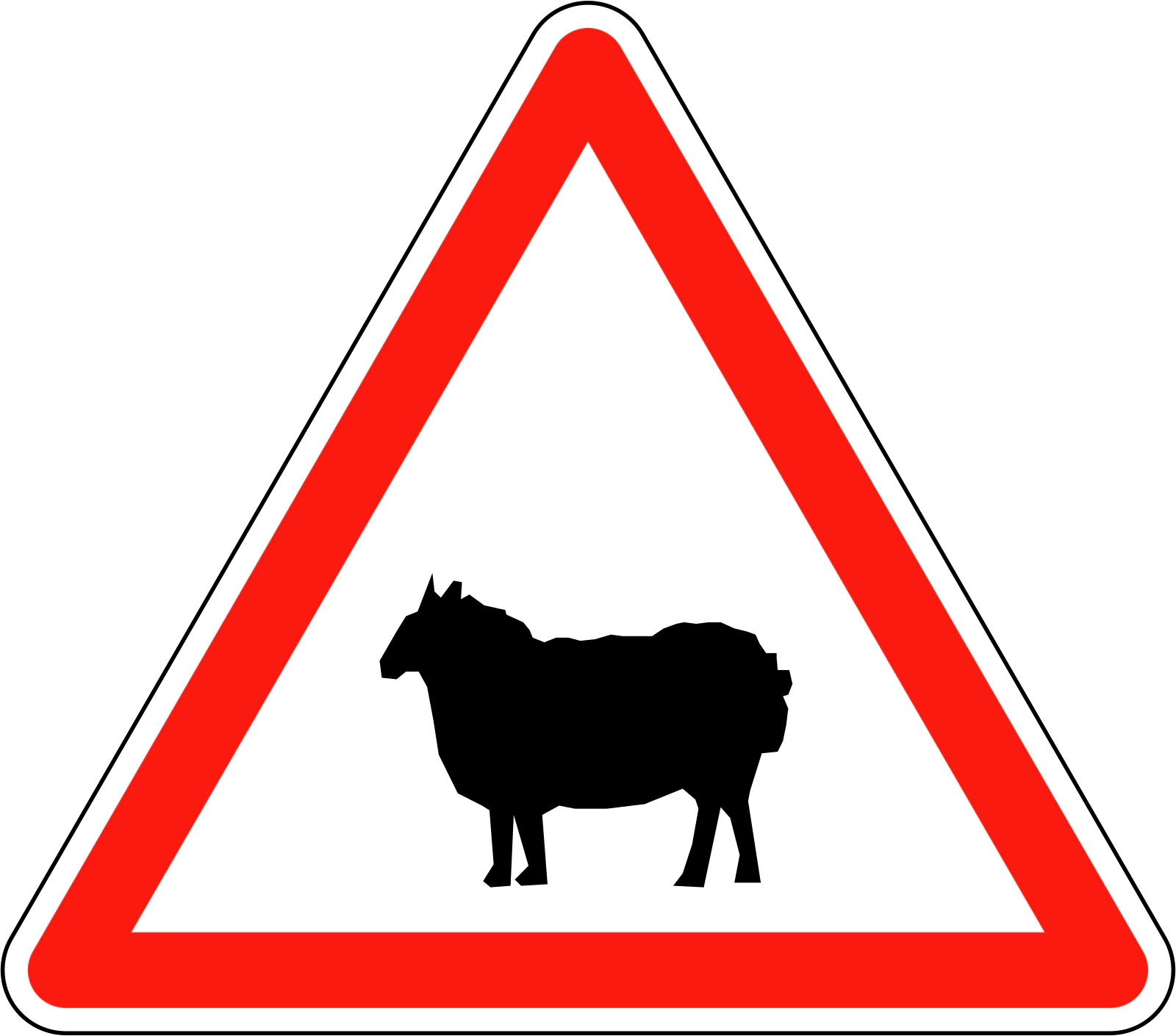
Watch out for Sheep: Understanding the A15a Warning Sign in France
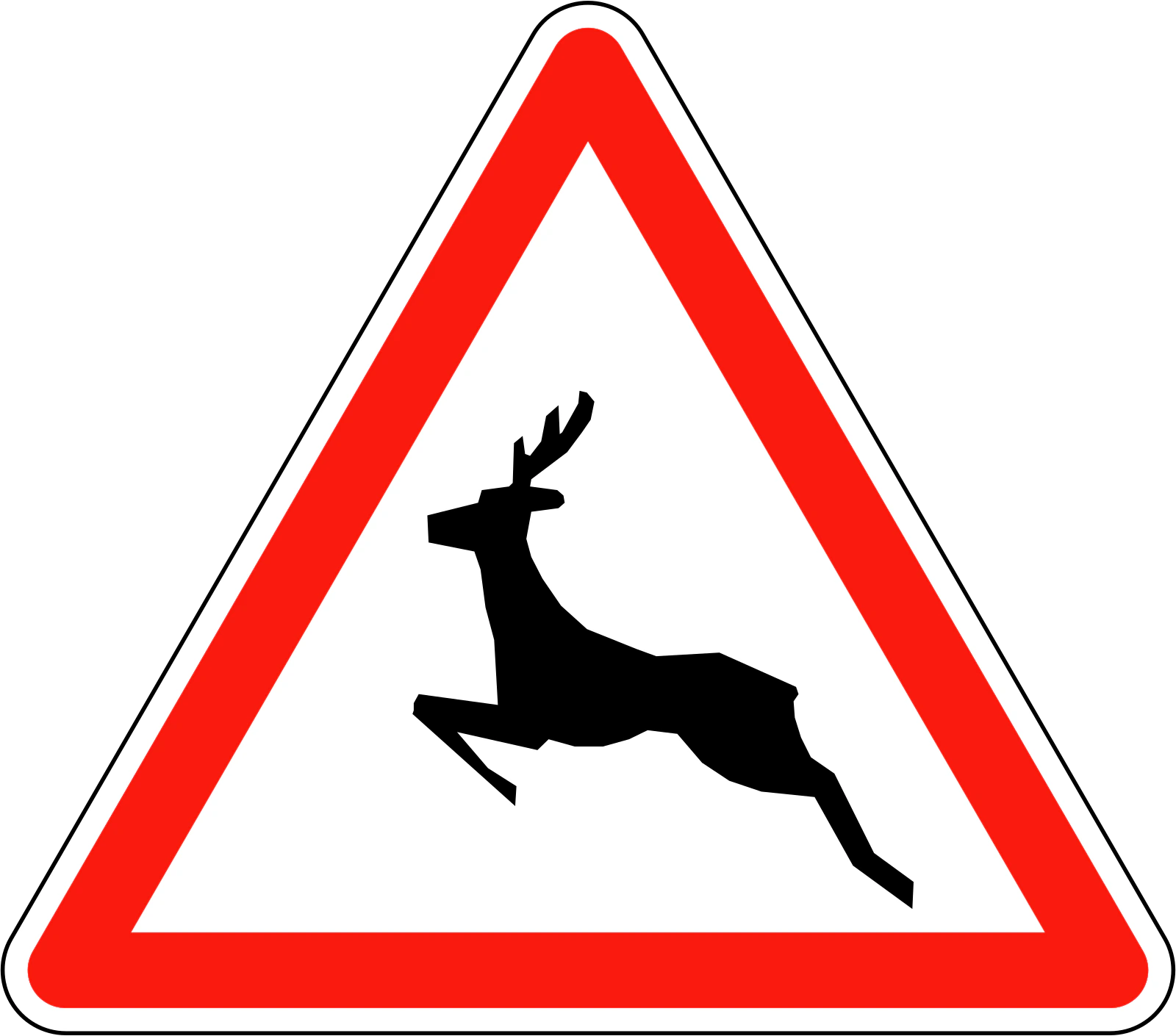
Be aware of wild animals with the A15b warning sign.
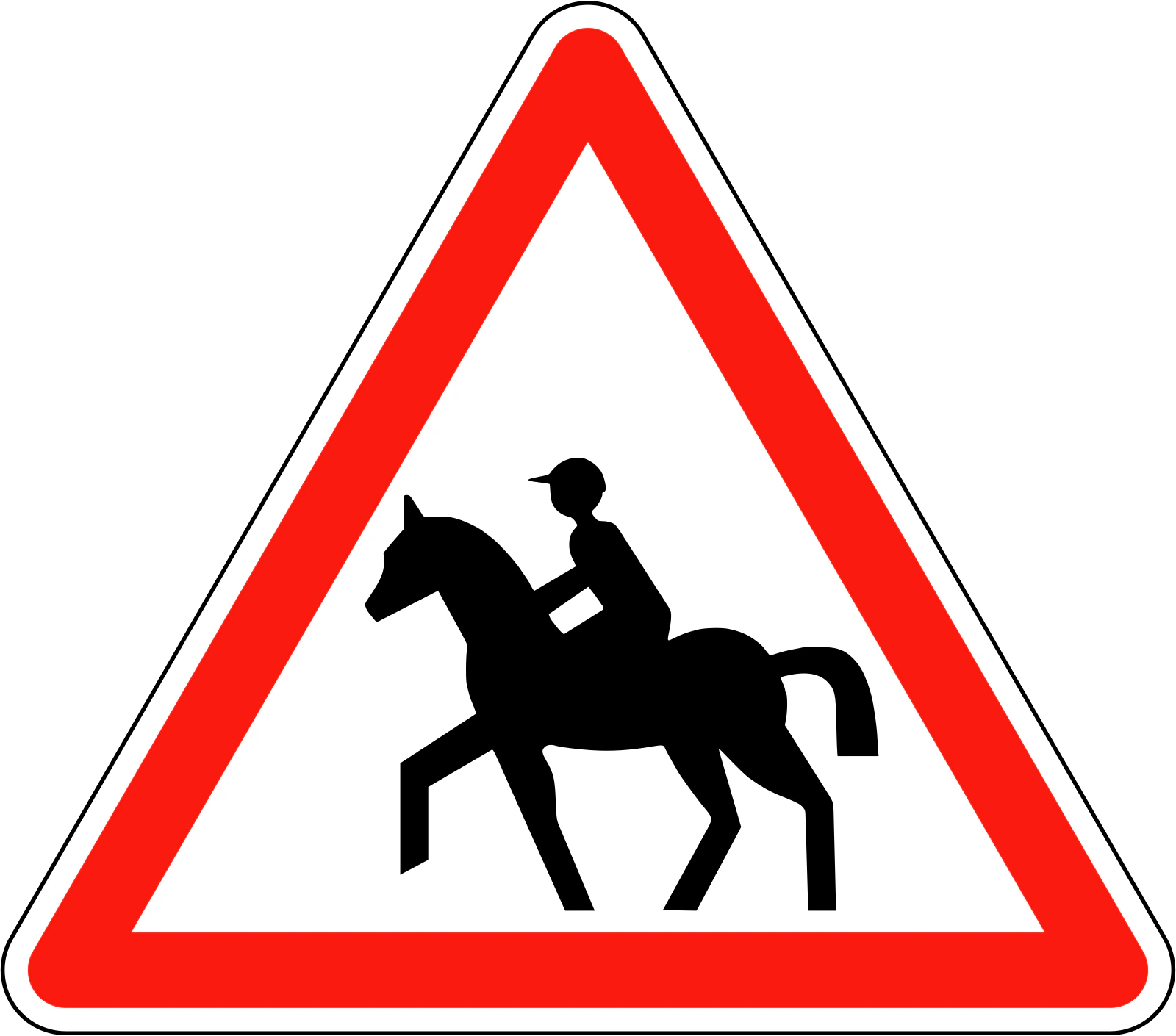
Watch out for horses: Understand the 'Equestrians' warning sign (A15c).
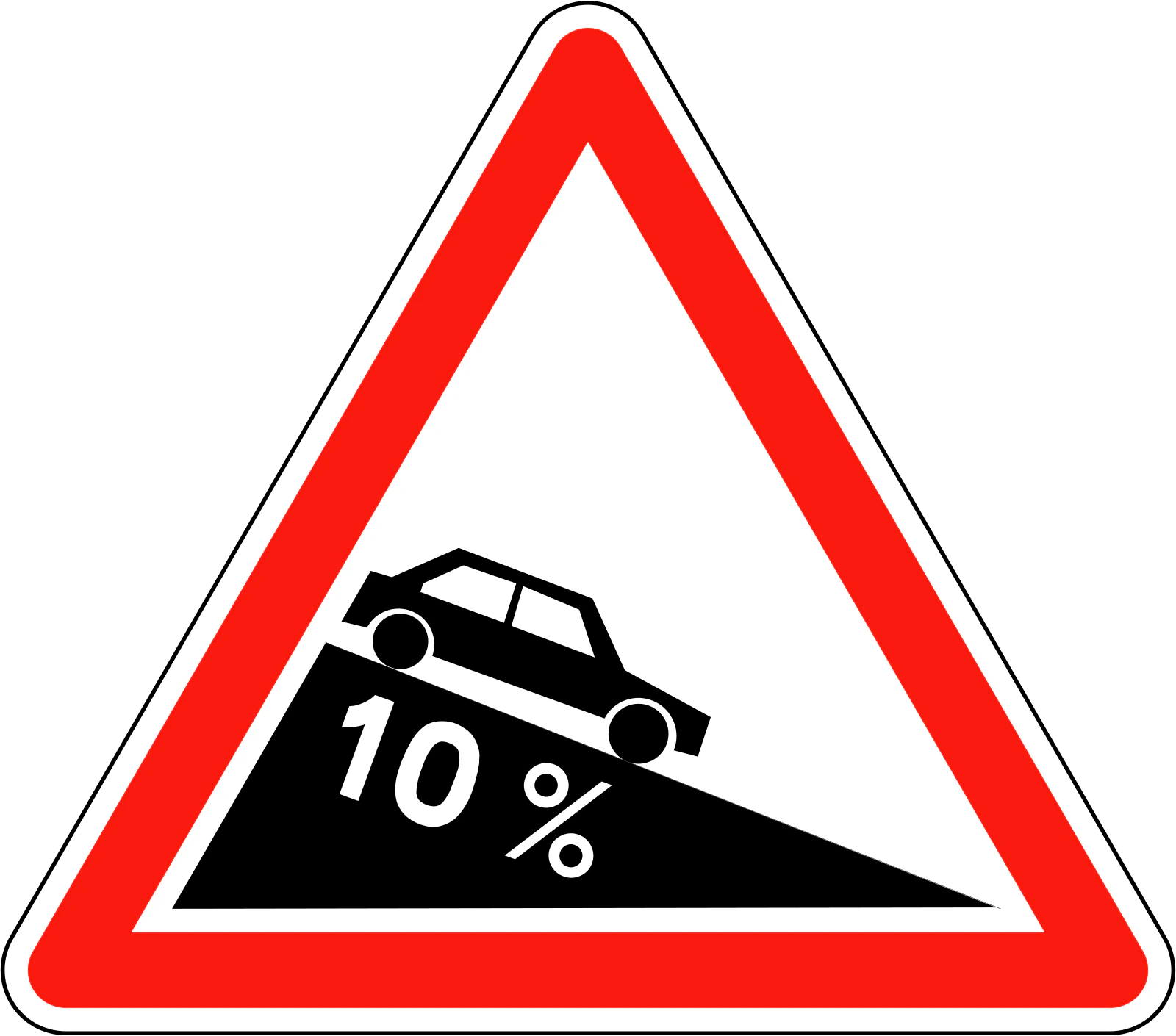
Steep Hill Downwards: Prepare for a significant descent ahead.
Explore these structured materials to bridge the gap between visual sign recognition and the specific traffic rules required for your ETG theory test. These resources help clarify how regional road signs dictate right-of-way and safety in France.
Master French Mountain Driving Rules and Techniques for a Safer Drive
Decipher French Road Signs for a Confident Code Exam Pass.
Learn to interpret French road signs at a glance by understanding the fundamental role of their shapes and colours. This guide covers danger, regulatory, and informational signs as required by the Code de la Route, providing the foundational knowledge needed for safe driving and exam success. Grasping these basic principles is key to navigating French roads confidently.
Understanding priority rules concerning pedestrians and cyclists is a fundamental requirement for the French Code de la route. This guide clarifies your legal duties to 'céder le passage' and explains why proactive checking of blind spots is critical when turning. Applying these principles consistently will help you navigate urban intersections safely and correctly during your theory test.
Priority signs are essential in France because priority can depend on the road type, the intersection layout, and whether priority-to-the-right still applies. This sign helps drivers identify who has right of way before entering the conflict area. A safe response means reading the sign with road markings, checking both directions, and committing only when the priority rule and traffic situation are clear. Official French sign code: AB25.
Priority signs are essential in France because priority can depend on the road type, the intersection layout, and whether priority-to-the-right still applies. This sign helps drivers identify who has right of way before entering the conflict area. A safe response means reading the sign with road markings, checking both directions, and committing only when the priority rule and traffic situation are clear. Official French sign code: AB3b.
Now that you've reviewed the full list of French road signs, enhance your understanding. Explore signs grouped by specific categories for deeper insights, test your recognition with practice questions, and solidify your knowledge for the Code de la route exam.
Browse All French Road Signs