The KD8e2 'Lanes Change' sign is a temporary information sign used in France to alert drivers to upcoming changes in lane configuration, such as merges or lane closures due to roadworks or incidents. It's crucial for choosing the correct lane early and avoiding last-minute, potentially dangerous manoeuvres. Always prepare for narrower lanes and follow temporary markings closely to ensure smooth traffic flow and safety.
This KD8e2 sign signals temporary lane adjustments, guiding you to select the correct lane before restrictions. Master its meaning for effective theory test revision and safe driving through French roadworks.
Temporary information signs support navigation and positioning through roadworks or incident management. This sign may show lanes changing, merging, closing, or continuing in a temporary pattern. Drivers should read it early, check mirrors, signal smoothly if a lane change is needed, and avoid forcing a late merge. Official French sign code: KD8e2.
"Lanes change" explains a temporary traffic layout, lane change, lane merge, or roadworks arrangement. It helps drivers choose the correct lane before space becomes restricted.
Get clear, practical answers to the most common questions about the KD8e2 - Lanes change road sign. Learn how the sign works, what rules it represents, and how it affects real driving situations. This FAQ strengthens your understanding and supports accurate decision making for the French driving theory exam in France.
The KD8e2 'Lanes Change' sign informs drivers about a temporary alteration in the road layout, like lanes merging or closing, often due to roadworks. Its purpose is to help you position your vehicle in the correct lane in advance, preventing confusion and unsafe actions when space becomes restricted.
Upon seeing the KD8e2 sign, you should read it early to understand the upcoming lane arrangement. Check your mirrors and, if necessary, signal smoothly to change lanes. The goal is to select the appropriate lane well before the actual change occurs, especially if lanes are merging or closing.
Yes, temporary lanes indicated by signs like KD8e2 can be narrower and less forgiving than permanent ones. It's important not to ignore temporary markings, even if permanent ones are visible, and to maintain an increased following distance. Avoid sudden moves or forcing a late merge.
A common trap is not reacting early enough to the KD8e2 sign, leading to a rushed or forced lane change. Learners might also mistakenly follow permanent markings when temporary ones or cones indicate a different, necessary path. The theory exam often tests your ability to anticipate and prepare for these temporary changes.
If you realize you're in the wrong lane after the ideal opportunity to change has passed, do not force a sudden merge. Instead, continue safely in your current lane and follow the instructions of the next signs or traffic management personnel. It's safer to adjust your route or follow the flow than to create a dangerous situation.
Not necessarily. The KD8e2 'Lanes Change' sign informs you that the lane configuration is changing, for example, a lane might be closing or lanes might be merging. You need to assess your current lane and the upcoming layout to decide if a lane change is required to follow the intended traffic path safely. If your current lane continues, you may stay in it.
A clear reference image of the KD8e2 - Lanes change road sign used in France.
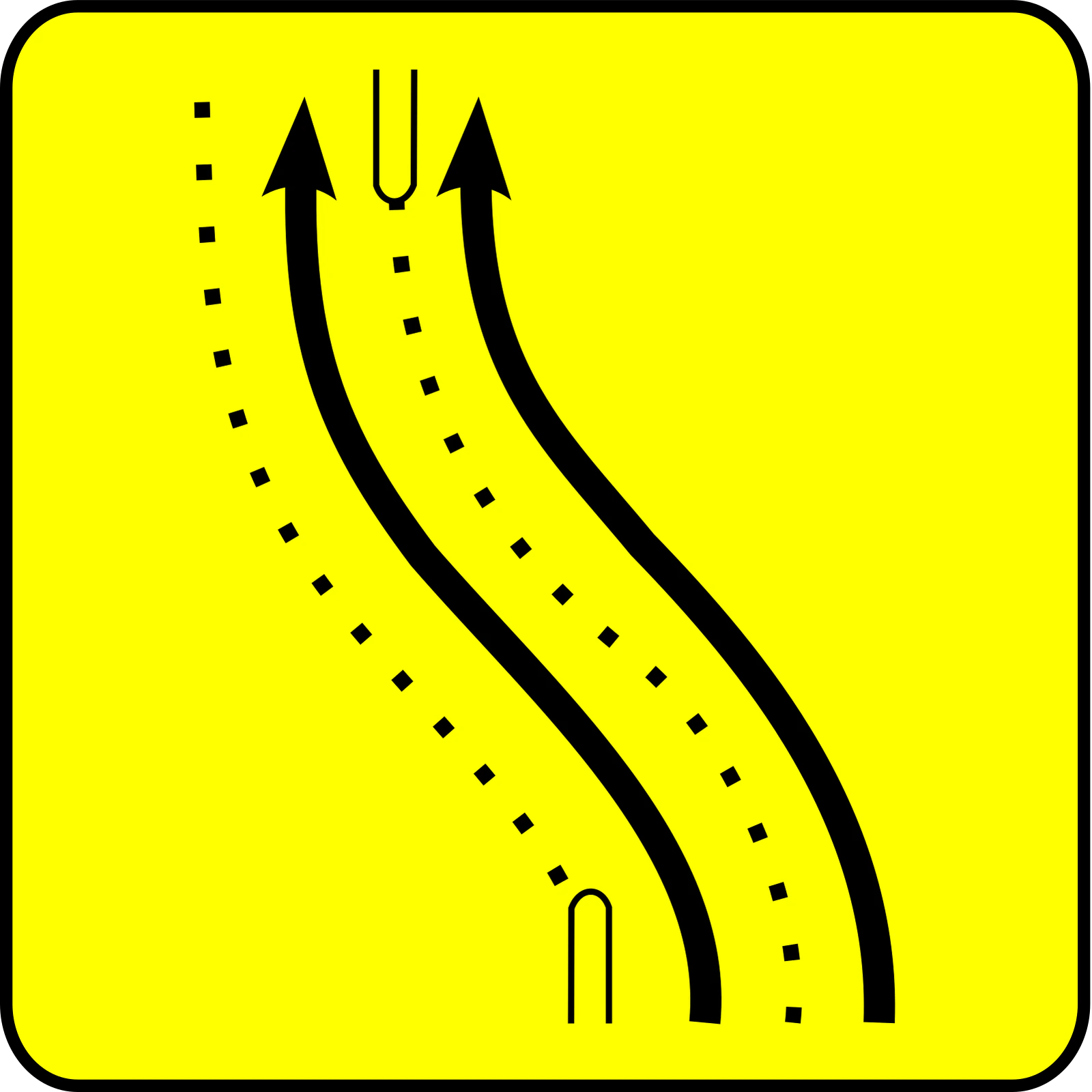
The KD8e2 - Lanes change road sign may also be known by these alternative names or terms.
The KD8e2 - Lanes change road sign is part of the France Temporary Information Signs category, which groups together signs with similar rules and functions.
Comparing signs like 'Lanes Change' with other temporary information signs helps build strong recognition and reduces confusion. Effective theory test revision involves understanding subtle differences between traffic signs for accurate hazard perception and correct responses in France.
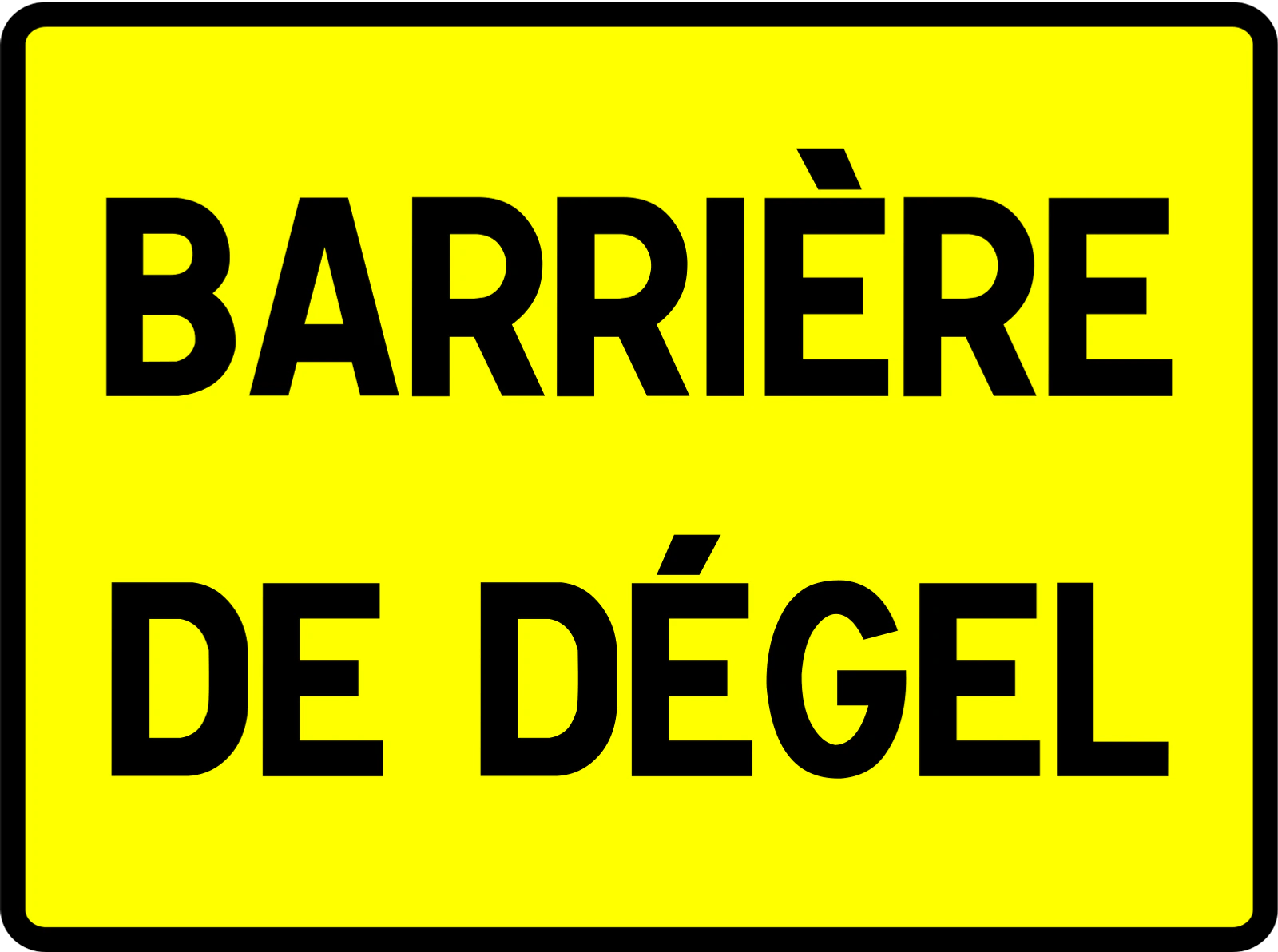
KC1 Other Information sign guides you through temporary lane changes and roadworks.
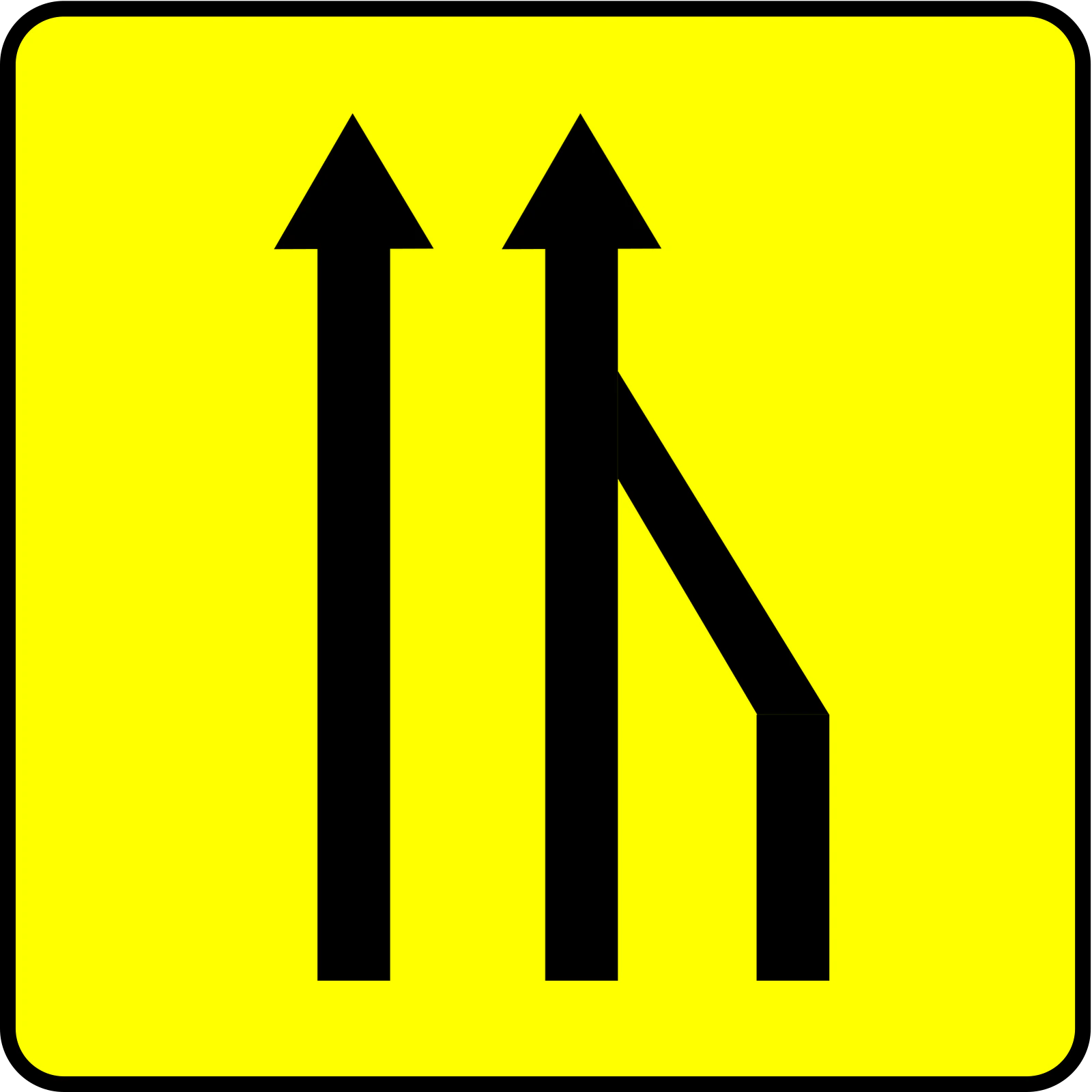
KD10e2: Prepare for Merging Lanes in Temporary Traffic Layouts
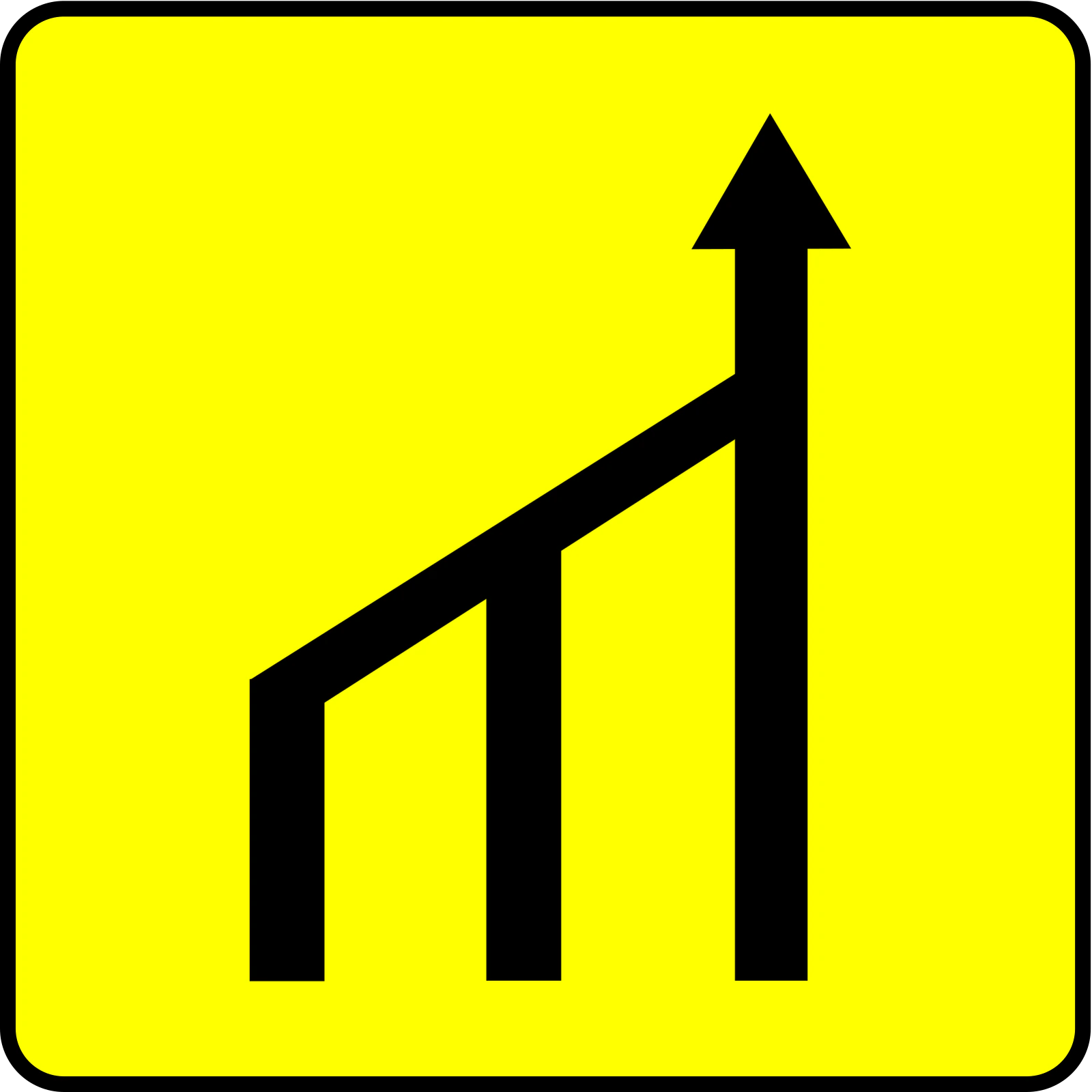
KD10e4: Prepare for Merging Lanes in Temporary Traffic Layouts
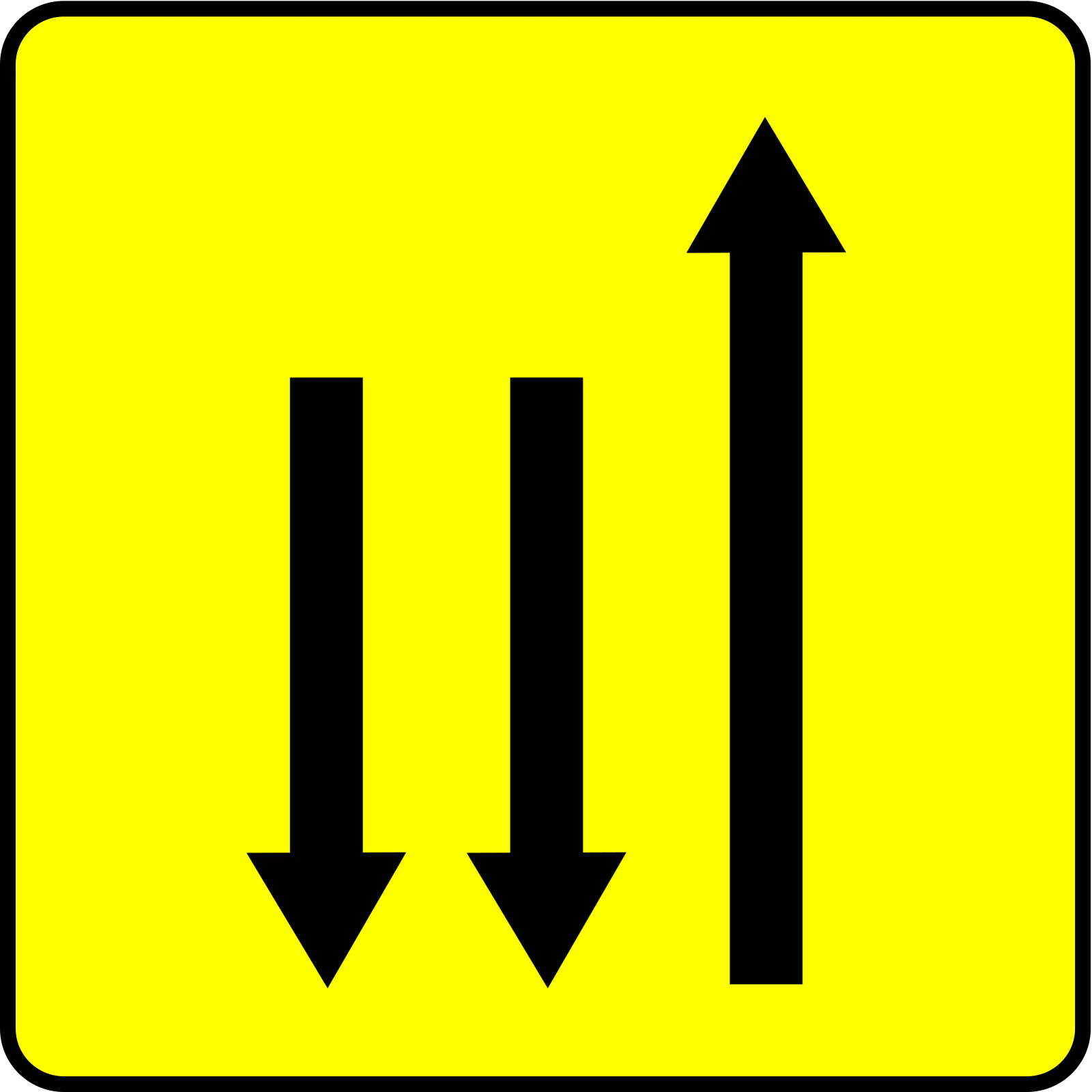
KD9e2 'Lanes' Sign: Navigate Temporary Traffic Layouts Safely
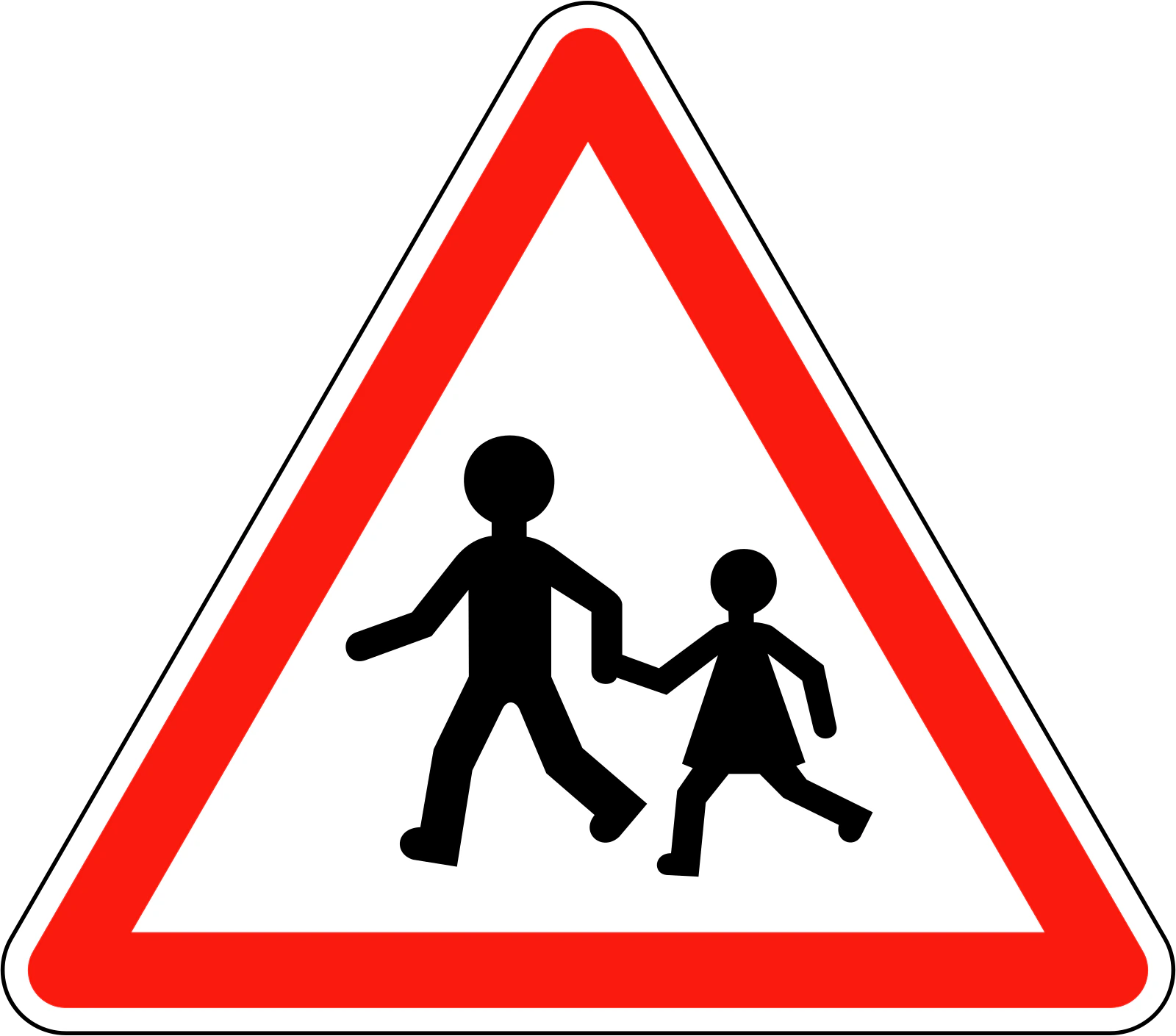
Warning: Children Crossing Ahead – Prepare to slow down and be vigilant!
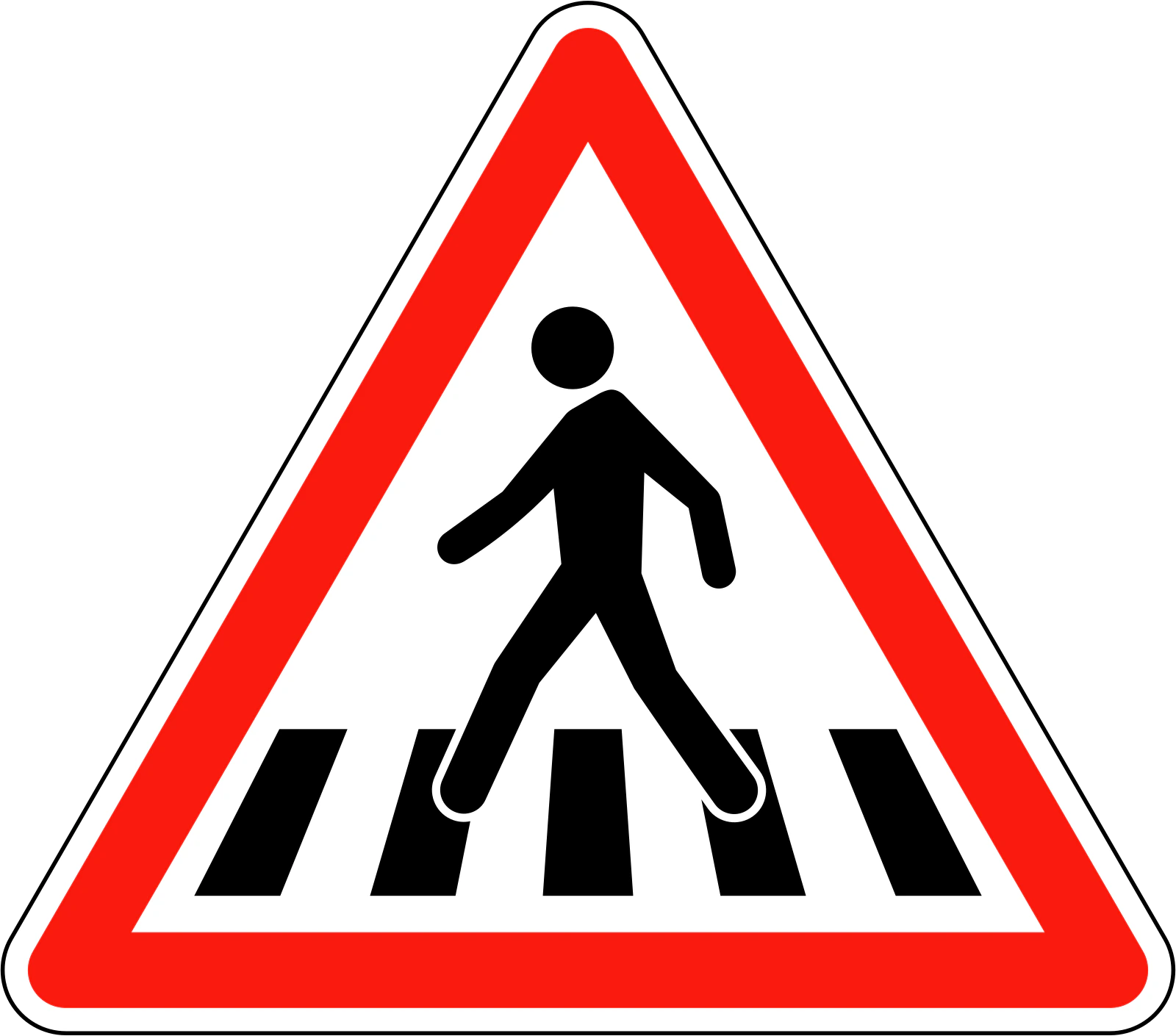
Prepare for Pedestrians: The A13b 'Pedestrian Crossing Ahead' Warning Sign
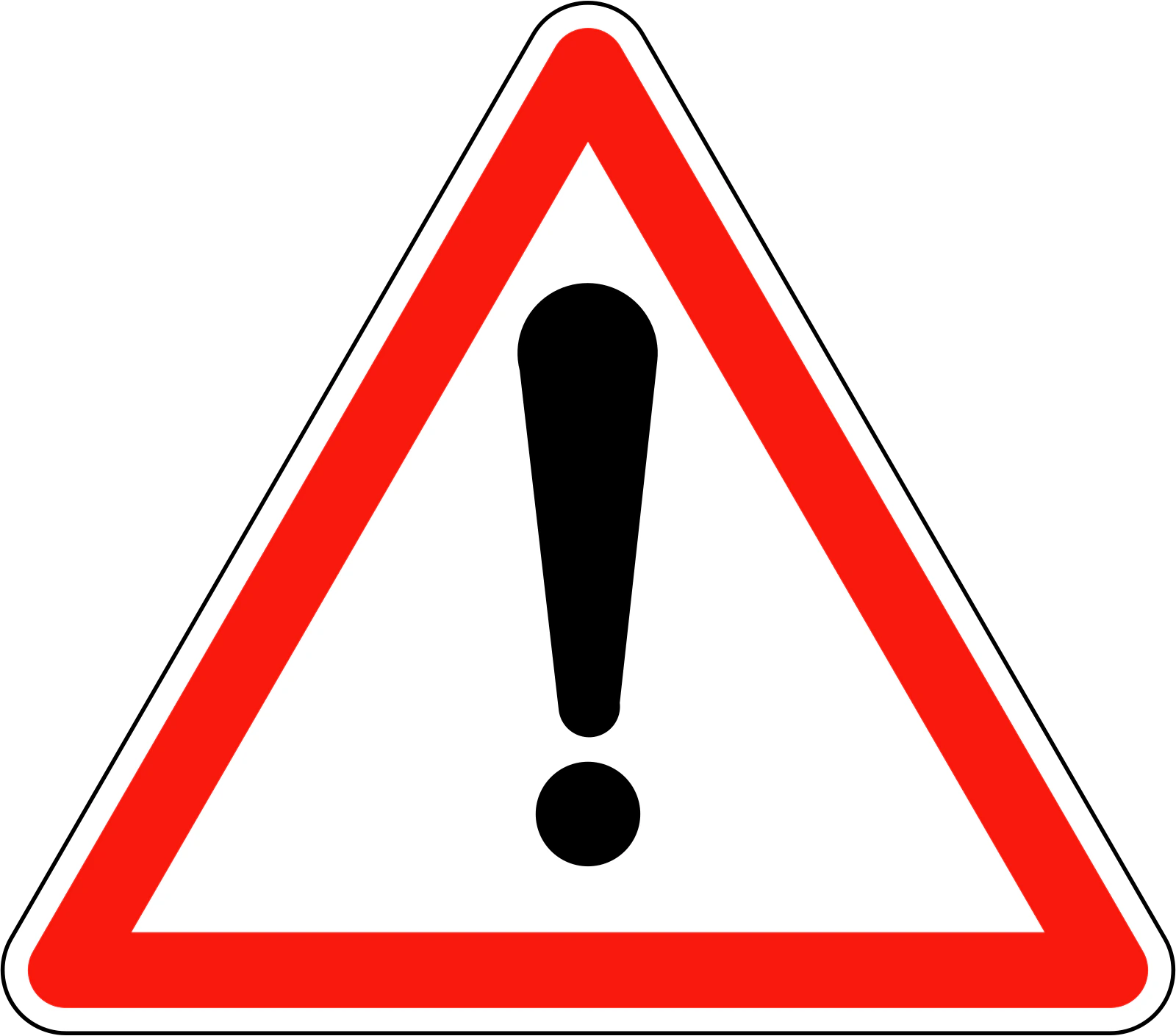
A14 Other Danger: Prepare for the Unexpected Ahead!
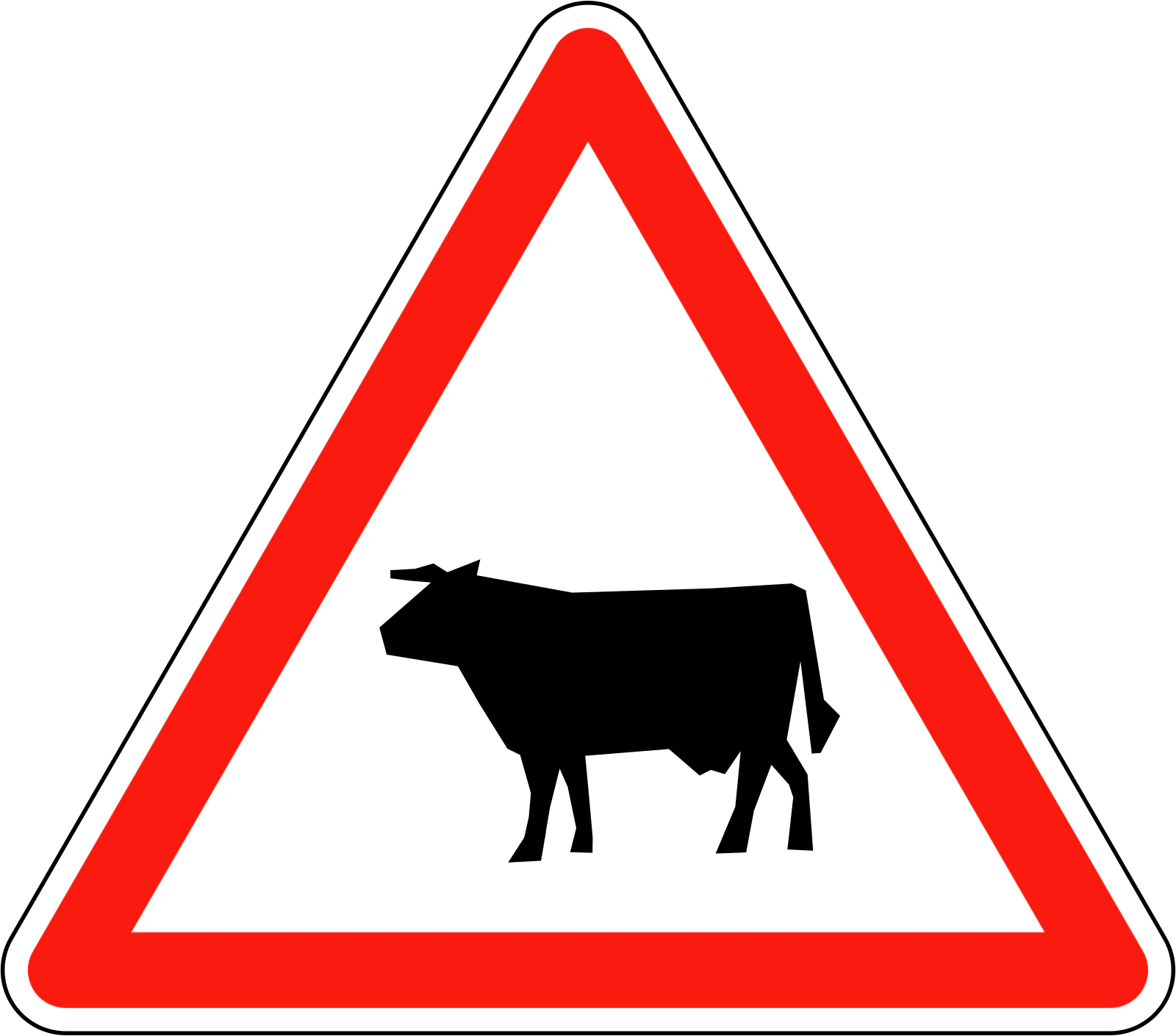
Prepare for cattle on the road with the French A15a warning sign.
Explore these structured materials to bridge the gap between visual sign recognition and the specific traffic rules required for your ETG theory test. These resources help clarify how regional road signs dictate right-of-way and safety in France.
Master the Code de la Route: Avoid Distraction Traps and Drive Safely in France.
Navigate French urban traffic like a pro and avoid common learner mistakes.
Navigating French urban environments requires a precise understanding of reserved lanes and public transport prioritization. This article explains the legal requirements for sharing the road with buses, taxis, and cyclists, including how to handle intersection maneuvers and turn crossings. These concepts are essential for both real-world driving safety and successfully passing the ETG theory test.
Parking on an incline requires specific maneuvers that ensure your vehicle remains stationary, protecting you and other road users from potential hazards. By following the standard procedures dictated by the Code de la route, you ensure full compliance with safety regulations and avoid common errors often tested in the French driving theory exam. This guide explains the technical steps for gear and wheel positioning that every driver must know to operate safely in France.
Temporary information signs support navigation and positioning through roadworks or incident management. This sign may show lanes changing, merging, closing, or continuing in a temporary pattern. Drivers should read it early, check mirrors, signal smoothly if a lane change is needed, and avoid forcing a late merge. Official French sign code: KC1.
Temporary information signs support navigation and positioning through roadworks or incident management. This sign may show lanes changing, merging, closing, or continuing in a temporary pattern. Drivers should read it early, check mirrors, signal smoothly if a lane change is needed, and avoid forcing a late merge. Official French sign code: KD10e2.
Now that you've reviewed the full list of French road signs, enhance your understanding. Explore signs grouped by specific categories for deeper insights, test your recognition with practice questions, and solidify your knowledge for the Code de la route exam.
Browse All French Road Signs