
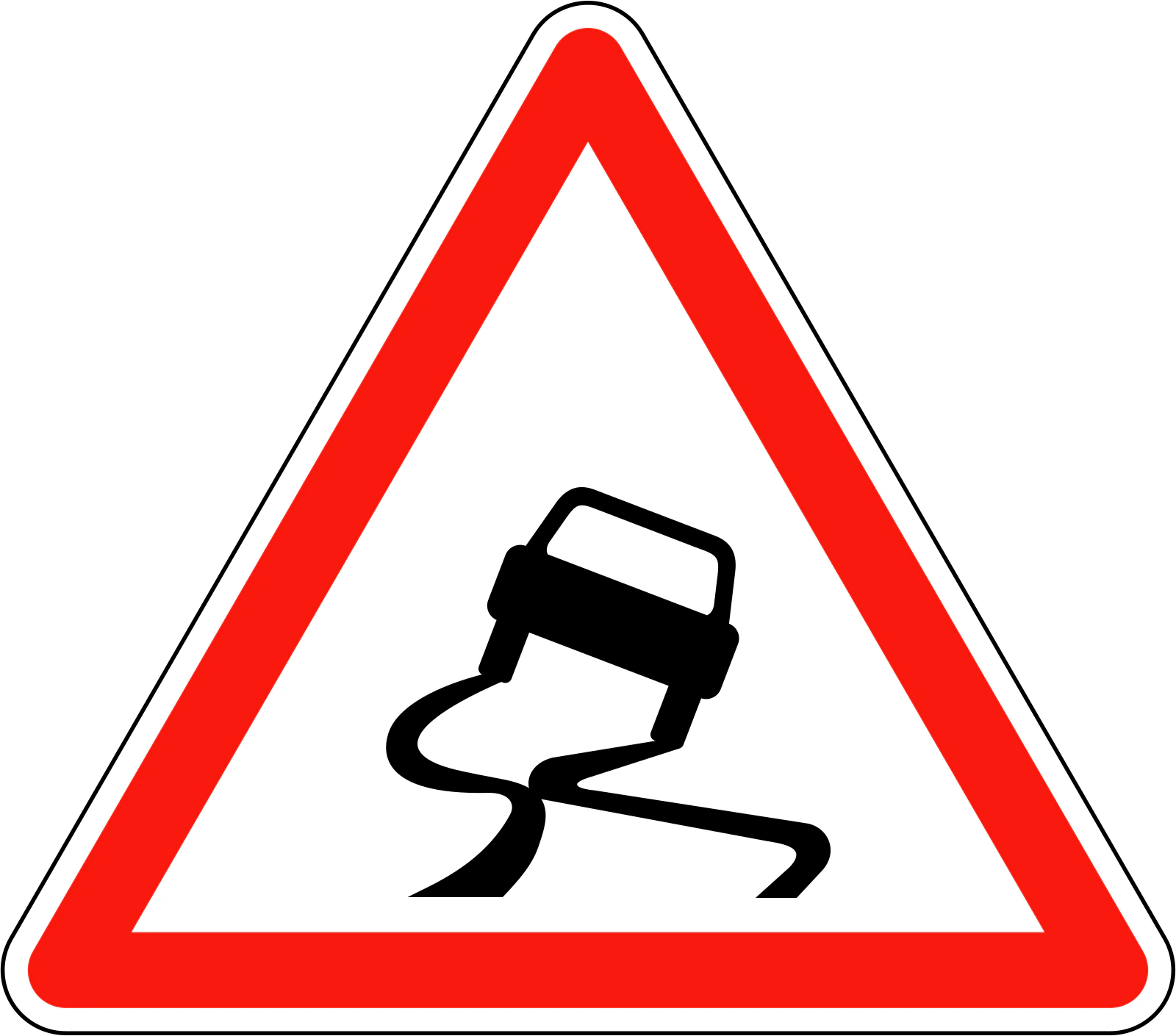
The A4 'Slippery Road' warning sign in France alerts you to a potentially hazardous road surface ahead that could affect your vehicle's grip. This sign is a crucial hazard cue, prompting you to check your mirrors, reduce speed smoothly, increase your following distance, and observe your surroundings more carefully before reaching the affected area. Always be prepared to adjust your driving behaviour to ensure safety on slippery surfaces.
Recognising the French A4 'Slippery Road' sign is crucial for safe driving theory. This traffic sign explanation prepares you for reduced grip, advising on speed control and observation for your theory test revision.
This French warning sign is used before a hazard or road feature that could require an earlier response than the driver would otherwise make. It should trigger mirror checks, smoother speed control, wider observation, and extra following distance before the hazard is reached. The exact response depends on the location, traffic level, road surface, weather, and whether pedestrians, cyclists, animals, or crossing traffic may be present. Official French sign code: A4.
"Slippery road" warns drivers that slippery road may affect the road ahead. It gives time to reduce speed if needed, scan further ahead and to the sides, and prepare for a change in grip, visibility, priority, road width, or stopping distance.
Get clear, practical answers to the most common questions about the A4 - Slippery road road sign. Learn how the sign works, what rules it represents, and how it affects real driving situations. This FAQ strengthens your understanding and supports accurate decision making for the French driving theory exam in France.
The A4 sign warns that the road surface ahead may become slippery, affecting your car's grip. It's an early warning to prepare for reduced traction, which could be due to rain, ice, frost, or oil spills. You should anticipate this hazard and adjust your driving accordingly.
Upon seeing the A4 sign, you should immediately prepare to slow down. Check your mirrors, increase the distance between your car and the vehicle in front, and reduce your speed gently. Avoid sudden braking, acceleration, or steering, as these actions can easily cause a skid on a slippery surface.
A common trap is thinking the warning only applies when you see the slippery surface. The A4 sign is an early warning, meaning you should prepare *before* you reach the hazard. Another trap is not understanding that the required response (speed, distance) depends on conditions like weather and traffic, not just the sign itself.
The A4 sign requires you to adjust your speed and driving behaviour based on the conditions. While you must prepare to slow down, the exact speed depends on the severity of the slipperiness, weather, traffic, and road layout. It's about increasing safety margins, not necessarily driving at a crawl unless conditions demand it.
Yes, supplementary plates can provide additional information about the A4 sign. For example, a plate might indicate the distance to the slippery section, the length of the hazardous stretch, or that the warning applies only to specific vehicle types or under certain weather conditions (like snow or ice).
A clear reference image of the A4 - Slippery road road sign used in France.
The A4 - Slippery road road sign may also be known by these alternative names or terms.
The A4 - Slippery road road sign is part of the France Warning Signs category, which groups together signs with similar rules and functions.
Comparing the Slippery Road sign (A4) with similar traffic signs aids theory test revision by highlighting subtle distinctions for better recognition. This focused traffic sign comparison sharpens your understanding, leading to fewer errors during your driving theory exam.
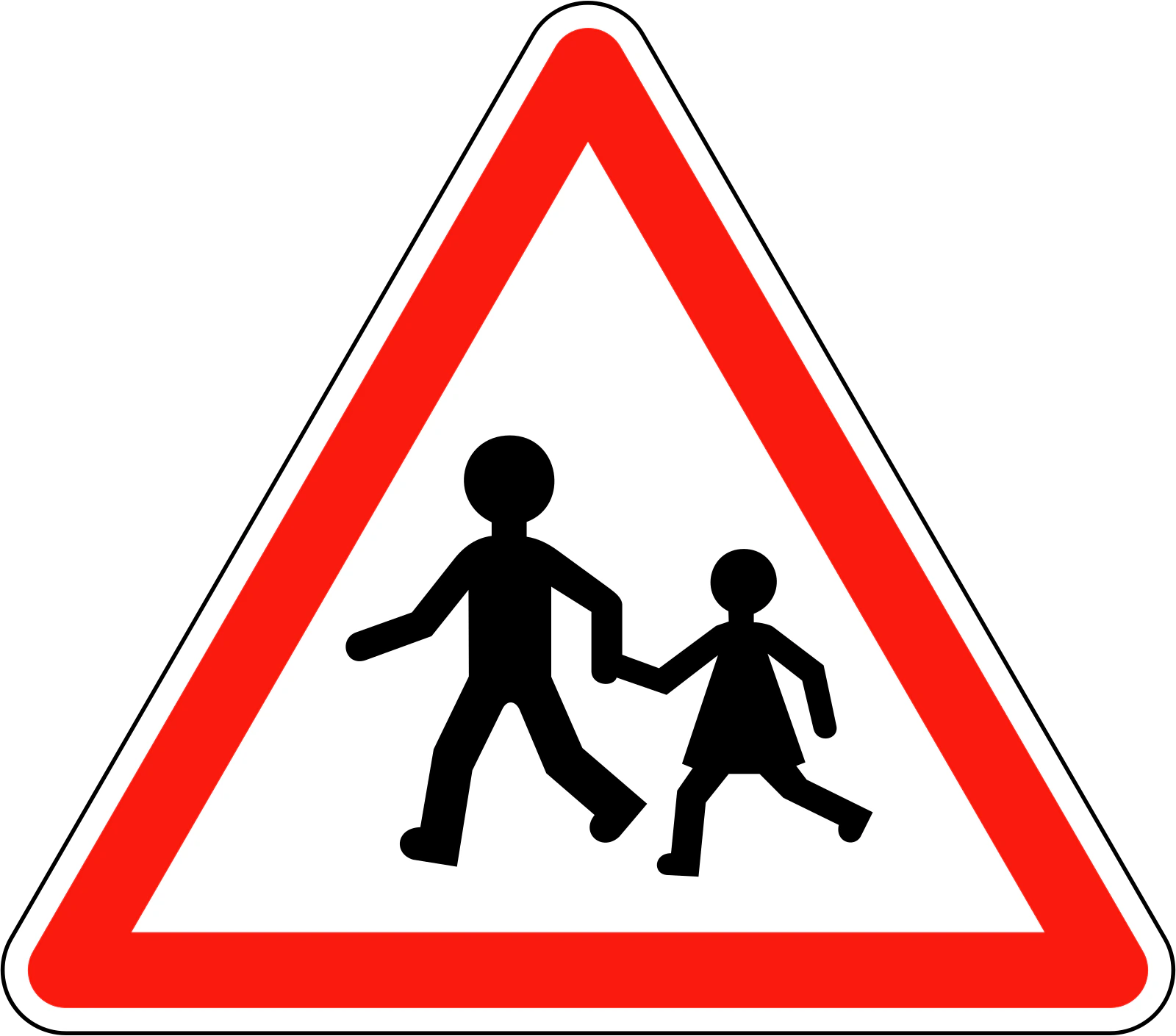
Warning: Children Crossing Ahead – Prepare to slow down and be vigilant!
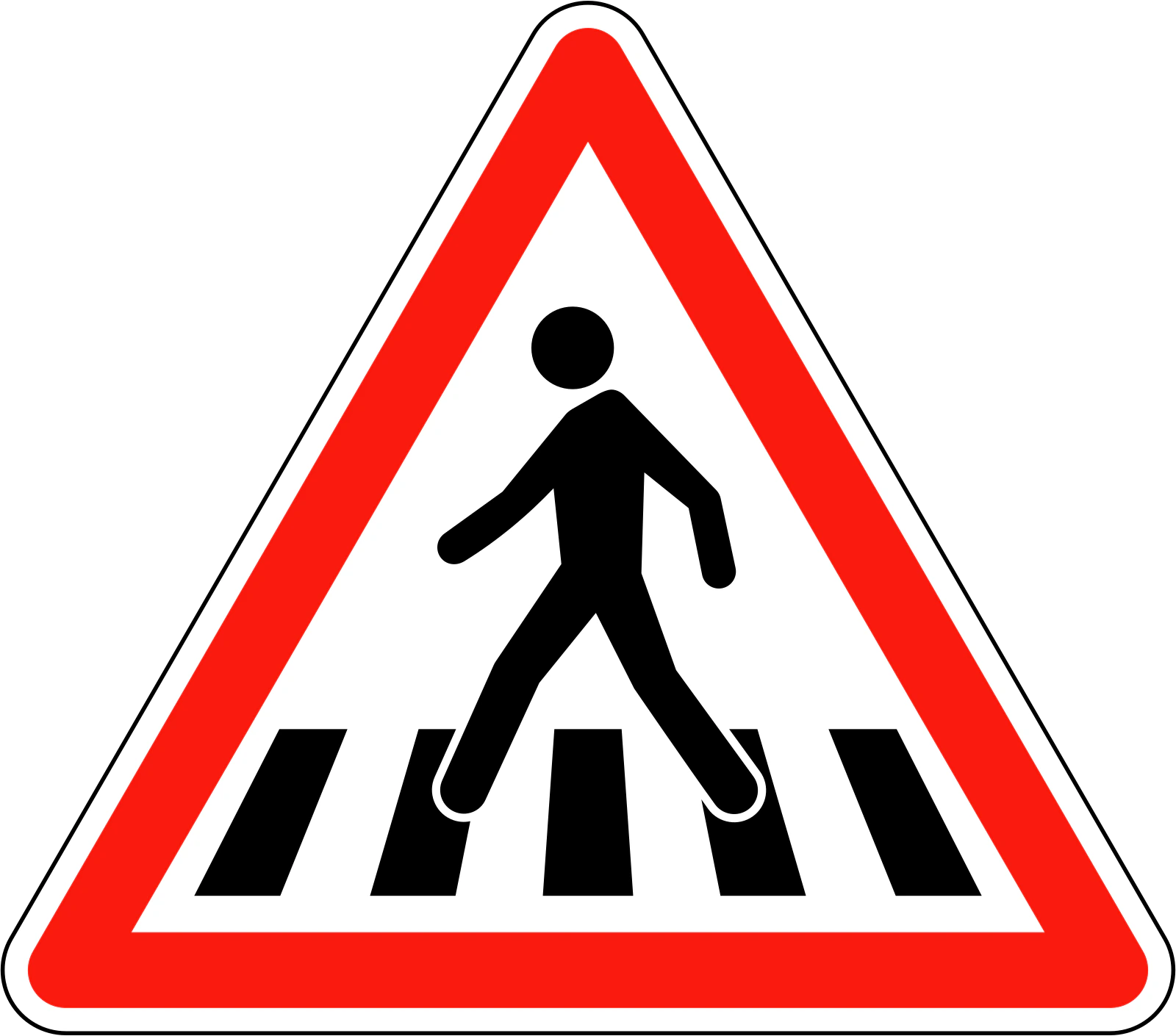
Prepare for Pedestrians: The A13b 'Pedestrian Crossing Ahead' Warning Sign
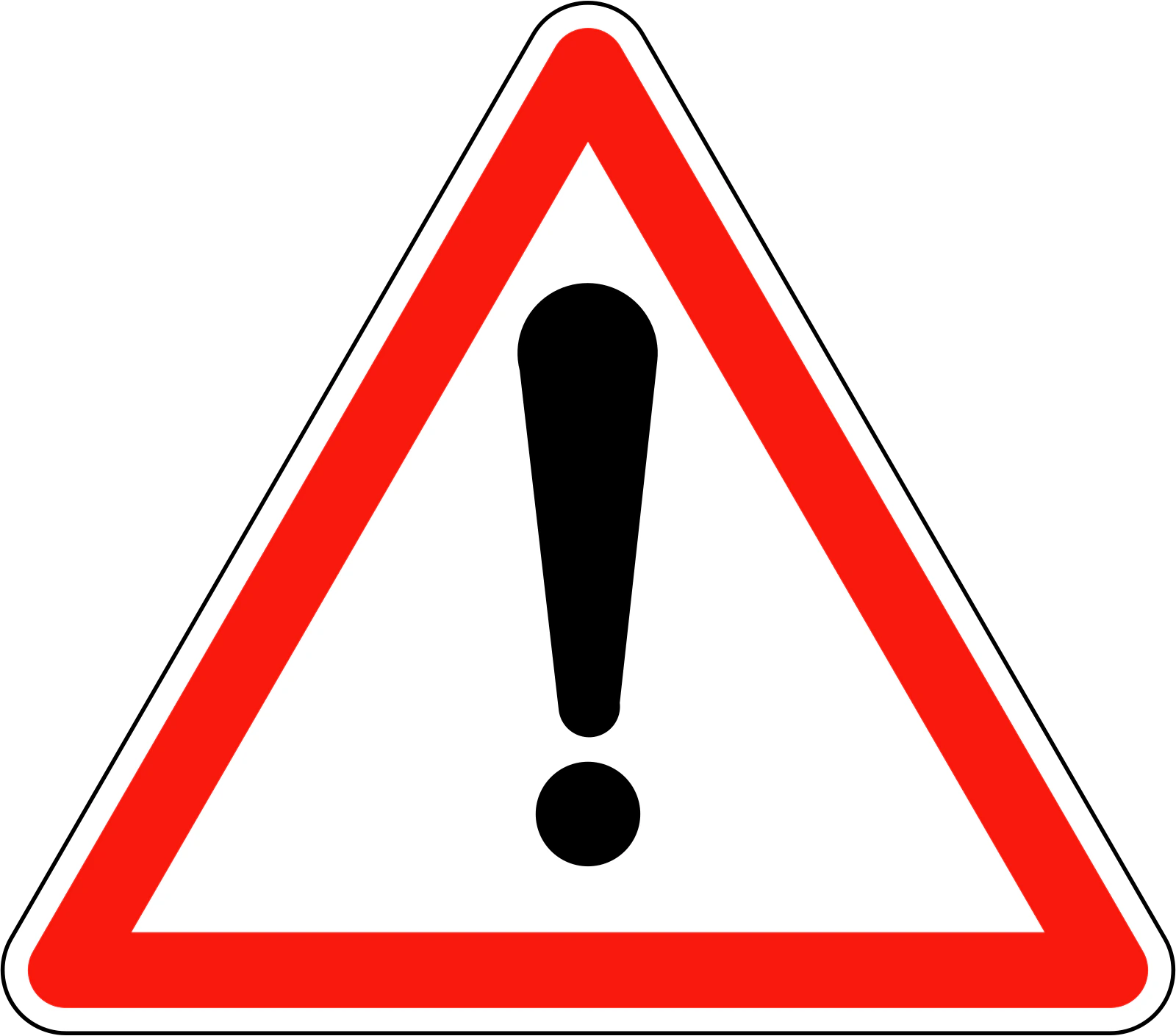
A14 Other Danger: Prepare for the Unexpected Ahead!
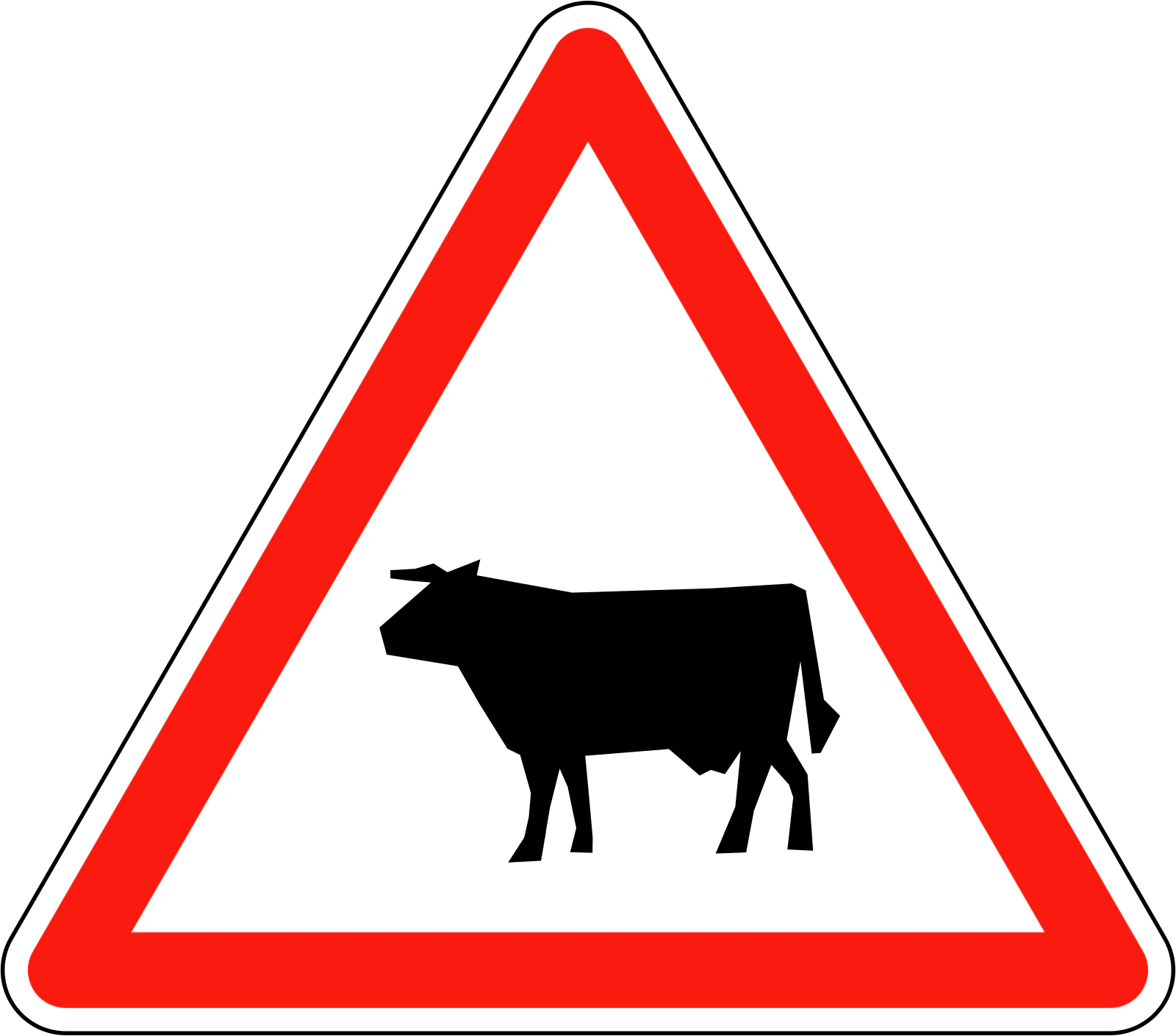
Prepare for cattle on the road with the French A15a warning sign.
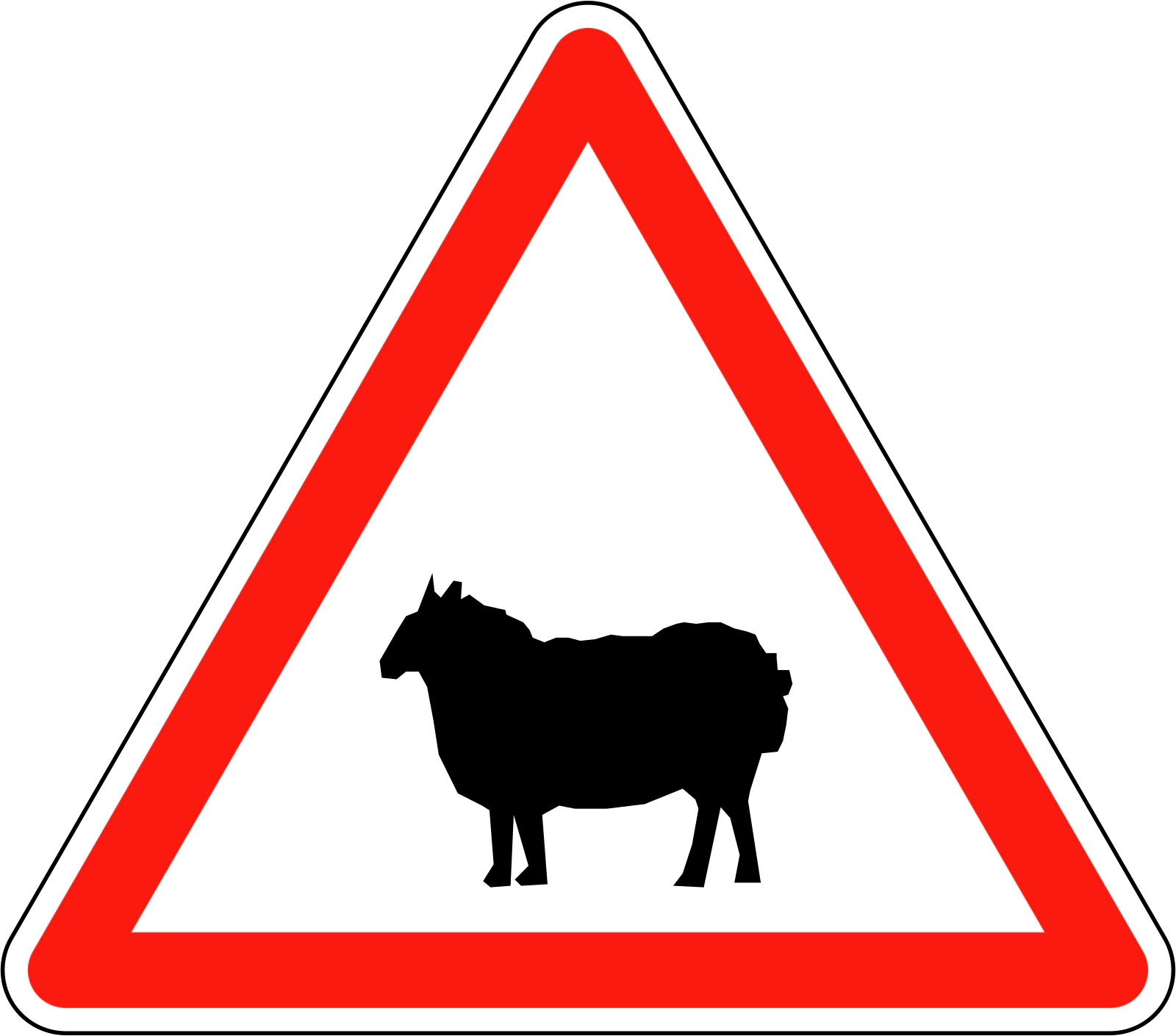
Watch out for Sheep: Understanding the A15a Warning Sign in France
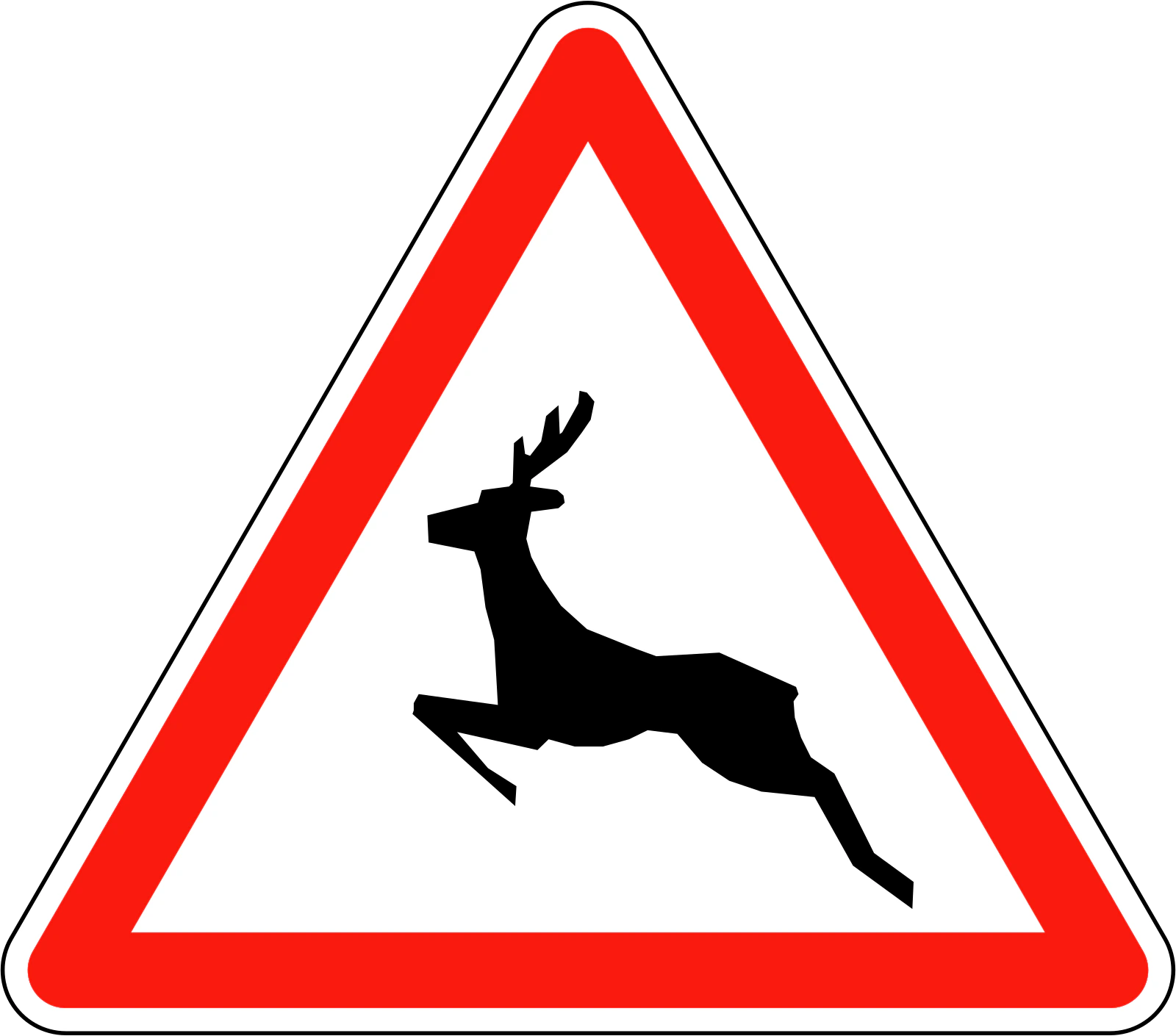
Be aware of wild animals with the A15b warning sign.
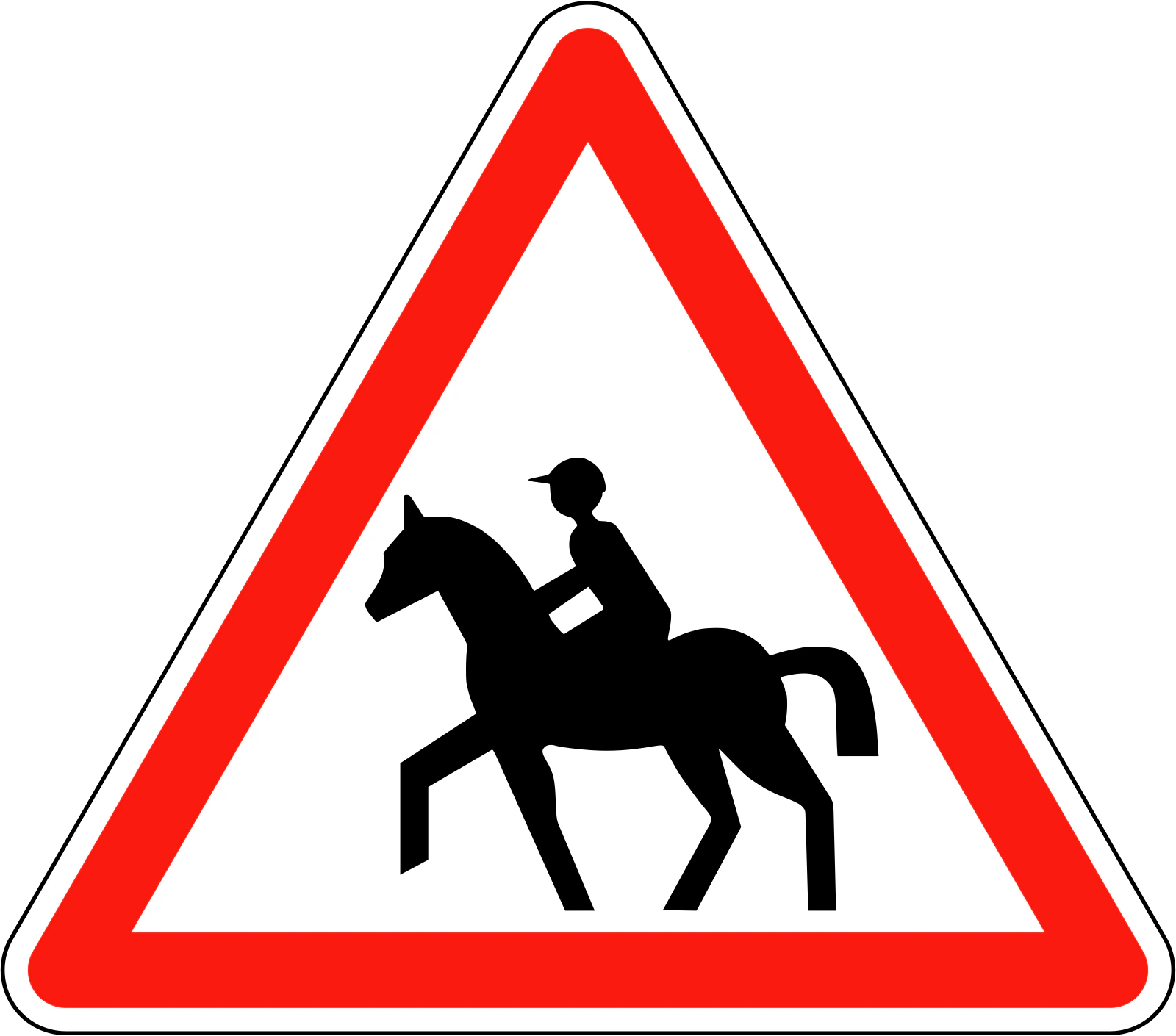
Watch out for horses: Understand the 'Equestrians' warning sign (A15c).
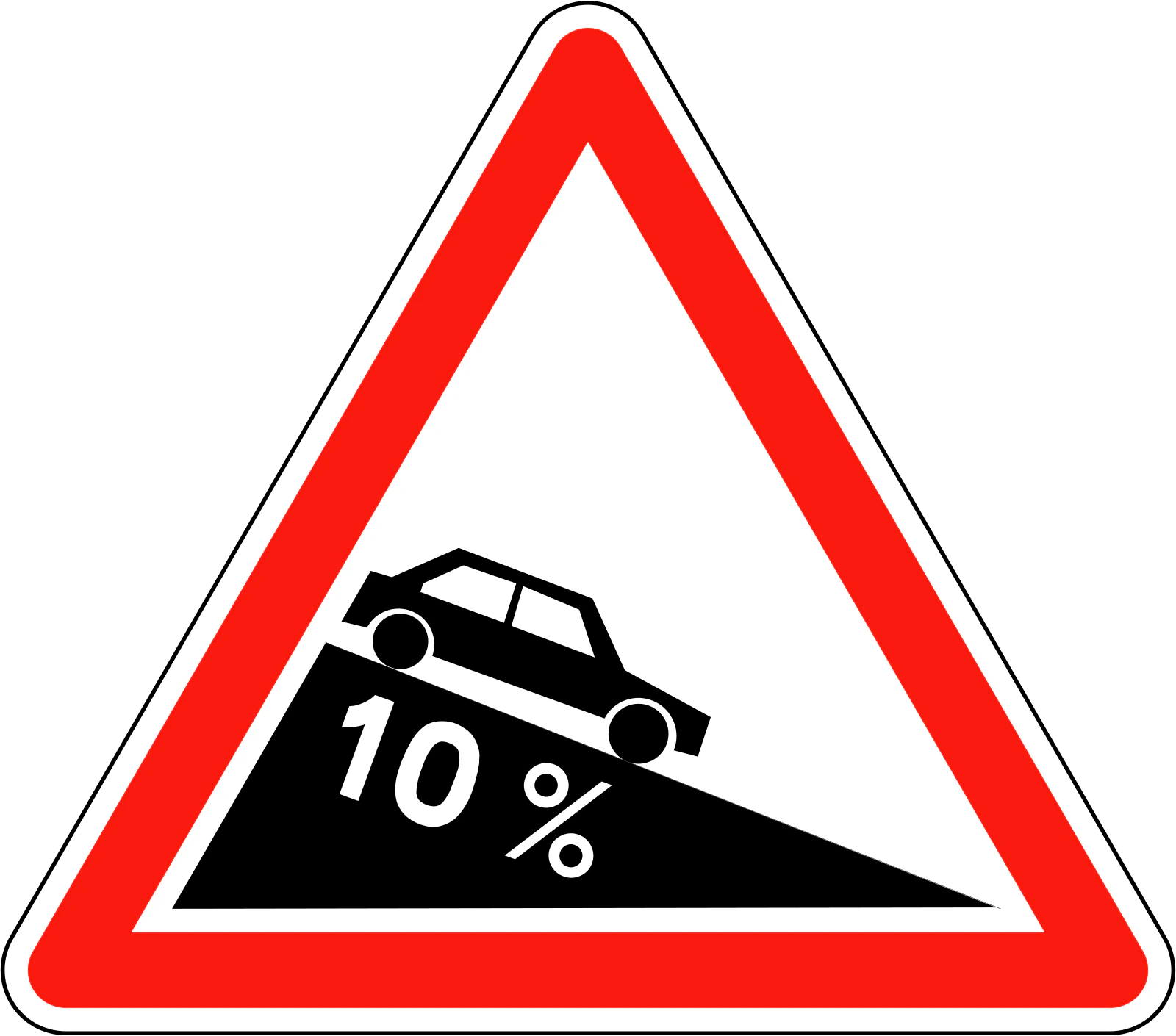
Steep Hill Downwards: Prepare for a significant descent ahead.
Explore these structured materials to bridge the gap between visual sign recognition and the specific traffic rules required for your ETG theory test. These resources help clarify how regional road signs dictate right-of-way and safety in France.
Receiving a fine early in your driving journey can be discouraging, potentially affecting your confidence and approach to learning the French Code de la route. This article delves into how these initial penalties can influence your preparation for the ETG (examen théorique général), offering insights to help you maintain momentum and build safer driving habits without focusing on legal repercussions.
Decipher French Road Signs for a Confident Code Exam Pass.
Ensuring your vehicle is in good working order is a core responsibility for every driver under French law. This guide covers the essential technical checks you must master for your theory exam, including monitoring fluid levels, tire health, and lighting functionality. Learn how these routine inspections satisfy both legal requirements and safety standards on French roads.
Master French Cycling Rules for a Safer Road and a Confident Permis B.
This French warning sign is used before a hazard or road feature that could require an earlier response than the driver would otherwise make. It should trigger mirror checks, smoother speed control, wider observation, and extra following distance before the hazard is reached. The exact response depends on the location, traffic level, road surface, weather, and whether pedestrians, cyclists, animals, or crossing traffic may be present. Official French sign code: A15b.
This French warning sign is used before a hazard or road feature that could require an earlier response than the driver would otherwise make. It should trigger mirror checks, smoother speed control, wider observation, and extra following distance before the hazard is reached. The exact response depends on the location, traffic level, road surface, weather, and whether pedestrians, cyclists, animals, or crossing traffic may be present. Official French sign code: A13b.
Now that you've reviewed the full list of French road signs, enhance your understanding. Explore signs grouped by specific categories for deeper insights, test your recognition with practice questions, and solidify your knowledge for the Code de la route exam.
Browse All French Road Signs