
Germany offers specific advantages for electric vehicle owners through the 'E-Kennzeichen', governed by the Elektromobilitätsgesetz and the eKFV. This article details the privileges, such as parking easements and charging regulations, and clarifies which vehicles are eligible. Mastering these rules ensures compliance and helps you leverage the full potential of driving an electric vehicle in Germany, a key consideration for any driver.
Article content overview
Driving an electric vehicle (EV) in Germany offers a unique set of advantages, primarily facilitated by the introduction of the 'E-Kennzeichen', often referred to as the green number plate. This special designation, mandated by the Elektromobilitätsgesetz (ElMoG) and further refined by regulations like the Elektrokleinstfahrzeuge-Verordnung (eKFV) for smaller electric vehicles, signals to authorities and other road users that you are operating an emissions-reduced vehicle. While these privileges can significantly enhance your driving experience, it's crucial to understand the underlying rules and regulations to fully leverage them and avoid potential penalties. This article delves into the specifics of the E-Kennzeichen, outlining the benefits it can unlock and the general behavioural rules that apply to all electric vehicle users on German roads, ensuring you are well-prepared for your theory test and everyday driving.
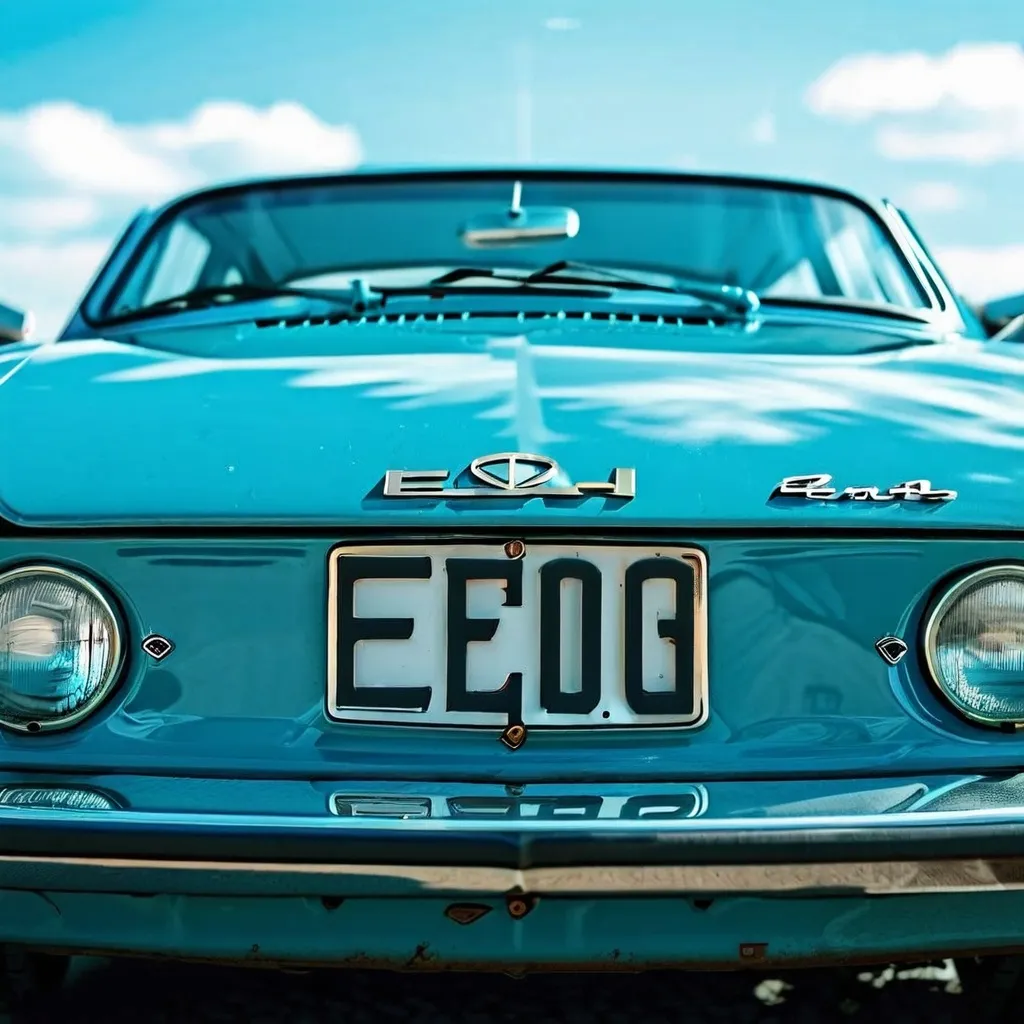
The E-Kennzeichen, characterized by a prominent 'E' suffix on the number plate, serves as a visible identifier for electric vehicles, plug-in hybrids, and, in some cases, hydrogen fuel cell vehicles. Its primary purpose is to promote electromobility by allowing for the implementation of targeted benefits and privileges. The Elektromobilitätsgesetz forms the legal foundation for these privileges, empowering federal states and municipalities to introduce measures that encourage the adoption of electric vehicles. This includes potential benefits such as preferential parking, exemption from certain charges, or access to specific lanes, although the exact privileges can vary significantly depending on the local jurisdiction.
To qualify for an E-Kennzeichen, a vehicle must meet specific criteria related to its powertrain. Generally, purely battery-electric vehicles, fuel cell vehicles, and plug-in hybrid vehicles that meet certain emission standards or have a minimum electric range are eligible. The distinction between fully electric and hybrid vehicles is important, as some privileges might be exclusive to zero-emission vehicles. For smaller electric vehicles, such as e-scooters covered by the eKFV, specific technical requirements must be met, including limitations on speed, power, and dimensions, to be permitted on public roads and potentially qualify for certain designations if a comparable 'E-Kennzeichen' system were applied to them.
The German Electromobility Act (ElMoG) provides the legal framework for promoting electric mobility. It enables federal states and municipalities to grant privileges to electric vehicles, such as preferential parking or charging facilities, and defines the criteria for the E-Kennzeichen.
The core appeal of the E-Kennzeichen lies in the tangible benefits it can offer drivers. These privileges are not automatically guaranteed nationwide but are typically granted at the municipal or regional level, encouraging local adoption of EVs. One of the most common benefits is preferential parking. This can manifest in various forms, including designated parking spots, reduced parking fees, or even free parking in controlled zones. Some cities may also exempt EVs from resident parking permit requirements or offer extended parking times in areas with strict time limits.
Beyond parking, the E-Kennzeichen can sometimes grant access to other advantages. For instance, in certain areas, EVs might be permitted to use bus lanes, especially during peak traffic hours, or be given priority at charging stations. The ability to charge at public charging points is a fundamental aspect of EV ownership, and the E-Kennzeichen can sometimes be linked to preferential charging rates or guarantees of availability. It is essential for drivers to research the specific regulations in their local area, as these privileges are not uniform across Germany and can change over time.
A special German vehicle registration plate with an 'E' suffix, indicating that the vehicle is fully electric, a plug-in hybrid, or a hydrogen fuel cell vehicle. It serves as a visible marker to identify vehicles eligible for potential privileges and benefits promoting electromobility.
The privileges associated with the E-Kennzeichen are highly localized. Always check the specific ordinances and signage in the city or municipality where you are driving to understand the exact benefits and conditions that apply. Relying on general assumptions can lead to fines.
Environmental zones, or Umweltzonen, are designated areas within cities where access is restricted to vehicles meeting certain emission standards, indicated by specific coloured stickers. Electric vehicles, particularly those with an E-Kennzeichen and classified under emission group 4, are typically exempt from these restrictions and can freely enter all environmental zones without needing a special sticker, as they produce no tailpipe emissions within the zone. This exemption is a significant advantage for urban driving, allowing access to city centres that might be off-limits to many internal combustion engine vehicles.
When it comes to public charging infrastructure, the Ladesäulenverordnung plays a crucial role. This regulation aims to ensure the expansion and accessibility of charging points. For EV drivers, this means a growing network of charging stations, including those at motorway service areas, which are increasingly equipped to handle electric vehicle charging. While charging at public stations is generally permitted, understanding the specific rules for each charging provider, including payment methods and potential time limits, is essential. Cables laid across pavements, while sometimes necessary, should be managed to avoid obstructing pedestrians and other road users, adhering to general road safety principles.
A designated area within a city or town where the entry of vehicles is restricted based on their emission standards. Vehicles must display a specific coloured sticker (Plakette) to prove they meet the required emission levels. Electric vehicles often qualify for exemption from these restrictions.
The German Charging Station Ordinance (Ladesäulenverordnung) regulates the expansion and accessibility of charging infrastructure for electric vehicles. It aims to ensure that charging facilities are readily available and interoperable, supporting the growth of electromobility.
Beyond the specific privileges and regulations tied to the E-Kennzeichen, all drivers of electric vehicles, including those operating under the Elektrokleinstfahrzeuge-Verordnung (eKFV), must adhere to general traffic rules and exhibit responsible behaviour on the road. For electric small vehicles, the eKFV dictates specific conduct: drivers must ride individually one behind the other, refrain from attaching themselves to moving vehicles, and avoid riding with free hands. Maintaining a safe and predictable driving style is paramount to avoid accidents and ensure smooth traffic flow.
When operating on roads with multiple lanes, drivers of electric vehicles, like all road users, must adhere to the principle of driving as far to the right as possible, unless overtaking or other specific circumstances dictate otherwise. This ensures that faster traffic can pass safely and efficiently, contributing to overall road safety. If an electric vehicle lacks integrated direction indicators, the driver is obligated to signal their intended direction changes well in advance and clearly using hand signals. This proactive communication is vital for allowing other road users to adjust their behaviour accordingly and prevent misunderstandings.
The German regulation for electric small vehicles, which sets the technical requirements and general behavioural rules for devices like e-scooters and e-skateboards to be allowed on public roads.
Furthermore, electric vehicle drivers, especially those operating on cycle paths, must exercise consideration for cyclists. This includes adapting speed to match the pace of cyclists when necessary and always enabling faster cyclists to overtake without obstruction. This principle of mutual respect and consideration is a cornerstone of safe road sharing, particularly in mixed-traffic environments where different types of vehicles and vulnerable road users interact. Adherence to these behavioural rules is not only a legal requirement but also essential for fostering a safe and harmonious traffic environment for everyone.
The Elektrokleinstfahrzeuge-Verordnung (eKFV) outlines specific rules for the operation of electric small vehicles, such as e-scooters, that differ from those for larger electric cars. For an electric small vehicle to be permitted on public roads in Germany, it must meet strict technical criteria. These include having a steering or handlebar, a maximum design speed between 6 km/h and 20 km/h, a rated continuous power output of no more than 500 watts (or up to 1400 watts for self-balancing vehicles), a maximum vehicle mass without a driver of 55 kg, and specific maximum dimensions for width, height, and length.
When operating an electric small vehicle, adherence to general traffic rules is expected. This includes riding in a single file, not attaching to other moving vehicles, and not riding with hands free to maintain balance and control. On roads with multiple lanes, drivers must stay as far to the right as possible, as dictated by German traffic law, unless overtaking. If the vehicle does not have built-in turn signals, the rider must use clear and timely hand signals to indicate directional changes, ensuring other road users are aware of their intentions. This is crucial for preventing accidents and maintaining predictable traffic flow.
Using an electric small vehicle that does not meet the technical specifications of the eKFV, or operating it in a manner contrary to the prescribed rules, can result in significant fines and the vehicle being prohibited from use. Always ensure your electric small vehicle complies with all legal requirements.
When riding on paths designated for bicycles, riders of electric small vehicles must show consideration for cyclists. This means being prepared to adjust speed if necessary to accommodate the flow of bicycle traffic and always allowing faster cyclists to overtake safely and without hindrance. This principle of shared space and mutual respect is vital for the safety of all road users, especially in areas where both cyclists and electric small vehicle users are present.
The ability for electric vehicles registered abroad to be used in Germany is subject to certain conditions, particularly concerning their technical specifications. While there isn't a fully harmonized European framework for all electric vehicles, a fundamental requirement is that the vehicle must possess an operating permit issued by an EU member state or a contracting state of the European Economic Area. However, if this permit was granted for a vehicle with a higher maximum design speed, greater rated power, a larger vehicle mass, or larger dimensions than permitted in Germany, such vehicles will not be allowed for use on German public roads.
The technical regulations for electric vehicles are continuously evolving to accommodate new technologies and ensure safety. For electric small vehicles, the requirements regarding power, speed, and dimensions are strictly defined. It is important to note that vehicles purchased before the implementation of certain regulatory amendments may continue to be used if they possess a valid General Operating Permit (Allgemeine Betriebserlaubnis - ABE) or an individual operating permit. New technical regulations typically apply to vehicles manufactured from a specific year onwards, ensuring a gradual transition to updated standards.
The General Operating Permit (ABE) is a type of vehicle approval in Germany that certifies a vehicle meets all necessary technical and safety standards for road use. Many electric vehicles, especially those sold in Germany, come with an ABE.
For vehicles registered abroad, there can be specific provisions allowing their operation in Germany even if they deviate from certain national requirements, provided their foreign permit is deemed equivalent to German standards. This ensures a degree of cross-border recognition while maintaining safety and regulatory control.
Understanding the nuances of the E-Kennzeichen, the rules governing electric small vehicles, and the general principles of electromobility in Germany is crucial for passing your driving theory test. Exam questions often focus on practical application, testing your knowledge of when and where these privileges apply, and what responsibilities drivers have, regardless of their vehicle type. Pay close attention to details regarding emissions standards, the requirements for entering environmental zones, and the specific behavioural rules for different categories of electric vehicles.
The theory exam will likely include scenarios testing your understanding of right-of-way, priority rules, and safe driving practices, all of which apply universally. However, questions related to electric vehicles may probe your knowledge of specific regulations like the eKFV and the implications of the E-Kennzeichen. Remember that while privileges exist, they do not exempt drivers from general traffic laws. Safe and considerate driving is always the top priority.
The E-Kennzeichen system under the Elektromobilitätsgesetz provides electric vehicle owners in Germany with potential privileges such as preferential parking, environmental zone access, and charging benefits, but these vary significantly by municipality and are not automatically granted nationwide. Eligibility depends on vehicle type (fully electric, plug-in hybrid, or fuel cell) and vehicles must meet specific emission or range standards, with zero-emission vehicles typically receiving broader benefits. Electric small vehicles like e-scooters operate under separate eKFV rules with strict technical limits on speed, power, and dimensions, and all EV users must follow standard traffic rules including proper signalling and lane positioning. Understanding both the privileges and obligations associated with electric vehicles is essential for the driving theory exam and lawful road use.
A short set of high-value points that capture the most important ideas from this article.
The E-Kennzeichen is a special German number plate with an 'E' suffix identifying fully electric, plug-in hybrid, and fuel cell vehicles eligible for potential local privileges
Privileges associated with the E-Kennzeichen are granted at municipal level and vary significantly across Germany, so drivers must research local regulations
Zero-emission battery-electric and fuel cell vehicles generally qualify for more privileges than plug-in hybrids, which may have limited or no access to certain benefits
Electric vehicles classified under emission group 4 are typically exempt from environmental zone restrictions without needing a coloured Plakette
The eKFV sets strict technical requirements for electric small vehicles including maximum speed of 20 km/h, 500W rated power, and 55kg mass
Electric small vehicles under eKFV: max 20 km/h design speed, max 500W continuous power (1400W for self-balancing), max 55kg, must have steering/handlebar and comply with dimension limits
Environmental zone (Umweltzone) access for EVs is based on emission group 4 classification, granting automatic exemption from sticker requirements
Vehicles without integrated turn signals (Fahrtrichtungsanzeiger) require timely and clear hand signals (Handzeichen) for directional changes
Parking privileges, bus lane access, and charging benefits are not guaranteed nationwide and change based on current local ordinances
Foreign-registered EVs need EU/EEA operating permit and must not exceed German technical specifications for speed, power, mass, or dimensions
Assuming E-Kennzeichen privileges apply uniformly everywhere in Germany without checking local municipal regulations
Confusing plug-in hybrids with fully electric vehicles and expecting the same level of privileges, particularly for environmental zone access
Overlooking the specific technical specification requirements for electric small vehicles under eKFV, leading to non-compliant vehicle use
Believing EVs are always exempt from all traffic rules or signage requirements when in reality they must follow standard road regulations
Not verifying which environmental zones require stickers or permits, assuming blanket exemption based solely on EV status
Article content overview
A short set of high-value points that capture the most important ideas from this article.
The E-Kennzeichen is a special German number plate with an 'E' suffix identifying fully electric, plug-in hybrid, and fuel cell vehicles eligible for potential local privileges
Privileges associated with the E-Kennzeichen are granted at municipal level and vary significantly across Germany, so drivers must research local regulations
Zero-emission battery-electric and fuel cell vehicles generally qualify for more privileges than plug-in hybrids, which may have limited or no access to certain benefits
Electric vehicles classified under emission group 4 are typically exempt from environmental zone restrictions without needing a coloured Plakette
The eKFV sets strict technical requirements for electric small vehicles including maximum speed of 20 km/h, 500W rated power, and 55kg mass
Electric small vehicles under eKFV: max 20 km/h design speed, max 500W continuous power (1400W for self-balancing), max 55kg, must have steering/handlebar and comply with dimension limits
Environmental zone (Umweltzone) access for EVs is based on emission group 4 classification, granting automatic exemption from sticker requirements
Vehicles without integrated turn signals (Fahrtrichtungsanzeiger) require timely and clear hand signals (Handzeichen) for directional changes
Parking privileges, bus lane access, and charging benefits are not guaranteed nationwide and change based on current local ordinances
Foreign-registered EVs need EU/EEA operating permit and must not exceed German technical specifications for speed, power, mass, or dimensions
Assuming E-Kennzeichen privileges apply uniformly everywhere in Germany without checking local municipal regulations
Confusing plug-in hybrids with fully electric vehicles and expecting the same level of privileges, particularly for environmental zone access
Overlooking the specific technical specification requirements for electric small vehicles under eKFV, leading to non-compliant vehicle use
Believing EVs are always exempt from all traffic rules or signage requirements when in reality they must follow standard road regulations
Not verifying which environmental zones require stickers or permits, assuming blanket exemption based solely on EV status
Explore related topics, search based questions, and concepts that learners often look up when studying German EV Plate Privileges. These themes reflect real search intent and help you understand how this topic connects to wider driving theory knowledge in Germany.
Find clear and practical answers to common questions learners often have about German EV Plate Privileges. This section helps explain difficult points, remove confusion, and reinforce the key driving theory concepts that matter for learners in Germany.
The 'E-Kennzeichen' is a special green number plate for electric vehicles in Germany, introduced by the Elektromobilitätsgesetz, which can grant owners certain privileges.
Privileges can include preferential parking, exemption from environmental zone restrictions, and reduced or free charging at public stations, although these benefits are often determined by local municipalities and can vary.
Generally, fully electric vehicles, plug-in hybrids, and hydrogen fuel cell vehicles are eligible. Specific rules apply, particularly for electric small vehicles (Elektrokleinstfahrzeuge) under the eKFV, which have strict technical requirements.
Vehicles with an E-Kennzeichen are often exempt from the requirement for a separate environmental zone sticker (like the green 'Plakette') in Germany, as the E-Kennzeichen itself signifies emission-free operation. However, local regulations should always be confirmed.
While the E-Kennzeichen primarily relates to registration and privileges, general traffic rules (StVO) apply. Specific regulations exist for electric small vehicles (eKFV) regarding their use on roads and cycle paths.
Didn't find what you were looking for? Continue your German driving theory preparation by exploring related articles, specific road sign categories, or in-depth guides on complex traffic situations. Deepen your understanding before the official test.