
This section focuses on the unique rules governing driving within German built-up areas (Innerorts). You'll practise speed limits, special zones like Tempo-30 and Verkehrsberuhigte Bereiche, and essential interactions with other road users. Master these to boost your confidence and score well on the official theory test.
Prepare thoroughly for your German theory test with targeted practice questions on urban driving (Innerorts). These sets cover essential speed limits, special zones, and interactions with trams and pedestrians, crucial for passing your exam and driving safely in built-up areas.
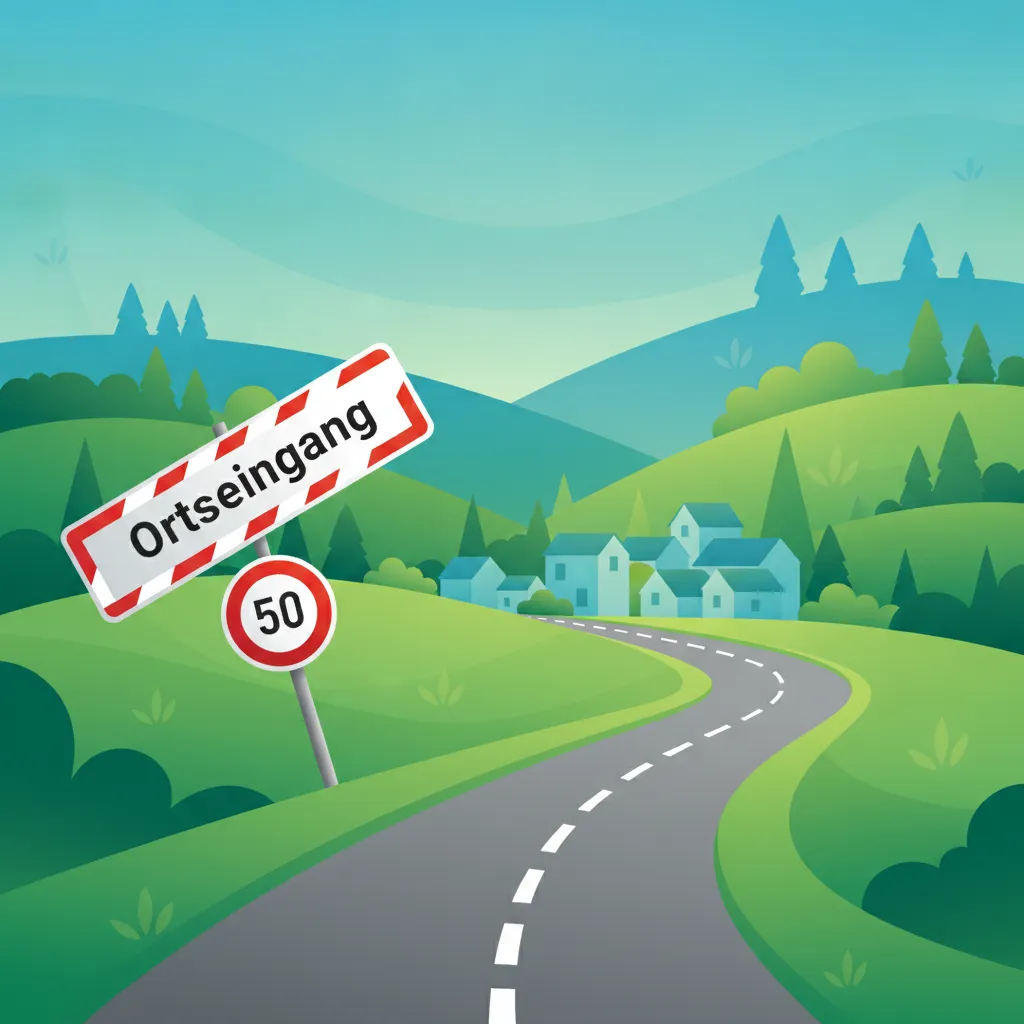
Understand German Ortsschilder to drive safely and pass your theory exam!
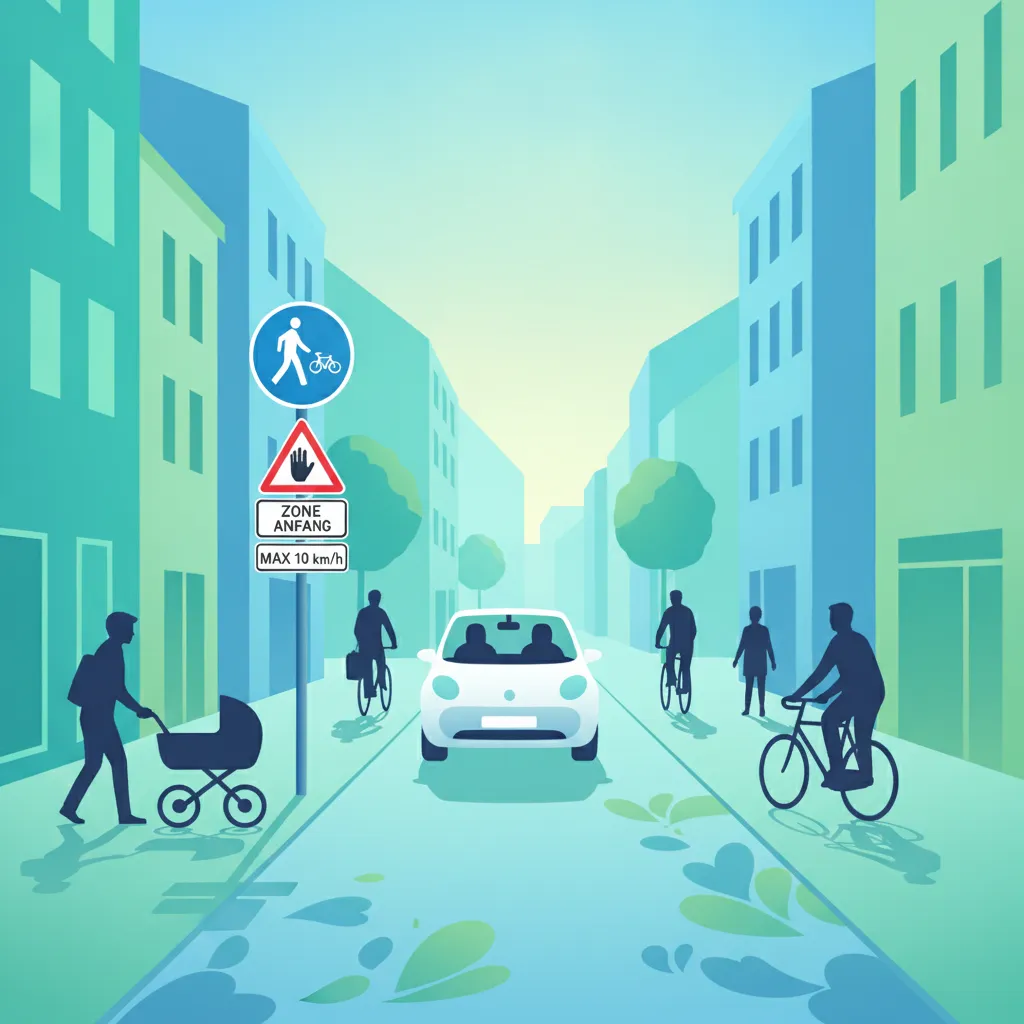
Understand shared spaces and protect pedestrians for your German driving theory exam.

Master German Traffic Calming: Drive Safely Through Speed Bumps and Chicanes!
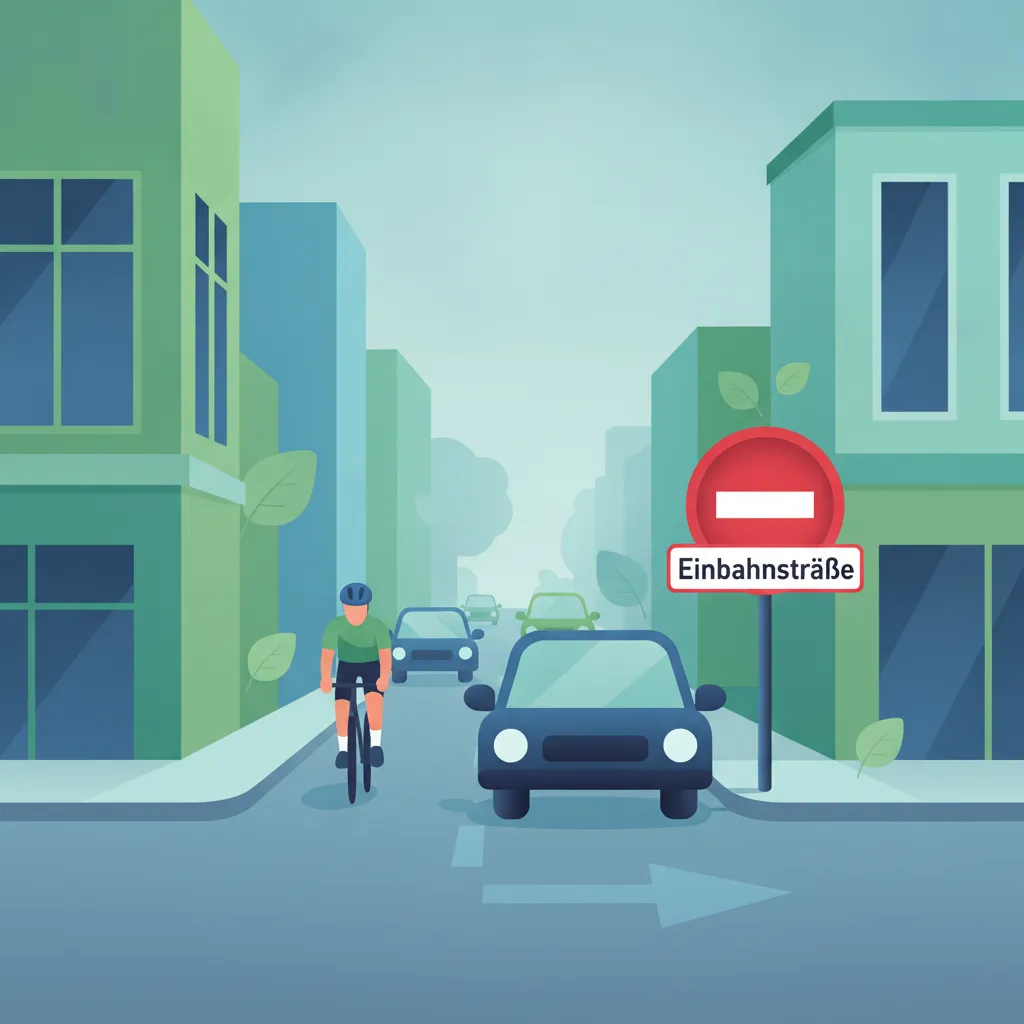
Master German One-Way Streets and Avoid Common Mistakes
Mastering Innerorts driving is vital for your German theory exam success and safe daily driving. This category covers frequent exam topics like speed limits, shared zones, and pedestrian interactions, helping you avoid common mistakes and drive confidently in busy urban environments.
Learners in Germany choose Driving in Built-Up Areas (Innerorts) practice to prepare for realistic exam questions and difficult scenarios that often appear in the official theory test. This category is popular because it helps strengthen rule knowledge, reduce common mistakes, and build confidence before taking the German driving theory exam.
All practice sets available
Practice sets in Driving in Built-Up Areas (Innerorts)
Practising Driving in Built-Up Areas (Innerorts) helps you understand key rules and situations tested in the German driving theory exam in Germany.
Get answers to common questions learners have about practising Driving in Built-Up Areas (Innerorts). This section highlights what is tested, how practice helps, and how to improve your results for the German driving theory exam in Germany.
The German driving theory exam frequently tests your knowledge of Innerorts rules, including speed limits (especially Tempo-30 zones), priority in narrow streets, and interactions with pedestrians and cyclists. Expect questions that simulate common urban driving scenarios.
The default 50 km/h speed limit in Innerorts is a fundamental concept tested in the German driving theory exam. Understanding when this limit applies, and when lower limits (like Tempo-30) are in effect, is crucial for answering questions correctly and driving safely.
Verkehrsberuhigte Bereiche, or shared spaces, require drivers to proceed at walking pace and give way to pedestrians. The theory exam includes questions about the specific rules and required minimum speed within these zones to ensure pedestrian safety.
Practising urban driving scenarios, including interactions with trams and navigating narrow streets, prepares you for specific question types in the German driving theory test. This targeted practice helps you identify potential hazards and apply the correct rules, improving your chances of passing.
Yes, the German theory exam often includes questions about increased caution and reduced speeds near schools, kindergartens, and elderly care facilities. Understanding these specific obligations for protecting vulnerable road users is essential for passing the test.
Explore other practice categories connected to Driving in Built-Up Areas (Innerorts). These sections help you practise additional topics, strengthen your understanding of driving theory in Germany, and prepare more completely for the theory exam.
Ready to refine your knowledge for the German driving license theory test? Explore our extensive range of practice categories now. Choose a topic that challenges you, or revisit areas you need to master, and begin your focused revision for complete exam confidence.