
German traffic sign 600-60, known as 'Sperrpfosten (Schraffur waagerecht)', is part of the traffic facilities and road markings group. This sign physically or visually channels traffic, indicating where you may or must not drive, wait, or cross. You will commonly encounter it in roadworks, junctions, or along carriageway edges to guide your route. It requires drivers to recognise the situation early, adjust their speed and position before reaching the controlled area, and always consider any supplementary plates or road markings for precise instructions.
Master the interpretation of German Road Sign 600-60, the Sperrpfosten with horizontal stripes, to correctly navigate traffic situations. This sign is crucial for understanding road markings and traffic facilities, aiding your theory test revision and safe driving knowledge.
German road sign 600-60, officially designated "Sperrpfosten (Schraffur waagerecht)", belongs to the traffic facilities and road markings group. It physically or visually channels traffic and shows where drivers may drive, wait, cross, or must keep clear. You may see it in roadworks, junctions, carriageway edges, lane separators, barriers, crossing aids, delineation systems, and marked exclusion areas, depending on how the road authority has arranged the location. The practical meaning is not just the symbol itself, but the driving decision it triggers: adjust speed, position, priority, route choice, stopping behaviour, or attention before the situation becomes urgent. For learners, the key skill is using the information early while still obeying mandatory signs and markings. Always combine the sign with road markings, traffic lights, police instructions, and any supplementary plates at the same location.
German road sign 600-60 means "Sperrpfosten (Schraffur waagerecht)" and is officially listed as "Sperrpfosten (Schraffur waagerecht)". In practice, it tells drivers to recognise the situation early, adapt before reaching the controlled area, and check whether markings or supplementary plates change how the rule applies.
Get clear, practical answers to the most common questions about the 600-60 - Sperrpfosten (Schraffur waagerecht) road sign. Learn how the sign works, what rules it represents, and how it affects real driving situations. This FAQ strengthens your understanding and supports accurate decision making for the German driving theory exam in Germany.
Sign 600-60, the Sperrpfosten with horizontal stripes, is a traffic facility that guides drivers. It visually channels traffic, showing permitted driving paths, boundaries of carriageways, or areas that must be kept clear. You should interpret it as a signal to adapt your driving behaviour, such as speed or lane position, to the upcoming situation.
You'll encounter the 600-60 sign in various scenarios where traffic needs to be guided or separated. Common locations include roadworks, construction sites, junctions, along the edges of the carriageway, or to delineate lanes and marked exclusion areas. Its purpose is always to manage traffic flow safely.
Upon seeing sign 600-60, you must recognise the situation and adapt your driving early. This means reducing speed, adjusting your vehicle's position on the road, and being prepared to follow the indicated path. Always pay attention to road markings, other traffic signs, and supplementary plates as they provide crucial details on how to proceed safely.
A common exam trap is underestimating the importance of early recognition and adaptation. Learners might also overlook supplementary plates or road markings that modify the sign's instruction. Remember that this sign is part of a system designed to guide you; always combine its meaning with all other traffic controls present.
Yes, the Sperrpfosten sign 600-60 indicates areas that are excluded from traffic. You must not drive over barriers, hatched areas, separators, cones, or markings that clearly show an area is to be kept clear. Doing so could damage the roadworks equipment or cause an accident.
A clear reference image of the 600-60 - Sperrpfosten (Schraffur waagerecht) road sign used in Germany.

The 600-60 - Sperrpfosten (Schraffur waagerecht) road sign may also be known by these alternative names or terms.
The 600-60 - Sperrpfosten (Schraffur waagerecht) road sign is part of the German Traffic Facilities and Road Markings category, which groups together signs with similar rules and functions.
Comparing related road signs like 'Sperrpfosten (Schraffur waagerecht)' helps solidify your understanding and prevents confusion. Effective traffic sign comparison is crucial for improving sign recognition and passing your German theory test.
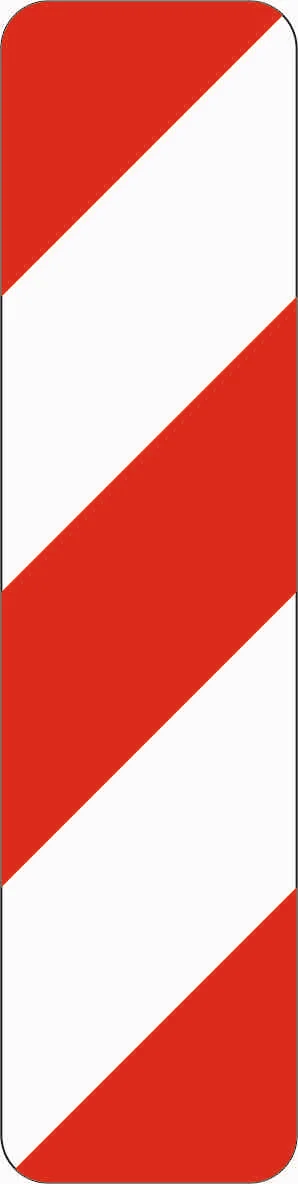
Understand the Guiding Beacon (Right Side) Road Sign 605-10
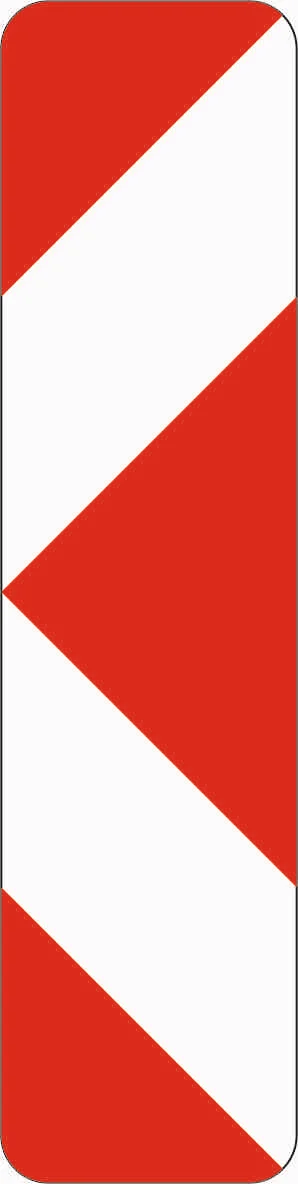
Understand the 'Guiding Beacon - Pfeilbake' Road Sign (605-11) on the Right.

Understand the 'Guiding Beacon - Installed on the Right' Traffic Sign (605-12)
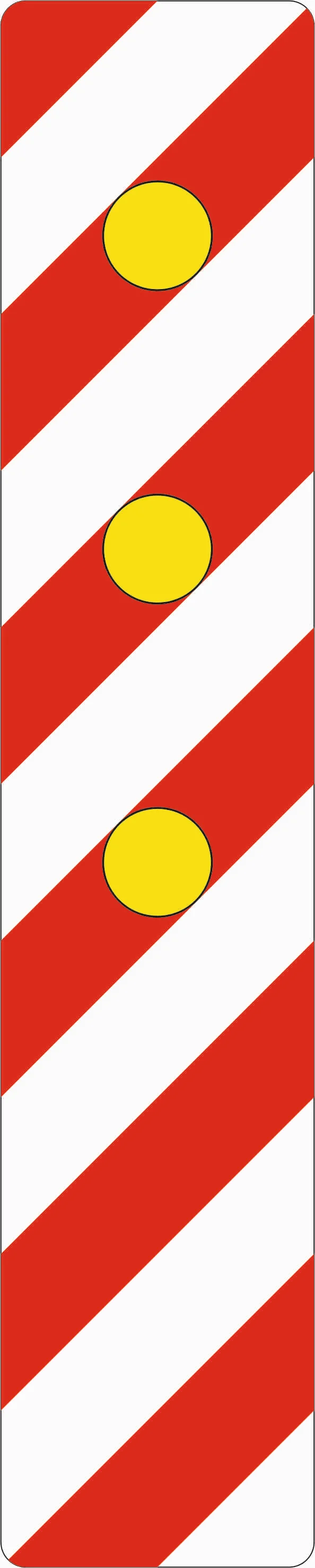
Guiding Beacon on the Right: Understand Sign 605-13 for Safe Driving
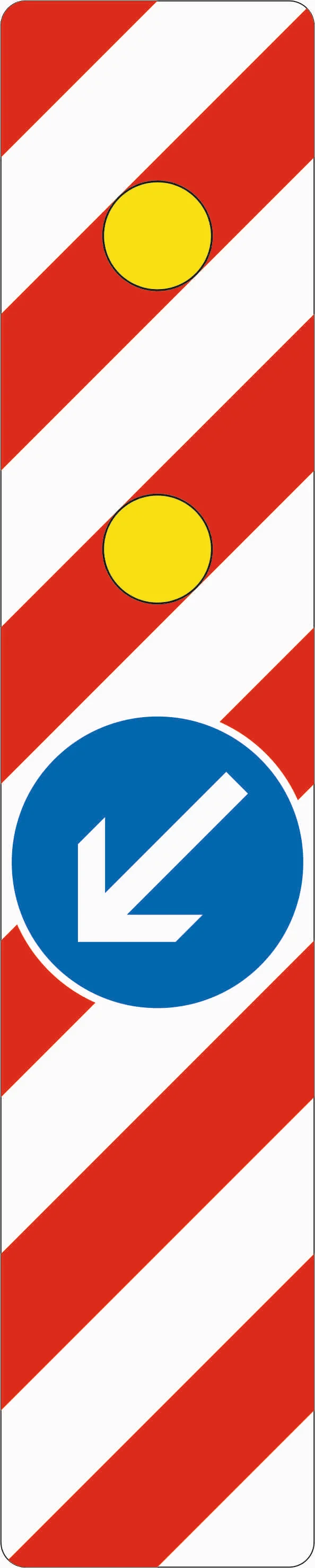
Understand the Guiding Beacon with Warning Light (Sign 605-14) on the Right
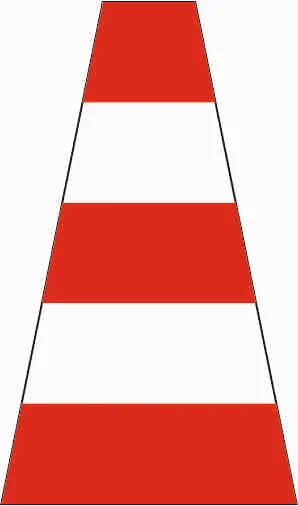
Understand German Traffic Cone Sign 610-41: Guiding Your Path Safely
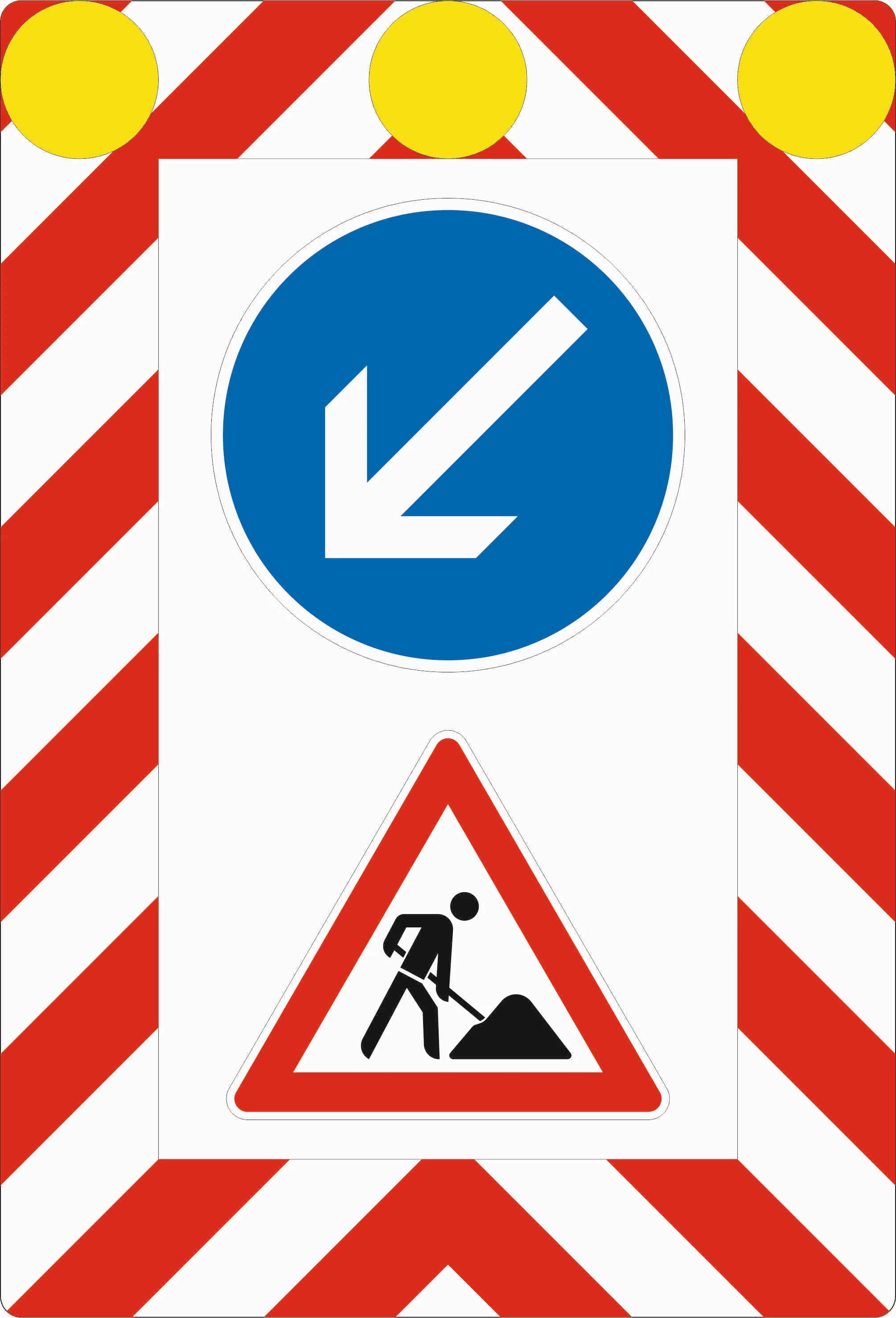
Understand and react to the Fahrbare Mobile barrier (Sign 615) for safe traffic guidance.
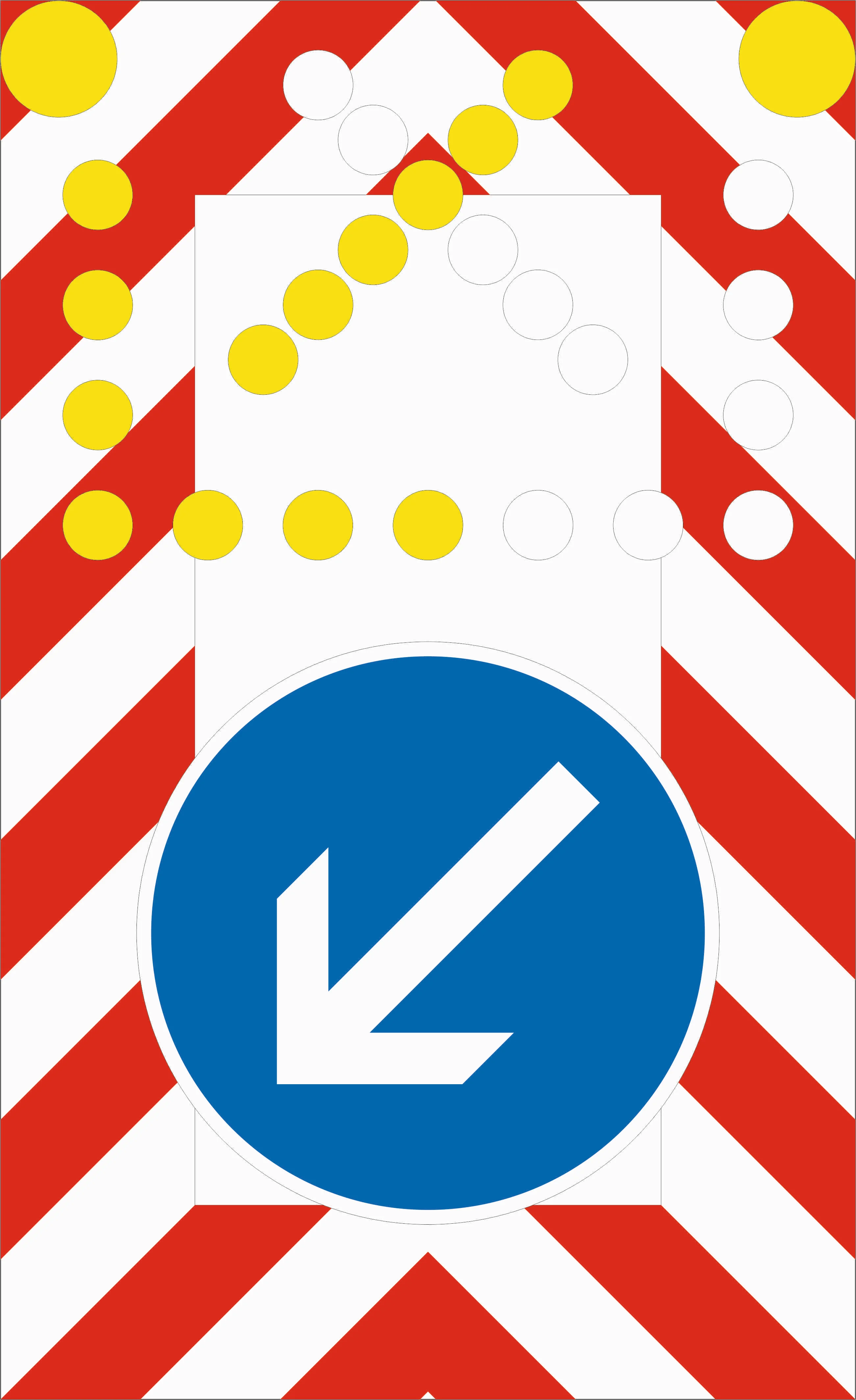
Obey Large Mobile Barriers with Flashing Arrows (Sign 616-30)
Deepen your understanding of these specific road markings by exploring related traffic rules and situational hazard perception exercises. Applying the official StVO regulations ensures you recognize critical signage accurately during your theory test.
Master the rules for German Autobahn service areas and rest stops.
Stay Safe and Legal: Navigate German Roads with Confidence in Any Weather.
This article guides you through Germany's mandatory vehicle inspection, the Hauptuntersuchung (HU), often referred to as TÜV. Learn about the inspection intervals, the key areas checked including brakes, lights, and emissions, and discover practical advice to ensure your vehicle passes. Familiarity with the HU process is vital for all German vehicle owners and contributes to understanding overall vehicle safety relevant to the driving theory curriculum.
Understanding Glatteis, or black ice, is critical for safe driving in Germany, especially during winter theory exams. This text-only guide explains how to spot treacherous icy patches on bridges and shaded areas, highlights key warning signs, and outlines preventative measures like using winter tires. You will learn crucial techniques for reacting correctly if you encounter black ice to maintain control and ensure your safety on German roads.
German road sign 274-60, officially designated "Zulässige Höchstgeschwindigkeit 60 km/h", belongs to the regulatory signs group. It creates a binding restriction or prohibition that applies until it is cancelled, replaced, or limited by a supplementary plate. You may see it in junctions, restricted streets, cycle and pedestrian facilities, parking areas, low-emission zones, and roads with binding lane or speed rules, depending on how the road authority has arranged the location. The practical meaning is not just the symbol itself, but the driving decision it triggers: adjust speed, position, priority, route choice, stopping behaviour, or attention before the situation becomes urgent. For learners, the key skill is knowing whether the sign commands, forbids, limits, or cancels a rule. Always combine the sign with road markings, traffic lights, police instructions, and any supplementary plates at the same location.
German road sign 278-60, officially designated "Ende der zulässigen Höchstgeschwindigkeit 60 km/h", belongs to the regulatory signs group. It gives a binding rule under the German StVO and must be followed rather than treated as advisory information. You may see it in junctions, restricted streets, cycle and pedestrian facilities, parking areas, low-emission zones, and roads with binding lane or speed rules, depending on how the road authority has arranged the location. An end version marks the point where that specific rule, facility, or marked section ceases to apply. The practical meaning is not just the symbol itself, but the driving decision it triggers: adjust speed, position, priority, route choice, stopping behaviour, or attention before the situation becomes urgent. For learners, the key skill is knowing whether the sign commands, forbids, limits, or cancels a rule. Always combine the sign with road markings, traffic lights, police instructions, and any supplementary plates at the same location.
Deepen your understanding of specific road sign categories or test your knowledge with practice questions. Explore our themed sign groups for targeted study or jump into quizzes to reinforce your recognition skills for the official German theory exam.
All German Road Signs List