
German road sign 101-25, officially 'Steinschlag - Aufstellung links', is a critical danger warning sign alerting you to the potential for falling rocks. As a left-installed sign, it indicates this hazard is present on the left side of the carriageway or in a configuration that mirrors the approach direction. This sign requires you to proactively reduce your speed and increase vigilance, as the hazard might not be immediately visible but could affect the road ahead. Always combine the visual warning with any supplementary plates, road markings, or changing environmental conditions to ensure safe passage.
Master the 'Falling rocks - installed on the left' warning (Sign 101-25) and its implications for safe driving in Germany. This crucial road sign explanation helps you interpret potential hazards and adapt your driving approach for your theory test preparation.
German road sign 101-25, officially designated "Steinschlag - Aufstellung links", belongs to the danger warning signs group. It warns about a road-layout, clearance, weather, or surface condition that can reduce control, sight distance, grip, or available space before the driver reaches the hazard. You may see it in approaches to hazards, rural roads, urban conflict points, railway crossings, roadworks, and weather-sensitive sections, depending on how the road authority has arranged the location. This left-side version is used where the sign is placed on the left side of the carriageway or where a mirrored symbol fits the approach direction. Any left reference should be read as part of the direction, road side, lane arrangement, or placement shown by the sign. The practical meaning is not just the symbol itself, but the driving decision it triggers: adjust speed, position, priority, route choice, stopping behaviour, or attention before the situation becomes urgent. For learners, the key skill is anticipating what could go wrong before the hazard is visible. Always combine the sign with road markings, traffic lights, police instructions, and any supplementary plates at the same location.
German road sign 101-25 means "Falling rocks - installed on the left" and is officially listed as "Steinschlag - Aufstellung links". In practice, it tells drivers to recognise the situation early, adapt before reaching the controlled area, and check whether markings or supplementary plates change how the rule applies.
Get clear, practical answers to the most common questions about the 101-25 - Falling rocks - installed on the left road sign. Learn how the sign works, what rules it represents, and how it affects real driving situations. This FAQ strengthens your understanding and supports accurate decision making for the German driving theory exam in Germany.
This sign warns of a danger from falling rocks originating from the left side of the road or a corresponding position. It's a reminder to be extra cautious, reduce speed, and be prepared for potential debris on the road.
You must prepare for the hazard before reaching the affected area. This means reducing your speed early enough to maintain full control, increasing your following distance, and scanning for potential risks like falling rocks or unstable slopes. Do not wait until the danger is directly in front of you.
The 'installed on the left' designation specifies the side from which the hazard of falling rocks is anticipated or where the sign is positioned. This helps you understand the spatial orientation of the danger relative to your driving path. Always pay attention to how supplementary signs or road markings might further refine the warning's application.
Yes, you should avoid overtaking, accelerating, or following closely, especially if visibility is reduced or the road surface seems unstable. Crucially, do not treat this warning as optional; it requires immediate attention and adaptation of your driving behaviour well before you encounter the actual hazard.
A common trap is not understanding that the warning applies to a section of road and not just the immediate sign location. Learners might also underestimate the need to reduce speed early. It's vital to remember that proactive adjustment of speed and attention is key, not reactive braking when the hazard is already present.
A clear reference image of the 101-25 - Falling rocks - installed on the left road sign used in Germany.
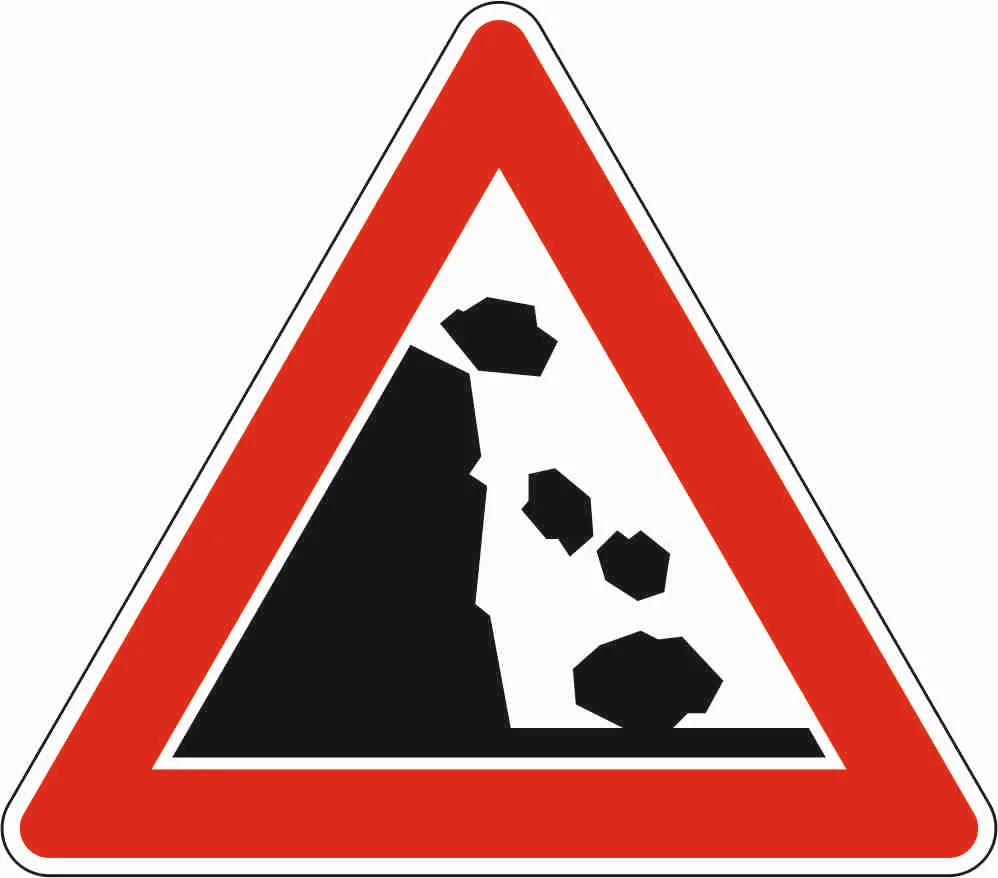
The 101-25 - Falling rocks - installed on the left road sign may also be known by these alternative names or terms.
The 101-25 - Falling rocks - installed on the left road sign is part of the German Danger Warning Signs category, which groups together signs with similar rules and functions.
Comparing related German road signs like "Falling rocks - installed on the left" helps lock in details and avoid confusion during your theory test revision. Effective traffic sign comparison is key to precise hazard recognition and building confidence for your exam preparation.
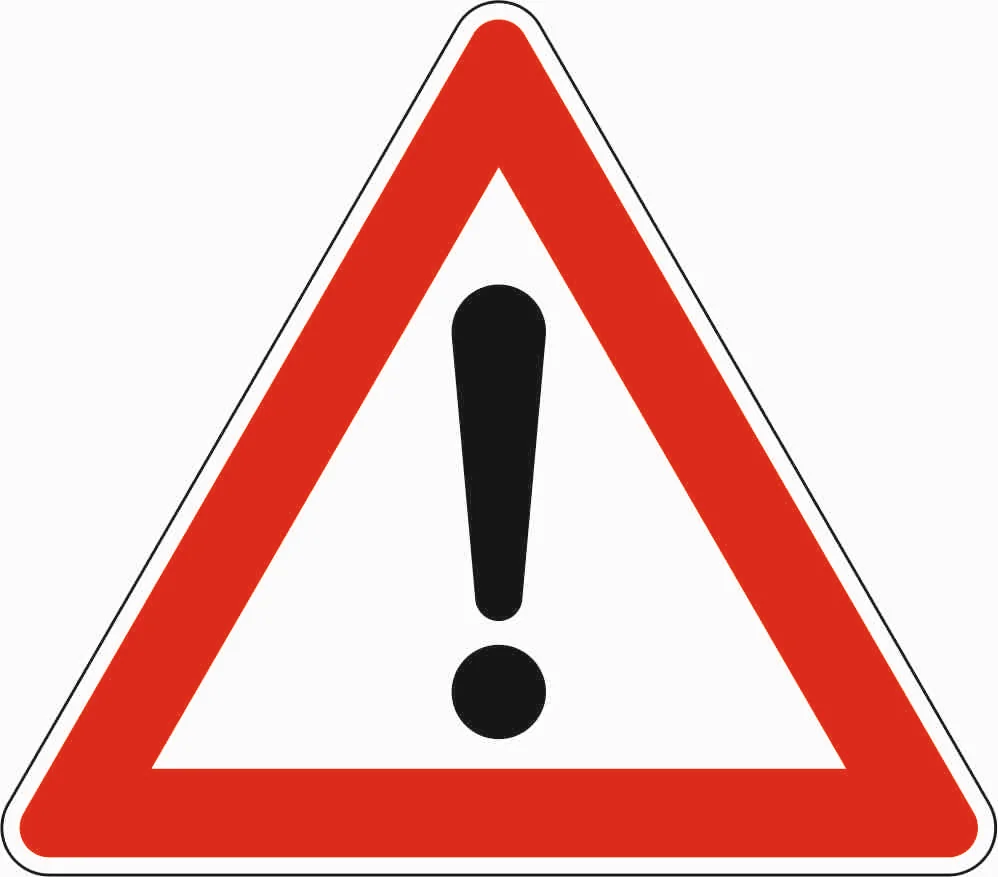
Sign 101: Danger Spot Ahead – Be Prepared for Hazards
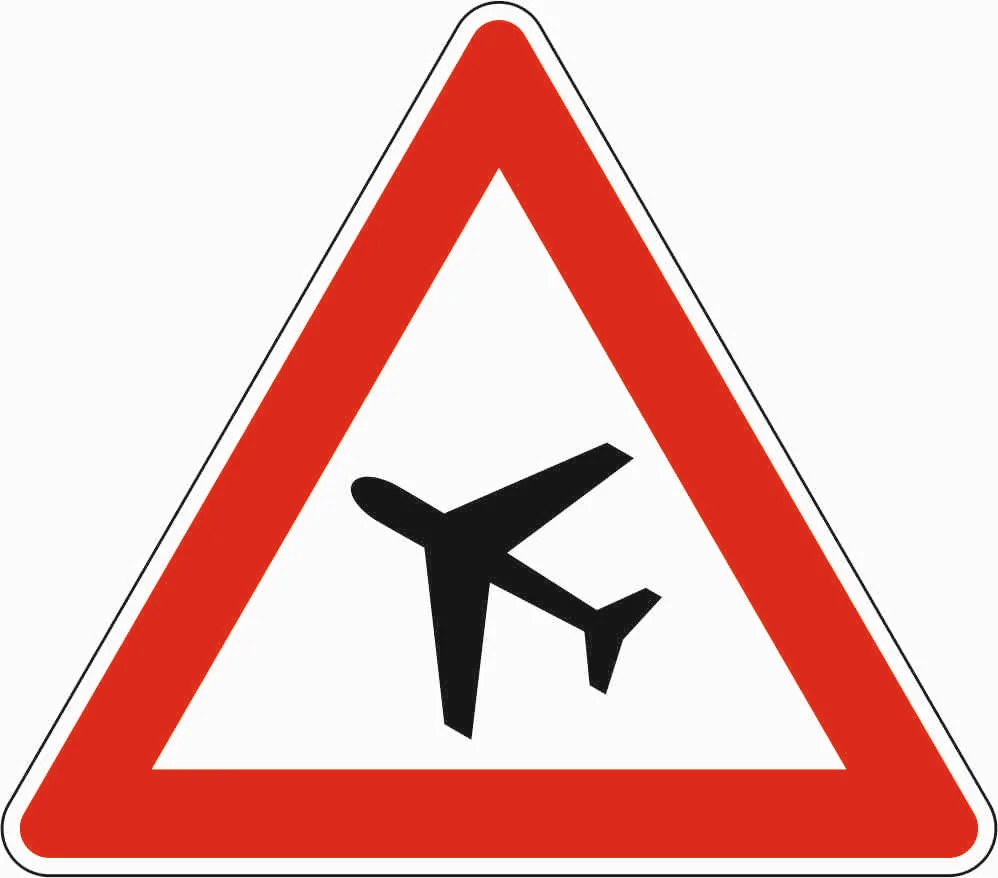
Warning: Aircraft Operations Ahead (Sign Installed on the Right)
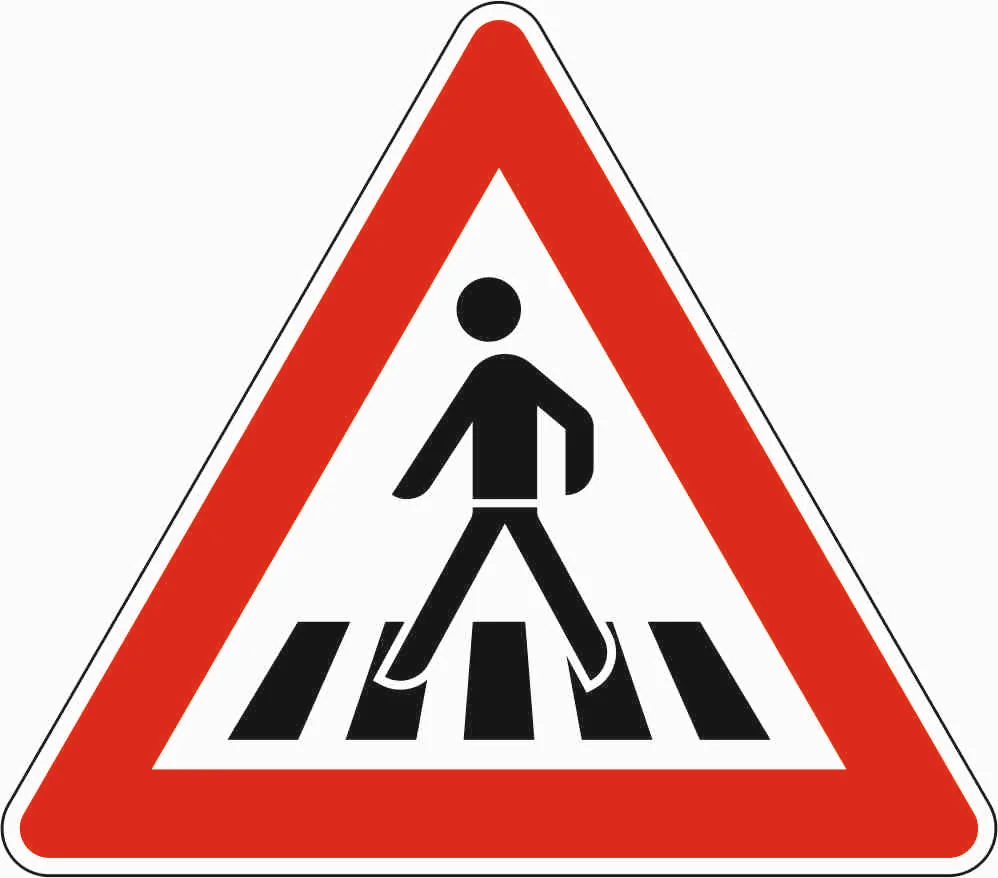
Beware of Pedestrians: Understand the "Pedestrian Crossing - Installed on the Right" Danger Warning Sign (101-11)
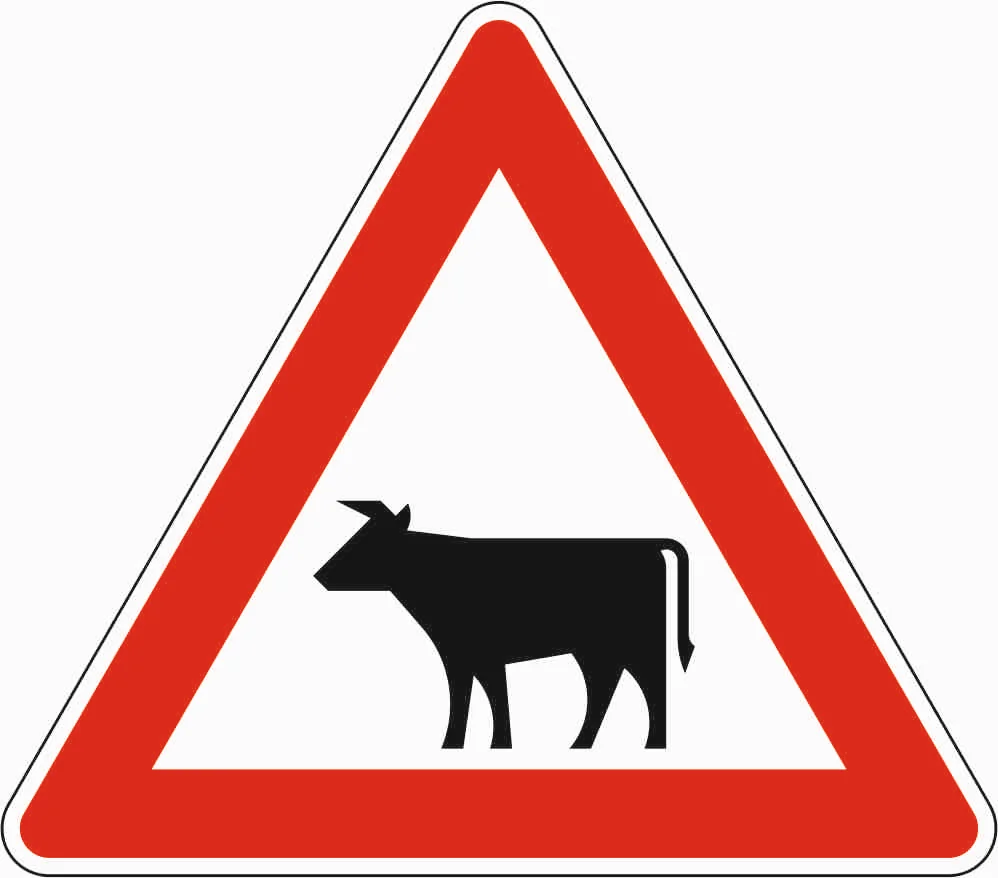
Warning: Cattle Crossing Ahead - Sign 101-12 (Installed on the Right)
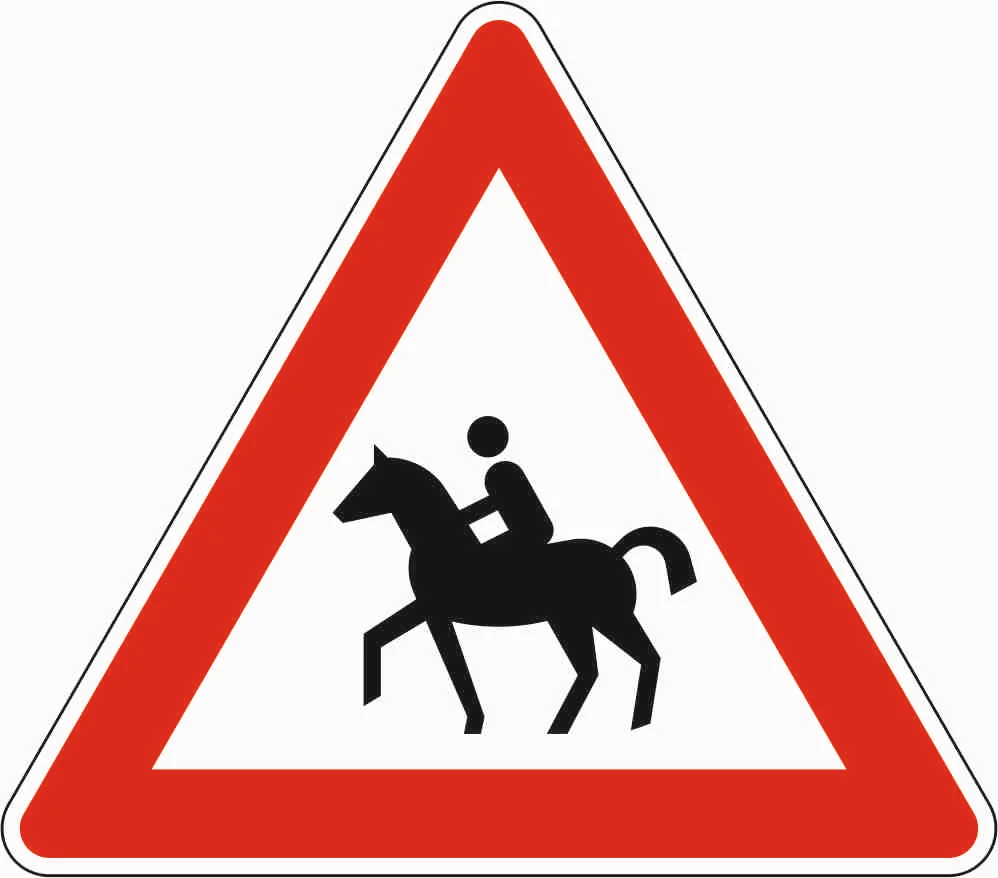
Understand German Road Sign 101-13: Reiter - Installed on the Right
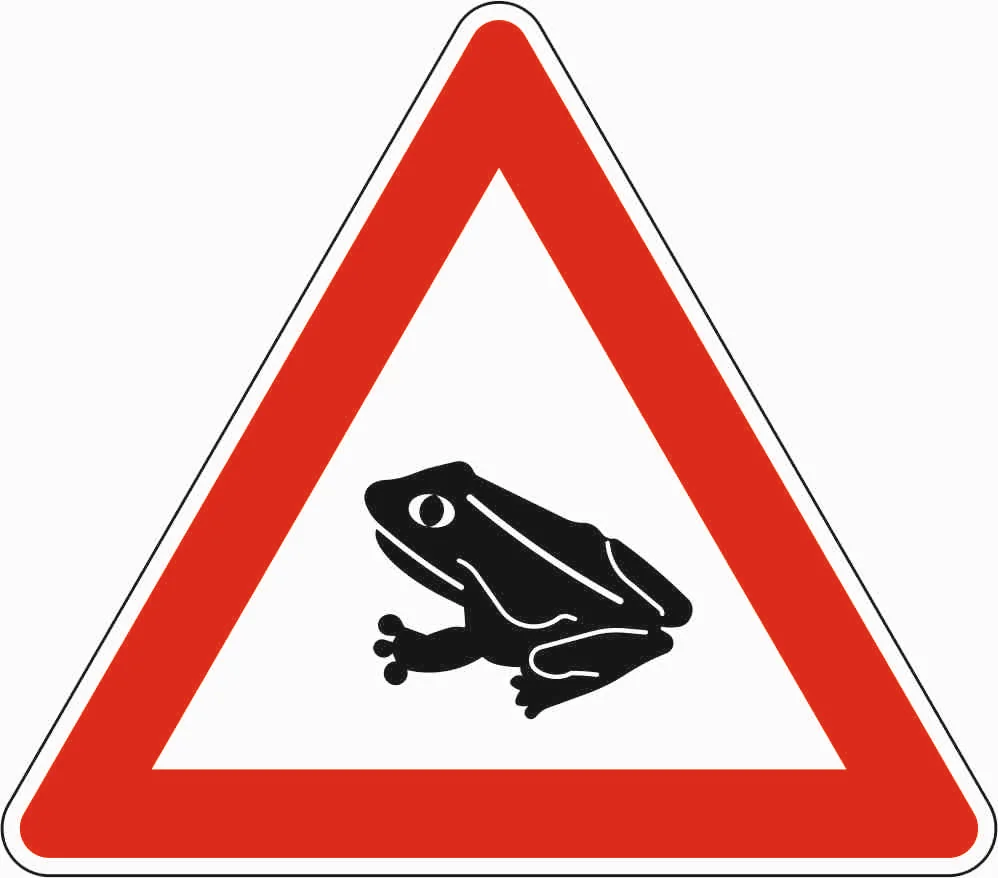
Beware of Amphibian Migration Crossing Ahead!
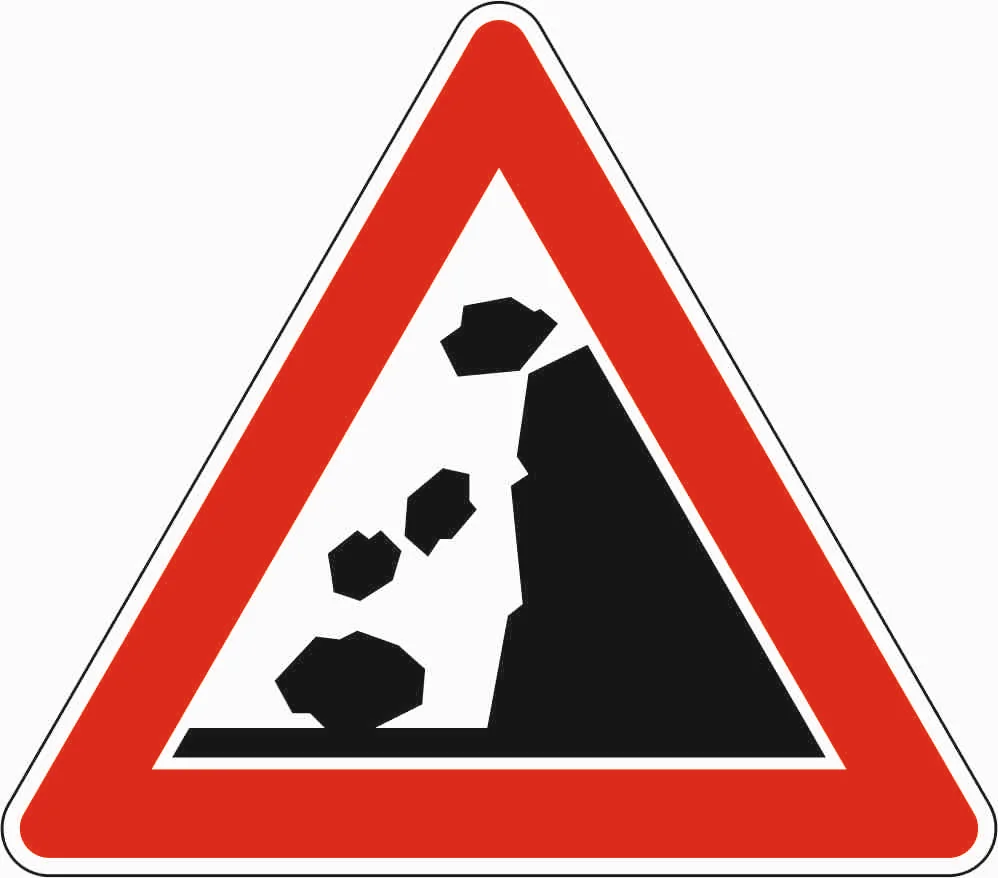
Beware of falling rocks on the right with sign 101-15
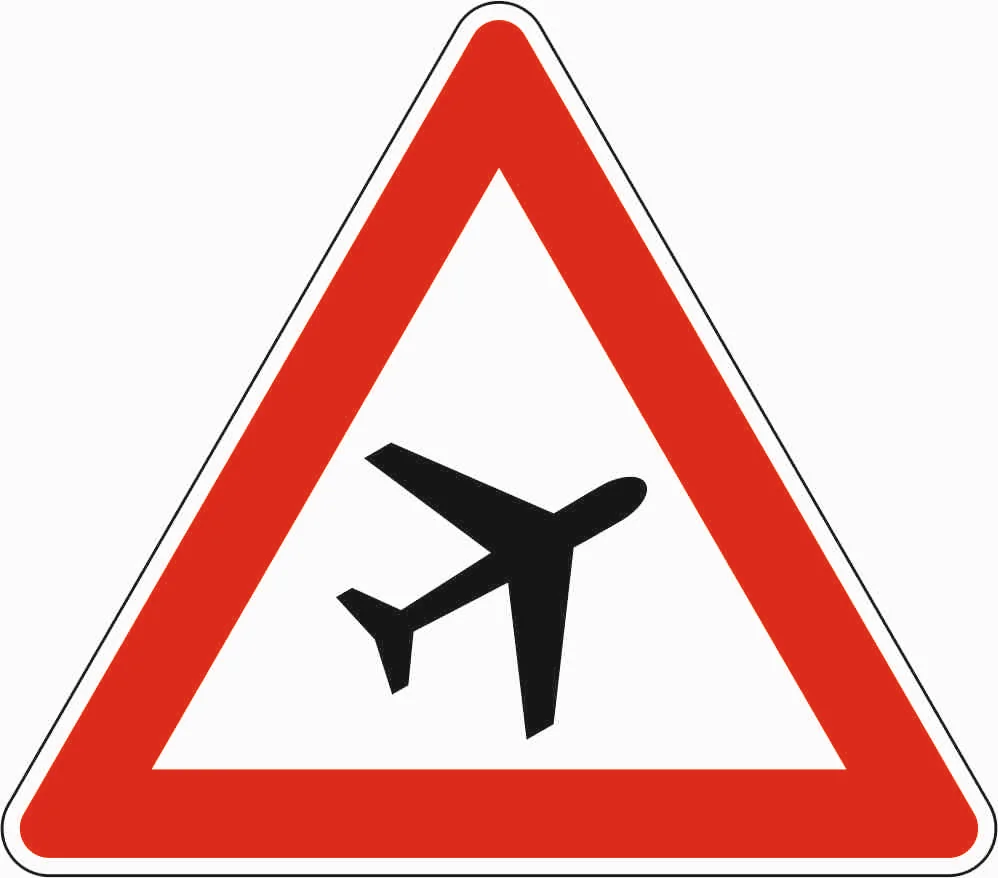
Prepare for Aircraft Operations Ahead with Warning Sign 101-20
Deepen your understanding of these specific road markings by exploring related traffic rules and situational hazard perception exercises. Applying the official StVO regulations ensures you recognize critical signage accurately during your theory test.
Master German Car Park Rules for a Smooth Drive and a Theory Pass!
Master German Trailer Towing Regulations and Drive Safely
After any traffic accident in Germany, knowing the correct procedure is paramount. This guide details the mandatory actions you must take according to German law, including securing the accident scene, providing necessary information to other parties, and understanding the implications of §142 StGB (Fahrerflucht). Mastering these steps is vital for both safe driving and succeeding in your German driving theory test.
Securing a driving license in Germany requires a clear understanding of the legal requirements and the structured path from theory lessons to your final examination. This guide breaks down the essential criteria for selecting an officially recognized driving school in Hamburg and clarifies the differences between license classes like B, A1, and C, ensuring you are well-prepared for the regulations governed by the FEV.
German road sign 101-20, officially designated "Flugbetrieb - Aufstellung links", belongs to the danger warning signs group. It gives advance notice of a hazard that may not be obvious early enough without the sign. You may see it in approaches to hazards, rural roads, urban conflict points, railway crossings, roadworks, and weather-sensitive sections, depending on how the road authority has arranged the location. This left-side version is used where the sign is placed on the left side of the carriageway or where a mirrored symbol fits the approach direction. Any left reference should be read as part of the direction, road side, lane arrangement, or placement shown by the sign. The practical meaning is not just the symbol itself, but the driving decision it triggers: adjust speed, position, priority, route choice, stopping behaviour, or attention before the situation becomes urgent. For learners, the key skill is anticipating what could go wrong before the hazard is visible. Always combine the sign with road markings, traffic lights, police instructions, and any supplementary plates at the same location.
German road sign 101-21, officially designated "Fußgängerüberweg - Aufstellung links", belongs to the danger warning signs group. It warns that vulnerable road users, animals, or crossing movements may appear suddenly, so recognition and early speed reduction are essential. You may see it in approaches to hazards, rural roads, urban conflict points, railway crossings, roadworks, and weather-sensitive sections, depending on how the road authority has arranged the location. This left-side version is used where the sign is placed on the left side of the carriageway or where a mirrored symbol fits the approach direction. Any left reference should be read as part of the direction, road side, lane arrangement, or placement shown by the sign. The practical meaning is not just the symbol itself, but the driving decision it triggers: adjust speed, position, priority, route choice, stopping behaviour, or attention before the situation becomes urgent. For learners, the key skill is anticipating what could go wrong before the hazard is visible. Always combine the sign with road markings, traffic lights, police instructions, and any supplementary plates at the same location.
Deepen your understanding of specific road sign categories or test your knowledge with practice questions. Explore our themed sign groups for targeted study or jump into quizzes to reinforce your recognition skills for the official German theory exam.
All German Road Signs List