
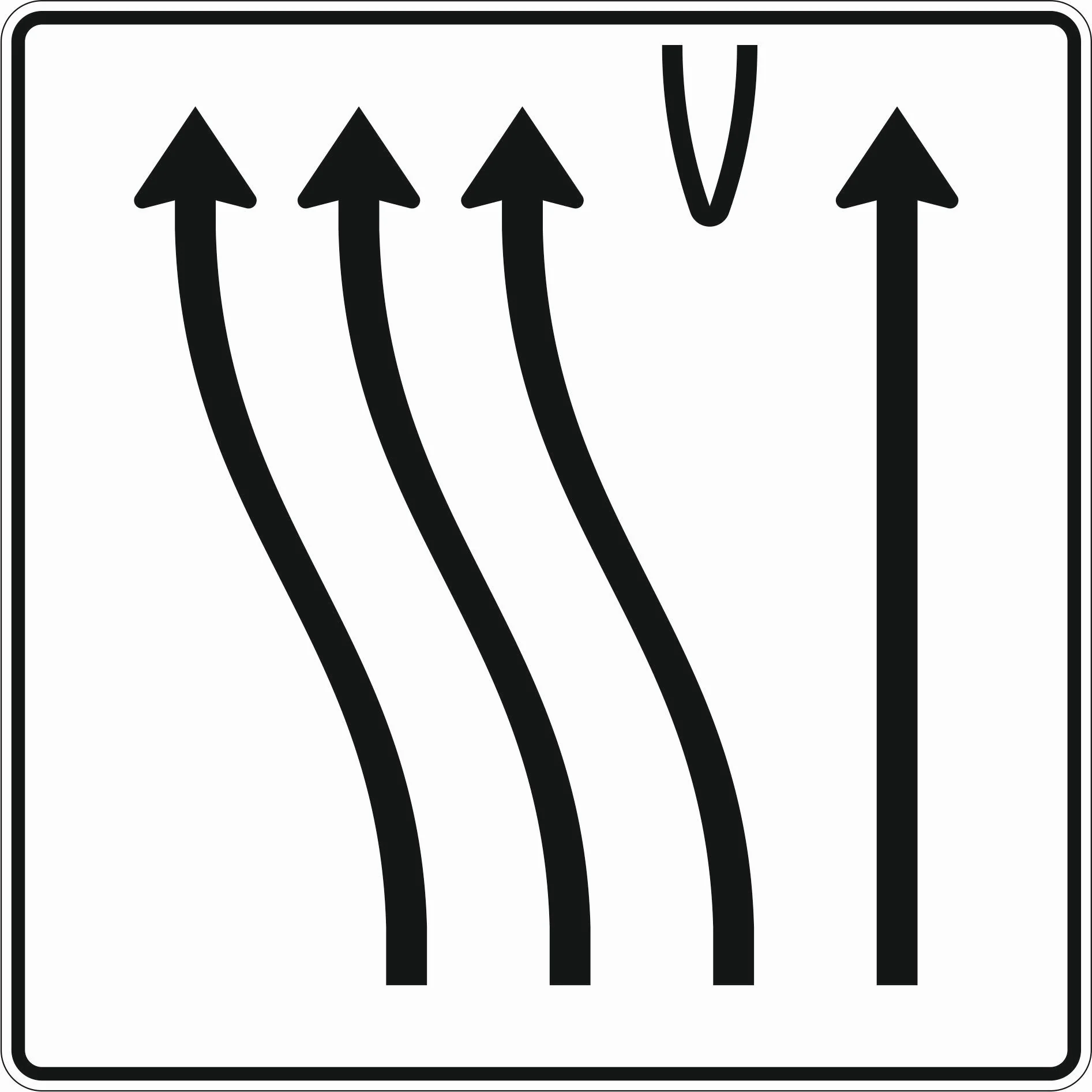
German road sign 533, known as the 'Trennungstafel' or Lane Separation Board, is part of the traffic control boards group. It visually depicts how lanes are arranged, indicating where they separate, merge, or narrow. You'll typically encounter this sign before roadworks, lane closures, or high-speed lane shifts on motorways and multi-lane roads. The primary purpose is to prompt drivers to recognise the upcoming situation early, adapt their speed and lane position before reaching the critical point, and always combine its visual cues with road markings and any supplementary plates.
German road sign 533, the "Lane Separation Board", visually guides lane adjustments and merges. Understanding its visual cues is crucial for safe driving and passing your German theory test, so learn its traffic sign explanation to navigate roadworks effectively.
German road sign 533, officially designated "Trennungstafel", belongs to the traffic control boards group. It shows how lanes are arranged, shifted, narrowed, separated, or merged, usually before a roadworks or high-speed lane-change area. You may see it in motorways, multilane roads, temporary roadworks, lane closures, lane shifts, merge areas, and construction-stage traffic management, depending on how the road authority has arranged the location. The practical meaning is not just the symbol itself, but the driving decision it triggers: adjust speed, position, priority, route choice, stopping behaviour, or attention before the situation becomes urgent. For learners, the key skill is translating the arrows into early lane choice rather than reacting at the last moment. Always combine the sign with road markings, traffic lights, police instructions, and any supplementary plates at the same location.
German road sign 533 means "Lane separation board" and is officially listed as "Trennungstafel". In practice, it tells drivers to recognise the situation early, adapt before reaching the controlled area, and check whether markings or supplementary plates change how the rule applies.
Get clear, practical answers to the most common questions about the 533 - Lane separation board road sign. Learn how the sign works, what rules it represents, and how it affects real driving situations. This FAQ strengthens your understanding and supports accurate decision making for the German driving theory exam in Germany.
Sign 533, the Lane Separation Board (Trennungstafel), visually communicates how traffic lanes are arranged ahead. It guides drivers on where lanes separate, merge, or narrow, usually due to roadworks or traffic management. Its main purpose is to encourage drivers to anticipate these changes early, select the correct lane in advance, and adjust their driving behaviour accordingly.
Upon seeing Sign 533, you must recognise the upcoming lane configuration. This means preparing to change lanes if necessary, reducing speed to match the new conditions, and choosing your final lane well before you reach the actual merge or closure point. Always pay close attention to the arrows shown on the sign, as well as any road markings, cones, or supplementary plates.
A common exam trap is reacting too late to the lane separation. Learners might wait until the very last moment to merge or change lanes, which is dangerous and often results in points deduction. Another mistake is ignoring the sign because other signs or markings seem to contradict it; you must always integrate all available traffic guidance, including Sign 533, with road markings and any instructions from police or temporary signals.
Sign 533 itself does not directly indicate a stop. It shows lane arrangements, such as lane closures or merges. However, the situation it describes might lead to a stop, for instance, if traffic is being significantly reduced to a single lane, or if a supplementary sign indicates a stop or priority for other traffic. Always check for other signs and actual traffic conditions.
The arrows on Sign 533 are crucial. They precisely illustrate how the lanes are changing – which lane is ending, which is continuing, and in which direction traffic is being guided. For example, an arrow pointing left might indicate that the right lane is ending and traffic should merge left. You must read these arrows carefully to make the correct lane choice well in advance.
A clear reference image of the 533 - Lane separation board road sign used in Germany.
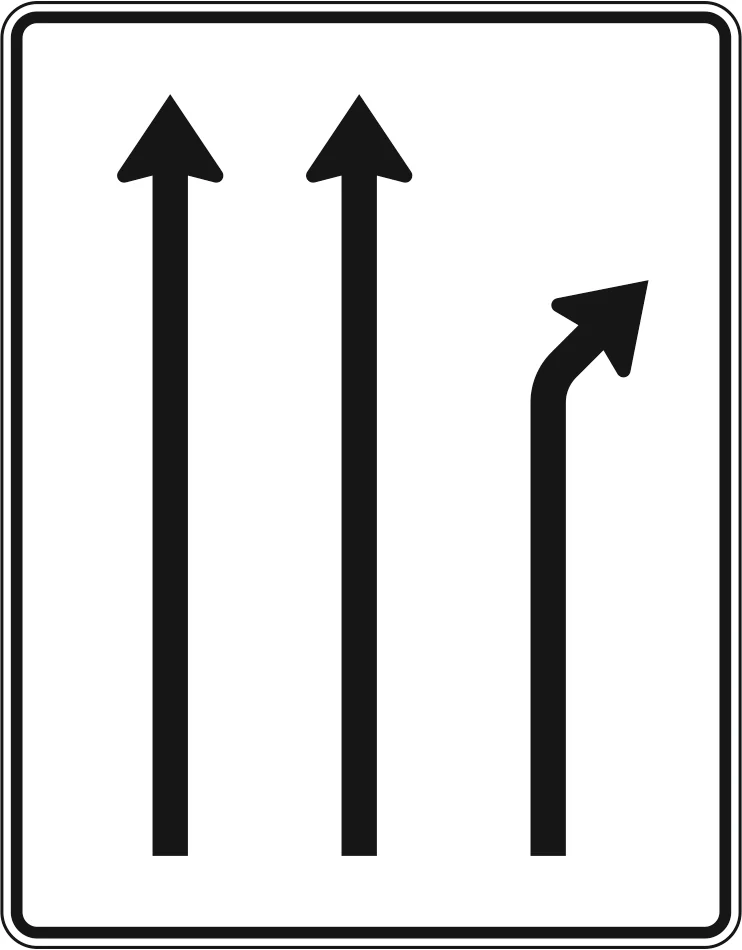
The 533 - Lane separation board road sign may also be known by these alternative names or terms.
The 533 - Lane separation board road sign is part of the German Traffic Control Boards category, which groups together signs with similar rules and functions.
Comparing this lane separation board with other traffic control boards helps solidify your understanding and reduces confusion. Practicing with similar road signs and performing a traffic sign comparison is key for effective theory test revision.
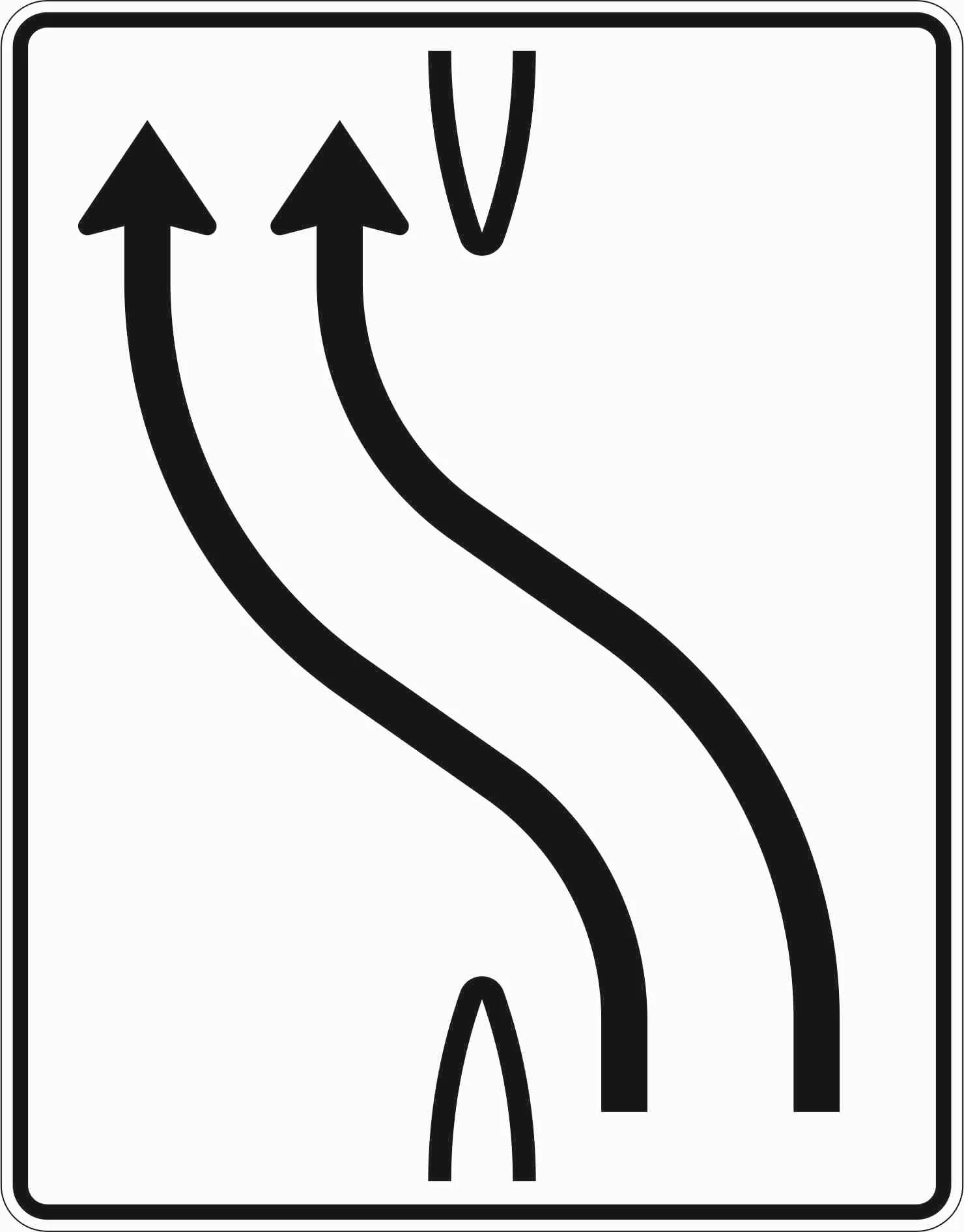
Understand the Lane Transfer Board (501-11) for Shifting Lanes Left Safely
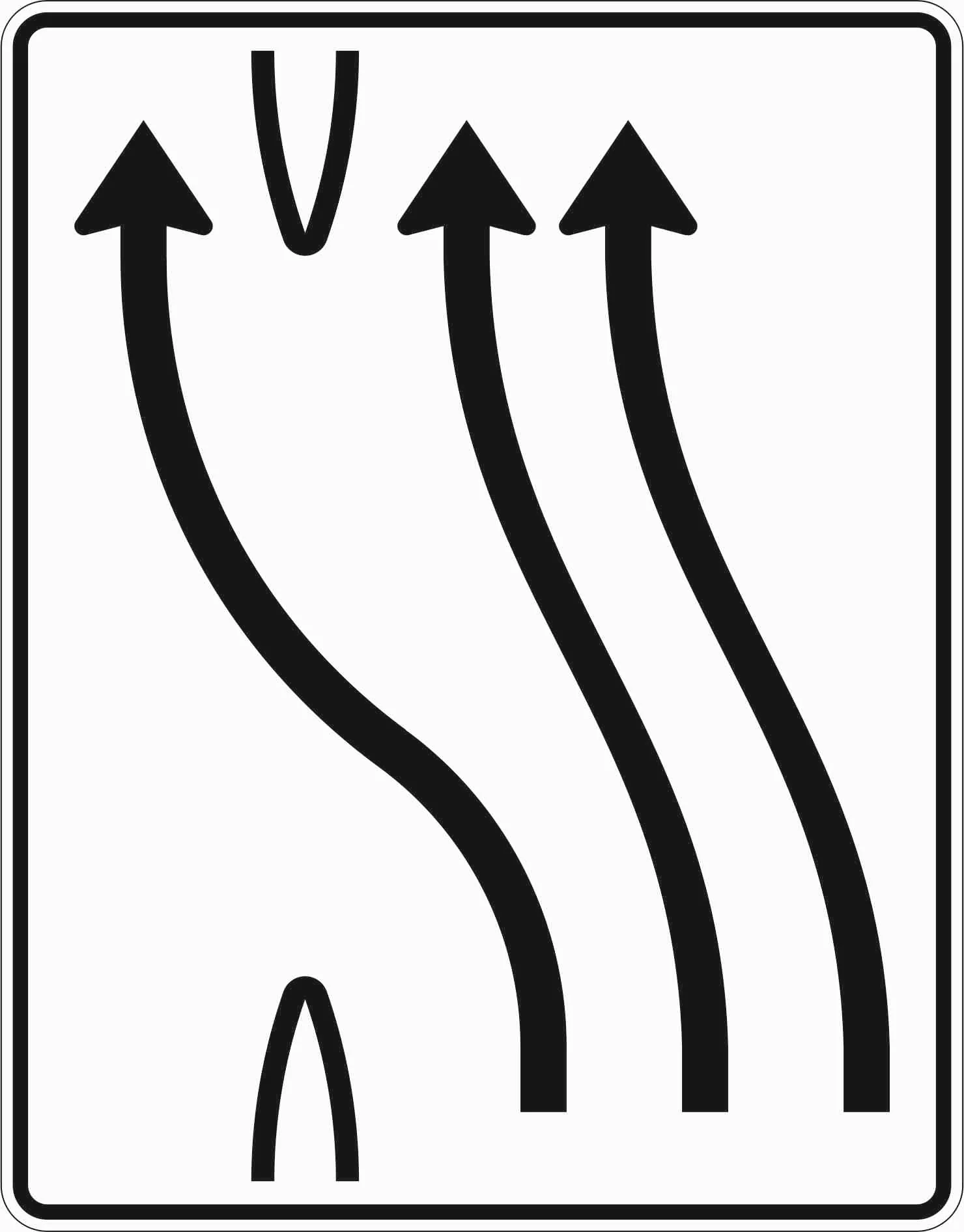
Navigate lane changes safely with the German Sign 501-14 Lane Transfer Board
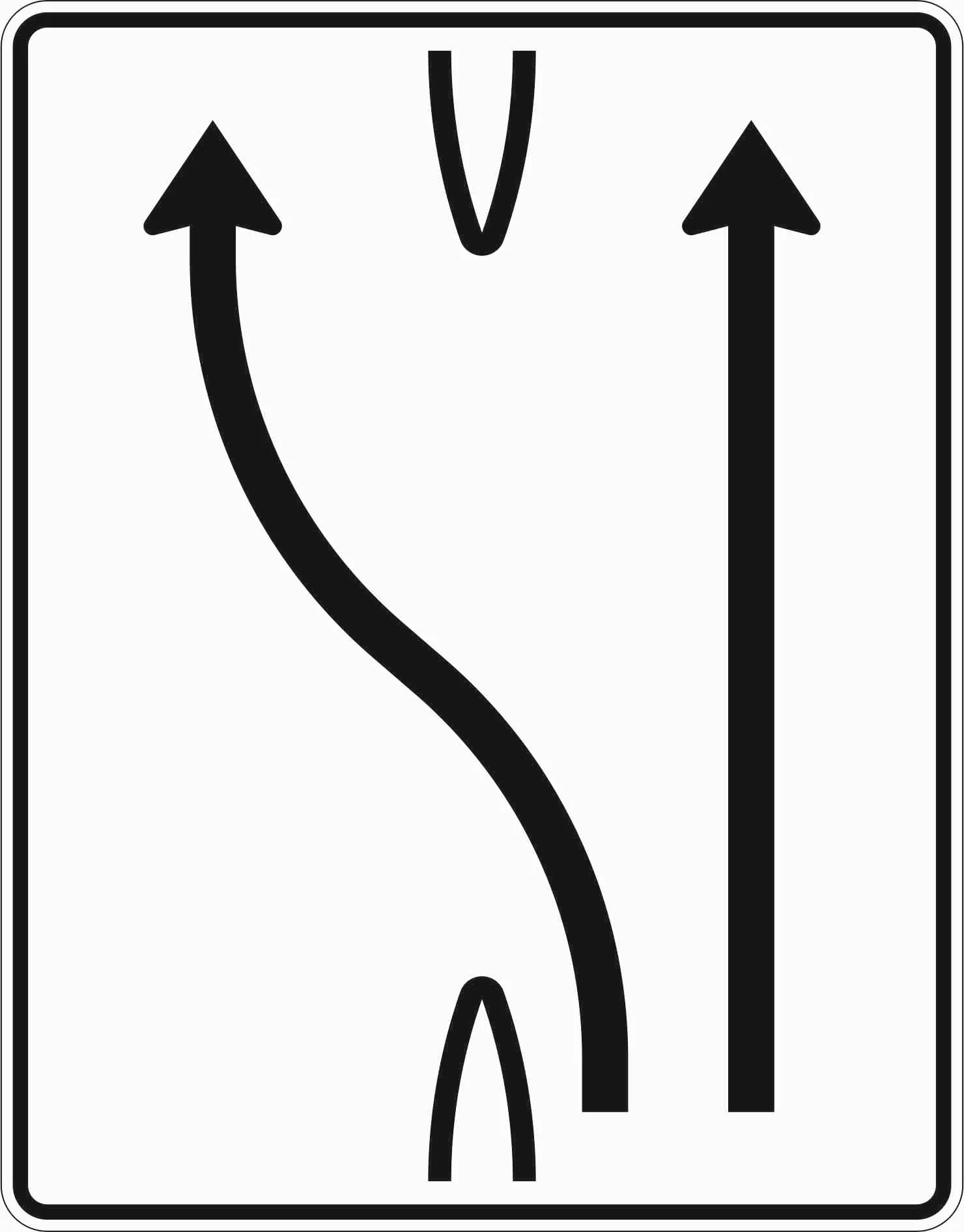
Understand Lane Transfer Sign 501-16: Prepare for Diverted Lanes Ahead
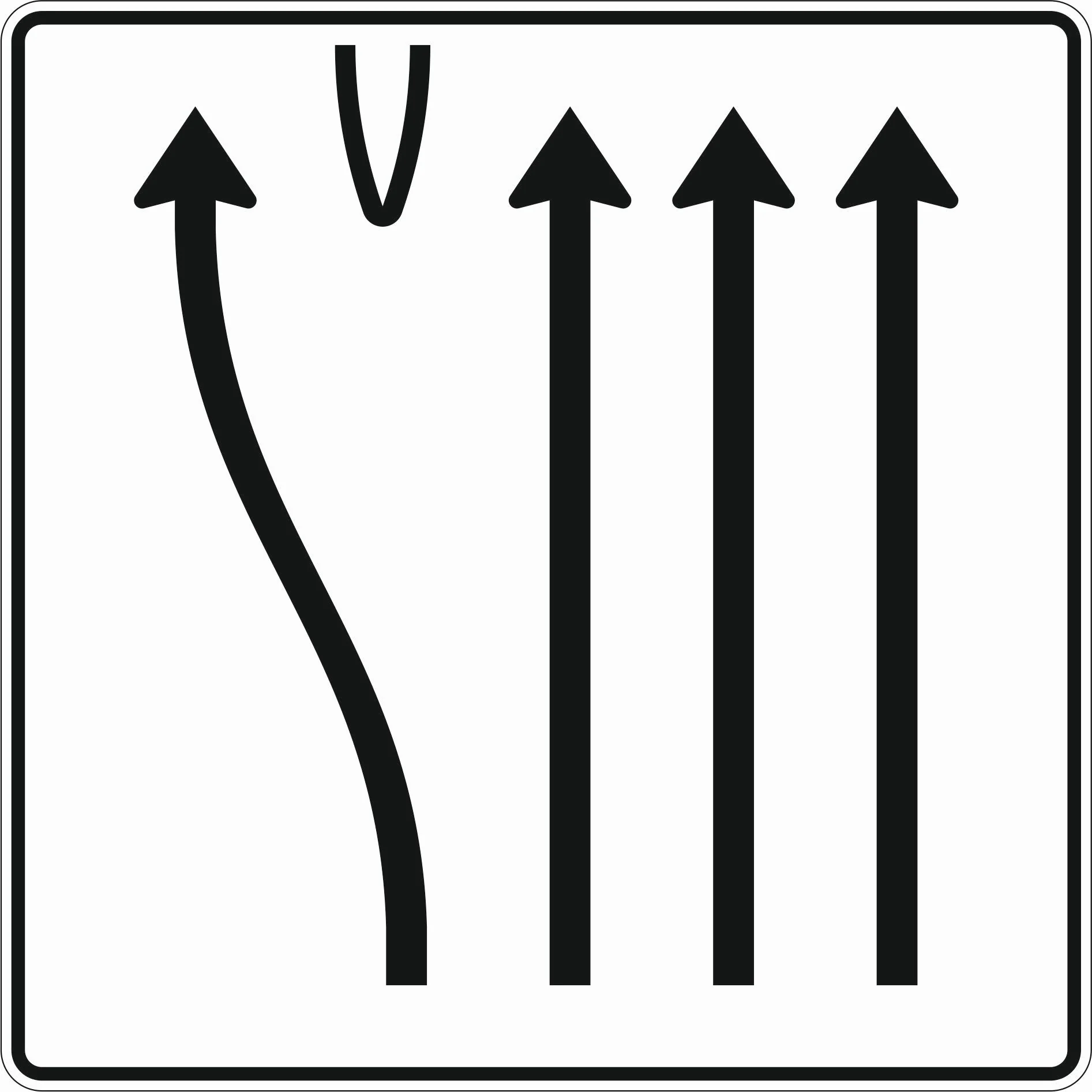
Understand German Lane Transfer Board 501-19: Shifting Lanes Ahead
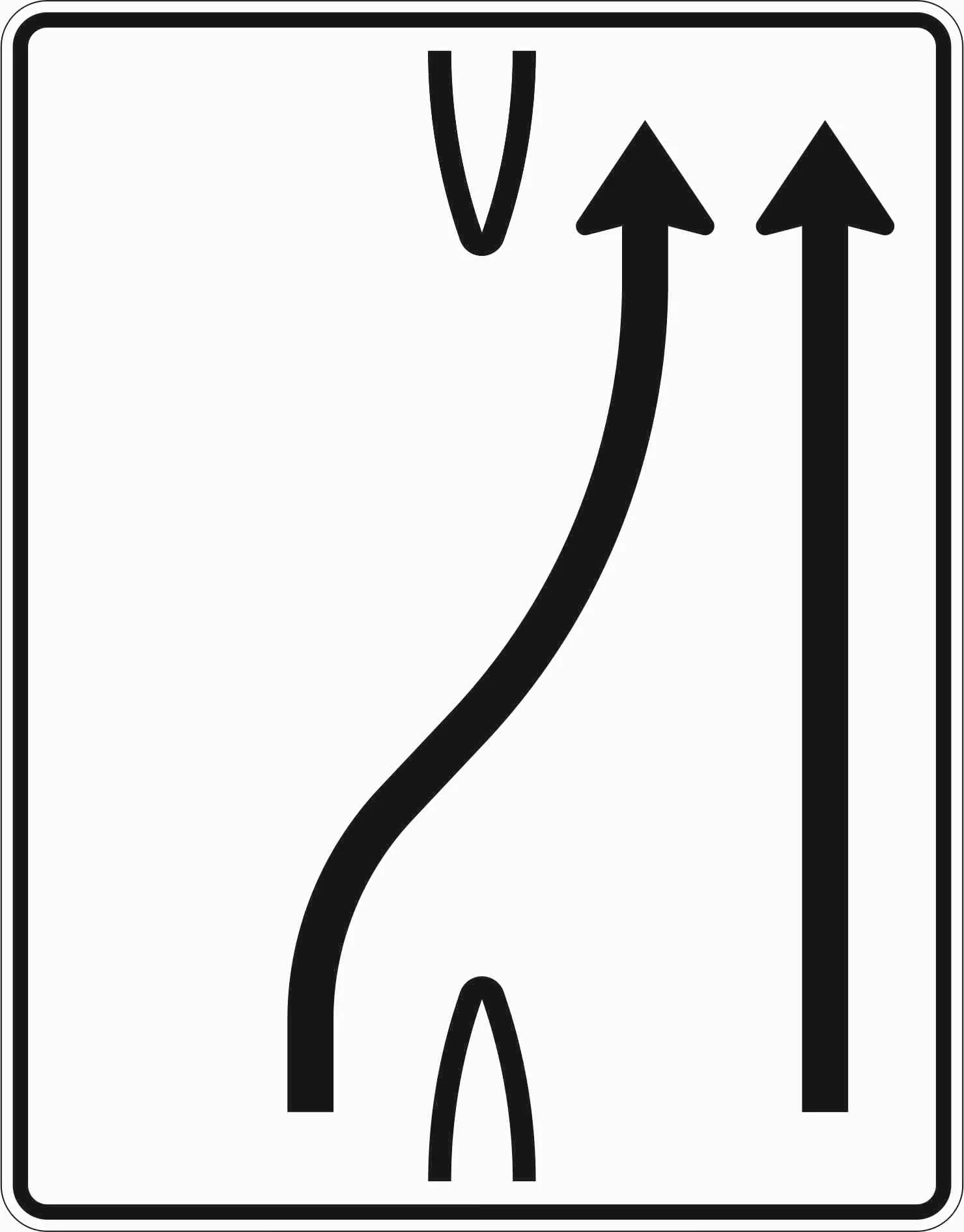
Master lane changes with German road sign 501-26 for lane transfers.
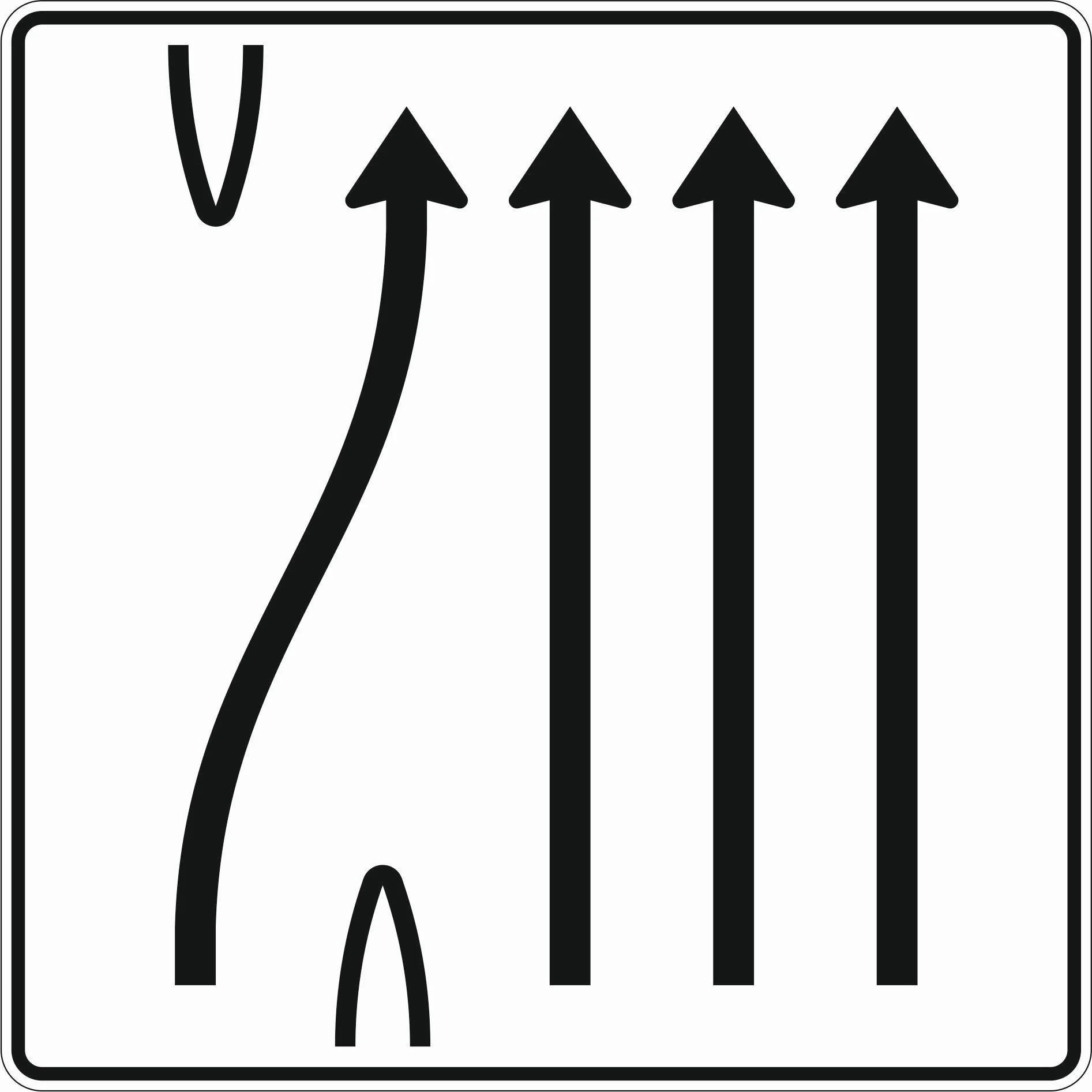
Understand the Lane Transfer Board (501-29) for Lane Adjustments
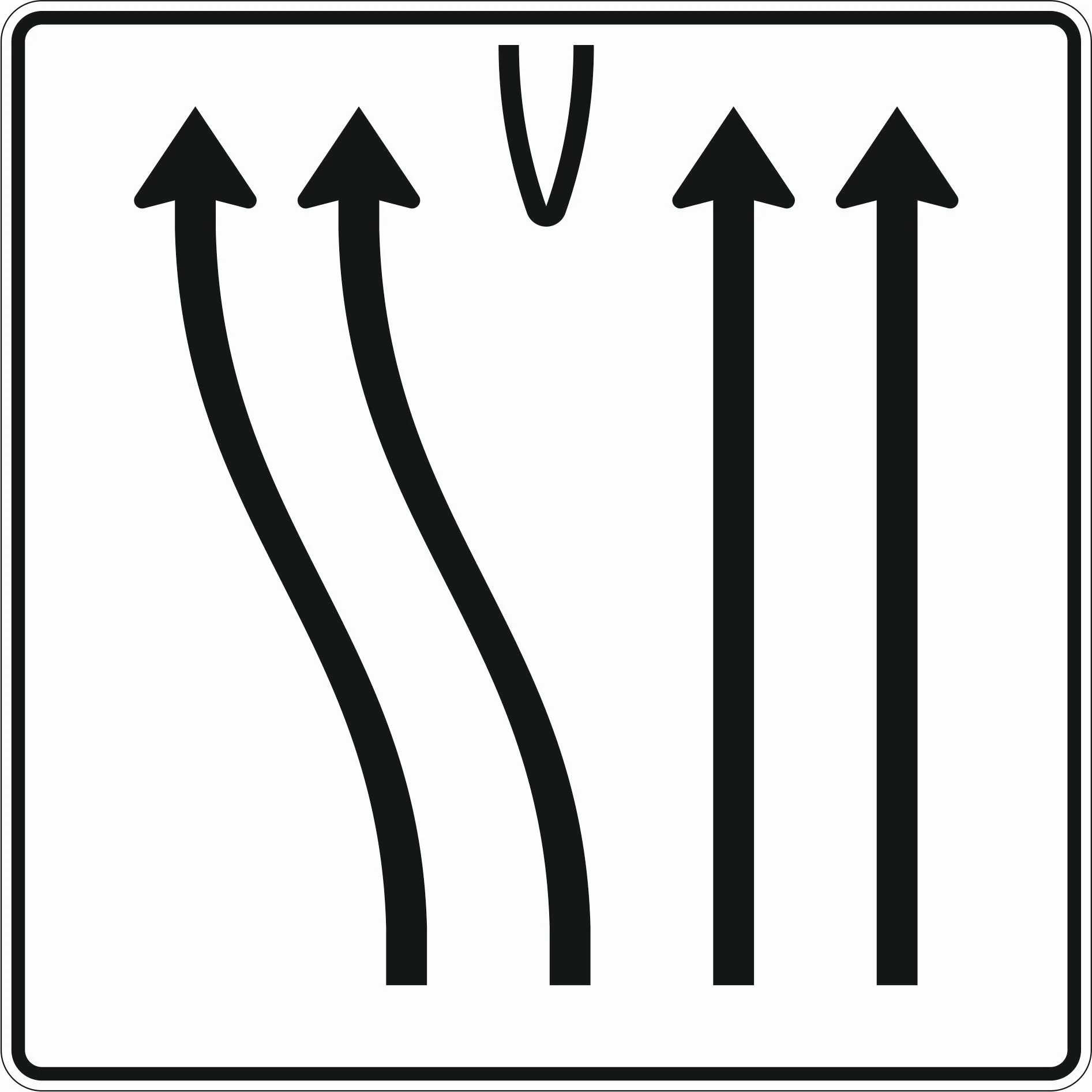
Navigate Lane Changes Safely with the German 4-Lane Transfer Board (Sign 501-50)
Master German Sign 501-51: Understanding Lane Transfers and Lane Divergences
Deepen your understanding of these specific road markings by exploring related traffic rules and situational hazard perception exercises. Applying the official StVO regulations ensures you recognize critical signage accurately during your theory test.
Master the rules for German Autobahn service areas and rest stops.
Securing a driving license in Germany requires a clear understanding of the legal requirements and the structured path from theory lessons to your final examination. This guide breaks down the essential criteria for selecting an officially recognized driving school in Hamburg and clarifies the differences between license classes like B, A1, and C, ensuring you are well-prepared for the regulations governed by the FEV.
Master the nuances of stopping and parking to avoid fines and ensure traffic flow in Germany.
As electric mobility increases on German roads, car drivers must distinguish between standard pedelecs, which function like bicycles, and higher-powered S-pedelecs that share the road with cars. This article breaks down the legal classifications and operational realities, such as speed differentials and lane usage, to ensure you are prepared for both real-world driving and the theory test. Mastering these interactions is a key step in reducing accident risks and demonstrating hazard perception proficiency.
German road sign 533-20, officially designated "Trennungstafel - 2-streifig durchgehend und 1-streifig rechts ab", belongs to the traffic control boards group. It shows how lanes are arranged, shifted, narrowed, separated, or merged, usually before a roadworks or high-speed lane-change area. You may see it in motorways, multilane roads, temporary roadworks, lane closures, lane shifts, merge areas, and construction-stage traffic management, depending on how the road authority has arranged the location. Any right reference should be read as part of the direction, road side, lane arrangement, or placement shown by the sign. The practical meaning is not just the symbol itself, but the driving decision it triggers: adjust speed, position, priority, route choice, stopping behaviour, or attention before the situation becomes urgent. For learners, the key skill is translating the arrows into early lane choice rather than reacting at the last moment. Always combine the sign with road markings, traffic lights, police instructions, and any supplementary plates at the same location.
German road sign 533-22, officially designated "Trennungstafel - 2-streifig durchgehend und 2-streifig rechts ab", belongs to the traffic control boards group. It shows how lanes are arranged, shifted, narrowed, separated, or merged, usually before a roadworks or high-speed lane-change area. You may see it in motorways, multilane roads, temporary roadworks, lane closures, lane shifts, merge areas, and construction-stage traffic management, depending on how the road authority has arranged the location. Any right reference should be read as part of the direction, road side, lane arrangement, or placement shown by the sign. The practical meaning is not just the symbol itself, but the driving decision it triggers: adjust speed, position, priority, route choice, stopping behaviour, or attention before the situation becomes urgent. For learners, the key skill is translating the arrows into early lane choice rather than reacting at the last moment. Always combine the sign with road markings, traffic lights, police instructions, and any supplementary plates at the same location.
Deepen your understanding of specific road sign categories or test your knowledge with practice questions. Explore our themed sign groups for targeted study or jump into quizzes to reinforce your recognition skills for the official German theory exam.
All German Road Signs List