
This lesson guides you through the technical requirements for safely navigating steep gradients in heavy goods vehicles. You will learn how to leverage engine braking and correct gear selection to maintain control on descents, which is essential for both your theory exam and professional safety standards.
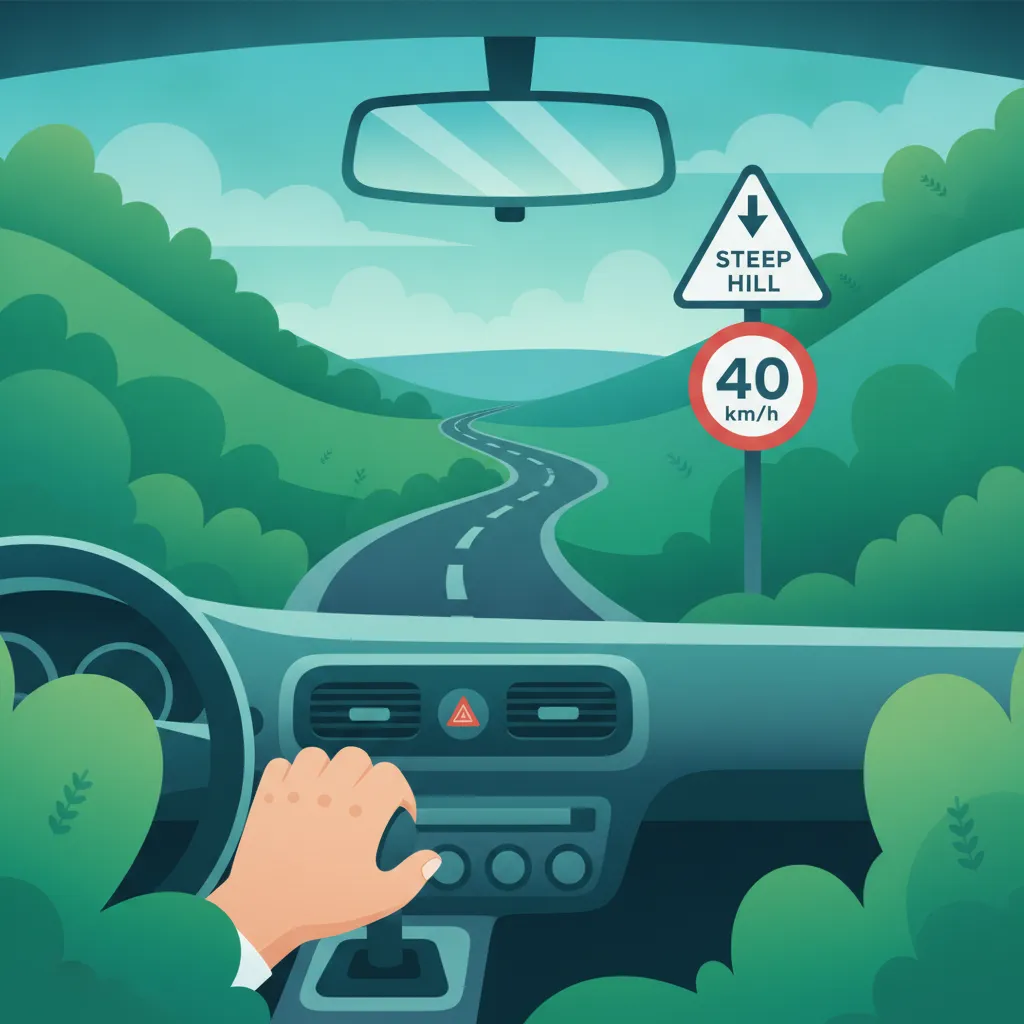
Lesson content overview
A heavy goods vehicle (HGV) operating under a Category C licence represents tens of thousands of kilograms of moving mass. When this mass is introduced to a downward slope, the laws of physics present immediate, critical challenges to vehicle control. Controlling a heavy vehicle on a steep or prolonged gradient requires specialized technical skills, a deep understanding of vehicle dynamics, and strict adherence to safe driving practices.
This lesson covers the essential mechanics of descending hills safely. You will learn how to harness engine compression, select the correct gear ratios, manage load-induced weight shifts, and prevent the catastrophic failure known as brake fade, ensuring compliance with the Road Safety Authority (RSA) standards and Irish Road Traffic Regulations.
To safely manage a Category C vehicle on a descent, you must understand the physical forces at play. When a vehicle travels on flat ground, its brakes only need to overcome its kinetic energy to bring it to a halt. However, on a downhill gradient, gravity constantly exerts a pulling force that accelerates the vehicle forward.
The heavier the vehicle, the greater the gravitational force pulling it down the slope. This gravitational pull creates continuous acceleration, known as kinetic runaway risk, if not constantly countered by a retarding force.
Furthermore, as the vehicle goes downhill, weight dynamically shifts forward. This increases the load on the front steering axle while reducing the vertical load (and therefore the traction) on the rear drive axles. If your braking technique is poor, this unequal weight distribution can cause rear-wheel lock-up, trailer jackknifing (if towing), or steering instability.
The most critical rule of downhill control is that the primary brakes (service brakes) must not be the primary method of speed control. Instead, professional drivers must rely on engine braking.
The process of reducing vehicle speed by utilizing the natural vacuum and compression resistance created within the internal combustion engine when the accelerator pedal is released.
When you lift your foot off the accelerator while the vehicle is in gear, the engine acts as an air compressor. It resists being turned by the driveshaft, which in turn slows down the drive wheels. This allows the vehicle to maintain a steady speed on a descent without generating heat in the wheel brakes.
In modern Category C vehicles, standard engine braking is often supplemented by specialized auxiliary systems. These systems are highly effective for managing speed on prolonged Irish descents, such as those found on regional routes through hilly or mountainous terrain.
Engine braking is only effective if the engine is spinning at an RPM high enough to generate significant compression resistance. This is achieved by selecting an appropriate low gear.
The golden rule for descending gradients in a heavy vehicle is: Select the correct gear before you start the descent.
Attempting to change to a lower gear after the vehicle has already gained speed downhill is incredibly dangerous. On manual gearboxes, if you misjudge the gear change, you risk getting stuck in neutral (known as "coasting"), leaving you with no engine braking at all. On automated manual transmissions (AMTs), you must override the automatic program and lock the gearbox into manual mode to prevent the system from shifting up to conserve fuel.
Relying solely on your service brakes (the foot brake pedal) on a long hill will quickly lead to brake fade. This is one of the most hazardous mechanical failures a professional driver can encounter.
A dramatic reduction in stopping power that occurs when the friction components (brake pads/shoes and discs/drums) overheat to the point where they can no longer convert kinetic energy into heat effectively.
When drum or disc brakes overheat, the friction material on the pads can begin to "outgas," creating a thin layer of superheated gas between the pad and the spinning disc or drum. This prevents physical contact, causing the brake pedal to feel spongy or completely useless. In drum brakes, extreme heat causes the metal drum to expand outwards, away from the brake shoes, meaning the driver must push the pedal further and further until the system bottoms out.
Continuous Brake Dragging ➔ Extreme Thermal Buildup ➔ Drum Expansion / Pad Outgassing ➔ Complete Brake Loss (Kinetic Runaway)
To prevent this catastrophic loss of control—referred to as kinetic runaway—you must use the snubber braking technique if you need to use the service brakes at all:
Select the correct low gear before starting down the hill to let engine braking do 80-90% of the work.
Allow the vehicle speed to gradually rise to your predetermined safe speed limit (e.g., 50 km/h).
Apply the service brakes firmly and smoothly for a few seconds to reduce your speed by approximately 10 to 15 km/h.
Release the pedal fully. This clean release allows air to circulate around the drums or discs, cooling them down.
Repeat this cycle only as necessary, ensuring the brakes are off for much longer than they are on.
Never "drag" the brakes. Keeping light, continuous pressure on the foot brake pedal is the fastest way to overheat your braking system, leading to silent brake fade and potential fire.
A key aspect of Category C driving theory is understanding how your load behaves on gradients. Under standard conditions, a balanced load ensures equal braking force across all axles. When descending a slope, gravity shifts the center of gravity forward, changing the dynamics of the vehicle.
In Ireland, professional goods vehicle drivers must operate within strict legal boundaries to ensure public safety on public roads. Several key rules apply directly to managing gradients:
Downhill control cannot be practiced in a vacuum; you must continuously adapt your technique to changing environments, weather conditions, and road designs.
The damp, unpredictable Irish climate introduces significant hazards. Wet roads, fallen leaves in autumn, and winter ice severely reduce tyre traction.
At the foot of many steep descents in Irish towns and villages, you will encounter pedestrian crossings, school zones, or cyclists. Because your stopping distance is significantly increased on a downhill slope, you must establish an enormous safety cushion. Always assume that your stopping distance is at least doubled when descending a steep hill in a fully loaded HGV.
Use this systematic procedure when approaching any significant downhill gradient in a Category C vehicle:
Observe and Anticipate: Read the road ahead. Look for steep hill warning signs, escape lanes, or warning lights.
Check Mirrors and Speed: Check your mirrors to understand the traffic situation behind you.
Reduce Speed Preemptively: Use the service brakes to bring your speed down before the slope begins. Do not enter the descent at high speed.
Downshift: Select the appropriate low gear (e.g., manual override on an automatic or downshift on a manual) that matches the steepness and weight of your vehicle.
Engage Auxiliary Systems: Turn on your engine brake or retarder to the appropriate setting.
Monitor Instrument Panel: Keep a close eye on the tachometer (RPM should remain within the safe engine braking blue/green zone) and the air pressure gauges to ensure your air brake reservoirs remain fully charged.
Apply Intermittent Braking: If your speed begins to creep up, use the snubber technique (firm, short braking cycles) to bring it back down. Never ride the brakes.
A 32-tonne, 4-axle rigid tipper is descending a steep, twisting regional route in County Wicklow during heavy rain.
A Category C box-body truck is traveling along a motorway. The road begins a long, gradual descent.
Avoid these common pitfalls which frequently lead to failed driving tests, legal penalties, or serious road collisions:
Managing heavy goods vehicles on downhill gradients requires understanding the physics of mass, gravity, and momentum acting on tens of thousands of kilograms. The primary control method is engine braking through gear selection before the descent begins, supplemented by auxiliary retarders such as exhaust brakes or driveline retarders. Service brakes should only be used intermittently using the snubber technique to prevent brake fade and kinetic runaway. Weight transfer forward during descents reduces rear axle traction, making proper load securing and gear selection critical for stability. In Ireland, drivers must adapt speed to gradient, weather, and load while adhering to RSA standards and statutory speed limits for Category C vehicles.
A short set of high-value points that capture the most important learning from this lesson.
Engine braking, not the service brakes, must be the primary method of controlling speed on downhill gradients in HGVs.
Always select the appropriate low gear before beginning a descent; attempting to downshift mid-slope is dangerous and can damage the transmission.
Continuous brake application on a long descent causes brake fade, leading to total brake failure known as kinetic runaway.
Dynamic weight transfer during descents increases front axle load while reducing rear traction, affecting vehicle stability and braking effectiveness.
Auxiliary braking systems such as exhaust brakes and retarders supplement engine braking effectively on prolonged Irish descents.
Explore all units and lessons included in this driving theory course.
The golden rule: select the same gear to descend that you would need to climb the same hill, adjusted for load weight.
Use the snubber braking technique: firm, brief applications followed by long releases to allow brake cooling.
Coasting (driving in neutral or with clutch disengaged) removes all engine braking and is both dangerous and illegal.
Irish statutory speed limits for Category C vehicles are 80 km/h on national roads and 90 km/h on motorways, but must be adapted downward for gradients and conditions.
Turn off or reduce retarder settings on icy or slippery surfaces to prevent drive-wheel lock-up and skidding.
Riding the brakes (light continuous pressure) overheats the braking system faster than firm, intermittent applications.
Leaving an automatic transmission in full auto mode causes upshifts that reduce engine braking effect; manual override is required.
Downshifting too late at high road speed can lock drive wheels or damage the gearbox, leaving the vehicle without engine braking.
Neglecting to check mirrors before braking on a descent creates danger for following vehicles that cannot see ahead.
Underestimating stopping distance on downhill gradients; a fully loaded HGV requires at least double the normal stopping space.
Lesson content overview
A short set of high-value points that capture the most important learning from this lesson.
Engine braking, not the service brakes, must be the primary method of controlling speed on downhill gradients in HGVs.
Always select the appropriate low gear before beginning a descent; attempting to downshift mid-slope is dangerous and can damage the transmission.
Continuous brake application on a long descent causes brake fade, leading to total brake failure known as kinetic runaway.
Dynamic weight transfer during descents increases front axle load while reducing rear traction, affecting vehicle stability and braking effectiveness.
Auxiliary braking systems such as exhaust brakes and retarders supplement engine braking effectively on prolonged Irish descents.
Explore all units and lessons included in this driving theory course.
The golden rule: select the same gear to descend that you would need to climb the same hill, adjusted for load weight.
Use the snubber braking technique: firm, brief applications followed by long releases to allow brake cooling.
Coasting (driving in neutral or with clutch disengaged) removes all engine braking and is both dangerous and illegal.
Irish statutory speed limits for Category C vehicles are 80 km/h on national roads and 90 km/h on motorways, but must be adapted downward for gradients and conditions.
Turn off or reduce retarder settings on icy or slippery surfaces to prevent drive-wheel lock-up and skidding.
Riding the brakes (light continuous pressure) overheats the braking system faster than firm, intermittent applications.
Leaving an automatic transmission in full auto mode causes upshifts that reduce engine braking effect; manual override is required.
Downshifting too late at high road speed can lock drive wheels or damage the gearbox, leaving the vehicle without engine braking.
Neglecting to check mirrors before braking on a descent creates danger for following vehicles that cannot see ahead.
Underestimating stopping distance on downhill gradients; a fully loaded HGV requires at least double the normal stopping space.
Explore search topics learners often look for when studying Managing Gradients and Downhill Control. These topics reflect common questions about road rules, driving situations, safety guidance, and lesson level theory preparation for learners in Ireland.
Browse additional driving theory lessons that cover connected traffic rules, road signs, and common driving situations related to this topic. Improve your understanding of how different rules interact across everyday traffic scenarios.
Learn how shifting cargo and dynamic weight distribution affect the handling and braking performance of heavy commercial vehicles. This guide explores the mechanical principles of maintaining vehicle stability when navigating slopes, sharp bends, and uneven road surfaces under varying load conditions as per Irish road safety standards.
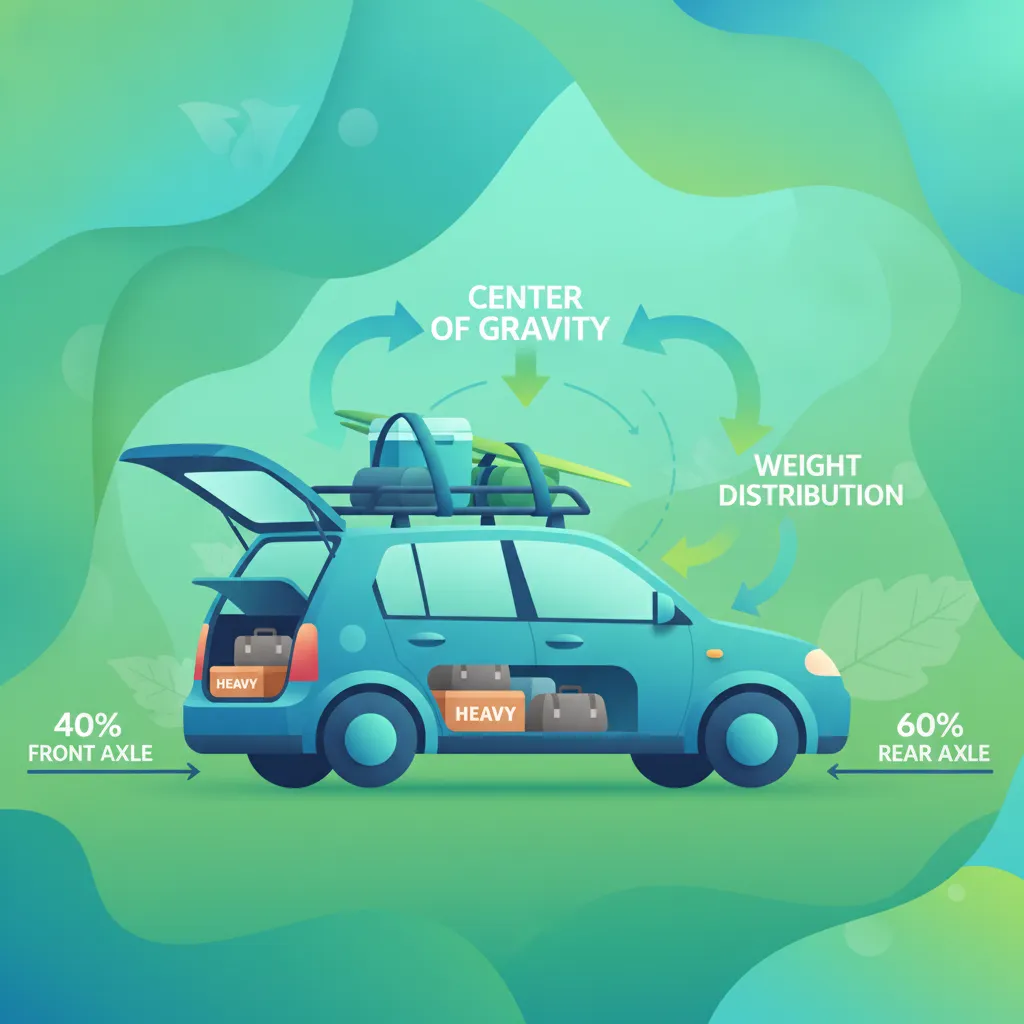
This lesson explains the physical principles of weight distribution and axle overloading on heavy commercial vehicles. It examines how a high centre of gravity increases tipping risks during cornering and alters overall braking effectiveness. Drivers will discover methods for positioning cargo to distribute weight evenly, ensuring optimal steering control and stable vehicle dynamics.

As passenger numbers change throughout a service shift, a heavy vehicle suspension, center of gravity, and steering responsiveness adapt dynamically. This lesson covers load balancing, the physical risks of overloading, and how uneven weight distribution compromises stability during turns. Drivers will learn to perform regular axle weight assessments to comply with Irish transport safety rules.
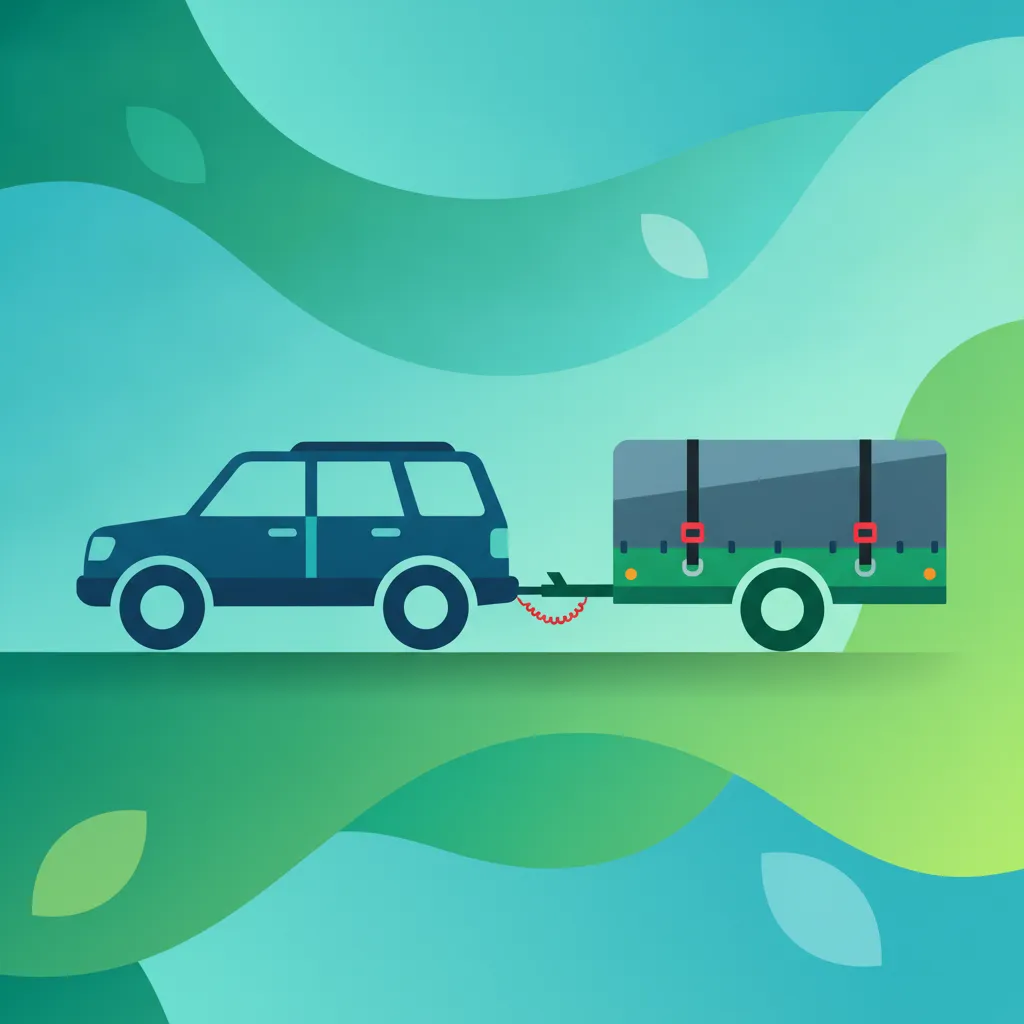
Carrying heavy loads or towing trailers significantly alters a car's handling, acceleration, and braking characteristics. This lesson outlines the physics of load distribution, explaining why you must secure cargo to prevent shifting and keep the vehicle's centre of gravity low. You will learn about legal roof rack weight limits, safe trailer coupling practices, and how to adjust your driving style when towing.
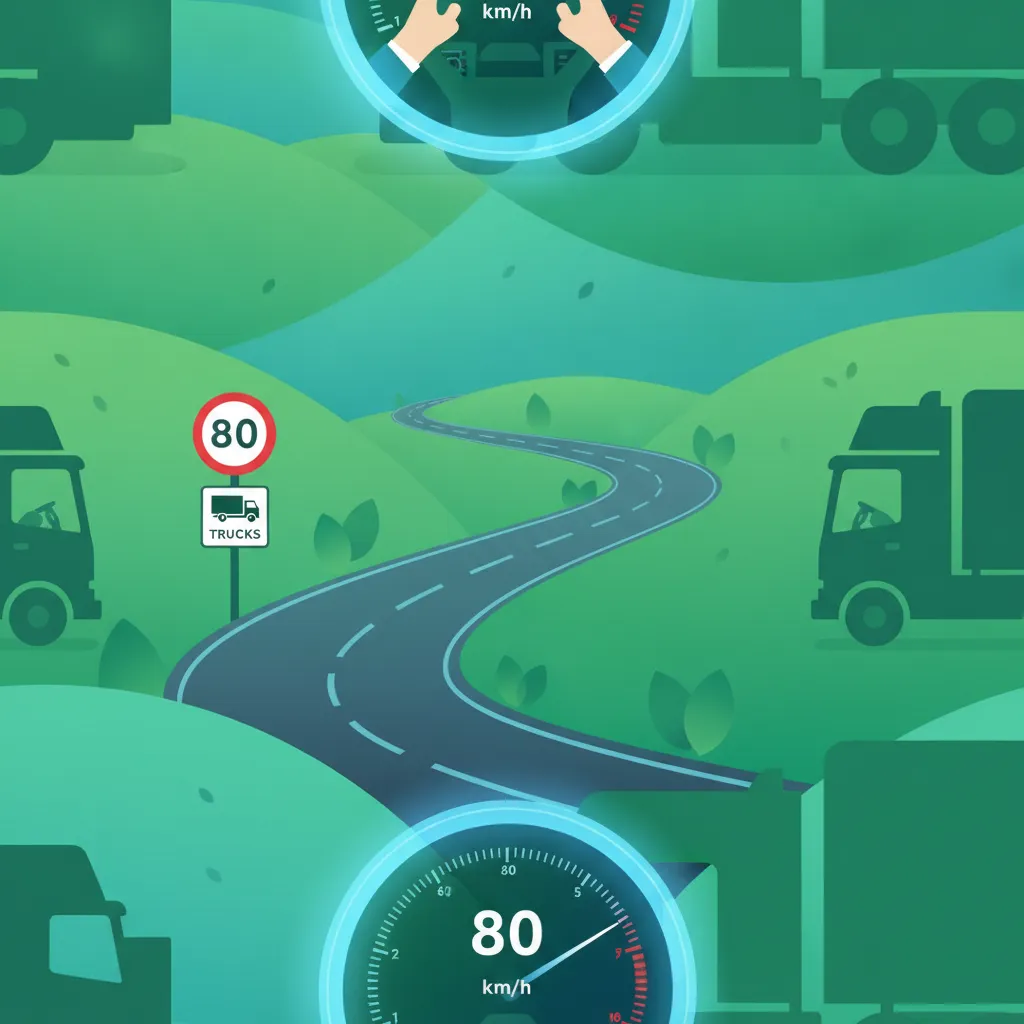
This lesson covers the legal statutory speed limits for goods vehicles on various road classes, including regional corridors and dual carriageways in Ireland. It focuses on how cargo mass and distribution alter the vehicle's safe maximum operational speed under dry, wet, or icy conditions. Drivers will also understand the purpose, function, and legal requirement of vehicle speed limiter systems.

This lesson investigates the relationship between heavy goods vehicle dimensions and the physical constraints of Irish road networks. It highlights how vehicle length and weight contribute to pavement wear and stress on aging bridges and tunnels. Drivers will analyze specific high-risk zones, such as narrow lanes and gauntlet points, where extreme spatial awareness is mandatory.
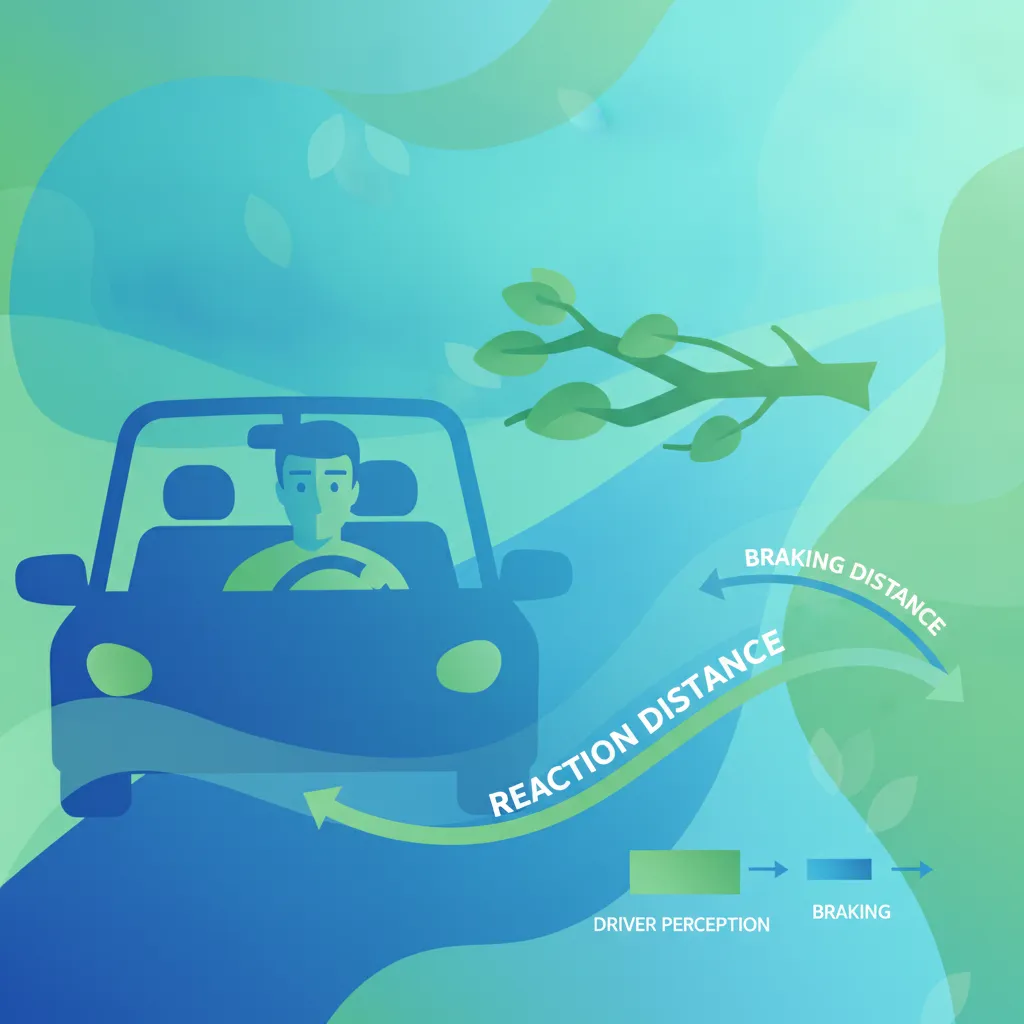
This lesson details how total stopping distance scales with vehicle mass, explaining the critical combination of perception-reaction delay and mechanical braking time. It covers the operation of main air-brake systems, auxiliary engine retarders, and trailer-coupling brake setups. Drivers will learn to maintain safe following distances and apply progressive braking patterns to avoid dangerous brake fade.
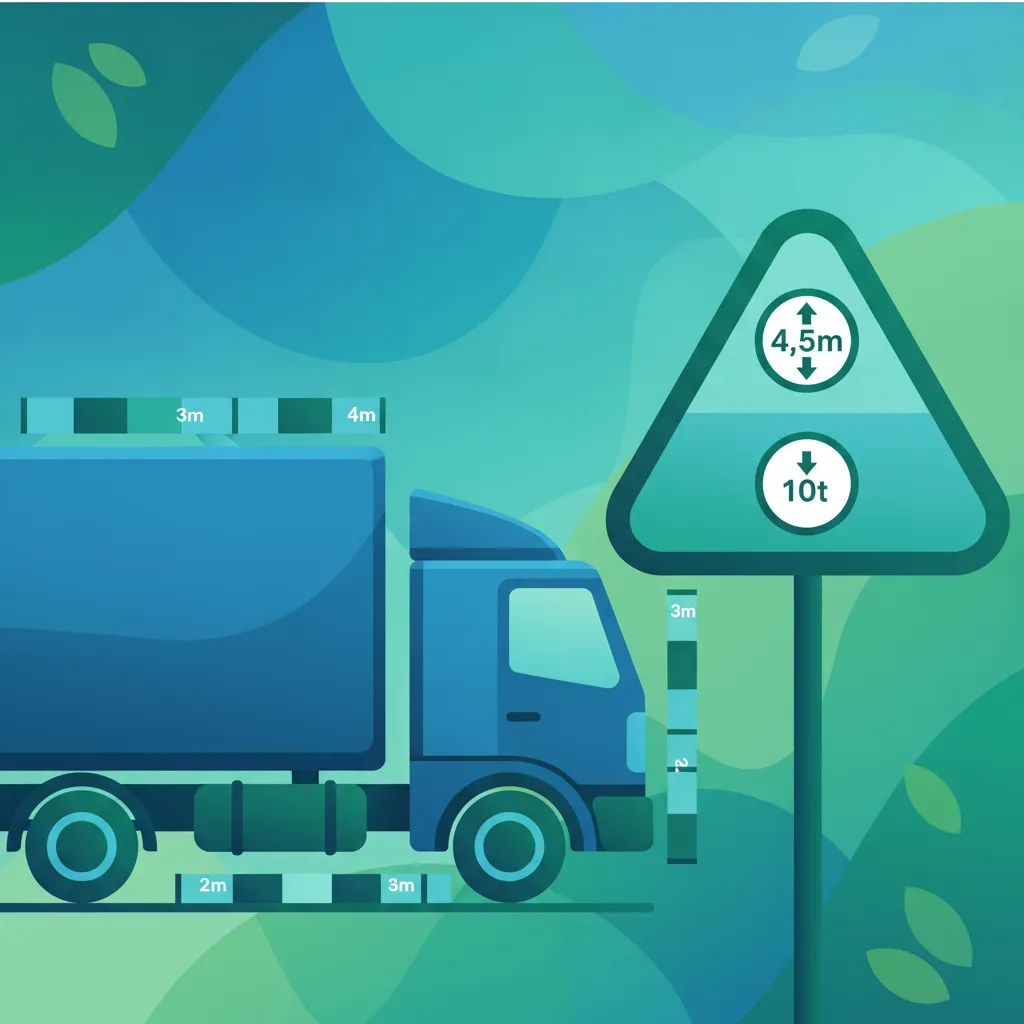
This lesson details the statutory limits on width, height, and length that apply to heavy goods vehicles under Irish transport laws. It explains the mathematical calculation of gross vehicle weight and maximum permissible axle loads to prevent infrastructure damage. Drivers will learn the practical significance of these numbers when passing low bridges or entering height-restricted tunnels.

This lesson reviews the legal definitions and safety guidelines for various categories of cargo, ranging from standard palletized goods to hazardous materials. It highlights the specific documentation, labelling, and safety equipment required by Irish and European laws for specialized transport. Drivers will learn their legal liabilities and the mandatory safety protocols corresponding to each load type.

This lesson explores the safe operation of heavy transport vehicles during severe meteorological hazards typical of the Irish climate. It teaches techniques for adjusting speed and doubling following distances to prevent loss of steering traction and control on waterlogged or icy roadways. Drivers will understand how to manage lateral aerodynamic forces from crosswinds on high-sided goods vehicles.

This lesson explores the legal frameworks and structural limitations that govern maximum vehicle weights on specific bridges and underground routes. It explains local authority by-laws, city-centre heavy vehicle exclusion zones, and environmental restrictions across major urban centres in Ireland. Drivers will learn to identify safe alternative bypass routes when encountering weight-restrictive public structures.
Understand the specific driving theory requirements for operating heavy commercial vehicles across different Irish road environments. This lesson details speed management, lane discipline, and hazard awareness techniques necessary for adapting to the distinct challenges of high-speed motorways compared to narrow, busy urban delivery routes.
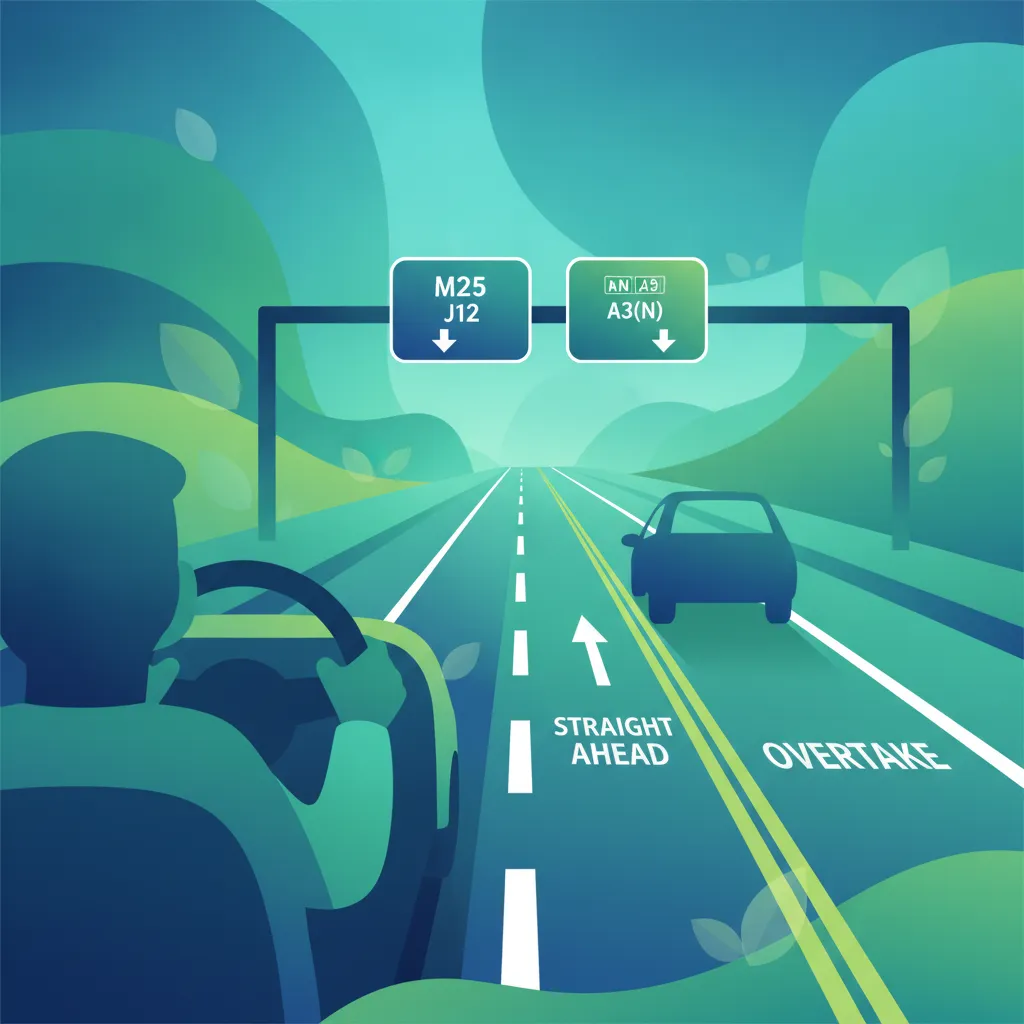
This lesson describes the legal regulations and driving conventions for operating heavy commercial vehicles on motorways and high-speed dual carriageways. It explains specific Irish motorway rules, including bans on heavy goods vehicles occupying the outer overtaking lanes. Drivers will learn to manage high-speed slip-road merging, maintain safe spacing buffers, and anticipate long-range changes in overall traffic flow.
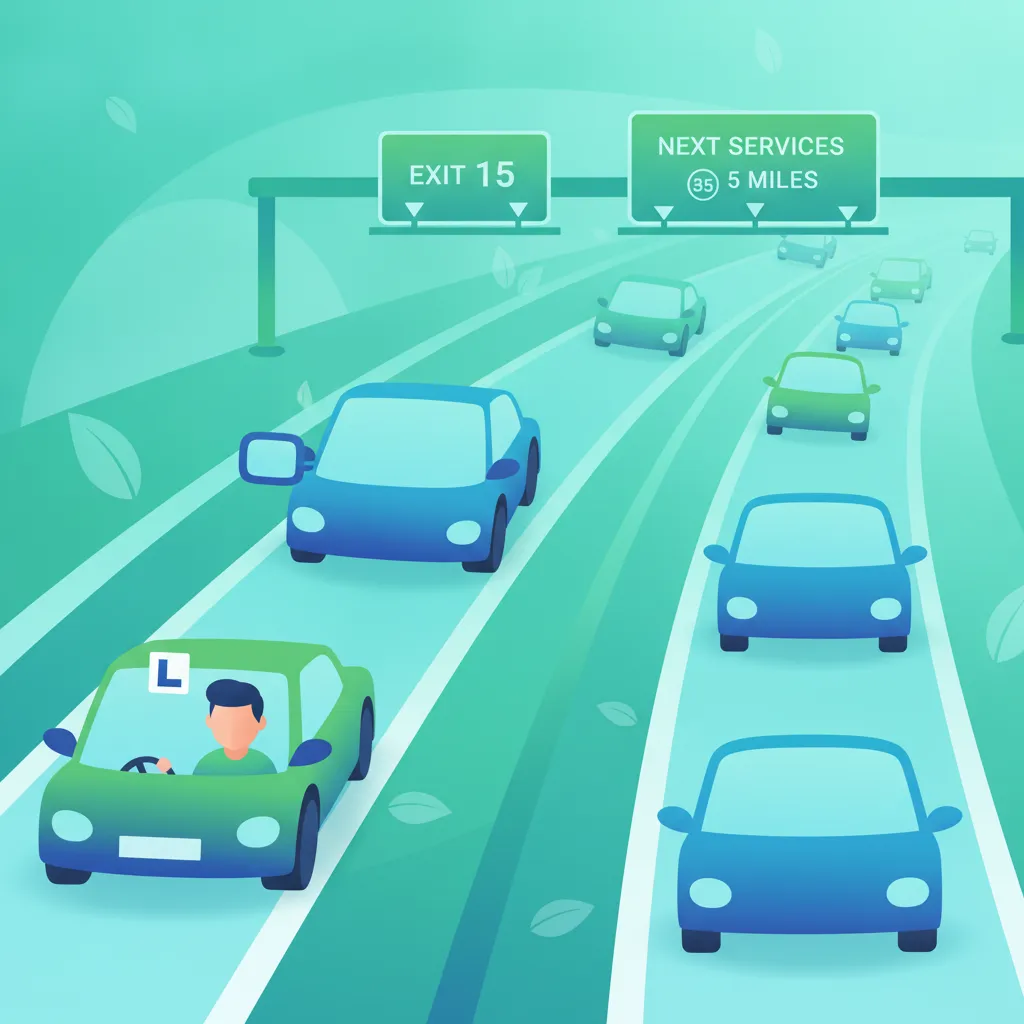
Motorway transport requires consistent forward planning, strict speed restriction compliance, and clear mirror checks before exiting lanes. This lesson details the rules of joining and leaving motorways, navigating toll plazas safely, and managing breakdowns on the hard shoulder. Drivers will learn to balance high-speed travel with passenger stability, ensuring a comfortable, secure ride.

Driving large vehicles through dense city traffic requires outstanding lane discipline, spatial awareness, and consistent patience. This lesson teaches drivers how to utilize public bus corridors, manage tight yellow box intersections, and handle narrow city streets. It focuses on predicting traffic pattern shifts to maintain service timetables while minimizing fuel waste and driver stress.
This lesson explores the legal frameworks and structural limitations that govern maximum vehicle weights on specific bridges and underground routes. It explains local authority by-laws, city-centre heavy vehicle exclusion zones, and environmental restrictions across major urban centres in Ireland. Drivers will learn to identify safe alternative bypass routes when encountering weight-restrictive public structures.
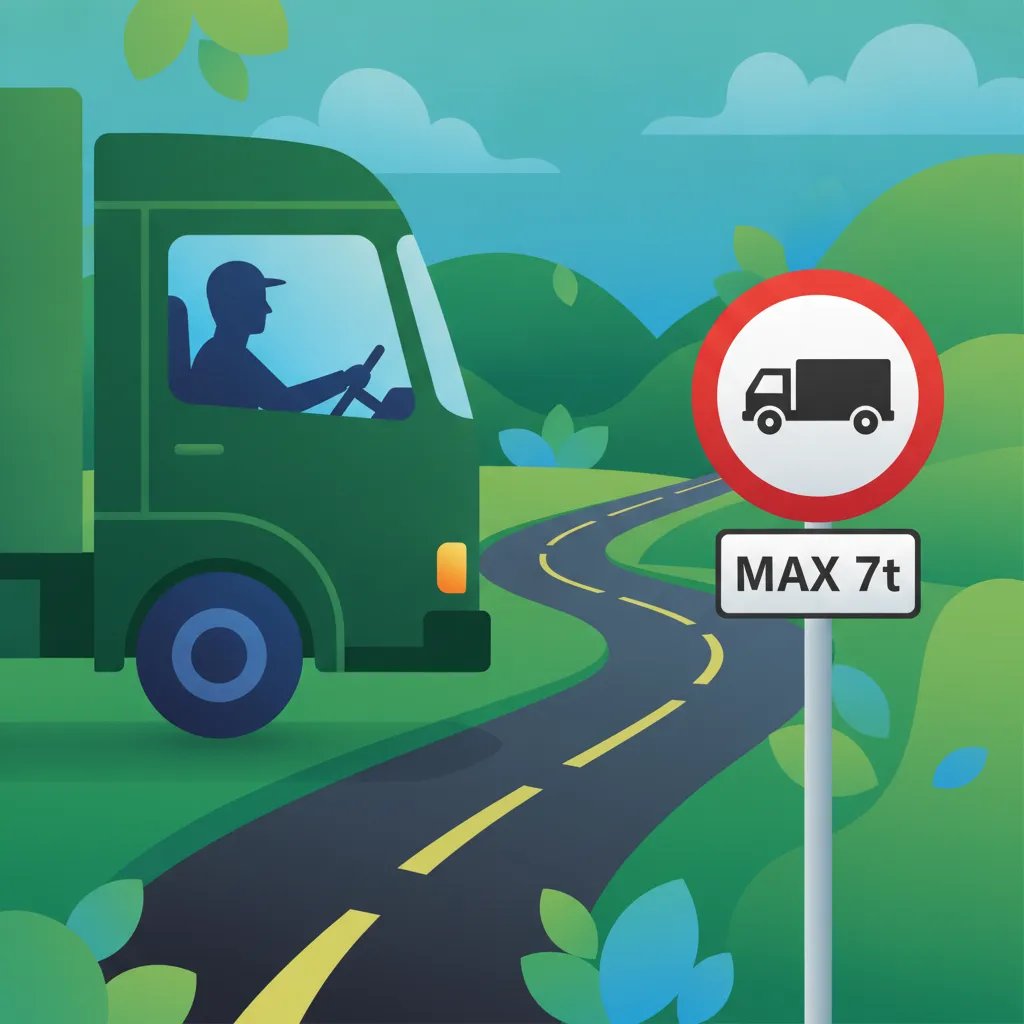
This lesson details the exact visual indicators, symbols, and text used on Irish traffic signs to communicate regulatory restrictions for heavy vehicles. It covers signs denoting height clearances, narrow bridges, and width-limited streets that require immediate driver diversion. By recognizing these specialized warnings early, professional drivers prevent costly structural collisions and traffic offences.
This lesson explores the safe operation of heavy transport vehicles during severe meteorological hazards typical of the Irish climate. It teaches techniques for adjusting speed and doubling following distances to prevent loss of steering traction and control on waterlogged or icy roadways. Drivers will understand how to manage lateral aerodynamic forces from crosswinds on high-sided goods vehicles.

This lesson focuses on managing the interactions between commercial goods vehicles and non-motorized or lightweight commuters. It outlines defensive driving techniques to utilize when overtaking cyclists, navigating pedestrian crossings, or negotiating shared junctions in Irish cities. Drivers will examine common cyclist behaviors at roundabouts and understand how to maintain massive safety margins to protect lives.
Motorways are designed for safe, high-speed travel, but require strict adherence to lane discipline and specific regulations. This lesson explains that the left lane is for normal driving, while middle and right lanes are strictly for overtaking slower traffic. You will learn how to identify motorway exits, use the hard shoulder during absolute emergencies, and understand the legal restrictions placed on learner permit holders.
This lesson covers the legal statutory speed limits for goods vehicles on various road classes, including regional corridors and dual carriageways in Ireland. It focuses on how cargo mass and distribution alter the vehicle's safe maximum operational speed under dry, wet, or icy conditions. Drivers will also understand the purpose, function, and legal requirement of vehicle speed limiter systems.

This lesson addresses the unique environmental and logistical challenges faced during delivery stops in commercial town and city centers. It covers the legal frameworks governing municipal loading zones, double-parking hazards, and temporary pedestrian-only street restrictions. Drivers will acquire practical skills for managing traffic build-up, utilizing visual spotters, and securing the vehicle while unloading cargo.
Find clear answers to common questions learners have about Managing Gradients and Downhill Control. Learn how the lesson is structured, which driving theory objectives it supports, and how it fits into the overall learning path of units and curriculum progression in Ireland. These explanations help you understand key concepts, lesson flow, and exam focused study goals.
Constant use of the service brakes on a long, steep descent causes friction-induced heat, leading to brake fade or total failure. Engine braking uses the vehicle's internal resistance to slow the truck, keeping the foundation brakes cool and ready for emergencies.
You should generally select a lower gear before starting the descent, as it is much harder to downshift once the vehicle has begun to accelerate due to gravity. The gear should be low enough to keep your speed under control without needing to ride the brakes.
A fully loaded HGV has significantly more kinetic energy than an empty one, making momentum harder to arrest. You must adjust your speed earlier and be more disciplined with your gear selection to ensure the vehicle remains under control at all times.
Yes, Irish roads feature triangular warning signs indicating steep hills, often showing a percentage for the gradient. Professional drivers must interpret these signs as a signal to check their gear and speed well in advance.
Use the practice question search tool to pinpoint specific topics, road signs, or rules you need to master for your official Driver Theory Test. Refine your study strategy and ensure comprehensive preparation for all aspects of the Irish driving exam. Start your focused revision now and build confidence for your learner permit test.