
This set focuses on the specific Italian regulations for parking lights, known as 'luci di posizione', when your vehicle is stopped or parked. It covers scenarios such as parking on unlit roads at night, the requirements on roads with higher speed limits, and the critical distinction between parking lights and lights used for driving. Prepare confidently for your Italian driving theory exam.
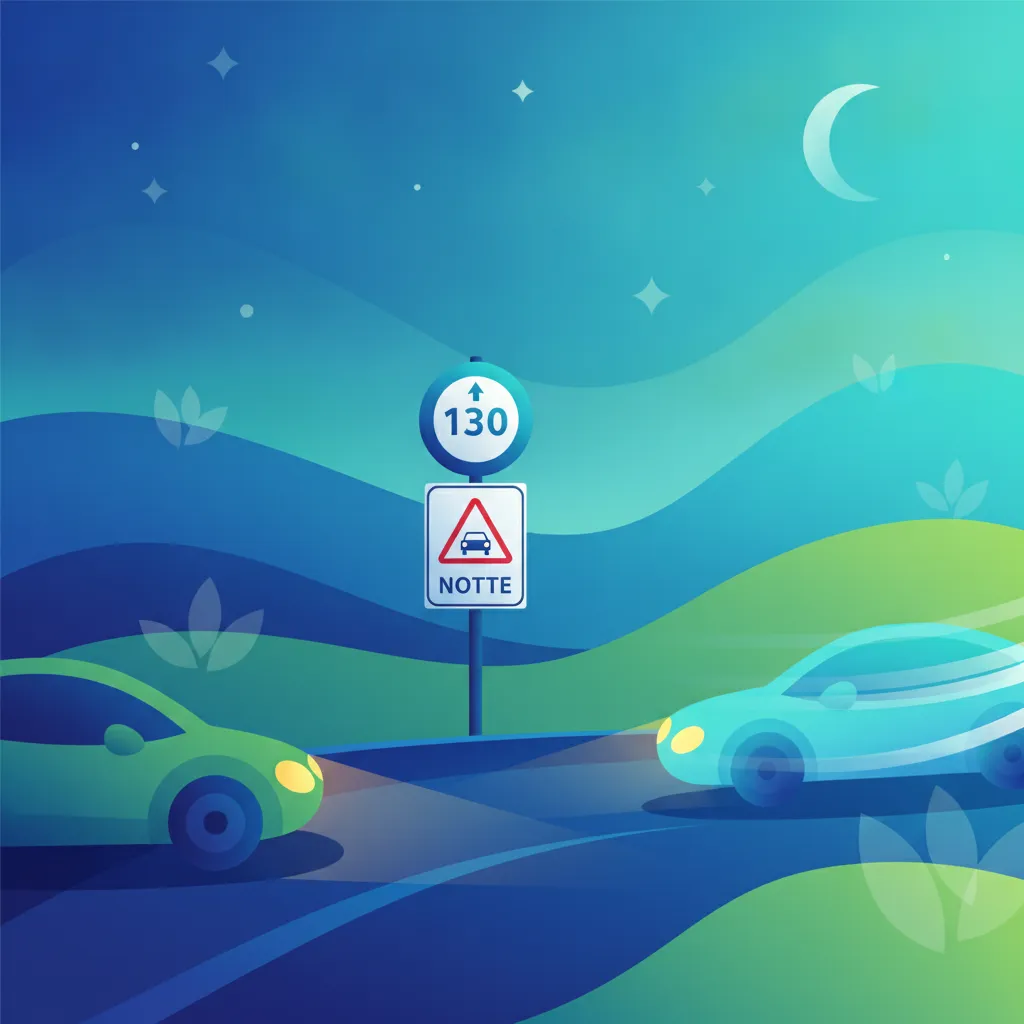
Engage in an interactive practice session for Italian Night Parking Lights: Rules for Stationary Vehicles with real exam style questions tailored for learners in Italy. Track your progress, learn from instant feedback, and strengthen your understanding of essential driving theory concepts. This focused Italian session supports efficient study and builds long term exam confidence.

This set focuses on the specific Italian regulations for parking lights, known as 'luci di posizione', when your vehicle is stopped or parked. It covers scenarios such as parking on unlit roads at night, the requirements on roads with higher speed limits, and the critical distinction between parking lights and lights used for driving. Prepare confidently for your Italian driving theory exam.
Difficulty
Questions
12
When you start, questions will appear one by one.
Explore additional Italian driving theory practice sets designed to help learners in Italy improve exam readiness. Each set offers targeted questions on key topics, real traffic situations, and essential road rules to support effective study and confident test performance.

Illuminate Your Knowledge: Drive Safely and Legally in Italian Low-Light Conditions.

Master Night Driving Rules for Your Italian Driving Theory Exam

Master Italian Hazard Light Regulations for Safety and Your Exam

Master Italian Night Driving Rules for Extra-Urban Roads and Boost Your Exam Confidence.

Illuminate Your Knowledge: Safe Headlight Use for Your Italian Driving Exam.
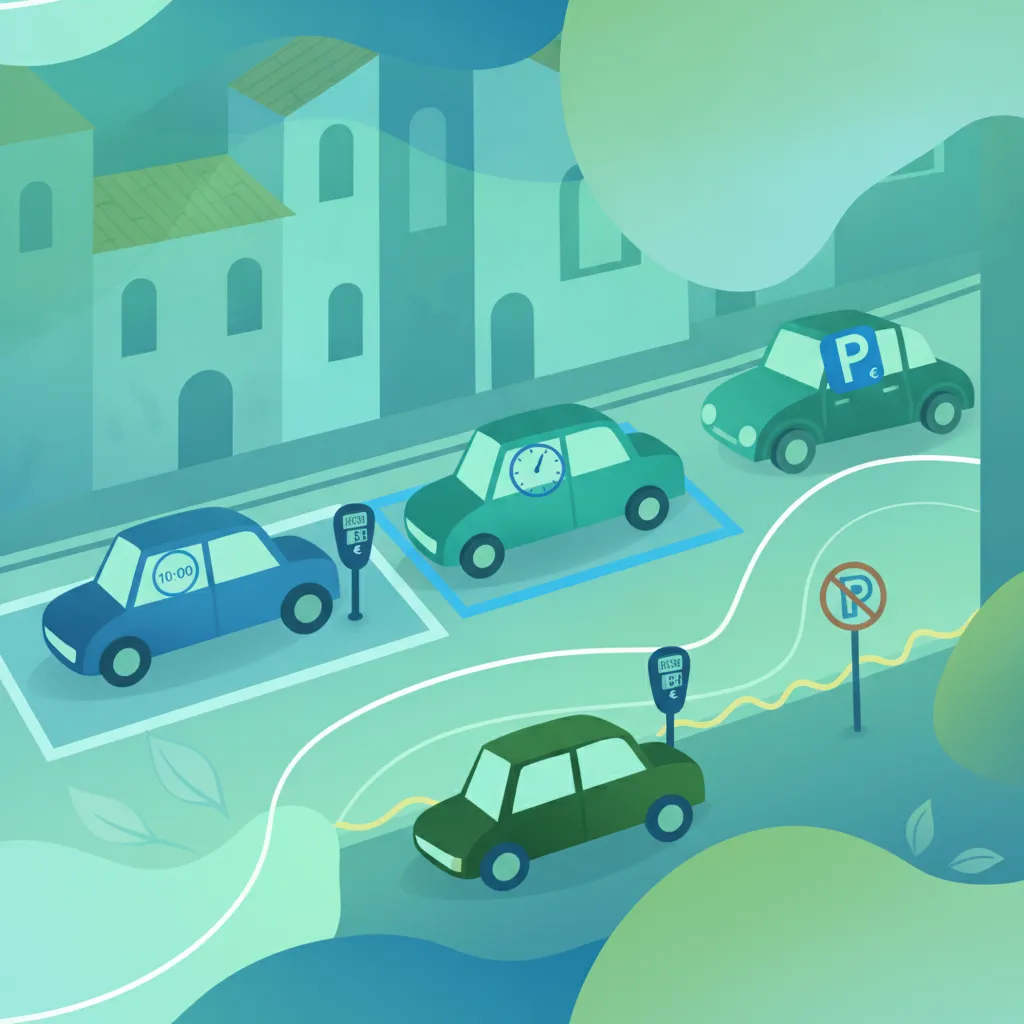
Navigate Italian Parking Zones with Confidence and Avoid Fines.
Explore interactive calculators to practice Italian driving theory formulas. Master stopping distances, reaction times, and safe following gaps. These tools enhance exam preparation and real-world hazard perception.