
This practice set focuses on the colour-coding of Italian direction and information signs. You'll learn that green signs indicate motorways, blue signs signify extra-urban roads, white signs are for urban routes, brown signs point to tourist attractions, and yellow signs denote temporary diversions. Understanding these distinctions is vital for both safe navigation and passing your Italian driving theory exam.
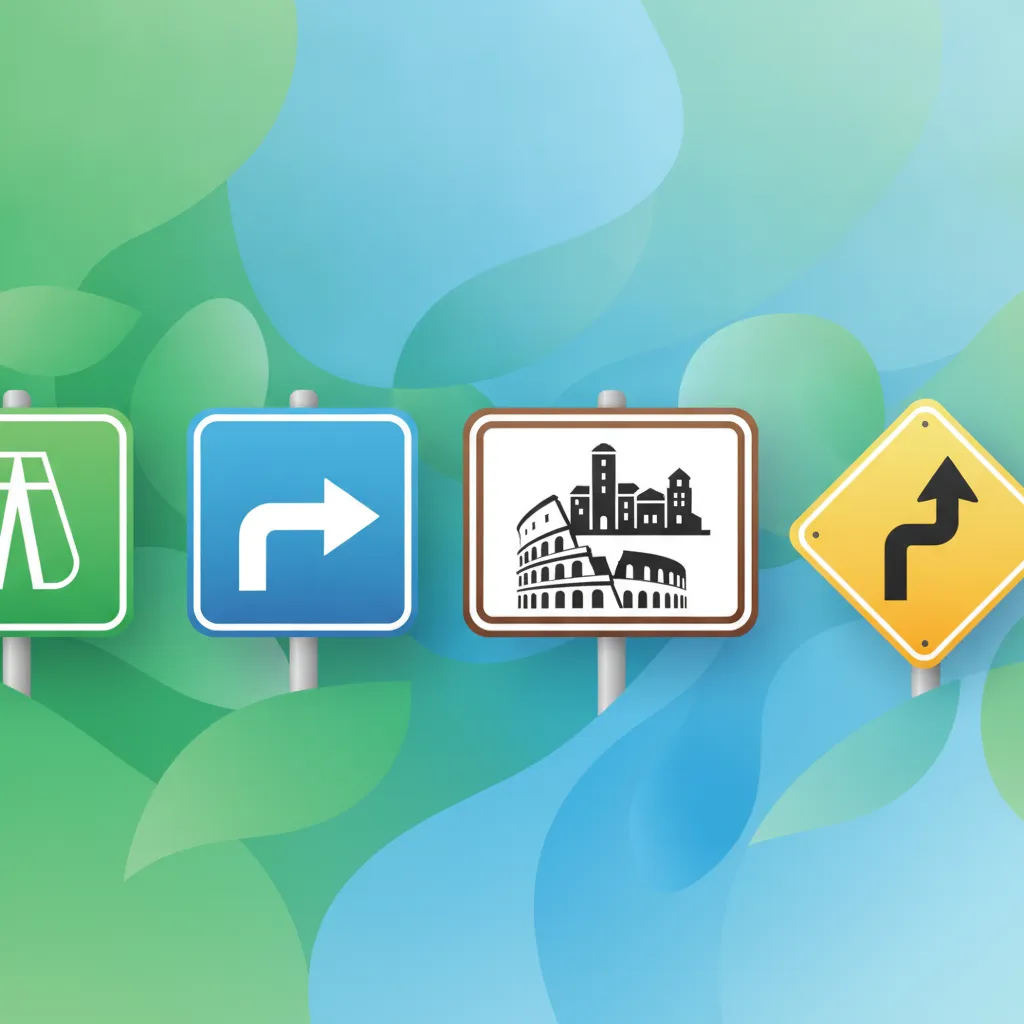
Engage in an interactive practice session for Italian Road Sign Colours and Their Meanings with real exam style questions tailored for learners in Italy. Track your progress, learn from instant feedback, and strengthen your understanding of essential driving theory concepts. This focused Italian session supports efficient study and builds long term exam confidence.
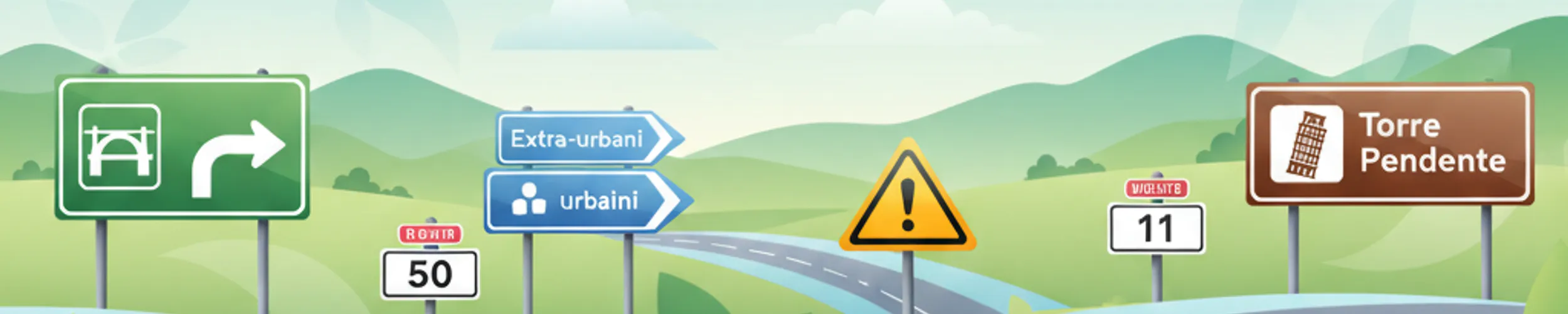
This practice set focuses on the colour-coding of Italian direction and information signs. You'll learn that green signs indicate motorways, blue signs signify extra-urban roads, white signs are for urban routes, brown signs point to tourist attractions, and yellow signs denote temporary diversions. Understanding these distinctions is vital for both safe navigation and passing your Italian driving theory exam.
Difficulty
Questions
15
When you start, questions will appear one by one.
Explore additional Italian driving theory practice sets designed to help learners in Italy improve exam readiness. Each set offers targeted questions on key topics, real traffic situations, and essential road rules to support effective study and confident test performance.
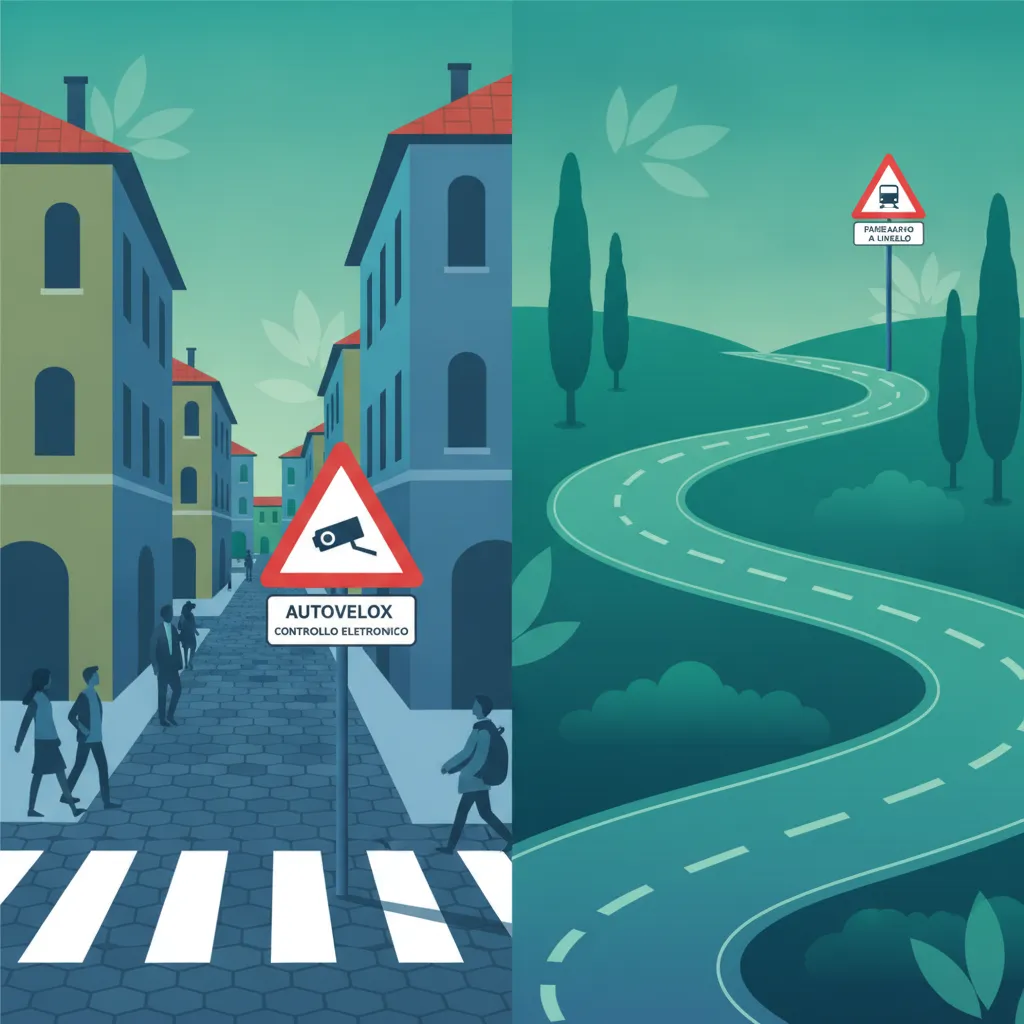
Master Italian Road Sign Context: Know When and Where Signs Matter Most.

Decode Italian Road Markings: Know When Yellow Lines Take Precedence

Decode Every Light: Essential Traffic Light Rules for Your Italian Driving Exam
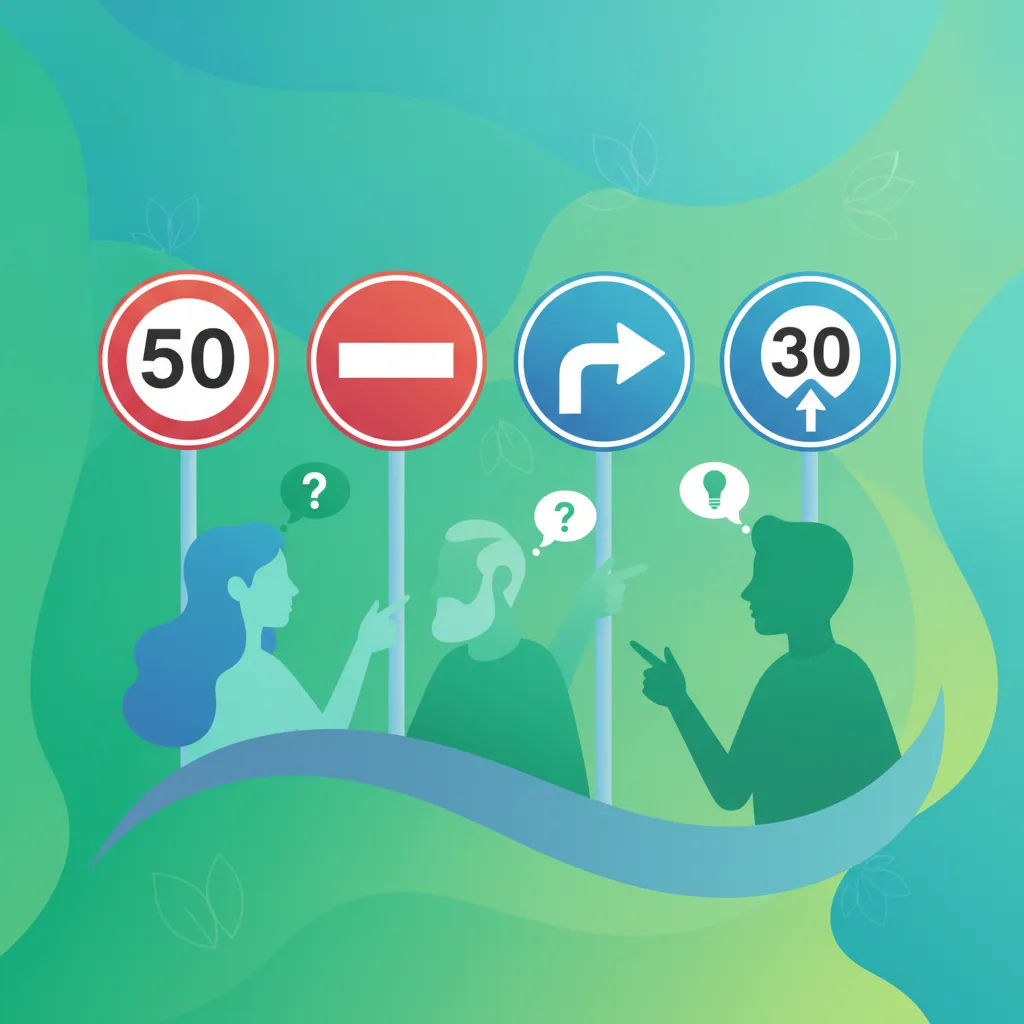
Master Italy's Circular Regulatory Signs for Your Driving Exam Success!
Spot potential hazards and drive safely on Italian roads.
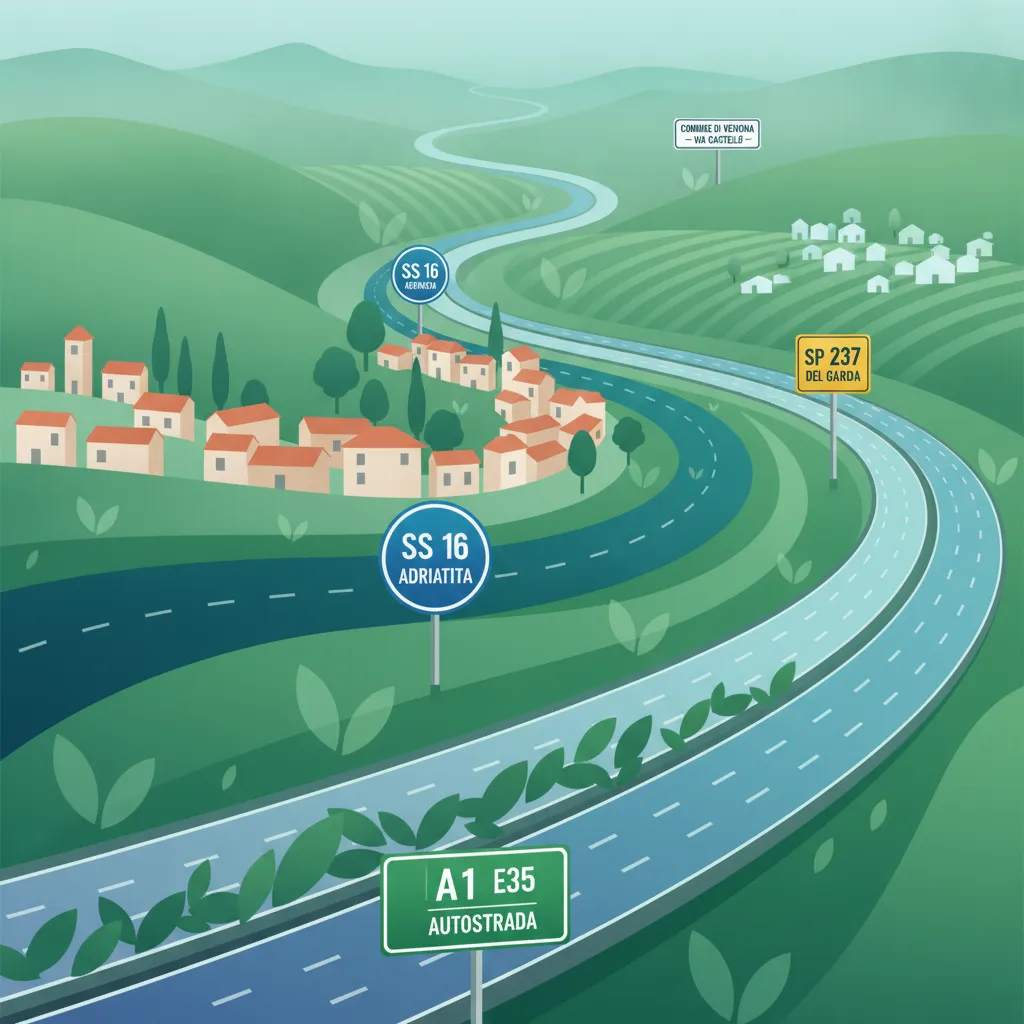
Master Italian Road Types to Drive Confidently and Pass Your Exam.
Explore interactive calculators to practice Italian driving theory formulas. Master stopping distances, reaction times, and safe following gaps. These tools enhance exam preparation and real-world hazard perception.