
The II.395 red singular chevron marker is a complementary road sign designed to provide visual guidance, particularly for road edges, bends, intersections, and physical layouts. Unlike regulatory signs, its purpose is to help you safely navigate and maintain clearance, especially when the road ahead is not clearly visible. Pay close attention to these markers to adjust your speed and steering, ensuring you follow the intended path.
Master the meaning of the red singular chevron marker to navigate bends and intersections safely. Proper interpretation is key for your Italian driving theory test revision and ensures you maintain correct lane positioning on complex road layouts.
This complementary marker supports visual guidance rather than acting like an ordinary regulatory plate. It helps drivers read the physical road layout, especially around bends, edges, intersections, delineators, and other alignment cues. The practical response is to keep a stable path, preserve clearance, and reduce speed when the marker shows a constrained or changing layout. Official catalogue code: II.395.
The "Chevron marker (red singular)" marker gives visual guidance about road edge, alignment, bend direction, intersection shape, or physical layout. Use it to keep a safe path and clearance. Catalogue code II.395.
Get clear, practical answers to the most common questions about the II.395 - Chevron marker (red singular) road sign. Learn how the sign works, what rules it represents, and how it affects real driving situations. This FAQ strengthens your understanding and supports accurate decision making for the Italian driving theory exam in Italy.
The II.395 red singular chevron marker serves as a visual aid to guide drivers. It helps indicate road edges, the direction and sharpness of bends, the shape of intersections, and other critical changes in road layout. Its main goal is to help you keep a safe path and adequate clearance from obstacles or the road edge.
When you see a II.395 chevron marker, you should use it as a cue to maintain a stable driving path and ensure you have sufficient clearance. If the marker is highlighting a bend, an obstacle, a junction, or a constrained section of road, it's a clear indication to reduce your speed and be extra attentive to your steering.
No, the II.395 chevron marker should not be ignored. While it's a complementary sign for visual guidance rather than a strict regulatory plate, failing to heed its warning about road alignment or obstacles can lead to dangerous situations. Drivers should always use these markers to help them navigate safely and maintain the correct path.
A common exam trap with chevron markers like II.395 is confusing them with signs that impose a direct restriction. Learners might sometimes think they are optional. The key takeaway for the exam is to understand they provide vital visual cues for safety, especially in poor visibility or complex road situations, and must be used to guide your driving.
The II.395 marker itself isn't a specific hazard warning like a fallen tree sign, but it highlights changes in the road layout that *could* be hazardous if not navigated correctly. It points out bends, edges, or obstructions, prompting you to drive more cautiously and at an appropriate speed to manage that specific layout.
A clear reference image of the II.395 - Chevron marker (red singular) road sign used in Italy.

The II.395 - Chevron marker (red singular) road sign may also be known by these alternative names or terms.
The II.395 - Chevron marker (red singular) road sign is part of the Italian Complementary Signage category, which groups together signs with similar rules and functions.
Reviewing closely related road signs side-by-side helps cement their distinctions, improving your sign recognition for the Italian theory test. Practice traffic sign comparison to avoid common errors and boost your exam preparation.

Understand the II.467 T-intersection Marker for Safe Road Guidance
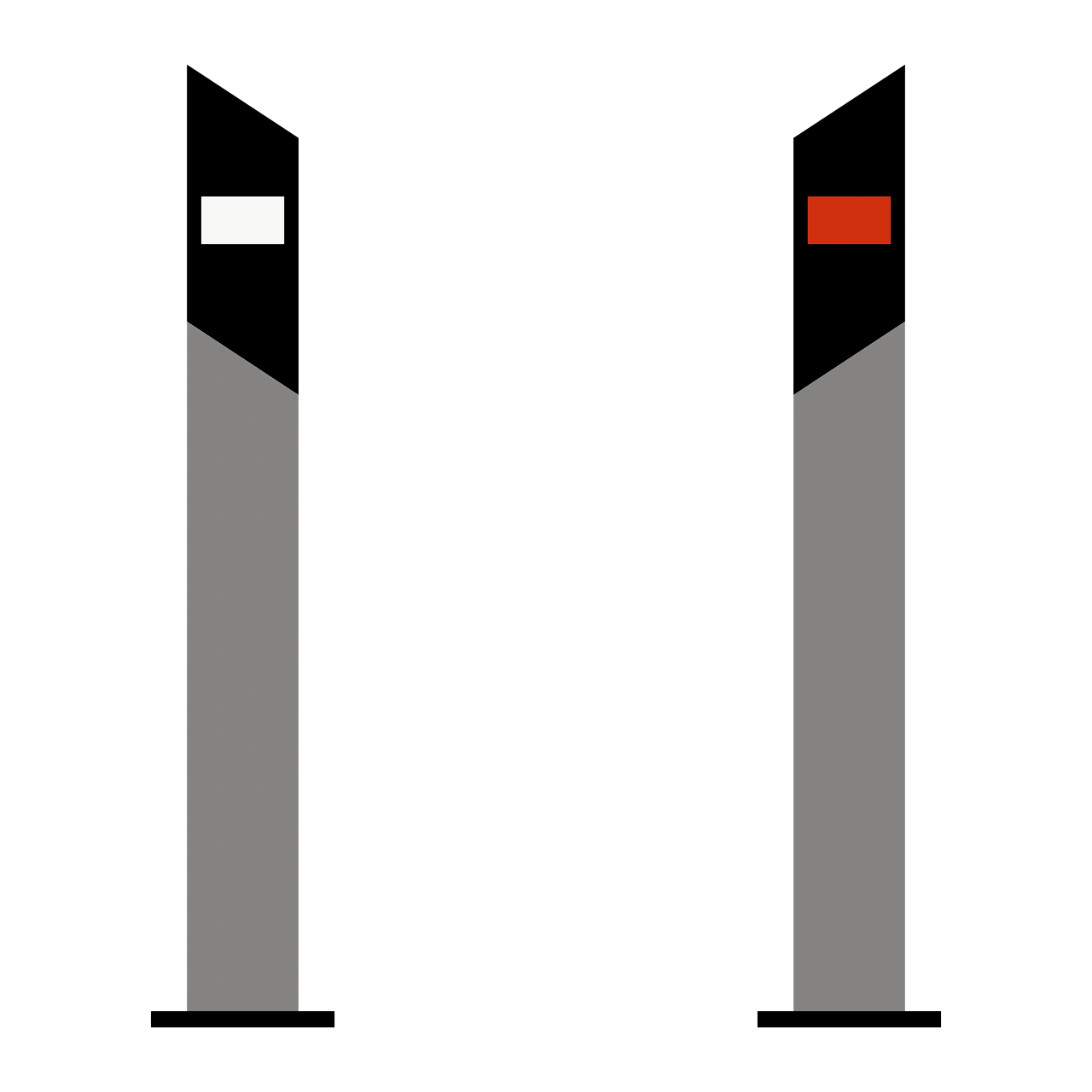
IT-C-01 Reflexion Posts: Your Guide to Road Alignment on Two-Way Roads
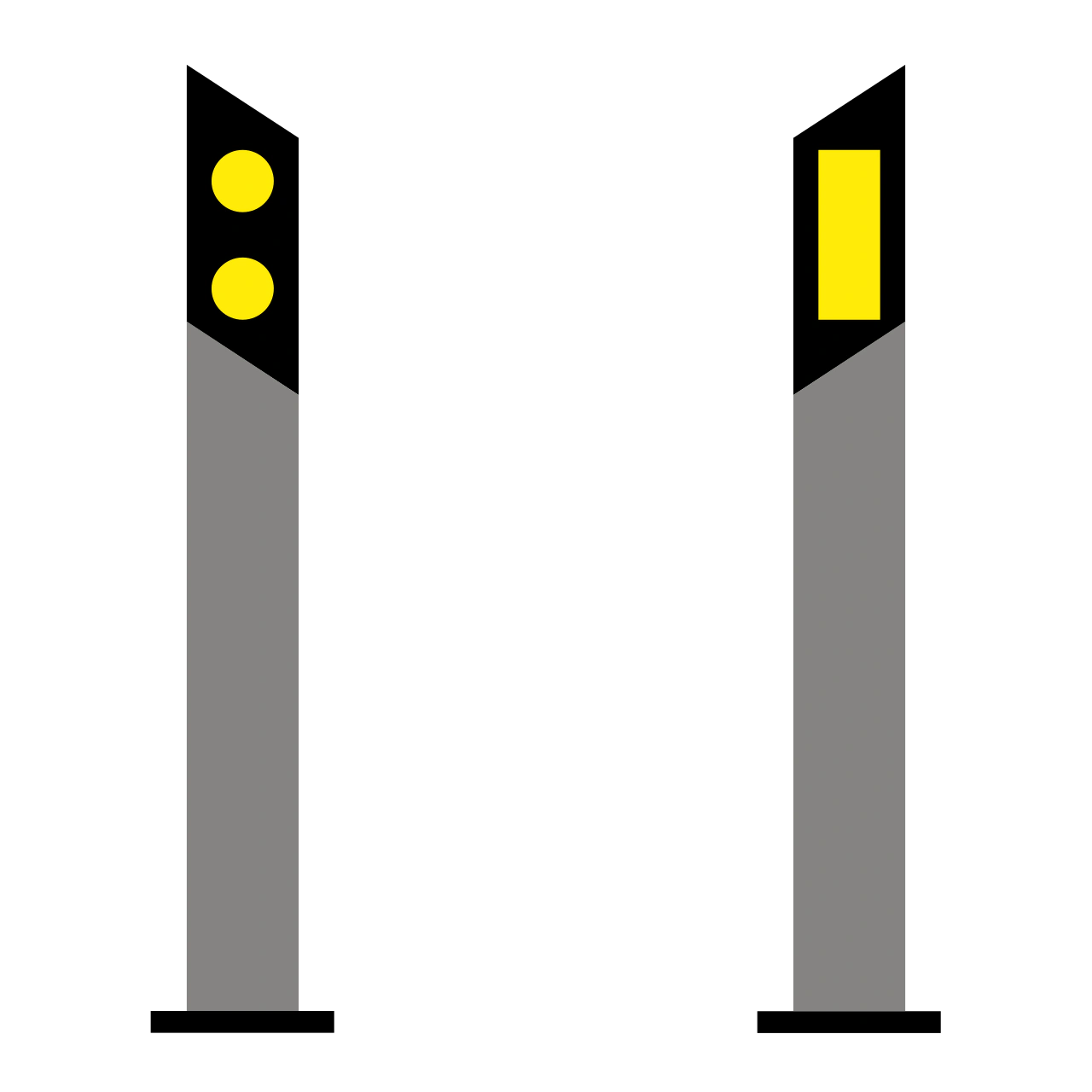
Use Reflexion Posts on One-Way Roads (IT-C-02) for Clearer Road Guidance

Follow the IT-C-03 Chevron Marker for safe turns and road alignment.

Follow the IT-C-04 Chevron Marker for safe guidance on bends and turns.

Follow the IT-C-06 Chevron Marker for safe road alignment and bends.

Prepare for an Uneven Road with the II.1 Warning Sign

Understanding the 'Distance (in metres)' Additional Panel (II.1-a)
Connect visual recognition to the official Italian traffic regulations to improve your performance on the theory test. These targeted resources clarify how specific road signs dictate right-of-way and safety requirements across diverse Italian driving environments.
While an Italian Class B license provides certain privileges for lighter vehicles, it is critical to understand the exact technical limitations enforced by the Codice della Strada. This guide breaks down the eligibility for A1 category motorcycles, the restricted nature of these permissions to Italian territory, and the legal consequences of exceeding your licensed category. Mastering these rules is essential for both your theoretical knowledge and your safety on the road.
If you hold an Italian Category B driving license, towing a trailer involves specific rules and weight restrictions that you must adhere to. This article clarifies the combinations permitted with a standard B license, the requirements for the B96 qualification, and when a full BE license is necessary. Mastering these regulations is essential for safe driving and passing your theory test.
Master Your Responsibilities: Essential First Aid and Accident Procedures in Italy.
Master Italian Traffic Calming Devices for a Smoother, Safer Drive.
This complementary marker supports visual guidance rather than acting like an ordinary regulatory plate. It helps drivers read the physical road layout, especially around bends, edges, intersections, delineators, and other alignment cues. The practical response is to keep a stable path, preserve clearance, and reduce speed when the marker shows a constrained or changing layout. Official catalogue code: IT-C-03.
This complementary marker supports visual guidance rather than acting like an ordinary regulatory plate. It helps drivers read the physical road layout, especially around bends, edges, intersections, delineators, and other alignment cues. The practical response is to keep a stable path, preserve clearance, and reduce speed when the marker shows a constrained or changing layout. Official catalogue code: IT-C-04.
After reviewing the complete sign list, explore signs by specific categories such as warning, regulatory, or information signs. Understanding signs in context will enhance your recognition and interpretation skills, crucial for the Italian driving theory exam.
All Italian Road Signs List