
The II.320 'Pedestrian Zone' sign is an indication sign used in Italy to mark the beginning, end, or presence of an area where specific rules apply to vehicle traffic. When you see this sign, you must adhere to the zone's regulations until you encounter an end sign or a change in the road layout. It's crucial to remember that this sign itself doesn't override other traffic signals like speed limits, priority rules, or road markings, so always stay vigilant and observant.
This explanation clarifies the function of the Pedestrian Zone sign, crucial for understanding restricted urban areas and preparing for your theory test revision. Mastering its meaning helps you navigate Italian city driving and comply with traffic rules.
This indication sign provides official information for navigation, facilities, services, road type, parking, zones, tunnels, bridges, exits, or lane use. It helps drivers plan early, but it does not override separate speed limits, prohibitions, priority rules, traffic lights, or road markings. For learning, explain both what the sign identifies and what driving choice it helps prepare. Official catalogue code: II.320.
The "Pedestrian zone" sign identifies the start, end, or presence of a regulated zone. Apply the zone rules until an end sign or boundary changes them. Catalogue code II.320.
Get clear, practical answers to the most common questions about the II.320 - Pedestrian zone road sign. Learn how the sign works, what rules it represents, and how it affects real driving situations. This FAQ strengthens your understanding and supports accurate decision making for the Italian driving theory exam in Italy.
The II.320 sign indicates the start or presence of a 'Pedestrian Zone'. This is an area where specific rules restrict or govern vehicle access and movement, usually prioritizing pedestrians. You must follow these rules until you leave the zone or a sign indicates otherwise.
When you see the II.320 sign, you need to be aware that you are entering or are within a special zone. Check for any additional panels or road markings that specify exactly what is permitted or prohibited for vehicles. You may need to reduce your speed, change your route, or be prepared for restricted access.
The II.320 sign indicates a pedestrian zone, which implies restrictions on general vehicle traffic. Whether you can drive into it depends on specific local regulations, additional signage, or permits. Often, only residents, delivery vehicles during certain hours, or emergency services are allowed. Always check for further instructions.
A common mistake is assuming you can enter any area marked with an 'indication' sign like II.320 without further checks. Learners might forget to look for supplementary panels that specify access times or required permits. Always remember that indication signs provide information, but they don't always grant permission to enter or proceed without verifying other rules.
No, the II.320 'Pedestrian Zone' sign itself does not require you to stop. It informs you that you are entering an area with specific traffic regulations. Depending on the zone's rules, you might need to stop to show a permit, or you may be prohibited from entering altogether, but the sign itself is informational, not a direct stop command.
A clear reference image of the II.320 - Pedestrian zone road sign used in Italy.
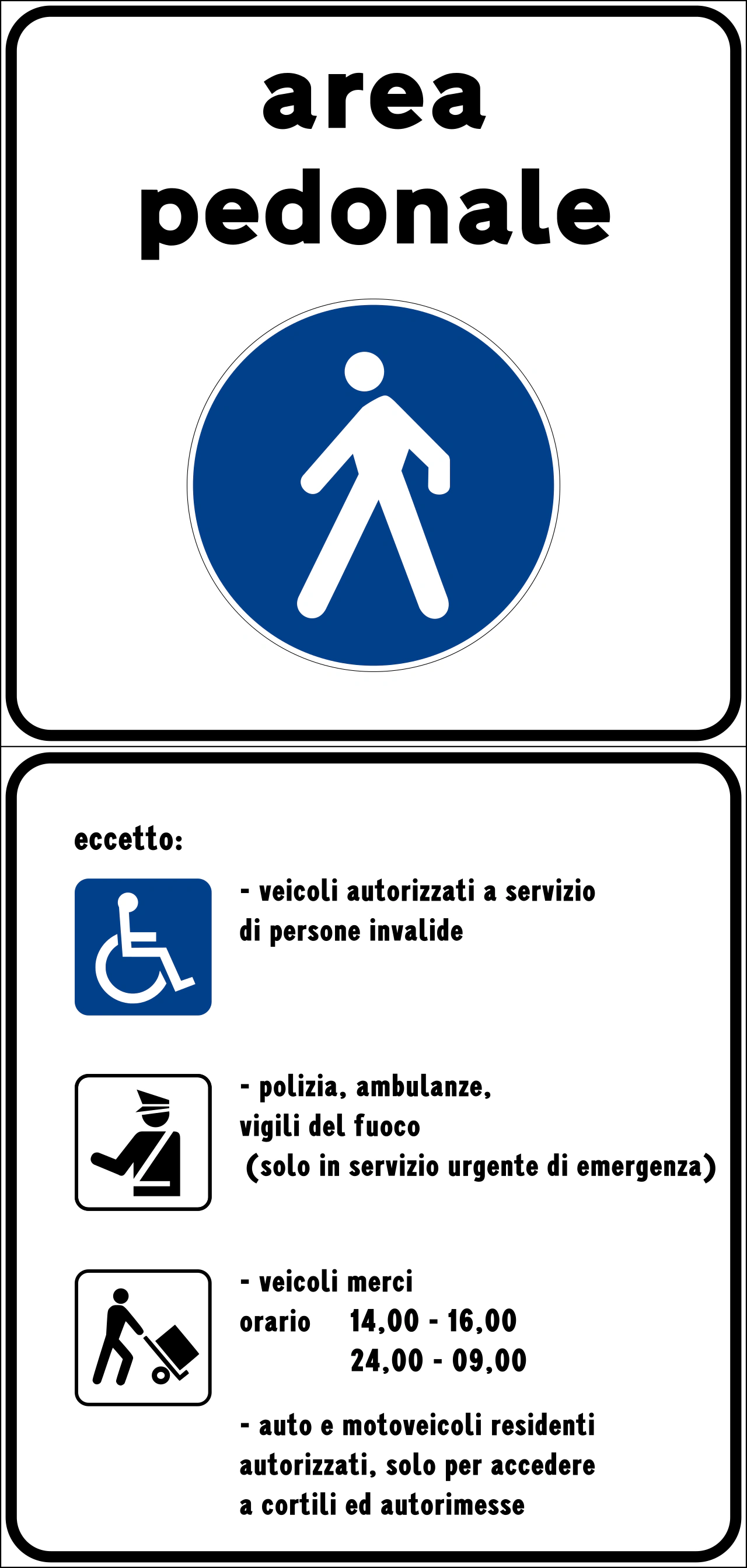
The II.320 - Pedestrian zone road sign may also be known by these alternative names or terms.
The II.320 - Pedestrian zone road sign is part of the Italian Indication Signs category, which groups together signs with similar rules and functions.
Understanding the subtle differences between related road signs, like distinguishing pedestrian zones from other restricted areas, is key to accurate theory test revision. Comparing these signs aids sign recognition and prevents common mistakes during your driving licence exam preparation.
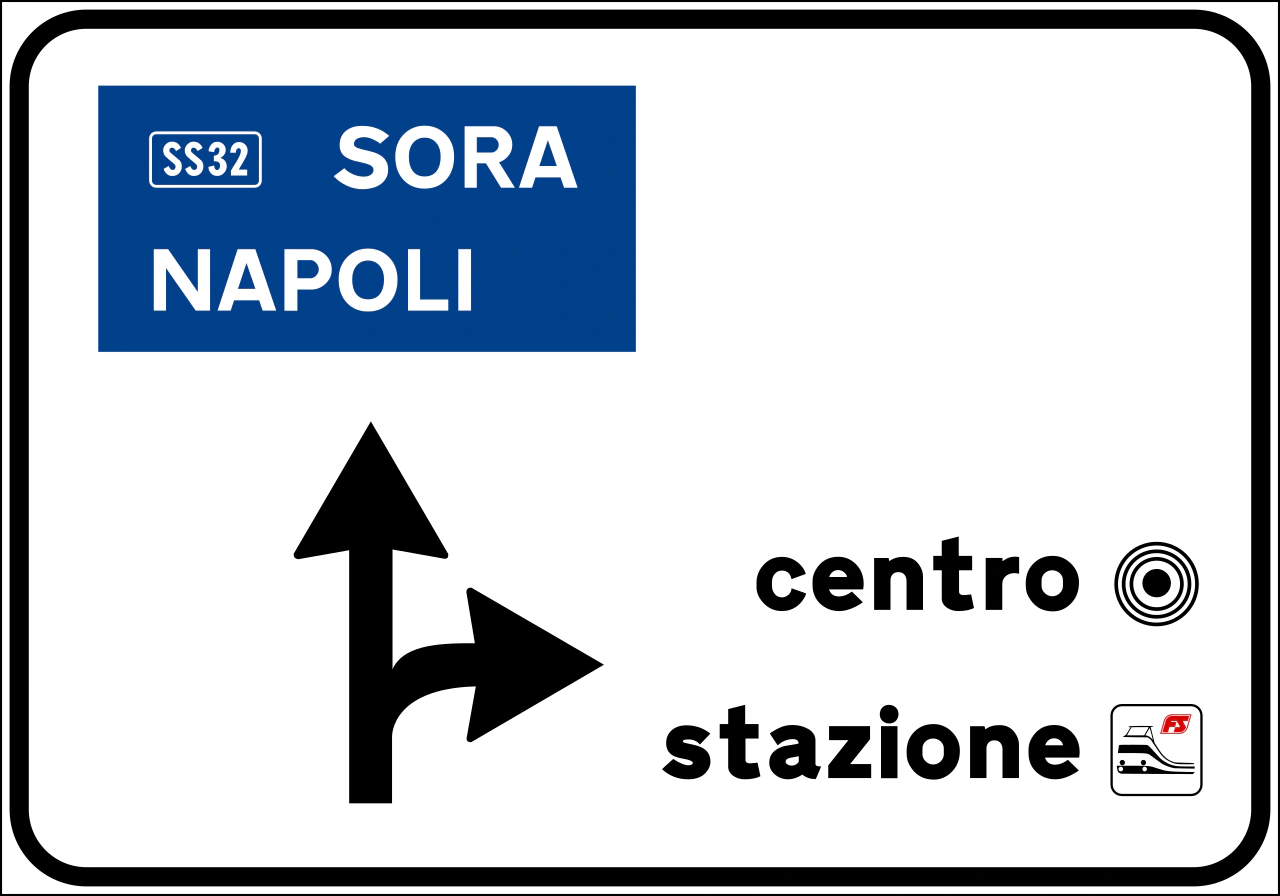
Navigate city streets with the 'Directions in Urban Areas' sign (II.233).
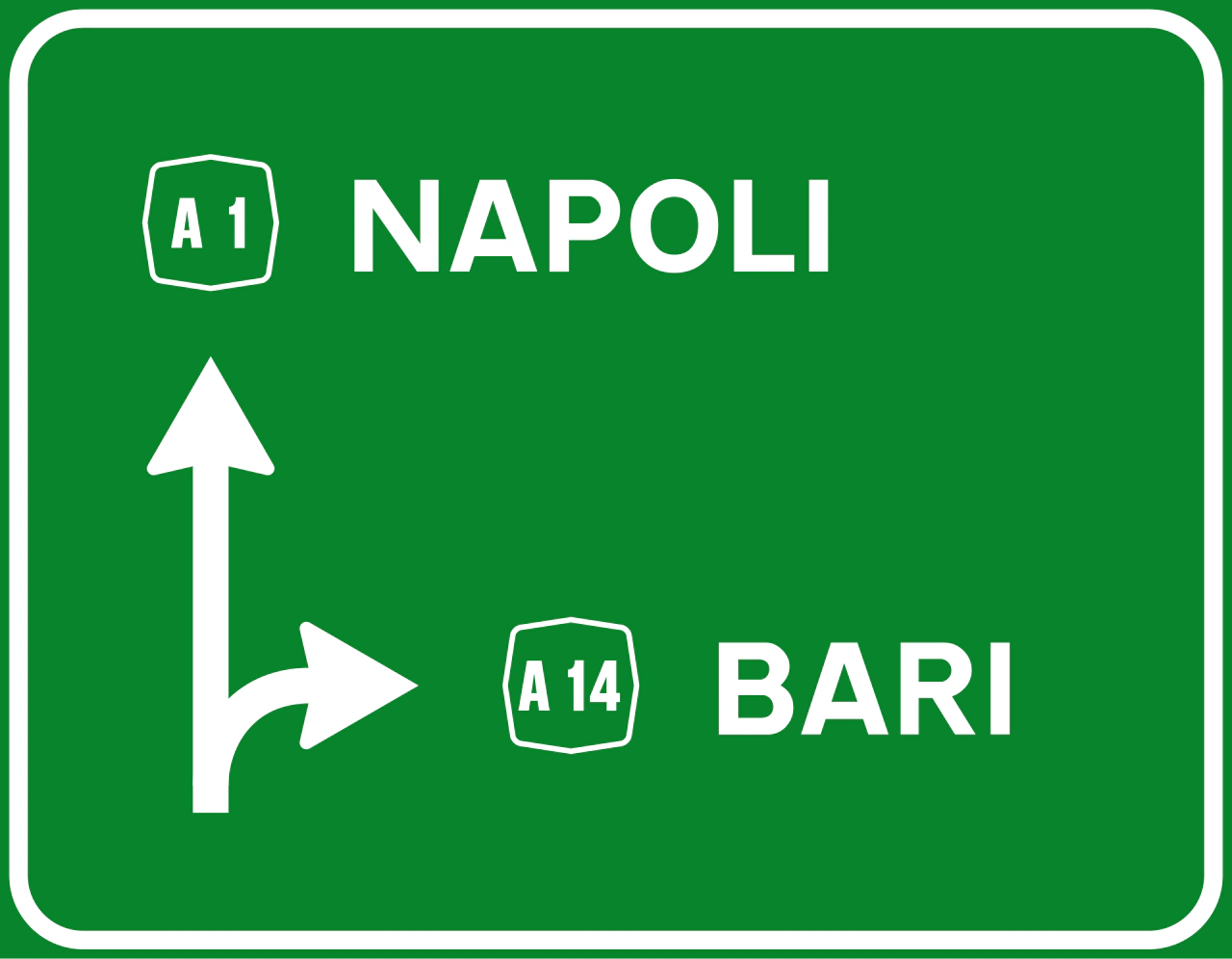
Navigate with Confidence: The 'Directions on a Motorway' Sign (II.235)
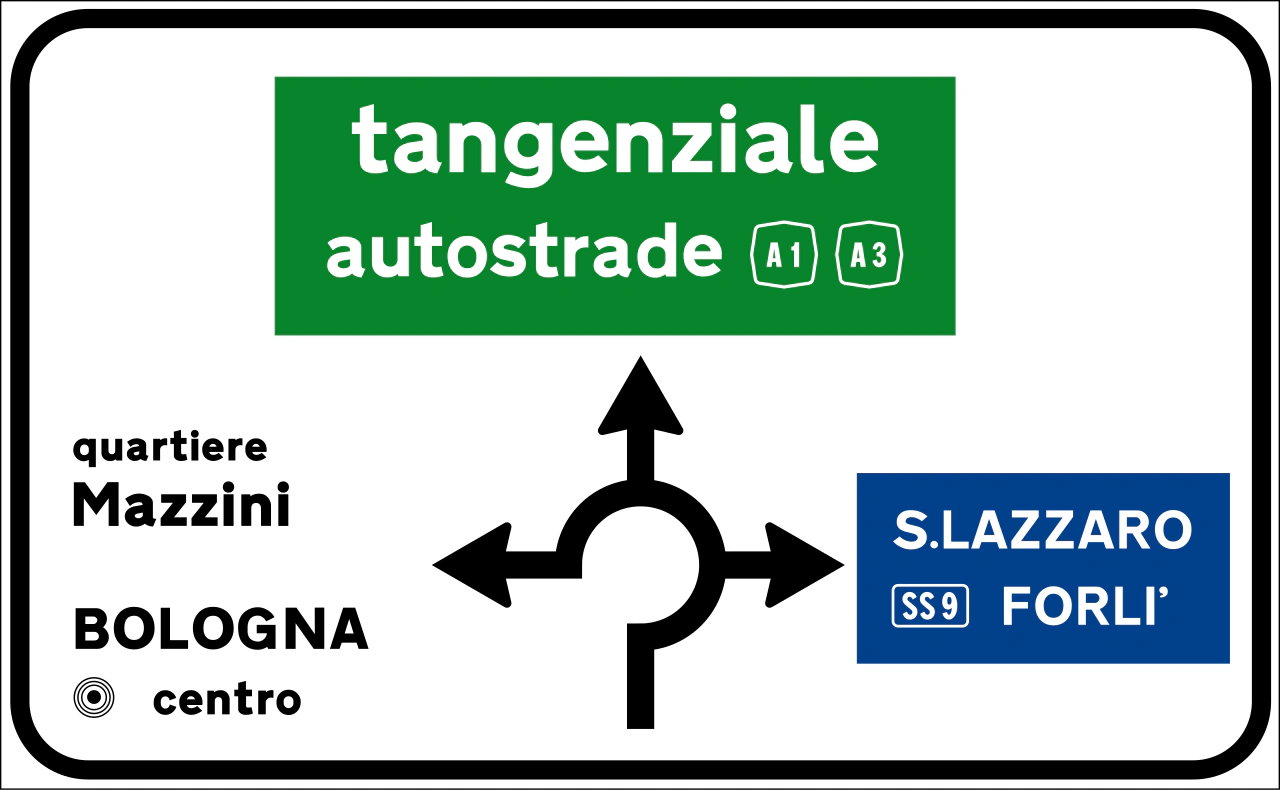
Understand Urban Roundabout Directions, including Motorway Routes with Sign II.238
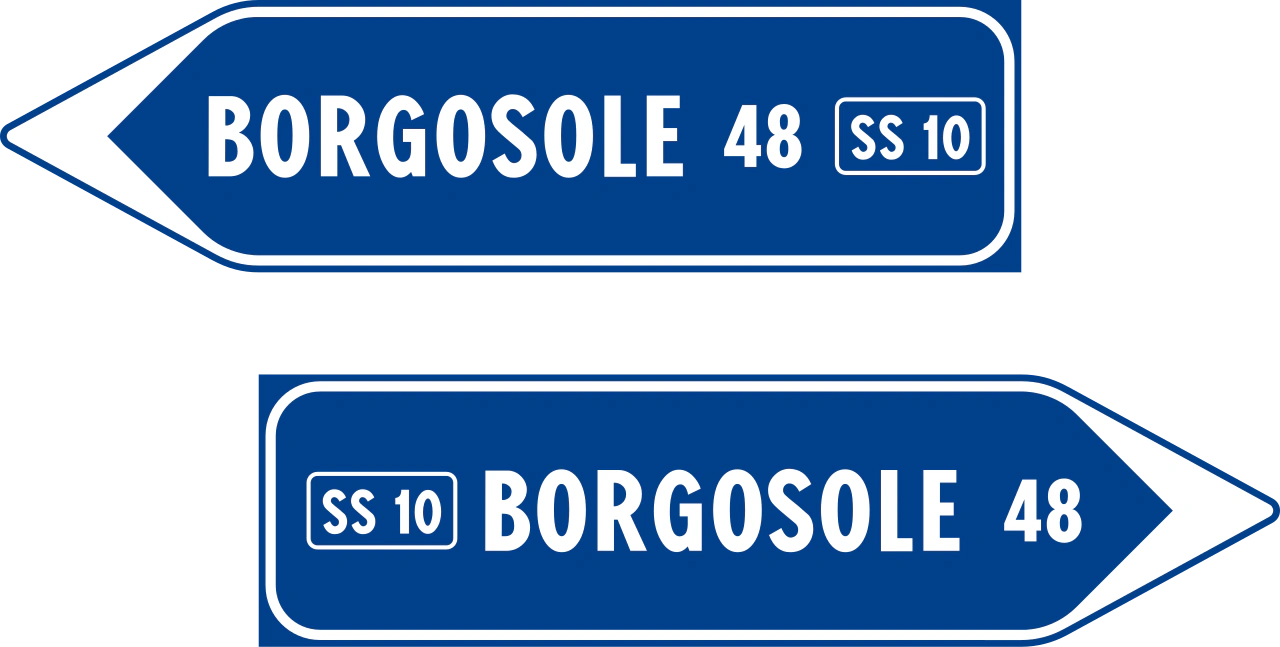
Understand Italy's Primary or Secondary Road Direction Sign (II.249) for smart navigation.
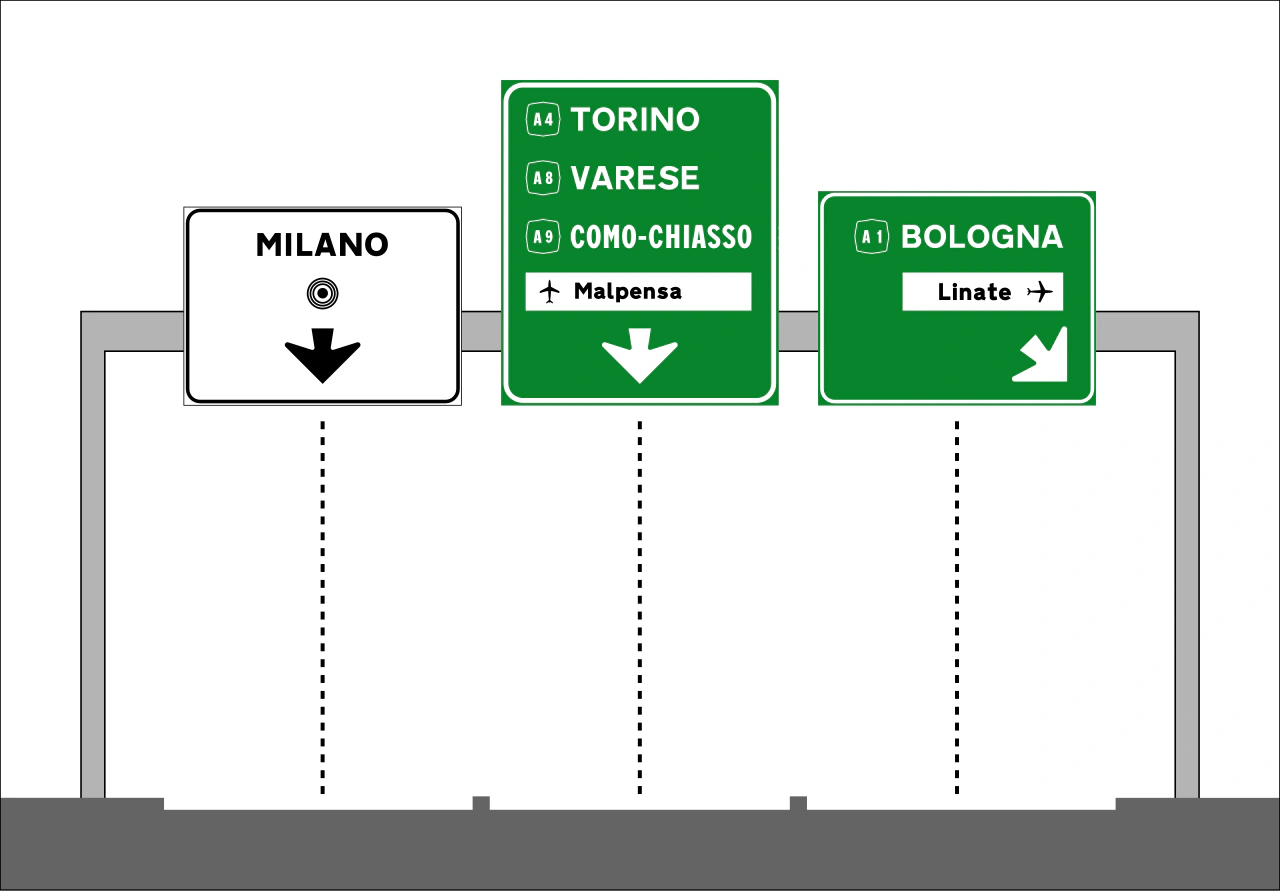
Understand the II.250 Overhead Directional Sign for Route Guidance
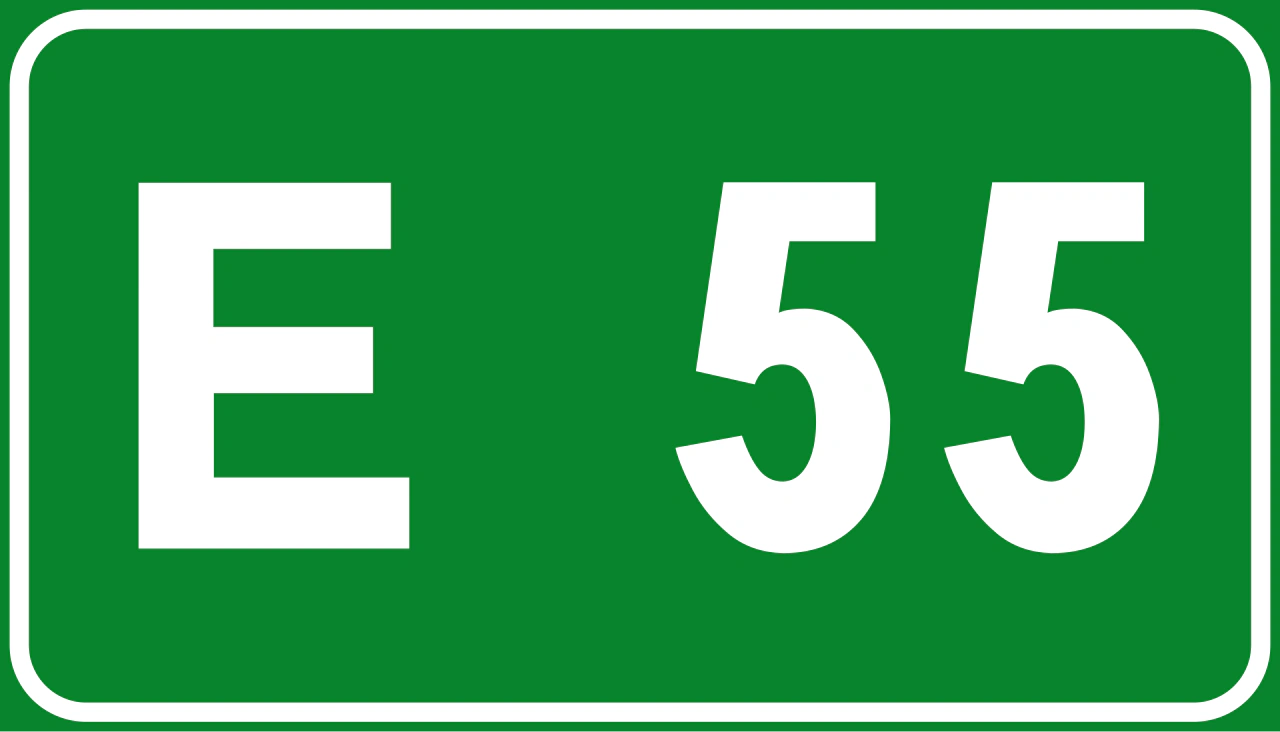
Understand the II.256 European Road Number Sign for Navigation and Route Planning
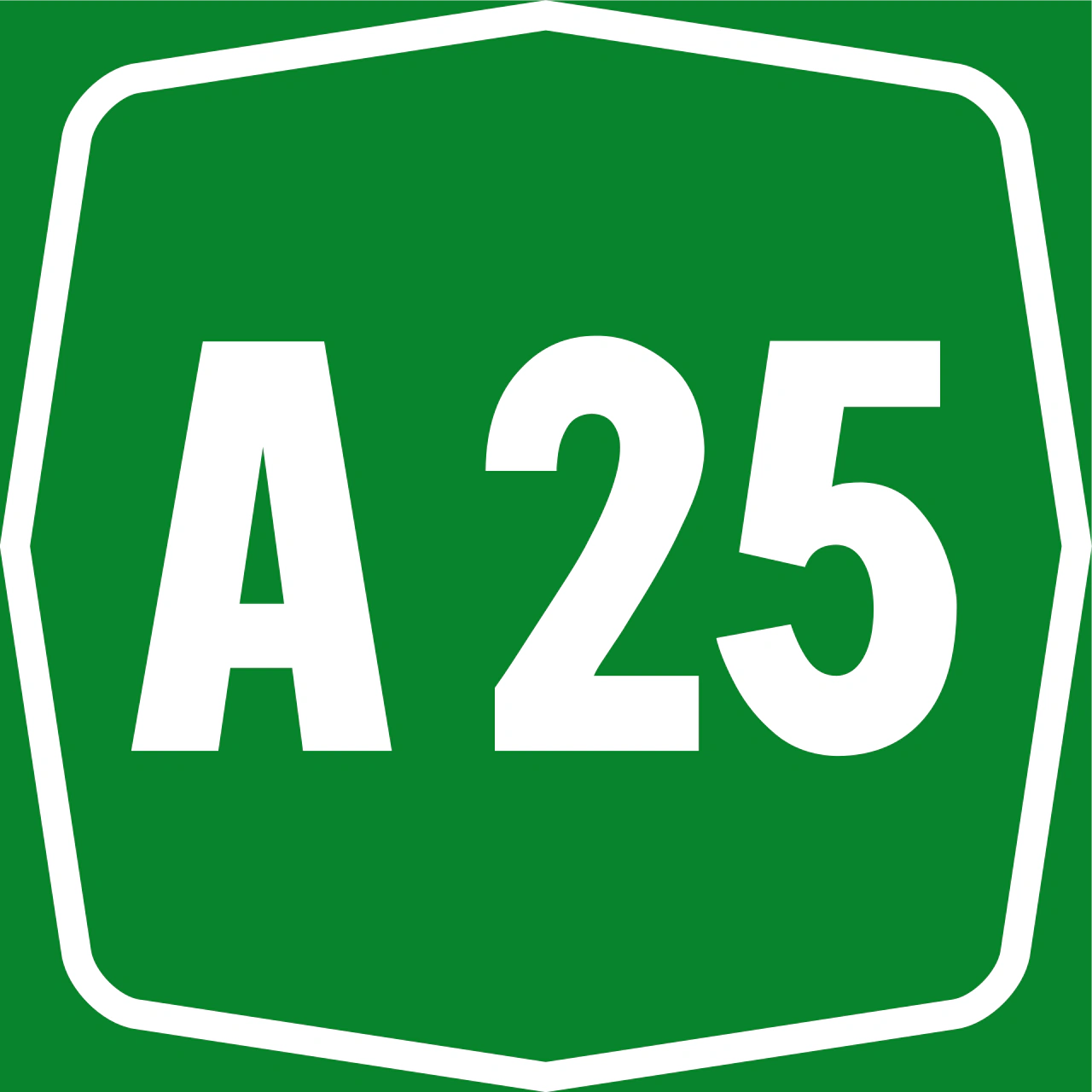
Use the II.257 Motorway Number Sign to Guide Your Journey on Italian Roads
The II.258 State Highway Number Sign: Your Guide to Route Information
Connect visual recognition to the official Italian traffic regulations to improve your performance on the theory test. These targeted resources clarify how specific road signs dictate right-of-way and safety requirements across diverse Italian driving environments.
While an Italian Class B license provides certain privileges for lighter vehicles, it is critical to understand the exact technical limitations enforced by the Codice della Strada. This guide breaks down the eligibility for A1 category motorcycles, the restricted nature of these permissions to Italian territory, and the legal consequences of exceeding your licensed category. Mastering these rules is essential for both your theoretical knowledge and your safety on the road.
Navigate Italian roads with confidence by mastering the 'precedenza a destra' rule at unmarked intersections and understanding the current priority system at roundabouts. This guide explains these fundamental Italian traffic laws, essential for both safe driving and success in your theory test, helping you avoid common mistakes and hazardous situations.
Avoid fines and confidently navigate Italian traffic by mastering all stopping and parking prohibitions.
Know Your Rights and Duties at an Italian Police Checkpoint!
This indication sign provides official information for navigation, facilities, services, road type, parking, zones, tunnels, bridges, exits, or lane use. It helps drivers plan early, but it does not override separate speed limits, prohibitions, priority rules, traffic lights, or road markings. For learning, explain both what the sign identifies and what driving choice it helps prepare. Official catalogue code: II.323-a.
This indication sign provides official information for navigation, facilities, services, road type, parking, zones, tunnels, bridges, exits, or lane use. It helps drivers plan early, but it does not override separate speed limits, prohibitions, priority rules, traffic lights, or road markings. For learning, explain both what the sign identifies and what driving choice it helps prepare. Official catalogue code: II.323-b.
After reviewing the complete sign list, explore signs by specific categories such as warning, regulatory, or information signs. Understanding signs in context will enhance your recognition and interpretation skills, crucial for the Italian driving theory exam.
All Italian Road Signs List