
Explore the fundamental principles of Italian driving theory, covering all categories for your official licence. This hub provides clear explanations of essential road signs, traffic regulations, priority rules, and safe driving practices tailored for the Italian road network, including autostrada and ZTL zones. Build a strong foundation of knowledge for your theory test and real-world driving.
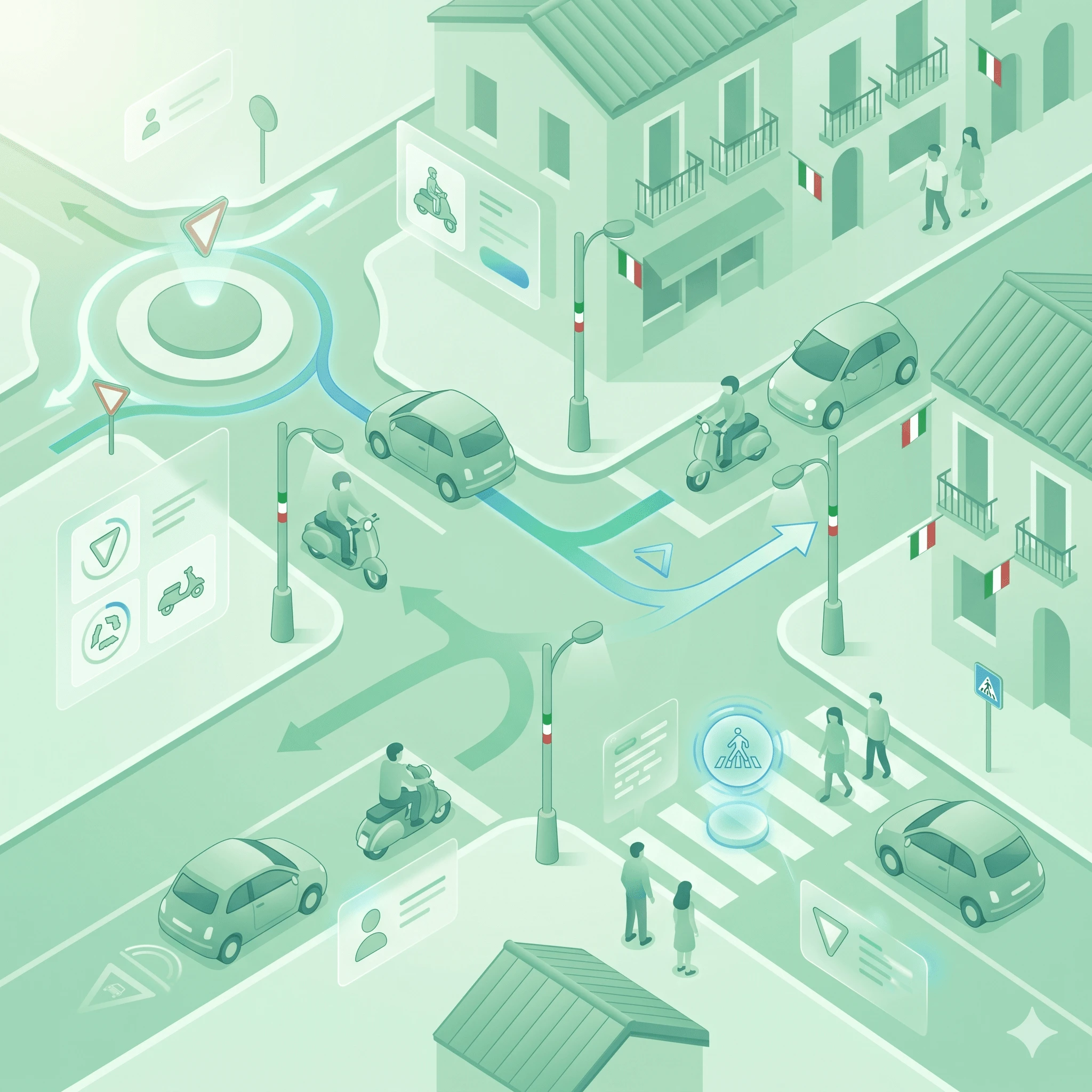
Deepen your understanding of Italian road signs, priority regulations, and motorway safety through our specialized theory modules. These structured topics help you master the complex traffic laws required for the official Italian driving licence examination.
11 topics
10 topics
6 topics
4 topics
3 topics
2 topics
2 topics
1 topic
1 topic
1 topic
1 topic
1 topic
Dive into detailed Italian driving theory topics to prepare for your exam. Search for specific terms or browse the complete list of subjects covering all essential traffic rules and road signs for your Italian licence.
Filter by category
6 theory topics found

In Italian driving theory, safe speed is the principle that drivers must always select a speed that allows them to maintain control of their vehicle and stop safely within the distance they can see ahead. This goes beyond simply respecting the maximum posted speed limit, emphasizing continuous adjustment based on conditions like traffic, weather, road layout, and visibility. Mastering this concept is essential for both the theory exam and real-world safety.
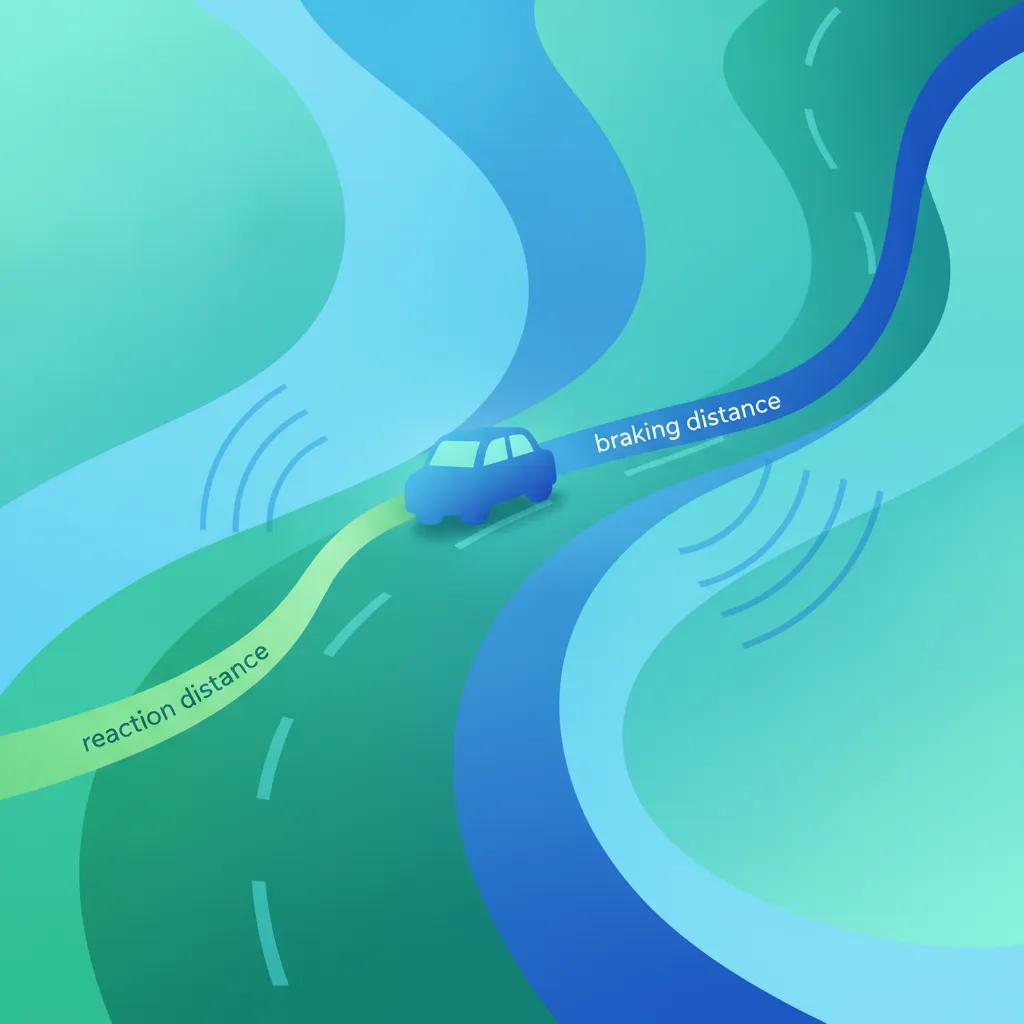
The total distance required to stop your vehicle safely is directly influenced by your speed. This page explains how your reaction distance and braking distance both increase significantly with speed, particularly highlighting the squared relationship for braking distance. Understanding these physics is key to hazard perception and safe driving practices on Italian roads.
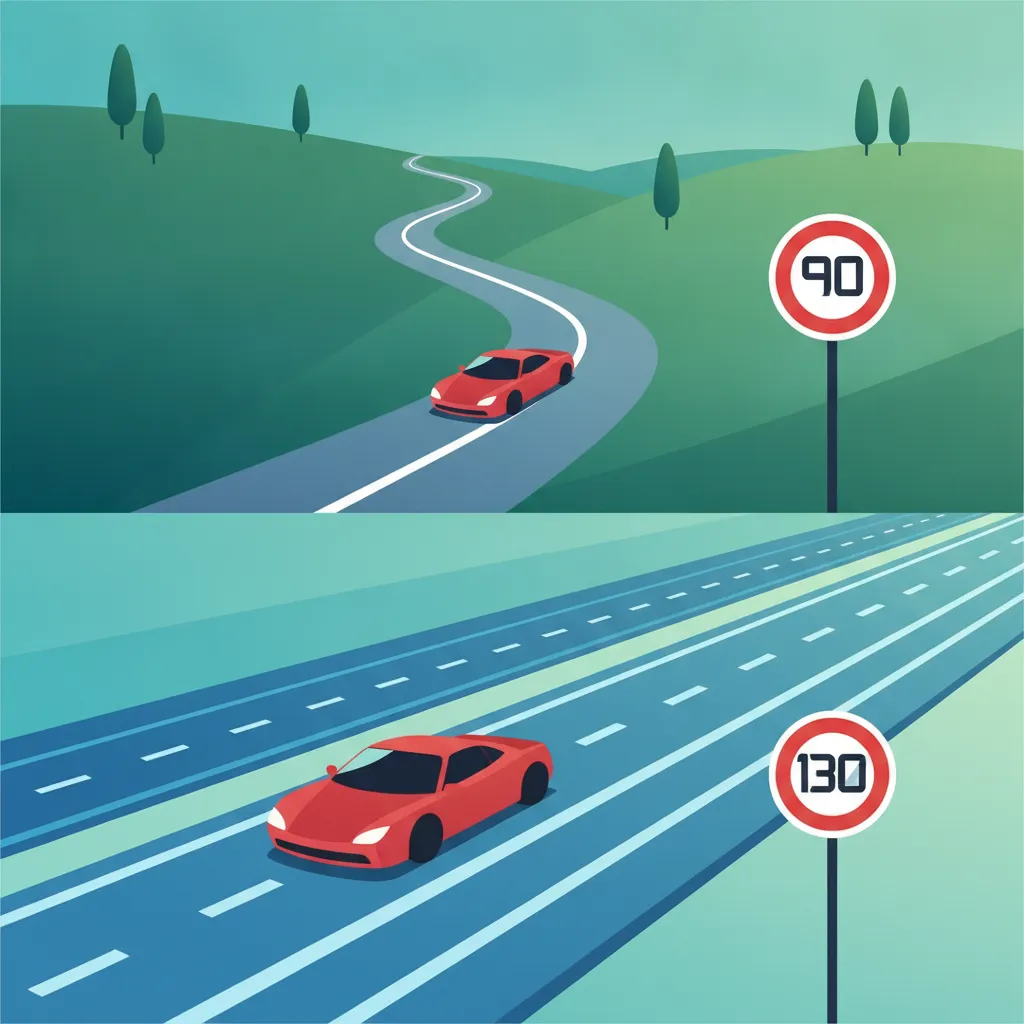
Speed limits are critical traffic regulations in Italy that define the maximum permitted speed for vehicles on different road types. These limits are set to ensure road safety, manage traffic flow, and protect all road users. While a speed limit indicates the highest legal speed, drivers must always adjust their pace based on real-world factors like weather, visibility, traffic density, and road conditions, even if it means driving below the posted maximum.
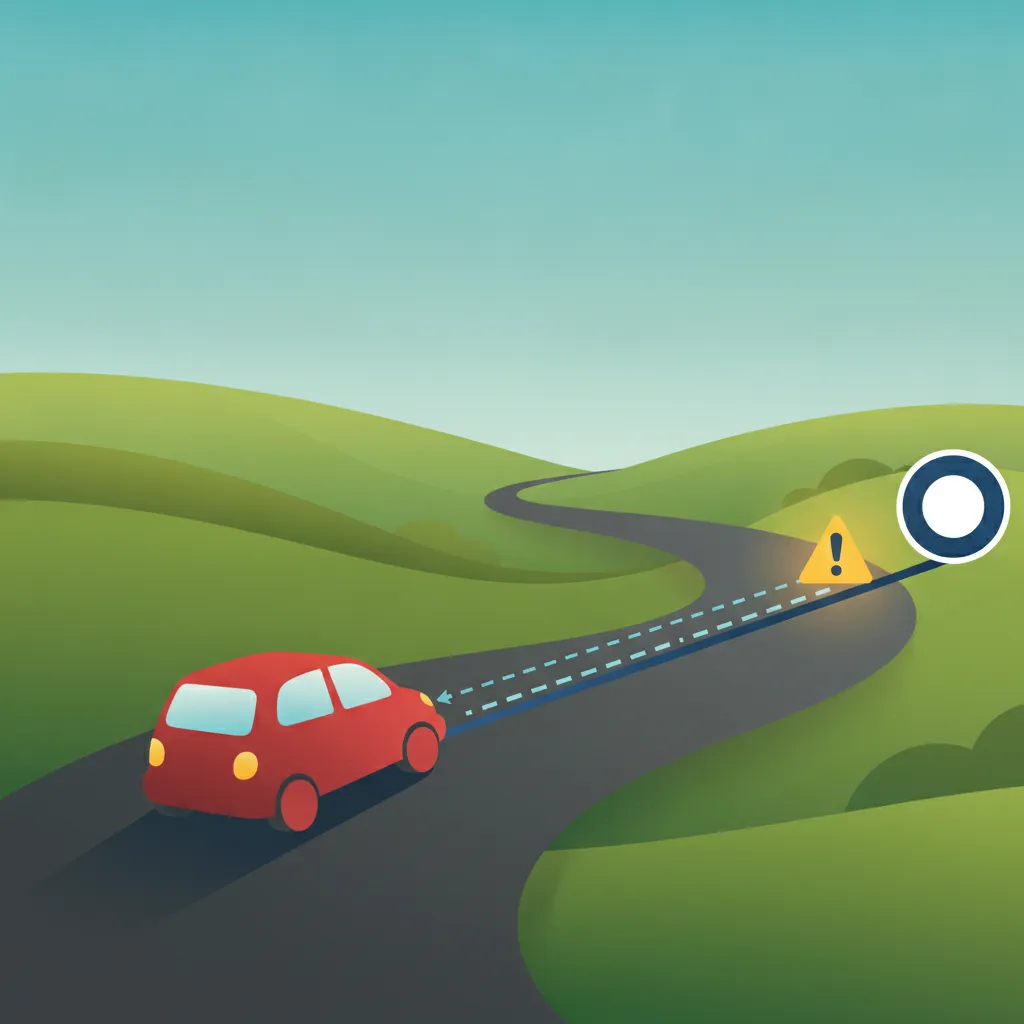
Stopping distance is the total ground a vehicle covers from the moment a driver perceives a hazard to when it comes to a complete halt. It's a fundamental concept in Italian driving theory, combining two distinct phases: the driver's reaction and the vehicle's braking. Understanding this concept is essential for safe driving and passing your Italian driving license theory test.
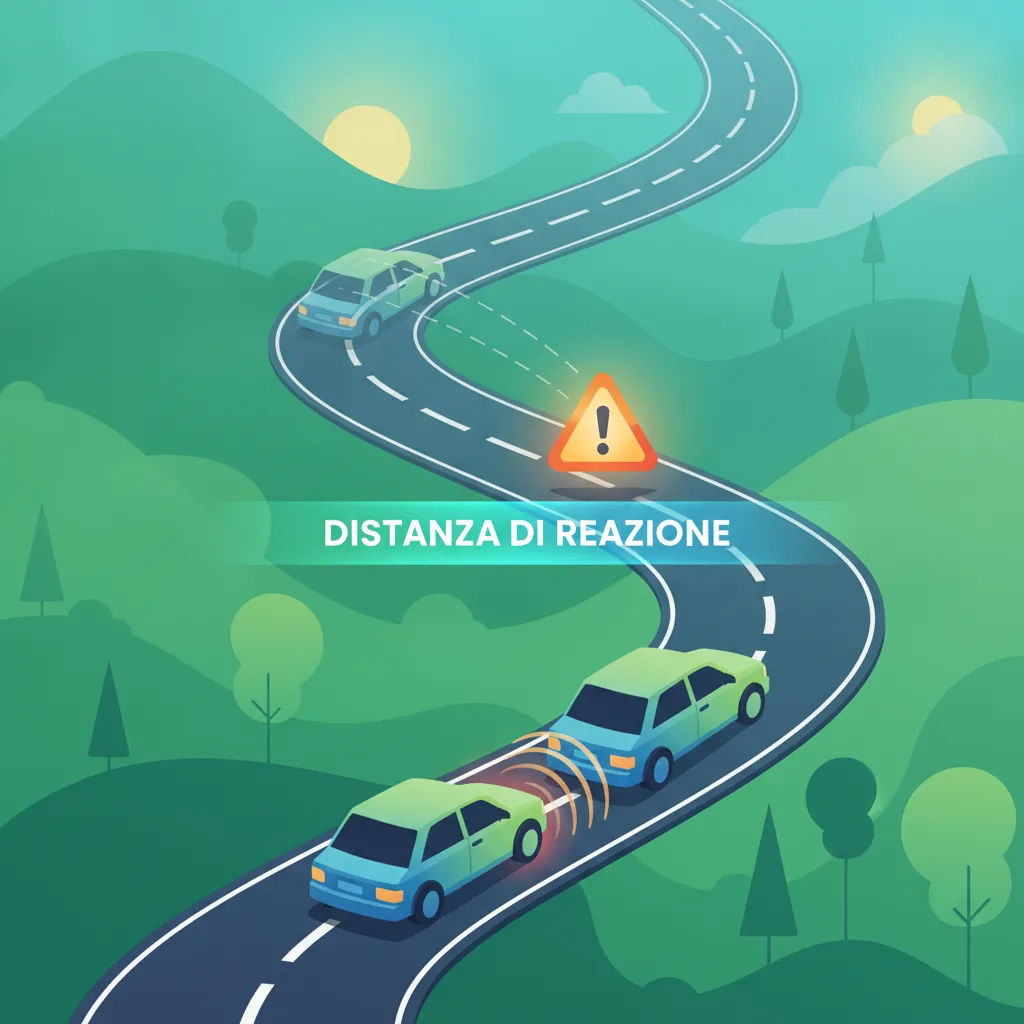
Reaction distance is the total distance your vehicle covers from the moment you perceive a hazard to the instant you begin to apply the brakes. This interval involves three distinct phases: perceiving the danger, processing the situation and making a decision, and physically moving your foot to the brake pedal. For driving in Italy, especially on varied roads from urban centers to autostrade, understanding this delay is vital for safety and passing your theory test.

Braking distance (spazio di frenatura) is the critical measurement of how far your vehicle travels from the moment you apply the brakes until it comes to a complete stop. This distance is not fixed; it changes significantly based on factors like your speed, the road surface, and your vehicle's condition. For the Italian driving theory exam, it's vital to grasp these relationships, particularly how kinetic energy influences stopping capability under various traffic conditions.
Dive deeper into specific topics, review challenging road signs, or explore advanced driving scenarios within our extensive article library. Solidify your knowledge on autostrada rules, ZTL zones, and other key Italian driving concepts to ensure you are fully prepared for your test and the road.
Italian Driving Theory Articles