
Gain a clear understanding of the Category T driving licence in Poland, which covers agricultural tractors and slow-moving vehicles. This guide details the minimum age of 16, required training, and exam conditions, helping you prepare thoroughly for the theory test and drive these specialized vehicles legally and safely on Polish roads.
Article content overview
Securing a driving licence in Poland involves understanding a variety of categories, each permitting the operation of specific vehicle types. Among these, Category T holds particular significance for those interested in agricultural work or operating specialized slow-moving machinery. This category allows drivers to legally operate agricultural tractors and other slow-moving vehicles, often in conjunction with trailers, across Poland. Navigating the requirements for Category T is crucial for both aspiring drivers and those needing to understand the scope of these permissions for their professional or personal activities. This article will delve into the specifics of Poland's Category T driving licence, covering eligibility, the types of vehicles it encompasses, and the process of obtaining it, all with a focus on passing the rigorous Polish theory exam.
The Polish driving licence system is structured to ensure that drivers possess the appropriate knowledge and skills for the vehicles they operate. Category T is specifically designed for individuals who need to drive agricultural machinery, construction vehicles, and other specialized equipment that typically operates at lower speeds and may have unique handling characteristics. Understanding the nuances of this category is essential for anyone planning to drive these types of vehicles legally and safely on Polish roads. The theory test for Category T will assess your knowledge of the specific regulations governing these vehicles, their combinations with trailers, and the general rules of the road as they apply to them.
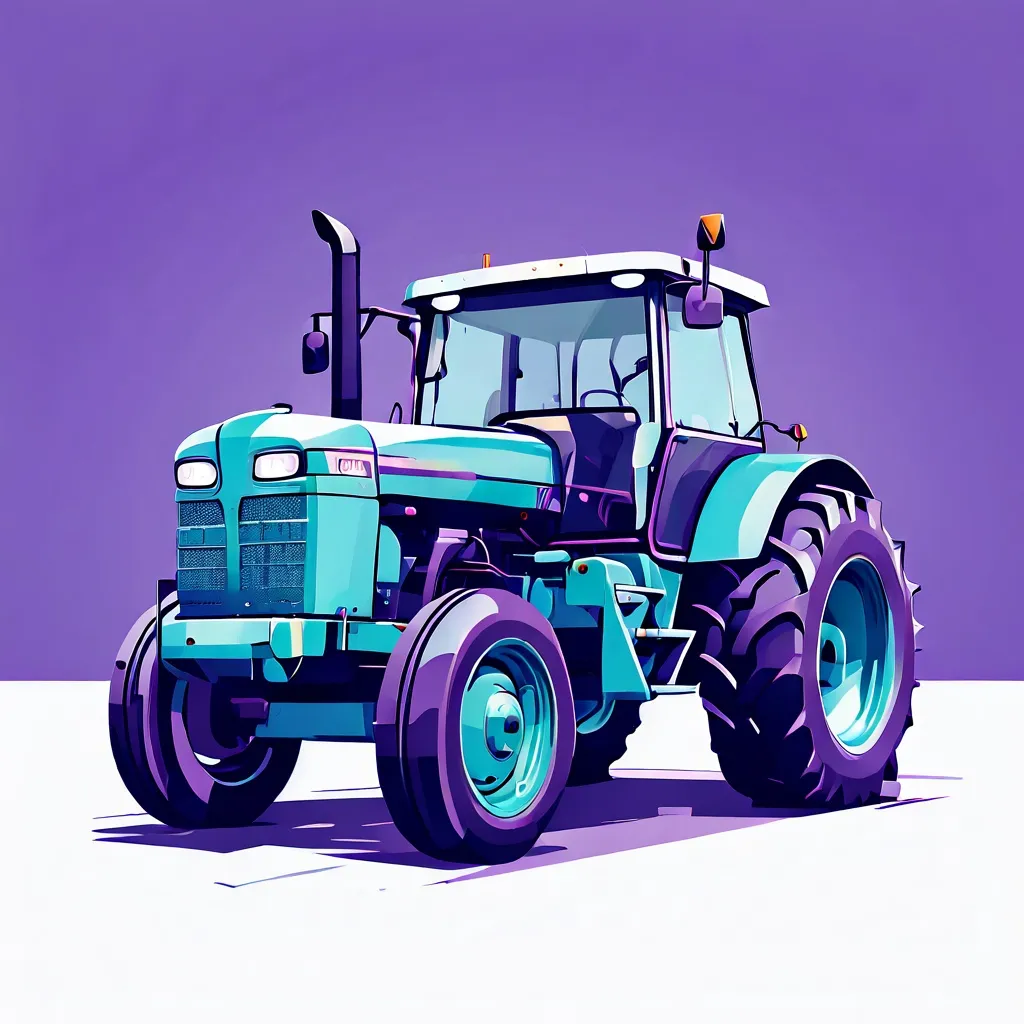
The Category T driving licence in Poland grants significant operational authority over a range of specialized vehicles. Primarily, it allows the holder to drive agricultural tractors, which are robust vehicles designed for farming tasks. Beyond tractors, this category also extends to "pojazdy wolnobieżne" – slow-moving vehicles. This classification is broad and can encompass a variety of machinery such as road rollers, certain types of construction equipment, and agricultural harvesters when they are being driven on public roads. The common thread among these vehicles is their specialized purpose and often their lower operational speeds compared to standard road vehicles.
Furthermore, a key aspect of Category T is the permission to operate these vehicles in combination with trailers. This means a licensed Category T driver can attach a trailer to an agricultural tractor or a slow-moving vehicle, expanding their utility for transporting goods or equipment. It is important to note that the regulations for these combinations, including weight limits and the types of trailers allowed, are specific and will be tested in the theory exam. Understanding these limitations and conditions is vital for safe operation and avoiding legal issues on Polish roads.
When considering agricultural tractors, the Category T licence permits the operation of these powerful machines, which are the backbone of many farming operations. The ability to tow trailers with these tractors is a crucial element of their practical application, allowing for the transport of harvests, supplies, or equipment. The Polish regulations stipulate that a Category T licence holder can drive an agricultural tractor combined with a trailer or multiple trailers, provided the total permissible mass of the vehicle combination adheres to specific limits. These details are critical for the theory exam, as questions often focus on the exact weight and configuration rules for tractor-trailer combinations.
The allowance for towing trailers with agricultural tractors is a significant part of the Category T entitlement. This extends to both light and heavier trailers, as long as they are compatible with the tractor and the overall weight limits are respected. For the purpose of the theory examination, candidates must be familiar with the maximum permissible total mass for these combinations, as well as any specific requirements related to trailer braking systems or coupling mechanisms. This ensures that drivers are equipped to handle the added complexities and potential hazards of operating a tractor with a trailer.
The term "slow-moving vehicle" or "pojazd wolnobieżny" encompasses a wider array of machinery beyond just agricultural tractors. This can include construction equipment like excavators or compactors when driven on public roads, or even specialized municipal vehicles. The crucial aspect for a Category T licence holder is that these vehicles can also be operated with trailers. This might be for transporting tools, materials, or even other smaller pieces of equipment. The operation of such combinations requires a thorough understanding of their unique handling characteristics, braking distances, and visibility considerations, all of which are core components of the Category T theory test.
It's essential for candidates to remember that while the Category T licence allows for these operations, adherence to road safety regulations is paramount. This includes ensuring that any attached trailer is properly secured, its lights are functional, and its load is safely distributed and secured. The theory exam will often present scenarios involving slow-moving vehicles and trailers to assess a candidate's awareness of these safety protocols and their ability to anticipate potential risks.
To obtain a Category T driving licence in Poland, several conditions must be met, primarily centred around age, training, and successfully passing the state examination. These requirements are designed to ensure that only competent individuals are granted permission to operate these specialized vehicles. Understanding these prerequisites is the first step for any aspirant wishing to gain these driving privileges.
The minimum age requirement to begin the process of obtaining a Category T licence is 16 years old. This relatively young age reflects the specialized nature of the vehicles involved, often used in agricultural settings where younger individuals may already be gaining experience under supervision. However, for individuals who have not yet reached the age of 18, a crucial additional requirement is the written consent of a parent or legal guardian. This consent is a formal step necessary to proceed with the driving course and examinations, ensuring that minors have the necessary legal authorization and parental support.
Before being eligible to take the official state driving examination for Category T, candidates must complete a mandated training course. This training is typically provided by accredited driving schools and covers both the theoretical aspects of road rules, signage, and vehicle operation, as well as practical driving skills specific to tractors and slow-moving vehicles. The curriculum is designed to equip learners with the knowledge and abilities needed to operate these machines safely and responsibly.
Upon successful completion of the training course, candidates must then pass a state examination. This examination is divided into two parts: a theoretical test and a practical driving test. The theoretical part, administered by a provincial driving examination centre (Wojewódzki Ośrodek Ruchu Drogowego - WORD), assesses the candidate's knowledge of traffic laws, road signs, and specific regulations related to Category T vehicles. The practical test evaluates the candidate's ability to manoeuvre the vehicle, handle combinations with trailers, and demonstrate safe driving practices in various real-world scenarios.
When arriving for the theory examination at a WORD centre, candidates are required to present specific identification documents. This is a standard procedure to verify the identity of the individual taking the test. Accepted forms of identification typically include a Polish identity card (dowód osobisty), a residence card (karta pobytu), a passport, or a temporary identity certificate for foreigners. Ensuring you have the correct and valid identification is a fundamental step to being admitted to the exam.
Category T drivers must be particularly aware of road signs and rules that govern their specific vehicle types and operational environments. While general traffic laws apply, there are specific considerations for agricultural tractors and slow-moving vehicles, especially when operating as part of a vehicle combination. The theory exam will scrutinize your understanding of these specialized regulations.
One critical aspect tested in the theory exam is the driver's responsibility when operating a tractor or slow-moving vehicle towing a trailer. This includes understanding the behaviour of such combinations in different road conditions, such as on inclines, declines, and during turns. The increased length and weight of a tractor-trailer combination mean that braking distances are longer, and turning radii are wider, requiring drivers to plan their manoeuvres well in advance. Questions may arise regarding the correct procedure for overtaking or being overtaken by other vehicles when operating such a combination.
When a Category T licence holder drives an agricultural tractor or a slow-moving vehicle with a trailer, they are essentially operating a vehicle combination. This status brings specific responsibilities and considerations. For instance, the driver must ensure that the trailer is securely attached and that all lights and signalling devices on both the towing vehicle and the trailer are functioning correctly. Visibility is another key factor; drivers must be aware of blind spots created by the trailer and other vehicles.
The Polish regulations may also impose specific requirements on the type of trailer that can be towed, such as maximum permissible weight (dopuszczalna masa całkowita) and braking system capabilities. The theory exam often includes questions about these specifications, testing the candidate's knowledge of legal requirements for safe towing. This ensures that drivers are not only capable of operating the machinery but also understand the legal framework that governs their use on public roads.
It is important to clarify how Category T relates to other driving licence categories in Poland, particularly Category B, which is the standard licence for passenger cars. While Category B permits the driving of many standard vehicles, it has limitations regarding agricultural and slow-moving vehicles. Conversely, Category T has its own distinct scope of operation.
Category B is the most common driving licence, allowing individuals to drive passenger cars and vehicles up to 3.5 tonnes. However, it also permits driving certain agricultural tractors and slow-moving vehicles, but with specific conditions. For example, with a Category B licence, you can drive an agricultural tractor or a slow-moving vehicle, but typically, you cannot operate them with a trailer unless it's a light trailer and specific conditions are met, or if you hold the B+E extension. Category T, on the other hand, is specifically designed for operating these vehicles, especially when towing trailers.
A key distinction is that Category T explicitly covers agricultural tractors and slow-moving vehicles with trailers. While a Category B licence holder might drive a tractor on its own, to legally drive a tractor towing a substantial trailer, or a larger slow-moving vehicle with a trailer, a Category T licence (or specific endorsements) is generally required. This ensures that drivers have undergone training tailored to the unique challenges of operating these larger, often less agile, vehicle combinations.
The distinction between motorcycle licences (Categories A, A1, A2) and tractor licences (Category T) is fundamental. Motorcycle categories are solely for two-wheeled vehicles, with varying power and engine size restrictions. Category T, conversely, pertains exclusively to agricultural tractors and slow-moving vehicles, including their combinations with trailers. There is no overlap in the types of vehicles covered by these licence groups. Therefore, a person holding a Category A licence for motorcycles cannot legally operate an agricultural tractor, and vice-versa, unless they also hold the appropriate Category T licence.
The Polish driving theory exam for Category T, like all other categories, is designed to be comprehensive and test a deep understanding of the relevant regulations. Certain topics are frequently sources of errors for candidates, often due to overconfidence or a misunderstanding of specific nuances. Being aware of these common pitfalls and preparing effectively can significantly increase your chances of success.
Many exam questions for Category T revolve around the technical specifications of the vehicles and their combinations. This includes understanding permissible masses (DMC), dimensions, braking capabilities, and engine power ratios for certain vehicle types. For instance, questions might arise about the difference in towing capacity between a tractor with a light trailer versus one with a heavier, non-light trailer, or the specific requirements for a slow-moving vehicle to be classified as such.
The practical application of Category T involves operating vehicles with trailers, which introduces a new set of challenges. Theory test questions often present scenarios that require candidates to assess the safety and legality of operating these combinations in various situations. This could include questions about safe following distances for a tractor-trailer, the correct procedure for reversing with a trailer, or how to react to specific road signs while towing. Understanding the physics and dynamics of a combined vehicle unit is key to answering these correctly.
Effective preparation for the Category T theory exam involves more than just memorizing rules. It requires understanding the reasoning behind them and how they apply in real-world driving situations. Utilizing study materials that are specific to the Polish context, such as those offered by the Polish Driving License Theory app, is highly recommended. These resources often break down complex topics, explain the rationale behind regulations, and provide practice questions that mimic the style and difficulty of the official WORD exam.
Regularly reviewing road signs, especially those relevant to agricultural areas or restricted zones, is also beneficial. Paying close attention to how the law defines terms like "agricultural tractor," "slow-moving vehicle," and different types of trailers will help you distinguish between them and understand the associated rules. Consistent practice with mock exams will help you identify weak areas and build confidence.
Mastering the specific terminology used in Polish traffic law is essential for passing the theory exam and driving legally. Here are some key terms relevant to Category T:
Obtaining a Category T driving licence in Poland is a specialized but achievable goal for those needing to operate agricultural tractors and slow-moving vehicles. By thoroughly understanding the vehicle types, age requirements, training protocols, and the specific rules governing vehicle combinations, candidates can confidently prepare for and pass the theory and practical examinations. This comprehensive knowledge ensures not only legal compliance but also the safe and efficient operation of these important vehicles on Polish roads.
The Category T licence in Poland is specifically designed for driving agricultural tractors and slow-moving vehicles, often in combination with trailers. Candidates must be at least 16 years old and complete mandatory training before passing theory and practical exams at WORD centres. Key distinctions include the difference between light trailers (DMC ≤ 750 kg) and non-light trailers, and how Category T differs from Category B regarding trailer operations. Successful exam preparation requires mastering technical terminology like DMC, understanding vehicle combination rules, and knowing the specific regulations from the Polish Highway Code.
A short set of high-value points that capture the most important ideas from this article.
Category T licence covers agricultural tractors (ciągnik rolniczy) and slow-moving vehicles (pojazd wolnobieżny), including their combinations with trailers
The minimum age to obtain Category T is 16 years, with parental consent required for applicants under 18
Examinations are administered by WORD (Wojewódzki Ośrodek Ruchu Drogowego), the official provincial driving examination centre
Category T explicitly permits towing trailers with tractors and slow-moving vehicles, unlike standard Category B which has limitations on such combinations
Understanding DMC (Dopuszczalna Masa Całkowita) and the distinction between light and non-light trailers is essential for the theory exam
Slow-moving vehicle (pojazd wolnobieżny) includes construction equipment, road rollers, and harvesters when driven on public roads
Light trailer (przyczepa lekka) has a DMC not exceeding 750 kg; non-light trailers exceed this limit
Both theoretical and practical examinations must be passed at WORD to obtain the licence
Valid identification (dowód osobisty, passport, or karta pobytu) is required at the exam
The Polish Highway Code (Prawo o ruchu drogowym) is the primary legal source for Category T regulations
Assuming Category B licence covers driving tractors with trailers, when Category T is specifically required for vehicle combinations
Confusing the maximum permissible mass (DMC) limits for different vehicle and trailer combinations
Forgetting that minors need written parental consent before starting the licence process
Underestimating the handling differences of tractor-trailer combinations, including wider turning radii and longer braking distances
Not knowing the specific definitions of key terms like pojazd wolnobieżny versus standard vehicle classifications
Article content overview
A short set of high-value points that capture the most important ideas from this article.
Category T licence covers agricultural tractors (ciągnik rolniczy) and slow-moving vehicles (pojazd wolnobieżny), including their combinations with trailers
The minimum age to obtain Category T is 16 years, with parental consent required for applicants under 18
Examinations are administered by WORD (Wojewódzki Ośrodek Ruchu Drogowego), the official provincial driving examination centre
Category T explicitly permits towing trailers with tractors and slow-moving vehicles, unlike standard Category B which has limitations on such combinations
Understanding DMC (Dopuszczalna Masa Całkowita) and the distinction between light and non-light trailers is essential for the theory exam
Slow-moving vehicle (pojazd wolnobieżny) includes construction equipment, road rollers, and harvesters when driven on public roads
Light trailer (przyczepa lekka) has a DMC not exceeding 750 kg; non-light trailers exceed this limit
Both theoretical and practical examinations must be passed at WORD to obtain the licence
Valid identification (dowód osobisty, passport, or karta pobytu) is required at the exam
The Polish Highway Code (Prawo o ruchu drogowym) is the primary legal source for Category T regulations
Assuming Category B licence covers driving tractors with trailers, when Category T is specifically required for vehicle combinations
Confusing the maximum permissible mass (DMC) limits for different vehicle and trailer combinations
Forgetting that minors need written parental consent before starting the licence process
Underestimating the handling differences of tractor-trailer combinations, including wider turning radii and longer braking distances
Not knowing the specific definitions of key terms like pojazd wolnobieżny versus standard vehicle classifications
Explore related topics, search based questions, and concepts that learners often look up when studying Poland Category T Licence. These themes reflect real search intent and help you understand how this topic connects to wider driving theory knowledge in Poland.
Find clear and practical answers to common questions learners often have about Poland Category T Licence. This section helps explain difficult points, remove confusion, and reinforce the key driving theory concepts that matter for learners in Poland.
The minimum age to obtain a Category T driving licence in Poland is 16 years old, provided you have written consent from a parent or guardian if you are under 18.
A Category T licence in Poland allows you to drive agricultural tractors, slow-moving vehicles (pojazd wolnobieżny), and combinations of these vehicles with trailers. It also covers vehicles under the Category AM licence.
Yes, a Category T licence in Poland permits you to drive a combination consisting of an agricultural tractor or a slow-moving vehicle and one or more trailers.
To obtain a Category T licence in Poland, you must meet the age requirement, complete the required training course, and pass both the theoretical and practical state examinations.
'Pojazd wolnobieżny' refers to a slow-moving vehicle, such as construction equipment like a roller or a combine harvester, which can be driven with a Category T licence in Poland, often including its trailer.
After finding your specific article, continue your targeted learning by exploring related topics or diving deeper into practice questions. Our extensive library ensures you have all the resources needed to confidently prepare for your Polish driving license theory exam. Discover more guides and solidify your understanding of Polish road rules.