
Przygotuj się do egzaminu teoretycznego na prawo jazdy w Polsce, zgłębiając tajniki poszczególnych kategorii pojazdów. Poznaj wymagania, zasady i różnice między kat. A, B, C, D i T, aby pewnie poruszać się po drogach.
Master the technical distinctions between Polish driving licence categories ranging from motorcycles to heavy goods vehicles and specialized machinery. This section clarifies the specific legal prerequisites and operational restrictions required to pass your theory exam with confidence.
Drivers in Poland must navigate significant regulatory changes as all driving licences, including those previously issued as indefinite, move toward a standardized 15-year validity period. This overview clarifies the legal obligations set by the Act on Drivers of Vehicles, helping you identify if and when you need to act to remain legally compliant on Polish roads.
To pass your Polish Category C driving theory exam, you must grasp key concepts like 'dopuszczalna masa całkowita' (DMC) and axle load limits. This article breaks down how these factors define vehicle classes and influence exam questions, ensuring you can correctly identify vehicle types and combinations.
To obtain a Category C driving licence in Poland, you must undergo specific medical (badania lekarskie) and psychological (badania psychologiczne) assessments. This article explains why these rigorous checks are vital for ensuring you are fit and capable of safely driving heavy goods vehicles and what they entail for your application.
This section provides essential driving theory articles detailing Polish driving licence categories like A, B, C, D, and T, including requirements and operational rules. Explore comprehensive learner guidance on special vehicles and their unique traffic rules, crucial for your exam preparation in Poland.

Drivers in Poland must navigate significant regulatory changes as all driving licences, including those previously issued as indefinite, move toward a standardized 15-year validity period. This overview clarifies the legal obligations set by the Act on Drivers of Vehicles, helping you identify if and when you need to act to remain legally compliant on Polish roads.
Updated on Sep 18, 2026
To pass your Polish Category C driving theory exam, you must grasp key concepts like 'dopuszczalna masa całkowita' (DMC) and axle load limits. This article breaks down how these factors define vehicle classes and influence exam questions, ensuring you can correctly identify vehicle types and combinations.
Updated on Jun 2, 2026

To obtain a Category C driving licence in Poland, you must undergo specific medical (badania lekarskie) and psychological (badania psychologiczne) assessments. This article explains why these rigorous checks are vital for ensuring you are fit and capable of safely driving heavy goods vehicles and what they entail for your application.
Updated on Jun 2, 2026
To drive heavy goods vehicles (HGVs) in Poland, you must meet specific criteria for the Category C licence. This guide clarifies the minimum age, which is typically 21 years, and the essential requirement of already possessing a Category B licence. Understanding these prerequisites is the first step towards obtaining your truck driving permit and passing the relevant theory exam sections.
Updated on Jun 2, 2026
Prepare thoroughly for the Polish Category C theory exam by demystifying 'dopuszczalna masa całkowita' (DMC) and axle load regulations. This text-based guide clarifies the weight thresholds that define heavy vehicles and the implications for licensing, ensuring you grasp this critical aspect of Polish road law.
Updated on Jun 2, 2026
Prepare thoroughly for the Polish bus driver theory exam by understanding your legal obligations and the documentation required to operate a bus in Poland. This guide covers key areas such as vehicle registration, driver licensing, and adherence to passenger limits, ensuring you are well-equipped for both the exam and professional driving.
Updated on May 28, 2026
Navigating Polish driving regulations requires a clear understanding of vehicle weight. This article breaks down 'Dopuszczalna Masa Całkowita' (DMC), 'masa własna', and 'zespół pojazdów', showing precisely how they influence which licence category—B, C1, or B+E—you need. Mastering these weight concepts is vital for the theory exam and safe, legal driving.
Updated on May 11, 2026

Navigate the complexities of vehicle weight limits in Poland for Category B licence holders. This article breaks down Dopuszczalna Masa Całkowita (DMC) for both the towing vehicle and any attached trailer, explaining how these figures determine legal driving capabilities. You will learn the critical differences between 'lekka przyczepa' (light trailer) and 'przyczepa inna niż lekka' (non-light trailer) and understand when the special code 96 is necessary for towing heavier combinations.
Updated on May 11, 2026
Master the essential distinctions between Polish driving categories C and D, crucial for your theory exam. This guide clarifies the specific vehicle types, passenger and goods transport responsibilities, and the distinct age requirements for truck and bus licenses, including considerations for professional drivers.
Updated on Apr 20, 2026

For those aspiring to drive heavy goods vehicles or buses professionally in Poland, understanding the specific requirements beyond a standard driving licence is paramount. This article details the mandatory qualifications, including specialized training and age prerequisites, necessary for categories C and D. Prepare effectively for your theory exam by grasping the intricacies of professional driver regulations, crucial for safe and legal operation.
Updated on Apr 20, 2026
This article breaks down the specific requirements and vehicle types covered by Polish driving license categories T and B. You will learn why distinguishing between a farm tractor and a standard car license is critical for your theory test success. Understanding these fundamental differences ensures you grasp the nuances of Polish road regulations and avoid common mistakes on your exam.
Updated on Apr 11, 2026
Navigating the different Polish driving licence categories for motorcycles can be complex. This guide breaks down the specific requirements for AM, A1, A2, and A licences, including the minimum age and the exact types of vehicles you can operate with each. Gaining a clear understanding of these categories is essential for success in your Polish driving theory exam and for safe riding on Polish roads.
Updated on Apr 11, 2026
Master the definitions of 'pojazd specjalny' and 'pojazd uprzywilejowany' as they appear in Polish traffic law. This text-based explanation focuses on the key distinctions and operational rules that are frequently tested in the official driving theory exam, ensuring you can confidently identify and differentiate these vehicle types and their associated rights and responsibilities on Polish roads.
Updated on Apr 11, 2026
This article provides a comprehensive breakdown of vehicles and vehicle combinations permitted under the Polish Category T driving licence, directly referencing the "Prawo o ruchu drogowym". You will learn the exact definitions of agricultural tractors, slow-moving vehicles, and how trailers can be attached. Crucially, it addresses common confusions, distinguishing Category T from other vehicle categories to ensure you are fully prepared for your theory exam and safe driving practices.
Updated on Apr 11, 2026
This article provides a clear breakdown of what vehicles fall under the Polish Category T driving licence, covering agricultural tractors, slow-moving vehicles, and those in Category AM. Understanding these specific entitlements is vital for theory test success in Poland, ensuring you correctly identify vehicles and avoid common mistakes related to these categories.
Updated on Apr 11, 2026
Gain a comprehensive understanding of what vehicles you are legally permitted to drive with a Category B licence in Poland, with a special focus on towing. This guide will break down the combined weight limits for car and trailer combinations, highlighting the specific regulations that are frequently tested in the Polish driving theory examination. Ensure you know your entitlements to avoid common errors and drive safely.
Updated on Apr 11, 2026
Navigate the complexities of special vehicles in Poland with this essential guide for your driving theory exam. Learn to identify 'pojazd specjalny' and 'pojazd uprzywilejowany', understand their rights of way, and grasp the priority rules that govern their movement. This knowledge is vital for safe driving and passing your Polish theory test.
Updated on Apr 11, 2026
This article delves into the specific requirements and distinctions between driving licences for personal use and those needed for professional commercial transport in Poland. You will learn how categories like B, C, and D apply differently and understand terms such as 'transport zarobkowy' to drive legally and avoid common exam pitfalls.
Updated on Apr 11, 2026
This article provides a comprehensive text-based explanation of the rules governing agricultural tractors, slow-moving vehicles, and associated trailers or special machinery for Category T licence holders in Poland. It clarifies the scope of Category T, including permitted vehicle combinations and trailer limitations, ensuring drivers understand their legal obligations and the distinctions from other vehicle categories. Mastering these rules is essential for passing the Polish driving theory exam and operating safely.
Updated on Apr 11, 2026

Navigate the complexities of Polish driving licence categories with confidence. This article breaks down confusing aspects, such as the scope of Category T and crucial documentation for vehicles registered abroad, directly addressing common errors seen in the national driving theory test. Understanding these nuances is key to successfully passing your exam and becoming a knowledgeable driver in Poland.
Updated on Apr 11, 2026
Learn the essential rules for agricultural tractor and trailer lights, reflectors, and warning signs as required by Polish law ('Prawo o ruchu drogowym'). This guide is tailored for the Polish driving theory exam, highlighting key details that candidates must know to ensure visibility and safety. Prepare to demonstrate your understanding of these vital technical requirements.
Updated on Apr 11, 2026
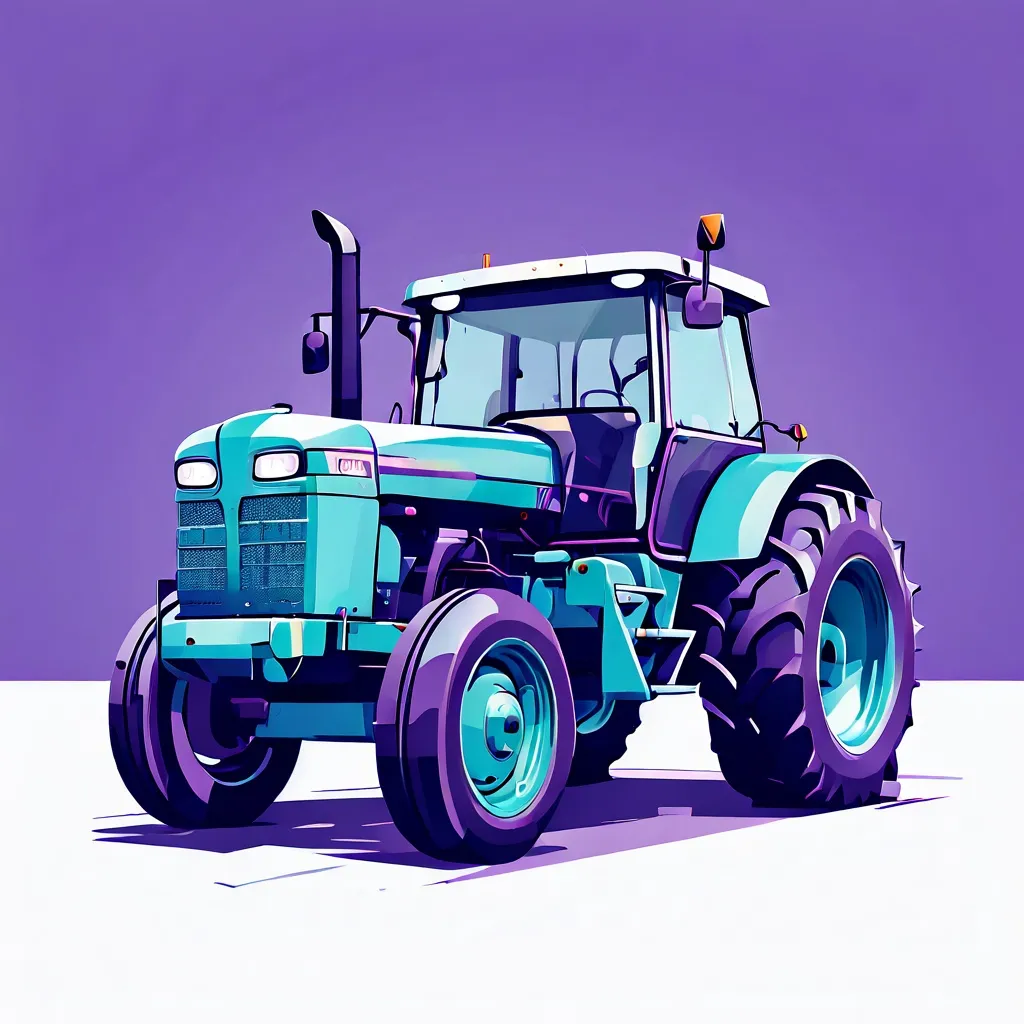
Gain a clear understanding of the Category T driving licence in Poland, which covers agricultural tractors and slow-moving vehicles. This guide details the minimum age of 16, required training, and exam conditions, helping you prepare thoroughly for the theory test and drive these specialized vehicles legally and safely on Polish roads.
Updated on Apr 11, 2026
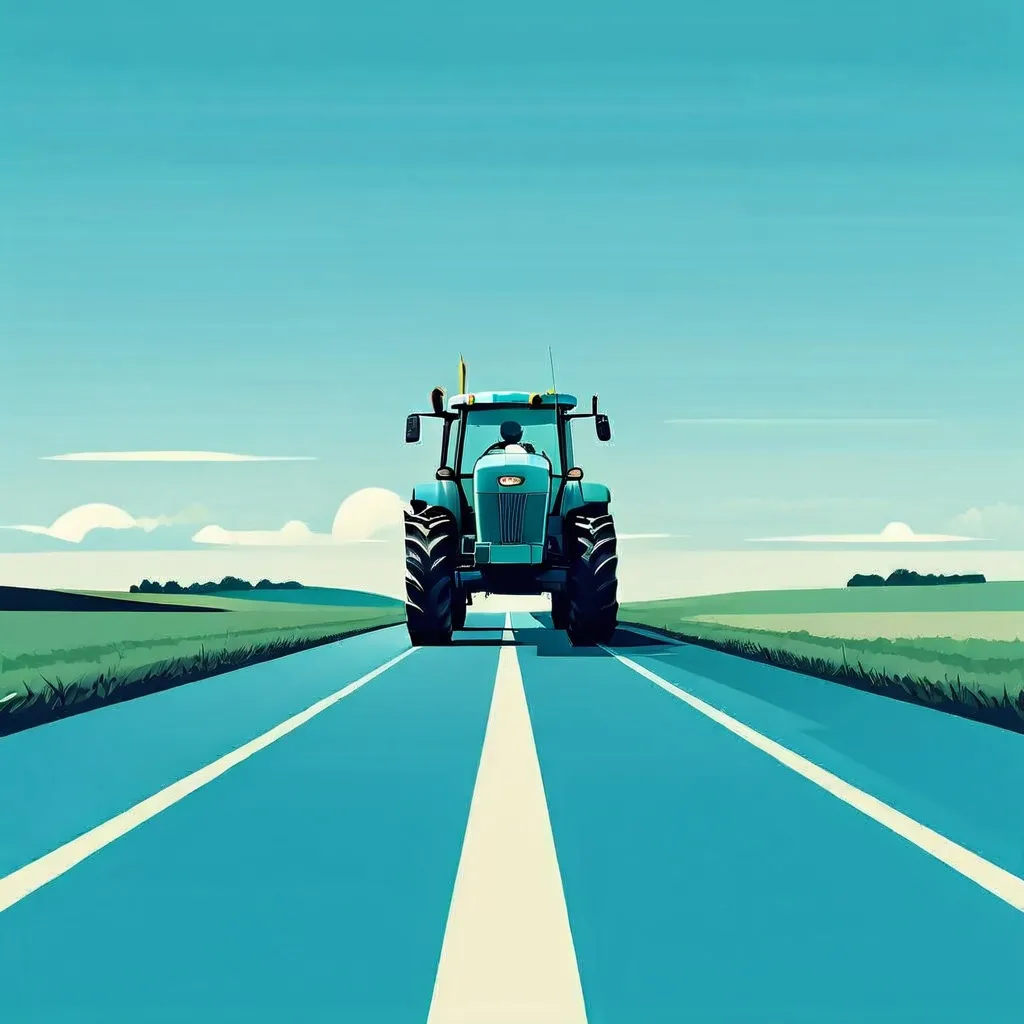
Navigate Poland's roads safely and pass your Category T theory exam by understanding the specific rules for agricultural tractors (ciągnik rolniczy). This guide clarifies the mandatory speed limits, the importance of road positioning, and restrictions on certain road types. Mastering these regulations is key to safe driving and a successful exam.
Updated on Apr 11, 2026

Navigate the complexities of the Polish Category B driving licence with confidence. This article breaks down the types of vehicles, including cars and light trucks, and the specific rules for towing trailers, paying close attention to the Dopuszczalna Masa Całkowita (DMC) limits and the definition of a 'przyczepa lekka'. Understanding these details is fundamental for safe driving and succeeding in your Polish theory exam.
Updated on Apr 11, 2026
Discover other categories connected to Kategorie Prawa Jazdy i Pojazdy. These sections help you explore additional topics, expand your understanding of driving theory in Polish, and build a more complete picture of the rules and situations tested during the exam.
Find answers to common questions learners ask about Kategorie Prawa Jazdy i Pojazdy. This section helps clarify difficult concepts, highlight critical exam information, and support your preparation for the Polish driving theory exam in Poland.
Kategoria B uprawnia do kierowania samochodami osobowymi i lekkimi ciężarówkami (do 3,5 tony DMC), podczas gdy kategoria C pozwala na prowadzenie cięższych pojazdów, takich jak ciężarówki bez ograniczeń masowych (z wyłączeniem ciągników siodłowych).
Tak, kategoria T prawa jazdy jest przeznaczona do kierowania ciągnikami rolniczymi i pojazdami wolnobieżnymi z przyczepami. Wymaga ukończenia 18 lat lub 17 lat za zgodą rodziców.
Kategoria A obejmuje wszystkie motocykle, w tym te z bocznym wózkiem. Wymagania wiekowe i szkoleniowe zależą od podkategorii (A1, A2, A).
Do uzyskania prawa jazdy w Polsce zazwyczaj potrzebny jest dowód tożsamości, orzeczenie lekarskie, fotografia, wypełniony wniosek, potwierdzenie ukończenia kursu i zdania egzaminu.
Kategoria D uprawnia do kierowania autobusami, które mogą przewozić więcej niż 9 osób łącznie z kierowcą. Wymaga ukończenia 24 lat (lub 21 lat w niektórych przypadkach po ukończeniu kwalifikacji wstępnej).
Access a structured overview of all article categories to enhance your Polish driving licence theory preparation. Choose a topic area like road signs, traffic rules, or specific maneuvers to focus your learning and ensure you cover all necessary material effectively before your exam.
Polish Theory Article Categories