
This group of Information Signs (Group D) is crucial for understanding the road ahead and the facilities available. They provide context, explain road functions, and alert you to important conditions, much like a helpful guide during your drive. Mastering these signs is key to both navigating traffic safely and succeeding in your driving theory test.
An explanation of how Information Signs (D) road signs apply in real traffic situations in Poland. Learn where these signs are typically placed, what drivers are expected to do when they appear, and how correct reactions help you stay safe, avoid fines, and succeed in your Polish driving theory exam.
Information signs are encountered across a wide variety of road types and situations. You'll see 'Priority Road' (D-1) signs at the start of roads where you have precedence, often on main routes, while 'End of Priority Road' (D-2) signs signal that this advantage is ending. 'One-Way Road' (D-3) signs are common in urban areas and on streets designed for unidirectional flow. Signs like 'Dead End' (D-4a) and 'Entrance to a Dead End' (D-4b) help drivers avoid getting stuck. 'Expressway' (D-7) and 'Motorway' (D-9) signs indicate higher-speed roads with specific rules, and their 'End' counterparts (D-8, D-10) signify a return to normal road conditions. You'll also frequently see signs indicating public transport lanes ('Start of Bus Lane' D-11, 'Bus Lane' D-12), pedestrian crossings (D-6), and bicycle crossings (D-6a, D-6b), all of which require careful attention to other road users. Furthermore, a range of signs point to essential services like 'Petrol Station' (D-23), 'Hospital' (D-21), 'Parking' (D-18), and 'Car Repair Shop' (D-26), helping you plan stops and manage your journey. Understanding these signs ensures you are aware of road rules, available services, and potential hazards or special conditions ahead.
An overview of the key learning outcomes when studying the Information Signs (D) road sign category. Understand the main concepts, sign meanings, and traffic situations covered here so you can recognise patterns, answer theory questions more confidently, and build a solid foundation for safe driving in Poland.
Information road signs (D) provide crucial context for navigating Polish roads, shaping your decisions on road type, services, and conditions. Studying these distinctive rectangular traffic signs as a group enhances sign recognition and comprehension of their combined sign meanings. This effectively prepares you for the Polish driving theory test.
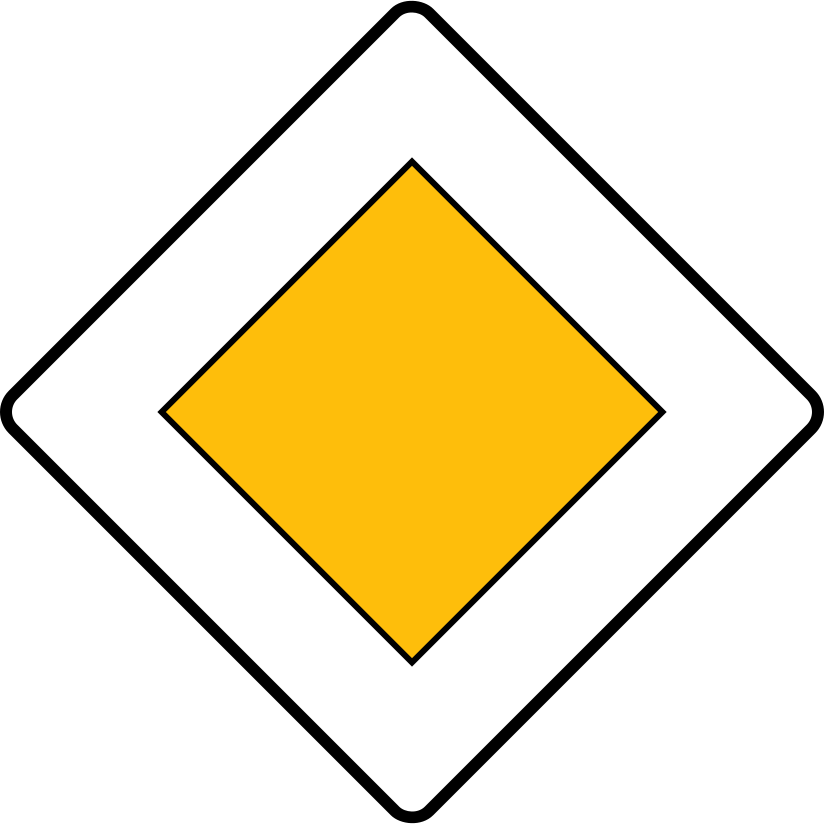
The D-1 Priority Road sign means you have the right of way.
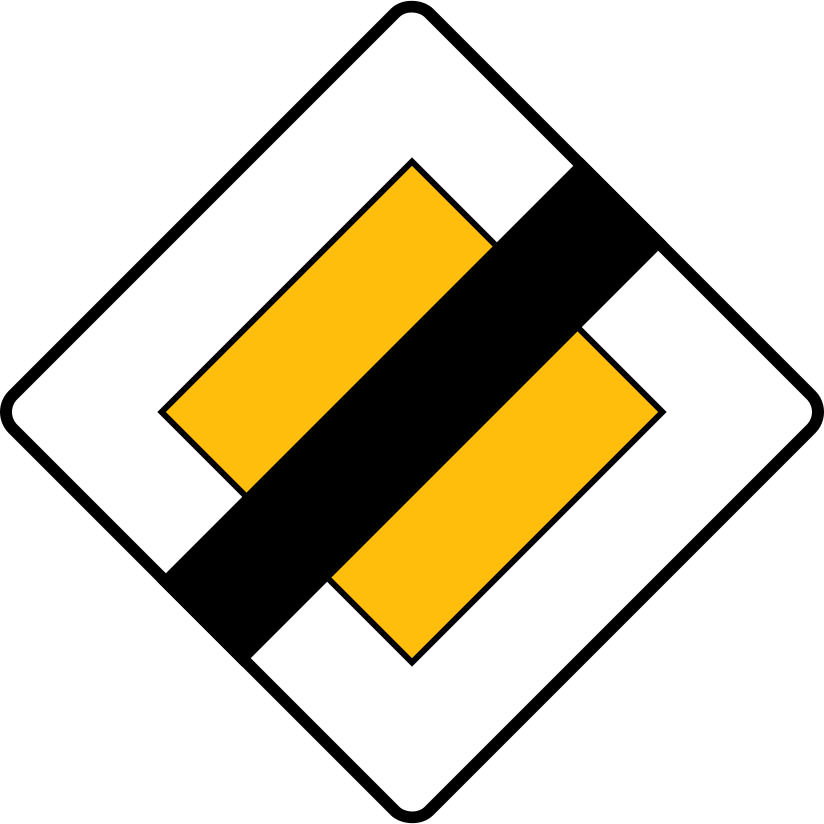
Prepare to yield: the D-2 'End of Priority Road' sign means your right of way is finishing.
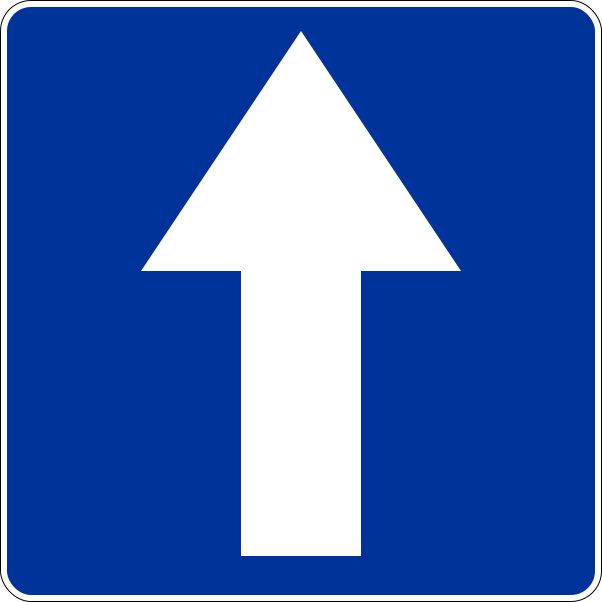
The D-3 sign means this road is one-way, so you must travel in the direction of the arrow.
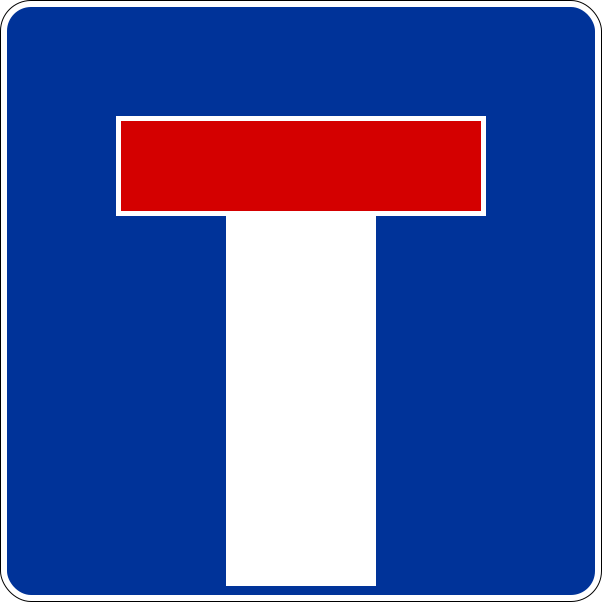
D-4a: This Road Has No Exit – It's a Dead End!
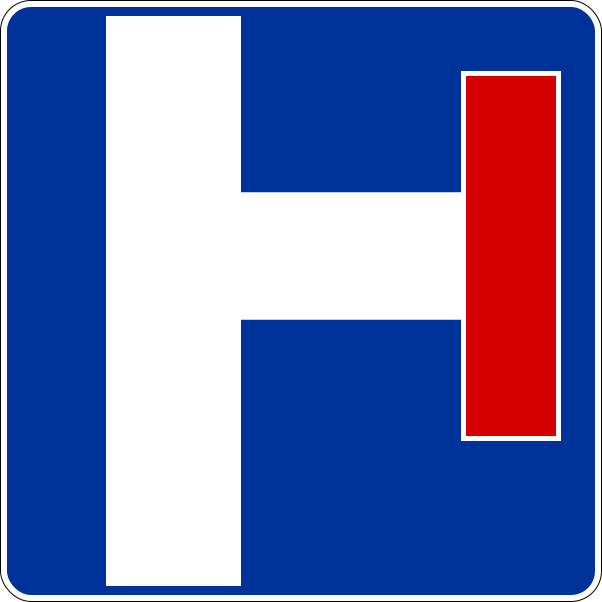
Understand the D-4b Road Sign: Entrance to a Dead End Ahead
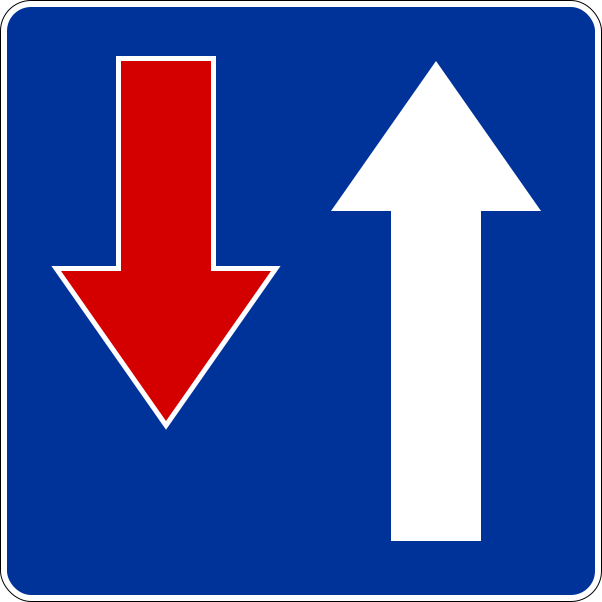
You have priority over oncoming traffic at this narrowing.
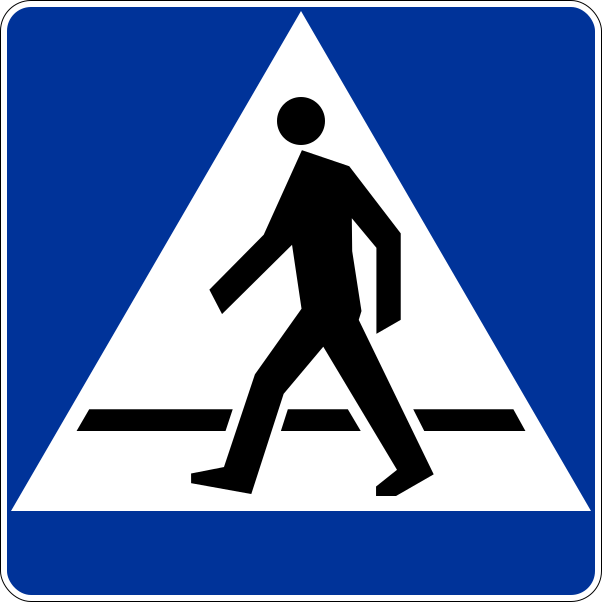
The D-6 'Pedestrian Crossing' Sign: Yield to Pedestrians on Zebra Crossings
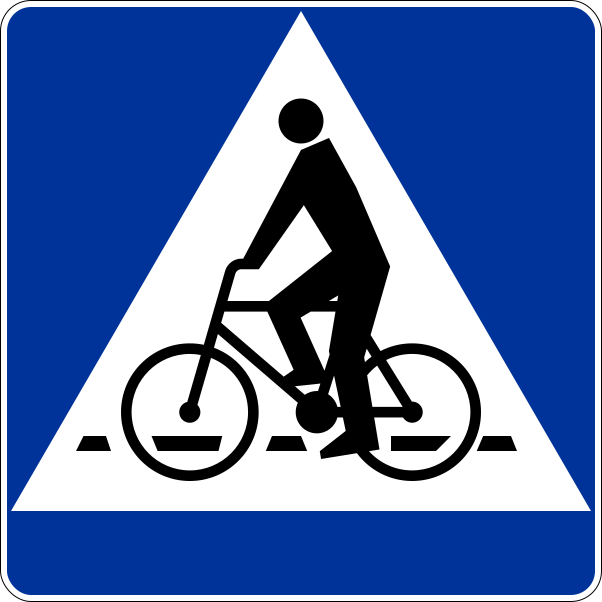
What Does the D-6a Bicycle Crossing Sign Mean for Drivers?
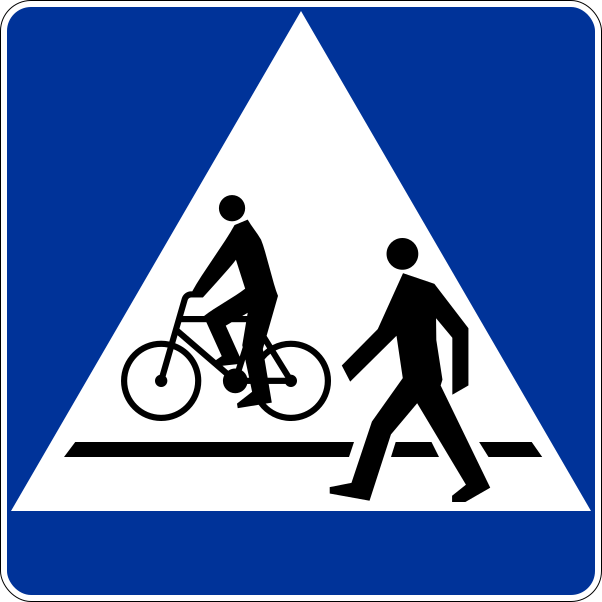
D-6b: Combined Pedestrian and Bicycle Crossing Ahead
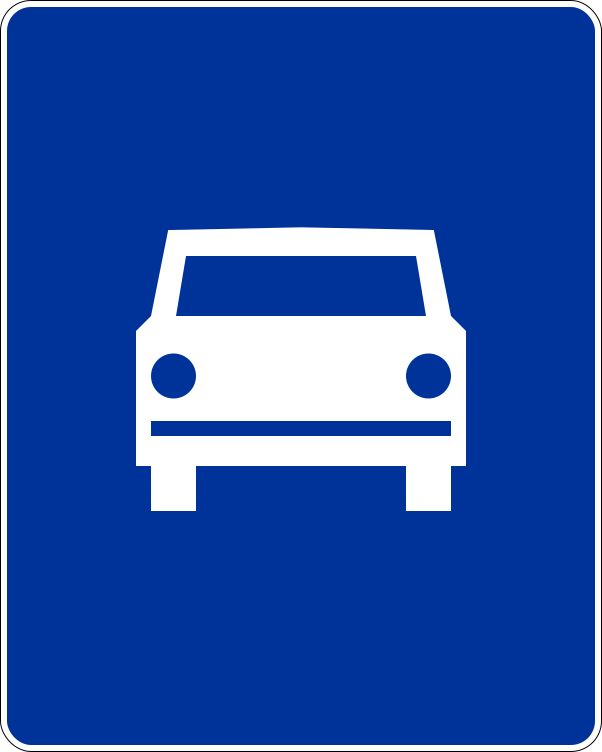
The D-7 sign marks the start of an expressway, a special type of high-speed road.
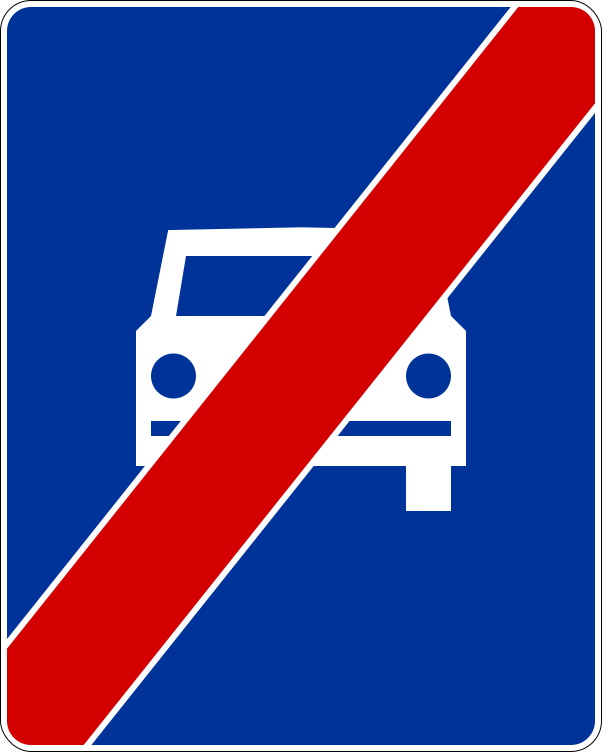
Prepare to exit the expressway safely with the D-8 'End of Expressway' sign.
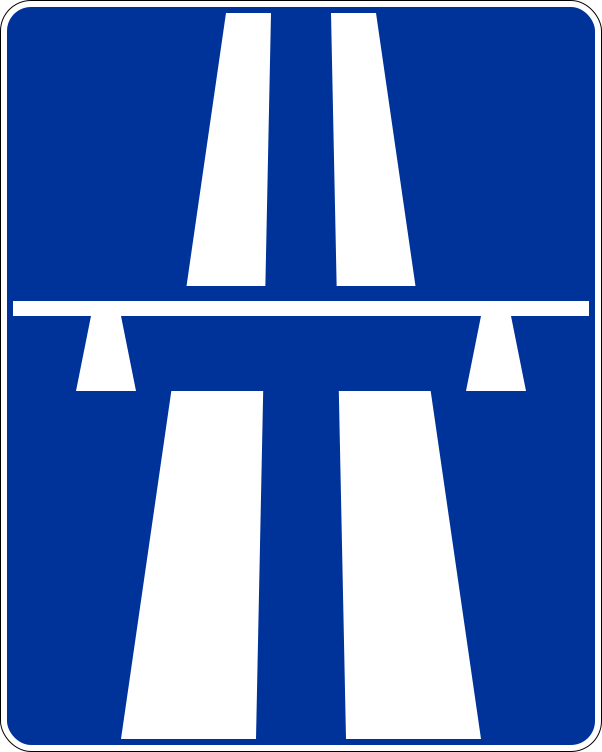
D-9: Welcome to the Motorway (Autostrada)!
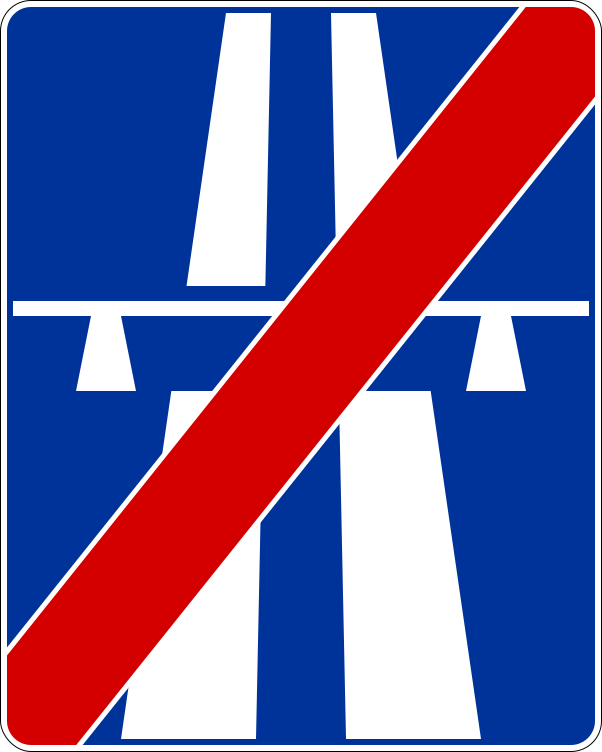
Prepare for the End of the Motorway with the D-10 Sign
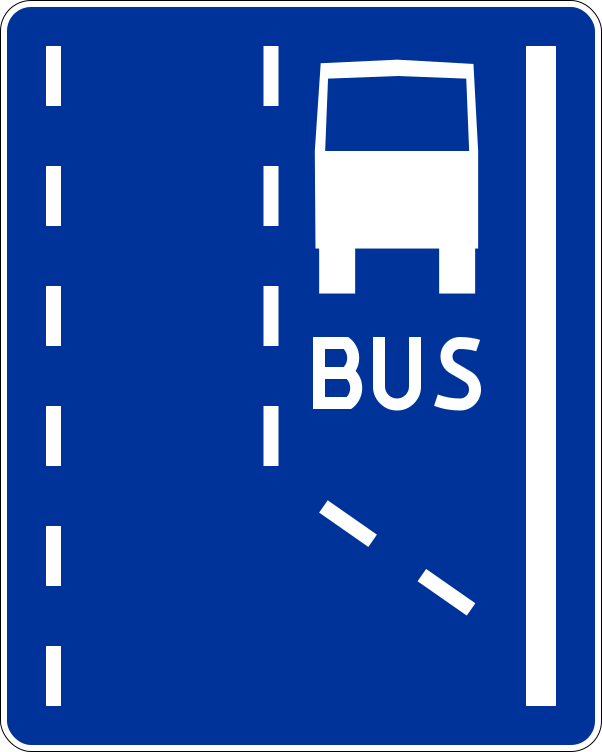
D-11 Road Sign: You're Approaching the Start of a Bus Lane
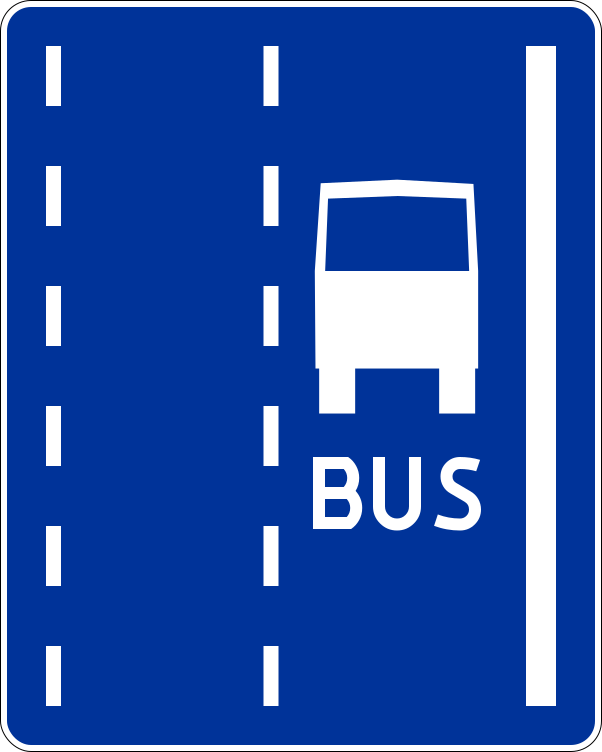
The D-12 'Bus Lane' sign confirms the lane remains exclusively for buses and authorized vehicles.
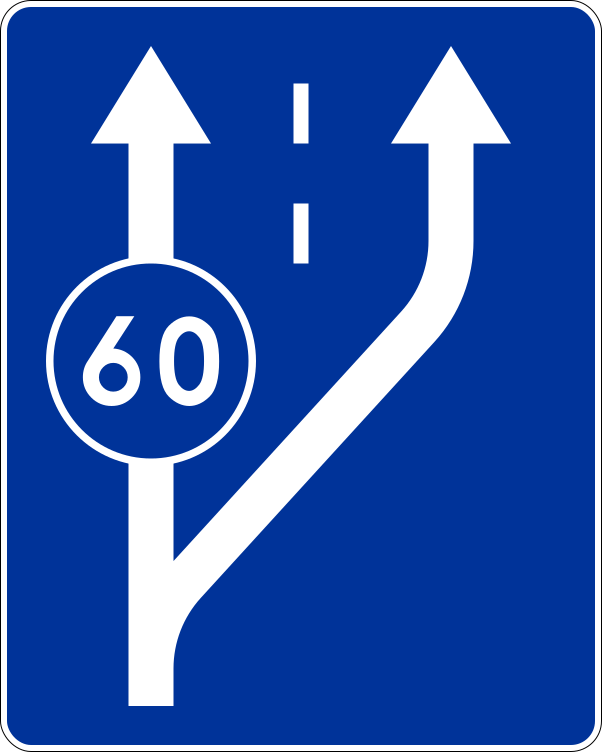
D-13 Sign: Prepare for the Start of a Slow-Moving Traffic Lane
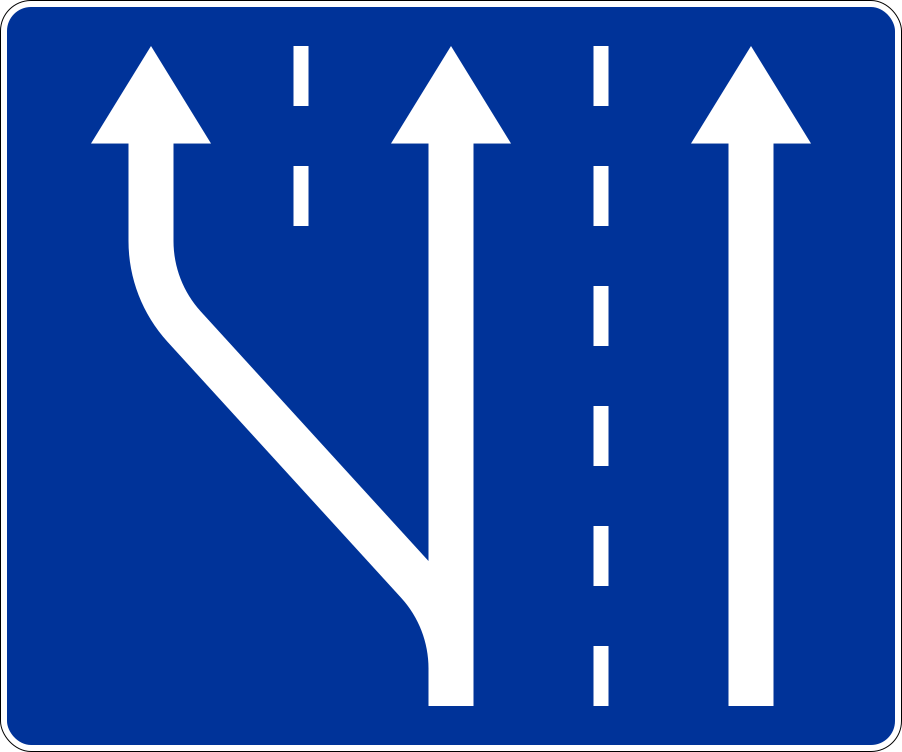
The D-13a 'Start of Lane' sign means a new lane is opening up ahead.
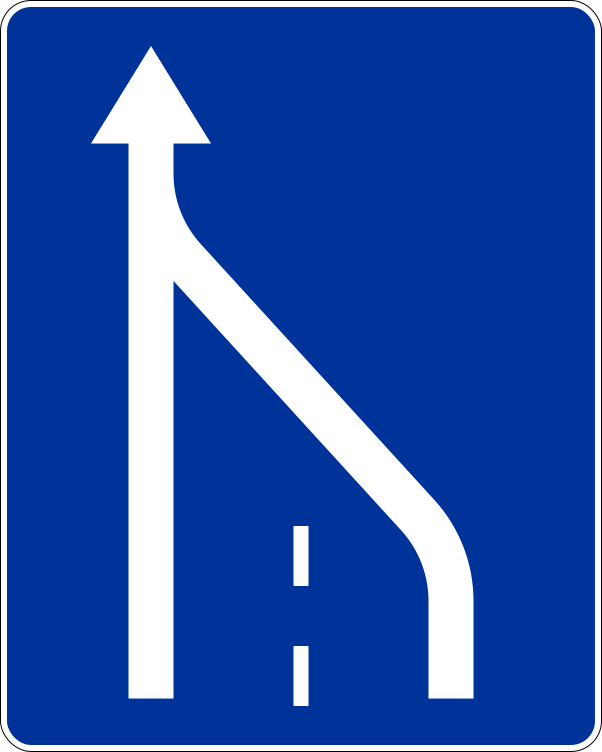
D-14 End of Lane: Know When and How to Merge Safely
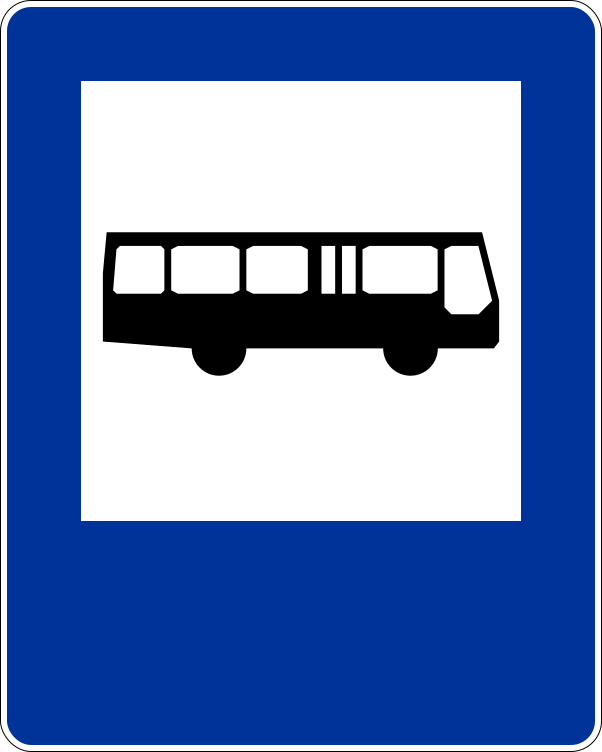
The D-15 'Bus Stop' Sign: Understanding and Reacting to Public Transport Stops
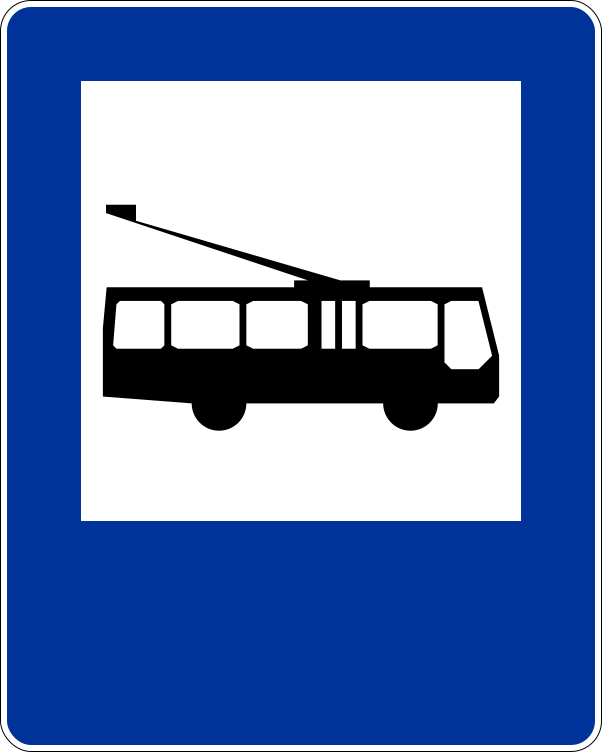
Understand the D-16 Trolleybus Stop Sign for safe city driving.
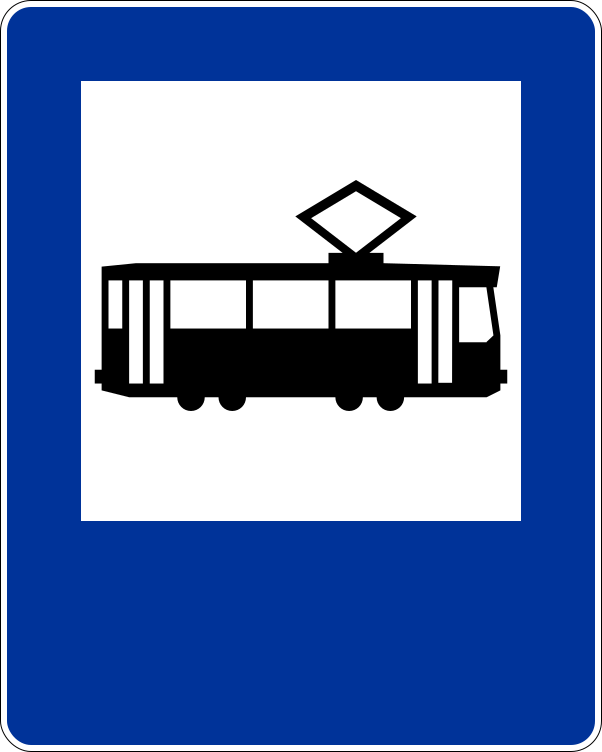
Understand the D-17 'Tram Stop' Sign and How to React Safely
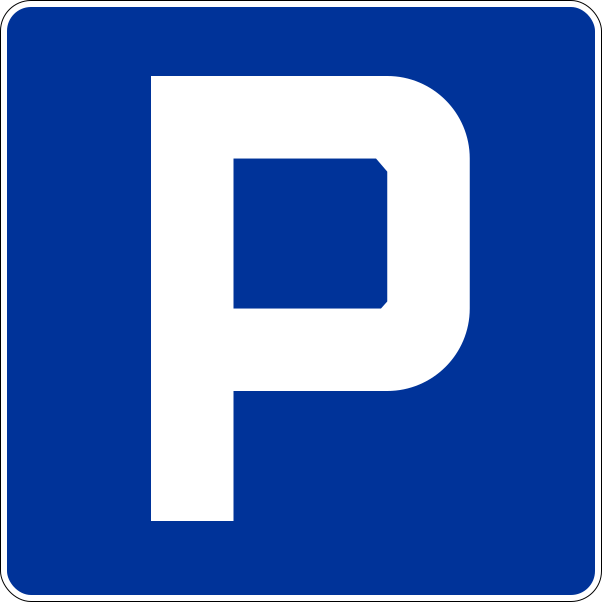
The D-18 sign tells you where parking is allowed.
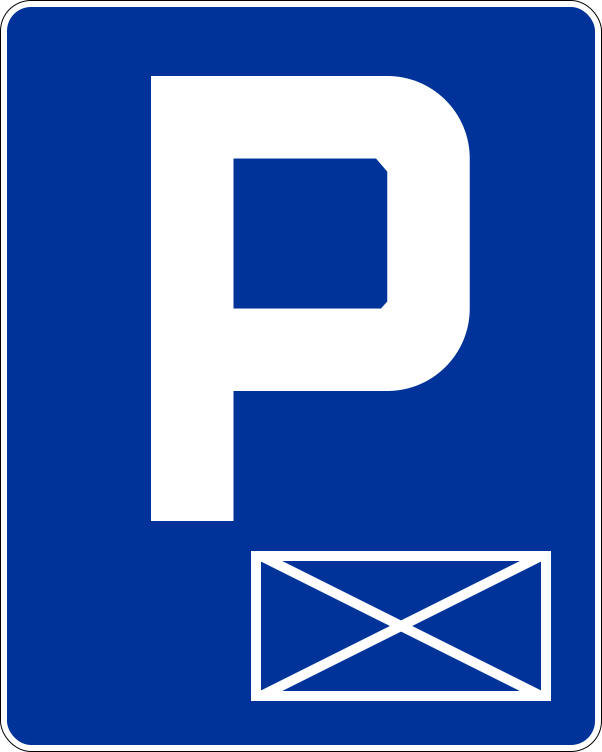
Understand the D-18a Reserved Parking Sign (Koperta)
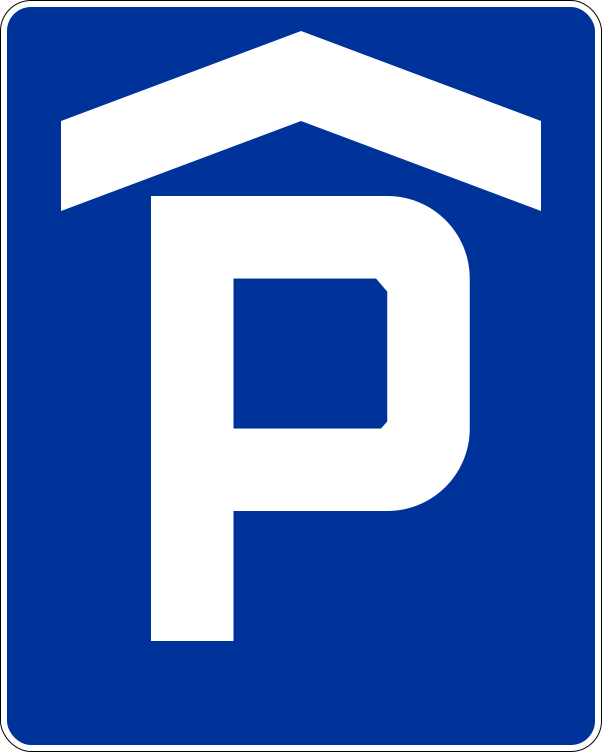
The D-18b sign marks a covered parking area, protecting your vehicle from the weather.
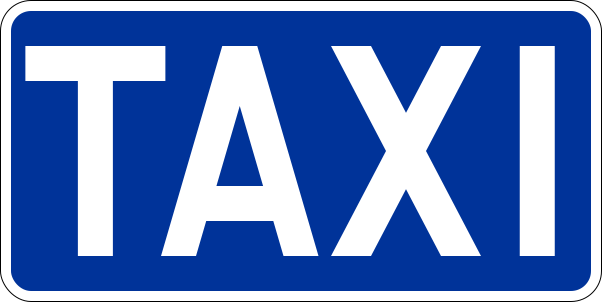
D-19 Taxi Stand: This sign designates a waiting area exclusively for taxis.
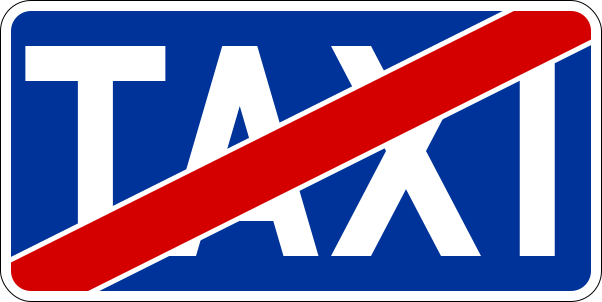
Understand the D-20 sign: The End of the Taxi Stand
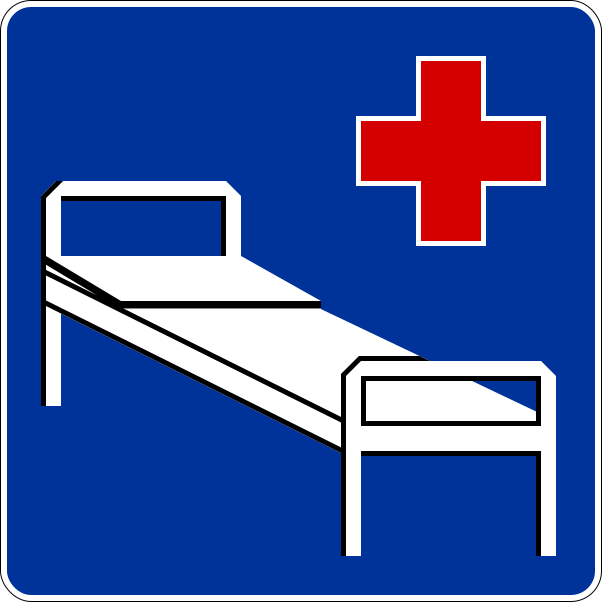
The D-21 'Hospital' sign indicates a medical facility nearby.
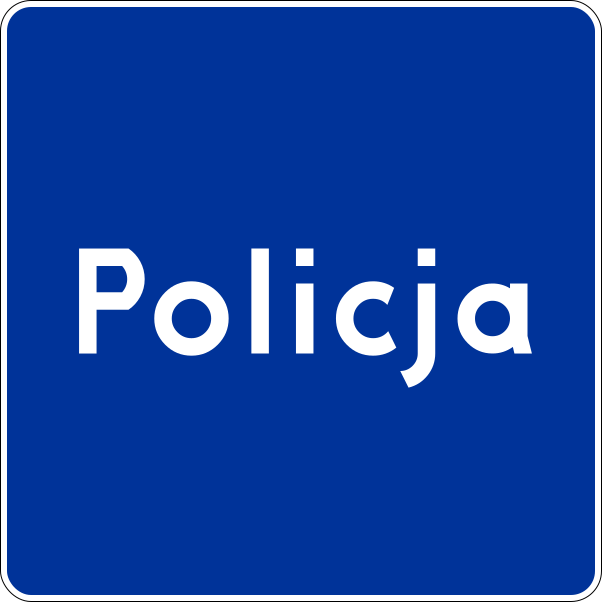
The D-21a 'Police' sign means a police station is nearby.
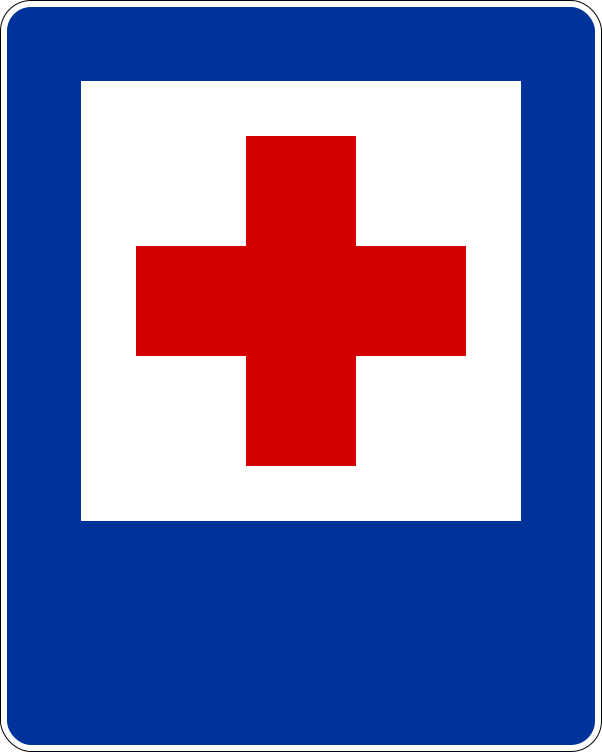
The D-22 sign indicates a nearby First Aid Point.
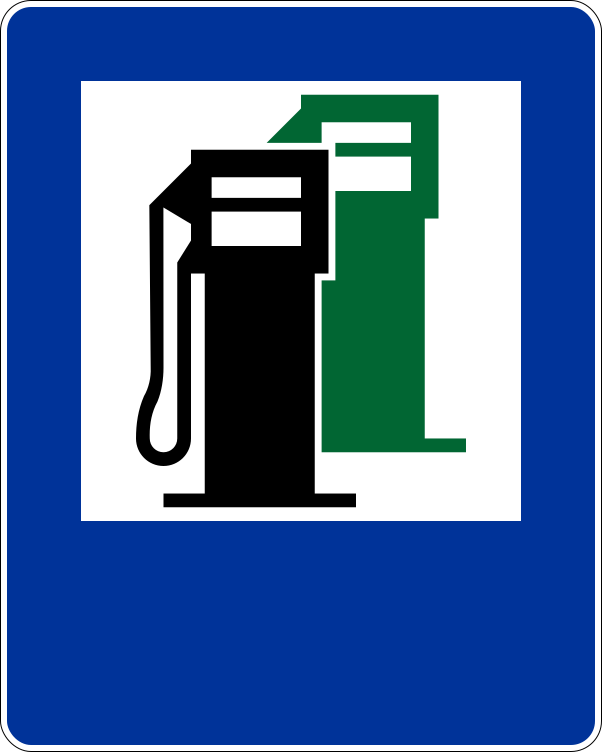
D-23 Petrol Station Sign: Your Guide to Refueling and Services Ahead
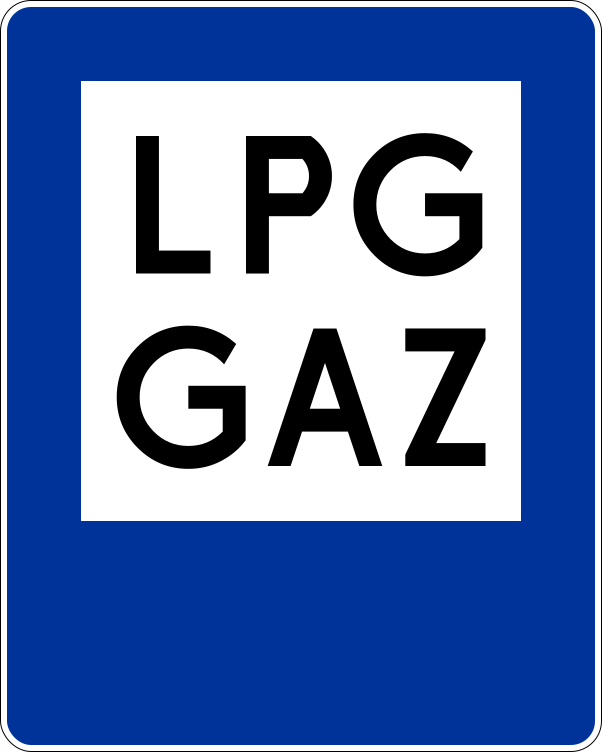
D-23a: This road sign means LPG Fuel Only!
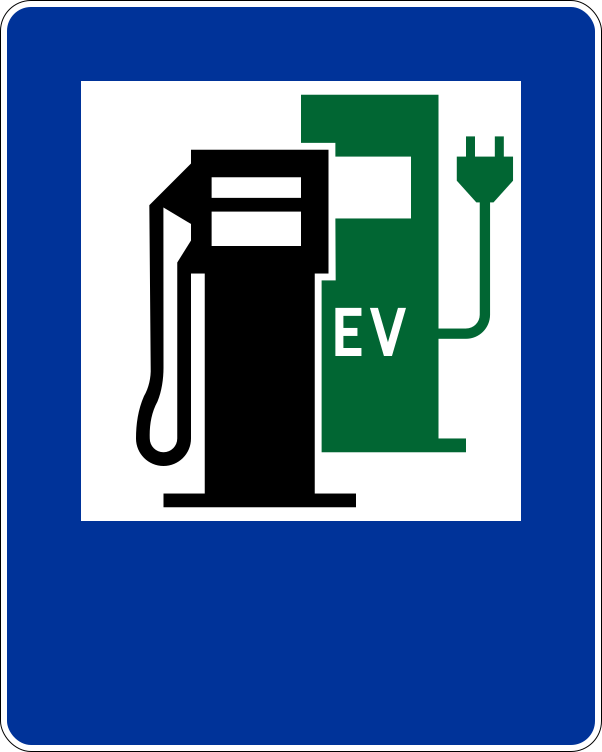
See the D-23b sign for a petrol station offering both traditional fuel and electric vehicle charging.
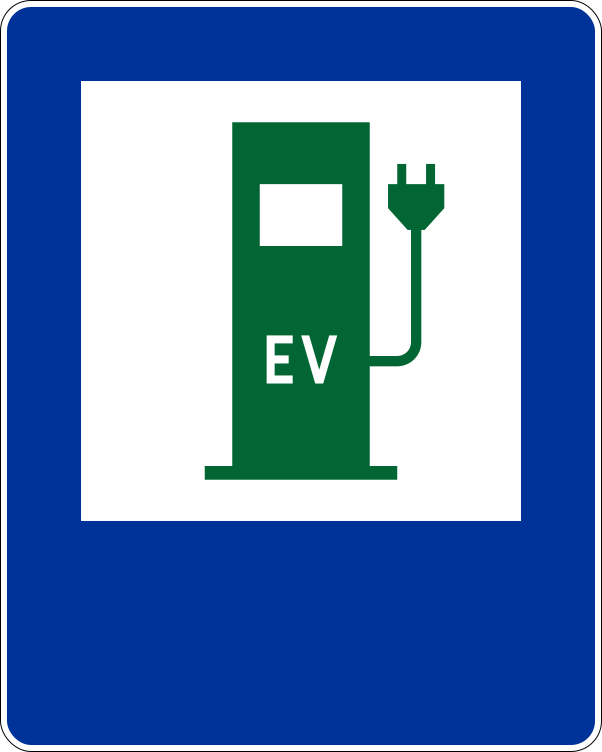
The D-23c sign indicates a dedicated point for charging electric vehicles.
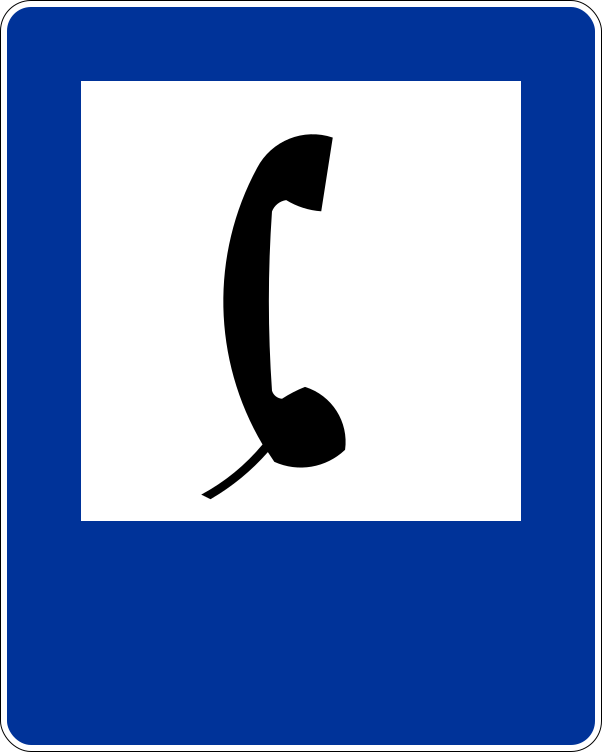
The D-24 Telephone sign indicates a public telephone is available nearby.
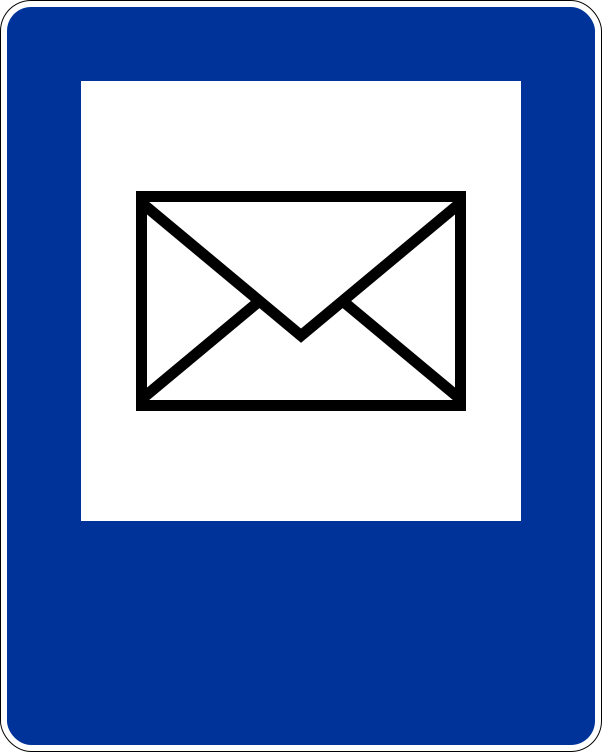
The D-25 sign indicates a post office is nearby, providing essential postal and sometimes banking services.
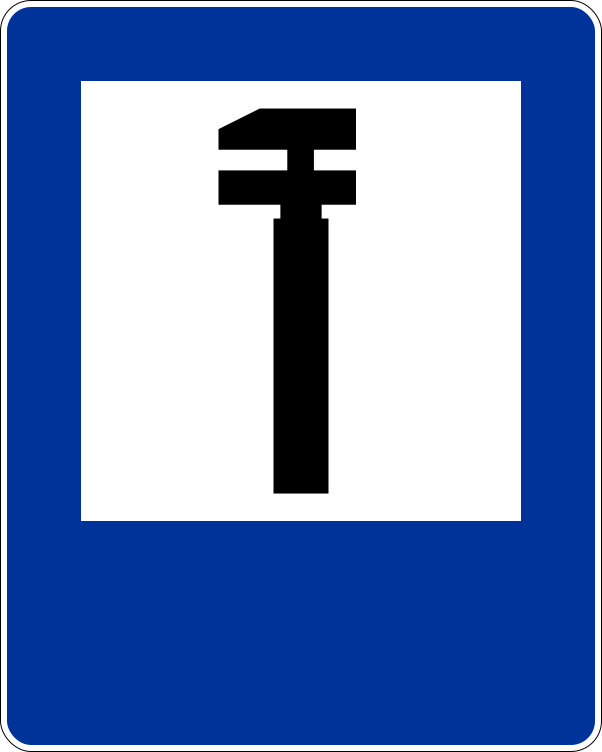
The D-26 'Car Repair Shop' sign means help is nearby!
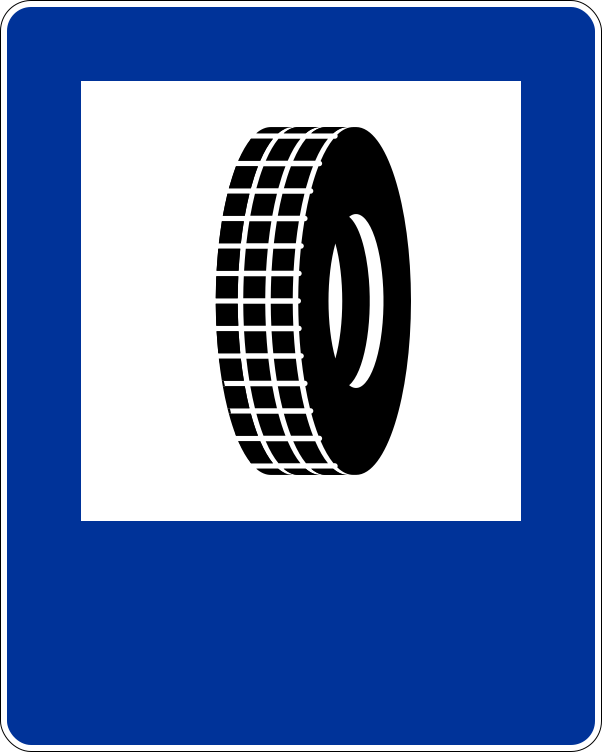
The D-26a 'Tire Service' sign indicates a specialized tire repair and replacement facility.
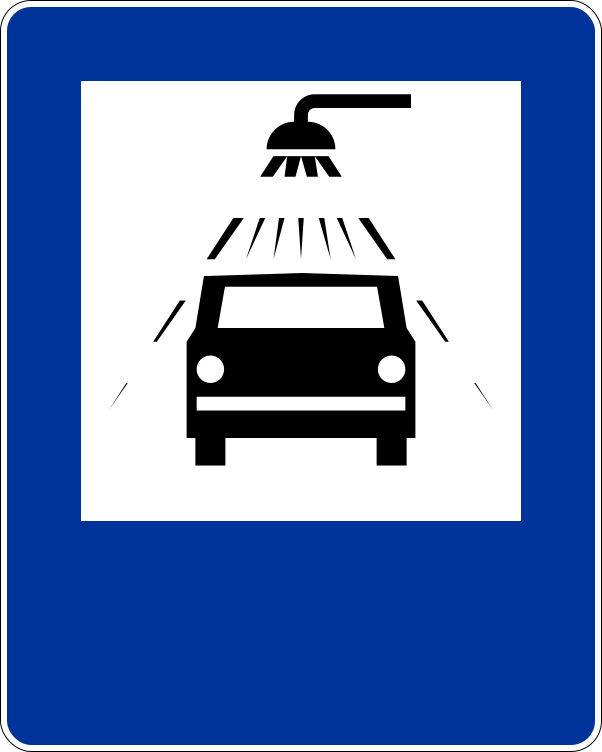
What does the D-26b 'Car Wash' road sign mean?
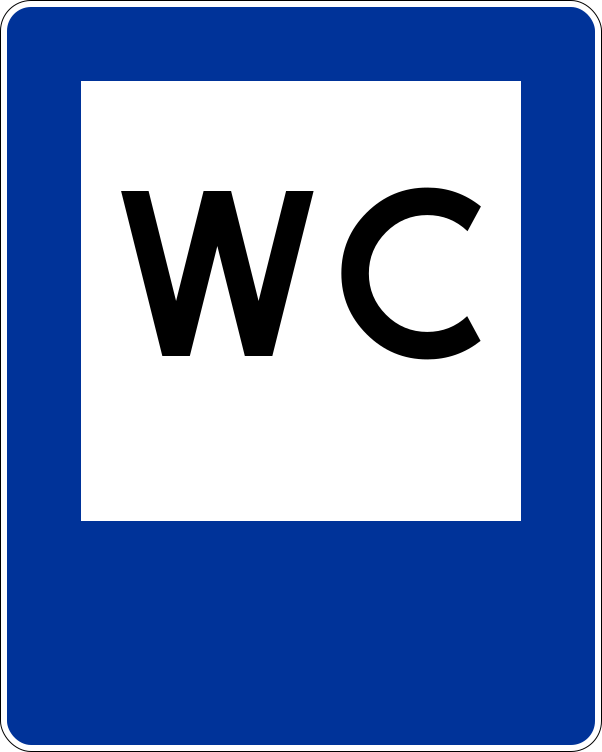
Understand the D-26c Public Toilet road sign and what facilities are available nearby.
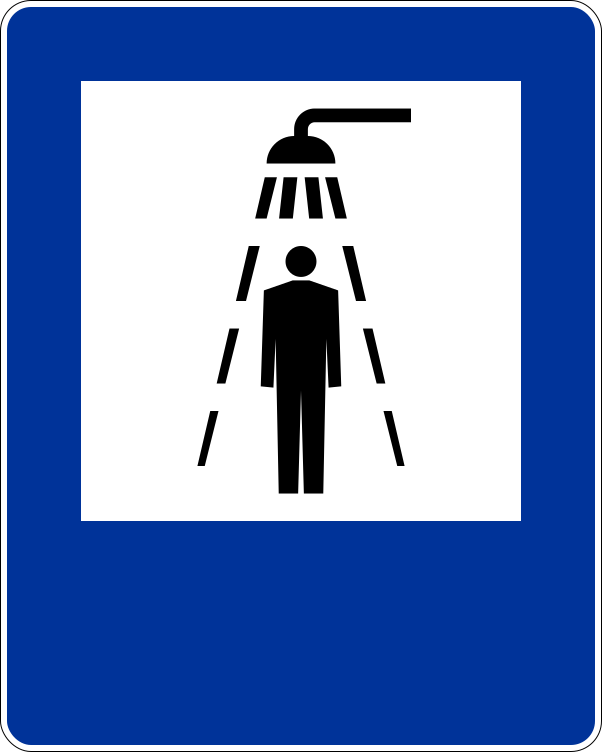
The D-26d 'Shower' Sign: Indicates Available Facilities for Travelers
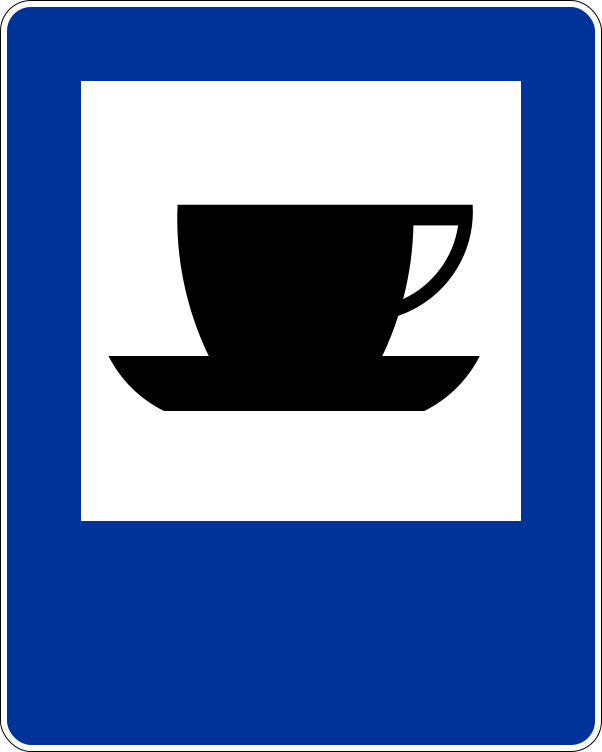
See the D-27 sign for a nearby Cafe or Buffet and know when to take a needed break.
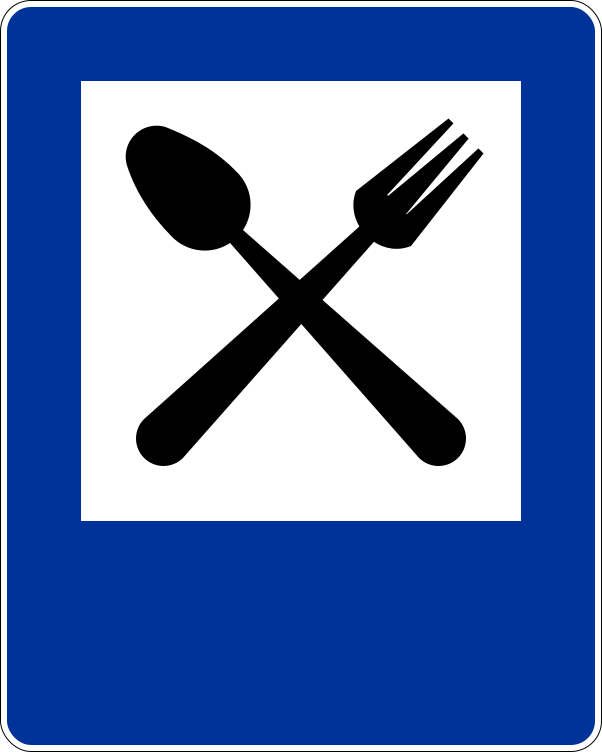
The D-28 'Restaurant' sign means a full meal service is available nearby.
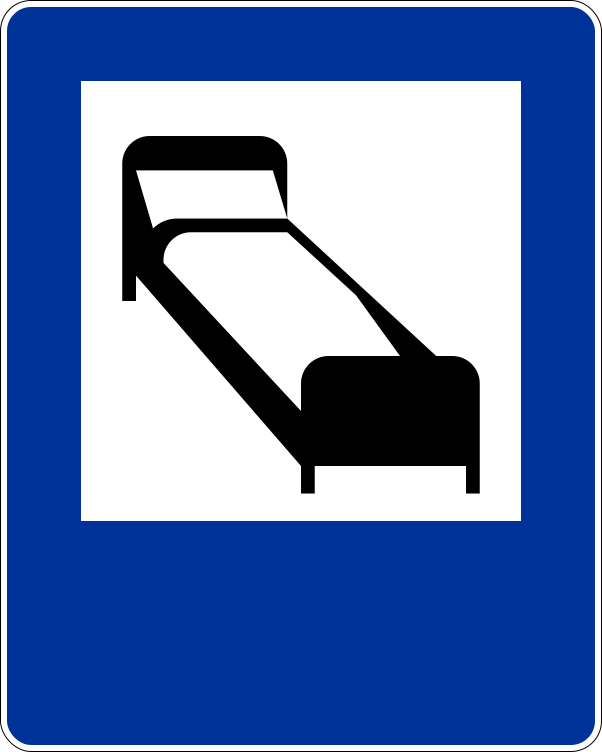
The D-29 Hotel or Motel sign guides you to overnight accommodation.
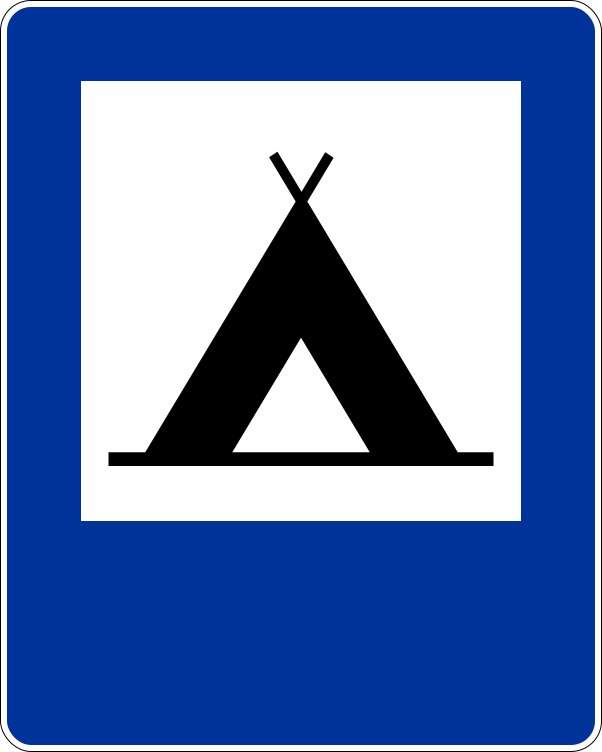
The D-30 sign means a designated camping site is ahead.
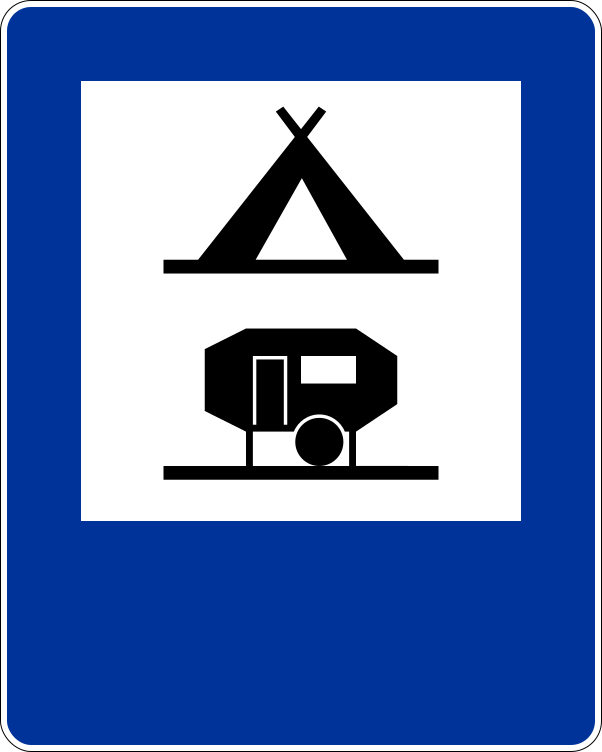
D-31 Road Sign: Indicates a Campsite with Electric Hookups Available
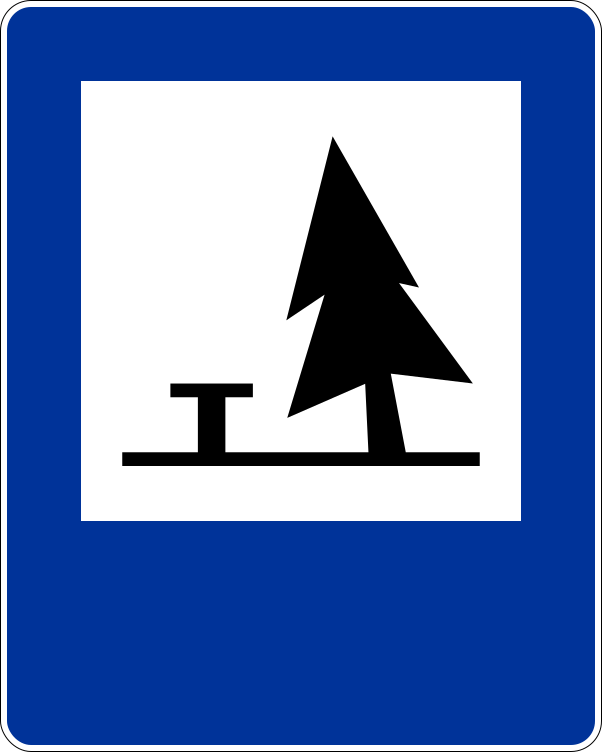
D-32 Bivouac Site sign: Your guide to basic overnight stays in nature.
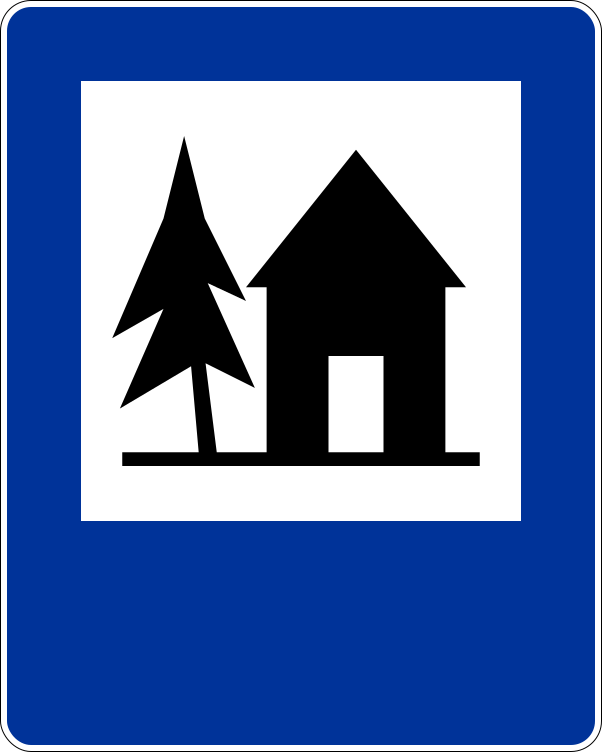
What does the D-33 Youth Hostel sign mean?
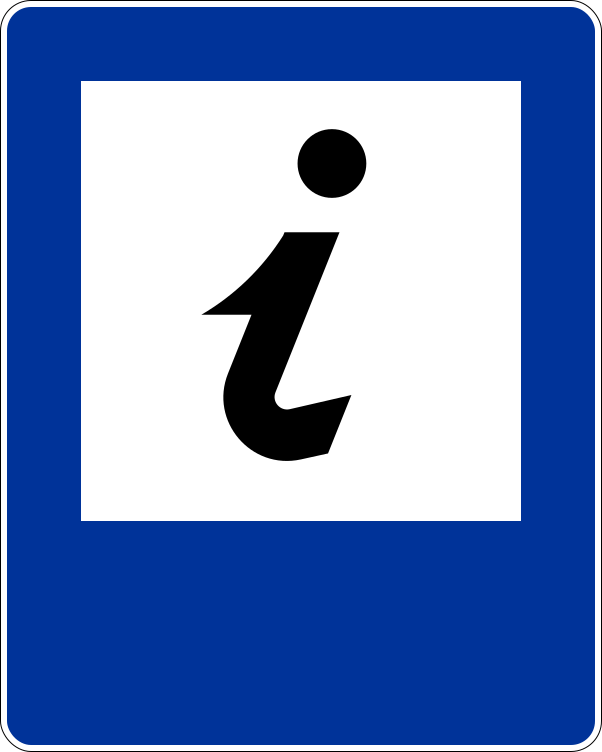
Look for the 'i' sign for Tourist Information and local guidance.
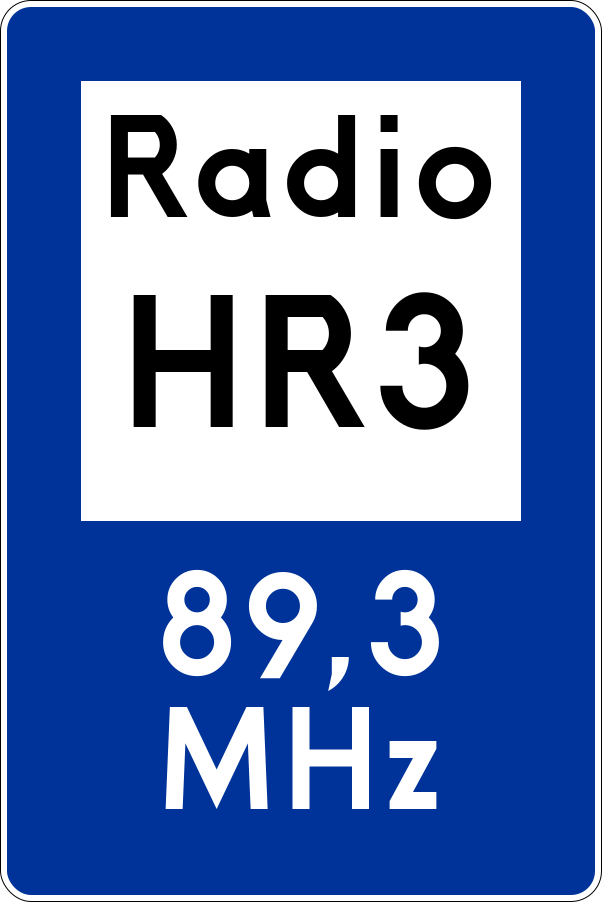
Tune into the D-34a sign for vital radio traffic information.
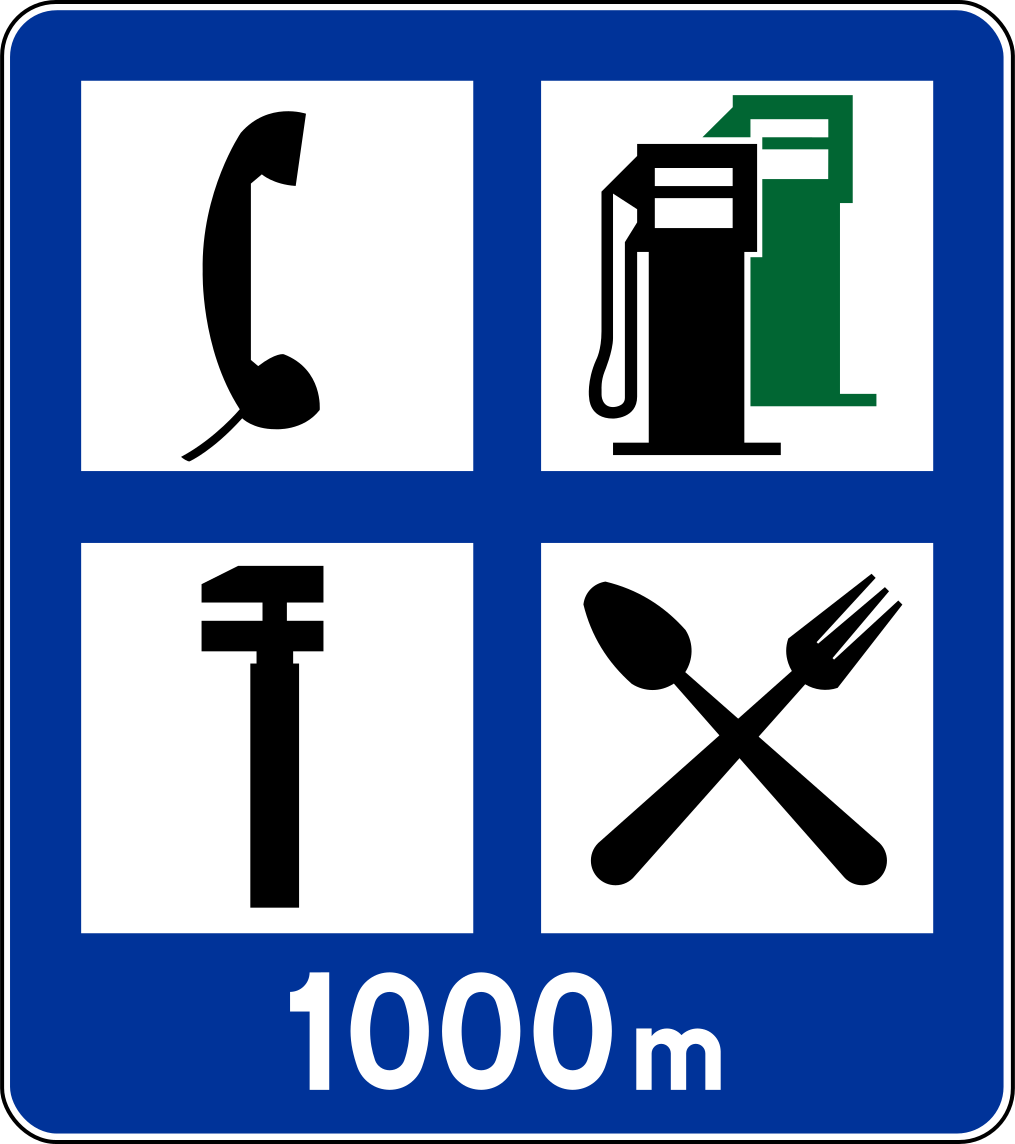
The D-34b Collective Information Board: Your Guide to Services Ahead
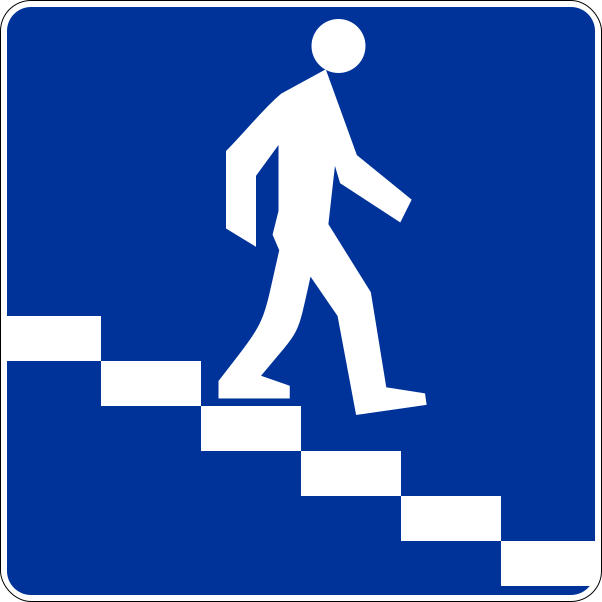
The D-35 sign indicates an underpass for pedestrians to safely cross busy roads.
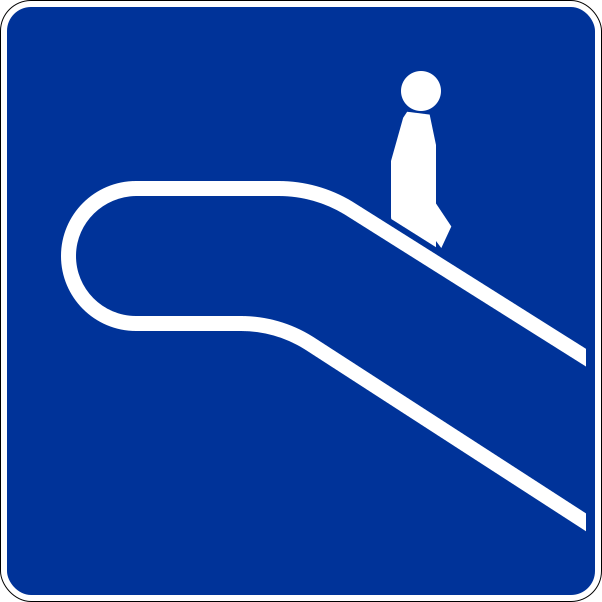
D-35a: Escalator Down – Signalling an Accessible Pedestrian Underpass
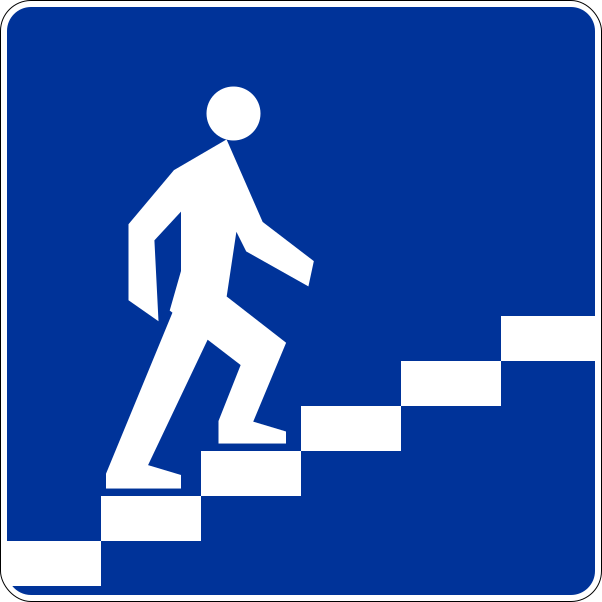
Understand the D-36 Pedestrian Overpass Sign in Poland
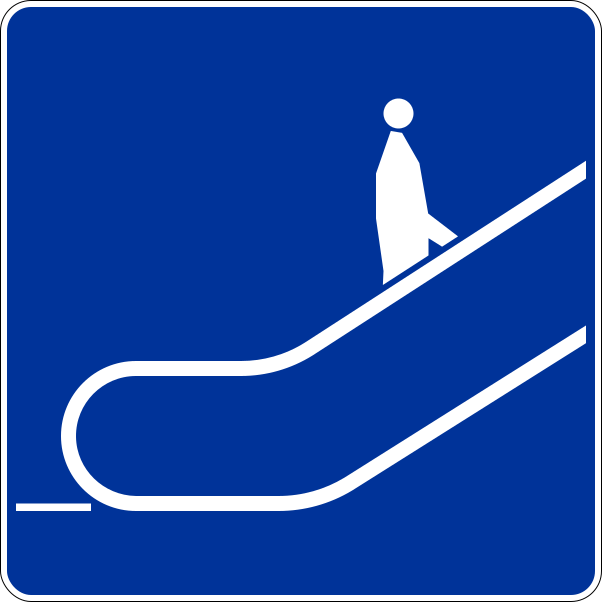
The D-36a sign indicates a pedestrian overpass with an upward escalator for easier crossing.
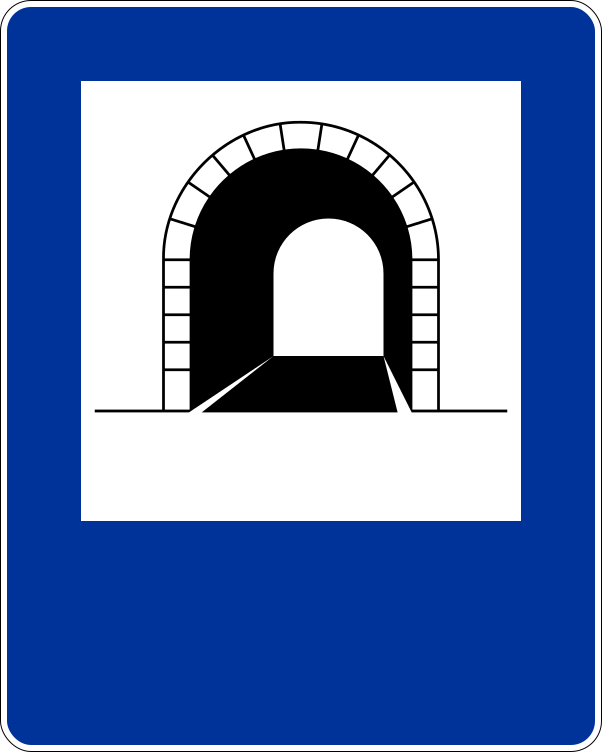
Prepare for tunnels: Understanding the D-37 Tunnel road sign.
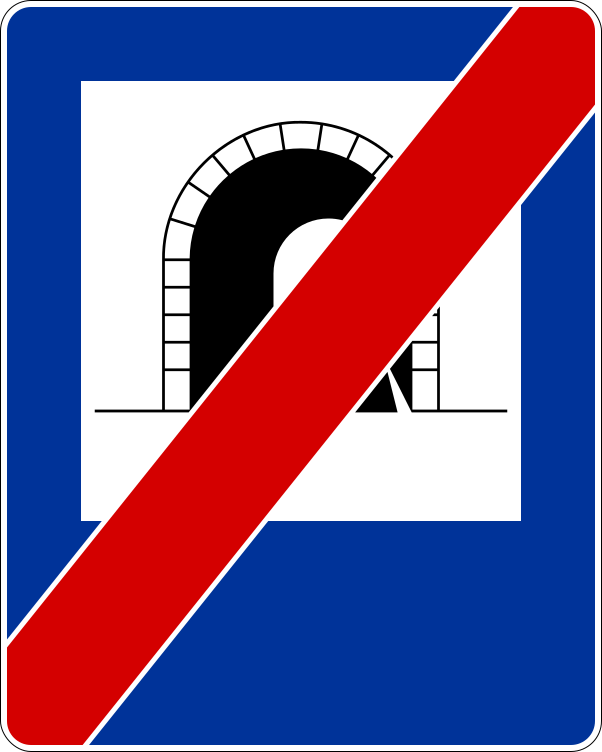
D-38: You're Exiting the Tunnel – Prepare for Changing Conditions!
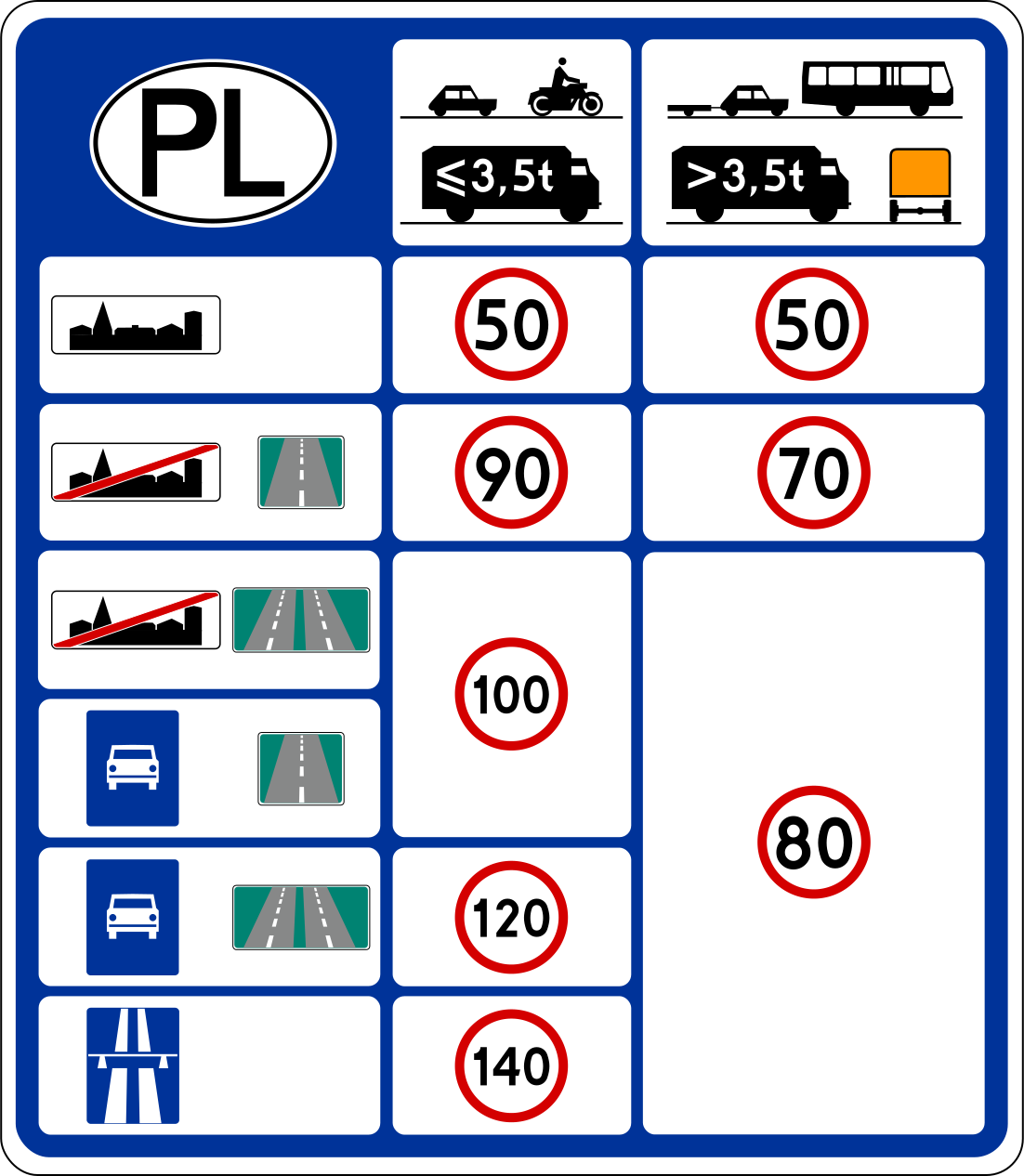
Master Poland's General Speed Limits with the D-39 Sign
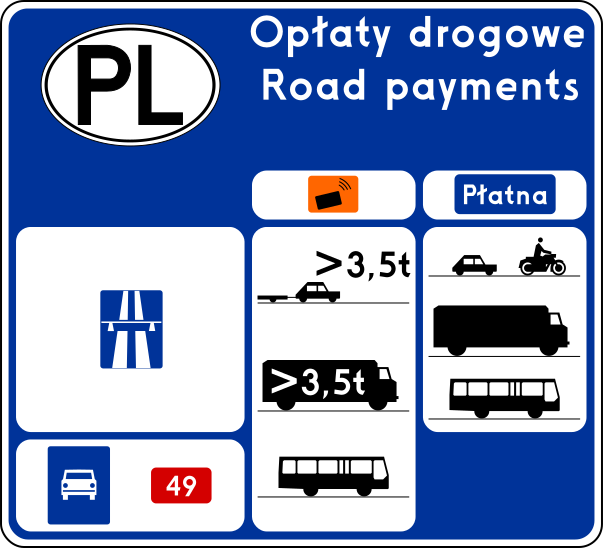
See the D-39a sign? It means you're approaching a toll road where payment is required.
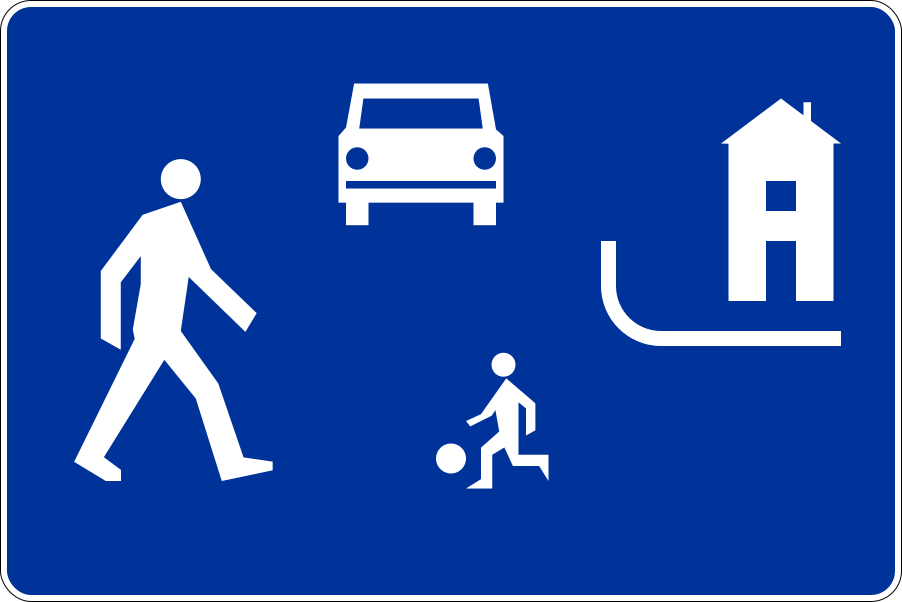
Entering a Residential Area (D-40): Pedestrians Rule, Speed is 20 km/h!
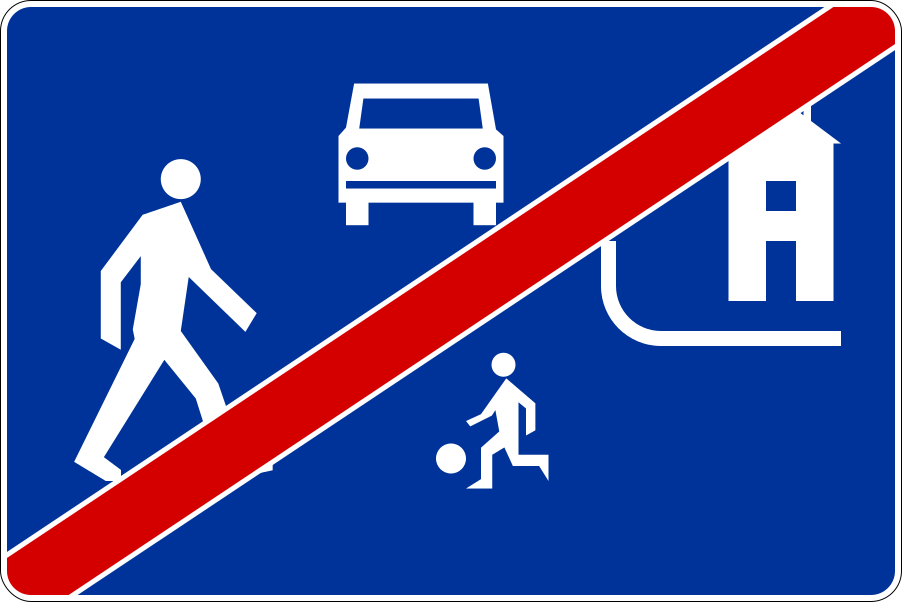
Prepare to rejoin traffic: the D-41 sign marks the end of a residential area.
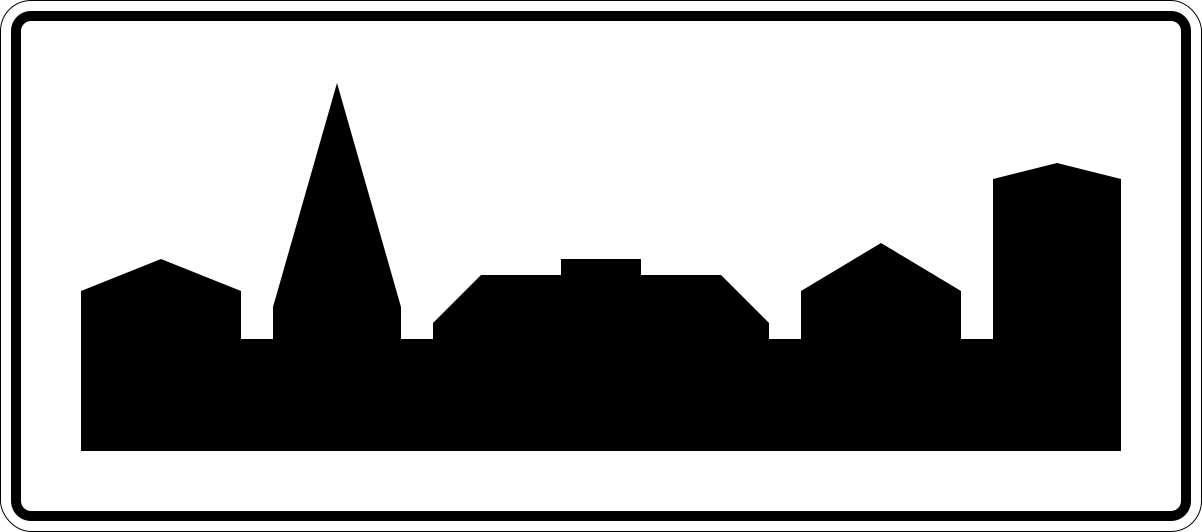
The D-42 'Built-up Area' sign marks the start of a town or city with a 50 km/h speed limit.
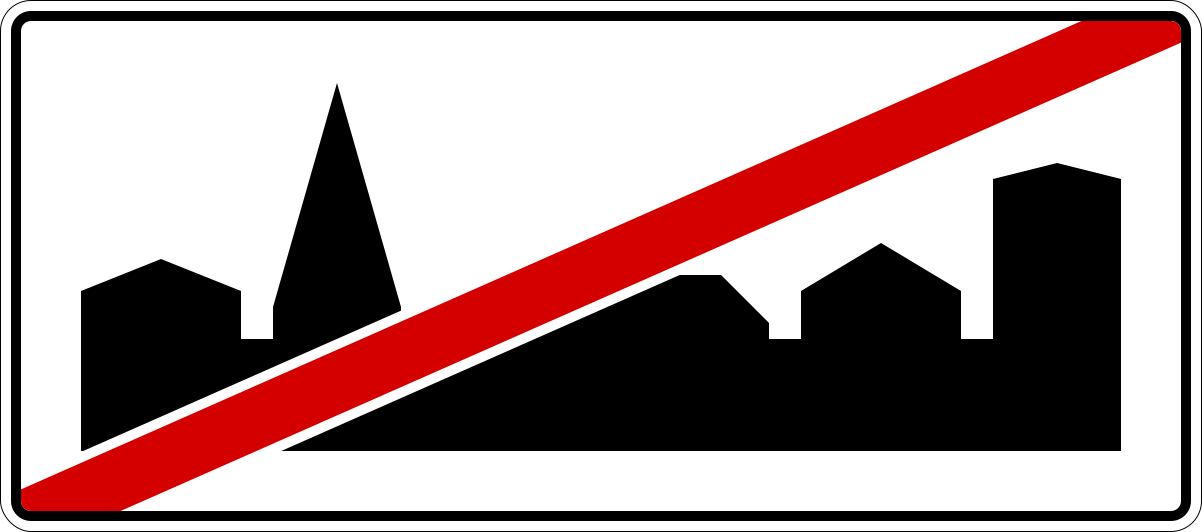
The D-43 Sign Means You're Leaving the Built-up Area, and the Speed Limit Changes!
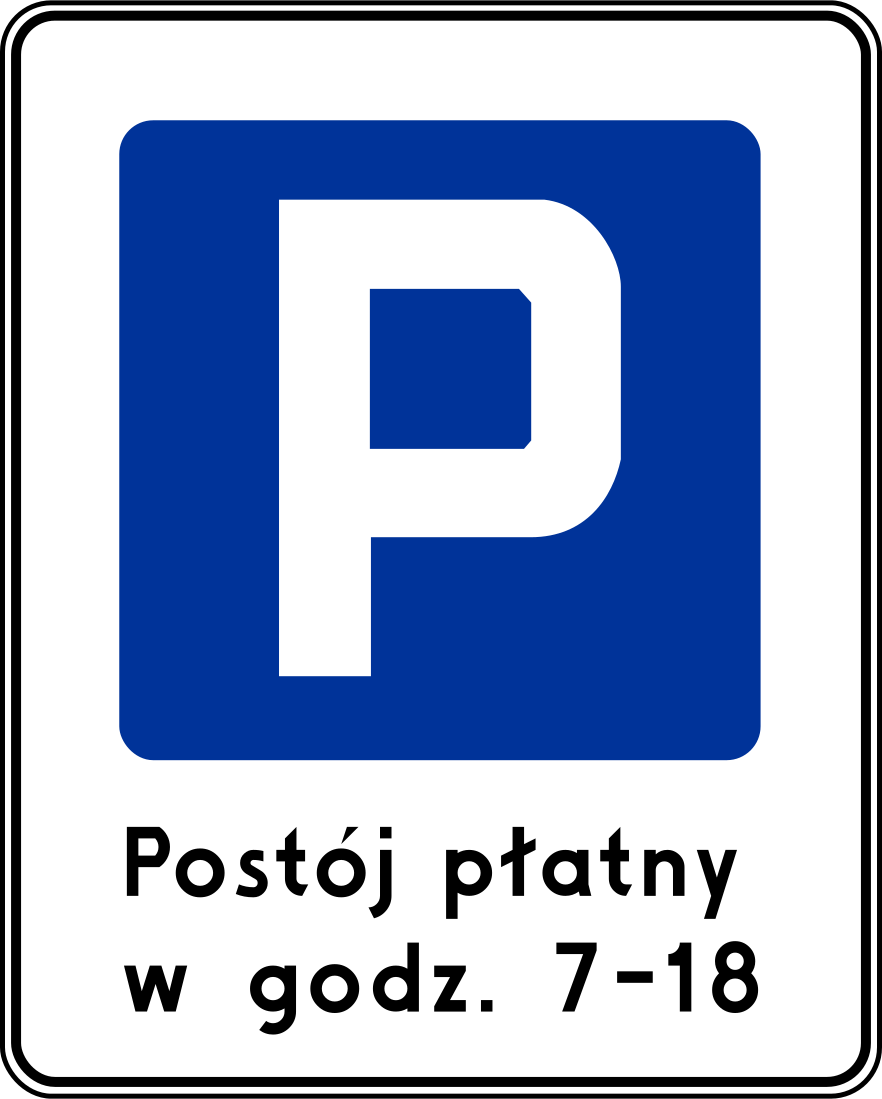
Enter the D-44 Paid Parking Zone and know you need to pay to park.
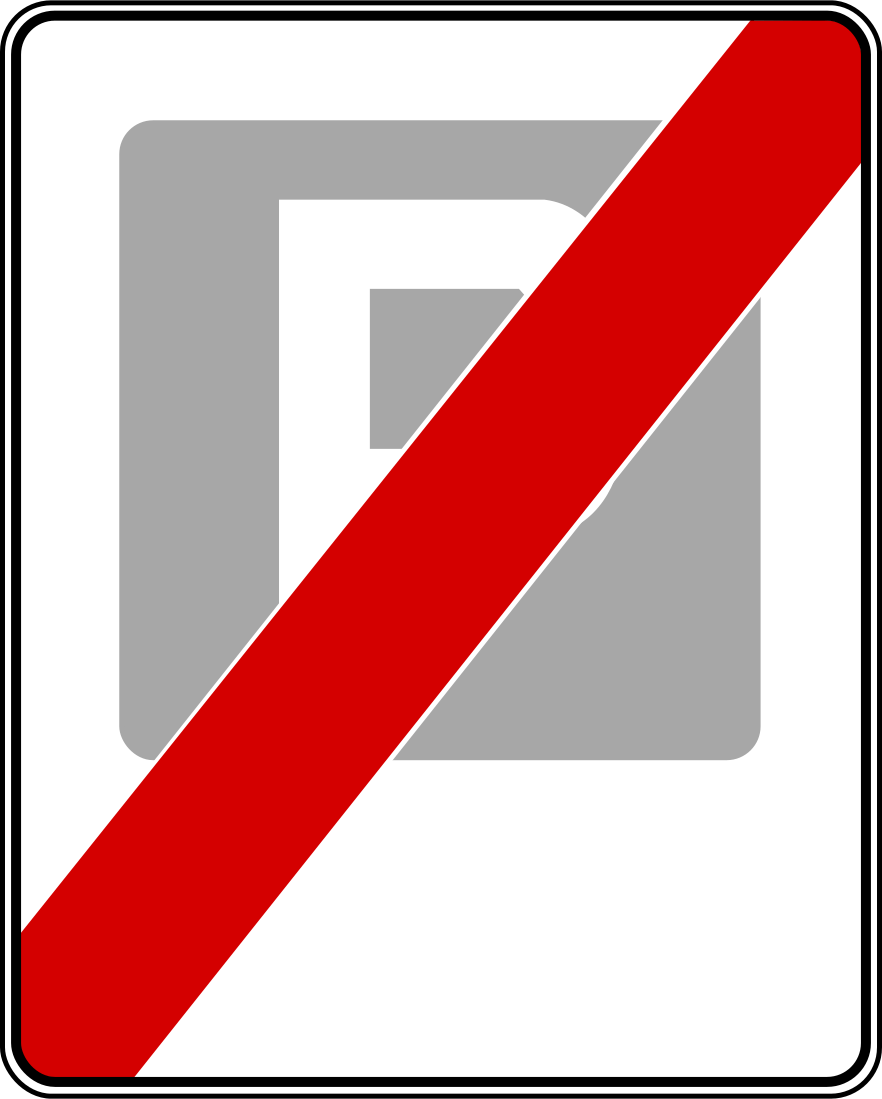
You are now leaving the paid parking zone with the D-45 sign.
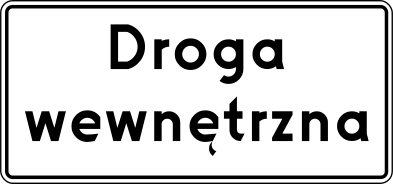
D-46 Internal Road Sign: Understanding Non-Public Road Rules
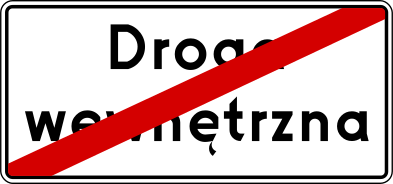
D-47 Sign: You're leaving a private road, so yield to public traffic!
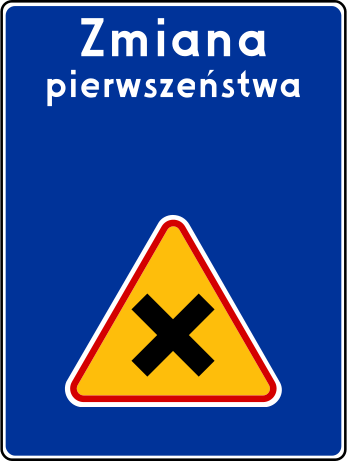
The D-48 'Change of Priority' sign means the intersection rules have been updated.
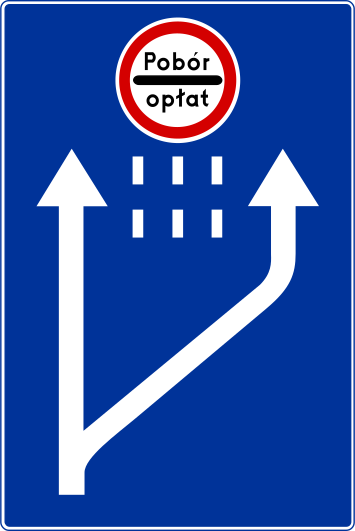
Understand the D-49 Sign: Approaching a Toll Collection Point
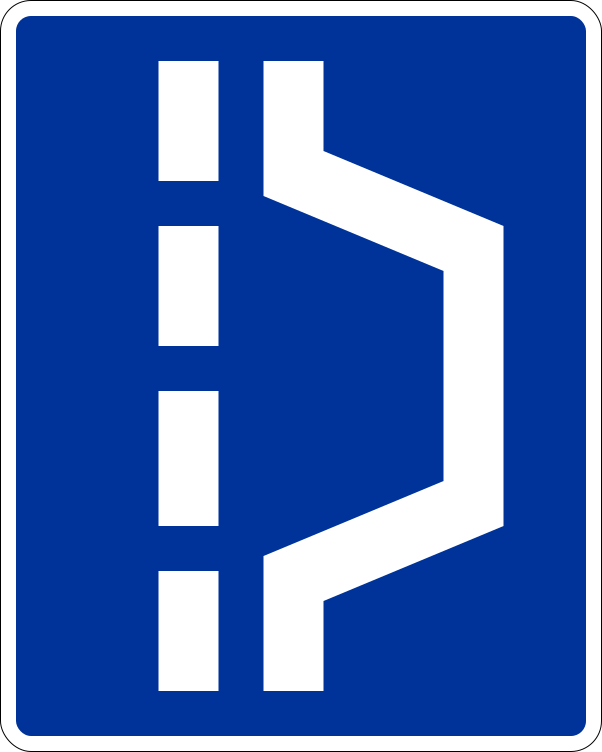
The D-50 sign indicates an Emergency Bay for breakdowns and urgent stops.
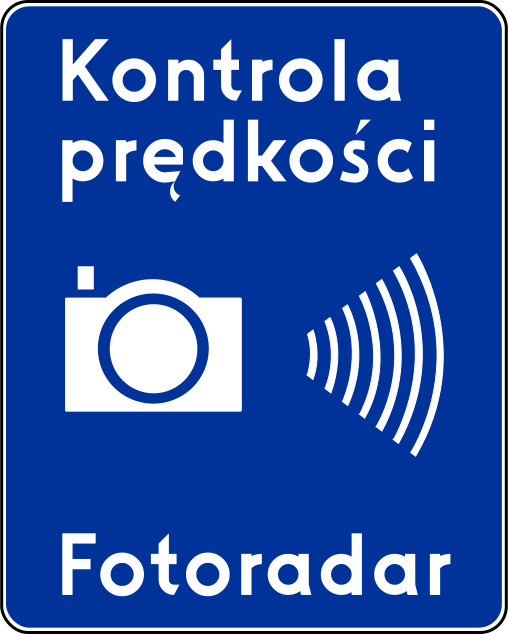
Beware of the D-51 Speed Camera Sign: Automated Speed Monitoring Ahead!
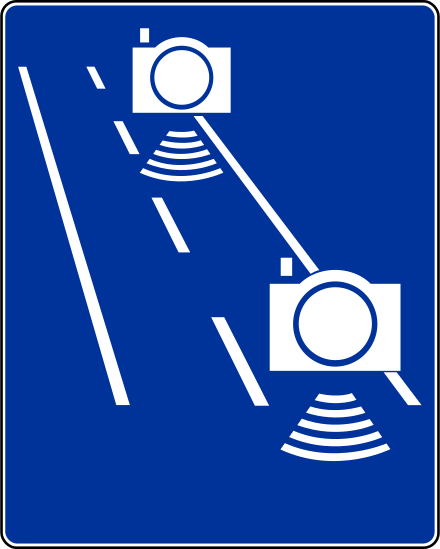
Prepare for Average Speed Checks with the D-51a 'Start' Sign
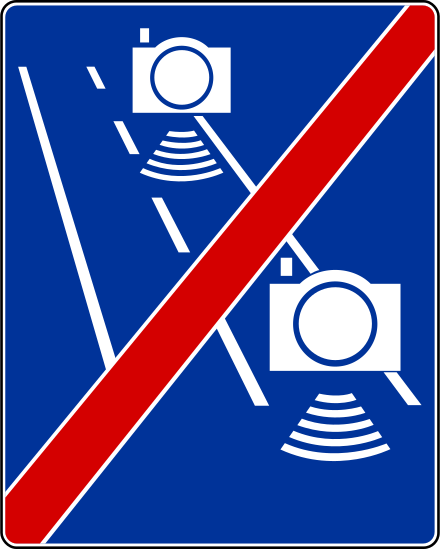
You've passed the average speed check zone: The D-51b sign signals the end of monitoring.
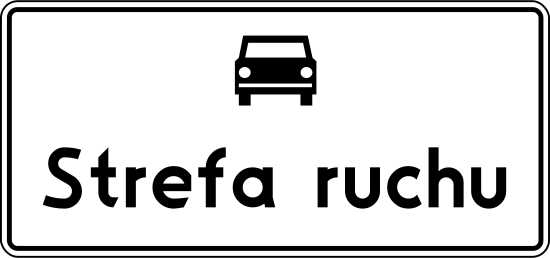
The D-52 Traffic Zone sign means public road rules apply even on private property.
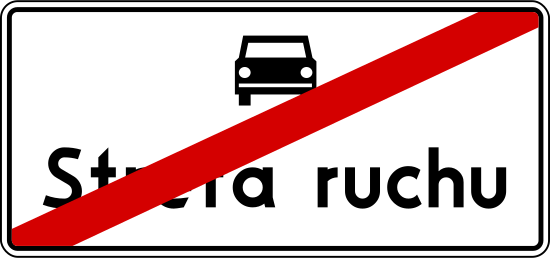
D-53: You are leaving an enforced traffic zone and rejoining public roads.
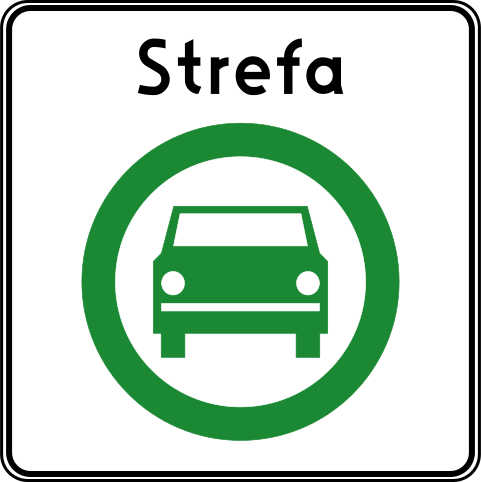
The D-54 sign indicates the entrance to a Clean Transport Zone, restricting entry based on vehicle emissions.
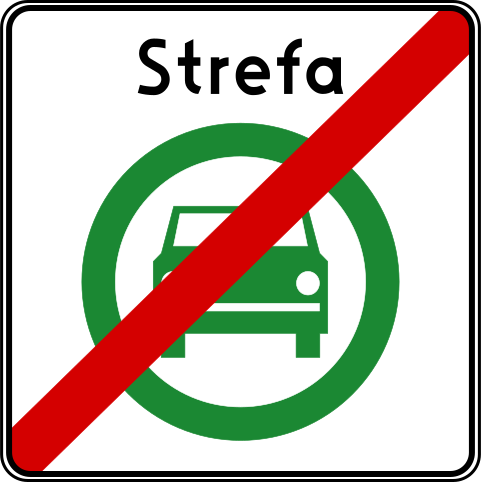
You're leaving the Clean Transport Zone: This is the D-55 'End of Zone' sign.
Clear answers to common questions about the Information Signs (D) road sign category. Use this FAQ to review tricky rules, understand how these signs appear in exam scenarios, and remove confusion that often leads to mistakes in the Polish driving theory exam in Poland.
Warning signs (Group A) alert you to potential hazards or changes in road conditions ahead, like curves or pedestrian crossings, and are typically triangular with a red border. Information signs (Group D), on the other hand, provide details about the road itself, traffic rules, or available services. They are usually rectangular or square with blue or white backgrounds and convey facts rather than immediate danger warnings.
The 'Priority Road' sign (D-1) means you have the right of way over vehicles entering the road from side roads or junctions. You must yield to traffic already on the priority road. When you see the 'End of Priority Road' sign (D-2), you lose this advantage, and you must then yield to traffic from the right and left as if it were a normal intersection, unless other signs indicate otherwise.
The general 'Parking' sign (D-18) indicates areas where parking is permitted, often with additional information on a supplementary plate specifying time limits, payment requirements, or restrictions. 'Reserved Parking' (D-18a) means the space is set aside for specific users, like disabled drivers. Always check for any supplementary signs that might restrict or modify parking rules.
Seeing the 'Built-up Area' sign (D-42) means you are entering an area with higher population density, more potential hazards (like pedestrians, cyclists, and junctions), and usually a default lower speed limit (often 50 km/h, unless otherwise indicated). You need to adjust your speed, be more vigilant, and anticipate more frequent interactions with other road users. The 'End of Built-up Area' sign (D-43) indicates you are leaving this zone.
While most information signs are advisory, some can imply mandatory actions or conditions. For example, signs indicating a 'Bus Lane' (D-12) or 'One-Way Road' (D-3) mean you must adhere to the direction or lane restrictions. Similarly, signs about 'Tolls' (D-39a, D-49) or 'Parking Zones' (D-44) indicate requirements you must follow.
After reviewing road sign categories, dive into individual traffic sign groups. Each group page offers detailed explanations and practice questions to reinforce learning. This will ensure comprehensive preparation for your Polish driving theory exam.
Polish Road Sign Categories