
Changing lanes is a fundamental driving maneuver, but it requires careful attention and strict adherence to specific rules to ensure safety for all road users. This page details the correct procedure for changing lanes in Poland, emphasizing thorough observation, proper signalling, checking blind spots, and understanding priority rules to prevent dangerous situations on the road.
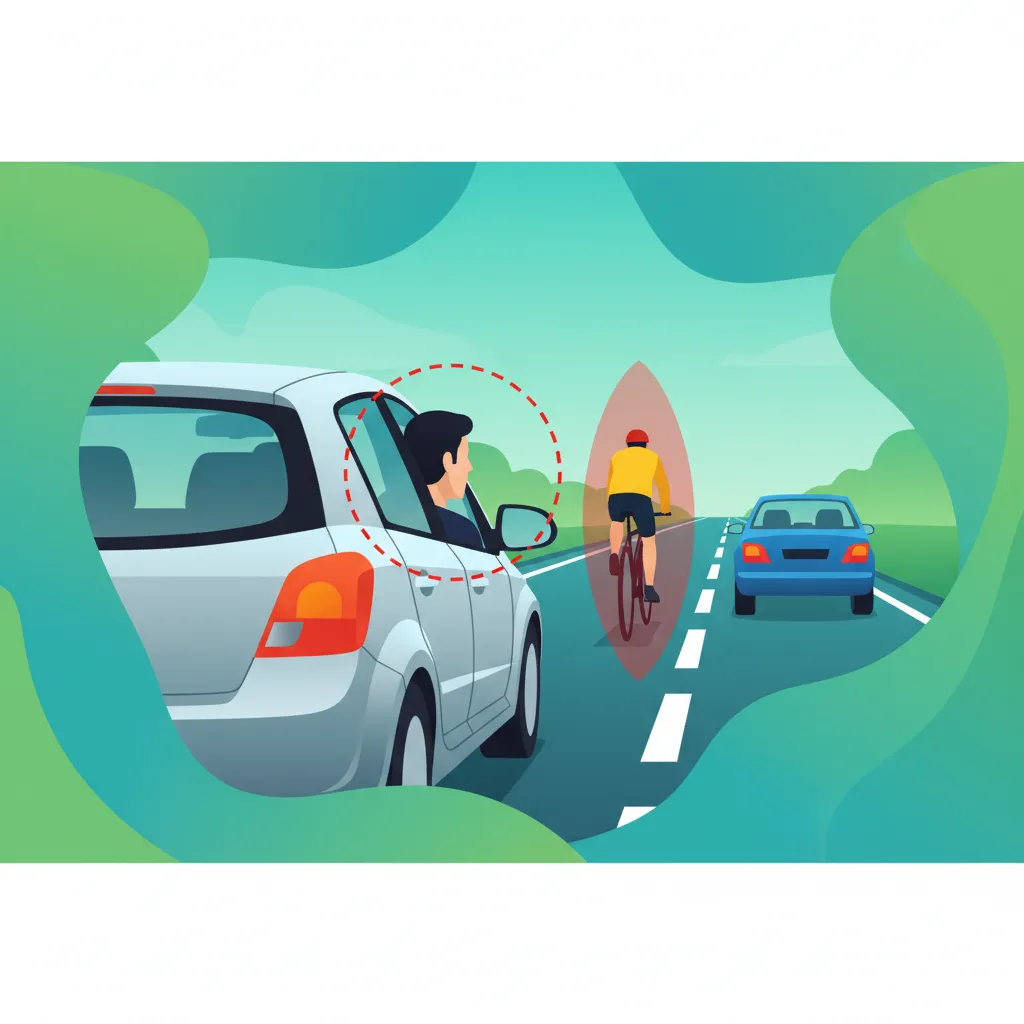
Theory topic content overview
Read the full theory topic guide for Lane Changing with structured, easy-to-scan content built for learners in Poland. This detailed section explains the exact rule, meaning, traffic context, comparison points, and exam logic behind this Polish driving theory topic so you can study faster, understand the concept more clearly, and avoid common interpretation mistakes on the theory test.
Lane changing, known in Polish traffic law as zmiana pasa ruchu, is the maneuver of moving your vehicle from one marked lane to another on the same roadway. It differs fundamentally from changing direction (zmiana kierunku jazdy), which involves turning into a different road or exiting the current one. A safe lane change requires precise observation, clear communication, and adherence to specific priority rules to avoid disrupting traffic or causing collisions.
In Poland, zmiana pasa ruchu is explicitly defined as a maneuver that requires szczególna ostrożność (special caution). This legal requirement underpins all aspects of the procedure, emphasizing that drivers must take extra care to ensure their actions do not endanger other road users or pedestrians.
Effective and safe lane changing is one of the most frequently performed maneuvers in daily driving, particularly in multi-lane urban environments like those found in Kraków, Warsaw, or Gdańsk, and on Polish motorways such as the A1 or A2. It is critical for several reasons:
Performing a safe lane change in Poland involves a systematic approach, often remembered as a sequence of observations and actions:
Lusterka): Begin by thoroughly checking your interior and side mirrors. This gives you an initial overview of the traffic behind and beside your vehicle, helping you assess speed and distance.Kierunkowskaz): Activate your turn signal (kierunkowskaz) zawczasu i wyraźnie (in good time and clearly) to communicate your intention to other road users. Signalling too late can surprise other drivers, while signalling too early can be misleading. Keep the signal on until the maneuver is completed.Martwy Kąt): This is a crucial, non-negotiable step. Briefly look over your shoulder in the direction you intend to move. Your mirrors cannot show vehicles in your blind spot (martwy kąt), especially motorcycles or smaller cars. This quick glance confirms the lane is clear.Zasady Pierwszeństwa): This is where Polish traffic law has a specific emphasis that must be understood:
ustąpić pierwszeństwa) to any vehicle already travelling in the lane you intend to enter.jazda na suwak (zipper merge) rule, which applies in specific situations, typically at congestion points or road narrowing, where drivers are required to let vehicles merge alternately. Outside of jazda na suwak scenarios, the general priority rules for lane changes apply strictly.Several factors influence the safety and execution of a lane change:
While both involve vehicle movement, it's vital to distinguish between zmiana pasa ruchu (lane changing) and zmiana kierunku jazdy (changing direction):
Zmiana Pasa Ruchu): You remain on the same road (jezgnia) but shift your lateral position into an adjacent lane. The Polish rule regarding yielding to a vehicle entering from the right applies specifically to lane changes.Zmiana Kierunku Jazdy): This means turning onto a different road, entering a property, or performing a U-turn. The rules for approaching intersections (e.g., positioning your vehicle close to the right edge for a right turn, or the center for a left turn on a two-way street) and general intersection priority rules (e.g., right-hand priority at unmarked intersections) take precedence.Confusing these two maneuvers can lead to incorrect actions and dangerous situations, especially at junctions or complex multi-lane interchanges common in Poland.
Consider these common situations when changing lanes on Polish roads:
Understanding these pitfalls can help you avoid them in both your exam and on the road:
Ustąpienie Pierwszeństwa): Especially the rule to yield to vehicles entering the target lane from your right. This is a common trap in the Polish theory exam.The emphasis on szczególna ostrożność (special caution) is a core tenet of Polish traffic law that applies to all maneuvers, especially lane changing. The Polish driving theory exam will test your understanding of:
kierunkowskaz (turn signals) and martwy kąt (blind spot).jazda na suwak (zipper merge) applies as an exception to standard priority rules.zmiana pasa ruchu and zmiana kierunku jazdy.Questions will often present scenarios requiring you to identify the correct action or the vehicle that has priority.
To master safe lane changes in Poland, always remember to:
ustąpienie pierwszeństwa when required, especially to vehicles in the target lane and those entering it from your right.By consistently applying these principles, you will perform zmiana pasa ruchu safely and confidently, contributing to smoother traffic flow and significantly reducing collision risk on Polish roads.
Safe lane changing in Poland requires the mirror-signal-blind spot check sequence with particular emphasis on yielding priority to vehicles already in the target lane and those entering from the right. The maneuver demands szczególna ostrożność (special caution) under Polish traffic law. Key distinctions include understanding when zipper merge applies versus standard priority rules, and knowing the difference between lane changing (zmiana pasa ruchu) and changing direction (zmiana kierunku jazdy). Real-world scenarios on Polish roads—motorways like A4, urban arterials like Aleje Jerozolimskie, and two-lane national roads—illustrate these principles. Common mistakes to avoid include skipping blind spot checks, late signalling, and misunderstanding the dual priority requirement.
A short set of high-value points that capture the most important ideas from this theory explanation.
Always follow the mirror-signal-blind spot check sequence before changing lanes, with special caution required under Polish law.
You must yield priority to vehicles already in your target lane AND to any vehicle entering that lane from your right side.
Lane changing differs from changing direction—lane change keeps you on the same road, while changing direction involves turning onto a different road or exiting.
The zipper merge rule (jazda na suwak) is an exception to standard priority rules, applying only in specific congestion or road narrowing situations.
Perform a physical blind spot check over your shoulder; mirrors alone cannot detect vehicles in your blind spot, especially motorcycles.
Zmiana pasa ruchu = lane changing on same road; Zmiana kierunku jazdy = changing direction to a different road or exit.
The blind spot check (martwy kąt) is a non-negotiable step—mirrors have blind spots that can hide smaller vehicles.
In Poland, you yield to vehicles entering your target lane from your right—this is a common exam trap.
Signal early and clearly (zawczasu i wyraźnie), keep it on during the maneuver, and cancel only after you are fully in the new lane.
Solid white lines prohibit lane changes; broken white lines allow them when safe to do so.
Relying only on mirrors and skipping the shoulder check to verify the blind spot is clear.
Signalling too late (or not at all), which deprives other drivers of time to react.
Failing to yield to a vehicle that is entering the target lane from your right—this violates Polish priority rules.
Attempting to squeeze into gaps that are too small, forcing other drivers to brake or swerve suddenly.
Confusing lane changing with changing direction, leading to incorrect actions at junctions or interchanges.
Start with a short, direct summary of Lane Changing before reading the full explanation below.
To change lanes safely in Poland, always begin by checking your mirrors and signalling your intention well in advance. Crucially, perform a blind spot check by looking over your shoulder to confirm the lane is clear. You must yield priority to vehicles already in the target lane and to any vehicle entering that lane from your right. Execute the maneuver smoothly only when there is sufficient space to do so without disrupting other traffic.
Review the most important terms, rule signals, and traffic concepts linked to Lane Changing.
Explore related theory topic pages connected to Lane Changing and continue with the next useful rule explanation.
See the common search queries learners use when trying to understand Lane Changing in Poland.

Continue your preparation by exploring specific Polish driving theory topics in detail. Review each section to reinforce your understanding of traffic rules, road signs, and safe driving practices. Our comprehensive explanations are structured to support your learning journey and help you confidently approach the official driving licence theory exam.
Polish Driving Theory TopicsTheory topic content overview
A short set of high-value points that capture the most important ideas from this theory explanation.
Always follow the mirror-signal-blind spot check sequence before changing lanes, with special caution required under Polish law.
You must yield priority to vehicles already in your target lane AND to any vehicle entering that lane from your right side.
Lane changing differs from changing direction—lane change keeps you on the same road, while changing direction involves turning onto a different road or exiting.
The zipper merge rule (jazda na suwak) is an exception to standard priority rules, applying only in specific congestion or road narrowing situations.
Perform a physical blind spot check over your shoulder; mirrors alone cannot detect vehicles in your blind spot, especially motorcycles.
Zmiana pasa ruchu = lane changing on same road; Zmiana kierunku jazdy = changing direction to a different road or exit.
The blind spot check (martwy kąt) is a non-negotiable step—mirrors have blind spots that can hide smaller vehicles.
In Poland, you yield to vehicles entering your target lane from your right—this is a common exam trap.
Signal early and clearly (zawczasu i wyraźnie), keep it on during the maneuver, and cancel only after you are fully in the new lane.
Solid white lines prohibit lane changes; broken white lines allow them when safe to do so.
Relying only on mirrors and skipping the shoulder check to verify the blind spot is clear.
Signalling too late (or not at all), which deprives other drivers of time to react.
Failing to yield to a vehicle that is entering the target lane from your right—this violates Polish priority rules.
Attempting to squeeze into gaps that are too small, forcing other drivers to brake or swerve suddenly.
Confusing lane changing with changing direction, leading to incorrect actions at junctions or interchanges.
Start with a short, direct summary of Lane Changing before reading the full explanation below.
To change lanes safely in Poland, always begin by checking your mirrors and signalling your intention well in advance. Crucially, perform a blind spot check by looking over your shoulder to confirm the lane is clear. You must yield priority to vehicles already in the target lane and to any vehicle entering that lane from your right. Execute the maneuver smoothly only when there is sufficient space to do so without disrupting other traffic.
Review the most important terms, rule signals, and traffic concepts linked to Lane Changing.
Explore related theory topic pages connected to Lane Changing and continue with the next useful rule explanation.
See the common search queries learners use when trying to understand Lane Changing in Poland.
Continue your preparation by exploring specific Polish driving theory topics in detail. Review each section to reinforce your understanding of traffic rules, road signs, and safe driving practices. Our comprehensive explanations are structured to support your learning journey and help you confidently approach the official driving licence theory exam.
Polish Driving Theory TopicsUse this exam-focused revision tip to understand how Lane Changing is likely to appear in theory questions for learners in Poland. This section helps you identify the most testable part of the rule, avoid common traps, and remember the concept more effectively during Polish driving theory exam preparation.
In the Polish driving theory exam, pay close attention to questions about priority during lane changes. Remember the rule to yield to vehicles already in the target lane and crucially, to any vehicle entering that lane from your right. Also, never forget the importance of the blind spot check, as it's a frequent trap for new drivers.
Read direct answers to the most common learner questions about Lane Changing in Poland. This FAQ focuses on rule confusion, practical meaning, comparison with similar concepts, and the exact uncertainties that appear most often in Polish driving theory revision and exam preparation.
Before changing lanes, you must always observe your surroundings using your mirrors and then signal your intention well in advance using your turn indicators to alert other drivers.
Yes, checking your blind spot by briefly looking over your shoulder is critical. Mirrors do not cover all areas around your vehicle, and failing to check the blind spot is a common cause of collisions during lane changes.
When changing lanes, you must yield priority to any vehicle already travelling in the lane you intend to enter, as well as to any vehicle entering that same lane from your right side, as per Polish traffic regulations.
"Zmiana pasa ruchu" is the official Polish term for changing a traffic lane. It refers to moving your vehicle from one marked lane to another on the same carriageway while driving.
You should activate your turn signal clearly and early enough to give other road users sufficient time to understand your intention and react accordingly, before you begin to steer into the new lane.
No, lane changes should always be smooth and gradual. Abrupt movements can surprise other drivers, cause them to react suddenly, and increase the risk of losing control of your vehicle or causing an accident.
Common mistakes in the Polish driving test include failing to signal properly or early enough, not checking the blind spot, failing to yield priority to vehicles already in the target lane or those approaching from the right, and executing the maneuver too quickly or without sufficient space.
Build custom practice sessions tailored precisely to your needs. Focus on areas requiring improvement, review specific Polish road signs, or master complex traffic rules to ensure full preparation for your official driving license exam.