
Many road signs rely on small supplementary plates to provide crucial context, and understanding these is key to passing your theory exam. These plates, often placed directly below a main sign, can specify distances, durations, affected vehicle types, or specific conditions. Mastering them ensures you interpret signs correctly in real traffic, leading to safer driving and exam success.
An explanation of how Supplementary Plates (T) road signs apply in real traffic situations in Poland. Learn where these signs are typically placed, what drivers are expected to do when they appear, and how correct reactions help you stay safe, avoid fines, and succeed in your Polish driving theory exam.
Supplementary plates are ubiquitous in traffic and appear alongside primary signs in a vast range of situations. You'll see distance plates (T-1, T-1a, T-1b) indicating how far away a hazard or information begins or ends, such as a speed limit zone starting in 200 meters or a slippery road section extending for 2 kilometers (T-2). Plates specifying vehicle types (T-23a, T-23b, T-23h) are common at entrances to restricted roads, bridges, or tunnels, informing you if your vehicle is permitted. Parking and stopping restrictions (T-25a, T-25b, T-25c) are frequently modified by supplementary plates showing specific times or days, or indicating the length of the restriction. You'll also encounter plates clarifying complex intersections (T-6a, T-6b, T-6d), warning of specific hazards like dangerous curves (T-4) or railway crossings (T-7, T-10), or detailing unusual road conditions like longitudinal steps (T-12) or slippery surfaces (T-15). Fire engine or ambulance exits (T-16, T-16a) might appear near busy junctions or facilities, requiring drivers to be aware of potential emergency vehicle movements. Understanding these plates is vital for compliance and safety, as they precisely define the scope and application of the primary sign.
An overview of the key learning outcomes when studying the Supplementary Plates (T) road sign category. Understand the main concepts, sign meanings, and traffic situations covered here so you can recognise patterns, answer theory questions more confidently, and build a solid foundation for safe driving in Poland.
Supplementary plates are essential for understanding Polish road signs, providing crucial context that modifies primary sign meanings, such as distance, duration, or vehicle types. Mastering these plates is vital for accurate sign recognition and applying traffic rules correctly during your driving theory test, ensuring precise interpretation of road conditions.
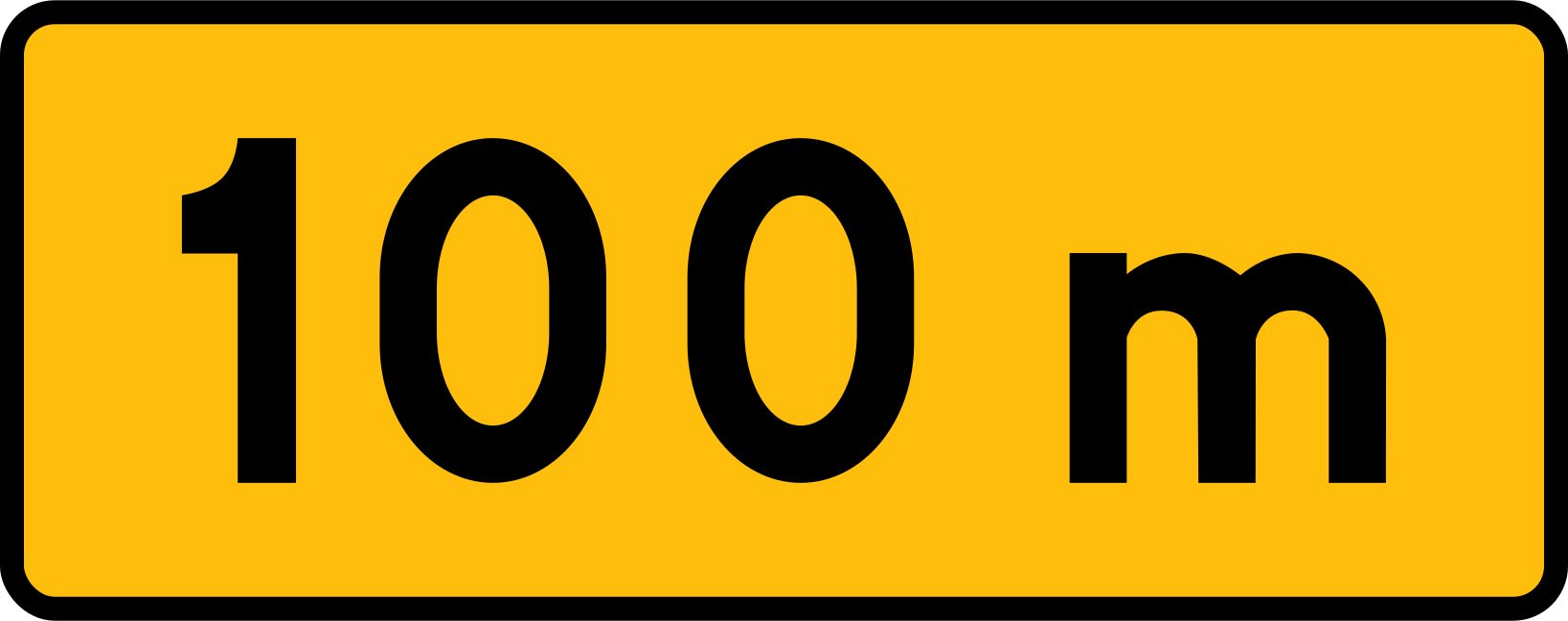
Understand the T-1 'Distance to Hazard' Plate for Safe Driving
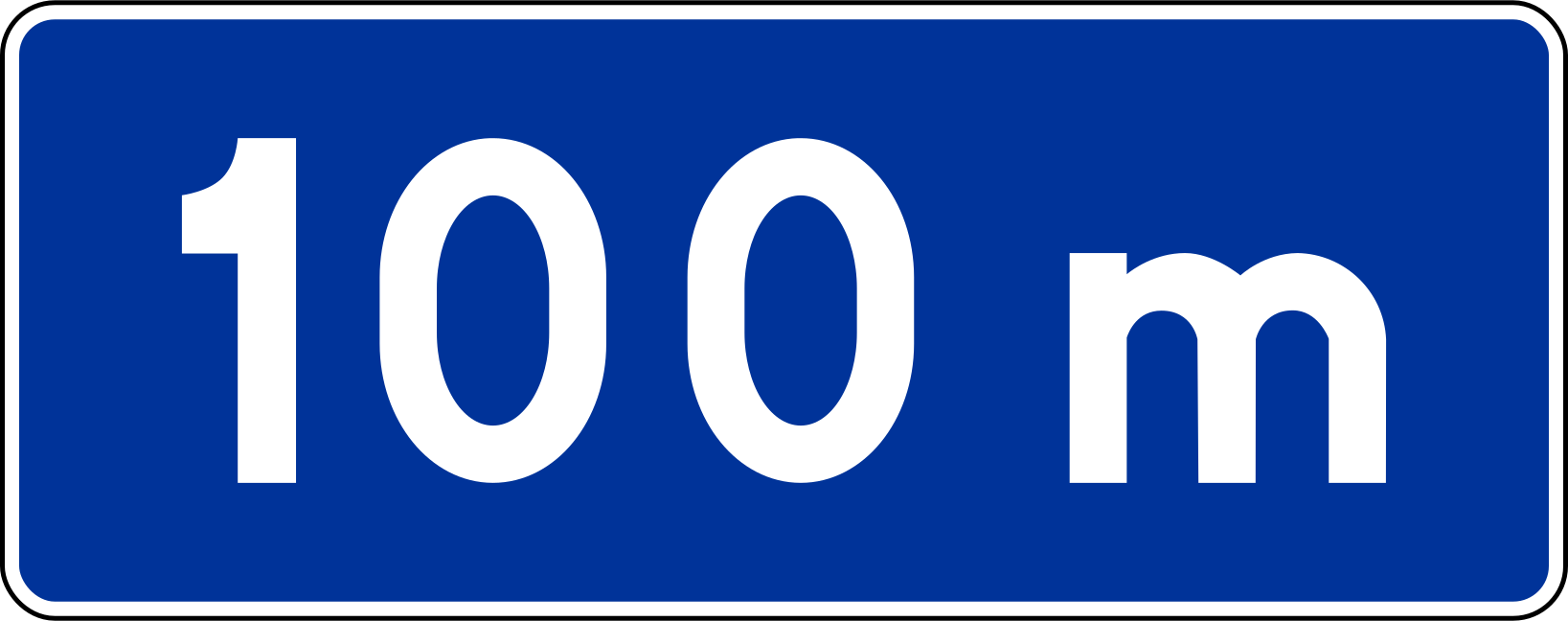
Prepare for upcoming changes with the T-1a distance countdown sign.
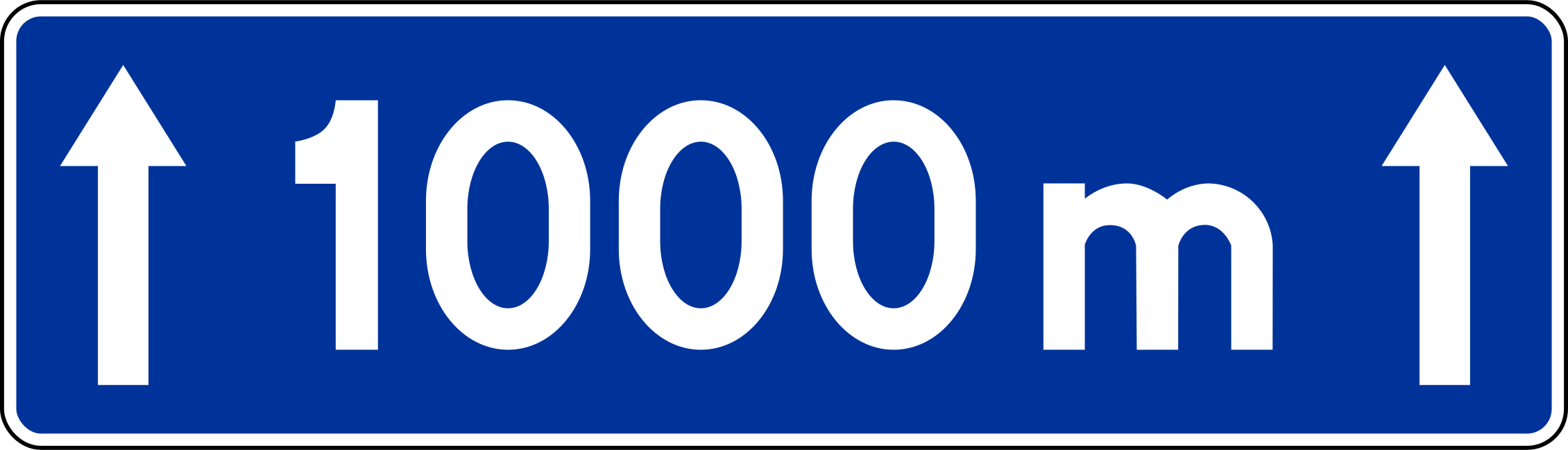
The T-1b sign tells you how long the tunnel is or how far the exit is.
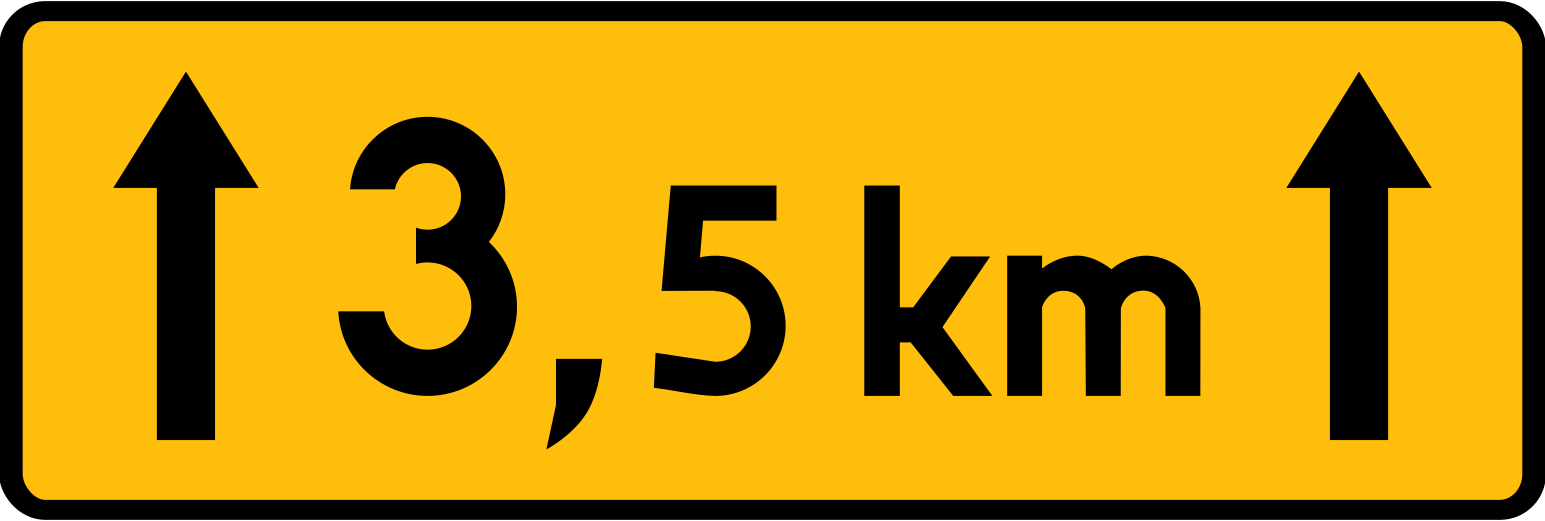
The T-2 sign warns you about a hazardous section of road lasting for a specific distance.
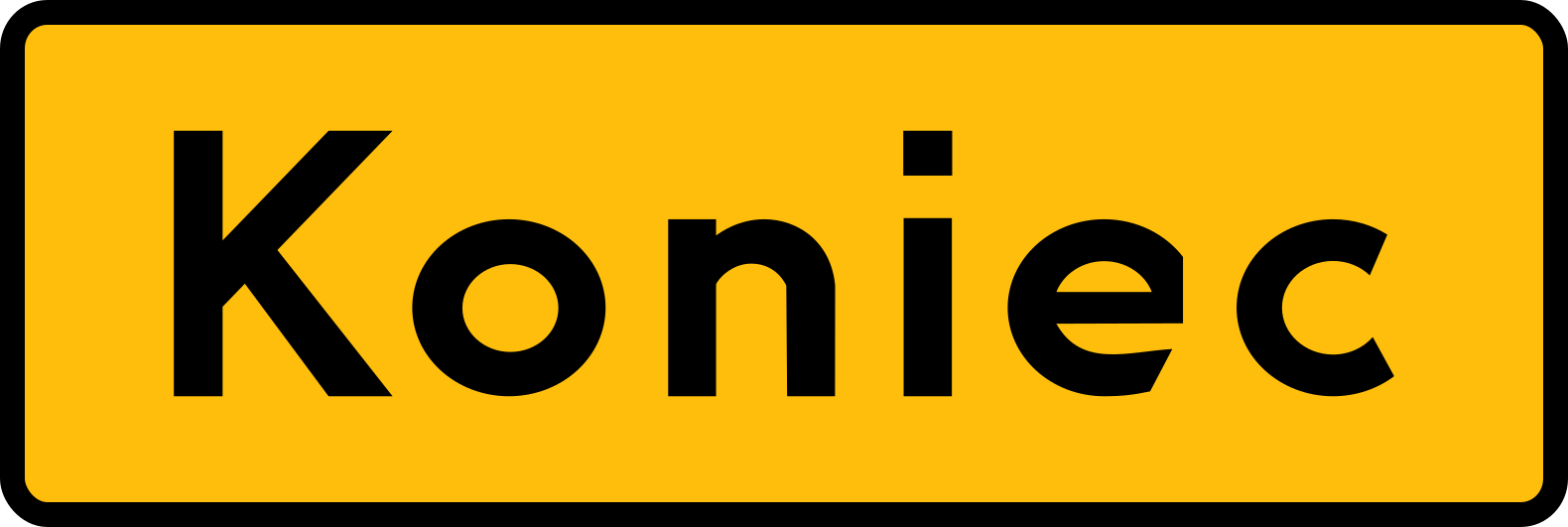
The T-3 sign signals the end of a previously warned hazardous section of road.

The T-3a sign marks the end of a permitted parking zone.

T-4 Road Sign: How Many Dangerous Curves Are Ahead?
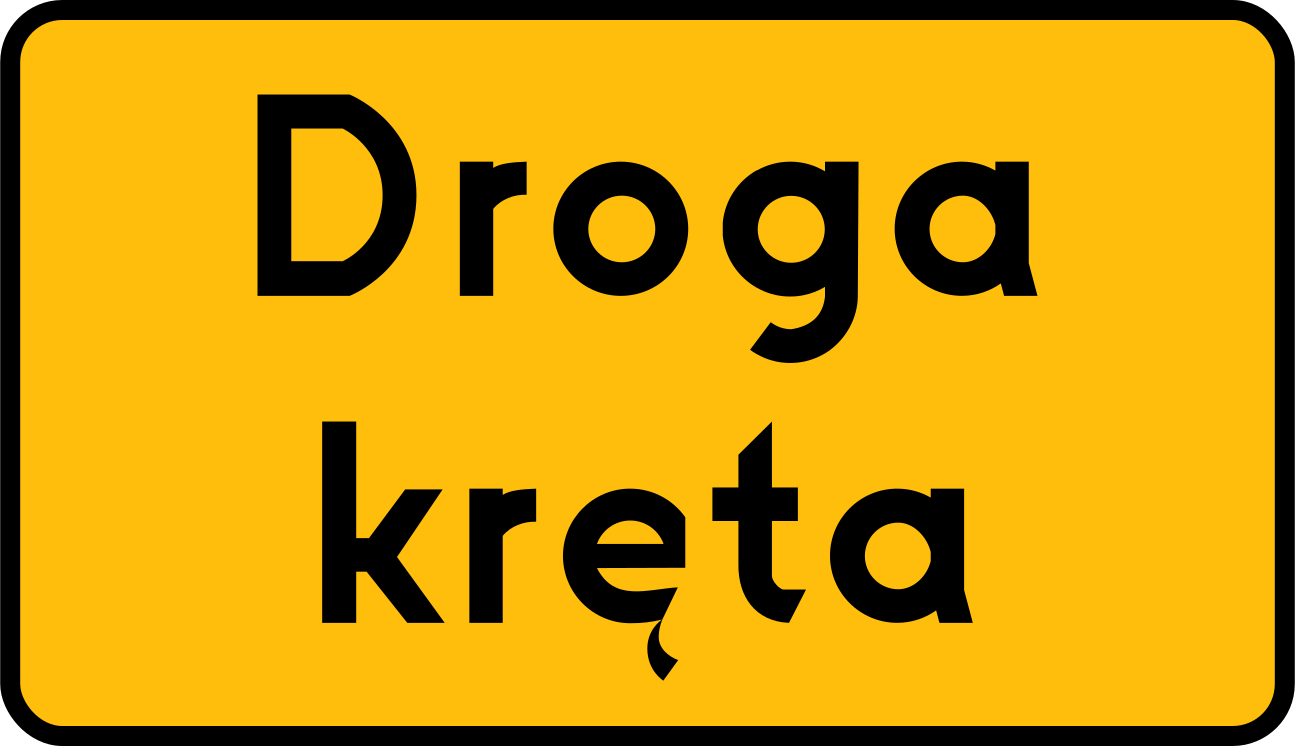
Prepare for twists ahead with the T-5 Start of Winding Road sign!
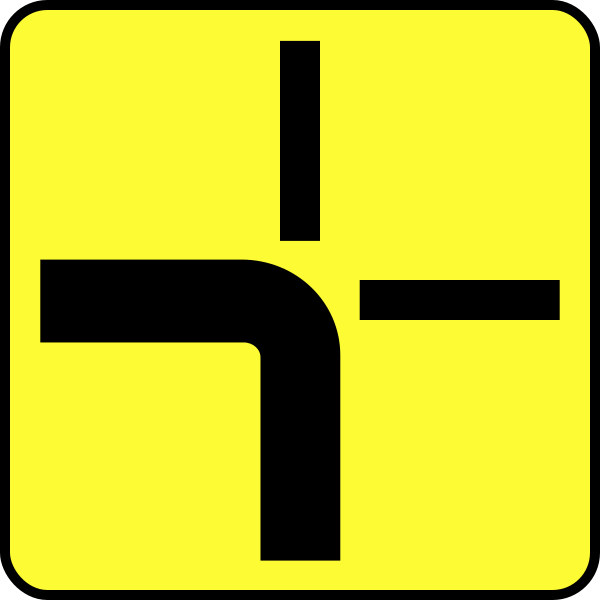
What the T-6a Priority Path Sign Means and How to Use It
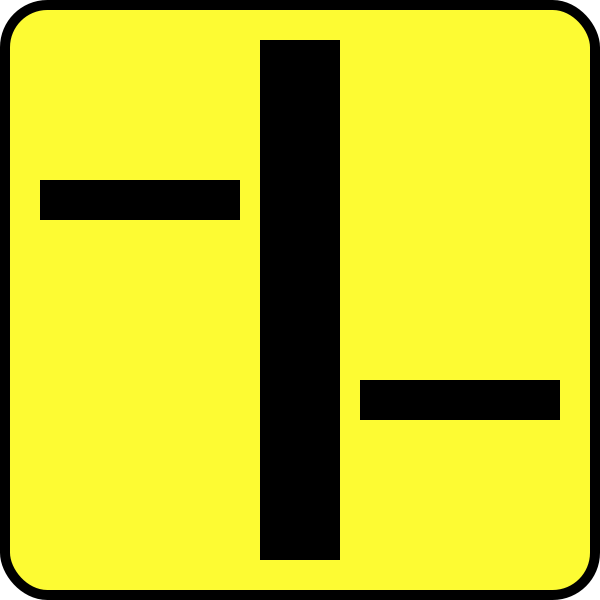
Master the T-6b sign and safely navigate asymmetrical road junctions.

Understand the T-6c Actual Priority Path Diagram: Know Where Priority Traffic Comes From
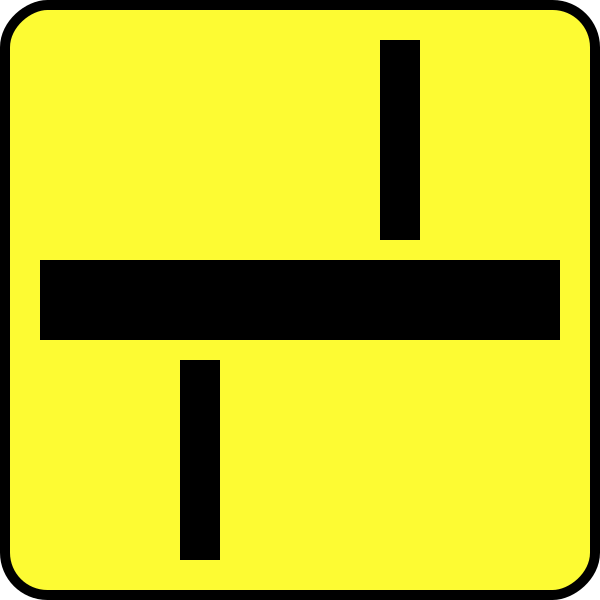
Master the T-6d Sign for Complex Yielding and Staggered Intersections
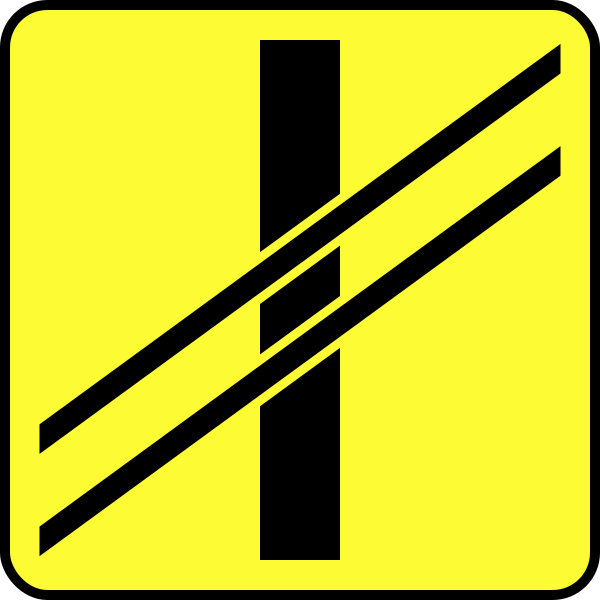
The T-7 Sign Warns of Angled Railway or Tram Tracks Ahead
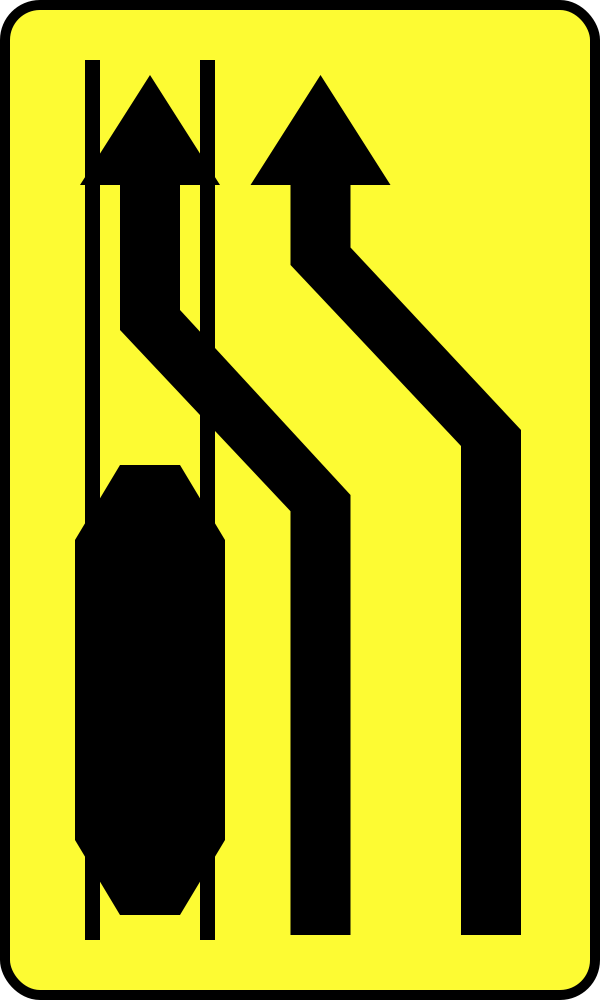
Prepare to share your lane with tram tracks: Understand the T-8 sign!
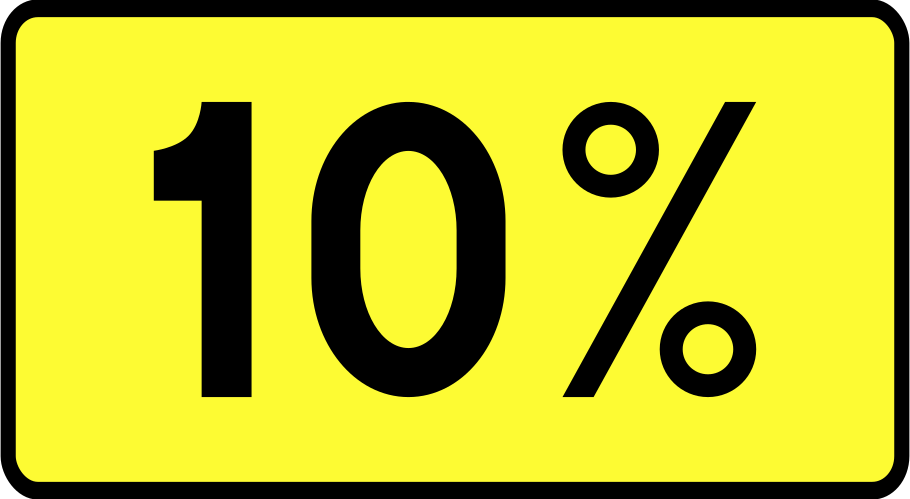
This T-9 sign warns you about the steepness of the road ahead.
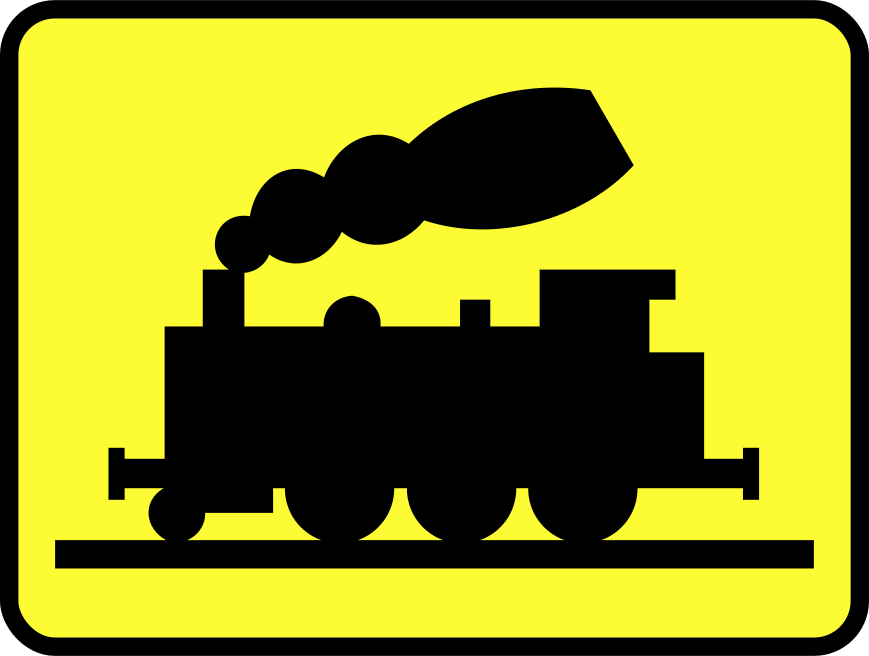
Beware of the T-10 sign: Industrial Railway Siding Ahead
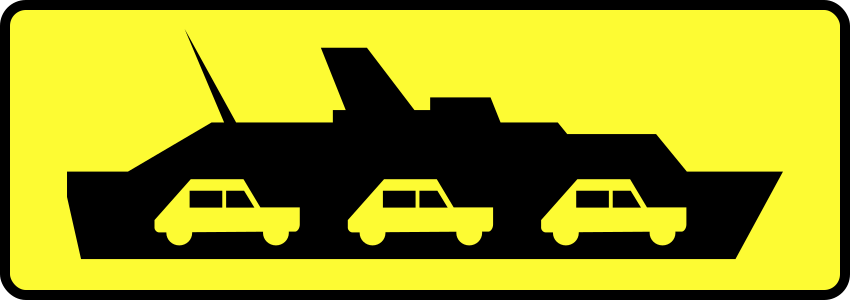
Prepare for a Ferry Crossing with the T-11 Warning Sign
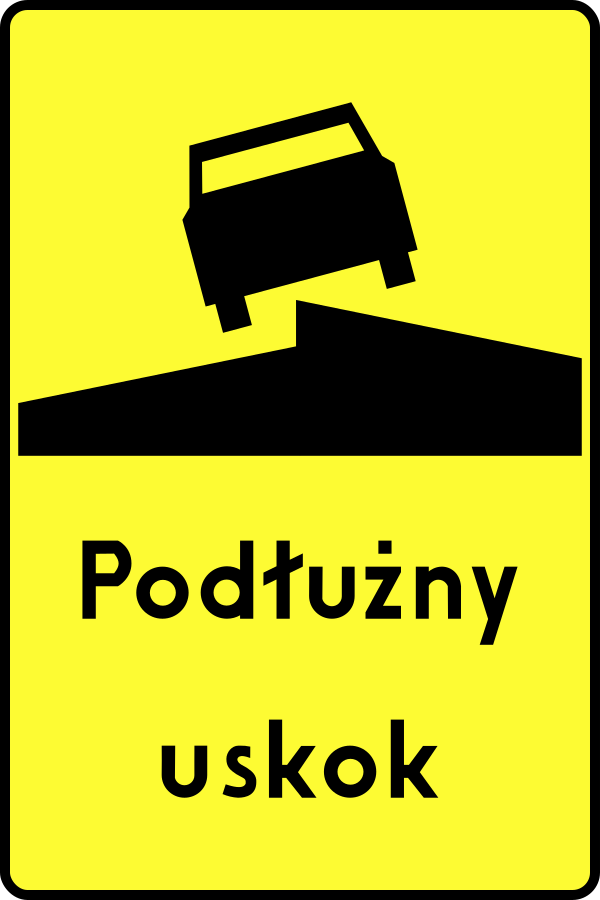
Watch out for the T-12 sign warning of a longitudinal step in the road surface!
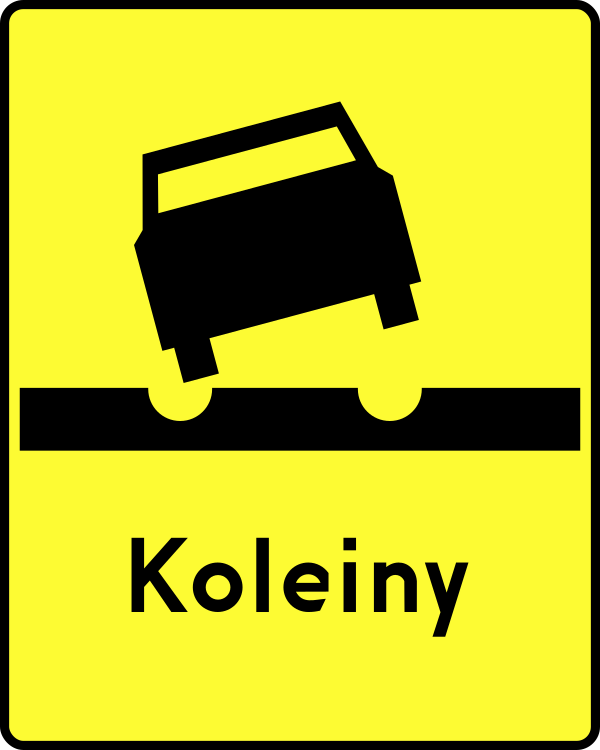
Warning: Deep Road Surface Ruts Ahead (T-13)
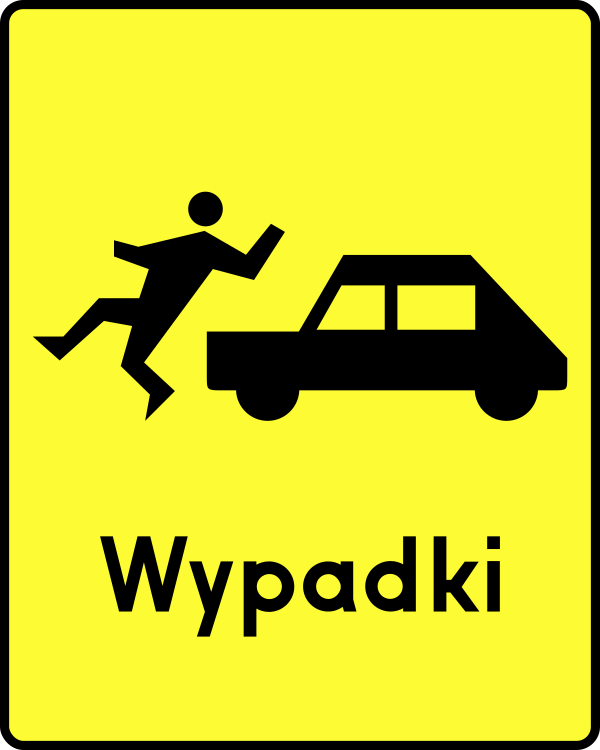
T-14: Beware of Frequent Pedestrian Accidents Ahead!
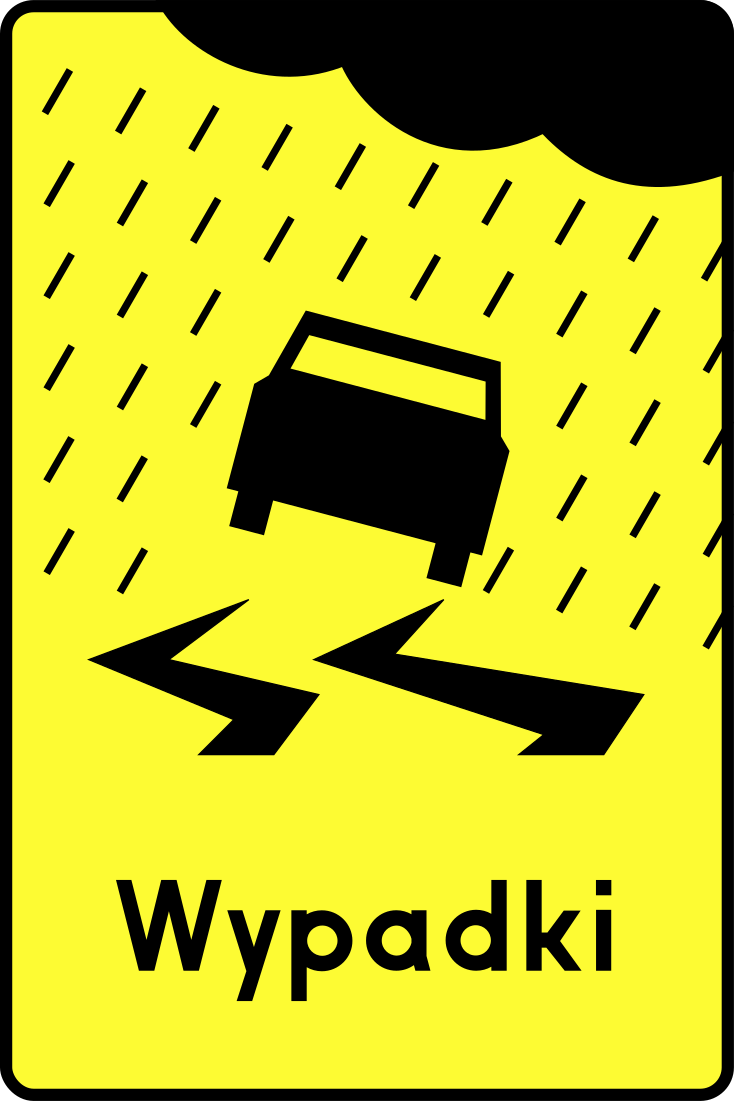
Beware: This Road Can Become Extremely Slippery When Wet!
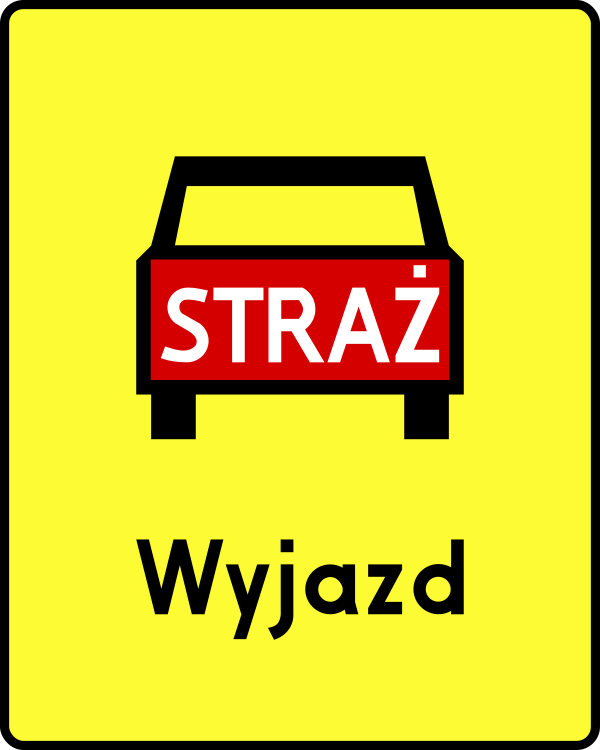
Prepare for sudden fire truck departures with the T-16 Fire Engine Exit sign.
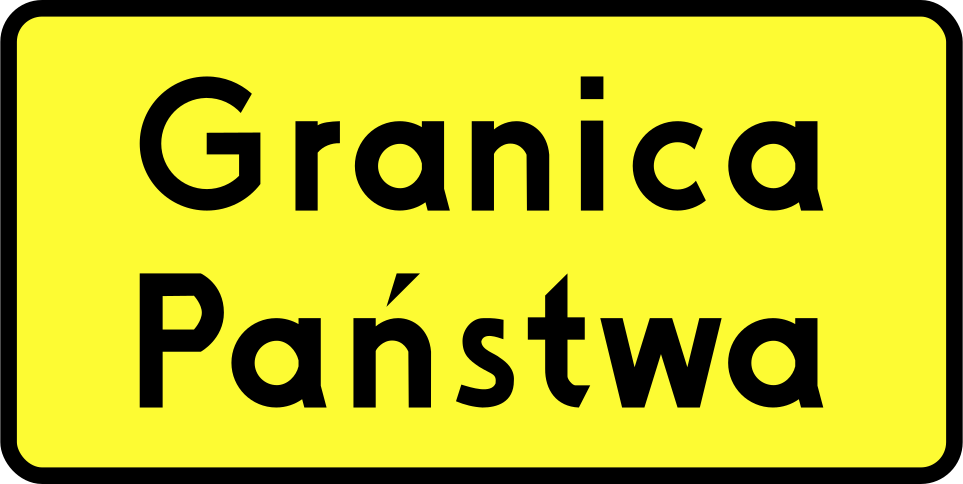
The T-17 State Border sign warns you that you are approaching an international boundary.
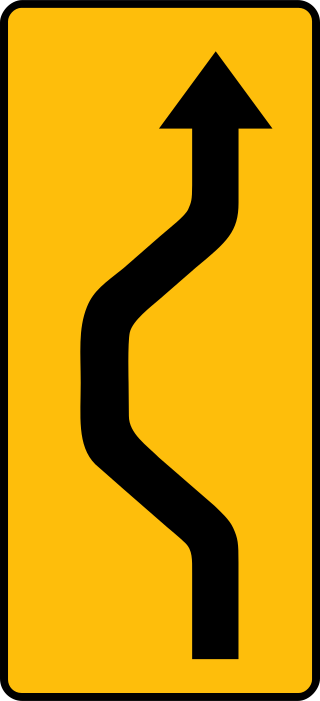
Navigate the Unexpected: Understanding the T-18 S-Curve Road Sign
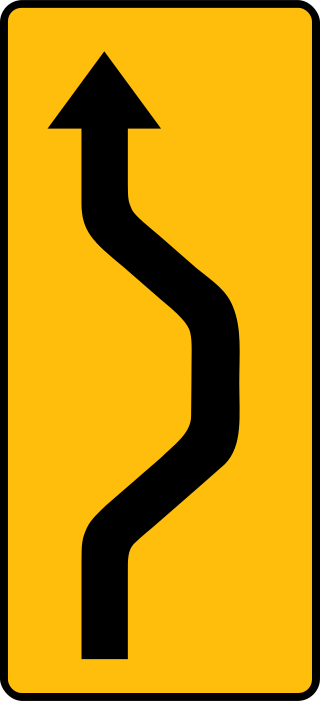
Navigate Sharp Turns Safely with the T-18a Unexpected Change of Direction Sign
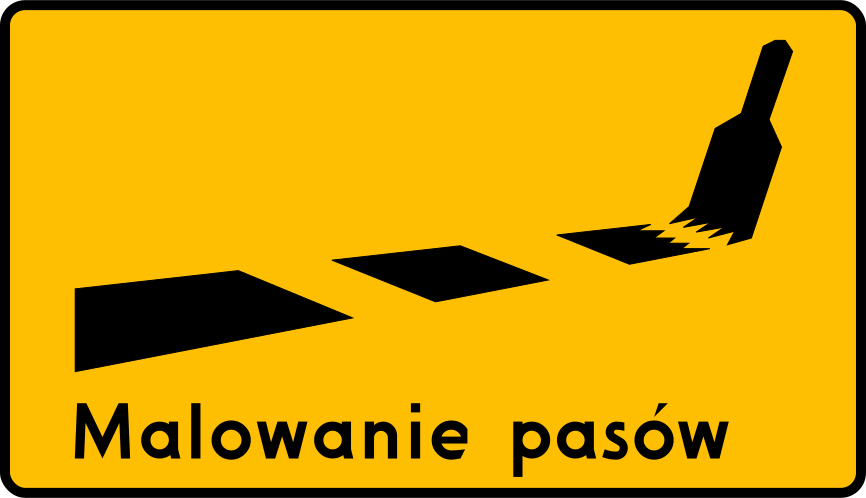
Beware of Fresh Road Markings with the T-19 Sign!
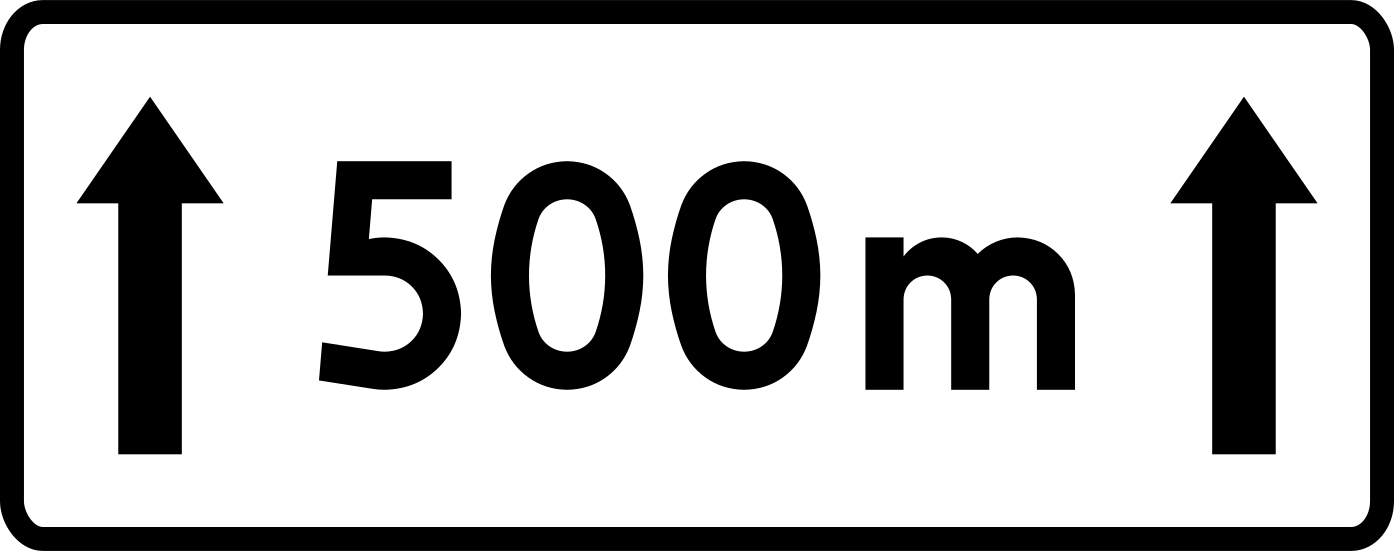
The T-20 sign indicates how far a prohibition, like a speed limit, will last.

Prepare for upcoming prohibitions with the T-21 distance warning sign.
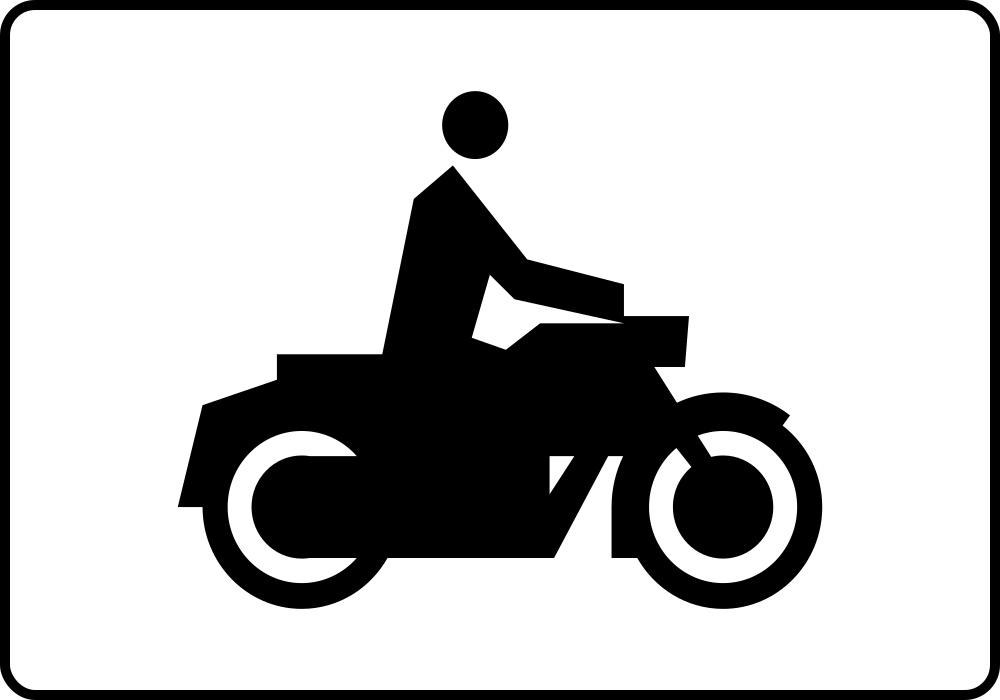
The T-23a sign means a rule or parking space is exclusively for motorcycles.
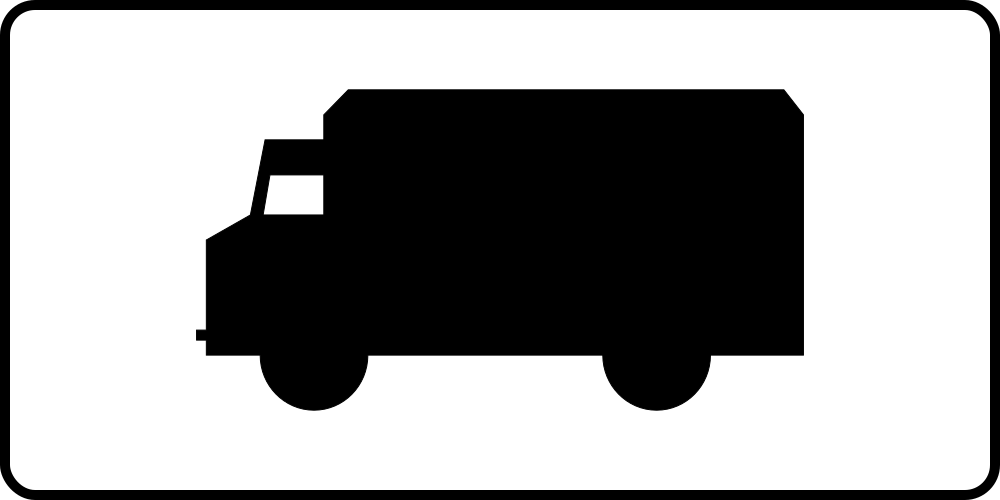
Understand the T-23b sign: Truck and Heavy Vehicle Restrictions
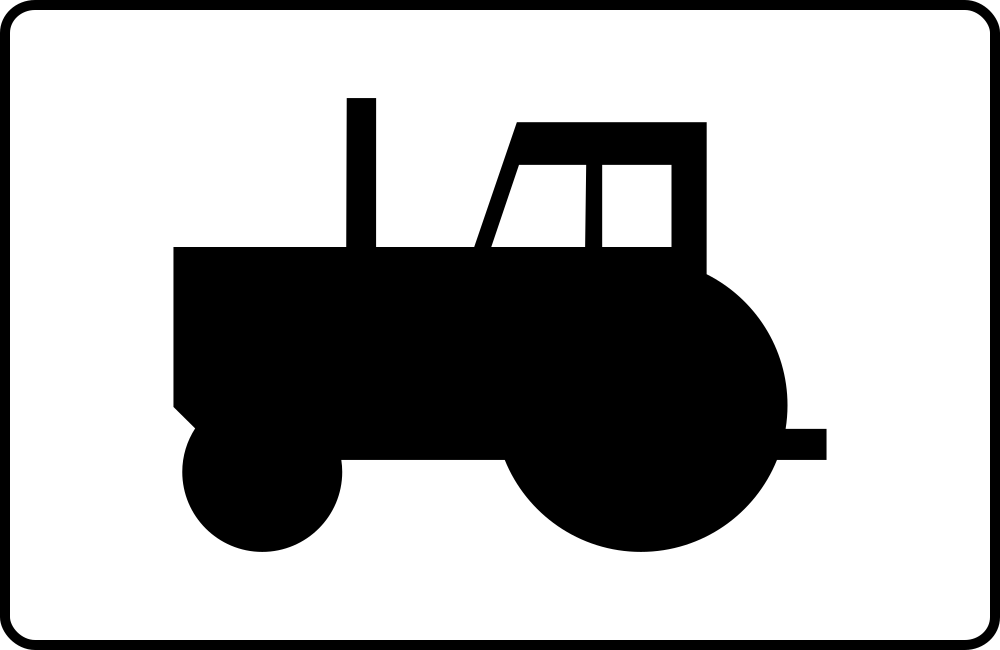
Understand the T-23c sign for Agricultural Tractors and slow-moving vehicles.
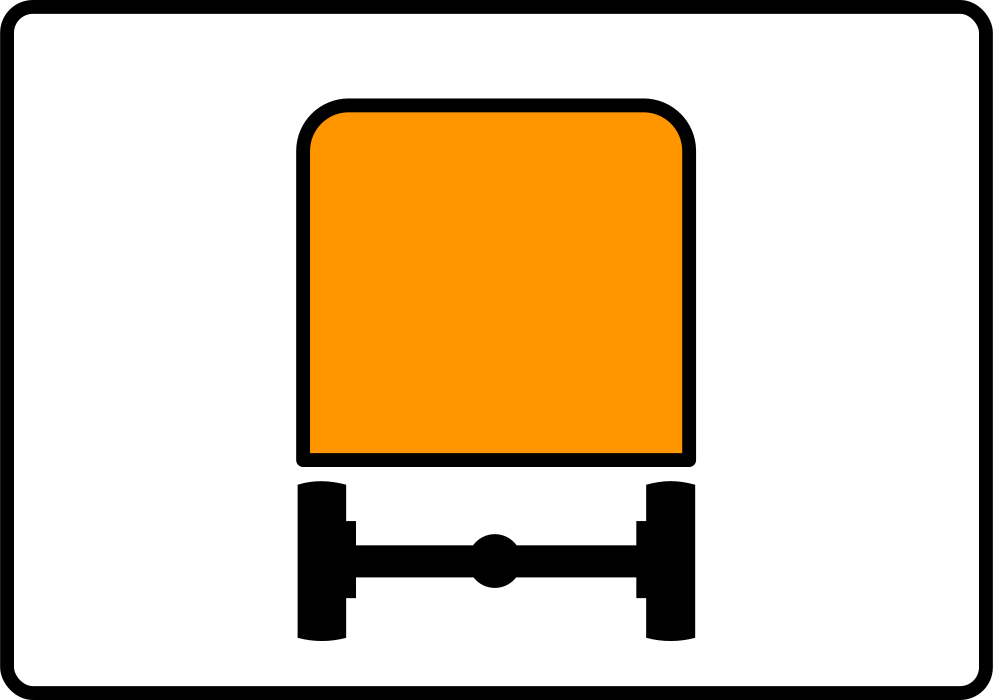
T-23h Sign: Warning Drivers of Vehicles Carrying Dangerous Goods (ADR)
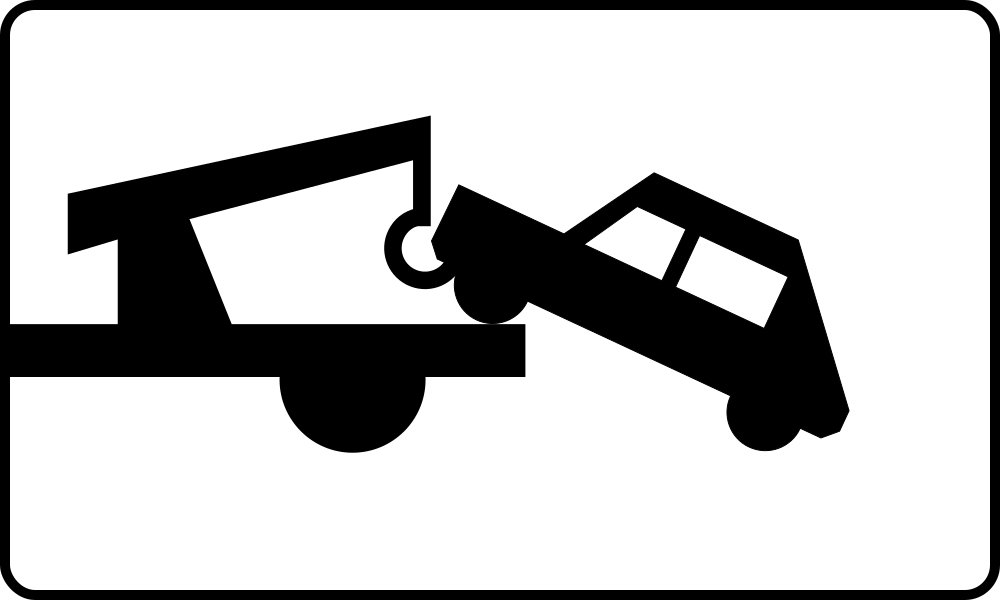
T-24: Warning – Your Vehicle Will Be Towed If Illegally Parked!

The T-25a Sign Marks the Exact Start of a Parking and Stopping Ban

The T-25b sign means the parking ban you encountered earlier is still in effect.

Understand the T-25c sign: When the Parking or Stopping Ban Ends
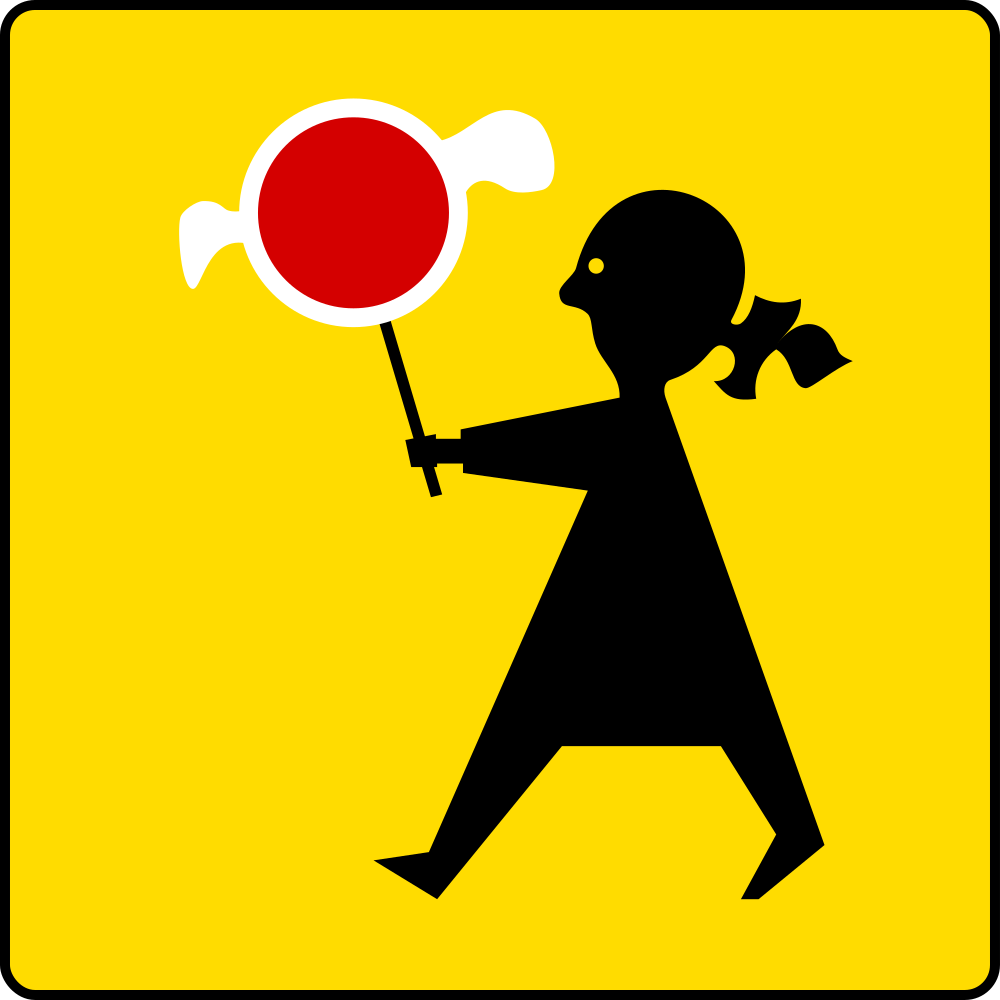
Beware of Children Crossing: The 'Agatka' Sign (T-27)
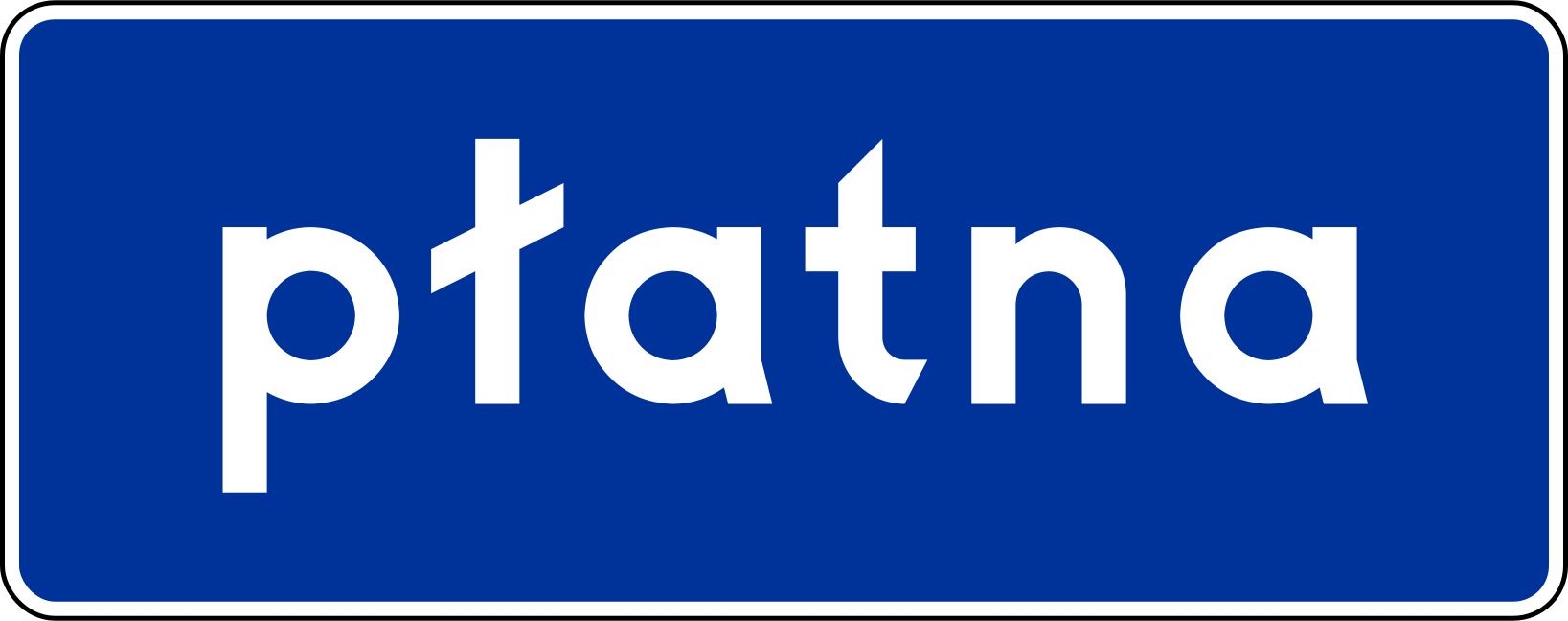
The T-28 Toll Road sign means you must pay a fee to continue on this expressway or motorway.
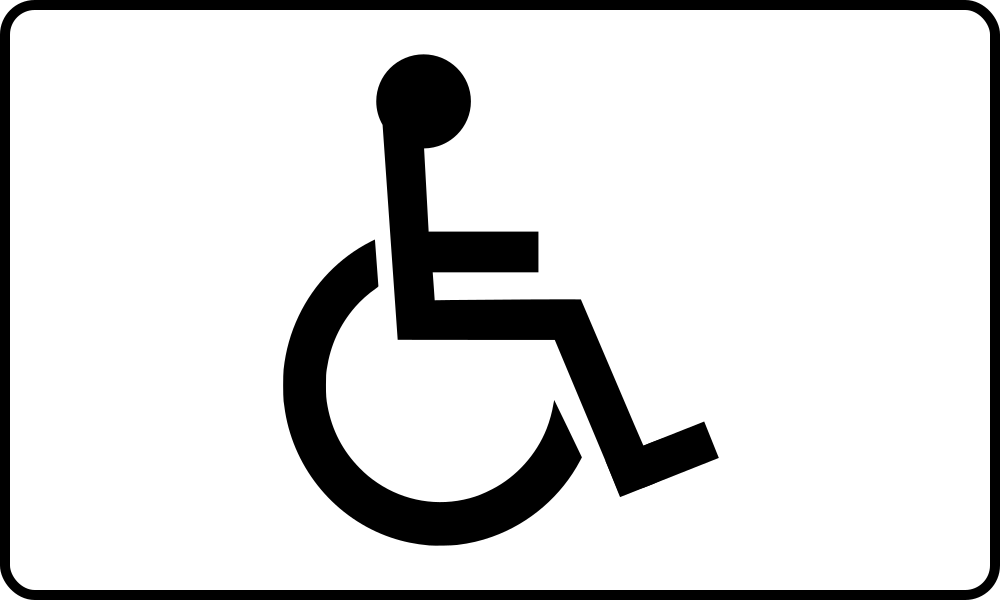
The T-29 Sign: Reserved Parking for Disabled Persons
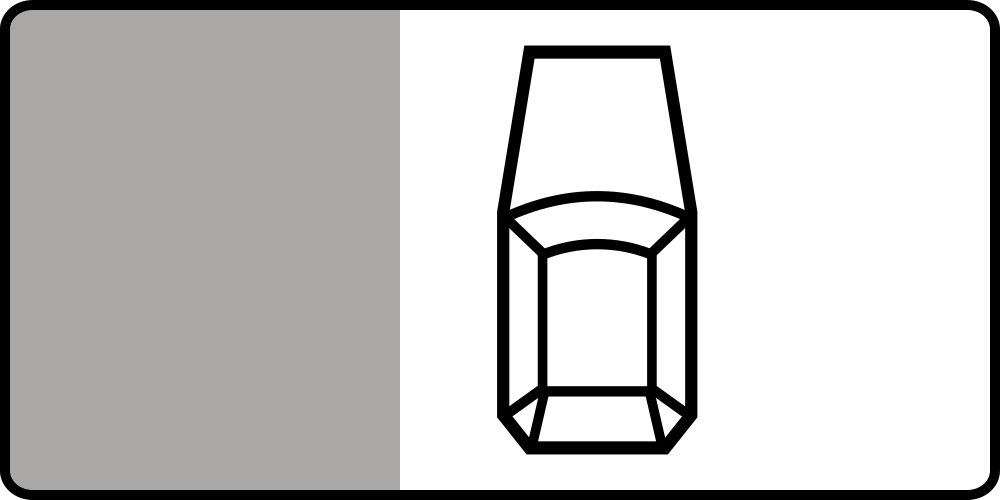
Understand the T-30a Sign: Parallel Parking on Sidewalk is Allowed Under Specific Conditions
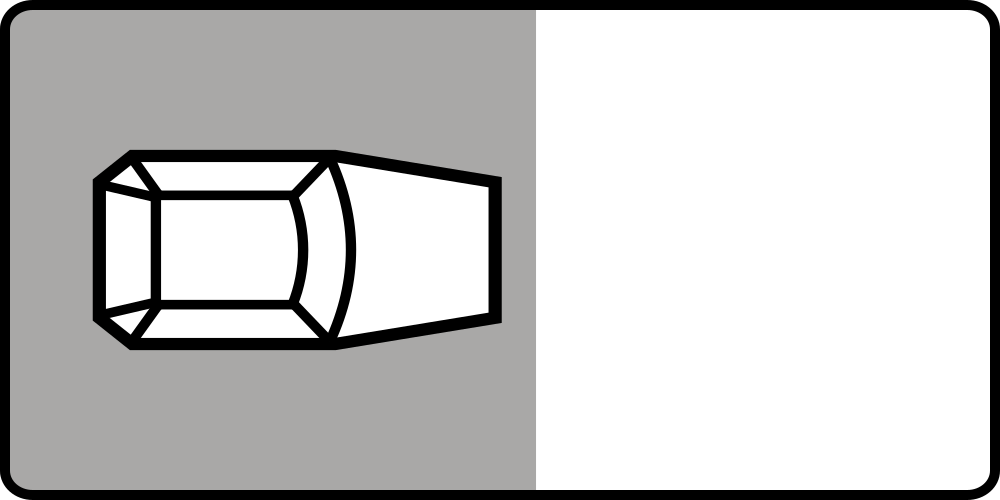
The T-30f sign means you must park perpendicularly on the roadway, keeping the pavement clear.
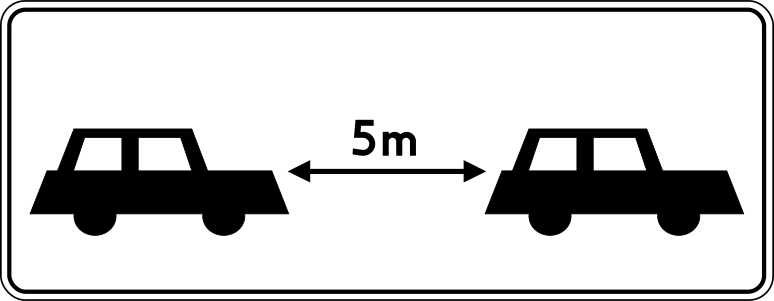
Maintain a minimum safe distance when stopped in a tunnel using the T-32 sign.
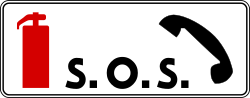
The T-33 sign means an emergency bay is equipped with a telephone and fire extinguisher.
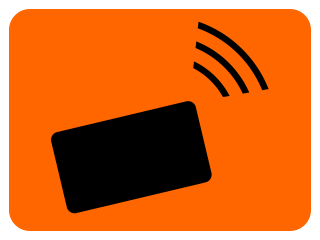
The T-34 sign signals mandatory electronic toll collection via e-TOLL.
Clear answers to common questions about the Supplementary Plates (T) road sign category. Use this FAQ to review tricky rules, understand how these signs appear in exam scenarios, and remove confusion that often leads to mistakes in the Polish driving theory exam in Poland.
A primary road sign conveys a main instruction or warning, like a speed limit or a priority road sign. A supplementary plate, typically rectangular and placed underneath, adds extra information to the primary sign. It doesn't change the fundamental rule but refines it by specifying distance, duration, vehicle types, times, or other conditions.
Supplementary plates are almost always placed directly below the sign they modify. The context is crucial; if a 'No Stopping' sign (primary) has a plate below it indicating '0-7:00', it means the stopping prohibition applies only during those hours. Always read the main sign and its supplementary plate together as a single instruction.
Yes, many signs benefit from supplementary information. For example, prohibition signs (speed limits, no stopping/parking) are very frequently paired with plates showing times, days, or lengths. Warning signs about hazards like curves or slippery roads often use distance plates (how far ahead) or length plates (how long the hazard lasts). Signs indicating parking areas also use supplementary plates to define types of parking or specific user groups like disabled persons.
A 'T-1' plate indicates 'Distance to Hazard'. It means the hazard or the situation described by the main sign is located at that specified distance ahead. For example, a T-1 plate below a 'Sharp Curve Left' warning sign means the sharp curve is a certain distance away.
This means the 'No Parking' restriction indicated by the main sign is only in effect from Monday to Friday. You are permitted to park there on Saturdays, Sundays, and public holidays, unless another sign or regulation states otherwise. Always check for other signs that might add further conditions.
After reviewing road sign categories, dive into individual traffic sign groups. Each group page offers detailed explanations and practice questions to reinforce learning. This will ensure comprehensive preparation for your Polish driving theory exam.
Polish Road Sign Categories