
This section covers prohibitory road signs, group B, which are crucial for understanding and obeying traffic laws. These signs are usually circular with a red border and a white background, clearly indicating restrictions drivers must follow. Mastering these signs is essential for both passing your theory test and ensuring your safety and the safety of others on the road.
An explanation of how Prohibitory Signs (B) road signs apply in real traffic situations in Poland. Learn where these signs are typically placed, what drivers are expected to do when they appear, and how correct reactions help you stay safe, avoid fines, and succeed in your Polish driving theory exam.
Prohibitory signs are encountered across all types of roads, from urban streets to rural areas and motorways, wherever specific restrictions are necessary. You'll see 'No Entry' (B-2) signs at the start of one-way streets or roads closed to traffic. Speed limits (B-33) are ubiquitous, especially in built-up areas or approaching hazardous zones. 'No Waiting' (B-35) and 'No Stopping' (B-36) signs are common in busy city centres, narrow streets, or near junctions to maintain traffic flow and visibility. Signs restricting specific vehicle types, like lorries (B-5) or buses (B-3a), are often placed at route entrances or on roads unsuitable for them. Understanding these signs means knowing precisely what action is forbidden, whether it's driving in a certain direction, exceeding a speed, parking, stopping, or even overtaking (B-25). Ignoring them can lead to fines, accidents, and serious legal consequences.
An overview of the key learning outcomes when studying the Prohibitory Signs (B) road sign category. Understand the main concepts, sign meanings, and traffic situations covered here so you can recognise patterns, answer theory questions more confidently, and build a solid foundation for safe driving in Poland.
Prohibitory signs are fundamental to Polish traffic rules, communicating specific legal restrictions drivers must always obey. This group, often circular with a red border, demands precise sign recognition to avoid fines and ensure safety. Mastering their meanings is crucial for your driving theory test revision and safe navigation on Polish roads.

B-1 Sign: Road Closed to All Traffic in Both Directions
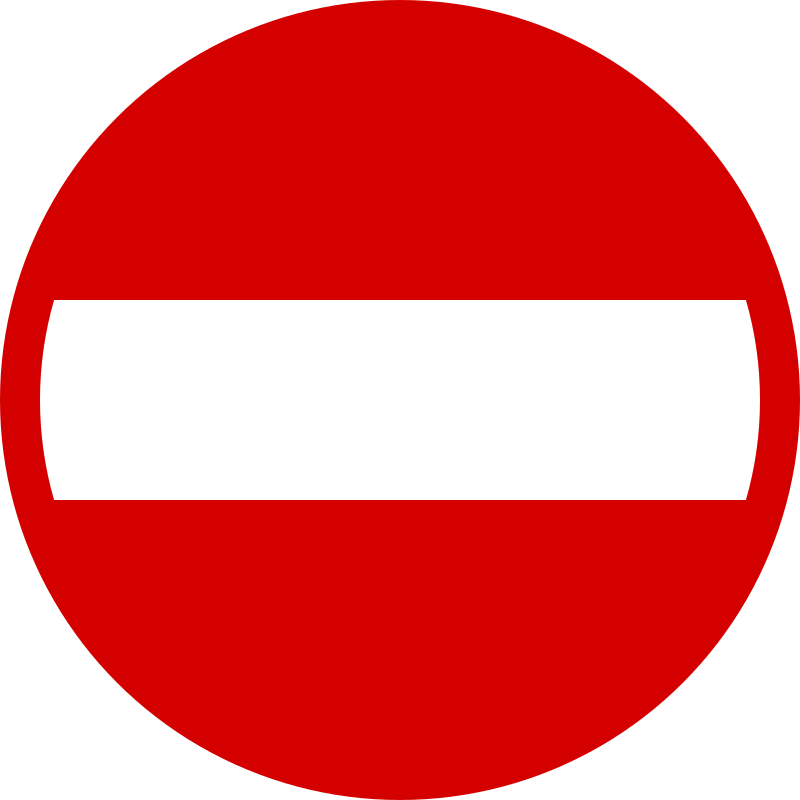
Stop! The B-2 'No Entry' sign means you cannot proceed.
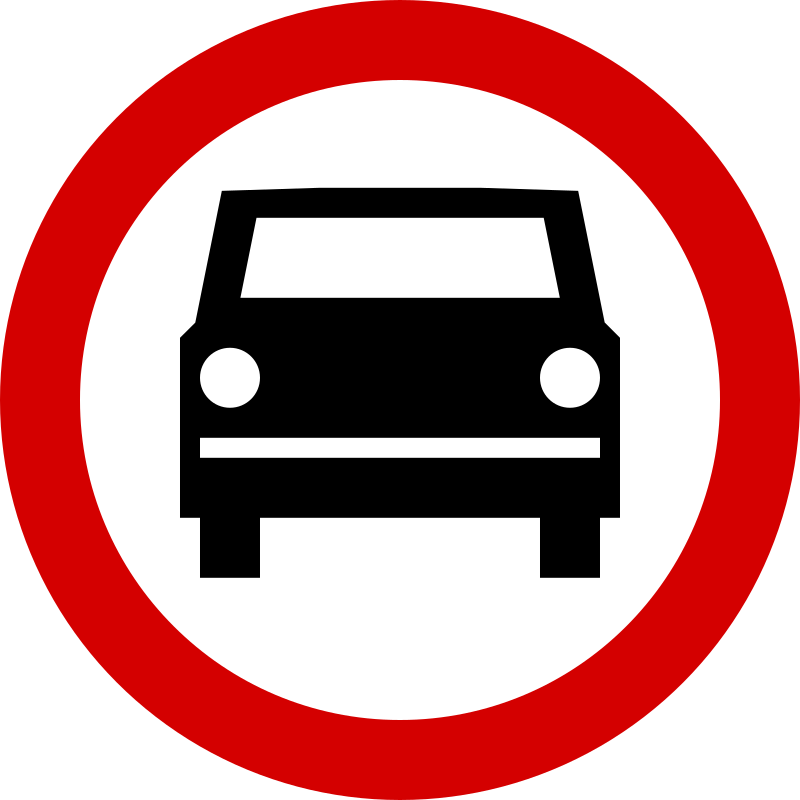
B-3: No Motor Vehicles Allowed, Except Motorcycles
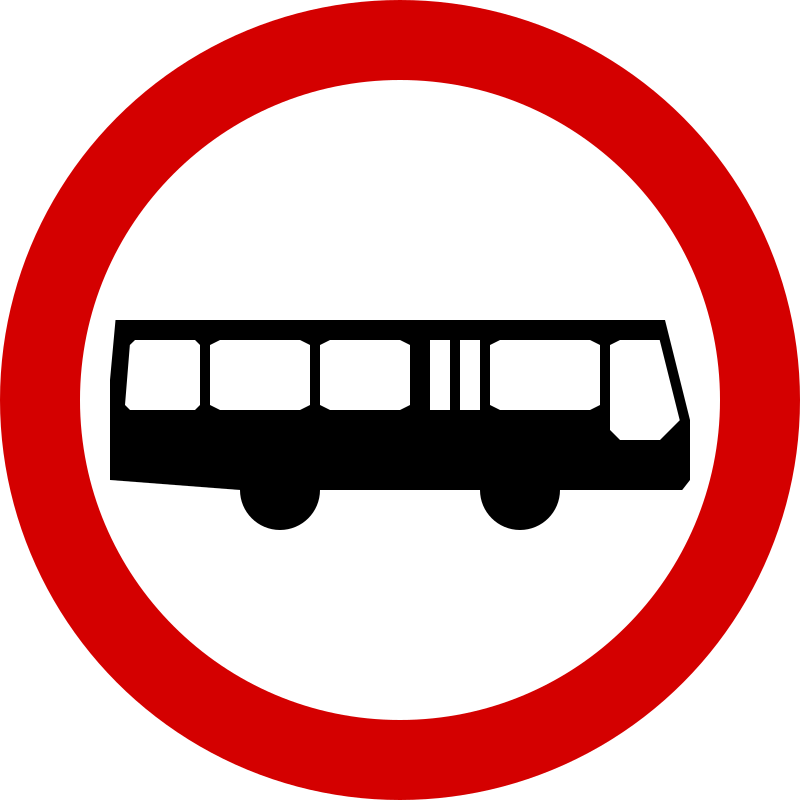
The B-3a 'No Buses' sign prohibits bus entry onto specific roads.
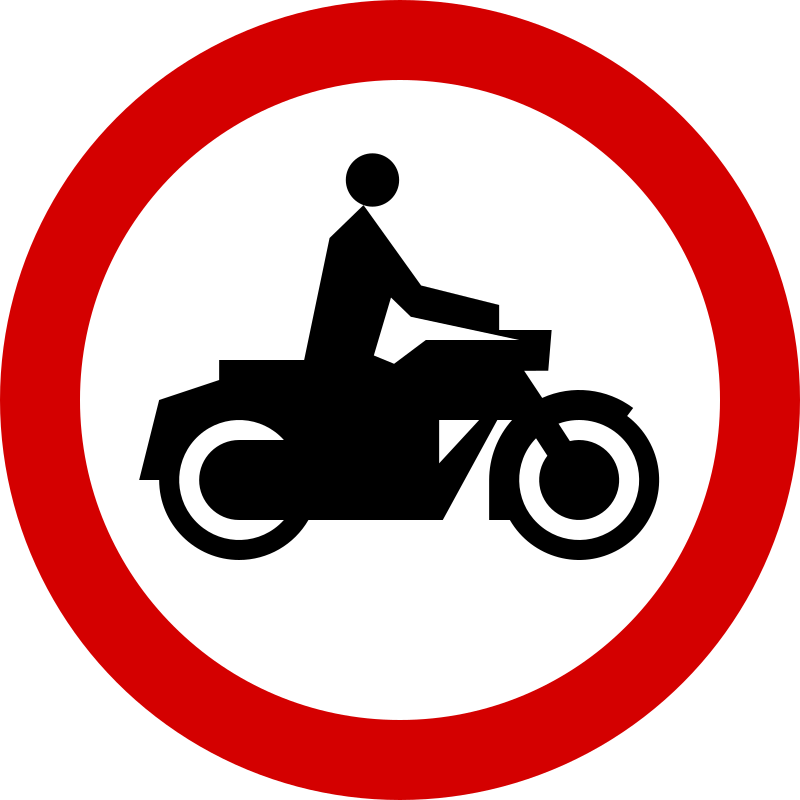
What does the B-4 'No Motorcycles' road sign mean and how should you react?
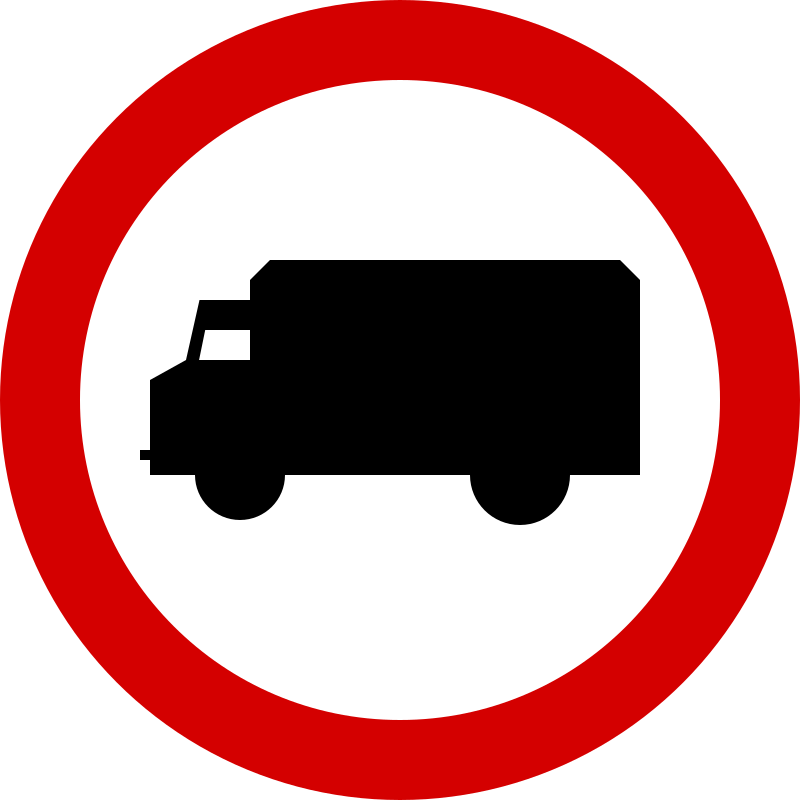
Understand the B-5 'No Heavy Goods Vehicles' Road Sign in Poland
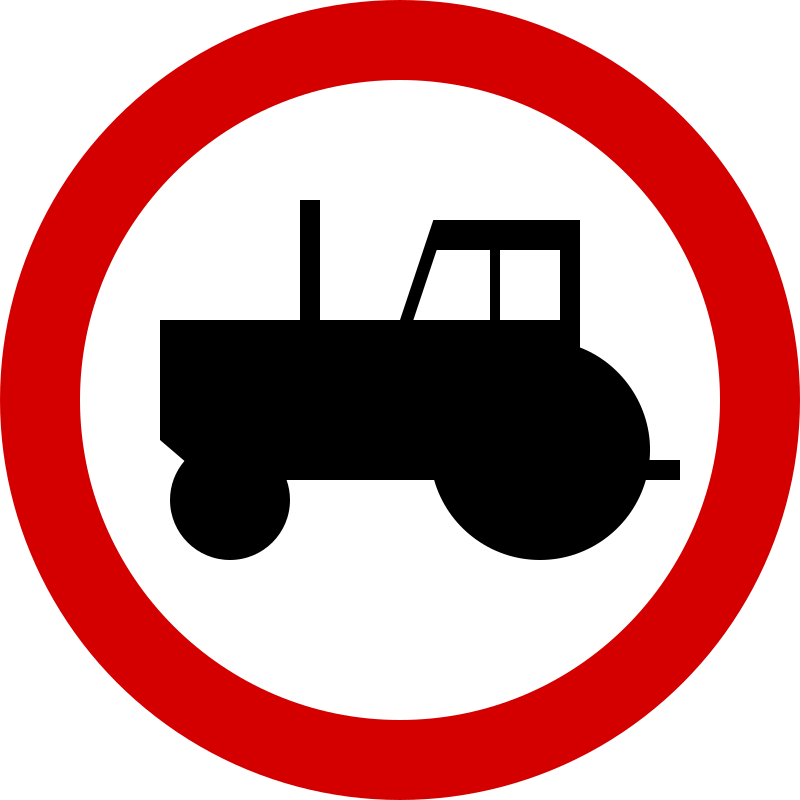
Understand the B-6 Road Sign: Ban on Agricultural Tractors
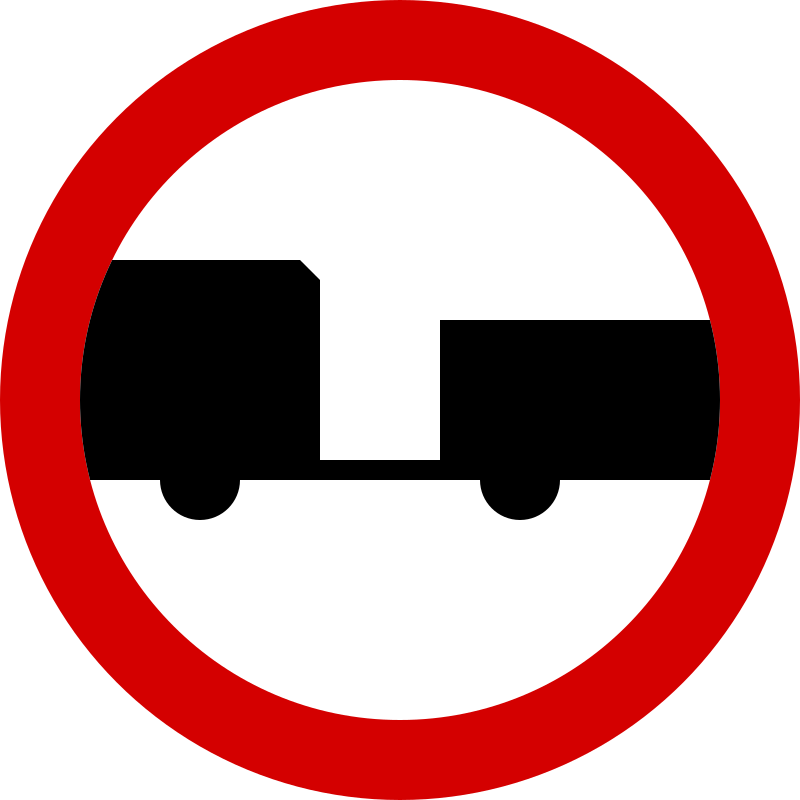
Sign B-7: Understand the Prohibition of Motor Vehicles with Trailers
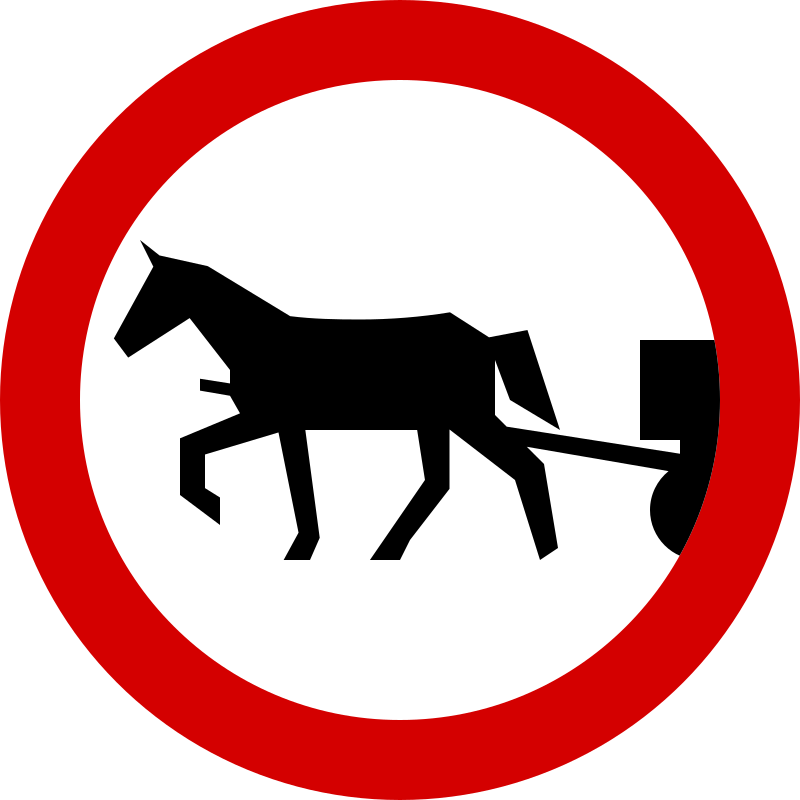
B-8 Sign: Prohibiting Horse-Drawn Vehicles and Livestock on the Road
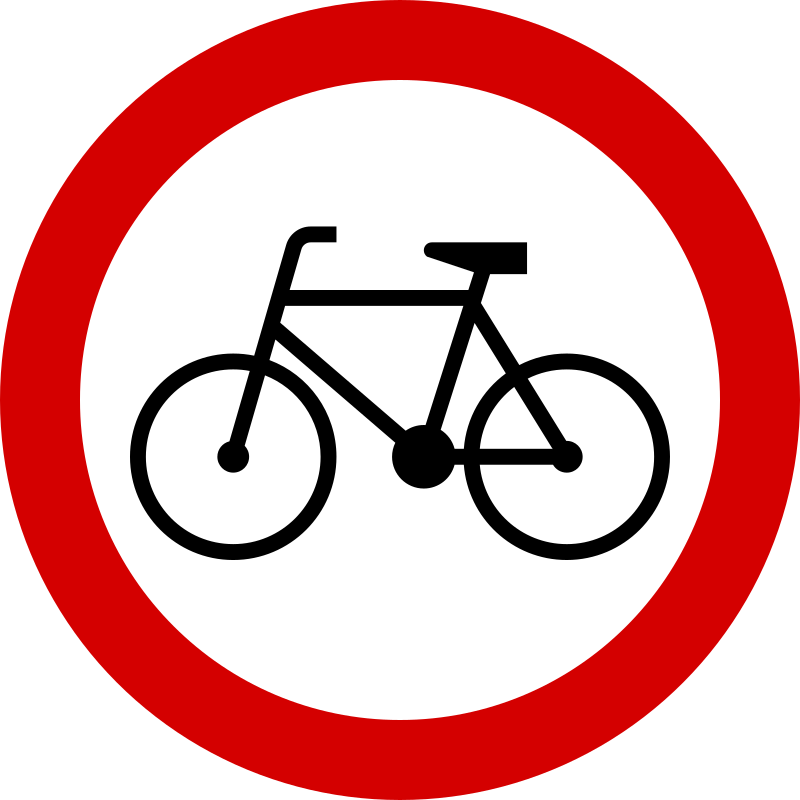
The B-9 'No Bicycles' sign prohibits cycling on roads where it's dangerous or a cycle path is available.
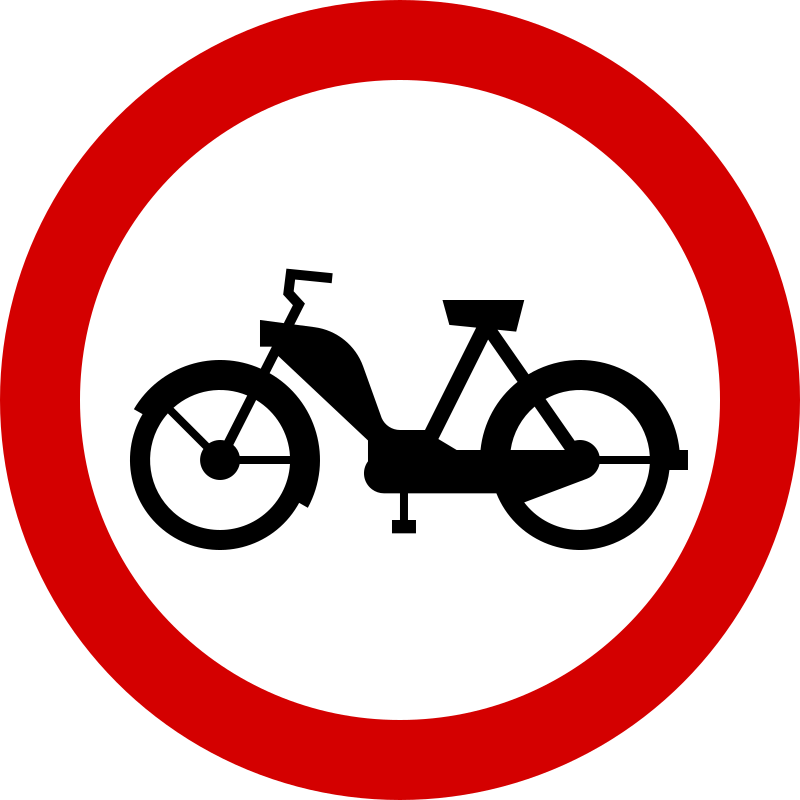
The B-10 'No Mopeds' sign prohibits entry for all mopeds past this point.
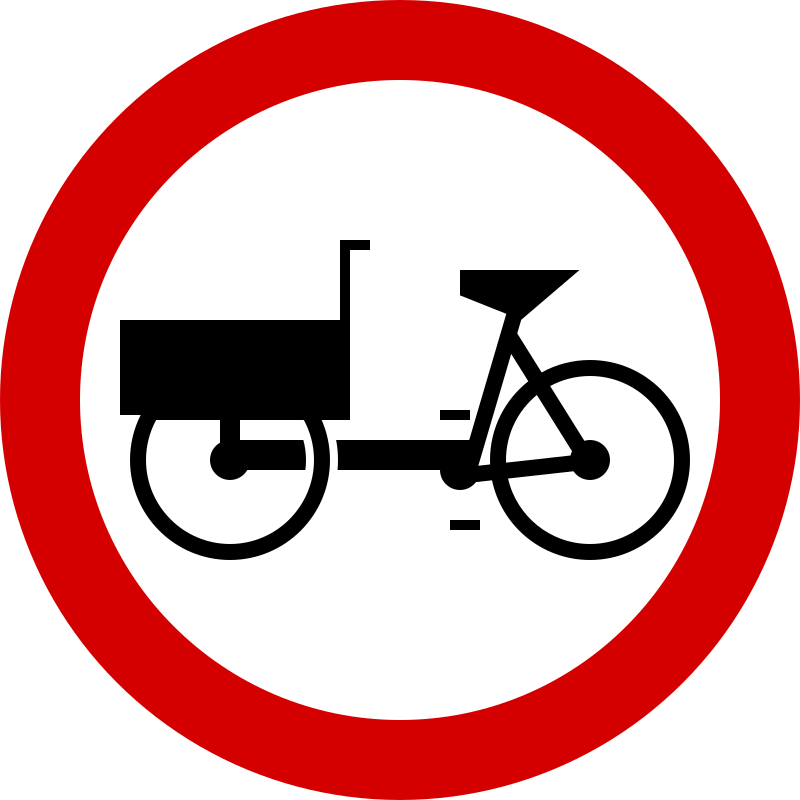
B-11: No Entry for Cycle Rickshaws and Multi-Track Carts
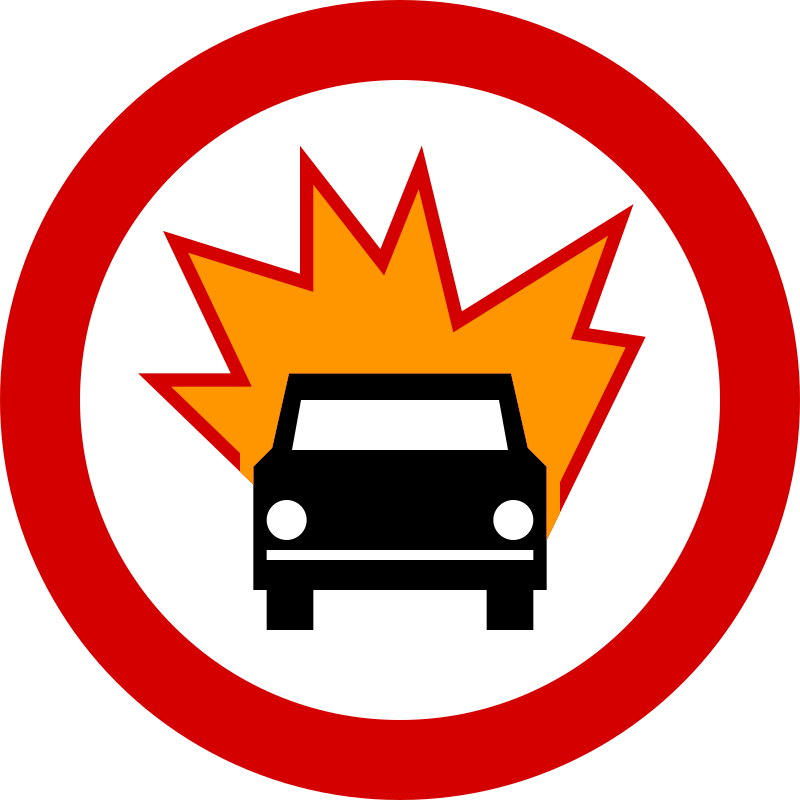
Understand the B-13 sign: No vehicles carrying explosives or flammable goods allowed.
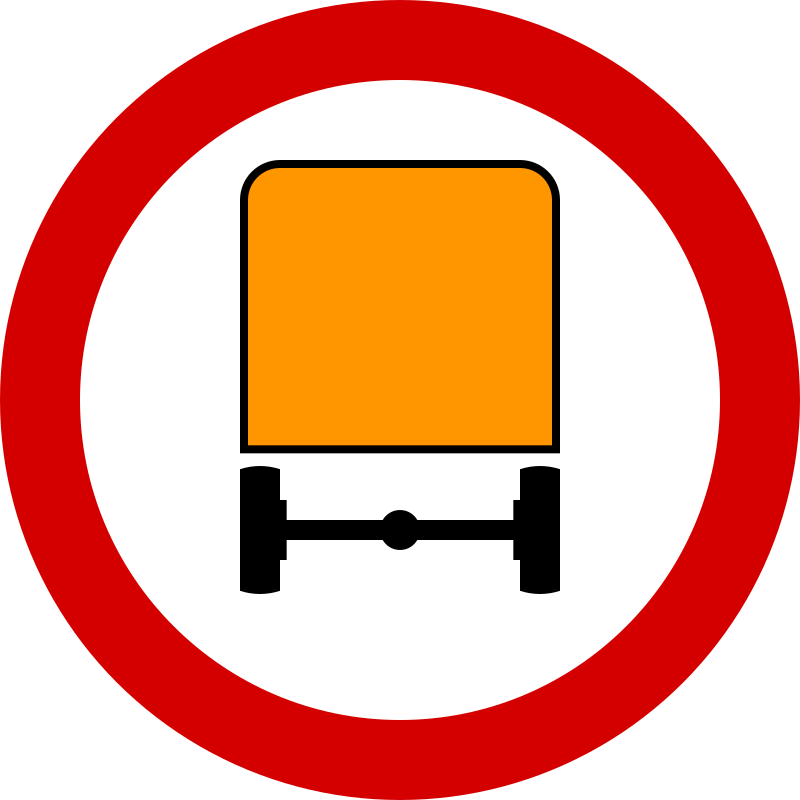
The B-13a sign means no vehicles carrying dangerous goods are allowed past this point.
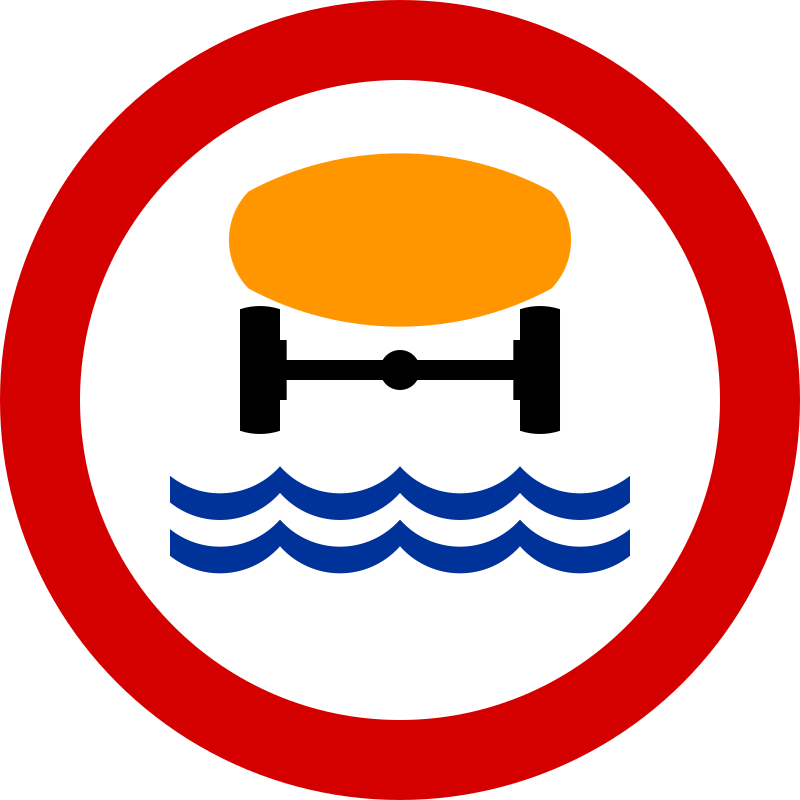
B-14 Sign: No Vehicles Carrying Water Contaminants
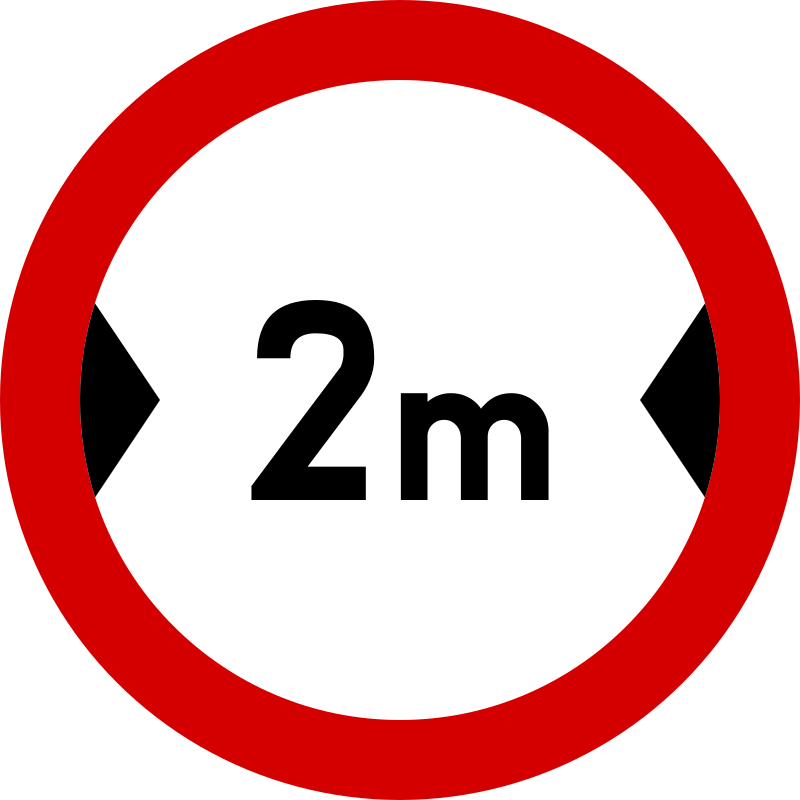
The B-15 sign prohibits vehicles wider than the specified limit from passing.
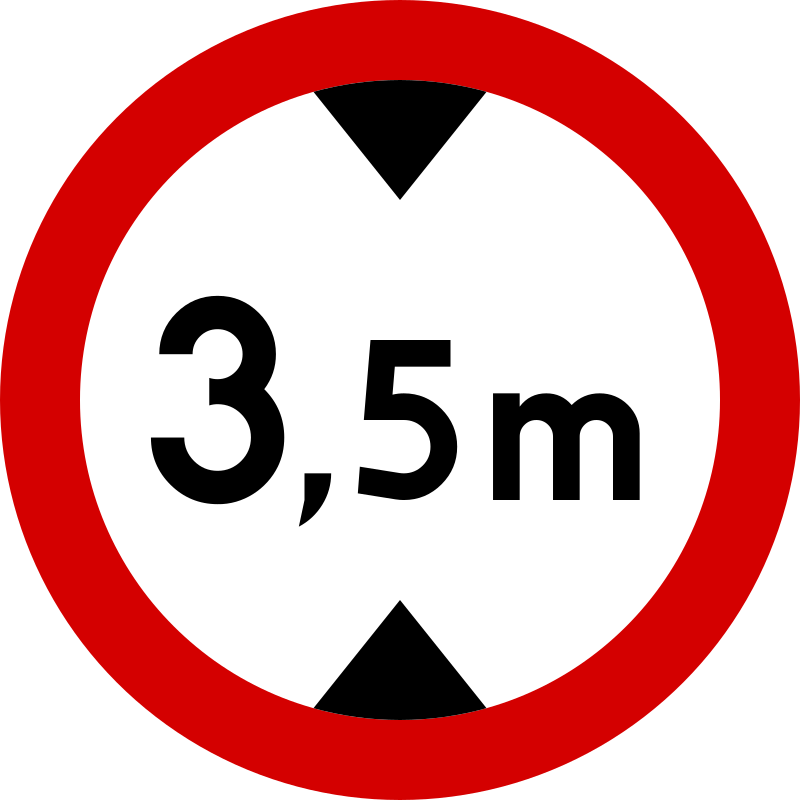
Recognise and Obey the B-16 'Height Restriction' Traffic Sign
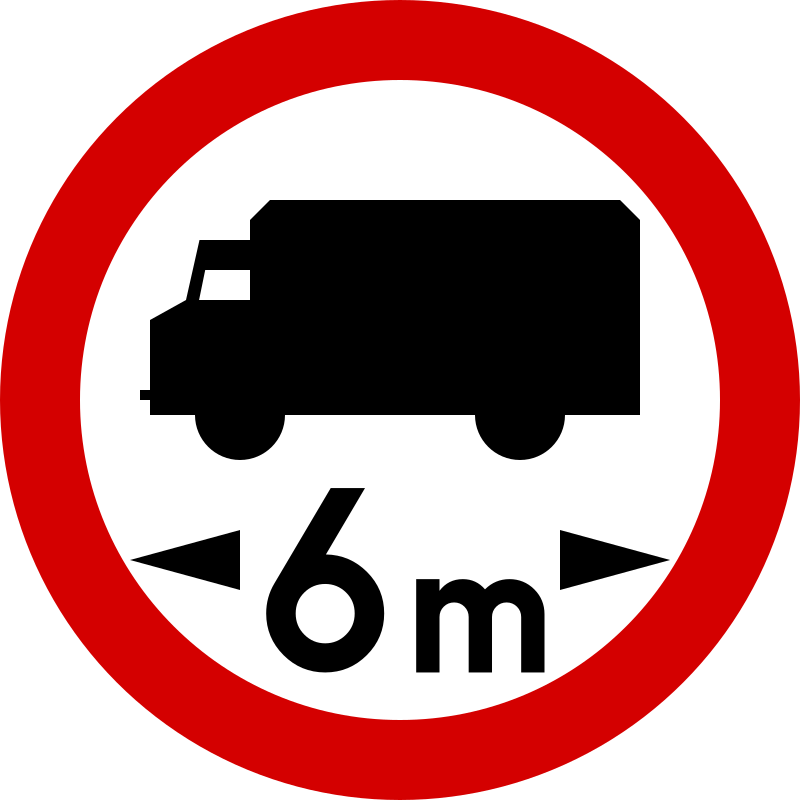
B-17 Road Sign: Restricts Vehicles Exceeding a Specific Length
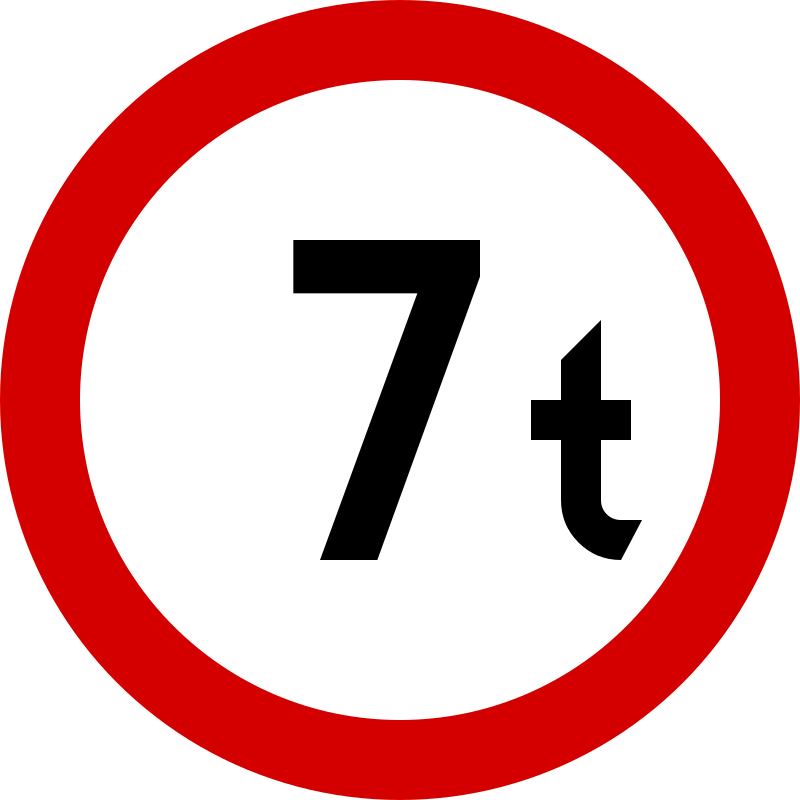
B-18 Sign: Maximum Gross Weight Limit Ahead, Obey the Actual Mass!
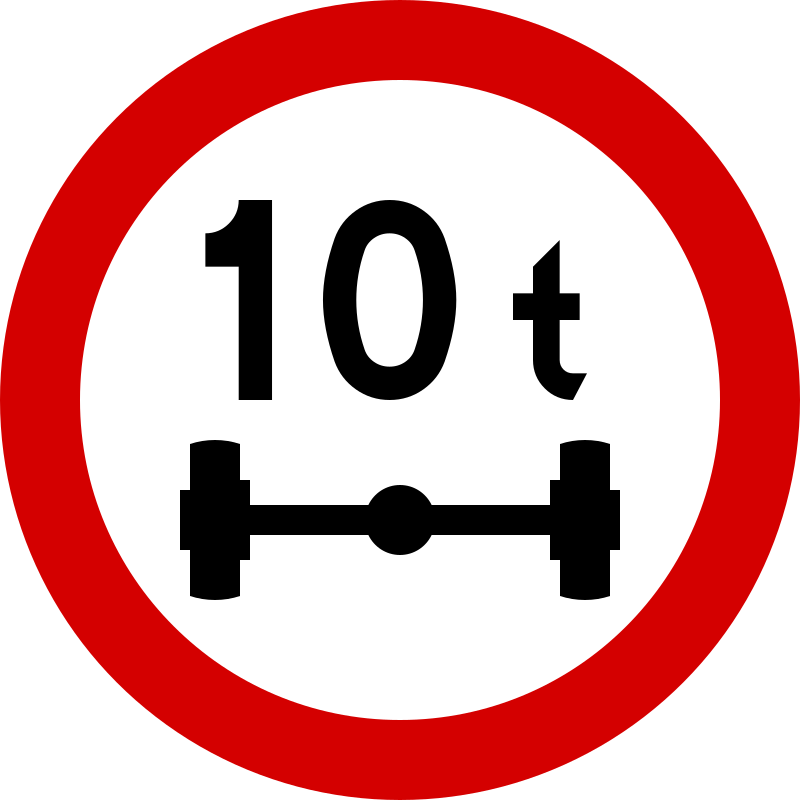
Understand the B-19 Sign: Maximum Axle Load Limit for Road Protection
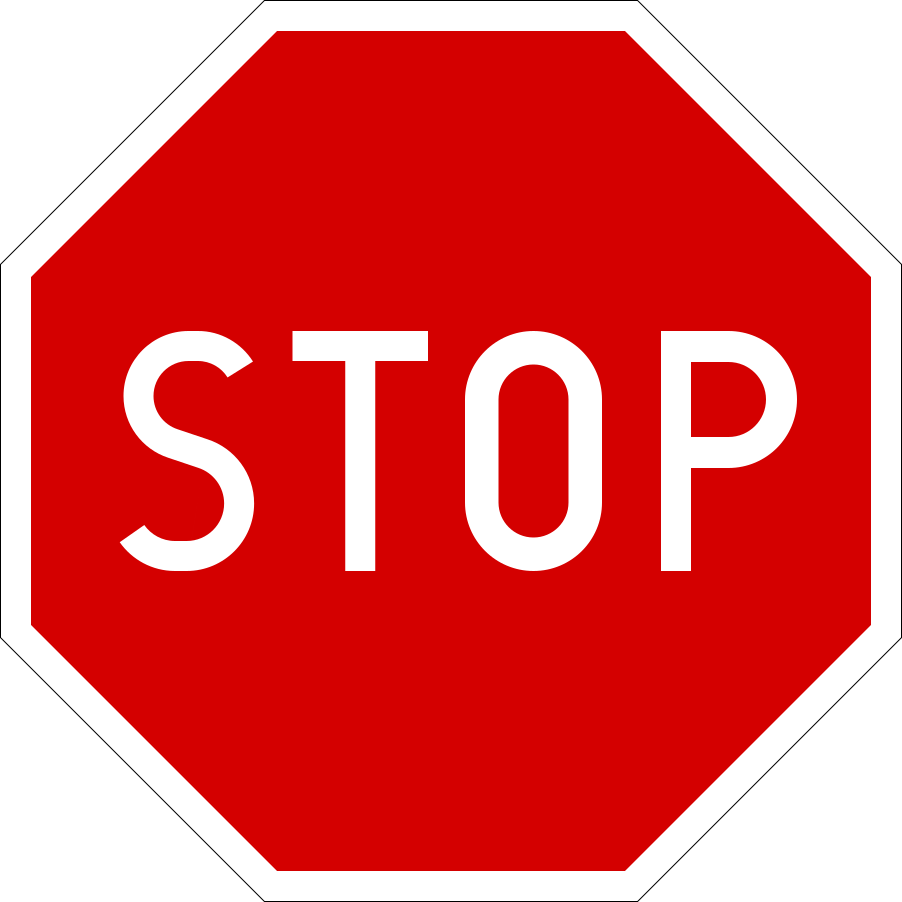
The B-20 'Stop' sign means you must halt completely and yield to all traffic.
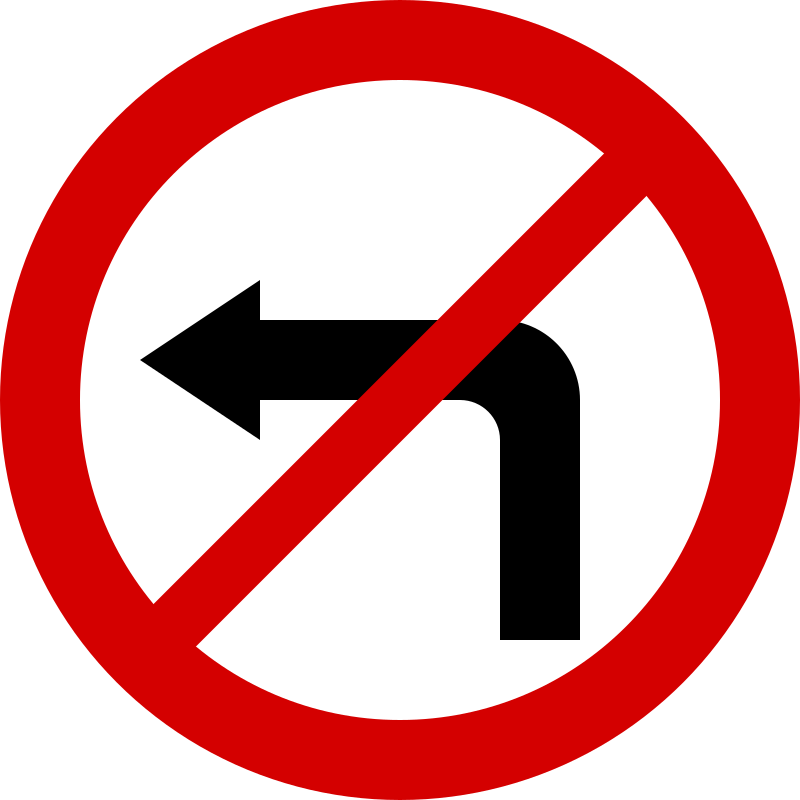
The B-21 Sign: No Left Turn or U-Turn Allowed Ahead
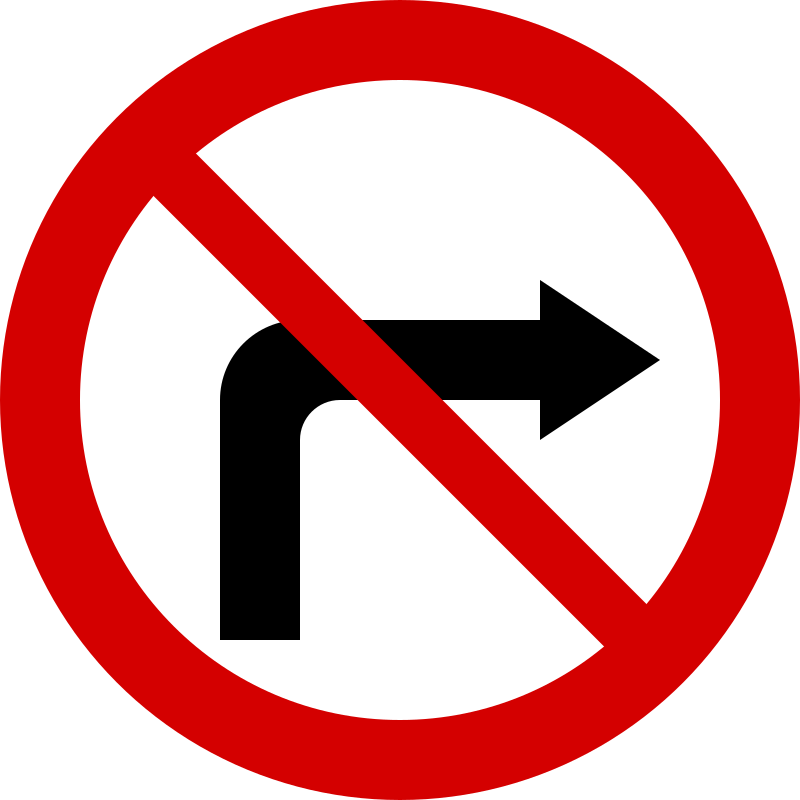
B-22 'No Right Turn' Sign: Understanding the Restriction
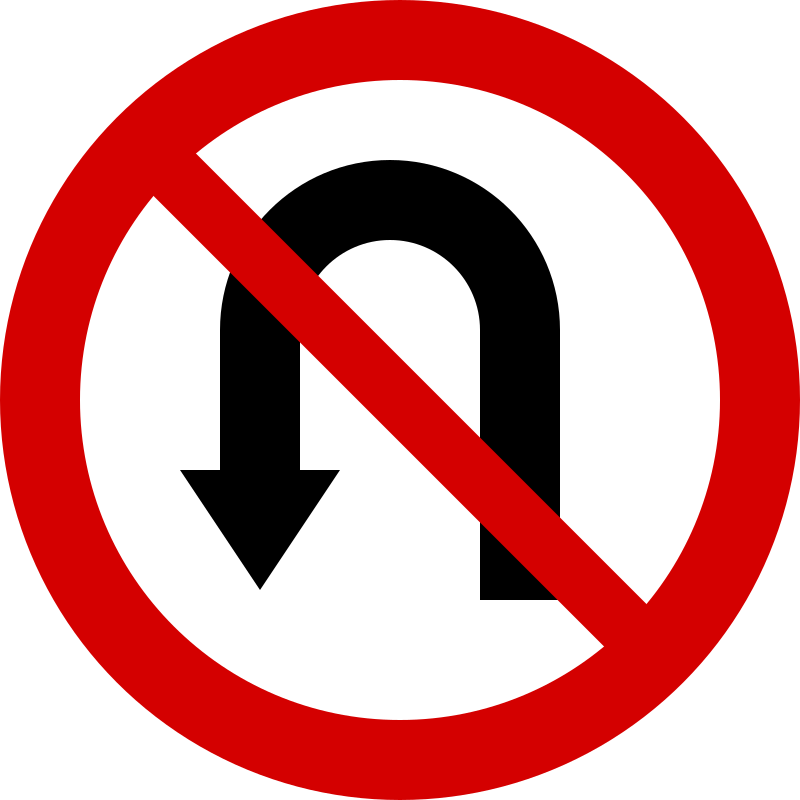
B-23 No U-Turn Sign: Understand When and Where a 180-Degree Turn is Forbidden
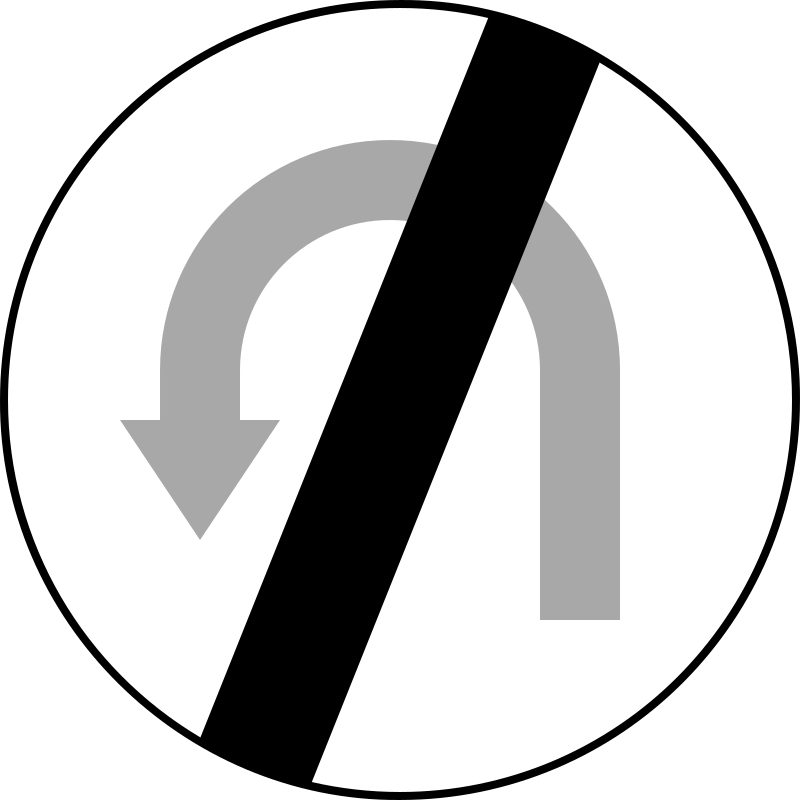
The B-24 sign means your U-turn prohibition has ended.
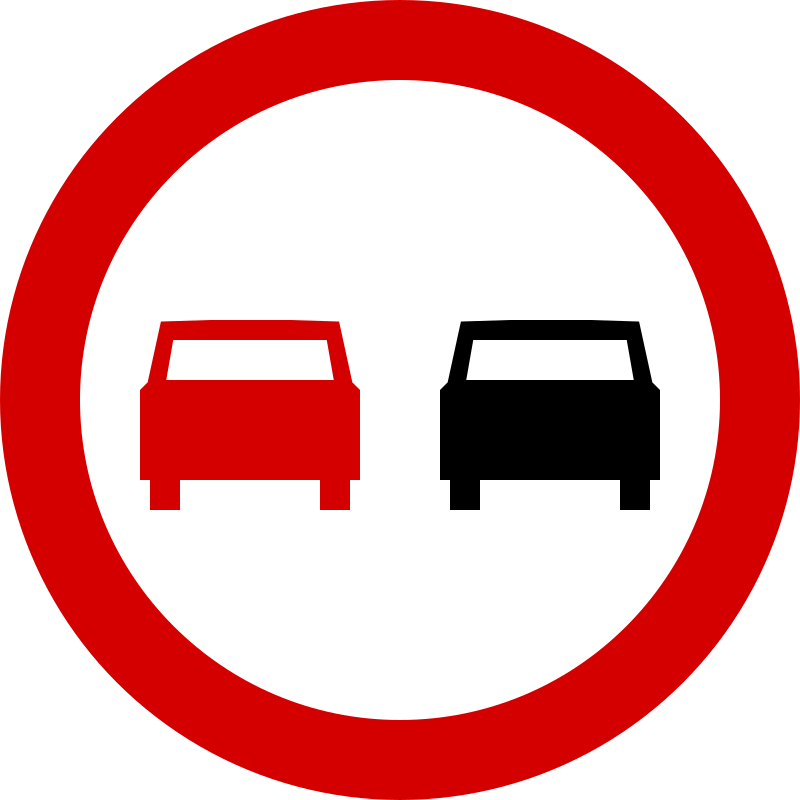
Understand the 'No Overtaking' (B-25) Sign: What You Can and Cannot Pass
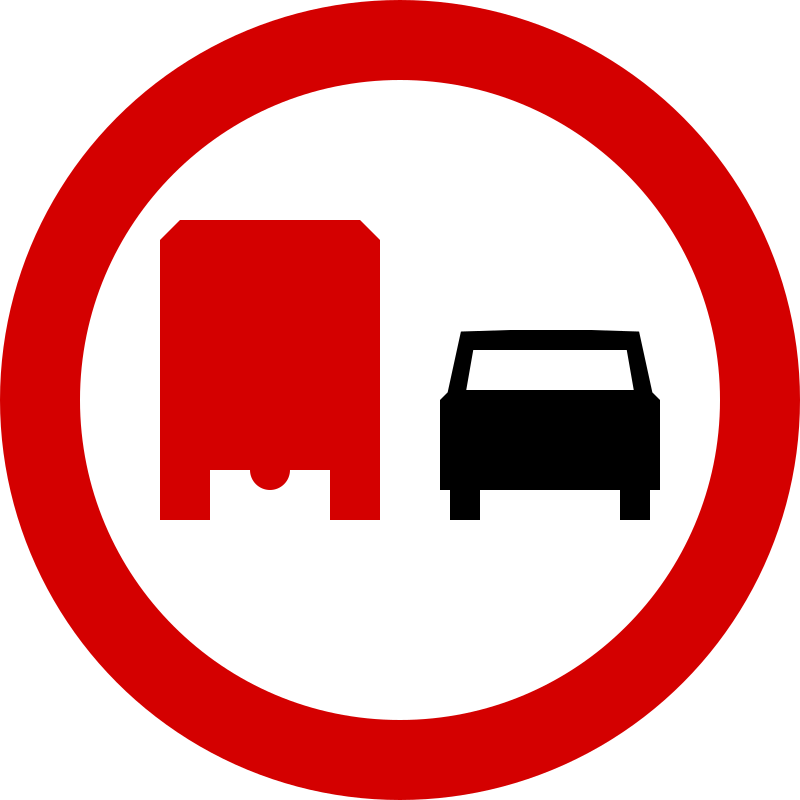
B-26: Heavy Goods Vehicles Must Not Overtake Other Vehicles
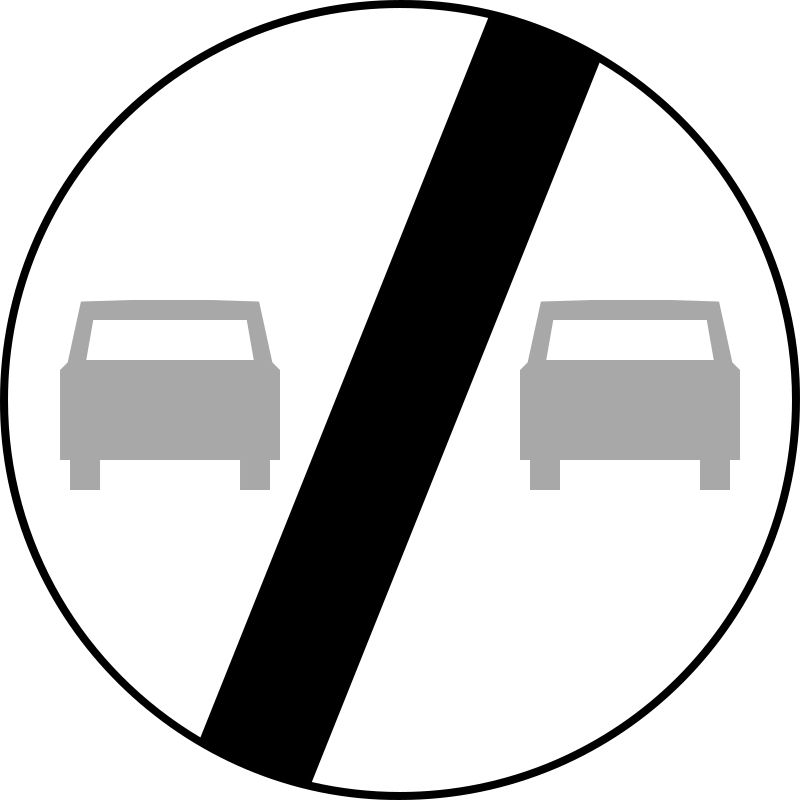
The B-27 Sign Means Overtaking is Permitted Again
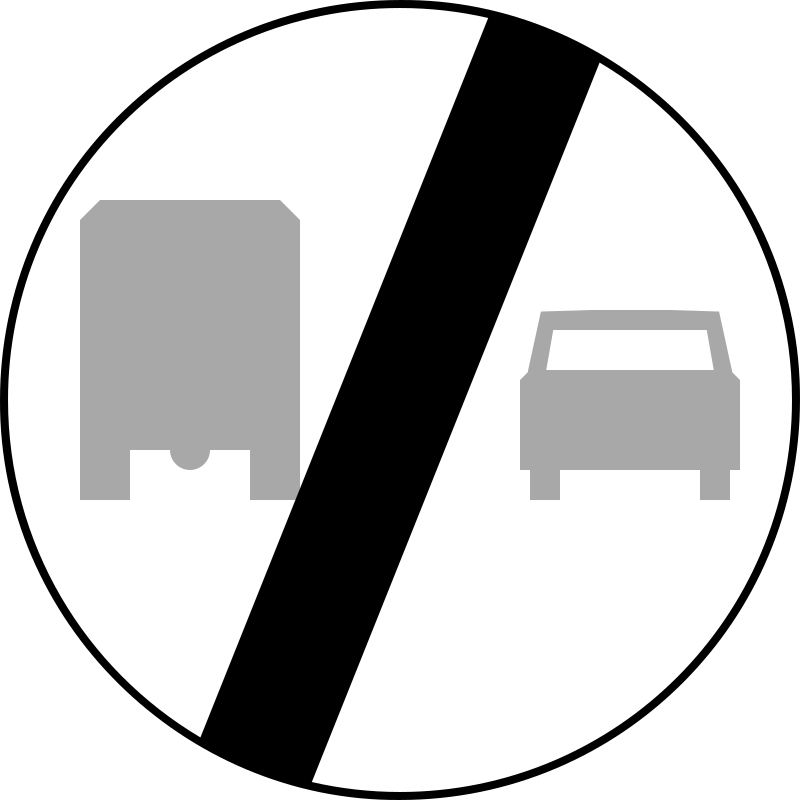
The B-28 sign signals the end of restrictions for heavy goods vehicle overtaking.
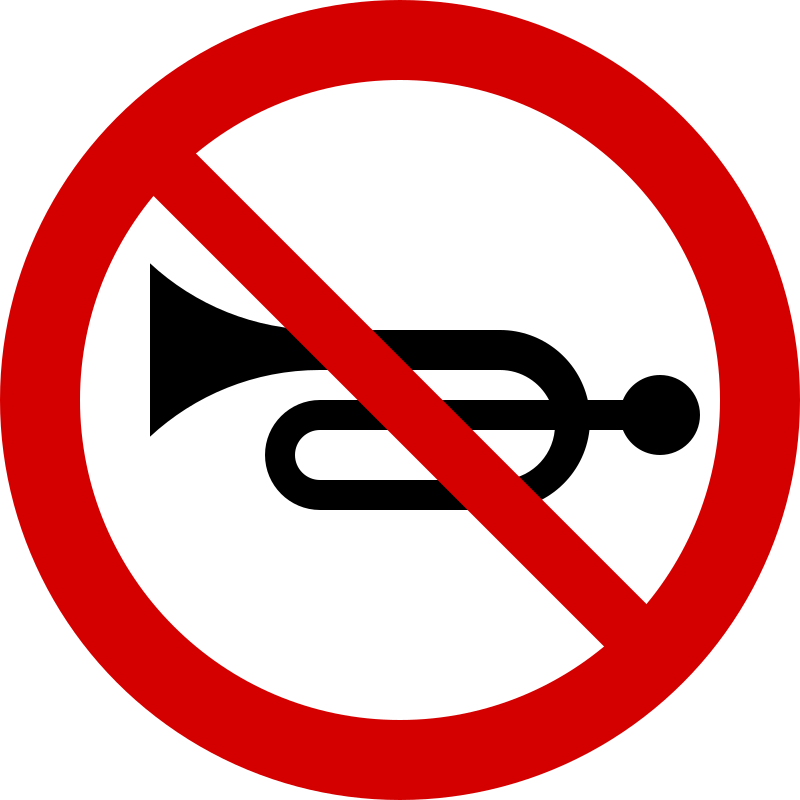
The B-29 sign means you must not use your horn, except in emergencies.
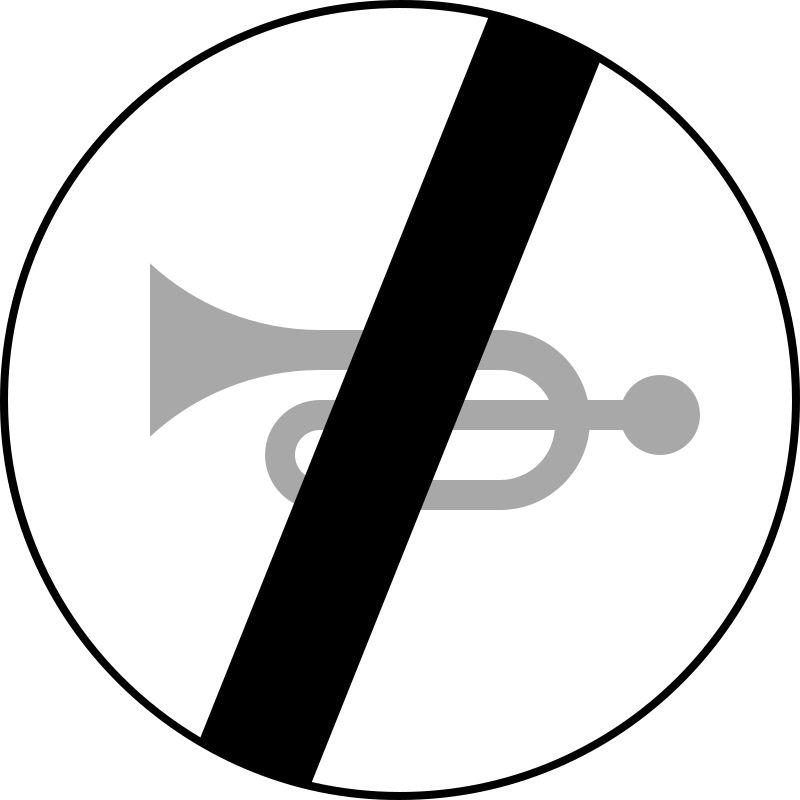
The B-30 'End of Quiet Zone' sign means you can now use your horn again, but responsibly.
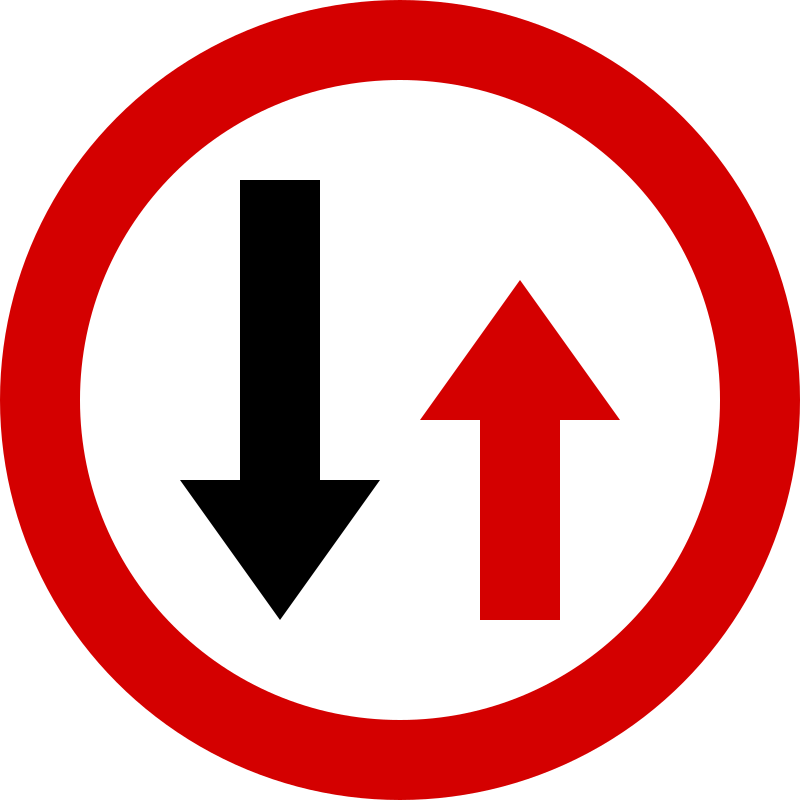
B-31: Yield to Oncoming Traffic on Narrow Roads
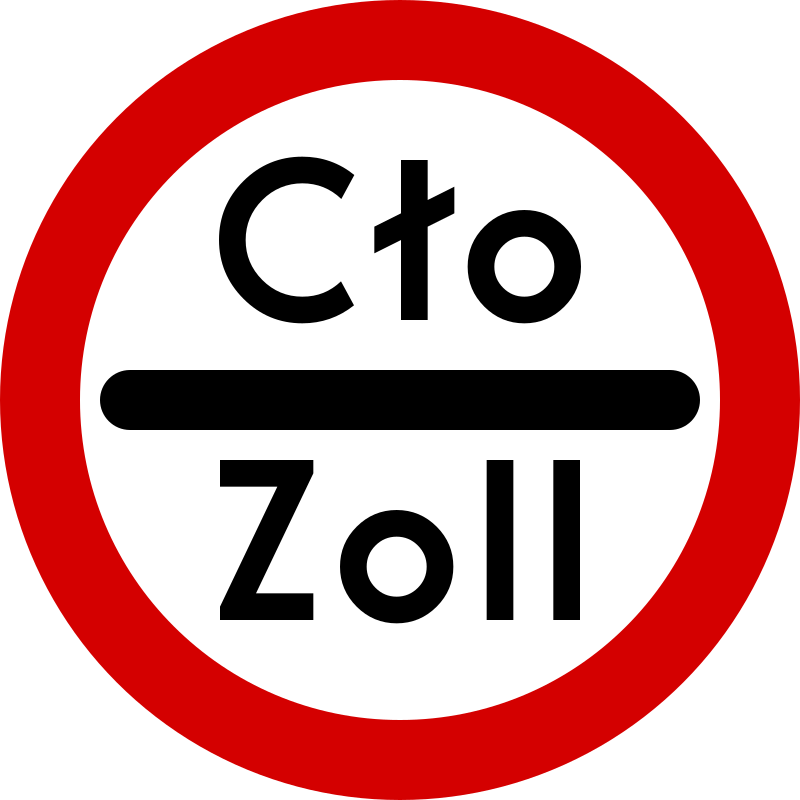
The B-32 'Stop - Customs' sign mandates a complete stop for inspection at border crossings.
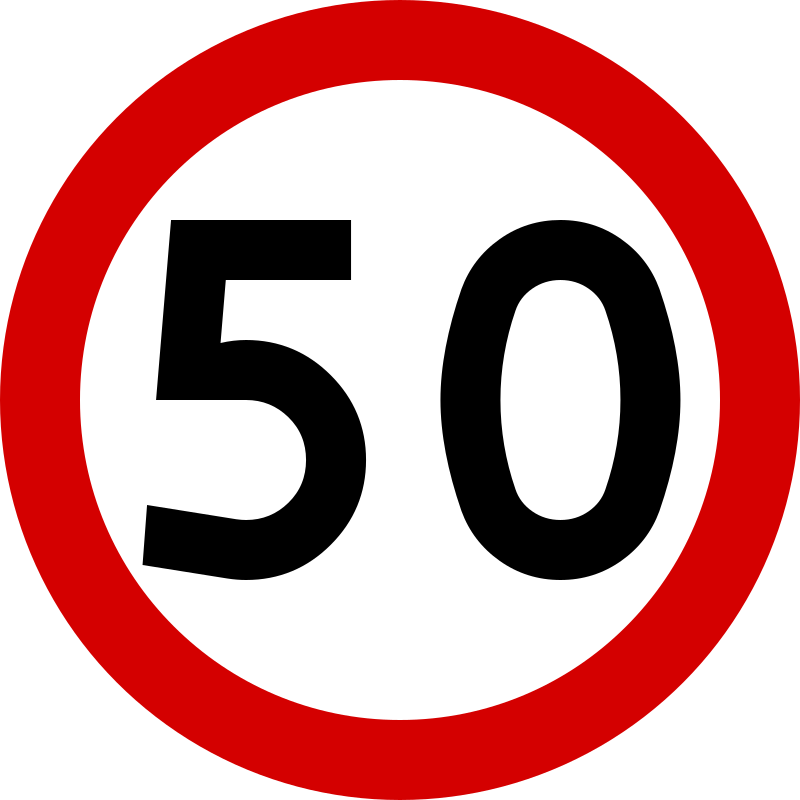
Obey the B-33 Speed Limit Sign to drive safely and legally.
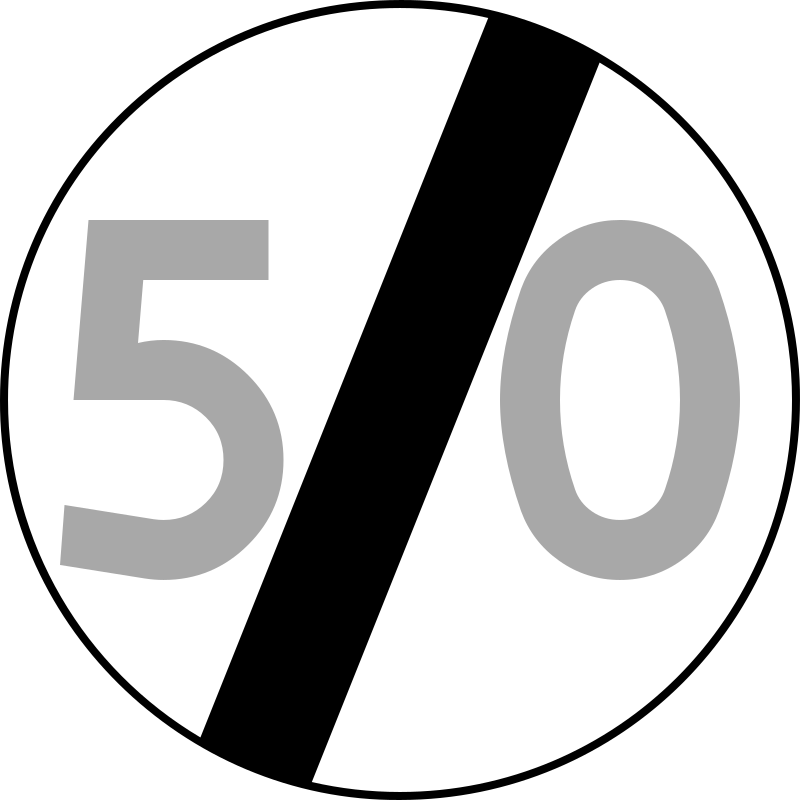
B-34: End of Speed Limit Sign - Resume Normal Speed
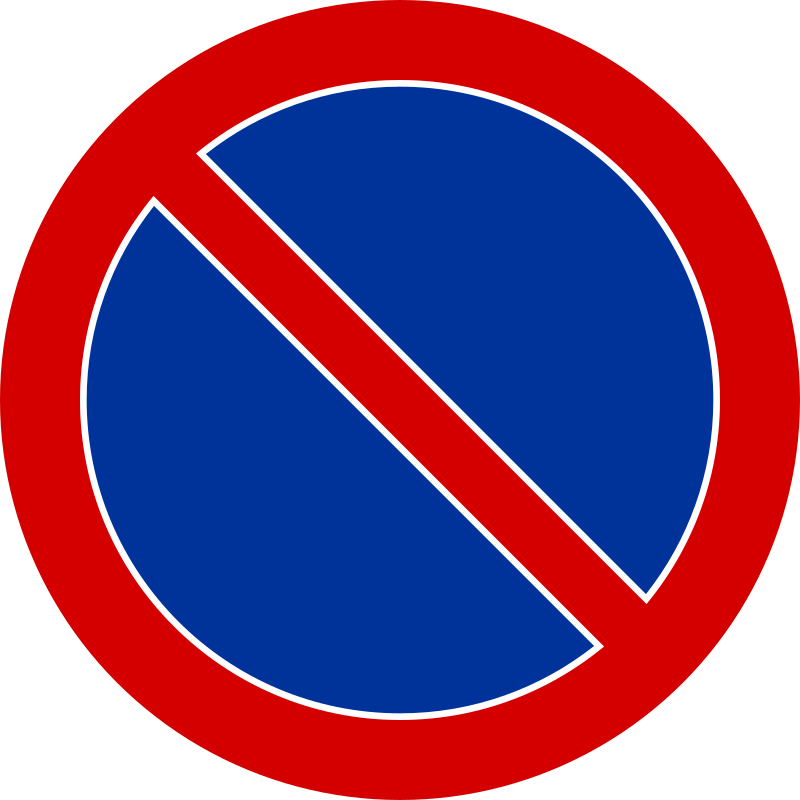
The B-35 'No Waiting' sign: What it means and how to act.
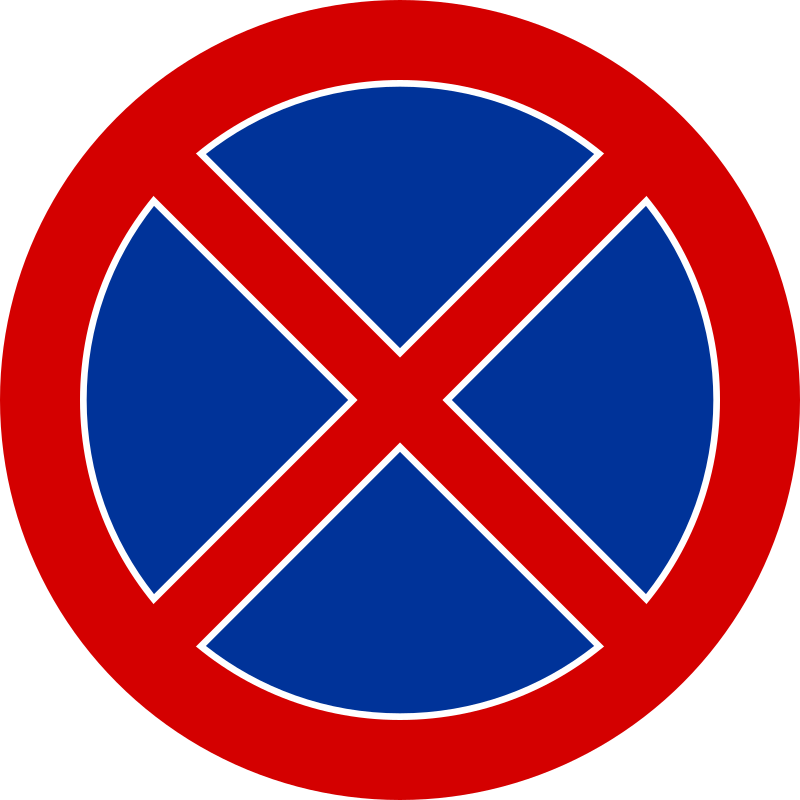
B-36 'No Stopping' sign: What it means and how to react
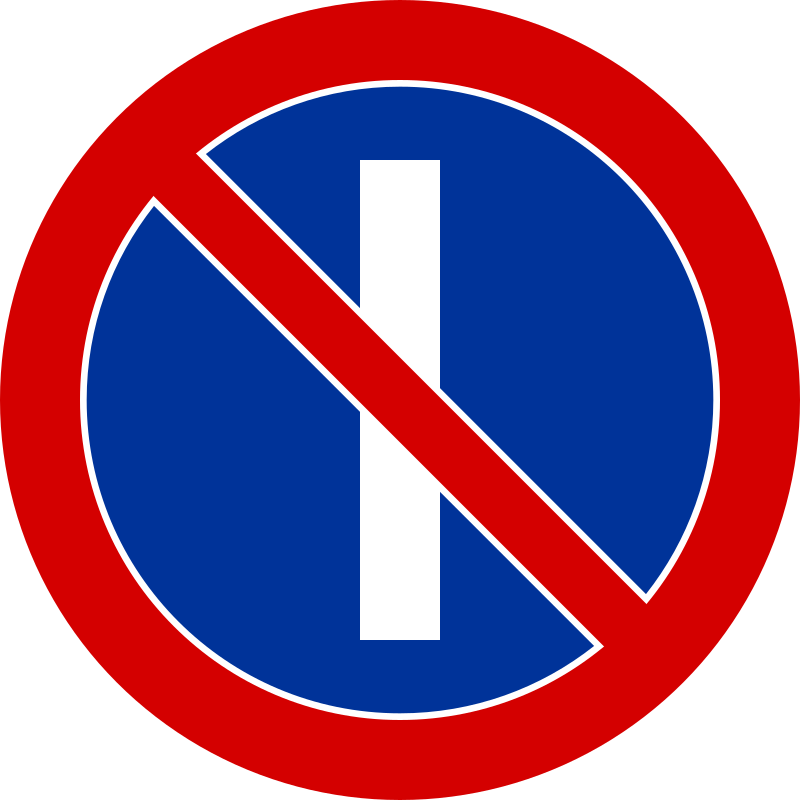
B-37: No Waiting on Odd Days traffic sign means you can't park here on odd-numbered dates.
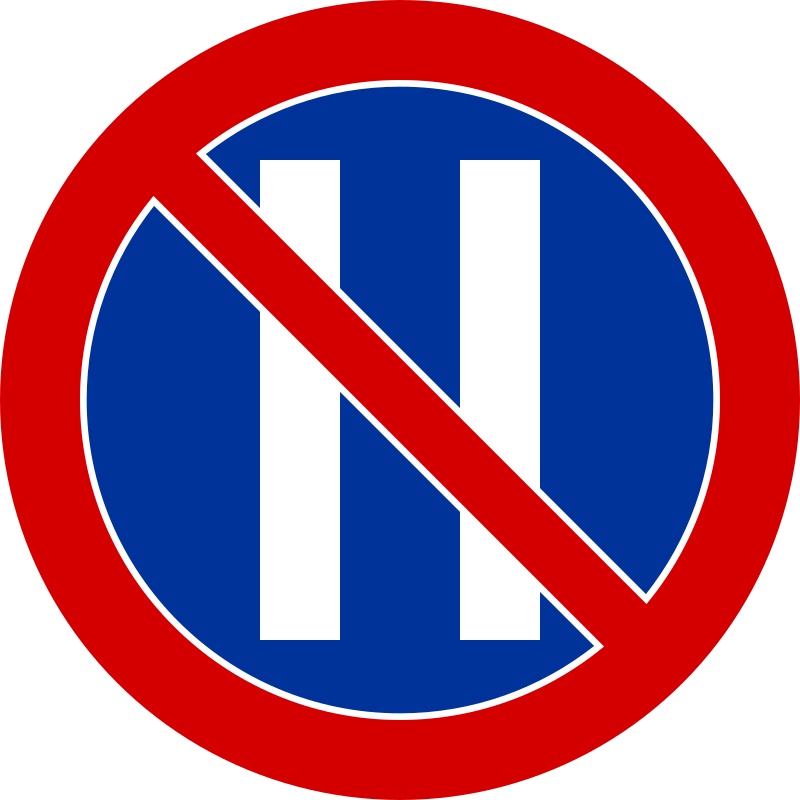
Master the B-38 Sign: No Waiting on Even Days
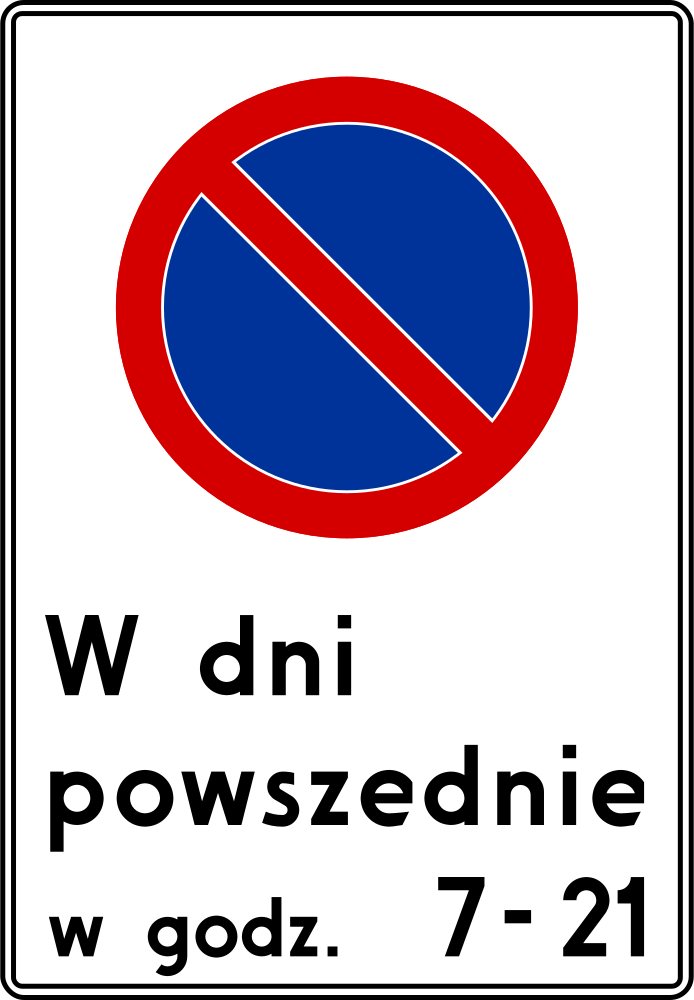
The B-39 sign means you've entered a Limited Waiting Zone where parking is restricted.
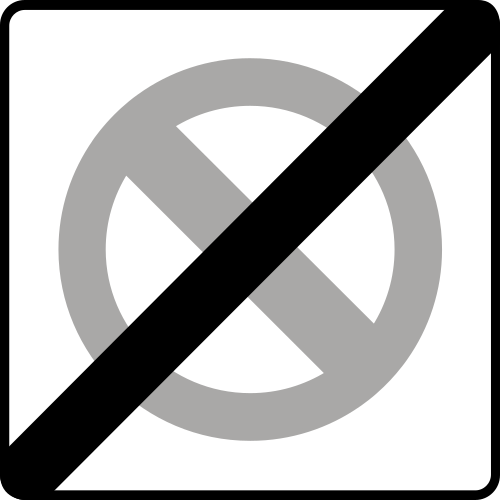
You've reached the end of the limited waiting zone with the B-40 sign.
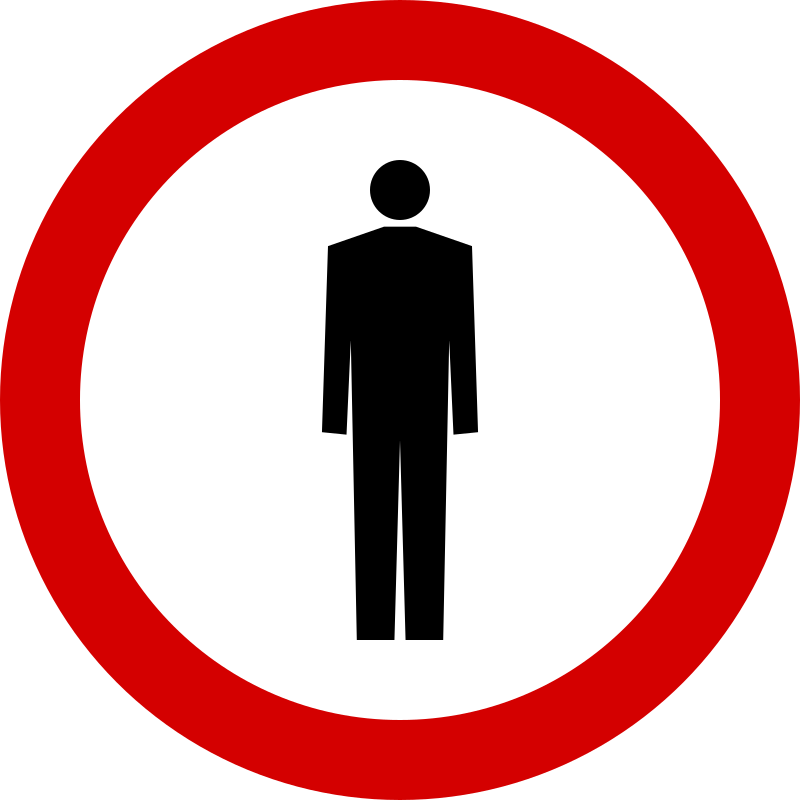
B-41 'No Pedestrians' Sign: Keep Off the Roadway Edge
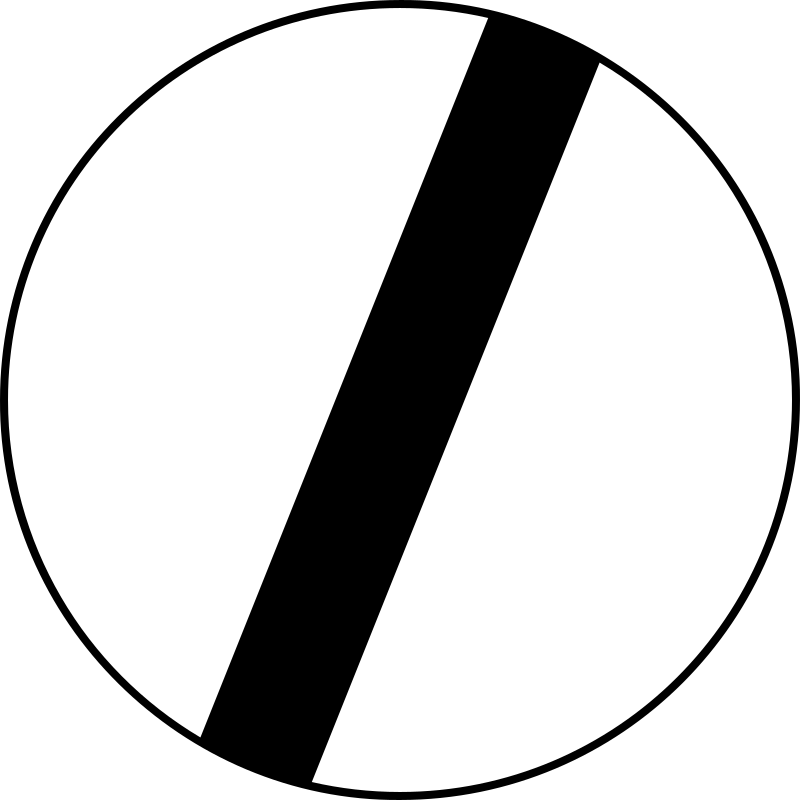
B-42 'End of All Prohibitions' Sign: Resetting Your Driving Restrictions
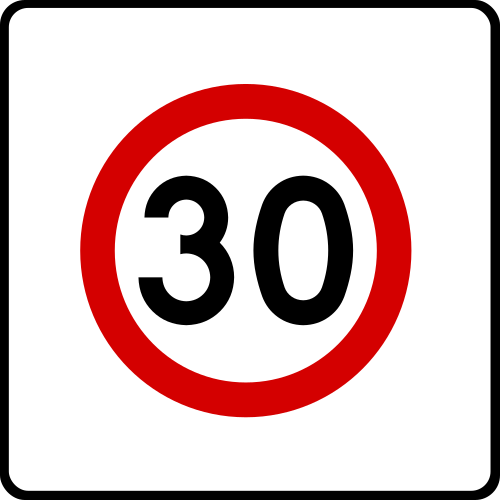
The B-43 Sign Marks the Entrance to a Speed Limit Zone
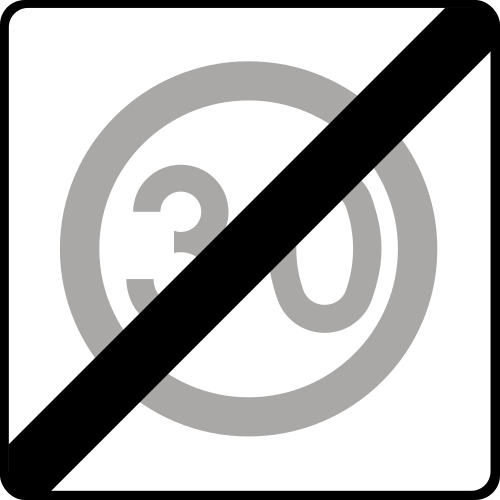
The B-44 sign signals the end of a restricted speed zone, reminding you to return to normal road speeds.
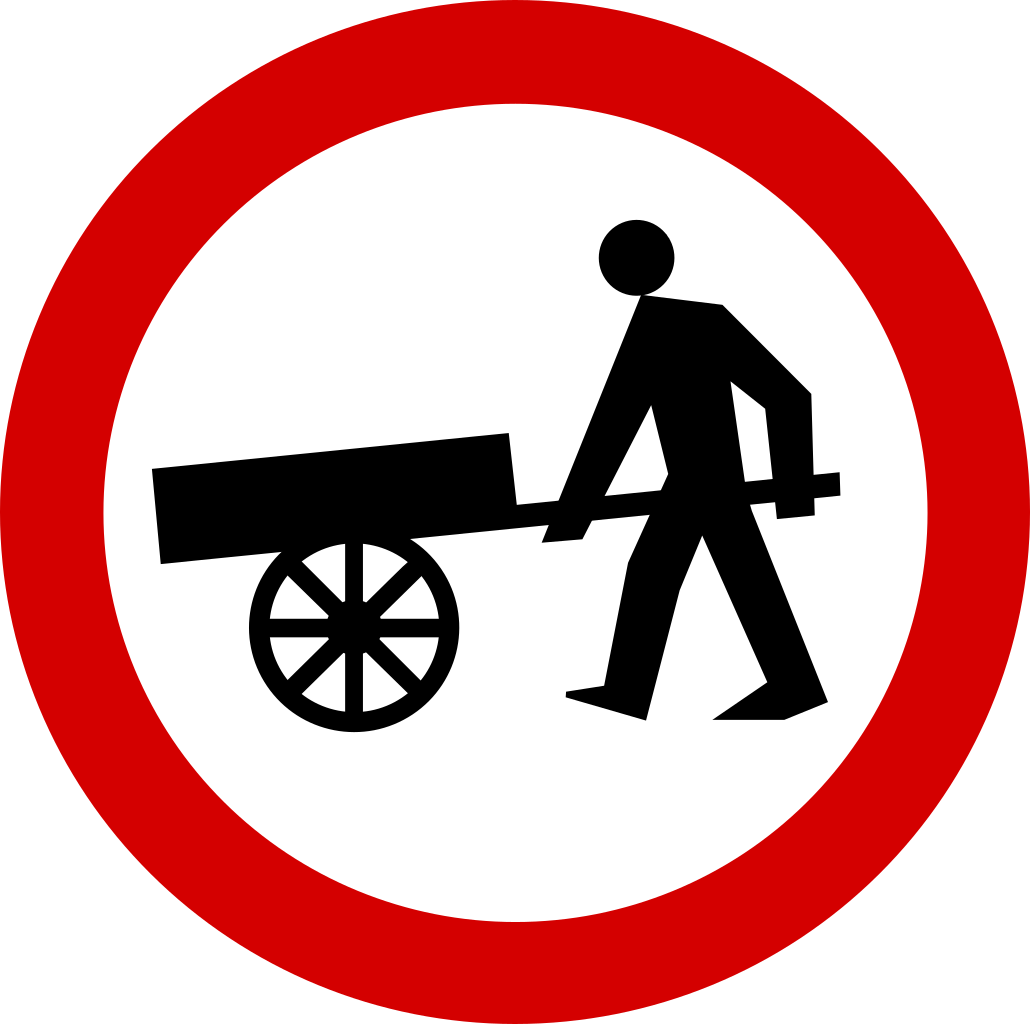
Understand the B-12 'No Handcarts' Road Sign
Clear answers to common questions about the Prohibitory Signs (B) road sign category. Use this FAQ to review tricky rules, understand how these signs appear in exam scenarios, and remove confusion that often leads to mistakes in the Polish driving theory exam in Poland.
The 'No Waiting' sign (B-35) prohibits stopping for longer than necessary to pick up or drop off passengers or load/unload goods. You can briefly stop if unavoidable, for example, in traffic. The 'No Stopping' sign (B-36) is more severe; it prohibits stopping even for a moment, except when required by traffic signals or congestion. Essentially, 'No Stopping' means you must keep moving unless forced to stop by traffic conditions.
This indicates the end of a restriction. For example, if you see a 'No Speed Limit' sign (B-34), it means the preceding speed limit no longer applies, and you may drive at the normal speed for that road. Similarly, the 'End of No U-Turn' sign (B-24) lifts the prohibition on making U-turns.
Yes, many prohibitory signs are vehicle-specific. You'll find signs that prohibit certain types of vehicles, such as buses (B-3a), motorcycles (B-4), heavy goods vehicles (B-5), or agricultural tractors (B-6). There are also signs prohibiting vehicles carrying dangerous goods (B-13, B-13a, B-14) or those exceeding certain dimensions or weights (B-15 to B-19). It's vital to recognise these if they apply to your vehicle.
The 'Stop' sign requires you to come to a complete stop before the sign, or if there is a marked stop line, before that line. You must then yield to all other traffic and only proceed when it is safe to do so. This sign is often placed at intersections with poor visibility or where traffic from other directions has priority.
Absolutely. It's common to see multiple prohibitory signs together, especially at junctions or in specific zones. For instance, you might find a speed limit sign (B-33) combined with a 'No Overtaking' sign (B-25) on a busy road. You must obey all applicable signs simultaneously. Always pay close attention to the combination of signs to understand all the restrictions in place.
After reviewing road sign categories, dive into individual traffic sign groups. Each group page offers detailed explanations and practice questions to reinforce learning. This will ensure comprehensive preparation for your Polish driving theory exam.
Polish Road Sign Categories