
Prepare for the Polish driving theory test by learning about vehicle systems and maintenance. Master knowledge of safety-critical components such as brakes, lighting, and tyres to drive confidently and safely on Polish roads.
These guides cover the critical technical knowledge required for the Polish driving theory test, including complex vehicle systems and mandatory safety inspections. Mastering the maintenance requirements for lighting, tyres, and braking systems ensures you meet official safety standards and pass your exam with confidence.
Proper maintenance of your vehicle's transmission is essential for both mechanical longevity and road safety. By understanding the differences between manual and automatic transmission requirements, you can make informed decisions that save on long-term repair costs and ensure your vehicle performs reliably on Polish roads.
Learners must understand that a vehicle’s technical state directly impacts safety in real-world traffic. This article explains how to identify early warning signs of transmission wear, such as acceleration delays or gear shifting issues, helping you maintain a roadworthy vehicle and prepare for technical theory questions.
Learning to assess the state of your transmission fluid is a vital skill for every driver, helping you identify early warning signs of mechanical wear or contamination. By understanding what constitutes healthy fluid versus signs of potential damage, you can take proactive steps to protect your vehicle and improve driving safety. This guide focuses on observation and basic checks, aligning with the technical knowledge required for responsible vehicle ownership.
This section provides essential driving theory articles on maintaining your vehicle's safety and understanding its critical components. Prepare for your Polish driving licence by mastering key topics like braking systems, lighting, tyres, and vehicle inspections, directly relevant to official exam preparation.
Proper maintenance of your vehicle's transmission is essential for both mechanical longevity and road safety. By understanding the differences between manual and automatic transmission requirements, you can make informed decisions that save on long-term repair costs and ensure your vehicle performs reliably on Polish roads.
Updated on Sep 19, 2026
Learners must understand that a vehicle’s technical state directly impacts safety in real-world traffic. This article explains how to identify early warning signs of transmission wear, such as acceleration delays or gear shifting issues, helping you maintain a roadworthy vehicle and prepare for technical theory questions.
Updated on Sep 16, 2026
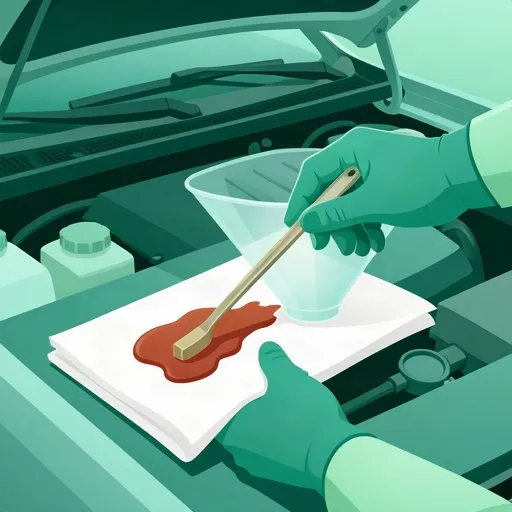
Learning to assess the state of your transmission fluid is a vital skill for every driver, helping you identify early warning signs of mechanical wear or contamination. By understanding what constitutes healthy fluid versus signs of potential damage, you can take proactive steps to protect your vehicle and improve driving safety. This guide focuses on observation and basic checks, aligning with the technical knowledge required for responsible vehicle ownership.
Updated on Aug 27, 2026
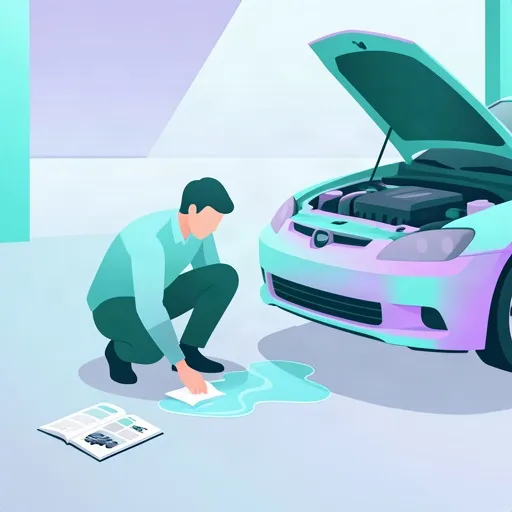
Identifying the nature of fluid leaks under your car is a core competency for any responsible driver and a key topic in the Polish driving theory curriculum. This guide teaches you how to use simple physical markers—such as color, smell, and location—to assess potential vehicle malfunctions. Mastering these basic maintenance checks helps you prevent engine failure and ensures you are better prepared for the technical questions on your driving exam.
Updated on Aug 26, 2026
Understanding the technical health of your vehicle is a fundamental requirement for the Polish driving theory exam and a hallmark of a responsible driver. This guide explores how even minor mistakes during air filter maintenance can introduce harmful contaminants to the intake system, permanently damaging your engine's turbocharger. Learn why proper maintenance techniques are vital for ensuring both vehicle reliability and safety on Polish roads.
Updated on Jul 16, 2026

Engine overheating is a serious technical failure that every driver must be able to identify and manage to prevent severe vehicle damage. This guide covers the essential role of the cooling system, explains how to monitor coolant levels, and details the correct safety measures to take when a temperature warning light appears on your dashboard. You will gain the theoretical knowledge necessary to pass the specialist section of your driving theory exam while learning how to keep your vehicle operating safely on Polish roads.
Updated on Jul 16, 2026
Learning about common engine malfunctions like hesitation or jerking during acceleration is vital for safe driving and performing well on the Polish driving theory exam. This article explores how issues with the ignition system, fuel delivery, and sensors can cause these problems, directly impacting vehicle control and your ability to navigate Polish roads safely. It provides essential knowledge for understanding vehicle condition and its relation to safe driving practices.
Updated on Jun 9, 2026

Learners preparing for their Polish driving licence theory exam should be aware that specific engine faults can pose significant road safety risks. This article details prevalent issues within the BMW N20 engine, including timing chain problems and oil leaks, explaining their potential consequences on Polish roads and underscoring the importance of regular, thorough vehicle maintenance for safe driving.
Updated on May 19, 2026

Learners in Poland need to understand common vehicle maintenance issues that affect reliability and safety. This article breaks down the specific problems associated with Ford EcoBoost engines, focusing on the wet timing belt. By learning about the causes, such as oil contamination and temperature fluctuations, drivers can better appreciate the importance of proper vehicle servicing, a key aspect of responsible car ownership and road safety.
Updated on May 14, 2026
Before embarking on any journey, Category D bus drivers in Poland bear the critical responsibility of conducting thorough pre-trip technical inspections. This article explains the key components drivers must verify to ensure the bus is safe, compliant, and roadworthy, directly preparing you for the theoretical knowledge required for your Category D licence.
Updated on May 13, 2026
For aspiring Category D drivers in Poland, understanding the specific technical standards buses must meet is paramount. This article breaks down the critical knowledge you need to know for the theory exam, focusing on driver responsibilities for ensuring vehicle safety and compliance, rather than mechanic-specific details. It covers key checks and standards that directly impact your exam preparation and safe operation of a bus.
Updated on May 13, 2026

When you start your car in Poland, you might notice the engine running at higher revolutions per minute (RPM). This article explains that while elevated RPMs are often a normal part of the engine's automated warm-up process, they can also signal underlying faults. Understanding this distinction is essential for safe driving and for preparing effectively for the Polish driving theory exam.
Updated on May 10, 2026

Navigate Polish road rules by understanding your vehicle's dashboard warning lights. This article explains the crucial distinction between urgent red indicators and informative yellow signals, empowering you to react correctly in critical situations. Knowing these meanings is essential for safe driving and is a key topic for the Polish driving theory exam.
Updated on May 6, 2026

Navigate the complexities of your vehicle's dashboard warning lights with this comprehensive guide tailored for Polish drivers. You'll learn to distinguish between critical system failures and minor alerts, understand the implications for road safety, and identify what these lights signify during your driving theory exam.
Updated on May 6, 2026
When a red warning light illuminates on your dashboard in Poland, it signifies a serious vehicle issue requiring immediate attention. This article will clarify the meaning of these critical indicators, particularly the brake system warning light, and detail the essential safety steps you must take. Understanding these urgent signals is crucial for passing your driving theory exam and ensuring your safety on Polish roads.
Updated on May 6, 2026

Learn the critical meaning behind the glow plug warning light, the spiral symbol common in Polish diesel cars, and why it's vital knowledge for your driving theory exam. This guide clarifies when the light is normal, when it signals a serious issue, and what that means for your vehicle's performance and safety on Polish roads.
Updated on Apr 27, 2026
Understanding the importance of trailer tires goes beyond basic maintenance; it's fundamental to the safe operation of truck combinations in Poland. This article delves into how proper trailer tire pressure, wear management, and adherence to EU tire label standards directly influence a truck's stability, braking performance, and resistance to aquaplaning. Mastering these concepts is key for any professional driver preparing for their Polish theory exams and ensuring road safety.
Updated on Apr 23, 2026

Understanding how to correctly check your engine oil level and assess its condition is a fundamental aspect of vehicle maintenance taught in the Polish driving theory curriculum. This article will equip you with the knowledge to use a dipstick effectively, interpret what different oil states signify, and recognise potential engine problems indicated by the oil. This practical skill is key to passing your theory test and driving safely and responsibly in Poland.
Updated on Apr 21, 2026

Drivers preparing for the Polish theory exam must be aware that Plug-in Hybrid Electric Vehicles (PHEVs) can incur substantial repair expenses, especially concerning their high-voltage systems. This article explains common failure points, such as batteries and power electronics, and the serious consequence of complete vehicle immobilization, which impacts safe driving and ownership practicalities.
Updated on Apr 18, 2026

Learn the essential best practices for storing your seasonal tires, whether winter or summer, to ensure they remain in optimal condition for your next use. This guide focuses on practical steps, including cleaning, inspection, and recommended storage environments, all vital for maintaining road safety and fulfilling vehicle maintenance requirements relevant to Polish driving theory.
Updated on Apr 17, 2026

Driving with your fuel reserve light on can lead to serious mechanical problems and potential fines in Poland. This article explains why running your tank low strains the fuel pump, can introduce debris into your system, and may even necessitate expensive repairs, particularly for diesel engines. It also touches upon Polish regulations regarding fuel transport to prevent further financial penalties.
Updated on Apr 17, 2026

For Polish drivers preparing for their theory exam, understanding how to maintain your vehicle's turbocharger is crucial for safe operation. This article explains the direct impact of air filter condition and engine oil quality on turbocharger longevity, highlighting why simple maintenance tasks prevent costly damage and performance loss, directly relating to core driving theory principles.
Updated on Apr 11, 2026
Learn how to prevent common 12V battery problems, especially those caused by short journeys prevalent in Polish driving conditions. This guide details how to check your battery's health with a multimeter, safely jump-start a vehicle, and even replace the battery yourself, equipping you with vital knowledge for the driving theory exam and everyday road safety.
Updated on Apr 11, 2026
Prepare your vehicle for the challenging conditions of Polish winters with essential checks that are vital for both road safety and your driving theory exam. This guide covers critical aspects like tire selection, fluid maintenance, and battery readiness, ensuring you can drive confidently and pass your exam by demonstrating awareness of seasonal driving requirements.
Updated on Apr 11, 2026
Discover other categories connected to Vehicle Knowledge and Maintenance in Poland. These sections help you explore additional topics, expand your understanding of driving theory in Polish, and build a more complete picture of the rules and situations tested during the exam.
Find answers to common questions learners ask about Vehicle Knowledge and Maintenance in Poland. This section helps clarify difficult concepts, highlight critical exam information, and support your preparation for the Polish driving theory exam in Poland.
Every driver in Poland should understand the basic operation of systems such as braking, steering, drivetrain, lighting, and safety systems, as well as the role of key components like tyres and operating fluids.
Before driving, you should check tyre condition, lights, fluid levels such as engine oil, coolant, and brake fluid, and ensure that brakes and wipers are functioning properly.
A properly functioning braking system is essential for safely stopping the vehicle in emergency situations, on slippery surfaces, or in urban traffic. Basic knowledge of it is required for the theory test.
Neglecting tyre maintenance, such as not checking pressure, tread wear, or damage, can reduce grip, increase braking distance, raise fuel consumption, and lead to dangerous situations, especially in difficult weather conditions.
Yes, this category is designed to help you prepare for the Polish driving theory test by covering essential vehicle knowledge and maintenance topics that are part of the exam.
Access a structured overview of all article categories to enhance your Polish driving licence theory preparation. Choose a topic area like road signs, traffic rules, or specific maneuvers to focus your learning and ensure you cover all necessary material effectively before your exam.
Polish Theory Article Categories