
This article delves into the specific requirements and distinctions between driving licences for personal use and those needed for professional commercial transport in Poland. You will learn how categories like B, C, and D apply differently and understand terms such as 'transport zarobkowy' to drive legally and avoid common exam pitfalls.
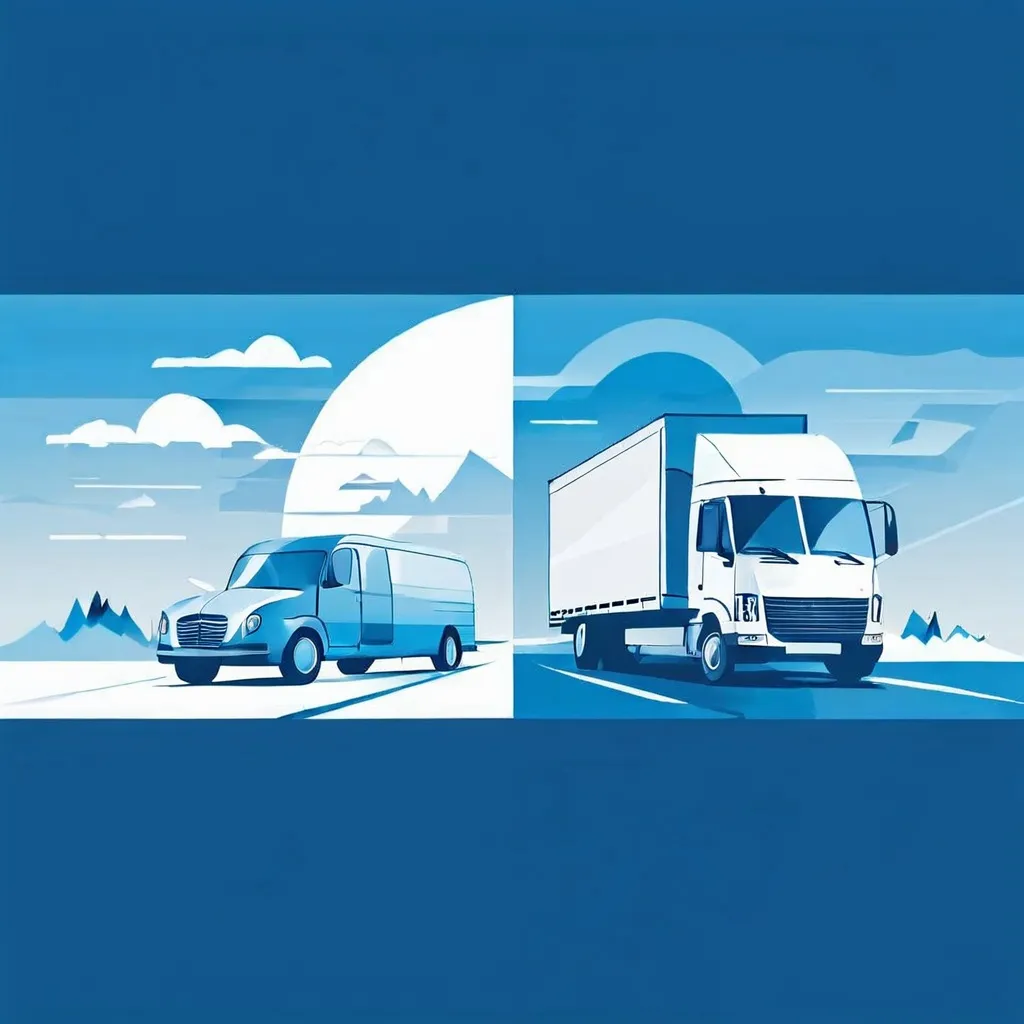
Article content overview
Navigating the nuances of Polish driving regulations can be complex, especially when distinguishing between driving for personal reasons and for commercial purposes. This distinction is not merely semantic; it carries significant legal weight and directly impacts the type of driving licence and potential additional qualifications required. Understanding these differences is paramount for any aspiring driver in Poland, not only to pass the theory examination successfully but also to ensure lawful operation on public roads. This article will delve into the core aspects of Poland's driving licence categories, focusing on how they apply to personal versus commercial use, and introduce key Polish terminology that is crucial for exam preparation.
The Polish legal framework, much like in other European Union member states, categorizes driving licences to reflect the varying responsibilities and vehicle types associated with different forms of driving. While a Category B licence may suffice for most personal transportation needs, operating vehicles for commercial gain—a concept broadly termed 'transport zarobkowy' in Polish law—often necessitates higher categories or specialized certifications. This differentiation is vital for road safety, fair competition, and ensuring that drivers possess the appropriate skills and knowledge for the specific demands of commercial operations.
In the context of Polish traffic law, 'transport zarobkowy' refers to any activity where a vehicle is used to transport people or goods for financial remuneration. This goes beyond simply owning a vehicle and using it for personal errands; it involves a professional engagement where driving is the primary service being offered or is integral to a business operation. The theory exam often tests candidates on their understanding of when this distinction becomes relevant, as it triggers different legal obligations.
For instance, driving a large van to deliver goods for a company, even if the van is not a heavy goods vehicle (HGV), might fall under 'transport zarobkowy'. Similarly, operating a minibus to transport passengers for hire requires more than a standard Category B licence. The authorities expect drivers engaged in commercial activities to possess a deeper understanding of vehicle maintenance, driver working hours, and specific passenger or cargo safety regulations. Failure to comply can lead to severe penalties, including hefty fines and the suspension or revocation of driving privileges.
The term 'transport zarobkowy' is central to understanding the difference between personal and professional driving in Poland. It signifies driving for profit, which mandates specific licensing and regulatory adherence beyond what is required for private use.
The implications of 'transport zarobkowy' extend to the vehicle itself. While a private individual can drive most cars and small vans with a Category B licence, commercial operations might necessitate vehicles that fall under different weight or passenger capacity classes, thereby requiring corresponding higher licence categories. Furthermore, even for categories like B, if the vehicle is used commercially, specific Polish regulations concerning its operation and the driver's qualifications might apply.
The Category B driving licence is the most common in Poland, permitting individuals to drive a wide range of vehicles for personal transportation. This category is the foundation for most drivers and covers standard passenger cars and small vans. According to Polish regulations, a Category B licence allows the holder to drive a motor vehicle with a maximum permissible mass (DMC - dopuszczalna masa całkowita) not exceeding 3.5 tonnes, excluding buses and motorcycles. This definition is crucial for understanding the limits of personal vehicle operation.
Additionally, a Category B licence permits the driver to operate a combination of a vehicle in this weight class with a light trailer (up to 750 kg DMC). It also allows for a vehicle up to 3.5 tonnes with a heavier trailer, provided the combined DMC of the vehicle and trailer does not exceed 4,250 kg. This specific allowance for heavier trailer combinations with a Category B licence is a detail frequently tested in the theory exams, as it extends the practical utility of the licence for personal use, such as towing a caravan or a larger utility trailer for personal projects.
The maximum permissible mass of a vehicle or combination of vehicles, including the load, passengers, and accessories, as specified by the manufacturer. In Polish traffic law, this is a critical parameter for determining licence category requirements.
For personal use, the emphasis is generally on safe operation, adherence to general traffic rules, and possession of a valid driving licence and necessary vehicle documents. The primary focus is on ensuring the driver can navigate public roads safely and responsibly without engaging in commercial activities.
When the use of a vehicle shifts from personal to commercial, the requirements for the driving licence and associated qualifications often escalate. This is particularly true for larger vehicles or those designed for passenger transport. Poland's system, aligned with EU directives, features categories that specifically cater to professional drivers.
The Category C licence is required for driving vehicles with a DMC exceeding 3.5 tonnes, excluding buses. This broadly covers trucks and other heavy goods vehicles. For combinations of a Category C vehicle with a trailer exceeding 750 kg DMC, a Category C+E licence is necessary. These categories are fundamental for anyone involved in the transport of goods as a profession.
Driving HGVs commercially involves more than just operating the vehicle; it often requires a Świadectwo Kwalifikacji Zawodowej Kierowcy (Driver's Qualification Certificate), commonly referred to as the Certificate of Professional Competence (CPC). This certificate is obtained through specialized training and examination and is mandatory for drivers performing 'transport zarobkowy' using vehicles requiring Categories C, C+E, D, or D+E. The theory exam may include questions about the CPC and its importance for professional drivers in Poland.
For those involved in transporting passengers professionally, such as bus drivers, the relevant categories are D (for buses) and D+E (for buses with trailers). The Category D licence typically has a higher minimum age requirement (often 24 years for full entitlement) and, like Category C, generally necessitates the Driver's Qualification Certificate (CPC) for commercial passenger transport. This ensures drivers are equipped with advanced knowledge of passenger safety, emergency procedures, and the specific regulations governing public transport operations.
A common exam trap involves confusing the requirements for driving a large passenger car privately versus operating a bus for hire. A Category B licence is insufficient for any form of commercial passenger transport.
The Polish driving licence system is designed to ensure that individuals operating vehicles under commercial pressures have the necessary skills, knowledge, and certifications. This comprehensive approach aims to enhance road safety for all users, especially in scenarios involving heavy goods or numerous passengers.
Regardless of whether a vehicle is used for personal or commercial purposes, Polish law mandates that drivers carry and present certain documents upon request by a competent authority. Understanding these requirements is a core component of the driving theory exam.
For drivers operating vehicles registered in Poland with a Polish-issued driving licence, the situation regarding required documents can be nuanced. Historically, drivers were obliged to carry their physical driving licence at all times. However, recent legal amendments have introduced changes, and the obligation to carry the physical licence has been relaxed in many cases, as it can often be verified electronically by authorities. Nevertheless, it is always prudent to be aware of the current regulations.
The exam may present questions about what must be carried. Based on typical exam question patterns, a driver might be asked what they are obliged to present.
Exam Question Scenario: A driver of a vehicle registered in Poland, holding a Polish driving licence, is asked what they must present to a competent authority.
Historically, this would include the driving licence itself or a retention receipt if the licence was temporarily confiscated.
A document issued to a driver when their driving licence is temporarily confiscated, serving as a temporary permit to drive under specific conditions until the licence is returned or legal proceedings are concluded.
Furthermore, depending on the vehicle and its usage, other documents might be required. For instance, proof of compulsory civil liability insurance (OC - ubezpieczenie odpowiedzialności cywilnej posiadaczy pojazdów mechanicznych) is generally a mandatory requirement for all vehicles operating on Polish roads. The exam might also touch upon specific situations, such as a driver using a vehicle on a test drive with a professional registration document, where proof of roadworthiness becomes paramount.
Mandatory insurance in Poland that covers damages caused to third parties by the insured vehicle. All registered vehicles must have valid OC insurance.
For vehicles undergoing a technical inspection, a certificate confirming its successful completion might be relevant, especially if it's a specialized vehicle or if specific modifications have been made. In cases where a driving licence is limited, such as to a vehicle fitted with an alcohol interlock, a certificate confirming a satisfactory technical examination related to this equipment would be necessary.
A mandatory periodic check to ensure a vehicle meets safety and environmental standards. The results of this inspection are recorded, and a certificate is issued.
Poland's road traffic law also accommodates specialized vehicles, such as agricultural tractors, which have their own licensing nuances, particularly when combined with trailers. A Category T licence is specifically for agricultural tractors and other slow-moving vehicles. When these vehicles are used with trailers, especially for personal use or within specific agricultural contexts, the regulations can differ from general commercial transport.
For an agricultural tractor with a trailer registered in Poland, the driver is obliged to carry specific documents. While the full driving licence is essential, the registration document for the tractor and potentially the trailer may also be required, depending on the specifics and current legislation. The theory exam aims to test this understanding of documentation requirements across various vehicle types.
Always ensure you are familiar with the most current legal requirements for carrying documents, as regulations can evolve. While electronic verification is becoming more common, ignorance of the law is not a defence.
Understanding the distinction between personal and commercial vehicle use in Poland is a critical element of the driving theory curriculum. It encompasses not only the correct licence categories but also the awareness of additional qualifications like the Driver's Qualification Certificate and the specific documents required by law. The Polish theory exam is designed to assess this comprehensive knowledge, ensuring that drivers are not only capable of operating a vehicle but also of doing so legally and safely within the established regulatory framework.
By thoroughly studying the rules surrounding vehicle categories, 'transport zarobkowy', and required documentation, learners can build a strong foundation for safe and lawful driving in Poland. This knowledge is essential for passing the exam and for responsible driving on all Polish roads.
This article explains how Poland categorizes driving licences based on vehicle weight and driving purpose. The critical distinction is between personal use (typically Category B, covering vehicles up to 3.5 tonnes DMC) and commercial 'transport zarobkowy' (which requires higher categories and often the Driver's Qualification Certificate). Key exam details include the specific DMC limits, trailer combination rules, and the mandatory CPC for professional goods and passenger transport drivers. Understanding when driving crosses from personal to commercial is essential for both exam success and legal compliance.
A short set of high-value points that capture the most important ideas from this article.
'Transport zarobkowy' is driving for financial remuneration and always requires qualifications beyond a standard Category B licence
Category B covers vehicles up to 3.5 tonnes DMC, including combinations with trailers where total DMC does not exceed 4,250 kg
Category C is required for vehicles over 3.5 tonnes DMC used commercially, while Category D covers professional passenger transport
The Driver's Qualification Certificate (CPC) is mandatory for anyone performing commercial transport with Categories C, C+E, D, or D+E
Vehicle weight limits and the purpose of driving (personal vs. commercial) are the two primary factors determining which licence category is needed
DMC (Dopuszczalna masa całkowita) is the maximum permissible mass including load, passengers, and accessories
Category B + trailer combinations up to 750 kg are always permitted; heavier trailers require combined DMC not exceeding 4,250 kg
Commercial passenger transport with a minibus or bus requires Category D, never Category B alone
Agricultural tractors require a separate Category T licence, which has distinct regulations from standard categories
A physical driving licence may not always need to be carried due to electronic verification, but knowing current requirements is essential
Assuming Category B covers all van driving, including delivery work for a company—it does not when it constitutes 'transport zarobkowy'
Confusing the 3.5 tonne DMC limit for Category B with the 4,250 kg combined limit when towing a heavier trailer
Believing a large passenger vehicle can be driven commercially with only a Category B licence
Overlooking that Category T has its own specific rules separate from other licence categories for agricultural vehicles
Assuming document requirements are the same for all drivers, without considering vehicle type and usage context
Article content overview
A short set of high-value points that capture the most important ideas from this article.
'Transport zarobkowy' is driving for financial remuneration and always requires qualifications beyond a standard Category B licence
Category B covers vehicles up to 3.5 tonnes DMC, including combinations with trailers where total DMC does not exceed 4,250 kg
Category C is required for vehicles over 3.5 tonnes DMC used commercially, while Category D covers professional passenger transport
The Driver's Qualification Certificate (CPC) is mandatory for anyone performing commercial transport with Categories C, C+E, D, or D+E
Vehicle weight limits and the purpose of driving (personal vs. commercial) are the two primary factors determining which licence category is needed
DMC (Dopuszczalna masa całkowita) is the maximum permissible mass including load, passengers, and accessories
Category B + trailer combinations up to 750 kg are always permitted; heavier trailers require combined DMC not exceeding 4,250 kg
Commercial passenger transport with a minibus or bus requires Category D, never Category B alone
Agricultural tractors require a separate Category T licence, which has distinct regulations from standard categories
A physical driving licence may not always need to be carried due to electronic verification, but knowing current requirements is essential
Assuming Category B covers all van driving, including delivery work for a company—it does not when it constitutes 'transport zarobkowy'
Confusing the 3.5 tonne DMC limit for Category B with the 4,250 kg combined limit when towing a heavier trailer
Believing a large passenger vehicle can be driven commercially with only a Category B licence
Overlooking that Category T has its own specific rules separate from other licence categories for agricultural vehicles
Assuming document requirements are the same for all drivers, without considering vehicle type and usage context
Explore related topics, search based questions, and concepts that learners often look up when studying Poland: Personal vs. Commercial Driving. These themes reflect real search intent and help you understand how this topic connects to wider driving theory knowledge in Poland.
Find clear and practical answers to common questions learners often have about Poland: Personal vs. Commercial Driving. This section helps explain difficult points, remove confusion, and reinforce the key driving theory concepts that matter for learners in Poland.
'Transport zarobkowy' refers to any transport service performed for remuneration, meaning you are paid to transport goods or passengers. This classification triggers specific legal and licensing requirements beyond a standard personal use licence.
A Category B licence in Poland is primarily for personal use of vehicles up to 3.5 tonnes. For commercial goods transport, especially for remuneration, higher categories like C, along with potentially a professional qualification, are generally required.
A Category B licence permits driving cars and small vans up to 3.5 tonnes. A Category C licence, however, allows the operation of heavier goods vehicles (trucks) with a gross vehicle weight exceeding 3.5 tonnes, often necessitating additional professional qualifications for commercial use.
Yes, for commercial transport of goods or passengers ('transport zarobkowy'), drivers often need a Certificate of Professional Competence (CPC), or 'kwalifikacja zawodowa kierowcy', in addition to the relevant driving licence category (e.g., C, D).
While Category B covers personal use, using a vehicle for business purposes can quickly fall under commercial regulations if it involves transporting goods for others or for profit. The intent and remuneration are key factors. For example, a specific code like 96 allows for towing a trailer heavier than allowed by standard B, but this is still generally for non-commercial purposes unless professional qualifications are met.
After finding your specific article, continue your targeted learning by exploring related topics or diving deeper into practice questions. Our extensive library ensures you have all the resources needed to confidently prepare for your Polish driving license theory exam. Discover more guides and solidify your understanding of Polish road rules.