
As vehicle technology advances under the new 2026 Euro NCAP protocols, it is essential for learners to grasp the distinction between automated safety features and human driver accountability. This guide covers the four assessment phases—Driving Safety, Collision Prevention, Collision Protection, and Post-Collision Safety—to clarify how these systems interact with Portuguese traffic laws. You will learn why maintaining a defensive driving mindset remains your primary responsibility, regardless of a vehicle's star rating.
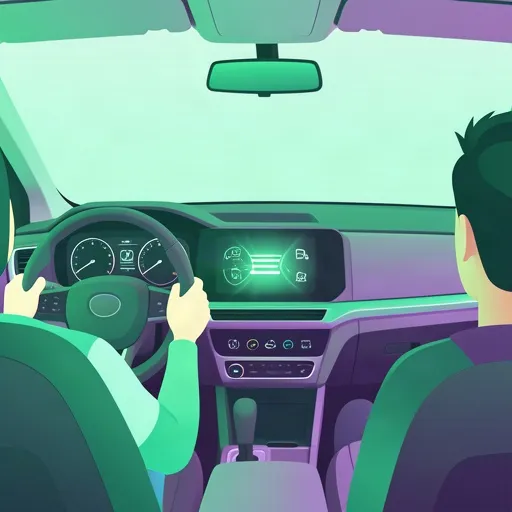
Article content overview
As you prepare for your Portuguese driving theory exam, you will likely encounter questions that touch upon modern vehicle safety. It is a common misconception among learner drivers that the increasing sophistication of car technology—such as automatic emergency braking or lane-keeping assist—shifts the burden of safety away from the person behind the wheel. Under the Código da Estrada, the driver remains solely responsible for the control of the vehicle and the safety of all road users. While the 2026 Euro NCAP safety protocols represent a significant evolution in automotive standards, they are designed to provide a protective layer, not to act as a substitute for your attention or legal duty of care.
The 2026 update moves beyond traditional crash-test durability by implementing a holistic "Safe System" approach. This framework evaluates safety across four distinct phases: Driving Safety, Collision Prevention, Collision Protection, and Post-Collision Safety. Understanding these phases helps you realize that a vehicle's high star rating is an average of its performance across these areas, rather than a guarantee that it can handle complex urban traffic without human intervention.
The "Driving Safety" and "Collision Prevention" phases focus on how well a car warns you of hazards and intervenes if you fail to react. This includes technology designed to monitor driver distraction and prevent pedal errors, which are frequent causes of accidents in urban environments. However, for your theory test, remember that these systems are supplemental. For instance, while a car may detect a cyclist, you are still legally required to maintain a safe lateral distance and check your mirrors before maneuvering.
The latter phases evaluate how the vehicle protects occupants and vulnerable road users during a crash, and how it communicates vital data to emergency services afterwards. This ensures that in the event of an accident, your vehicle is equipped to mitigate the damage. Nevertheless, no amount of passive safety equipment can replace the defensive driving mindset required to prevent a collision in the first place.
In the context of the Portuguese theory exam, it is vital to distinguish between a vehicle's capability and your legal obligations. A 5-star rating from Euro NCAP does not grant immunity from traffic laws, nor does it allow for distracted driving. If a vehicle's automated emergency braking system fails to engage because of weather conditions or poor visibility, you as the driver are still held accountable for the collision under the Código da Estrada.
Many new drivers believe that because a car is "smart," they can afford to be less vigilant. This is a dangerous mindset. In the eyes of the IMT and Portuguese law, the driver must maintain a continuous state of awareness. Whether you are driving an older vehicle or a brand-new car equipped with the latest 2026-standard safety features, your duty to observe road signs, respect speed limits, and manage priority at intersections remains absolute.
While technology evolves, the fundamental rules of the road—represented by standardized signage—remain the primary indicators of how you should drive. Regardless of how many safety features your car possesses, you must always adhere to the instructions provided by mandatory road signs.
As you prepare for your exam, focus on the intersection between vehicle safety tech and traffic legislation. Questions may test your knowledge of what you should do when systems fail, or how you should behave in high-traffic, complex environments like roundabouts or urban pedestrian areas. Always prioritize the manual operation of the vehicle, using technology only as a secondary aid to your own judgment.
The 2026 Euro NCAP protocols introduce a comprehensive Safe System approach evaluating vehicles across four phases: Driving Safety, Collision Prevention, Collision Protection, and Post-Collision Safety. While these standards represent significant advances in automotive safety, they are designed as protective layers rather than replacements for driver vigilance. Under the Código da Estrada, drivers retain sole legal responsibility for vehicle control and the safety of all road users, regardless of a vehicle's star rating or technological capabilities. Learner drivers must understand that automated systems can fail in adverse conditions, and no technology removes the fundamental duty of care required by Portuguese traffic law.
A short set of high-value points that capture the most important ideas from this article.
The 2026 Euro NCAP framework evaluates safety across four phases: Driving Safety, Collision Prevention, Collision Protection, and Post-Collision Safety.
A vehicle's star rating is an average across all four safety phases, not a guarantee of performance in every driving situation.
Under the Código da Estrada, drivers remain solely responsible for vehicle control and the safety of all road users regardless of vehicle technology.
Modern safety systems are supplemental aids, not substitutes for human attention and legal duty of care.
Automated safety features can fail in adverse weather conditions when cameras and sensors are obscured.
The driver bears full legal accountability if automated emergency braking fails due to weather or visibility conditions.
Euro NCAP ratings reflect average performance across multiple safety phases, not absolute protection in all scenarios.
A 5-star safety rating does not exempt drivers from obeying traffic laws or exercising due care.
Systems like lane-keeping assist and automatic emergency braking are designed to support, not replace, driver observation.
Defensive driving mindset remains your primary responsibility whether driving an older or newer vehicle.
Assuming that advanced safety features eliminate the need to check mirrors and maintain safe distances manually.
Believing a 5-star Euro NCAP rating grants legal immunity or allows for less vigilant driving.
Over-relying on automated systems in adverse weather conditions such as heavy rain, fog, or on muddy rural roads.
Mistaking supplemental safety technology for a replacement for human judgment at roundabouts and complex intersections.
Thinking that vehicle safety equipment can replace the defensive driving mindset required to prevent collisions.
Article content overview
A short set of high-value points that capture the most important ideas from this article.
The 2026 Euro NCAP framework evaluates safety across four phases: Driving Safety, Collision Prevention, Collision Protection, and Post-Collision Safety.
A vehicle's star rating is an average across all four safety phases, not a guarantee of performance in every driving situation.
Under the Código da Estrada, drivers remain solely responsible for vehicle control and the safety of all road users regardless of vehicle technology.
Modern safety systems are supplemental aids, not substitutes for human attention and legal duty of care.
Automated safety features can fail in adverse weather conditions when cameras and sensors are obscured.
The driver bears full legal accountability if automated emergency braking fails due to weather or visibility conditions.
Euro NCAP ratings reflect average performance across multiple safety phases, not absolute protection in all scenarios.
A 5-star safety rating does not exempt drivers from obeying traffic laws or exercising due care.
Systems like lane-keeping assist and automatic emergency braking are designed to support, not replace, driver observation.
Defensive driving mindset remains your primary responsibility whether driving an older or newer vehicle.
Assuming that advanced safety features eliminate the need to check mirrors and maintain safe distances manually.
Believing a 5-star Euro NCAP rating grants legal immunity or allows for less vigilant driving.
Over-relying on automated systems in adverse weather conditions such as heavy rain, fog, or on muddy rural roads.
Mistaking supplemental safety technology for a replacement for human judgment at roundabouts and complex intersections.
Thinking that vehicle safety equipment can replace the defensive driving mindset required to prevent collisions.
Explore related topics, search based questions, and concepts that learners often look up when studying 2026 Safety Protocols and Driver Duty. These themes reflect real search intent and help you understand how this topic connects to wider driving theory knowledge in Portugal.
Find clear and practical answers to common questions learners often have about 2026 Safety Protocols and Driver Duty. This section helps explain difficult points, remove confusion, and reinforce the key driving theory concepts that matter for learners in Portugal.
No. A high safety rating indicates better crash protection and system efficiency, but it does not grant legal immunity or replace the need for strict adherence to the Código da Estrada.
The four phases are Driving Safety, Collision Prevention, Collision Protection, and Post-Collision Safety, which together assess the vehicle's role in the 'Safe System' approach.
No. Advanced systems like emergency braking or lane keep assist are supplemental aids. The driver remains solely responsible for monitoring the road and controlling the vehicle at all times.
No. Euro NCAP is an independent evaluator of vehicle performance, whereas the IMT sets the mandatory traffic laws and regulations that all drivers must follow in Portugal.
If you haven't found what you're looking for, use our powerful article search to explore related topics, refine your understanding of Portuguese road rules, or discover new insights for your IMT driving exam preparation. Continue building your knowledge effectively.