
Many learners are surprised by exam questions involving alcohol, often relying on dangerous misconceptions about how quickly a body recovers. This guide clarifies that no food, drink, or physical trick can speed up alcohol elimination, helping you understand the legal risks of driving even when you feel 'sober'. Learn the facts required for the Portuguese driving test and prepare yourself for responsible, safe decision-making on the road.
Article content overview
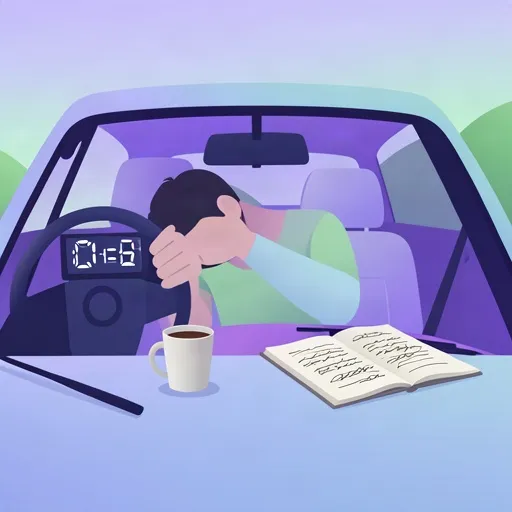
One of the most dangerous misconceptions for new drivers is the belief that they can "speed up" the sobering process. Whether it is drinking strong coffee, taking a cold shower, or sleeping for a short interval, these actions are frequently cited in casual conversation as ways to regain sobriety. However, from the perspective of the Instituto da Mobilidade e dos Transportes (IMT) and the Código da Estrada, these methods are entirely ineffective and, if relied upon, can lead to catastrophic consequences. Understanding the physiological reality of alcohol metabolism is not only a requirement for passing your theory exam but a fundamental pillar of responsible driving in Portugal.
The human body processes alcohol at a remarkably constant rate. Regardless of your physical fitness, gender, or how much water you consume, the liver can only break down a limited amount of alcohol per hour. On average, this rate is approximately 0.1 to 0.15 grams per liter of blood per hour. This biological constant means that no external intervention—such as drinking coffee to "wake up" or physical exertion—can accelerate the elimination of ethanol from your bloodstream.
The measurement of the mass of alcohol in a specific volume of blood. In Portugal, the legal limit for most drivers is 0.50 g/L, while probationary drivers and commercial drivers face stricter limits of 0.20 g/L.
Because this rate is fixed, the only way to ensure your BAC returns to a safe and legal level is time. Many learners fall into the trap of believing that a short nap or a heavy meal will allow them to drive sooner. While food might slow the absorption of alcohol into the bloodstream, it does not hasten its elimination. Relying on these myths is a common cause of failed theory exam questions and, more importantly, real-world traffic accidents.
The Portuguese theory exam often includes trick questions designed to see if a candidate understands that there is no "quick fix" for alcohol intoxication. A frequent exam scenario presents a driver who has consumed excess alcohol and asks if they can drive safely after a specific activity, such as resting for an hour or drinking caffeine.
The correct answer in any IMT theory exam context is that it is impossible to recover quickly. If you have exceeded the legal alcohol limit, you must wait until your body has naturally metabolized the substance. No amount of coffee, cold air, or short sleep will make you fit to drive.
Drivers often underestimate the "morning after" effect. Even if you feel coherent the next morning, your BAC may still be above the legal limit if you consumed a significant amount of alcohol the previous evening. If you are stopped by the GNR or PSP for a random breathalyzer test, "I didn't feel drunk" or "I drank coffee first" are not valid legal defenses.
The safest rule for any driver is to avoid operating a vehicle if you have consumed alcohol. When you do choose to drink, you must allow for a sufficient recovery period. A simple but effective rule of thumb is to assume that one unit of alcohol takes roughly one to two hours to fully metabolize. If you have consumed several drinks, you may need to wait twelve hours or more before it is safe—and legal—to get behind the wheel.
The IMT emphasizes these topics because road safety is a matter of public health. Between 2010 and 2019, alcohol-related accidents contributed to thousands of fatalities on Portuguese roads. By choosing to educate yourself on these facts, you are not just preparing to answer questions on a computer screen; you are preparing to make life-saving decisions on the road. Remember that when you face these questions on your theory test, the examiners are looking for a commitment to safety over convenience.
Alcohol metabolism occurs at a fixed rate of 0.1-0.15 g/L per hour that cannot be accelerated by any external method, meaning only time allows BAC to drop to legal levels. The Portuguese Código da Estrada sets legal limits at 0.50 g/L for standard drivers and 0.20 g/L for probationary and commercial drivers, with random enforcement conducted by GNR and PSP. Common myths like coffee, cold showers, short naps, or eating food do not speed up alcohol elimination - they may affect absorption if consumed before or during drinking, but not elimination after absorption. For the IMT theory exam, candidates must recognize that feeling sober provides no legal defense and that the only safe strategy is allowing adequate waiting time based on the number of drinks consumed.
A short set of high-value points that capture the most important ideas from this article.
The human body eliminates alcohol at a constant biological rate of approximately 0.1 to 0.15 grams per liter of blood per hour, and no external action can accelerate this process
Food slows alcohol absorption into the bloodstream but has no effect on how quickly alcohol is eliminated after it has already entered the system
Feeling sober after sleep or coffee does not mean your Blood Alcohol Concentration has dropped below the legal limit
In Portugal, the legal BAC limit is 0.50 g/L for most drivers, but stricter limits of 0.20 g/L apply to probationary drivers and commercial drivers
The only effective strategy to lower BAC to a safe and legal level is waiting for the liver to naturally metabolize the alcohol over time
Alcohol elimination is a fixed biological process - not something that can be sped up by coffee, cold showers, exercise, or any other home remedy
Absorption and elimination are different: food affects absorption timing but does not accelerate elimination
Morning-after driving requires careful calculation - even 8-12 hours may not be enough after heavy drinking
Portuguese enforcement agencies GNR and PSP conduct random breathalyzer tests, and claiming you felt sober is not a legal defense
The IMT theory exam will present trick questions testing whether you know that no quick-fix method can restore driving fitness
Believing that coffee or caffeine will make you fit to drive - it only addresses drowsiness, not alcohol impairment
Confusing the effect of food on alcohol absorption with an effect on elimination, thinking a meal will help you sober up faster
Underestimating the morning-after effect and driving too soon after an evening of drinking based on how they feel
Assuming that sleeping for a few hours is sufficient recovery time when significant alcohol was consumed
Thinking that feeling normal or alert means the body has eliminated the alcohol to a legal BAC level
Article content overview
A short set of high-value points that capture the most important ideas from this article.
The human body eliminates alcohol at a constant biological rate of approximately 0.1 to 0.15 grams per liter of blood per hour, and no external action can accelerate this process
Food slows alcohol absorption into the bloodstream but has no effect on how quickly alcohol is eliminated after it has already entered the system
Feeling sober after sleep or coffee does not mean your Blood Alcohol Concentration has dropped below the legal limit
In Portugal, the legal BAC limit is 0.50 g/L for most drivers, but stricter limits of 0.20 g/L apply to probationary drivers and commercial drivers
The only effective strategy to lower BAC to a safe and legal level is waiting for the liver to naturally metabolize the alcohol over time
Alcohol elimination is a fixed biological process - not something that can be sped up by coffee, cold showers, exercise, or any other home remedy
Absorption and elimination are different: food affects absorption timing but does not accelerate elimination
Morning-after driving requires careful calculation - even 8-12 hours may not be enough after heavy drinking
Portuguese enforcement agencies GNR and PSP conduct random breathalyzer tests, and claiming you felt sober is not a legal defense
The IMT theory exam will present trick questions testing whether you know that no quick-fix method can restore driving fitness
Believing that coffee or caffeine will make you fit to drive - it only addresses drowsiness, not alcohol impairment
Confusing the effect of food on alcohol absorption with an effect on elimination, thinking a meal will help you sober up faster
Underestimating the morning-after effect and driving too soon after an evening of drinking based on how they feel
Assuming that sleeping for a few hours is sufficient recovery time when significant alcohol was consumed
Thinking that feeling normal or alert means the body has eliminated the alcohol to a legal BAC level
Explore related topics, search based questions, and concepts that learners often look up when studying Alcohol Myths and Driving Safety. These themes reflect real search intent and help you understand how this topic connects to wider driving theory knowledge in Portugal.
Find clear and practical answers to common questions learners often have about Alcohol Myths and Driving Safety. This section helps explain difficult points, remove confusion, and reinforce the key driving theory concepts that matter for learners in Portugal.
No. Drinking coffee, taking a cold shower, or eating food does not lower your blood alcohol concentration or speed up the metabolism of alcohol. These are dangerous myths that will not protect you from legal consequences or impairment.
The exam often presents scenarios suggesting 'quick fixes' to see if candidates understand that alcohol can only be processed by the liver at a steady physiological rate, meaning there is no shortcut to regaining fitness to drive.
If you have consumed significant amounts of alcohol, your body may still be processing it well into the next day. Relying on sleep to clear your blood alcohol levels is risky, as you may still exceed the legal limit without feeling impaired.
The only reliable strategy is to allow enough time for your liver to naturally metabolize the alcohol. If you have been drinking, the safest approach is to use alternative transport or wait a significant amount of time before getting behind the wheel.
If you haven't found what you're looking for, use our powerful article search to explore related topics, refine your understanding of Portuguese road rules, or discover new insights for your IMT driving exam preparation. Continue building your knowledge effectively.