
Black ice poses a significant and often unseen hazard during winter driving in Sweden. This article will guide you through identifying the environmental conditions and road locations where black ice is most likely to form, based on weather patterns and subtle cues. Mastering this knowledge is vital for developing the hazard perception skills required for the Swedish driving theory test and ensuring your safety on the road.
Article content overview
Driving in Sweden during the winter months presents unique challenges, and among the most deceptive and dangerous is the phenomenon of black ice. Unlike a thick blanket of snow that clearly indicates slippery conditions, black ice is a thin, transparent layer of ice that forms on the road surface, making it notoriously difficult to spot. This invisible threat can dramatically reduce tyre grip, leading to loss of control, even at low speeds. Understanding the conditions under which black ice forms, where it is most likely to appear, and adopting defensive driving strategies are paramount for your safety and for passing the Swedish driving theory exam. This article delves into these critical aspects, equipping you with the knowledge to anticipate and react to this hidden hazard.
Black ice is not typically formed from falling snow or ice crystals. Instead, it arises from a specific combination of temperature and moisture. When the ambient air temperature drops to freezing (0°C or 32°F) or below, and the road surface is already wet, the water can freeze into a solid layer. This often happens on clear, cold nights, even if there hasn't been any precipitation. Rain that falls when temperatures are near or below freezing can also immediately freeze upon contact with the road surface, creating black ice. Another common scenario is when melting snow or ice on the sides of the road refreezes overnight. This meltwater can then flow onto the roadway and, when the temperature plummets, solidify into that treacherous transparent layer.
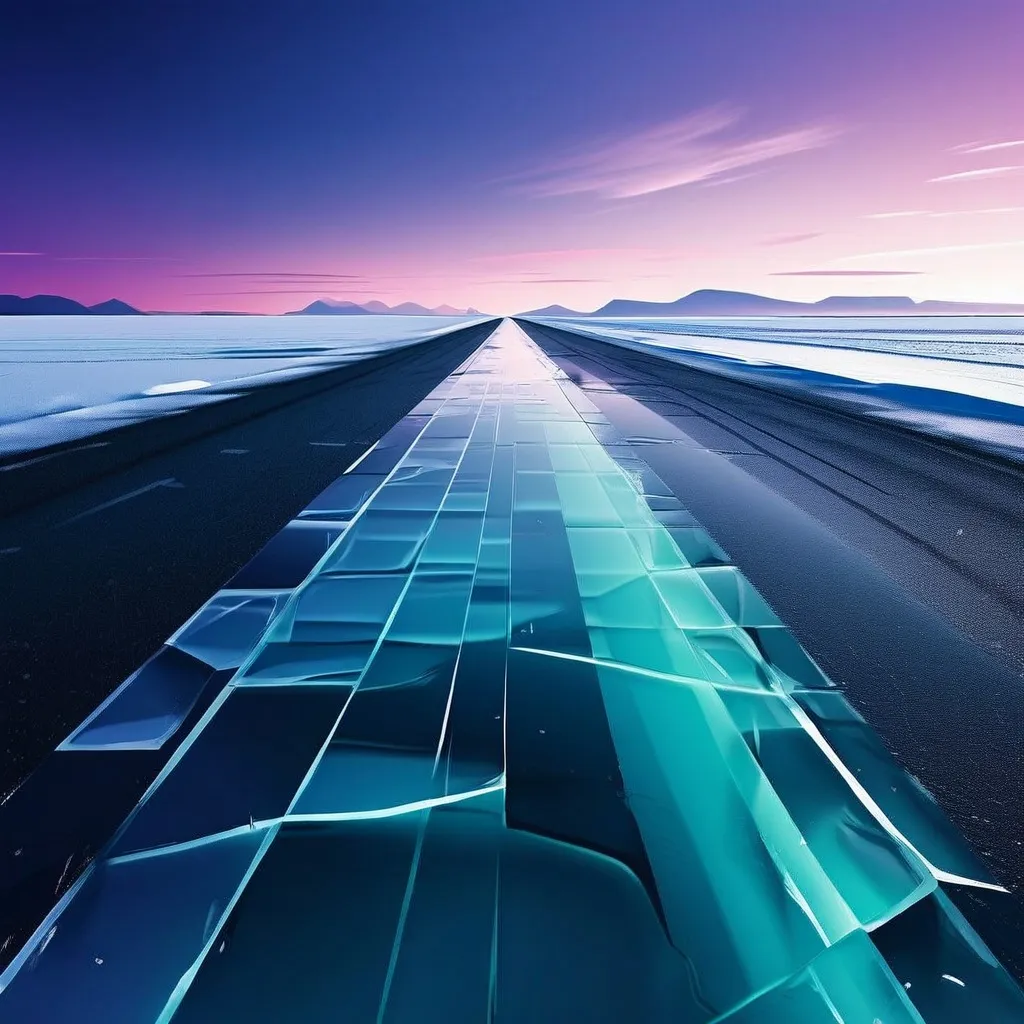
The key characteristic of black ice is its transparency, which allows the dark asphalt of the road to show through, making it blend in seamlessly. This is in stark contrast to frost or a layer of snow, which would visually signal slippery conditions. The lack of visual cues is precisely what makes black ice so dangerous, as drivers may not realise the road is slippery until they have already lost traction.
While black ice can form anywhere, certain locations and road features are more prone to its development. Awareness of these areas can significantly enhance your hazard perception and allow you to adjust your driving proactively. Understanding these patterns is a crucial element tested in the Swedish driving theory exam.
Bridges and overpasses are particularly susceptible to black ice formation. This is because they are exposed to cold air from all sides – above, below, and on the flanks. Unlike roads built directly on the ground, bridges lack the insulating effect of the earth. Consequently, they cool down much faster than the surrounding road surfaces when temperatures drop, meaning they can freeze over even when the rest of the road remains clear. Drivers should exercise extreme caution when approaching and traversing bridges in freezing conditions.
Shady areas, such as under dense tree cover or on roads that run along the north side of hills, are also common culprits for black ice. These areas receive less direct sunlight, meaning the road surface absorbs less solar heat. Even if the sun is shining, these spots can remain significantly colder than exposed sections of the road, allowing ice to form and persist. Similarly, tunnels and their immediate exits can present a sudden transition from potentially warmer, darker conditions to an icy surface upon emerging into sunlight or cooler air.
Furthermore, low-lying areas and depressions in the road can trap moisture. If this moisture freezes, it will form ice. These areas might be particularly problematic after rain, fog, or snowmelt, as water can accumulate and then freeze. Areas where snowmelt from verges or fields runs onto the road are also high-risk zones.
Recognising the weather conditions that favour black ice formation is a vital skill for safe winter driving in Sweden. This proactive understanding is often tested in the theory exam, focusing on your ability to anticipate hazards rather than just react to them.
Clear, cold nights following a period of rain or damp conditions are prime candidates for black ice. When the sky is clear, heat radiates away from the Earth's surface rapidly, causing temperatures to plummet. If the road surface is still wet from earlier precipitation or dew, this moisture will freeze. Wind can also play a role; while it might seem counterintuitive, a light breeze can sometimes help to bring colder air into contact with the road surface, accelerating the freezing process.
Fog can also be a significant indicator of potential black ice. When fog forms in cold temperatures, the tiny water droplets suspended in the air can settle on the road and freeze. This process, known as rime ice or freezing fog, can create a slick coating on road surfaces, particularly on elevated areas like bridges. Driving through fog in sub-zero temperatures demands extreme caution, as the road surface could be unexpectedly icy.
Conversely, even during periods of snowfall, black ice can be a concern. If the temperature hovers around freezing, snowfall might melt as it hits the road, only to refreeze when it encounters a colder patch or when temperatures drop further. This can lead to a combination of snow and ice, or even clear ice patches beneath a dusting of snow, making the conditions exceptionally hazardous and unpredictable.
The inability to visually detect black ice necessitates a defensive driving approach. This means driving in a manner that anticipates potential dangers and maintains a safe margin for error, rather than assuming the road conditions are predictable. Your awareness of these techniques will be directly assessed in the Swedish driving theory test.
The most fundamental strategy is to reduce your speed significantly. Lower speeds give you more time to react if you do encounter a slippery patch. Gentle acceleration, braking, and steering are crucial. Avoid sudden movements that can easily break traction on an icy surface. If you need to slow down, ease off the accelerator gradually and, if necessary, apply the brakes very lightly and smoothly. When steering, make turns deliberately and avoid sharp, jerky movements.
Maintaining a greater following distance than usual is also critical. This increased distance provides a larger buffer zone in case the vehicle in front of you brakes suddenly or loses control. It also gives you more time to assess the road ahead and react appropriately if you suspect black ice. Remember that braking distances are dramatically extended on icy surfaces, so that space is essential for safety.
When driving in conditions where black ice is suspected, it's advisable to deactivate cruise control. Cruise control systems can react unpredictably to sudden changes in traction, potentially making the situation worse. Manually controlling your speed allows for smoother and more intuitive adjustments. Furthermore, be extra vigilant when approaching areas known for black ice, such as bridges, shaded spots, and exits from tunnels. If you can, try to observe the road ahead for any visual cues that might indicate water or unusual reflectivity, though this is often unreliable with black ice.
A thorough understanding of black ice and its associated risks is a common element in the Swedish driving theory exam. Examiners want to ensure that prospective drivers can identify potential hazards and demonstrate safe driving behaviour, even in challenging conditions. Questions will often focus on recognising the signs of potential ice formation, understanding where it is likely to occur, and knowing the appropriate actions to take.
You may encounter scenario-based questions that ask what you should do when approaching a bridge on a cold, clear night, or how to react if you suddenly feel your vehicle losing traction. The correct answers will always emphasize caution, reduced speed, smooth control inputs, and increased awareness of the immediate surroundings. It’s important to remember that the Swedish Transport Agency (Transportstyrelsen) places a high value on predictive hazard perception, meaning your ability to anticipate danger before it fully manifests is key.
Familiarise yourself with official guidance from Trafikverket regarding winter driving. These resources often highlight the specific challenges posed by black ice and provide clear recommendations for safe practice. By integrating this knowledge into your study routine, you will not only be better prepared for your theory test but also a safer driver on Sweden's winter roads.
To solidify your understanding of winter driving hazards, including black ice, and to prepare effectively for the Swedish driving theory test, it is highly recommended to engage with relevant practice questions.
To deepen your understanding of road safety and traffic rules in Sweden, explore these related topics:
Black ice is a transparent, difficult-to-spot ice layer that forms on Swedish roads when wet surfaces freeze at 0°C or below, commonly occurring on clear cold nights, during freezing rain, or from refreezing snowmelt. High-risk locations include bridges and overpasses (which lack ground insulation), shaded areas with reduced solar heat, tunnel exits with sudden temperature transitions, and low-lying depressions that trap moisture. Safe driving requires assuming these areas are icy in freezing conditions, reducing speed significantly, maintaining smooth acceleration and braking, increasing following distance, and deactivating cruise control. The Swedish theory exam tests your ability to anticipate black ice hazards based on conditions rather than visual detection alone.
A short set of high-value points that capture the most important ideas from this article.
Black ice forms when wet road surfaces freeze at or below 0°C, often on clear nights even without precipitation
Bridges and overpasses are highest-risk areas because they lack ground insulation and freeze faster than surrounding roads
Shaded areas, tunnel exits, and low-lying depressions commonly trap moisture that can freeze into black ice
Defensive driving on potentially icy roads requires reduced speed, smooth inputs, and increased following distance
Black ice is transparent and blends with dark asphalt, making visual detection unreliable and conditions-based awareness essential
Black ice forms through freezing rain, refreezing snowmelt, or wet surfaces cooling below freezing temperature
Bridges cool from all sides (air above, below, and flanks) unlike roads built on earth, causing them to freeze first
Freezing fog (rime ice) creates slick road coatings even without visible precipitation
Trafikverket and Transportstyrelsen emphasize predictive hazard perception over reactive driving in Swedish theory exams
Cruise control should be deactivated when black ice is suspected as it can react unpredictably to traction changes
Assuming the road is safe if it looks dry—black ice is transparent and blends with the asphalt surface
Making sudden steering or braking movements when encountering ice, which breaks traction easily
Not adjusting speed when approaching bridges, overpasses, or shaded sections where ice forms first
Relying only on visual cues instead of anticipating ice based on temperature and weather conditions
Following too closely assuming normal braking distances apply on icy surfaces
Article content overview
A short set of high-value points that capture the most important ideas from this article.
Black ice forms when wet road surfaces freeze at or below 0°C, often on clear nights even without precipitation
Bridges and overpasses are highest-risk areas because they lack ground insulation and freeze faster than surrounding roads
Shaded areas, tunnel exits, and low-lying depressions commonly trap moisture that can freeze into black ice
Defensive driving on potentially icy roads requires reduced speed, smooth inputs, and increased following distance
Black ice is transparent and blends with dark asphalt, making visual detection unreliable and conditions-based awareness essential
Black ice forms through freezing rain, refreezing snowmelt, or wet surfaces cooling below freezing temperature
Bridges cool from all sides (air above, below, and flanks) unlike roads built on earth, causing them to freeze first
Freezing fog (rime ice) creates slick road coatings even without visible precipitation
Trafikverket and Transportstyrelsen emphasize predictive hazard perception over reactive driving in Swedish theory exams
Cruise control should be deactivated when black ice is suspected as it can react unpredictably to traction changes
Assuming the road is safe if it looks dry—black ice is transparent and blends with the asphalt surface
Making sudden steering or braking movements when encountering ice, which breaks traction easily
Not adjusting speed when approaching bridges, overpasses, or shaded sections where ice forms first
Relying only on visual cues instead of anticipating ice based on temperature and weather conditions
Following too closely assuming normal braking distances apply on icy surfaces
Explore related topics, search based questions, and concepts that learners often look up when studying Black Ice on Swedish Roads. These themes reflect real search intent and help you understand how this topic connects to wider driving theory knowledge in Sweden.
Find clear and practical answers to common questions learners often have about Black Ice on Swedish Roads. This section helps explain difficult points, remove confusion, and reinforce the key driving theory concepts that matter for learners in Sweden.
Black ice is a thin, transparent layer of ice that forms on road surfaces, making it nearly invisible. It typically occurs when temperatures are near freezing and there's moisture present, such as after rain or dew, which then freezes.
Black ice commonly forms on bridges, overpasses, shaded areas, and stretches of road that cool faster than surrounding areas. Areas with poor drainage or those exposed to wind can also be more susceptible.
The risk is highest when temperatures are around or just below freezing (0°C or 32°F) and after precipitation like rain, sleet, or fog. Clear, cold nights can also lead to frost or black ice formation as road surfaces cool rapidly.
If you suspect black ice, reduce your speed significantly, avoid sudden braking or steering, and increase your following distance. Maintain a smooth, steady driving style and be extra cautious on known black ice-prone surfaces.
Yes, understanding and recognizing winter road hazards like black ice is important for the Swedish driving theory exam, particularly regarding hazard perception and safe driving practices in adverse conditions.
Continue your learning journey by exploring more detailed articles and guides. Clarify specific traffic rules, understand complex road signs, or review safe driving practices. Our extensive content library supports your Swedish driving license theory preparation.