
Navigate Sweden's cold climate with confidence. This section offers expert guidance on winter tyres, braking on ice, traction control, and essential vehicle preparation. Master the skills needed to stay safe and reduce accident risks during long Swedish winters.
Master the critical vehicle control skills required for handling Swedish roads when covered in snow or ice. This collection provides expert guidance on winter tyre regulations, preventing traction loss, and executing safe maneuvers during severe weather conditions.
Driving in Swedish winter conditions requires a proactive approach to safety, including the correct use of equipment and constant adaptation to the environment. This guide explains how to handle common hazards like black ice and heavy snowfall, while highlighting your legal responsibilities as a driver. Mastering these concepts is crucial for both your personal safety and your performance in the Swedish theory exam.
Black ice, or svarthalka, is a hidden hazard that demands constant vigilance during the Swedish winter months. By understanding the legal requirement to adapt your speed to current road conditions, you can better anticipate sudden loss of traction. This guide provides the practical behavioral strategies needed to navigate slippery roads safely and meet the requirements of the Swedish driving theory exam.
Learn the critical safety measures necessary for navigating Swedish roads during winter, where rapid temperature changes frequently lead to dangerous, invisible ice. This article explains how to recognize potential hazards like bridge icing, the importance of smooth vehicle control, and the strict safety protocols for encountering snowplows. These insights are essential for developing the defensive driving habits tested in the Swedish theory examination.
This collection of driving theory articles explains vital winter driving techniques, including tyre choices, braking on ice, and preventing skids on snow. Prepare for your theory test and confidently navigate Sweden's challenging cold climate with crucial road safety information.
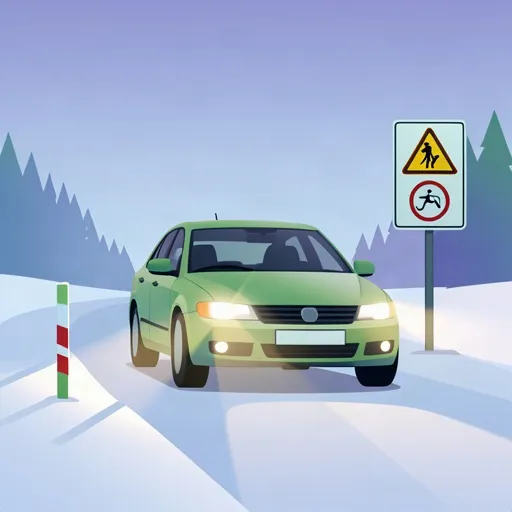
Driving in Swedish winter conditions requires a proactive approach to safety, including the correct use of equipment and constant adaptation to the environment. This guide explains how to handle common hazards like black ice and heavy snowfall, while highlighting your legal responsibilities as a driver. Mastering these concepts is crucial for both your personal safety and your performance in the Swedish theory exam.
Updated on Nov 24, 2026
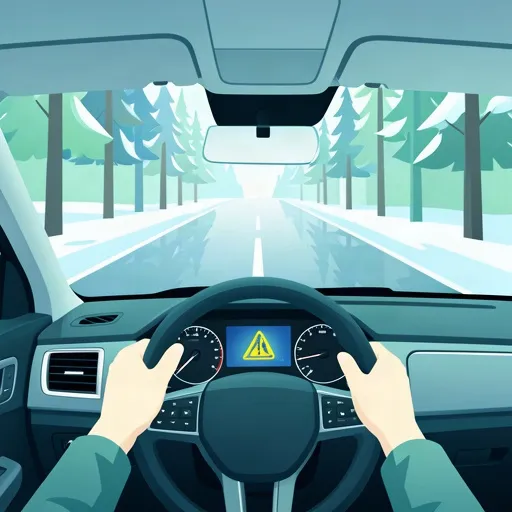
Black ice, or svarthalka, is a hidden hazard that demands constant vigilance during the Swedish winter months. By understanding the legal requirement to adapt your speed to current road conditions, you can better anticipate sudden loss of traction. This guide provides the practical behavioral strategies needed to navigate slippery roads safely and meet the requirements of the Swedish driving theory exam.
Updated on Nov 17, 2026
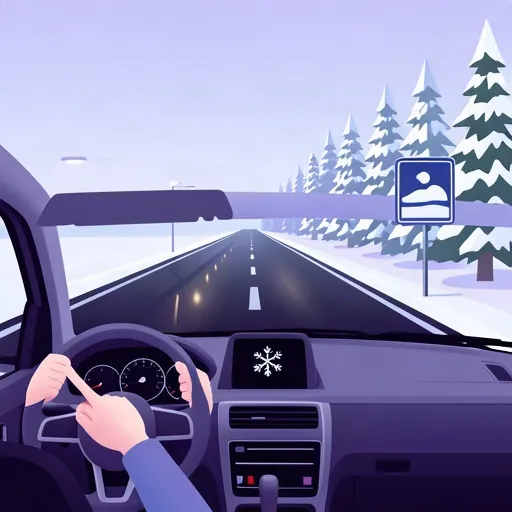
Learn the critical safety measures necessary for navigating Swedish roads during winter, where rapid temperature changes frequently lead to dangerous, invisible ice. This article explains how to recognize potential hazards like bridge icing, the importance of smooth vehicle control, and the strict safety protocols for encountering snowplows. These insights are essential for developing the defensive driving habits tested in the Swedish theory examination.
Updated on Nov 4, 2026
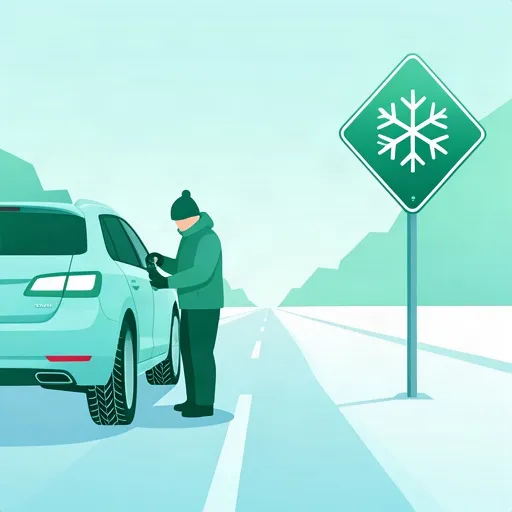
Learning how to navigate Swedish winter roads is a critical component of becoming a licensed driver. This guide explains how you can prepare for winter conditions, the importance of monitoring SMHI weather warnings, and the specific rules regarding snowplow interaction. By understanding these concepts, you will be better equipped to handle winter hazards safely and answer related theory exam questions with confidence.
Updated on Nov 3, 2026
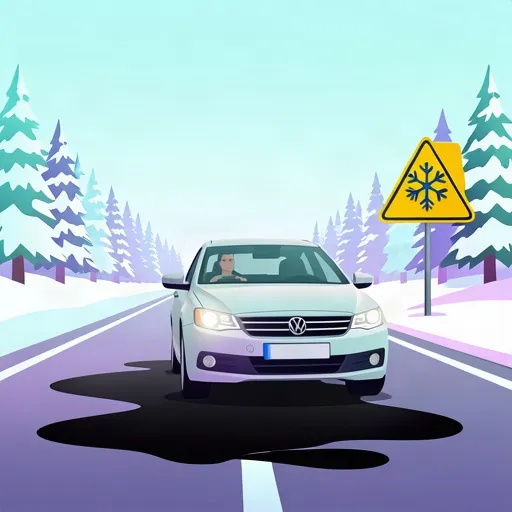
Understanding how to safely operate a vehicle in winter is a vital part of the Swedish driving theory curriculum. This guide explores the legal requirement to adapt your speed to current conditions, the hidden dangers of black ice, and the necessity of preparing both your vehicle and your travel plan for the Swedish winter season. Mastering these concepts is essential for both your personal safety on the road and success in your theory exam.
Updated on Oct 28, 2026

Understanding how to recognize and react to 'svarthalka' is a core requirement for any driver navigating the Swedish climate. This guide explains why certain areas like bridges and shaded sections are high-risk zones and details the precise driving behaviors needed to minimize danger. You will learn how to adapt your driving style to unpredictable road conditions, ensuring you are well-prepared for both real-world driving and the theory test requirements.
Updated on Oct 21, 2026

Understanding how to safely navigate Sweden's winter roads is a critical component of your theory studies. This guide explains how to interpret weather warnings from SMHI and Trafikverket, identifies the mandatory safety equipment you must carry, and details the specific behaviors required when encountering heavy winter maintenance vehicles like tandemplogar. You will learn how to adjust your speed and distance to maintain control when road conditions become challenging.
Updated on Sep 19, 2026

Learn the critical dates and conditions for using winter tyres and studded tyres in Sweden, as mandated by Transportstyrelsen. This guide defines 'vinterväglag' and clarifies when specific tyre types are required or prohibited, ensuring you understand these vital road safety regulations for both your exam and everyday driving.
Updated on Jul 5, 2026

Learn how Sweden's road classification system, managed by Trafikverket, determines winter road maintenance schedules and priorities. This knowledge is essential for learner drivers to anticipate travel times, understand why some roads are cleared faster than others, and adapt their driving behavior for safety during winter conditions.
Updated on Jun 23, 2026
Learn how to safely navigate critical low-speed maneuvers like starting, stopping, and parking on treacherous icy roads common in Sweden. This guide focuses on the importance of gradual throttle, braking, and steering inputs to prevent skids and maintain control, crucial knowledge for passing your driving theory exam and ensuring safety during winter.
Updated on Jun 11, 2026

Learn critical techniques for safely starting, stopping, and parking on slippery, icy surfaces in Sweden. This guide emphasizes gentle inputs and awareness of traction loss, vital skills for passing your Swedish driving theory exam and ensuring safety during harsh winter conditions. We cover how to manage low-speed situations where control is paramount.
Updated on Jun 11, 2026

As a learner driver in Sweden, it's vital to understand how Trafikverket manages winter road conditions. This article details their prioritization system for snow plowing and de-icing, explaining how traffic volume influences maintenance schedules. By grasping these principles, you'll gain insight into why road conditions vary and how to adapt your driving for increased safety during Sweden's challenging winter months.
Updated on May 23, 2026
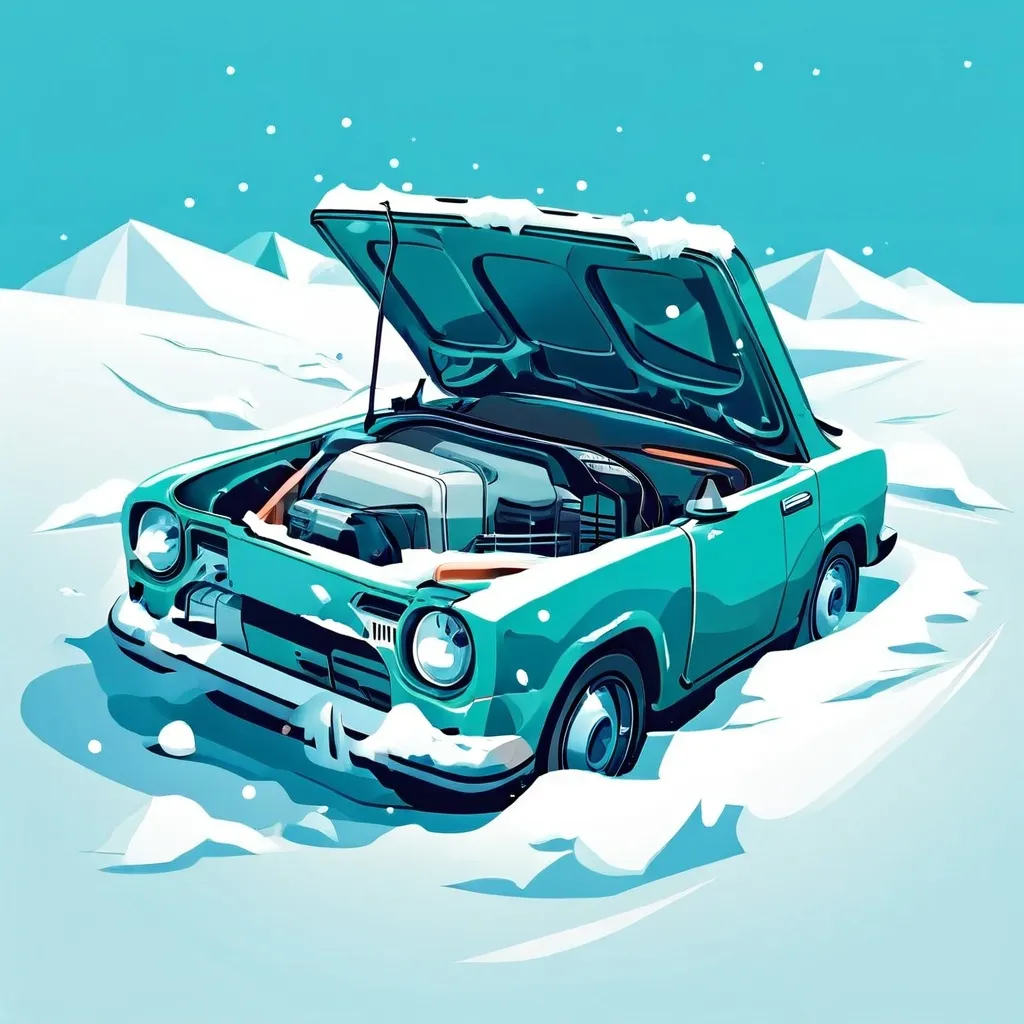
Understand how Sweden's cold temperatures and common driving habits like short trips can severely affect your car battery's performance and lead to unexpected failures. This guide offers practical advice to ensure your battery remains dependable throughout the winter months, a key aspect of safe driving and passing your theory test.
Updated on May 16, 2026

Prepare effectively for the unique challenges of driving in Sweden during winter months. This article covers vital preparedness steps, safe driving techniques, and crucial advice directly from Trafikverket, ensuring you are ready for the demands of the Swedish theory test and wintry road conditions. Learn how to adapt your driving to snow, ice, and reduced visibility.
Updated on May 12, 2026

Learn the essential theory behind maintaining control on icy and snowy Swedish roads. This article breaks down the physics of skidding and how driver behaviour and understanding conditions like frost are key to prevention. Mastering this knowledge is vital for passing your theory test and driving safely throughout the Swedish winter.
Updated on May 8, 2026

Learn the essential principles of safe winter driving in Sweden by understanding how to avoid losing traction. This article covers the key factors contributing to reduced grip on icy and snowy roads and outlines practical, theory-driven techniques to prevent skids and maintain control. Understanding these hazards is vital for both passing your Swedish driving licence theory exam and driving safely throughout the winter season.
Updated on May 8, 2026

Learn the fundamental reasons why vehicles skid and discover the essential techniques for regaining control during challenging Swedish winter conditions. This knowledge is critical for safe driving and will help you navigate the complexities of slippery roads effectively, preparing you for real-world driving scenarios and the theory exam.
Updated on May 8, 2026

Prepare for Sweden's winter roads during the festive season with expert driving tips. This guide, aligned with Transportstyrelsen's advice, covers crucial aspects like speed, distance, and vehicle preparedness to ensure safe holiday travel. Learn how to navigate icy and snowy conditions to enhance your safety and readiness for the Swedish driving theory test.
Updated on Apr 28, 2026
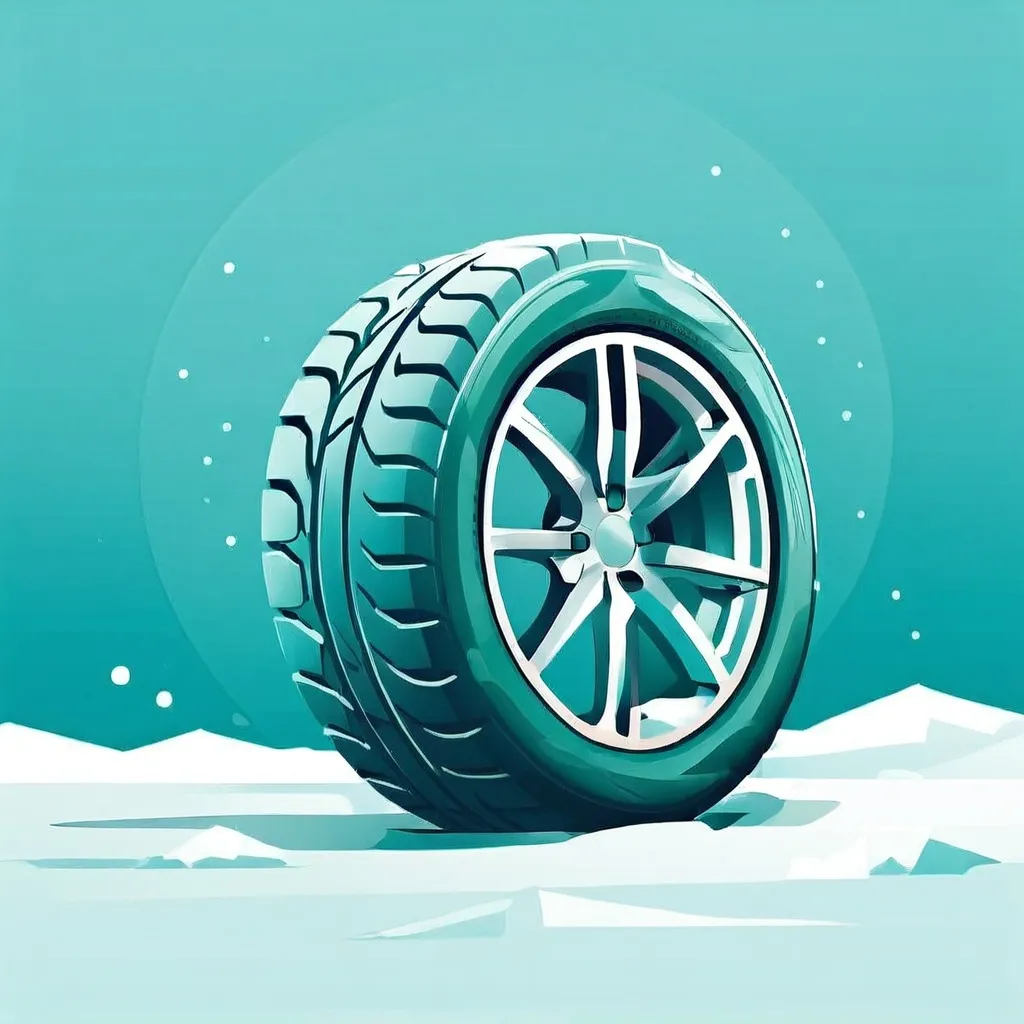
Navigating Sweden's winter roads requires more than just a license; it demands a properly prepared vehicle. This article details critical steps, from selecting the right winter tires to assembling an essential emergency kit, ensuring you're equipped for challenging conditions. Mastering these practical aspects is vital for both safe driving and excelling in your Swedish driving theory exam.
Updated on Apr 15, 2026

Learn vital Swedish driving skills for managing steep inclines, descents, and treacherous icy roads, preparing you for the theory exam. This guide focuses on maintaining control through strategic gear selection and the critical use of engine braking to manage speed and prevent brake overuse. We’ll cover how to preserve traction and ensure safety on Sweden's varied and sometimes challenging terrain.
Updated on Apr 13, 2026
Driving on Swedish roads in wet or icy conditions requires special attention when cornering, as reduced tire grip significantly increases the risk of skids. This guide details how to adjust your speed, steer smoothly, and anticipate changes in traction. Mastering these skills is essential for safe driving and passing your Transportstyrelsen theory test.
Updated on Apr 13, 2026

Driving on snow-covered roads in Sweden presents unique challenges due to reduced grip and visibility. This article will guide you through essential techniques for maintaining lane control and safe spacing, crucial knowledge for both your Swedish driving license theory exam and everyday winter driving. Learn how to anticipate hazards and adapt your driving behaviour to the conditions.
Updated on Apr 13, 2026

Learn how modern vehicle safety systems like ABS and ESP assist you when driving on slippery Swedish roads. We delve into their mechanics, how they perform on ice, snow, and gravel, and critically, their limitations. This knowledge is essential for safe winter driving and for answering potential questions on your Swedish driving theory exam regarding vehicle assistance technologies.
Updated on Apr 13, 2026

Snowy conditions significantly challenge a driver's ability to perceive their position on the road and accurately judge distances to other vehicles. This guide focuses on practical, text-based strategies to overcome these challenges, ensuring you remain oriented and maintain crucial safe following distances, a key area tested in the Transportstyrelsen theory exam.
Updated on Apr 13, 2026
Discover other categories connected to Swedish Winter & Ice Driving. These sections help you explore additional topics, expand your understanding of driving theory in Swedish, and build a more complete picture of the rules and situations tested during the exam.
Find answers to common questions learners ask about Swedish Winter & Ice Driving. This section helps clarify difficult concepts, highlight critical exam information, and support your preparation for the Swedish driving theory exam in Sweden.
In Sweden, winter tyres (labelled with M+S, or the snowflake symbol) are mandatory for all vehicles during the period from December 1st to March 31st if conditions require it. Studded tyres are permitted from October 1st to April 15th.
When driving on ice, brake gently and early. If your vehicle has ABS, press the brake pedal firmly and hold it; the system will prevent locking. If your car does not have ABS, use a gentle pumping action to avoid skidding.
Black ice is a thin, transparent layer of ice that forms on the road, often making it difficult to see. It commonly appears on bridges, shaded areas, and after a thaw. Drive extra slowly and cautiously in these conditions, and anticipate slippery patches.
Ensure your car has winter tyres, check antifreeze levels, test the battery, and keep your fuel tank at least half full. Pack an emergency kit including a blanket, shovel, torch, first-aid supplies, and warm clothing.
If you feel the car losing traction, ease off the accelerator and steer gently in the direction you want to go. Avoid sudden braking or steering movements. If skidding, try to steer into the direction of the skid to regain control.
Dive into the specific article categories that are most relevant to your Swedish driving licence theory preparation. Choose a topic to begin studying detailed explanations, practice questions, and essential knowledge required to pass your official exam with confidence.
Swedish Theory Article Categories