
Understand how to safely interact with pedestrians, cyclists, wildlife, and various vehicles on Swedish roads. This section provides essential knowledge for navigating common traffic scenarios and meeting the requirements of the Swedish driving theory exam.
Learn to manage complex traffic environments by understanding the specific duty of care owed to pedestrians, cyclists, and wildlife under Swedish road regulations. These guides provide the critical knowledge required to navigate interactions safely while preparing for your official driving theory exam.
As Sweden works toward increasing the share of cycle trips through improved infrastructure, drivers must become proficient at sharing the road safely with cyclists. This guide clarifies your legal duties, highlights how to navigate shared environments, and explains why proactive awareness is a cornerstone of the Swedish theory test. You will learn the correct approach to bicycle crossings and how to adapt your driving to protect vulnerable road users in modern traffic.
Understanding how to safely interact with vulnerable road users is a core component of the Swedish driving licence theory. This guide explains the societal transition toward active mobility, the importance of the car-norm shift, and the specific safety duties drivers have when sharing urban spaces with cyclists and pedestrians. You will learn how to apply these safety-conscious attitudes to your exam, helping you navigate complex traffic scenarios with greater awareness and foresight.
Learning how to correctly identify and react to emergency vehicles is a critical skill for any driver in Sweden, as it directly impacts public safety and rescue efficiency. This guide details your legal obligations under Swedish traffic regulations to yield effectively and exercise particular caution, helping you avoid common mistakes during your driving journey and in your upcoming theory exam.
Explore articles detailing safe interaction with all road users on Swedish roads, including pedestrians, cyclists, and wildlife. Master official Swedish traffic rules and road safety practices essential for your driving licence theory exam.
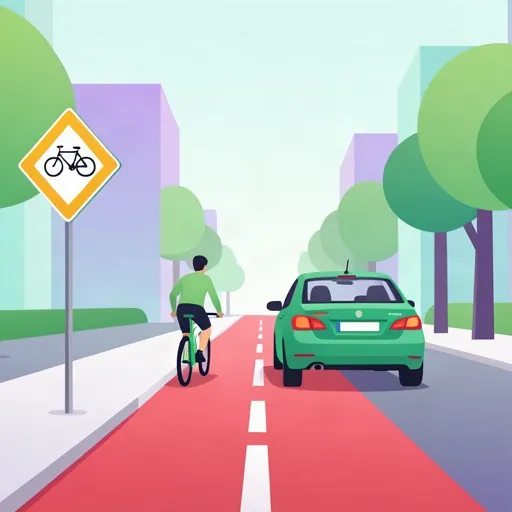
As Sweden works toward increasing the share of cycle trips through improved infrastructure, drivers must become proficient at sharing the road safely with cyclists. This guide clarifies your legal duties, highlights how to navigate shared environments, and explains why proactive awareness is a cornerstone of the Swedish theory test. You will learn the correct approach to bicycle crossings and how to adapt your driving to protect vulnerable road users in modern traffic.
Updated on Oct 11, 2026
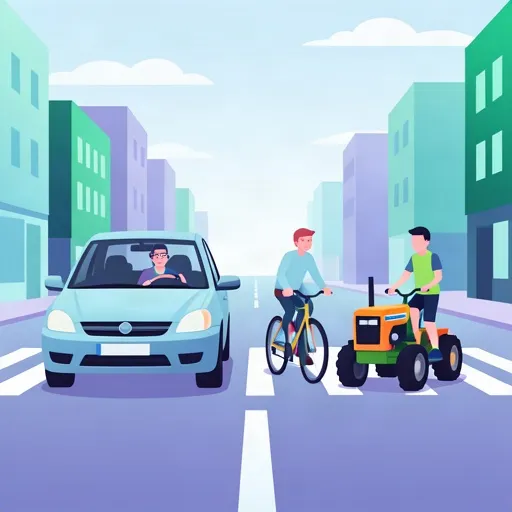
Understanding how to safely interact with vulnerable road users is a core component of the Swedish driving licence theory. This guide explains the societal transition toward active mobility, the importance of the car-norm shift, and the specific safety duties drivers have when sharing urban spaces with cyclists and pedestrians. You will learn how to apply these safety-conscious attitudes to your exam, helping you navigate complex traffic scenarios with greater awareness and foresight.
Updated on Oct 10, 2026
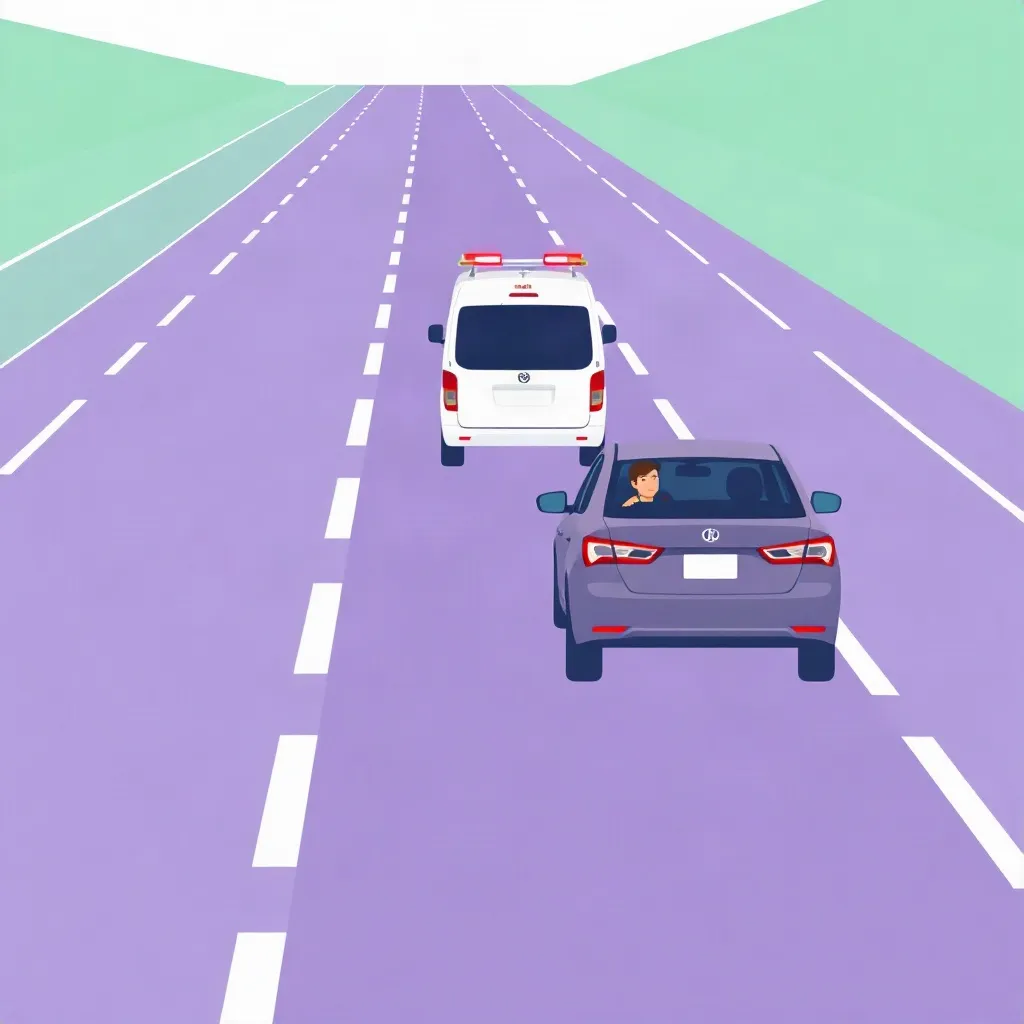
Learning how to correctly identify and react to emergency vehicles is a critical skill for any driver in Sweden, as it directly impacts public safety and rescue efficiency. This guide details your legal obligations under Swedish traffic regulations to yield effectively and exercise particular caution, helping you avoid common mistakes during your driving journey and in your upcoming theory exam.
Updated on Aug 21, 2026

As a driver in Sweden, you must be prepared to adjust your behavior for environmental factors that pose unique risks to pedestrians. This article covers the essential defensive driving principles needed to identify and mitigate hazards associated with ice and snow, ensuring you can contribute to the Vision Zero safety goals. You will learn why pedestrians are at higher risk of falling during winter months and how your awareness can prevent serious accidents in public traffic environments.
Updated on Jul 28, 2026

Electric scooters, or 'elsparkcyklar', are increasingly involved in accidents across Sweden. This article explains the statistics from Transportstyrelsen and highlights why learner drivers must treat e-scooter users as vulnerable road users. Learn how to anticipate their behaviour and what rules apply to ensure safety for everyone on the road, a key aspect of your Swedish driving theory preparation.
Updated on Jun 16, 2026

As a learner driver in Sweden, it's important to understand the evolving landscape of road safety. This article details the proposed national bicycle register, aiming to reduce theft and enhance security for cyclists. By learning about these measures, you gain a more comprehensive perspective on traffic environments and the shared responsibility among all road users, which is a key aspect of safe driving.
Updated on Apr 17, 2026
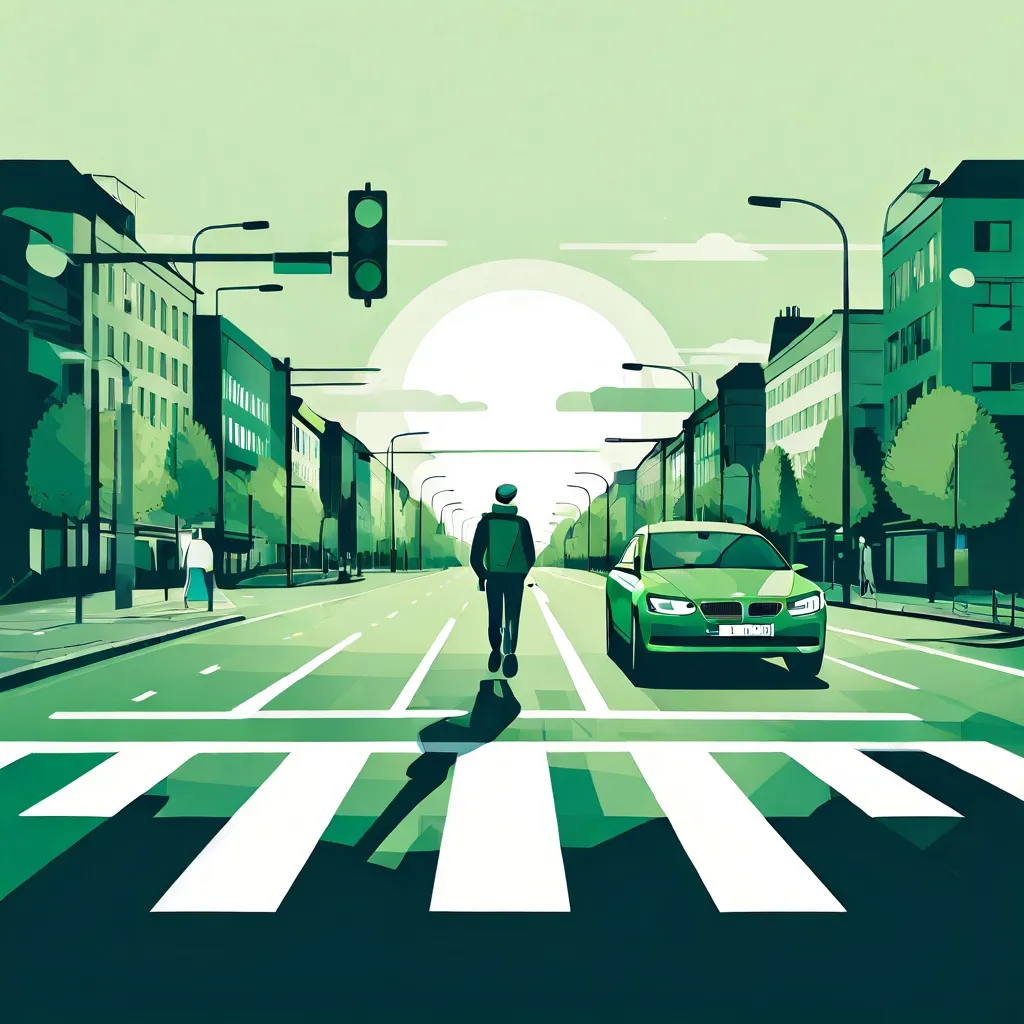
Learn to navigate complex Swedish intersections with confidence, focusing on the priority rights of pedestrians and cyclists. This text-based guide covers essential rules from Trafikförordningen, highlighting situations where drivers must yield to ensure safety and prevent accidents. Understanding these nuanced scenarios is critical for your Swedish driving theory exam success and for developing responsible driving habits.
Updated on Apr 13, 2026

Driving in Sweden often involves encountering wildlife, especially during low-light conditions and on rural routes. This article will equip you with the knowledge to recognize the signs of potential animal crossings, understand the specific risks associated with Swedish fauna such as moose and deer, and implement effective strategies to react safely and avoid collisions. Understanding these hazards is a critical component of the Swedish driving theory exam, focusing on your ability to perceive and manage risks proactively.
Updated on Apr 12, 2026

As winter recedes in Sweden, loose gravel left on roads presents a significant risk, particularly for cyclists. This article details how this hazard affects traction and increases accident potential. Understanding these spring road conditions is essential for learner drivers to develop safe driving practices and demonstrate awareness of vulnerable road users for the Swedish theory exam.
Updated on Apr 11, 2026

Understand the latest Swedish traffic safety data concerning pedestrians, cyclists, and the growing dangers of e-scooter incidents. This article provides essential insights into current trends and driver responsibilities, directly preparing you for the risk assessment aspects of the Swedish driving theory exam. Learn how to navigate these evolving road conditions safely and responsibly.
Updated on Apr 11, 2026
Discover other categories connected to Shared Road Safety Sweden. These sections help you explore additional topics, expand your understanding of driving theory in Swedish, and build a more complete picture of the rules and situations tested during the exam.
Find answers to common questions learners ask about Shared Road Safety Sweden. This section helps clarify difficult concepts, highlight critical exam information, and support your preparation for the Swedish driving theory exam in Sweden.
The most important principle is the Vision Zero philosophy, aiming for zero traffic fatalities or serious injuries. This means prioritising the safety of all road users, especially the most vulnerable, and always acting to prevent collisions.
You must always be vigilant for pedestrians and cyclists, especially near crossings, schools, and in urban areas. Give them ample space when passing, reduce speed if necessary, and be prepared for them to behave unpredictably. Always yield to pedestrians at crossings.
In rural areas, especially during dawn and dusk, be highly aware of moose (älg) and reindeer. Their presence can lead to severe accidents. Always be prepared to brake suddenly, reduce speed significantly in known risk areas, and never swerve suddenly.
Slow-moving agricultural and special vehicles can cause traffic disruptions and pose hazards, particularly on rural roads. Be patient, maintain a safe distance, and only overtake when it is completely safe and legal to do so, ensuring you have clear visibility.
Reducing speed is crucial in areas with high pedestrian or cyclist activity, such as school zones or residential areas. Lower speeds increase your reaction time, reduce stopping distances, and lessen the severity of injuries if a collision were to occur, aligning with Vision Zero.
Dive into the specific article categories that are most relevant to your Swedish driving licence theory preparation. Choose a topic to begin studying detailed explanations, practice questions, and essential knowledge required to pass your official exam with confidence.
Swedish Theory Article Categories