
Navigate Sweden's diverse driving landscapes with confidence. This section prepares you for conditions like snow, ice, fog, and varying daylight hours, ensuring you can adapt your driving safely and effectively, crucial for both your practical skills and the Trafikverket theory test.
Develop the critical skills needed to navigate Sweden's diverse environments, from managing winter traction on icy rural roads to handling low-visibility situations in urban traffic. This category ensures you are fully prepared for the practical requirements and theoretical expectations set by Trafikverket for your licensing exam.
As a driver in Sweden, you will frequently encounter road work managed by Trafikverket that prioritizes both infrastructure development and ecological preservation. This guide explains how environmental interventions like fauna depots are integrated into road projects and what this means for your responsibilities as a driver. Mastering these concepts ensures you are better prepared for hazard perception and compliance requirements in the Swedish driving theory exam.
Driving through areas with active construction or maintenance requires heightened vigilance and strict adherence to temporary traffic rules. This guide helps you understand your responsibilities as a driver when approaching infrastructure projects, such as bridge repairs, and explains how to interpret temporary signage to ensure the safety of workers and fellow road users.
High temperatures can significantly alter road conditions, requiring drivers to be proactive and attentive. This guide explains the phenomenon of bleeding asphalt and why it is a critical factor for vehicle safety in Sweden. By learning to adjust your speed, following distance, and monitoring official sources like SMHI and Trafikverket, you will be better prepared to handle environmental risks during your theory test and in real-world traffic.
This category offers critical articles on navigating varied Swedish driving conditions, including specific guidance for snow, ice, and low visibility. Prepare effectively for the Trafikverket theory test by mastering safe driving in all environments.
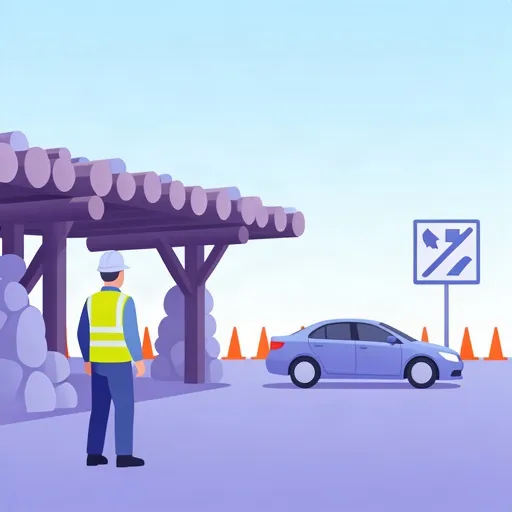
As a driver in Sweden, you will frequently encounter road work managed by Trafikverket that prioritizes both infrastructure development and ecological preservation. This guide explains how environmental interventions like fauna depots are integrated into road projects and what this means for your responsibilities as a driver. Mastering these concepts ensures you are better prepared for hazard perception and compliance requirements in the Swedish driving theory exam.
Updated on Oct 9, 2026
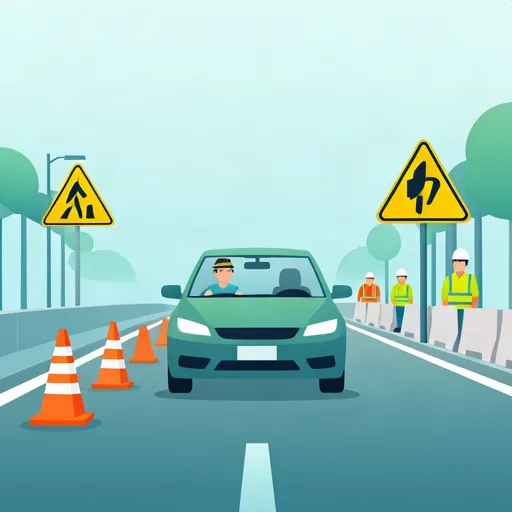
Driving through areas with active construction or maintenance requires heightened vigilance and strict adherence to temporary traffic rules. This guide helps you understand your responsibilities as a driver when approaching infrastructure projects, such as bridge repairs, and explains how to interpret temporary signage to ensure the safety of workers and fellow road users.
Updated on Sep 23, 2026

High temperatures can significantly alter road conditions, requiring drivers to be proactive and attentive. This guide explains the phenomenon of bleeding asphalt and why it is a critical factor for vehicle safety in Sweden. By learning to adjust your speed, following distance, and monitoring official sources like SMHI and Trafikverket, you will be better prepared to handle environmental risks during your theory test and in real-world traffic.
Updated on Sep 22, 2026

As Swedish nights grow long, understanding the risks of glare and driver fatigue becomes paramount. This article will guide you through essential techniques for safe night driving, including how to adjust your speed to your headlight's range, manage oncoming glare, and recognise fatigue signals. These skills are vital for both road safety and for succeeding on the Swedish driving theory test, which often includes questions on visibility and adaptation.
Updated on May 15, 2026

Driving in Sweden presents unique challenges after dark due to long winter nights. This article will guide you through understanding how limited visibility impacts your reaction time, the correct application of headlights (helljus and halvljus), and strategies to combat driver fatigue, which is exacerbated in darkness. Mastering these concepts is vital for safe driving and for preparing effectively for your Swedish driving theory exam.
Updated on May 15, 2026

This article guides learner drivers through understanding and reacting to temporary road closures communicated by Trafikverket in Sweden. You will learn why these closures occur, the critical importance of adhering to detour signage, and how to adapt your driving to altered traffic flows, ensuring safety and exam readiness.
Updated on May 11, 2026

Learn how Swedish road construction projects are shaped by crucial environmental rules designed to protect wildlife, habitats, and historical sites. This article provides learner drivers with essential knowledge about these regulations, enhancing their understanding of traffic infrastructure and responsible road use in Sweden.
Updated on May 7, 2026

Driving in Sweden presents unique challenges depending on whether you are navigating bustling city streets, winding rural roads, or high-speed motorways. This guide will explain the distinct demands each environment places on a driver, from increased risks in winter conditions on forest roads to the constant vigilance needed in urban areas. Learn how to adjust your approach to pass your theory test and become a safer driver.
Updated on May 4, 2026

Discover how different Swedish road environments, including dense city streets and open highways, present unique driving challenges and risks. This article breaks down the specific hazards you'll encounter and how they relate to accident causes, preparing you for both safe driving and the theory exam by highlighting the importance of environmental awareness.
Updated on May 4, 2026

Sweden's climate presents dynamic driving challenges that shift with the seasons. This guide unpacks the specific risks of autumn, winter, spring, and summer, from slippery leaves and black ice to sun glare and fatigue. By understanding these seasonal patterns and how to prepare, you'll enhance your safety on Swedish roads and be better equipped for the challenges tested in the driving theory exam.
Updated on Apr 15, 2026

Prepare for Sweden's dynamic road conditions by learning to navigate the risks of autumn's slippery leaves and frost, and spring's treacherous meltwater and potholes. Understanding these seasonal challenges is vital for safe driving and passing your Swedish driving theory test, ensuring you can adapt to changing weather patterns.
Updated on Apr 15, 2026

Sweden's long winter nights present unique challenges for drivers, severely limiting visibility and making it harder to accurately judge speed and distance. This article guides you through the critical need to adjust your speed in darkness, especially on rural and poorly lit roads, to ensure you can react safely and pass your theory exam with confidence.
Updated on Apr 13, 2026

Sweden's extended periods of darkness and extensive rural road network present significant driving challenges, increasing the risk of accidents due to poor visibility and fatigue. This article will equip you with critical knowledge on managing these risks, covering essential techniques like optimal headlight usage, adjusting speed to visibility, and recognising the subtle signs of fatigue. Understanding these proactive safety measures is vital for both safe driving and success in the Swedish driving theory test.
Updated on Apr 13, 2026

Learn how to maintain control of your vehicle when faced with challenging crosswinds on Swedish roads. This article provides practical advice on critical driving adjustments, including speed reduction, increasing following distances, and precise steering, to counteract wind gusts. Mastering these skills is essential for safe driving and succeeding in the Swedish driving theory exam's hazard perception scenarios.
Updated on Apr 13, 2026

Driving in darkness presents unique challenges in Sweden, from reduced visibility to longer reaction times. This article will guide you through understanding how your headlights perform, why judging speed and distance becomes difficult, and how these elements necessitate lower speeds, particularly on rural roads. Learn how to adjust your driving behaviour to meet Swedish traffic regulations and enhance your safety during periods of low light.
Updated on Apr 13, 2026

While ice and snow are obvious slippery conditions, this article delves into less apparent hazards such as fallen leaves, mud, and loose gravel that can severely compromise your vehicle's traction. You will learn to recognise the visual signs of reduced grip on these surfaces and develop strategies for safe driving, which is essential knowledge for passing your Swedish theory exam and driving safely.
Updated on Apr 12, 2026

Driving over wet painted road markings presents a hidden hazard that can significantly reduce your vehicle's traction. This article explains the physics behind why wet paint becomes so slippery, especially after dry spells, and what specific adjustments you need to make to your driving. Mastering this aspect of hazard perception is vital for safe driving in Sweden and for succeeding in your theory test with Transportstyrelsen.
Updated on Apr 12, 2026

Learn why properly functioning and clean vehicle lights are paramount for safety in Sweden's challenging conditions. This guide covers essential maintenance and usage tips that directly relate to your driving theory knowledge, helping you understand how to be seen and avoid hazards, particularly during winter or periods of low light.
Updated on Apr 12, 2026

Driving in Sweden often means encountering challenging wind conditions, especially on bridges and across vast open terrains. This article breaks down the physics of crosswinds, explaining precisely how they affect your vehicle's stability and steering. Understanding these principles is vital for safe driving and for excelling in the hazard perception aspects of your Swedish driving theory test.
Updated on Apr 12, 2026

Navigating Swedish tunnels requires careful attention to lighting and speed adjustments. This article will guide you through the necessary precautions, from adapting your vision to changing light conditions to maintaining safe speeds and understanding ventilation effects. Mastering these tunnel-specific behaviours is vital for both your safety on the road and your performance in the Swedish driving theory test.
Updated on Apr 11, 2026

Driving through Swedish tunnels and underpasses presents unique challenges, primarily related to light adaptation and maintaining a safe environment. This article will guide you through the psychological and physiological effects of enclosed driving, emphasizing why consistent speed and appropriate following distances are vital for your safety and to pass the theory exam. Understanding these principles is key to confident driving in these specific road conditions.
Updated on Apr 11, 2026

Learn about the formation and dangers of potholes on Swedish roads, a common issue especially in spring. This article provides vital information on how to protect your vehicle by adjusting speed and details the correct procedures for reporting road damage to Trafikverket. It also clarifies the process and criteria for seeking compensation for damage sustained from unmarked potholes on state roads.
Updated on Apr 11, 2026
Discover other categories connected to Swedish Driving Conditions & Environments. These sections help you explore additional topics, expand your understanding of driving theory in Swedish, and build a more complete picture of the rules and situations tested during the exam.
Find answers to common questions learners ask about Swedish Driving Conditions & Environments. This section helps clarify difficult concepts, highlight critical exam information, and support your preparation for the Swedish driving theory exam in Sweden.
Snow and ice significantly reduce tire grip, drastically increasing braking distances. On ice, braking distances can be up to 10 times longer than on dry asphalt. It's crucial to anticipate stops much earlier and brake gently.
Fog severely reduces visibility, making it difficult to see other vehicles, road signs, and potential hazards. You must reduce speed, use appropriate lights (e.g., low beam headlights, not high beams), and increase following distance. Listen for traffic you can't see.
Swedish winters have extended periods of darkness. This requires extra alertness to spot pedestrians, cyclists, and animals. Ensure your headlights are clean and properly aimed. Adjust your speed to match your visibility and always be prepared for unexpected obstacles.
Rural roads in Sweden can present challenges like narrow lanes, poor road surfaces, hidden driveways, sharp bends, and potential encounters with wildlife (especially moose and deer). Reduced lighting, especially at night or in poor weather, further increases risks.
Yes, the Swedish theory test includes questions on how to react to temporary situations like roadworks. This involves understanding temporary signage, reduced speed limits, and potential changes to lane configurations or road surfaces.
Dive into the specific article categories that are most relevant to your Swedish driving licence theory preparation. Choose a topic to begin studying detailed explanations, practice questions, and essential knowledge required to pass your official exam with confidence.
Swedish Theory Article Categories