
Navigate the complexities of modern vehicle technology and mobility innovations critical for Swedish driving. This section covers everything from electric vehicles and charging to advanced driver assistance systems, focusing on their practical application and impact on your driving experience in Sweden.
Understand how advanced driver assistance systems and electric vehicle technology influence your daily driving performance on Swedish roads. These resources clarify complex innovations and eco-driving techniques to help you meet current safety and sustainability standards.
As vehicle technology advances, it is essential to understand the limits of systems like Tesla FSD (Supervised) and how they relate to Swedish traffic law. This guide clarifies that even when a vehicle controls steering or speed, the driver remains 100% legally responsible for the car's actions. Mastering these concepts is vital for passing your theory exam and ensuring safety on Swedish roads.
Aspiring professional drivers must understand how emerging technologies, such as remote-operated vehicles, are reshaping the industry and the demands placed on operators. This overview explains the research findings from VTI and Trafikverket, providing context on how human cognitive tasks are changing as the sector addresses chronic driver shortages. Readers will gain insight into the distinction between traditional C-category requirements and the future remote-operator professional profile.
As Sweden transitions toward a more sustainable and technologically advanced transport system, new challenges and opportunities emerge for road users. This overview explains how concepts such as automated driving, high-capacity transport, and vehicle electrification affect daily driving and long-term infrastructure. Developing a solid understanding of these shifts is essential for mastering the modern Swedish traffic environment and understanding future regulatory standards.
This category explores crucial advancements like Electric Vehicles Sweden and advanced Driver Assistance Systems Sweden, explaining their impact on traffic and safety. Deepen your driving knowledge to confidently navigate modern vehicles and understand key vehicle technology for your licence exam.
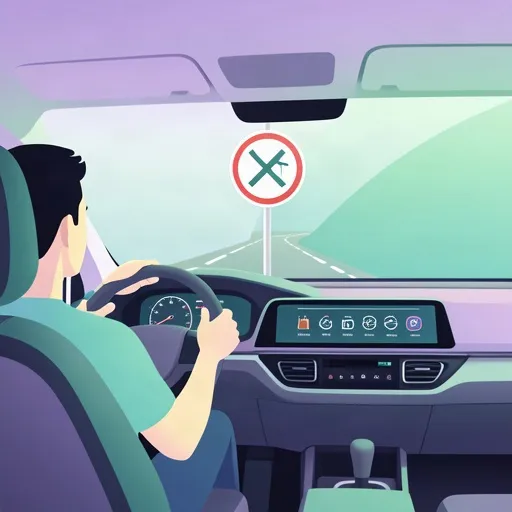
As vehicle technology advances, it is essential to understand the limits of systems like Tesla FSD (Supervised) and how they relate to Swedish traffic law. This guide clarifies that even when a vehicle controls steering or speed, the driver remains 100% legally responsible for the car's actions. Mastering these concepts is vital for passing your theory exam and ensuring safety on Swedish roads.
Updated on Sep 28, 2026
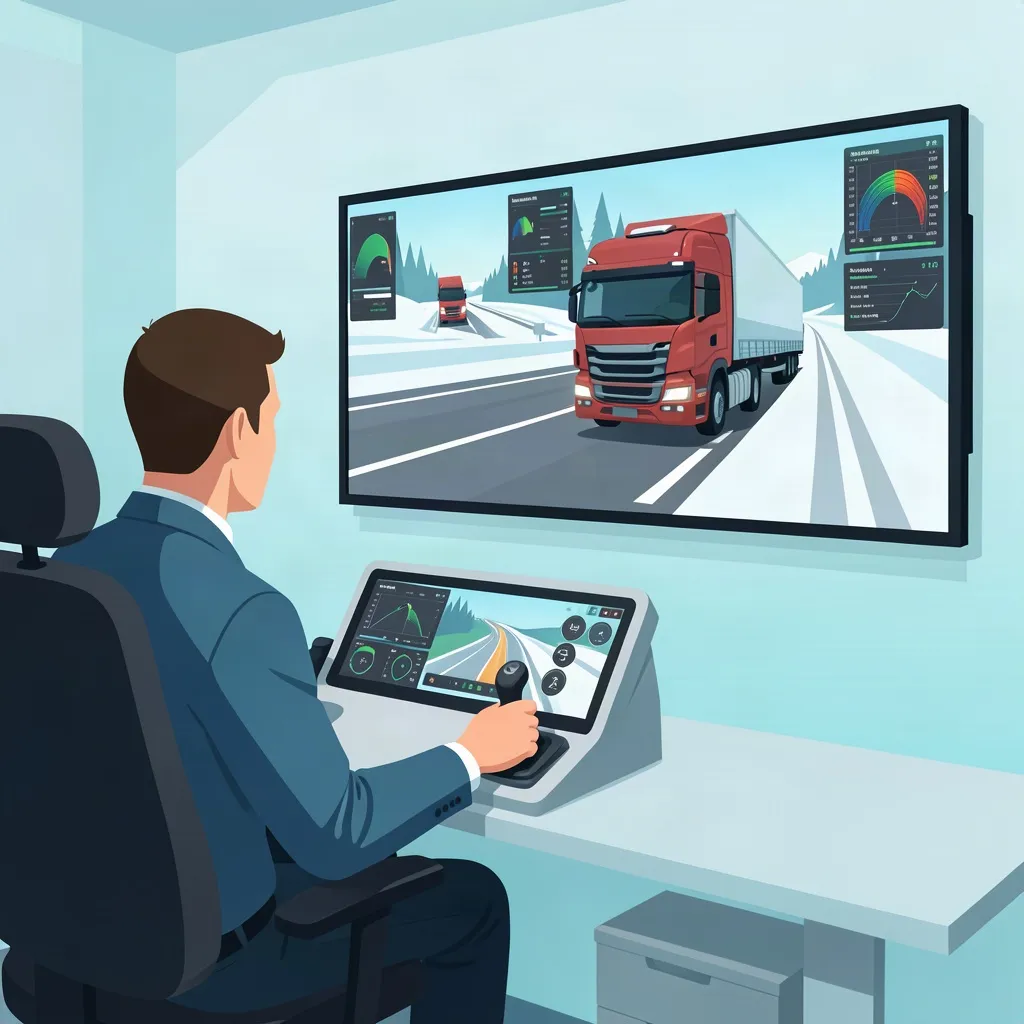
Aspiring professional drivers must understand how emerging technologies, such as remote-operated vehicles, are reshaping the industry and the demands placed on operators. This overview explains the research findings from VTI and Trafikverket, providing context on how human cognitive tasks are changing as the sector addresses chronic driver shortages. Readers will gain insight into the distinction between traditional C-category requirements and the future remote-operator professional profile.
Updated on Aug 23, 2026
As Sweden transitions toward a more sustainable and technologically advanced transport system, new challenges and opportunities emerge for road users. This overview explains how concepts such as automated driving, high-capacity transport, and vehicle electrification affect daily driving and long-term infrastructure. Developing a solid understanding of these shifts is essential for mastering the modern Swedish traffic environment and understanding future regulatory standards.
Updated on Jul 16, 2026

Explore the concept of SAE Level 4 autonomous driving and its potential role in Swedish robotaxi services. We will break down the opportunities for enhanced accessibility and environmental benefits, as well as the challenges of managing increased traffic and ensuring safety, providing you with essential knowledge for future driving scenarios and your theory exam.
Updated on Jun 9, 2026
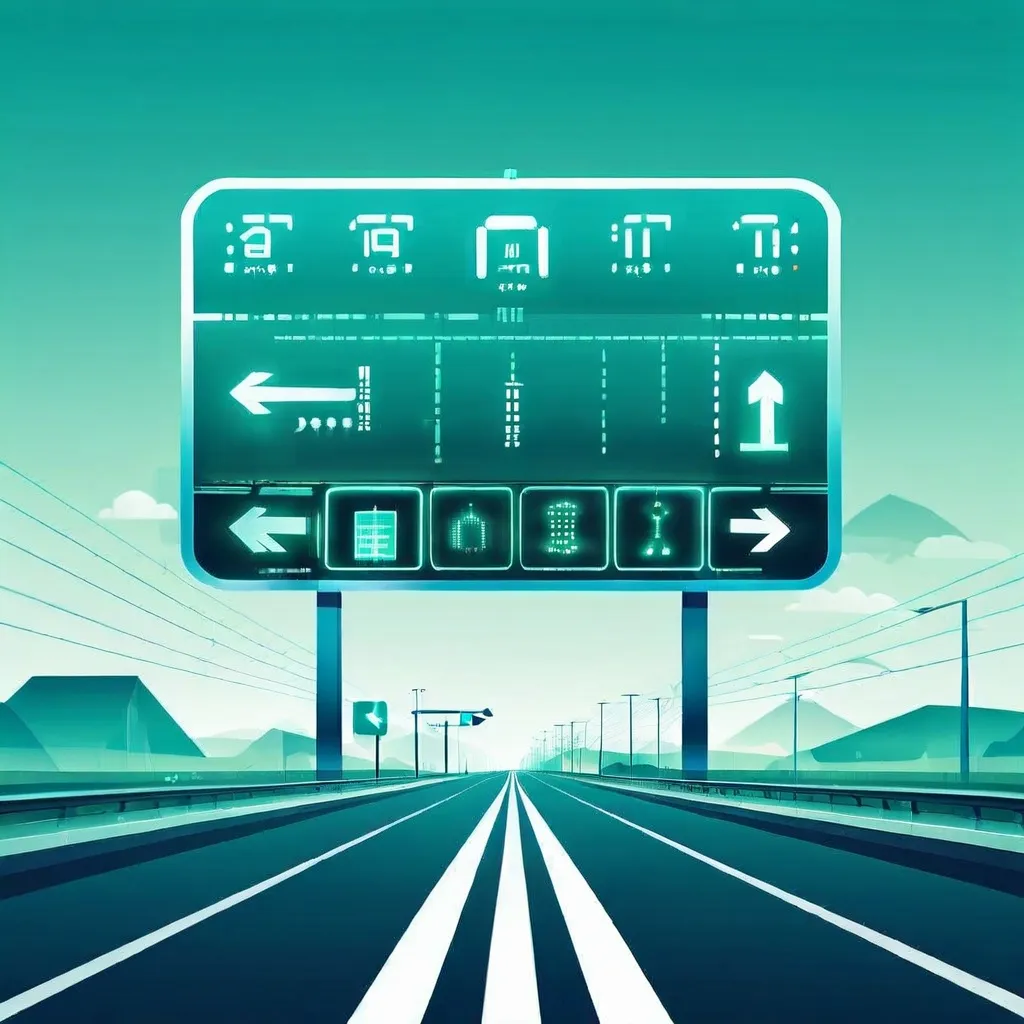
As automated driving technology advances, smart infrastructure like digital road signs and sensors are becoming increasingly important. This article delves into ongoing research in Sweden, including the 'Augmented CCAM' project, to explain how these systems aim to enhance traffic flow and safety. For learner drivers, understanding these future concepts is vital for anticipating changes in traffic management and driving expectations.
Updated on May 28, 2026
As modern vehicles incorporate sophisticated driver assistance technologies, it is vital for aspiring Swedish drivers to understand their capabilities and limitations. This article provides a clear, text-based explanation of Adaptive Cruise Control (ACC), Autonomous Emergency Braking (AEB), and Lane Keeping Assist, focusing on their practical application and safety implications on Swedish roads. Grasping these concepts will enhance your hazard perception skills and preparedness for the theory exam.
Updated on May 9, 2026

Modern cars are equipped with sophisticated driver assistance systems designed to enhance safety and comfort. This article delves into the benefits of these technologies in the Swedish context, while critically emphasizing that they are aids, not replacements for driver attention. Understanding your ongoing legal responsibilities, as outlined by Transportstyrelsen, is paramount for passing your theory exam and driving safely in Sweden.
Updated on May 9, 2026
The Swedish transport landscape is rapidly evolving with advancements in automation and electrification. This article breaks down these key concepts, explaining their impact on our roads and infrastructure as highlighted at major industry forums. Understanding these shifts is vital for learner drivers to navigate future traffic environments safely and efficiently, and to be prepared for potential changes in driving regulations.
Updated on May 6, 2026

As autonomous bus technology advances, understanding its potential impact on Swedish traffic rules is crucial for learner drivers. This article delves into the operational capabilities and safety considerations of these future vehicles, providing essential theoretical knowledge. Gain insight into how these innovations are shaping public transport and what it means for road regulations in Sweden, enhancing your preparedness for the theory exam.
Updated on Apr 29, 2026

This article delves into the findings of VTI research on drone freight transport in Sweden, analysing both the financial expenditures and the potential societal gains. It highlights how advancements like drone delivery, though currently costly, can contribute significantly to public welfare, from emergency services to defence, setting the stage for future transportation developments.
Updated on Apr 17, 2026

Discover how advanced testing methods, like the Automated Lightweight Deflectometer, are revolutionising road building in Sweden. Learning about these innovations provides insight into why road surfaces are built to specific standards, directly influencing safe driving conditions and the longevity of our infrastructure. This knowledge supports your preparation for the Swedish driving theory exam by deepening your understanding of road quality and its impact.
Updated on Apr 11, 2026
As vehicles become more connected, they collect significant amounts of data. This article provides Swedish drivers with a clear, non-technical overview of what data your car might be collecting and why you should be aware of these privacy implications. Understanding these aspects is key to safe and compliant driving in Sweden.
Updated on Apr 11, 2026

Discover the significant logistical and environmental challenges faced by drone delivery systems operating in Sweden's harsh winter climate. This article examines how initiatives by organizations like VTI are testing the feasibility of drone transport for essential supplies in remote areas, offering insights into Sweden's transportation infrastructure and accessibility planning. Understanding these emerging transport technologies and their limitations provides a broader context for modern logistics and its impact on national connectivity.
Updated on Apr 11, 2026
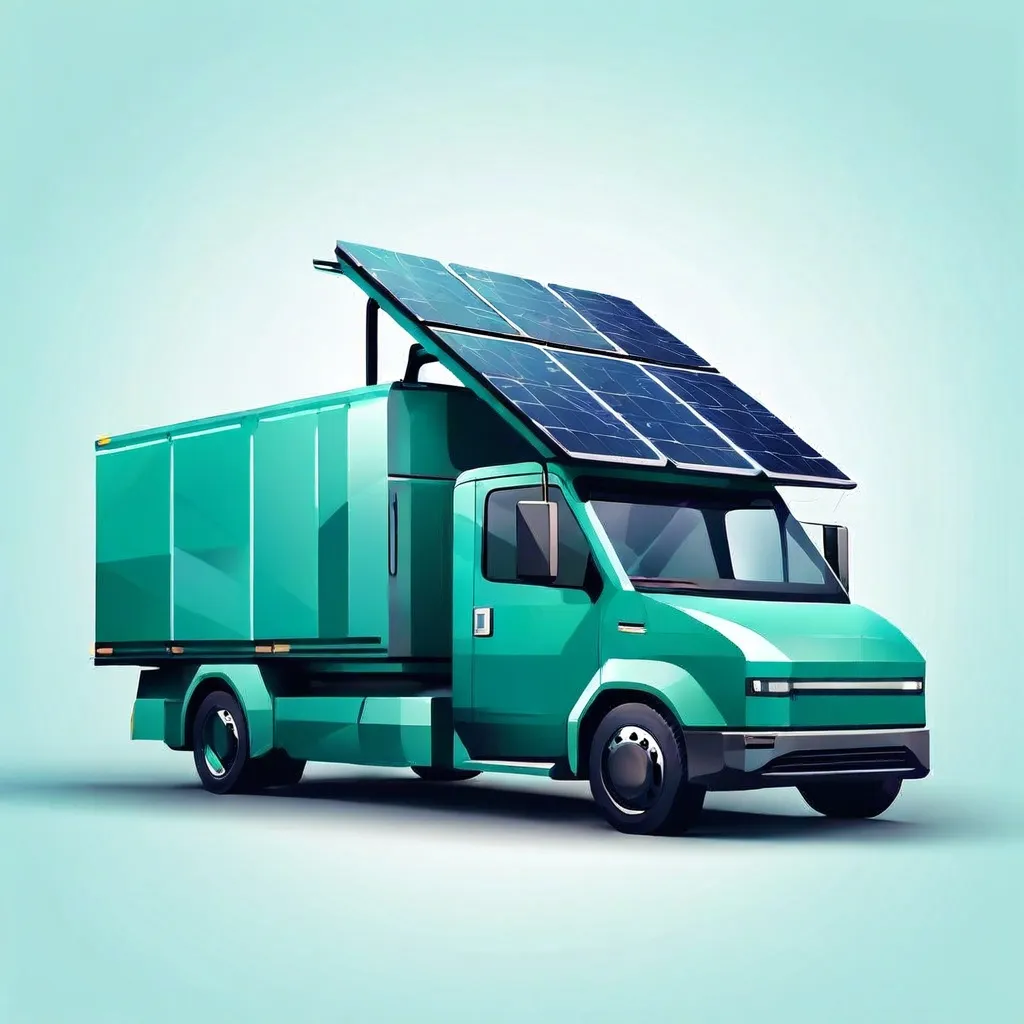
Sweden is actively pursuing fossil-free transport, and this article delves into preliminary research exploring the integration of solar cells onto electric trucks. You will learn about the technical considerations, the potential energy benefits under Swedish conditions, and the implications for national transport infrastructure and grid stability. Understanding these future transport trends provides valuable context for the evolving road transport landscape in Sweden.
Updated on Apr 11, 2026
Discover other categories connected to Vehicle Technology & Innovation Sweden. These sections help you explore additional topics, expand your understanding of driving theory in Swedish, and build a more complete picture of the rules and situations tested during the exam.
Find answers to common questions learners ask about Vehicle Technology & Innovation Sweden. This section helps clarify difficult concepts, highlight critical exam information, and support your preparation for the Swedish driving theory exam in Sweden.
Key systems include Adaptive Cruise Control (ACC), Lane Keeping Assist (LKA), Automatic Emergency Braking (AEB), and Blind Spot Monitoring (BSM). Understanding their function, benefits, and limitations in Swedish driving conditions, especially during winter, is crucial.
EV range can be reduced in cold temperatures due to battery performance and increased use of heating. However, modern EVs are increasingly designed to mitigate these effects, and charging infrastructure in Sweden is continually expanding to support EV adoption.
Eco driving involves techniques like smooth acceleration and braking, anticipating traffic, and maintaining optimal speed to reduce fuel consumption and emissions. It's important in Sweden not only for environmental reasons but also for cost savings and smoother traffic flow.
While fully autonomous vehicles (Level 5) are not yet common for public use in Sweden, advanced driver assistance systems (ADAS) are becoming standard. Understanding these features is essential for safe operation and for the theory exam.
Smart traffic systems aim to improve traffic flow, reduce congestion, and enhance safety through interconnected technologies like intelligent traffic signals and real-time information systems. These technologies are gradually being implemented across Swedish urban areas.
Dive into the specific article categories that are most relevant to your Swedish driving licence theory preparation. Choose a topic to begin studying detailed explanations, practice questions, and essential knowledge required to pass your official exam with confidence.
Swedish Theory Article Categories