
Understand how Sweden's cold temperatures and common driving habits like short trips can severely affect your car battery's performance and lead to unexpected failures. This guide offers practical advice to ensure your battery remains dependable throughout the winter months, a key aspect of safe driving and passing your theory test.
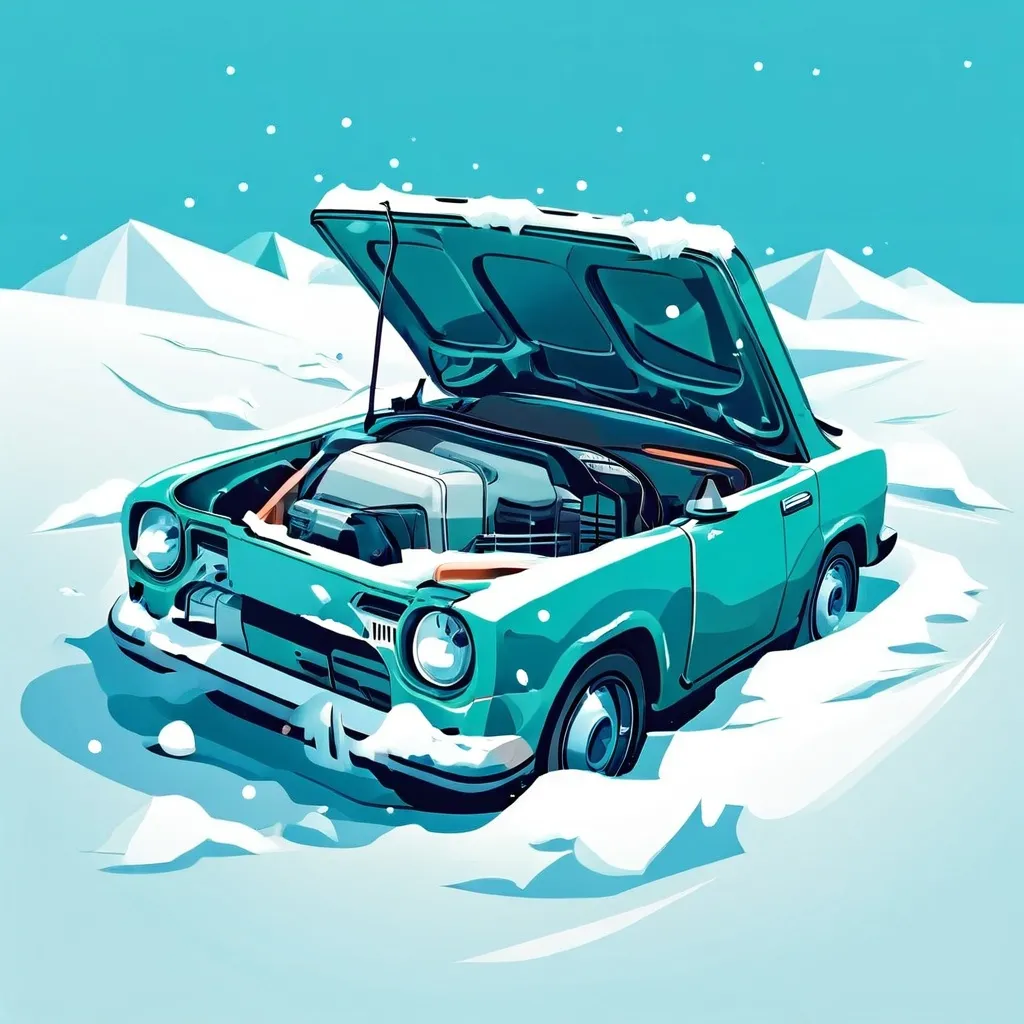
Article content overview
The harsh Swedish winter presents unique challenges for vehicle owners, and one of the most common and frustrating issues drivers face is battery failure. Cold temperatures significantly impact a car battery's ability to perform, especially when combined with typical winter driving habits. Understanding why this happens and how to prevent it is crucial not only for avoiding inconvenient breakdowns but also for ensuring your safety on the road and for passing your Swedish driving theory exam. Transportstyrelsen and Trafikverket emphasize the importance of vehicle readiness in all conditions, and battery health is a cornerstone of that readiness.
A car battery's primary function is to provide the electrical power needed to start the engine. This process involves a chemical reaction within the battery cells, and this reaction is highly sensitive to temperature. In cold weather, the electrolyte inside the battery becomes more viscous, slowing down the chemical reactions. This reduction in efficiency means the battery can produce less power when you need it most. Simultaneously, a cold engine requires more power to turn over because the oil is thicker and the internal components offer more resistance. The combination of a weaker battery output and increased demand creates a perfect storm for battery failure, particularly during the frigid Swedish winter months.
Furthermore, the physical capacity of a lead-acid battery diminishes as the temperature drops. For every degree Celsius below freezing, a battery's available cranking power can decrease noticeably. This phenomenon is a key reason why cars often struggle to start on very cold mornings, even if the battery seemed perfectly fine during warmer periods. The capacity reduction is a direct consequence of the chemical processes slowing down, making the battery less effective at delivering the necessary electrical charge.
Swedish drivers often engage in shorter trips during winter, frequently making multiple short journeys throughout the day, such as to the local shop or to drop children off at school. While these trips may seem innocuous, they can be detrimental to your car battery's health, especially in cold conditions. When you start your car, the battery expends a significant amount of energy to crank the engine. The subsequent drive is then responsible for replenishing that energy through the alternator. However, short trips often do not provide enough time for the alternator to fully recharge the battery.
This constant cycle of draining and insufficient recharging leads to a gradual depletion of the battery's charge. Over time, the battery may not reach its full capacity, making it increasingly vulnerable to the increased demands of cold weather. This is a common pitfall that many drivers overlook, and it's a concept frequently tested in the Swedish driving theory exam, where understanding vehicle condition and its impact on safety is paramount. Trafikverket highlights that a poorly maintained vehicle is a safety hazard.
Recognizing the early signs of a weakening car battery can help you avoid unexpected breakdowns. A common indicator is a slower engine crank than usual; if your car takes longer to start or sounds sluggish, it's a clear sign that the battery might be struggling, especially in colder temperatures. You might also notice that lights dim when you turn on accessories like the radio or the blower fan, or that the dashboard warning lights flicker or behave erratically. Some modern vehicles also feature battery warning lights on the dashboard, which can illuminate if the battery voltage is too low or if there's an issue with the charging system.
Another subtle but important sign is the age of your battery. Car batteries typically have a lifespan of 3 to 5 years, and their performance naturally degrades over time. If your battery is nearing or past this age, its capacity will be significantly reduced, making it much more susceptible to failure in cold weather. Neglecting an aging battery, especially before winter sets in, is a gamble that often doesn't pay off, leading to a dead battery on a critical morning.
Remember that in Sweden, driving with a malfunctioning battery can also affect other electronic systems in your vehicle, potentially leading to unpredictable behaviour and compromising your safety.
To ensure your car battery remains reliable throughout the Swedish winter, a few proactive measures can make a significant difference. Regular checks by a qualified mechanic can identify potential issues before they become critical problems. They can test the battery's voltage and its ability to hold a charge, providing an objective assessment of its condition. If the battery is showing signs of weakness or is nearing the end of its lifespan, replacing it before the coldest months arrive is a wise investment.
Keeping your battery terminals clean and free from corrosion is another essential maintenance task. Corrosion can impede the flow of electricity, reducing the battery's efficiency. You can clean them yourself using a wire brush and a solution of baking soda and water, or have a mechanic do it during a service. Ensuring the battery is securely fastened in its mounting is also important, as vibrations can accelerate wear and tear.
Deciding when to replace a car battery is a key aspect of responsible vehicle ownership, particularly in regions with extreme weather like Sweden. If your battery is more than three to four years old and you’ve experienced any of the warning signs mentioned, such as slow cranking or dimming lights, it's a strong indication that a replacement is imminent. A mechanic can perform a load test, which simulates the stress of starting an engine, to accurately gauge the battery's remaining capacity. If the battery fails this test, even if it's currently working, it's highly advisable to replace it before winter fully takes hold.
The cost of a new battery is significantly less than the cost of a tow truck and the potential inconvenience and safety risks associated with a breakdown. For the Swedish theory exam, understanding vehicle maintenance and its direct link to road safety is a core requirement, so being proactive with your battery is a responsible choice.
Despite your best efforts, a battery might still fail, and knowing how to safely jump-start a car is a valuable skill for any Swedish driver. It's crucial to have the correct equipment, namely jumper cables of adequate gauge, and to follow the correct procedure to avoid damage to either vehicle or injury. The fundamental principle is to connect the batteries of a working vehicle and the dead vehicle in a specific sequence. This sequence ensures that sparks, which can occur during connection, are created as far away from the battery as possible.
When jump-starting, always ensure both vehicles are turned off before connecting any cables. Connect the red positive (+) cable to the positive terminal of the dead battery, then to the positive terminal of the good battery. Next, connect one end of the black negative (-) cable to the negative terminal of the good battery. The crucial final step for the black cable is to connect it to an unpainted metal surface on the engine block or chassis of the dead car, away from the battery, to ground the circuit. Once connections are secure, start the working vehicle and let it run for a few minutes to charge the dead battery before attempting to start the disabled car.
Incorrectly connecting jumper cables can cause serious damage to the electrical systems of both vehicles and poses a significant risk of explosion or fire. Always consult your vehicle's manual for specific jump-starting instructions.
The Swedish driving theory exam, administered by Trafikverket, assesses your knowledge of traffic laws, road signs, and safe driving practices. Vehicle maintenance, including understanding the impact of external factors like cold weather on essential components, is a recurring theme. Questions often revolve around recognizing potential hazards caused by vehicle malfunctions, and battery issues are a prime example. You might encounter questions about what to do if your car fails to start in cold weather, or what maintenance practices are necessary for winter driving.
Demonstrating an understanding of how factors like short trips and cold temperatures affect battery performance shows you grasp the broader concept of vehicle readiness and its impact on road safety. This knowledge is not just for passing the test; it's about ensuring you are a safe and responsible driver in all conditions that Sweden's climate presents.
By understanding the science behind cold weather battery performance and adopting consistent maintenance habits, Swedish drivers can significantly reduce the risk of winter battery failures. This knowledge not only contributes to a safer driving experience but also demonstrates preparedness for the driving theory exam, showcasing a comprehensive understanding of vehicle operation and responsibility on the road.
This article explains why car batteries lose cranking power and capacity in Sweden's cold winters due to slower chemical reactions and increased engine resistance. It highlights how short winter trips create a cycle of insufficient recharging that gradually depletes battery charge. Learners should watch for warning signs like slow cranking, dimming lights, and an aging battery nearing the end of its 3-5 year lifespan. The jump-start procedure and maintenance tips, including terminal cleaning and securing the battery mount, provide practical knowledge directly relevant to vehicle readiness and safe driving.
A short set of high-value points that capture the most important ideas from this article.
Cold temperatures slow chemical reactions in battery cells and reduce cranking power, making it harder for the engine to start in winter.
Short winter trips prevent the alternator from fully recharging the battery, leading to gradual charge depletion over time.
A car battery typically lasts 3 to 5 years, and its capacity decreases noticeably below freezing point.
Signs of a weakening battery include slow engine cranking, dimming lights when using accessories, and flickering dashboard warning lights.
Jump-starting requires connecting cables in a specific sequence and grounding the negative terminal to an unpainted metal surface away from the battery.
Lead-acid batteries lose capacity as temperature drops, reducing cranking power for every degree below freezing.
Alternators need sufficient drive time to fully recharge a battery after starting; short trips often do not provide enough recharge time.
Battery terminals should be kept clean and free from corrosion to maintain proper electrical conductivity.
A load test can objectively measure a battery's remaining capacity and indicate whether replacement is needed.
Transportstyrelsen and Trafikverket emphasize vehicle readiness as a cornerstone of road safety in Sweden.
Assuming a battery that worked in autumn will perform equally well in deep winter without checking its condition first.
Only driving very short distances during winter without occasionally taking a longer trip to allow the battery to recharge fully.
Connecting jumper cable clamps directly to the dead battery's negative terminal instead of to a grounded metal surface on the engine block.
Ignoring early warning signs such as sluggish engine cranking or flickering lights, waiting until complete battery failure occurs.
Neglecting to check battery age; an aging battery past 4-5 years is much more vulnerable to cold weather failure.
Article content overview
A short set of high-value points that capture the most important ideas from this article.
Cold temperatures slow chemical reactions in battery cells and reduce cranking power, making it harder for the engine to start in winter.
Short winter trips prevent the alternator from fully recharging the battery, leading to gradual charge depletion over time.
A car battery typically lasts 3 to 5 years, and its capacity decreases noticeably below freezing point.
Signs of a weakening battery include slow engine cranking, dimming lights when using accessories, and flickering dashboard warning lights.
Jump-starting requires connecting cables in a specific sequence and grounding the negative terminal to an unpainted metal surface away from the battery.
Lead-acid batteries lose capacity as temperature drops, reducing cranking power for every degree below freezing.
Alternators need sufficient drive time to fully recharge a battery after starting; short trips often do not provide enough recharge time.
Battery terminals should be kept clean and free from corrosion to maintain proper electrical conductivity.
A load test can objectively measure a battery's remaining capacity and indicate whether replacement is needed.
Transportstyrelsen and Trafikverket emphasize vehicle readiness as a cornerstone of road safety in Sweden.
Assuming a battery that worked in autumn will perform equally well in deep winter without checking its condition first.
Only driving very short distances during winter without occasionally taking a longer trip to allow the battery to recharge fully.
Connecting jumper cable clamps directly to the dead battery's negative terminal instead of to a grounded metal surface on the engine block.
Ignoring early warning signs such as sluggish engine cranking or flickering lights, waiting until complete battery failure occurs.
Neglecting to check battery age; an aging battery past 4-5 years is much more vulnerable to cold weather failure.
Explore related topics, search based questions, and concepts that learners often look up when studying Swedish Winter Battery Tips. These themes reflect real search intent and help you understand how this topic connects to wider driving theory knowledge in Sweden.
Find clear and practical answers to common questions learners often have about Swedish Winter Battery Tips. This section helps explain difficult points, remove confusion, and reinforce the key driving theory concepts that matter for learners in Sweden.
Cold temperatures reduce a car battery's ability to produce power and increase the strain on it to start the engine, making it more prone to failure.
Short trips do not allow the alternator enough time to fully recharge the battery, especially when the battery is already working harder in the cold, leading to a gradual drain.
A weak battery might struggle to start the engine, show dimming headlights or interior lights, and may produce clicking sounds when you try to start the car.
Ensure battery terminals are clean and free of corrosion, check the battery's age, and consider testing its charge and cranking power, especially if it's more than three years old.
Yes, jump-starting can be done safely in cold weather by following proper procedures, but it's important to ensure the connecting cables and vehicles are correctly set up to avoid damage or injury.
Continue your learning journey by exploring more detailed articles and guides. Clarify specific traffic rules, understand complex road signs, or review safe driving practices. Our extensive content library supports your Swedish driving license theory preparation.