
Before you even start the engine, a quick safety check can prevent potential issues and ensure your journey is safe. This guide outlines a simple, repeatable routine for Swedish drivers, highlighting why these checks are vital for both everyday driving and passing your theory exam, connecting directly to Trafikverket's expectations for safe vehicle operation.
Article content overview
Embarking on any journey, whether a short commute or a long drive across Sweden, begins long before you engage the engine. A consistent pre-drive safety check is not merely a suggestion; it's a fundamental habit that underpins safe driving, prevents unexpected breakdowns, and demonstrates responsible vehicle ownership. For Swedish drivers, understanding and implementing a quick yet thorough routine is crucial, not only for your personal safety and that of others on the road but also for fulfilling the expectations of Trafikverket regarding driver preparedness. This guide will walk you through an efficient pre-drive safety routine that can be completed in under two minutes, ensuring you are ready to face Sweden's diverse road conditions safely.
Sweden's climate and road conditions can change rapidly, from icy winter mornings to heavy summer rain, making a reliable vehicle paramount. A seemingly minor issue, such as low washer fluid or a slightly underinflated tire, can escalate into a significant safety hazard when visibility is compromised or road surfaces are unpredictable. These routine checks are your first line of defense against potential dangers and costly repairs. They foster a proactive approach to vehicle maintenance, which is directly assessed in the driving test and implicitly expected in the theory test, where questions on vehicle knowledge and safe operation are common. By integrating these checks into your daily routine, you contribute to a safer driving environment for everyone.
This routine is designed for speed and efficiency, focusing on the most critical elements that affect immediate safety and drivability. The key is consistency; performing these checks every single time you get behind the wheel will make them second nature.
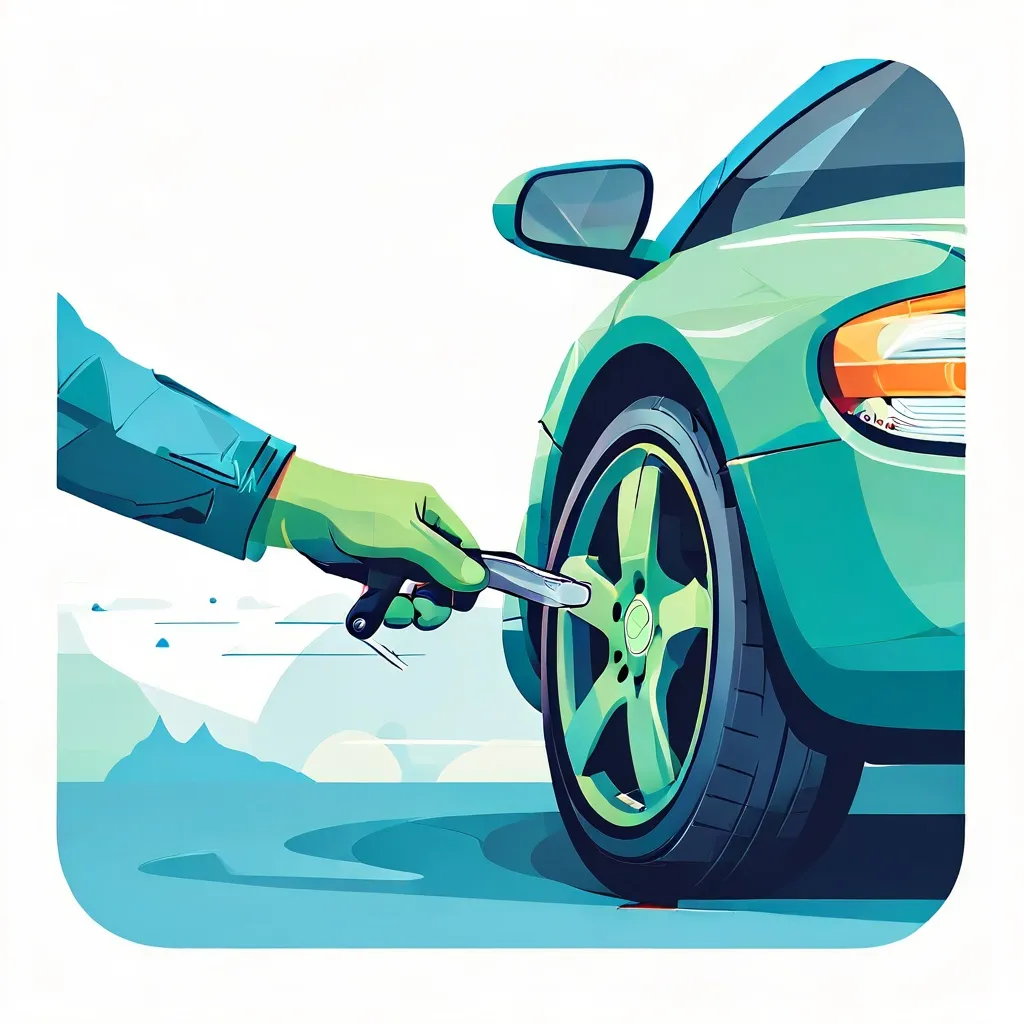
Begin by walking around your vehicle to get a comprehensive view. Your primary focus should be on the tires, lights, and overall condition.
Start by visually inspecting all four tires. Look for any obvious signs of damage, such as cuts, bulges, or foreign objects embedded in the tread. Pay attention to the tread depth; while the legal minimum in Sweden is 1.6 mm, having more offers better grip, especially in adverse conditions. Also, check if any tires appear noticeably deflated, which can significantly impact handling and increase fuel consumption.
Next, check all external lights and signals. Turn on your parking lights, then your headlights (dipped beam, known as halvljus in Swedish), and hazard lights. If possible, have a passenger or use reflective surfaces to ensure that all lights are functioning correctly: front and rear parking lights, dipped and main beam headlights, front and rear indicators (blinkers), brake lights, and the rear fog light (dimbakljus). Don't forget to check your license plate light (skyltlykta).
Once you're inside the vehicle, focus on your immediate driving environment and essential controls.
Adjust your seat and steering wheel to achieve a comfortable and correct driving position. Ensure all doors are securely closed. Then, adjust your rearview mirror and wing mirrors (backspeglar) to provide a clear, unobstructed view of the traffic behind and to the sides. Proper mirror adjustment is critical for lane changes and general situational awareness.
Check the windshield for any cracks, chips, or obstructions that could impair your vision. Ensure your windshield wipers (vindrutetorkare) are in good working order and that there is sufficient washer fluid.
Before starting the engine, turn the ignition to the pre-start position. Observe the dashboard; all warning lights should briefly illuminate and then extinguish as the vehicle's systems are checked. Any warning light that remains illuminated after starting the engine indicates a potential issue that needs immediate attention.
While a full under-bonnet check is for more in-depth maintenance, a quick check of essential fluids can be integrated into your pre-drive routine.
If time allows, a very quick glance at the windshield washer fluid reservoir is advisable. For a more comprehensive check, you would also look at engine oil and coolant levels, but these are typically part of a more detailed weekly or monthly inspection. However, in Sweden, understanding the importance of adequate washer fluid for visibility in all seasons is key.
Swedish weather demands specific attention throughout the year.
In colder months, beyond checking washer fluid freeze resistance, ensure your tires are suitable for winter conditions (e.g., winter tires when required by law). Check that headlights and taillights are clear of snow and ice. If you have engine block heaters or interior heaters, ensure they are functioning correctly.
During warmer months, pay attention to tire pressure, as it can fluctuate with temperature. Ensure your air conditioning system is functioning properly for comfort and driver fatigue management.
The knowledge and practical skills demonstrated in pre-drive checks are directly assessed by Trafikverket. The theory test for Swedish driving licenses frequently includes questions related to vehicle knowledge, load securing, and the importance of regular checks for road safety. Understanding these aspects shows you grasp the responsibilities of a driver beyond just operating the vehicle.
During the practical driving test (körprov), a significant portion is dedicated to the safety check (säkerhetskontroll). You will be expected to demonstrate a systematic inspection of the vehicle, including its lights, tires, brakes, and other essential components, and be able to explain what you are checking and why. This practical demonstration is a critical part of the test, evaluating your preparedness and understanding of vehicle safety.
Trafikverket's examiners are looking for a driver who is not only skilled in maneuvering the vehicle but also demonstrates a comprehensive understanding of road safety principles. This includes an awareness of the vehicle's condition and its impact on safe driving. Demonstrating a practiced and thorough safety check signifies that you are a responsible driver who prioritizes safety and is prepared for various road conditions.
A common mistake is rushing the pre-drive checks or skipping them altogether. This can lead to overlooking simple issues that might have serious consequences. For instance, driving with a burnt-out brake light can lead to rear-end collisions, especially in poor light conditions common in Swedish winters. Another oversight can be not cleaning snow or ice off all lights and windows, severely hampering visibility for yourself and making your vehicle less visible to others.
Implementing a consistent pre-drive safety routine is a mark of a competent and responsible driver in Sweden. It’s a habit that ensures your vehicle is in optimal condition for navigating the country's diverse landscapes and weather conditions. By dedicating just a couple of minutes before each drive, you enhance your safety, contribute to the overall safety of the road network, and build a strong foundation for success in your driving license journey.
This article outlines a repeatable two-minute pre-drive safety routine essential for Swedish drivers, covering exterior checks (tires, lights, signals), interior setup (mirrors, wipers, dashboard warnings), and fluid levels. The routine is directly relevant to the Swedish driving theory test and is a mandatory component of the Trafikverket körprov practical test. Key requirements include maintaining minimum 1.6 mm tire tread depth, ensuring all lights function correctly including dimbakljus, and using freeze-resistant washer fluid in winter. Seasonal adaptations for Swedish winter and summer conditions are emphasized, highlighting that Sweden's variable climate makes vehicle preparation critical for road safety.
A short set of high-value points that capture the most important ideas from this article.
Perform a systematic two-minute pre-drive check every time you drive, covering tires, lights, mirrors, and dashboard warning lights.
Tire tread depth must meet the Swedish legal minimum of 1.6 mm, but more depth provides better grip especially in adverse weather.
Check all external lights including dipped beam (halvljus), rear fog light (dimbakljus), brake lights, and license plate light (skyltlykta).
Dashboard warning lights must all briefly illuminate on ignition and extinguish after engine start; any persistent light requires attention.
Swedish winter conditions demand special attention: use freeze-resistant washer fluid, ensure lights are clear of snow and ice, and use appropriate winter tires.
During körprov (practical driving test), you must demonstrate a systematic säkerhetskontroll and explain what you are checking and why.
The safety check routine is assessed by Trafikverket examiners who look for responsible driver behavior and understanding of vehicle safety.
In Sweden, halvljus (dipped beam headlights) are required during daylight hours as well as darkness.
Running out of washer fluid or using fluid that freezes in winter severely reduces visibility and creates a dangerous situation.
Make exterior checks a habit by performing them while waiting for your navigation system to boot up or passengers to get ready.
Rushing or skipping pre-drive checks entirely, which can lead to overlooking issues with serious consequences.
Not cleaning snow and ice from all lights, windows, and mirrors before driving, severely reducing visibility for yourself and making your vehicle less visible to others.
Driving with a burnt-out brake light, which can lead to rear-end collisions especially in poor light conditions common in Swedish winters.
Assuming dashboard warning lights will resolve themselves; any light remaining illuminated after engine start indicates a problem requiring immediate attention.
Forgetting to check tire pressure, as it can fluctuate significantly with temperature changes in Sweden's climate.
Article content overview
A short set of high-value points that capture the most important ideas from this article.
Perform a systematic two-minute pre-drive check every time you drive, covering tires, lights, mirrors, and dashboard warning lights.
Tire tread depth must meet the Swedish legal minimum of 1.6 mm, but more depth provides better grip especially in adverse weather.
Check all external lights including dipped beam (halvljus), rear fog light (dimbakljus), brake lights, and license plate light (skyltlykta).
Dashboard warning lights must all briefly illuminate on ignition and extinguish after engine start; any persistent light requires attention.
Swedish winter conditions demand special attention: use freeze-resistant washer fluid, ensure lights are clear of snow and ice, and use appropriate winter tires.
During körprov (practical driving test), you must demonstrate a systematic säkerhetskontroll and explain what you are checking and why.
The safety check routine is assessed by Trafikverket examiners who look for responsible driver behavior and understanding of vehicle safety.
In Sweden, halvljus (dipped beam headlights) are required during daylight hours as well as darkness.
Running out of washer fluid or using fluid that freezes in winter severely reduces visibility and creates a dangerous situation.
Make exterior checks a habit by performing them while waiting for your navigation system to boot up or passengers to get ready.
Rushing or skipping pre-drive checks entirely, which can lead to overlooking issues with serious consequences.
Not cleaning snow and ice from all lights, windows, and mirrors before driving, severely reducing visibility for yourself and making your vehicle less visible to others.
Driving with a burnt-out brake light, which can lead to rear-end collisions especially in poor light conditions common in Swedish winters.
Assuming dashboard warning lights will resolve themselves; any light remaining illuminated after engine start indicates a problem requiring immediate attention.
Forgetting to check tire pressure, as it can fluctuate significantly with temperature changes in Sweden's climate.
Explore related topics, search based questions, and concepts that learners often look up when studying Swedish Pre-Drive Safety. These themes reflect real search intent and help you understand how this topic connects to wider driving theory knowledge in Sweden.
Find clear and practical answers to common questions learners often have about Swedish Pre-Drive Safety. This section helps explain difficult points, remove confusion, and reinforce the key driving theory concepts that matter for learners in Sweden.
A regular pre-drive safety routine is crucial for preventing vehicle breakdowns, ensuring your car is safe to operate in diverse Swedish conditions, and demonstrating responsible driving behaviour expected in theory exams.
A thorough yet efficient pre-drive safety routine can be completed in under two minutes, focusing on the most critical elements like lights, tires, mirrors, and visibility.
The essential areas include checking lights (headlights, brake lights, indicators), tires (pressure and tread), mirrors, windshield visibility, and any warning lights on the dashboard.
In Sweden, seasonal variations require specific checks: ensuring washer fluid is freeze-resistant in winter, checking tyre pressure for temperature fluctuations, and ensuring all lights are clear of snow or ice.
Yes, while the theory exam focuses on rules and knowledge, demonstrating an understanding of vehicle safety and maintenance is implicitly tested through questions on safe driving practices and hazard perception, which a safety routine supports.
Continue your learning journey by exploring more detailed articles and guides. Clarify specific traffic rules, understand complex road signs, or review safe driving practices. Our extensive content library supports your Swedish driving license theory preparation.