
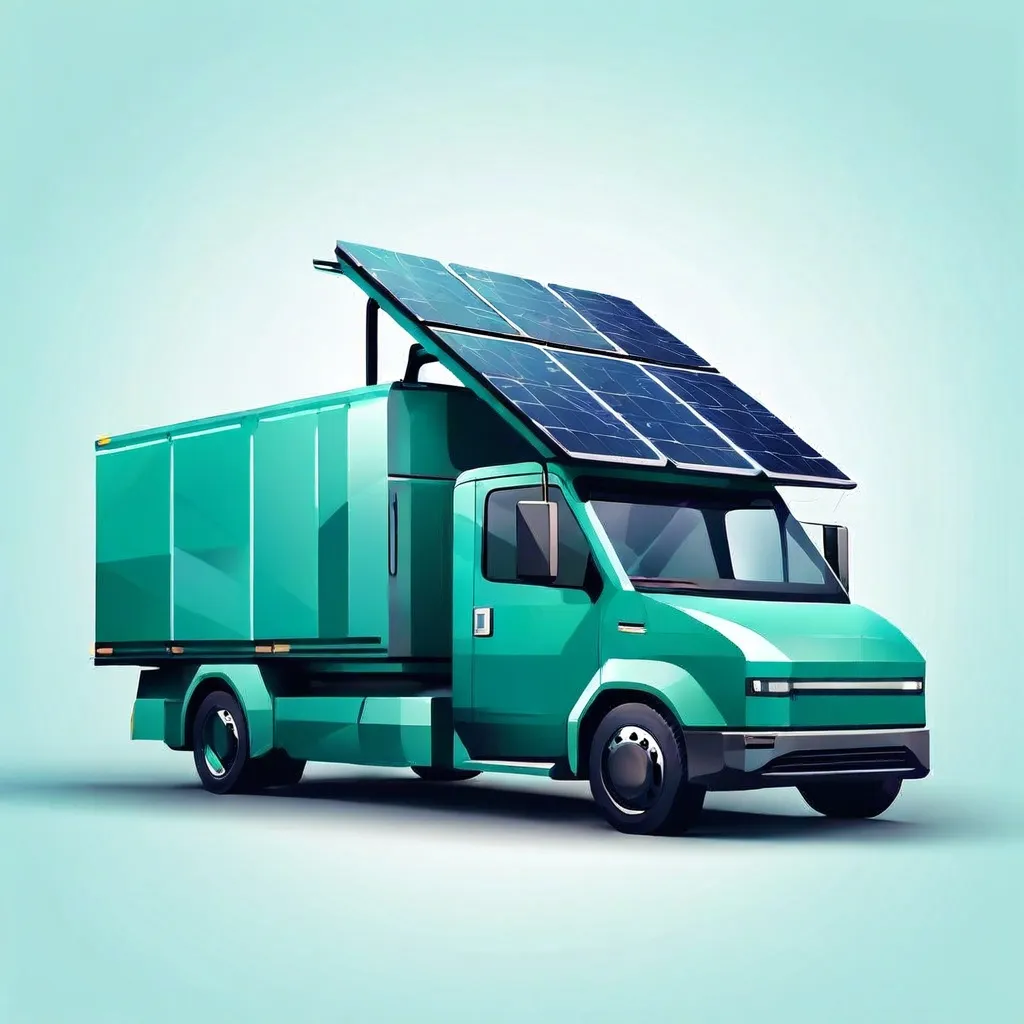
Sweden is actively pursuing fossil-free transport, and this article delves into preliminary research exploring the integration of solar cells onto electric trucks. You will learn about the technical considerations, the potential energy benefits under Swedish conditions, and the implications for national transport infrastructure and grid stability. Understanding these future transport trends provides valuable context for the evolving road transport landscape in Sweden.
Article content overview
Sweden is at the forefront of global efforts to transition towards sustainable transportation, with ambitious goals to achieve fossil-free transport by 2045. A significant component of this transition involves the electrification of heavy transport, including long-haul trucks. While electric trucks offer a cleaner alternative to diesel, their substantial energy requirements and the strain they can place on the electricity grid present considerable challenges. In response, preliminary research is exploring innovative solutions, such as integrating solar cells directly onto electric trucks, to enhance their efficiency and reduce their environmental footprint. This exploration is crucial for understanding the future of logistics and transport infrastructure in Sweden and beyond.
The electrification of heavy-duty vehicles is a complex undertaking. Electric trucks require large battery packs to achieve adequate range, which translates to significant weight and cost. Furthermore, the charging of these large batteries demands substantial electrical infrastructure and can place considerable load on the national power grid, particularly during peak demand periods. This is especially relevant in a country like Sweden, where the vast distances and often harsh weather conditions necessitate robust and reliable energy solutions for transport. Without careful planning and technological advancement, the widespread adoption of electric trucks could lead to bottlenecks in charging availability and increased costs associated with grid upgrades.
The sheer energy consumption of heavy trucks means that relying solely on grid-based charging might not always be feasible or sustainable. For instance, a long-haul truck might need hundreds of kilowatt-hours of energy for a single journey, and recharging this capacity quickly can strain local power grids. This is where exploring alternative or supplementary energy sources becomes critically important for the future of freight transport in Sweden.
Recognizing these challenges, the Swedish National Road and Transport Research Institute (VTI), in collaboration with Uppsala University and industry partners such as Traton/Scania and Ernst Express, has embarked on a preliminary study. This research, funded by the Swedish Energy Agency (Energimyndigheten) as part of the FFI Nollutsläpp program, aims to assess the technical feasibility and practical benefits of equipping heavy electric trucks with solar cells. The primary objective is to quantify the potential energy contribution of these solar panels under Swedish and broader European climatic conditions.
This study seeks to answer fundamental questions about how much energy solar panels mounted on truck roofs can realistically generate. It will analyze various transport assignments to understand typical energy usage patterns and explore different vehicle configurations and aerodynamic considerations that might affect solar panel efficiency. The research is not just about adding panels; it's about an integrated approach to vehicle design and energy management.
The insights gained from this preliminary phase are intended to pave the way for a larger demonstration project. The plan is to develop a project proposal for a full-scale demonstrator by autumn 2026, marking a significant step towards realizing solar-powered electric trucks in Sweden. This proactive approach is vital for future-proofing Sweden's transport sector against evolving energy demands and environmental regulations.
The integration of solar cells onto electric trucks holds significant promise for advancing Sweden's ambitious goals for sustainable and fossil-free transport. One of the most compelling benefits is the potential to reduce the reliance on the existing electricity grid for charging. By generating a portion of their energy directly from sunlight, these trucks could alleviate the demand on charging infrastructure, especially during daylight hours. This could be particularly advantageous in areas where grid capacity is limited or where charging stations are scarce.
Furthermore, the supplementary energy generated by solar panels can contribute to extending the operational range of electric trucks or reducing the frequency of charging stops. This increased operational efficiency can directly translate into cost savings for transport companies and improved logistics for businesses relying on freight services. As Sweden strives to decarbonise its economy, innovations like solar-powered trucks offer a tangible pathway towards achieving these targets.
The energy contribution from solar panels can also play a role in smoothing out the peak loads on the electricity grid. If trucks can self-generate some of their power needs, the demand on the grid during peak charging times might be reduced, leading to greater grid stability. This is an important consideration as Sweden aims to increase its reliance on electric vehicles across all sectors.
Assessing the technical feasibility involves overcoming several engineering hurdles. The design of solar panels needs to be robust enough to withstand the harsh conditions of road transport, including vibrations, extreme temperatures, and potential impacts. Their aerodynamic integration is also crucial to avoid increasing fuel consumption or drag. The study will investigate optimal placement and types of solar cells that can maximize energy generation while minimising any negative impact on the vehicle's performance.
Understanding how these solar-powered trucks would function in real-world traffic scenarios is paramount. This includes evaluating their performance under varying weather conditions prevalent in Sweden, such as long periods of darkness in winter or inconsistent sunlight. The research will therefore focus on realistic energy generation figures for Swedish and European climates, rather than optimistic projections. This pragmatic approach ensures that any future deployment of this technology is based on sound data and achievable outcomes.
Consideration must also be given to the maintenance and lifespan of the solar panels in a commercial transport environment. Ensuring the long-term viability and cost-effectiveness of solar integration will be a key factor in its successful adoption.
The ongoing research into solar-powered electric trucks represents a forward-thinking approach to tackling the complexities of electrifying Sweden's transport sector. While this is still an area of active investigation, the potential benefits for reducing emissions, easing grid pressure, and enhancing operational efficiency are substantial. As Sweden continues its journey towards a fossil-free future, technologies like these will undoubtedly play a pivotal role in shaping the landscape of road transport.
Learner drivers studying for their Swedish driving licence theory should be aware of these emerging trends. While specific rules regarding solar-powered trucks are still in development, understanding the broader context of sustainable transport technology provides valuable insight into the future of driving and logistics in Sweden. The advancements in vehicle technology and infrastructure are constantly evolving, and staying informed is key to safe and responsible driving.
The evolution of transport technology means that the driving environment is continually changing. Understanding these shifts, even those currently in research phases, helps learners appreciate the bigger picture of road safety and environmental responsibility. The Swedish driving theory exam often touches upon broader principles of safe and environmentally conscious driving.
Article content overview
Explore related topics, search based questions, and concepts that learners often look up when studying Solar Trucks in Sweden. These themes reflect real search intent and help you understand how this topic connects to wider driving theory knowledge in Sweden.
Find clear and practical answers to common questions learners often have about Solar Trucks in Sweden. This section helps explain difficult points, remove confusion, and reinforce the key driving theory concepts that matter for learners in Sweden.
The main goal is to assess the technical feasibility of integrating solar cells onto electric trucks and determine their realistic energy contribution under Swedish and European conditions, aiming to reduce grid reliance.
Sweden is interested as part of its national goal to achieve fossil-free transport by 2045. Solar integration could help overcome challenges with current electric trucks, such as energy needs and grid strain.
The research involves VTI (The Swedish National Road and Transport Research Institute), Uppsala University, and industry partners like Traton/Scania and Ernst Express, with funding from the Swedish Energy Agency.
Potential benefits include supplementing the truck's energy needs, reducing the demand on charging infrastructure, decreasing strain on the electricity grid, and contributing to overall transport sustainability.
Currently, it is a preliminary study exploring feasibility. The next step planned is a project plan for a full-scale demonstrator, indicating it is still in the research and development phase.
Continue your learning journey by exploring more detailed articles and guides. Clarify specific traffic rules, understand complex road signs, or review safe driving practices. Our extensive content library supports your Swedish driving license theory preparation.