
Navigate Swedish roundabouts confidently by understanding the critical priority rules and how to choose the correct lane for your exit. This guide breaks down the essential principles for safe driving and passing your theory test, ensuring you know when to yield and how to position your vehicle correctly.
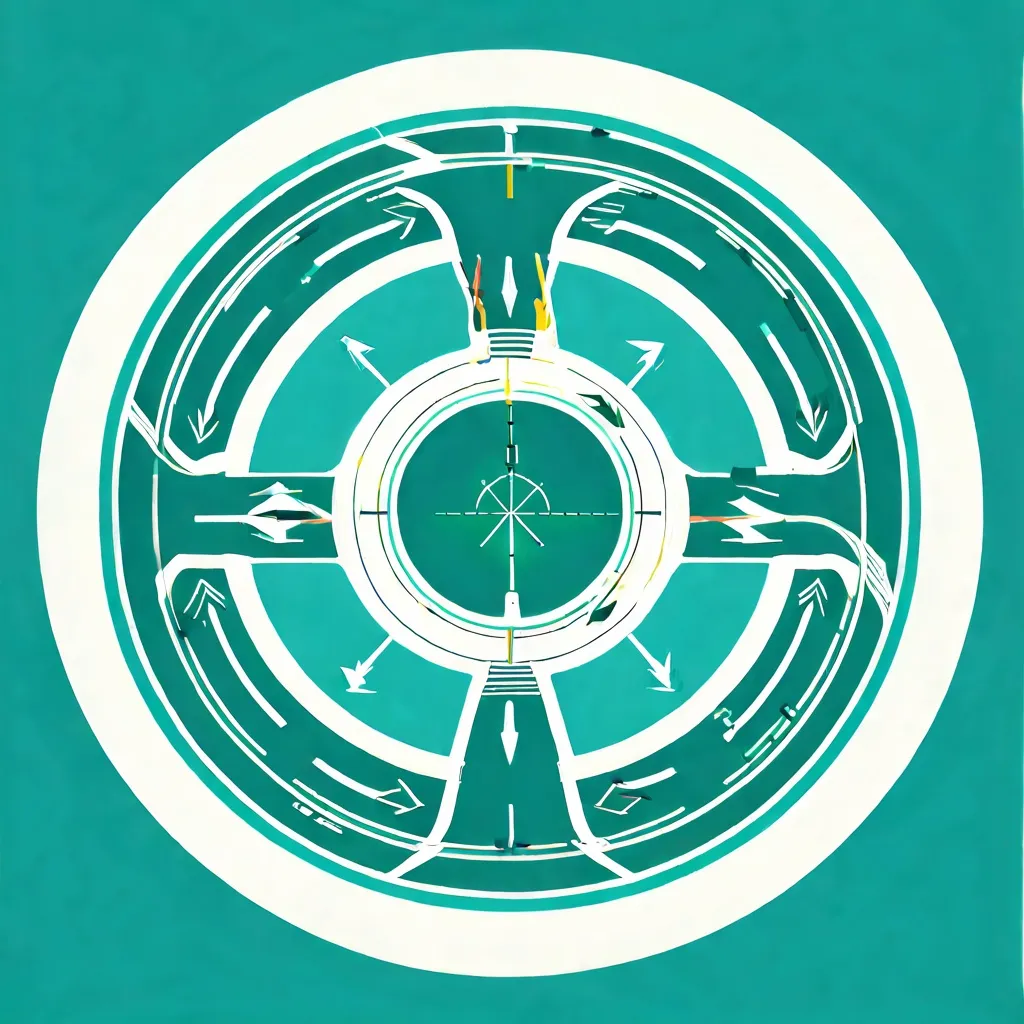
Article content overview
Understanding how to safely and correctly navigate roundabouts, or cirkulationsplatser, is a crucial aspect of the Swedish driving license theory exam. These intersections are designed to improve traffic flow and safety compared to traditional crossroads, but they can still present challenges if their specific rules are not well understood. This guide will break down the essential priority rules, lane selection strategies, and signaling requirements for Swedish roundabouts, ensuring you are well-prepared for both the theory test and real-world driving in Sweden.
A roundabout, officially known in Sweden as a cirkulationsplats, is a specific type of intersection designed to manage traffic flow in a continuous, circular direction. The central raised island within this intersection is called the rondell. The primary benefit of roundabouts is that they reduce the speed of approaching vehicles, giving drivers more time to assess the traffic situation and make safer decisions. This inherent speed reduction is a key reason why roundabouts are generally considered safer than traditional intersections, leading to fewer severe accidents.
In Sweden, the fundamental principle governing entry into most roundabouts is that you must yield to traffic already circulating within the roundabout. This means that drivers approaching a roundabout must always give way to vehicles that are already inside the circle. This is a critical point tested in the theory exam, as failure to yield is a common cause of collisions. While most roundabouts operate on this principle, it's important to be aware that some larger or more complex roundabouts might be regulated by traffic signals, which would override the standard yielding rule.
The absolute rule when entering a Swedish cirkulationsplats is to yield to traffic already present within the roundabout. This principle is fundamental and applies to virtually all roundabouts, unless specific traffic signals dictate otherwise. Therefore, when approaching a roundabout, you must be prepared to slow down or stop if necessary to allow circulating traffic to pass safely. The aim is to ensure that you only enter the roundabout when there is a sufficient gap in traffic, preventing any obstruction or hazard to those already on the circular road.
Swedish road signage plays a vital role in guiding drivers. While there isn't a specific sign that grants priority into a roundabout, the absence of a "give way" or "stop" sign on the approach, combined with the common design of roundabouts, implies the need to yield to circulating traffic. Conversely, drivers already within the roundabout are generally expected to proceed without being impeded by new entrants. This mutual understanding and adherence to the yielding rule are what make roundabouts function efficiently and safely.
Choosing the correct lane when entering and navigating a Swedish roundabout is paramount for both safety and adherence to traffic rules. The decision of which lane to use is directly dependent on your intended exit from the roundabout. Misunderstanding this can lead to dangerous lane changes within the roundabout or exiting from the incorrect lane, potentially causing a collision.
When entering a roundabout with multiple lanes, your lane choice should be based on your destination. If there are road signs or markings indicating specific lanes for different directions, you must follow those. In the absence of such specific guidance, general rules apply to help you position your vehicle appropriately.
If your intended exit is the first road to your right, or if you plan to go straight through the roundabout, you should generally position your vehicle in the rightmost lane. This lane is typically designated for traffic that intends to exit relatively soon after entering. This positioning allows for a smoother flow of traffic, as vehicles intending to go further around the roundabout can use the inner lanes.
For drivers intending to turn left or make a U-turn (going around to the last exit), it is generally advisable to position your vehicle in the leftmost lane. This allows you to circumnavigate the roundabout using the inner lanes, which are intended for traffic that will continue for a longer duration. It is crucial to plan your lane choice well in advance of reaching the roundabout to avoid last-minute, potentially hazardous lane changes.
Signaling is a critical component of safe driving within and when exiting a roundabout. While there is no requirement to signal when entering a roundabout if you are simply following the circular path without changing lanes, signaling when you intend to exit is mandatory.
When you are ready to leave the roundabout, you must activate your right turn signal. This signal should be given well in advance of your intended exit, typically just before you reach the exit road itself. This signals your intention to other road users, both those who might be waiting to enter the roundabout and those who are still circulating.
The practice of signaling your intention to exit is vital. Even if you are in the correct lane for your exit, failing to signal can cause confusion. Other drivers might assume you are continuing around the roundabout, leading to potential conflicts. Therefore, activating your right indicator as you approach your exit is a non-negotiable aspect of safe roundabout navigation in Sweden.
Swedish road regulations and common driving practices have evolved to accommodate the widespread use of roundabouts. Understanding these nuances is key to succeeding in the Swedish driving theory test.
The design of roundabouts often requires consideration for larger vehicles, such as trucks and buses, which may need more than one lane to navigate safely. If you are driving a smaller vehicle, be aware that these larger vehicles might occupy more space or require a wider turning radius. Always allow them the necessary room to maneuver without feeling pressured or obstructed. Similarly, cyclists and pedestrians often share the road space around roundabouts, especially on approach and exit. Always be vigilant for them, and be prepared to yield if they are present.
While most Swedish roundabouts operate on the principle of yielding to circulating traffic, some larger or more complex ones may incorporate traffic signals. In such cases, the signals take precedence over the standard yielding rules. You must obey the traffic lights as you would at any other intersection. This might involve stopping at a red light before entering, or proceeding when a green light permits. Always look for traffic signals before assuming the standard roundabout rules apply.
The Swedish theory exam often tests understanding of roundabout rules through various scenarios. Common questions focus on:
Be aware of trick questions that might involve confusing a roundabout with a standard intersection, or scenarios where traffic signals are present. Always remember the core principle: yield to traffic already in the roundabout unless otherwise directed by signals or signs.
Beyond the specific rules, adopting safe driving practices will ensure you navigate Swedish cirkulationsplatser with confidence and contribute to road safety.
Always adjust your speed as you approach and enter a roundabout. A moderate speed allows you to scan for traffic, assess gaps, and react appropriately. Driving too fast can impair your judgment and reaction time, increasing the risk of an accident. Maintain a constant awareness of your surroundings, checking mirrors and blind spots, especially when changing lanes within the roundabout or preparing to exit.
When approaching a roundabout, particularly one with multiple lanes or exits, take your time to observe the traffic situation. Identify which lane other vehicles are using and what their likely intentions are. This observation period is crucial for making informed decisions about your own lane choice and when it is safe to enter. Remember that other drivers might make mistakes, so always drive defensively and be prepared for unexpected actions.
Mastering Swedish roundabout rules is an essential step towards obtaining your driving license and driving safely in Sweden. By understanding the fundamental principle of yielding to circulating traffic, making informed lane choices based on your intended exit, and consistently using your signals when exiting, you can navigate these intersections with confidence. The Swedish theory exam places significant importance on these skills, so thorough preparation in understanding cirkulationsplatser will serve you well both in your studies and on the road.
Swedish roundabouts (cirkulationsplatser) require drivers to yield to traffic already inside the circle, with lane selection determined by your intended exit point. The rightmost lane is used for exits to the right or straight-through, while the leftmost lane serves left turns and U-turns. Signaling your exit with a right turn indicator is mandatory and should be activated as you approach your exit. Larger or signal-controlled roundabouts override standard yielding rules, requiring you to obey traffic lights. Thorough understanding of these principles is essential for both passing the Swedish theory exam and safe real-world driving.
A short set of high-value points that capture the most important ideas from this article.
Always yield to traffic already circulating within the roundabout when entering a Swedish cirkulationsplats
Lane choice depends on your intended exit: right lane for first exit or straight-through, left lane for left turn or U-turn
You must activate your right turn signal before exiting the roundabout, not when entering
Larger roundabouts may have traffic signals that override standard yielding rules
Never assume priority when entering; failing to yield is a primary cause of roundabout collisions
Yield (väjningsplikt) to circulating traffic is the absolute rule unless traffic signals dictate otherwise
Cirkulationsplats is the Swedish term for roundabout; rondell refers specifically to the central island
Right turn signal is mandatory only when leaving the roundabout, not when entering
Plan your lane choice well in advance to avoid hazardous last-minute lane changes
Traffic signals take precedence over the standard yielding principle when present
Assuming you have priority when entering a roundabout instead of yielding to circulating traffic
Forgetting to signal right before exiting, which confuses other drivers about your intentions
Choosing the wrong lane based on your intended exit, leading to dangerous maneuvers
Confusing a roundabout with a standard intersection when answering theory exam questions
Failing to adjust speed appropriately, impairing the ability to assess gaps and react safely
Article content overview
A short set of high-value points that capture the most important ideas from this article.
Always yield to traffic already circulating within the roundabout when entering a Swedish cirkulationsplats
Lane choice depends on your intended exit: right lane for first exit or straight-through, left lane for left turn or U-turn
You must activate your right turn signal before exiting the roundabout, not when entering
Larger roundabouts may have traffic signals that override standard yielding rules
Never assume priority when entering; failing to yield is a primary cause of roundabout collisions
Yield (väjningsplikt) to circulating traffic is the absolute rule unless traffic signals dictate otherwise
Cirkulationsplats is the Swedish term for roundabout; rondell refers specifically to the central island
Right turn signal is mandatory only when leaving the roundabout, not when entering
Plan your lane choice well in advance to avoid hazardous last-minute lane changes
Traffic signals take precedence over the standard yielding principle when present
Assuming you have priority when entering a roundabout instead of yielding to circulating traffic
Forgetting to signal right before exiting, which confuses other drivers about your intentions
Choosing the wrong lane based on your intended exit, leading to dangerous maneuvers
Confusing a roundabout with a standard intersection when answering theory exam questions
Failing to adjust speed appropriately, impairing the ability to assess gaps and react safely
Explore related topics, search based questions, and concepts that learners often look up when studying Swedish Roundabouts: Rules & Lanes. These themes reflect real search intent and help you understand how this topic connects to wider driving theory knowledge in Sweden.
Find clear and practical answers to common questions learners often have about Swedish Roundabouts: Rules & Lanes. This section helps explain difficult points, remove confusion, and reinforce the key driving theory concepts that matter for learners in Sweden.
In most Swedish roundabouts (cirkulationsplatser), you have a general obligation to yield to all traffic already inside the roundabout. Always be prepared to slow down or stop to let them pass.
Follow any road signs or markings. Generally, if you are taking the first exit or going straight, use the right lane. If you intend to turn left or go around, use a left lane, but always choose the lane most appropriate for your continued journey, respecting other traffic.
You do not need to signal when entering a roundabout if there is only one choice of direction. Signal right when you intend to exit the roundabout, just before your intended exit. Signaling left upon entry can be done to indicate you will continue around, but signaling right before exiting is crucial.
'Rondell' refers to the central island area of a roundabout, while 'cirkulationsplats' (circulation place) refers to the entire intersection, including the central island and the approach/exit roads.
Yes, some larger roundabouts may be controlled by traffic signals. Always adhere to traffic lights and signs if present, as they override the general priority rules.
Continue your learning journey by exploring more detailed articles and guides. Clarify specific traffic rules, understand complex road signs, or review safe driving practices. Our extensive content library supports your Swedish driving license theory preparation.