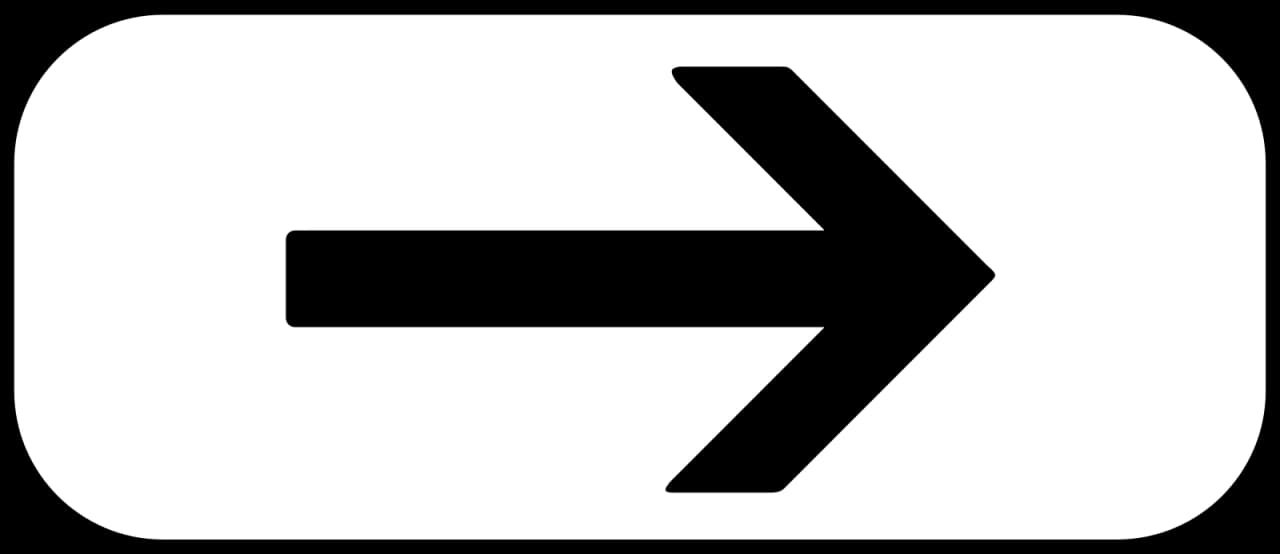
Direction plates are crucial signs that clarify the application of other traffic rules, ensuring you know exactly which lane or part of the road a regulation applies to. Understanding these directional indicators is essential for safe driving, preventing confusion at junctions and during lane changes. This knowledge will not only boost your confidence on the road but is also a key component for passing your driving theory exam.
An explanation of how France Direction Plates road signs apply in real traffic situations in France. Learn where these signs are typically placed, what drivers are expected to do when they appear, and how correct reactions help you stay safe, avoid fines, and succeed in your French driving theory exam.
Direction plates are frequently encountered in complex traffic situations, particularly in urban areas or on multi-lane roads, where it's vital to know which lane a specific instruction applies to. You'll see signs like 'On the right lane' or 'On the indicated lane' placed above or alongside main regulatory signs, such as speed limits, no-entry signs, or lane-specific restrictions. For example, a 'No Overtaking' sign might be accompanied by a direction plate indicating it applies only to the left lane. Similarly, a sign directing traffic to turn right might have a plate specifying it applies to the rightmost lane. Drivers must pay close attention to these plates before proceeding, especially when approaching intersections, roundabouts, or areas with changing lane configurations, to ensure they comply with the correct rules for their current position on the road and to avoid dangerous maneuvers.
An overview of the key learning outcomes when studying the France Direction Plates road sign category. Understand the main concepts, sign meanings, and traffic situations covered here so you can recognise patterns, answer theory questions more confidently, and build a solid foundation for safe driving in France.
Learn to recognise France's direction plates, crucial signs that clarify which lane or direction a rule applies to. Understanding these signs is key for safe navigation and exam success. Study these direction indicators to ensure you follow correct traffic rules, especially on multi-lane roads and at junctions, aiding your theory test revision.
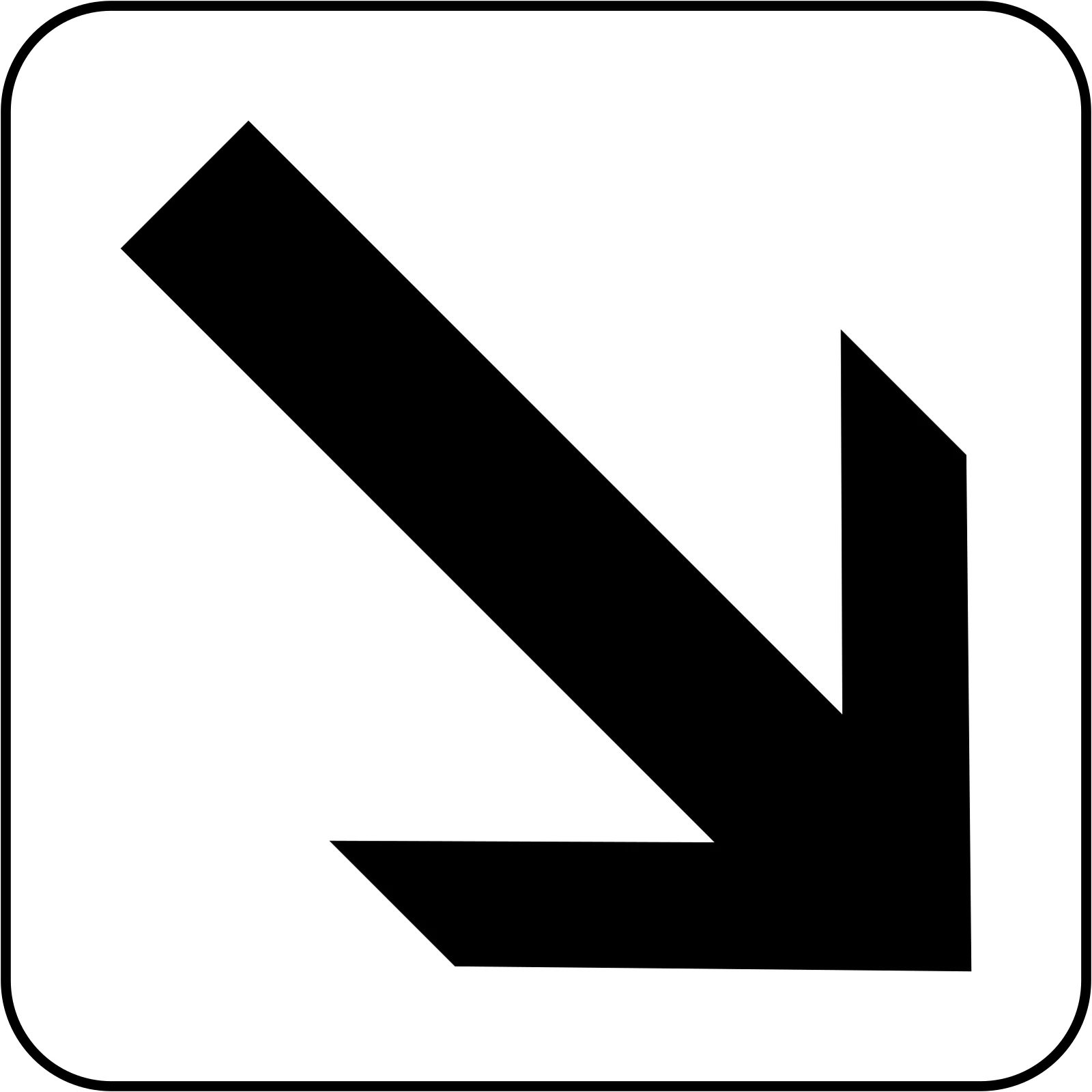
M3a 'On the Right Lane' Direction Plate: Follow the Main Sign Correctly
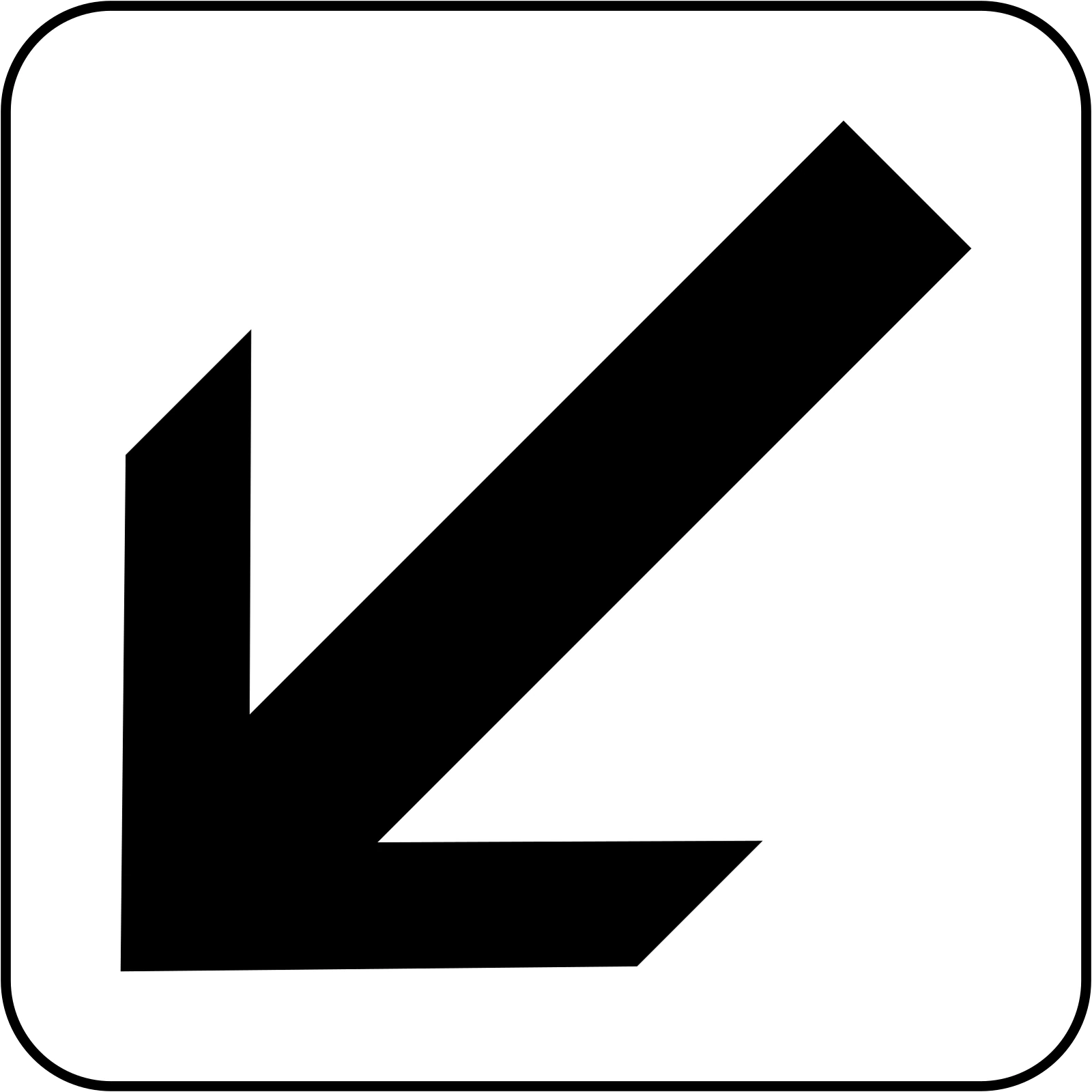
The M3a sign indicates the left lane is controlled by another sign or restriction.
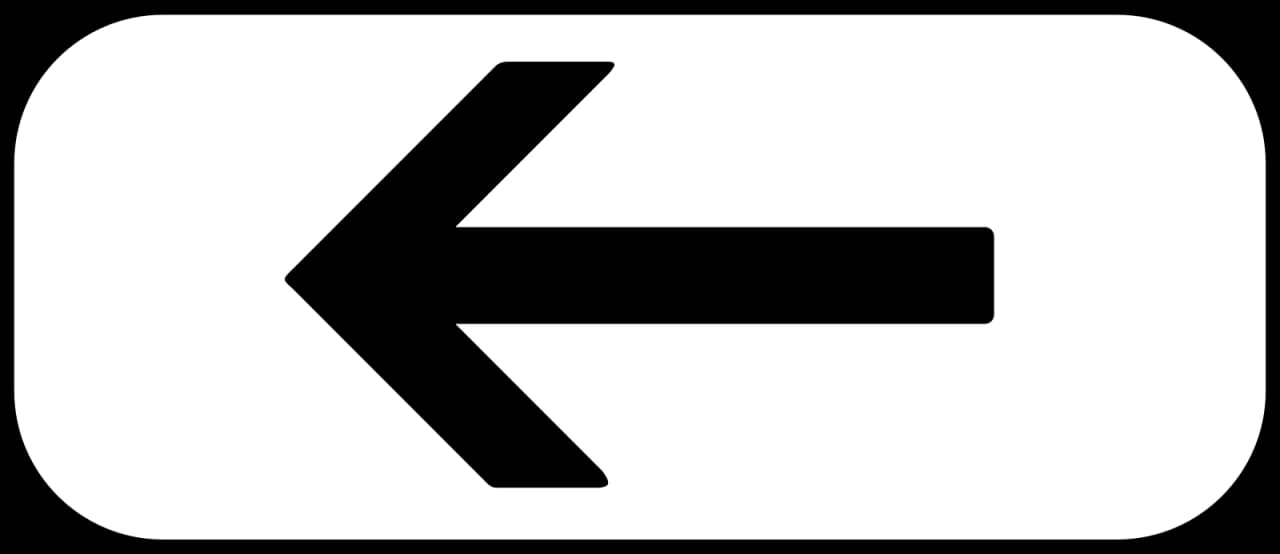
Master the M8e 'Left' Direction Plate: Know Exactly Where the Main Sign Applies
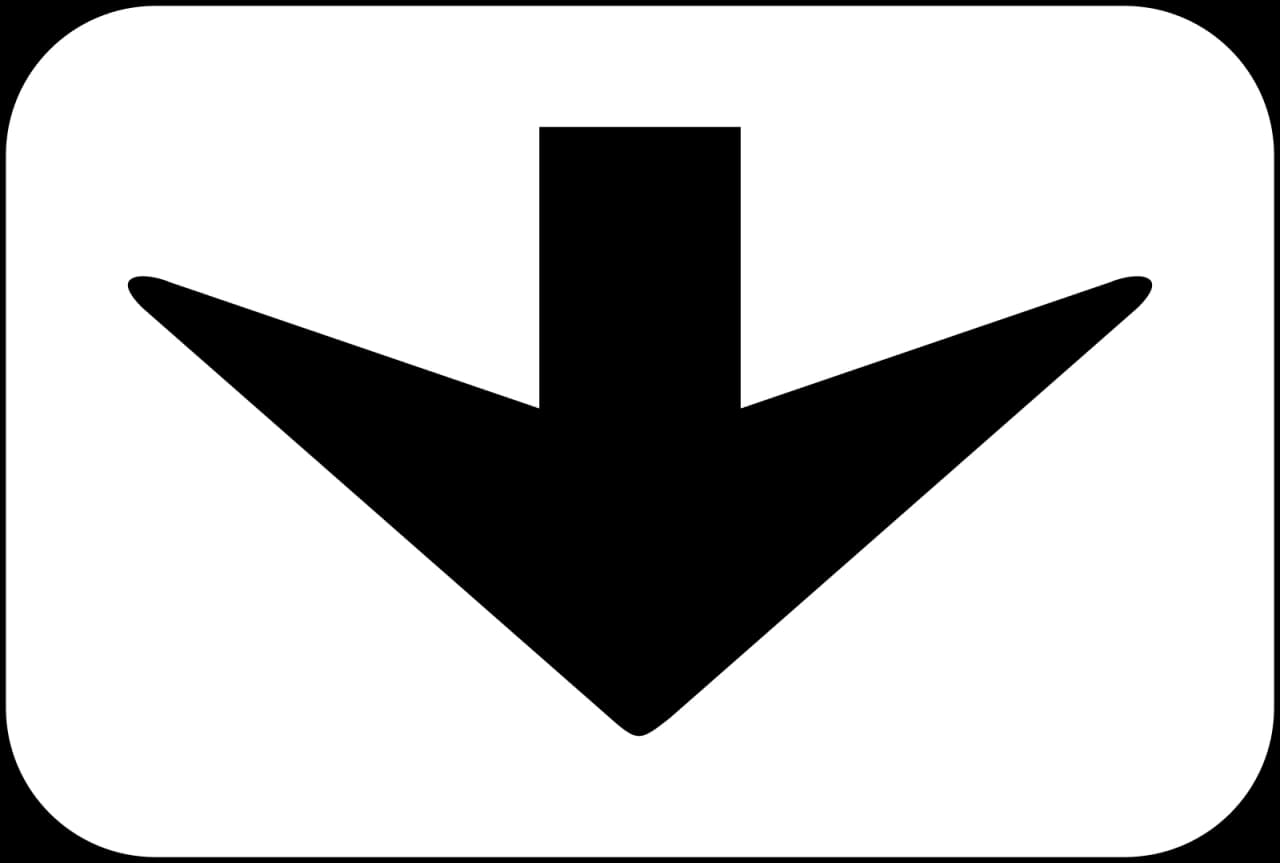
The M3d 'On the Indicated Lane' Sign Directs the Main Sign's Rule.
Clear answers to common questions about the France Direction Plates road sign category. Use this FAQ to review tricky rules, understand how these signs appear in exam scenarios, and remove confusion that often leads to mistakes in the French driving theory exam in France.
The main purpose of direction plates is to specify the exact location or lane to which a main traffic sign applies. They prevent drivers from misunderstanding the scope of a rule, ensuring that a regulation is followed by the correct traffic and on the correct side of the road.
Direction plates are usually positioned directly above or beside the main sign they modify. You should associate the direction plate with the sign it is attached to. For example, if a sign is above the right lane and has a 'On the right lane' plate, the rule applies only to that lane.
A direction plate doesn't change the fundamental meaning of a sign but rather its applicability. For instance, a 'Keep Left' sign with a 'Left' direction plate reinforces that the instruction to keep left is for traffic proceeding in that specific direction.
Typically, yes, direction plates are placed directly above or very close to the main sign to ensure clear association. However, always look for context clues, such as road markings or the overall traffic flow, to confirm which sign applies to your lane or direction.
If you miss a direction plate, it's important not to guess. Continue driving safely in your current lane and observe other traffic and road signs for clarification. If you're unsure about a rule, err on the side of caution, especially at junctions or when changing lanes. It's better to delay a maneuver than to make an incorrect assumption that could lead to an unsafe situation.
Ready to deepen your understanding of French road signs? Dive into our comprehensive overview of official sign categories and groups. This structured approach will help you learn Code de la route classifications more effectively, preparing you thoroughly for your Permis de Conduire theory exam.
Explore Sign Categories