Lane section plates are essential supplementary signs that precisely define the scope and location of traffic rules. They work in conjunction with other signs, such as those for parking, stopping, or restrictions, to indicate exactly where a rule begins, ends, or applies. Understanding these plates is crucial for navigating complex road situations and ensuring you comply with all traffic regulations, which will significantly help you pass your theory exam.
An explanation of how France Lane Section Plates road signs apply in real traffic situations in France. Learn where these signs are typically placed, what drivers are expected to do when they appear, and how correct reactions help you stay safe, avoid fines, and succeed in your French driving theory exam.
Lane section plates are most frequently encountered in urban environments, particularly in areas with complex traffic management and parking regulations. You'll often see them alongside signs indicating parking or stopping restrictions, especially on streets where these rules change along the road. For example, a parking restriction might apply only to a specific section of the street, and a lane section plate will clarify where that section begins and ends. They are also used with lane-specific directions or prohibitions to show whether the rule applies to the right lane, the left lane, or both. Drivers must pay close attention to these plates because they dictate the exact area of compliance, preventing confusion about where it is permissible to stop, park, or where certain driving rules apply.
An overview of the key learning outcomes when studying the France Lane Section Plates road sign category. Understand the main concepts, sign meanings, and traffic situations covered here so you can recognise patterns, answer theory questions more confidently, and build a solid foundation for safe driving in France.
Master France's lane section plates, essential for understanding parking, stopping, and lane restrictions. These signs clarify the precise start, end, or direction of a rule's application, crucial for avoiding fines during your theory test revision. Recognizing these plates improves your traffic signs interpretation and overall driving knowledge in France.

The M8a 'Begin' Plate: Defining the Start of a Traffic Rule's Application

The M8b 'End' plate marks the conclusion of a sign's specific application area.

Master the M8c Lane Section Sign for Precise Rule Application

Decode the M8d 'Right' Lane Section Plate for precise rule application
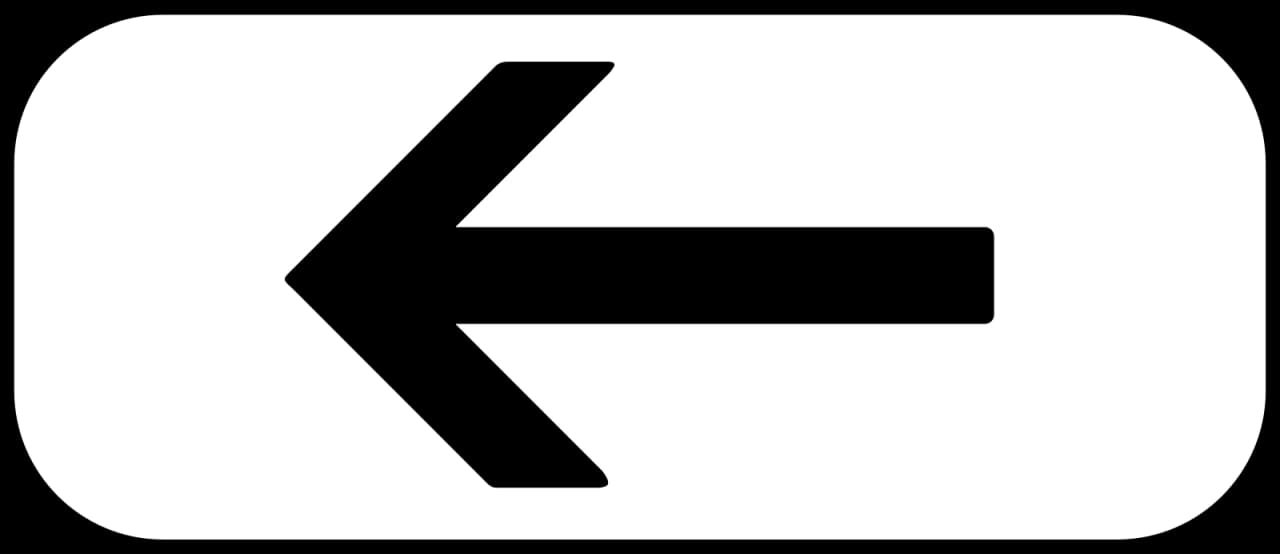
Understand the M8e 'Left' Lane Section Plate for Precise Rule Application
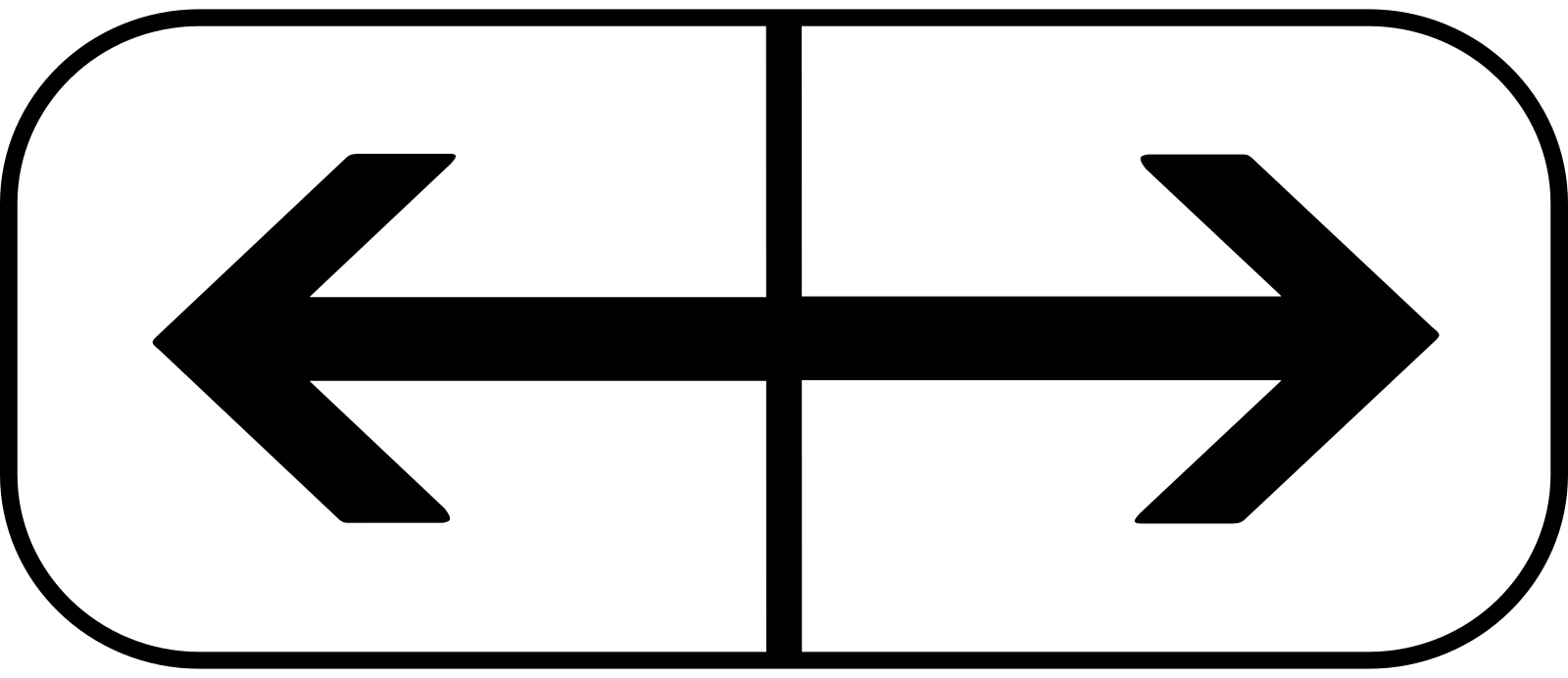
The M8f 'Right and Left' Plate: Defining the Scope of Road Signs
Clear answers to common questions about the France Lane Section Plates road sign category. Use this FAQ to review tricky rules, understand how these signs appear in exam scenarios, and remove confusion that often leads to mistakes in the French driving theory exam in France.
The main purpose of lane section plates is to provide precise information about the extent and location of a traffic rule or restriction. They work with other signs to tell you exactly where a rule starts, ends, or applies, for instance, specifying if a parking ban affects the right lane, the left lane, or the entire road section.
When paired with parking signs, lane section plates clarify the exact stretch of road where parking is prohibited or regulated. For example, a 'no parking' sign might be accompanied by a 'begin' plate on one end and an 'end' plate on the other, defining the precise zone of the restriction. Other plates like 'right' or 'left' would indicate which specific lane or side of the road the parking rule applies to.
No, lane section plates are versatile and can be used with various signs that regulate traffic flow, speed, or access. They are commonly seen with stopping restrictions, lane usage directions (like mandatory turns), and other prohibitions to pinpoint the exact geographical scope of the sign's instruction.
The 'lane section' plate (M8c) generally indicates a general section of the lane or road where a rule applies. Plates like 'right' (M8d), 'left' (M8e), and 'right and left' (M8f) are more specific, explicitly defining which lane or lanes are affected by the accompanying main sign. Understanding these distinctions is key to correctly interpreting the road situation.
In an exam, focus on the main sign first, then consider the lane section plate as a modifier. Ask yourself: 'Does this plate change where the rule applies? Which part of the road or which lane is affected?' Always read the question carefully to see if it's asking about the beginning, end, or specific application area of the rule indicated by the signs.
Ready to deepen your understanding of French road signs? Dive into our comprehensive overview of official sign categories and groups. This structured approach will help you learn Code de la route classifications more effectively, preparing you thoroughly for your Permis de Conduire theory exam.
Explore Sign Categories