This group of signs, often found with main traffic signs, provides crucial details about restrictions and authorised use. They specify vehicle categories, time limitations, zone access, and conditions for carrying dangerous goods or entering low-emission zones. Understanding these plates is vital for both passing your theory exam and ensuring you comply with traffic rules on the road.
An explanation of how France Other Restriction Plates road signs apply in real traffic situations in France. Learn where these signs are typically placed, what drivers are expected to do when they appear, and how correct reactions help you stay safe, avoid fines, and succeed in your French driving theory exam.
These supplementary plates are commonly seen in conjunction with primary traffic signs, significantly altering or specifying the conditions of the main sign's instruction. You'll encounter them frequently in urban areas where traffic flow is managed more closely. For instance, a 'low emission zone' plate (M11d) will clarify which vehicles are permitted entry, often displayed at the zone's boundary alongside a general entry sign. Similarly, signs indicating specific 'authorised vehicle categories' (M11a) might be used on roads or bridges with weight or size limits, ensuring only eligible vehicles proceed. Restrictions based on 'time slots' (M11b) are common for deliveries or to reduce congestion during peak hours, appearing on streets where access is limited at certain times. For tunnels, 'dangerous goods categories' (M11c) are critically important, indicating which types of hazardous materials are prohibited or restricted, sometimes with additional time-based caveats. Drivers must always read these additional plates carefully in conjunction with the main sign to understand the specific rules applicable to their vehicle and journey, avoiding fines and ensuring safety.
An overview of the key learning outcomes when studying the France Other Restriction Plates road sign category. Understand the main concepts, sign meanings, and traffic situations covered here so you can recognise patterns, answer theory questions more confidently, and build a solid foundation for safe driving in France.
Master France's other restriction plates, crucial for understanding vehicle categories, time limits, and zone access. These signs, vital for your driving theory revision and exam preparation, clarify complex traffic rules and are often paired with main signs. Knowing their specific meanings ensures safe and legal driving in France.

The M11a sign specifies which vehicles are allowed based on extra conditions.
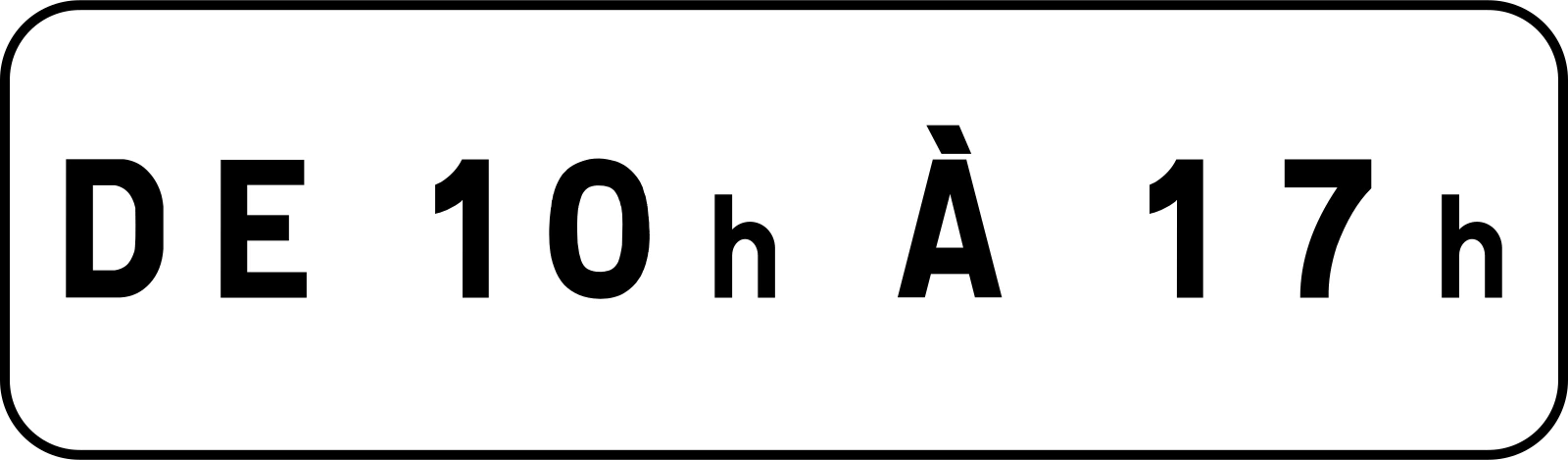
M11b 'Time Slot' Plates: Understanding Additional Restrictions
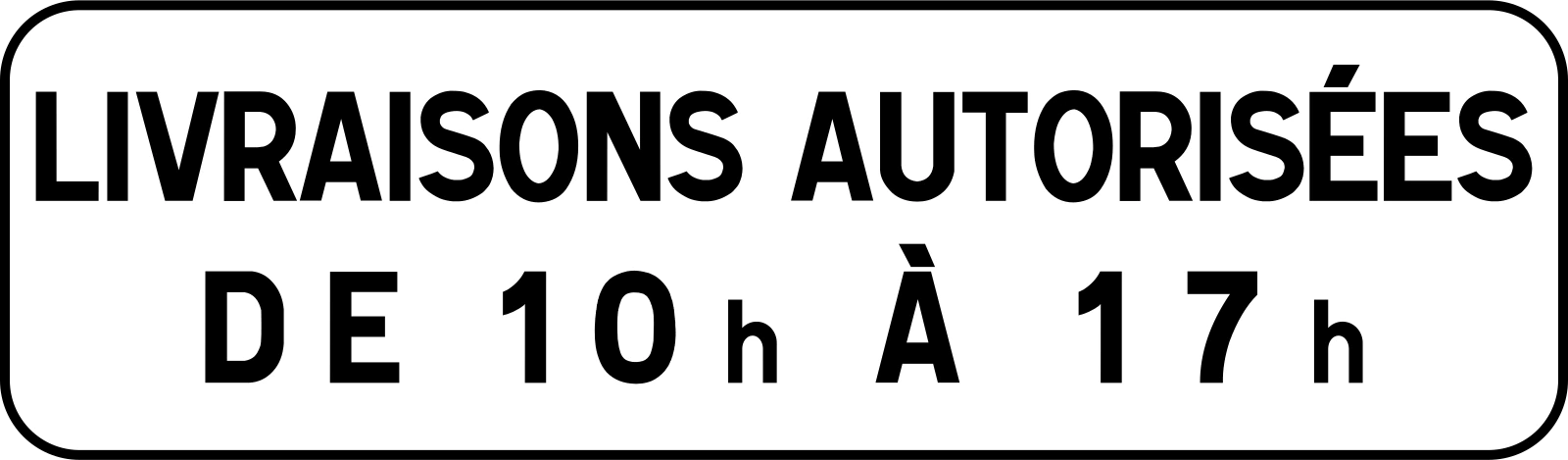
Decode the M11b 'Other Restrictions in a Zone' Sign: Understand All Additional Conditions
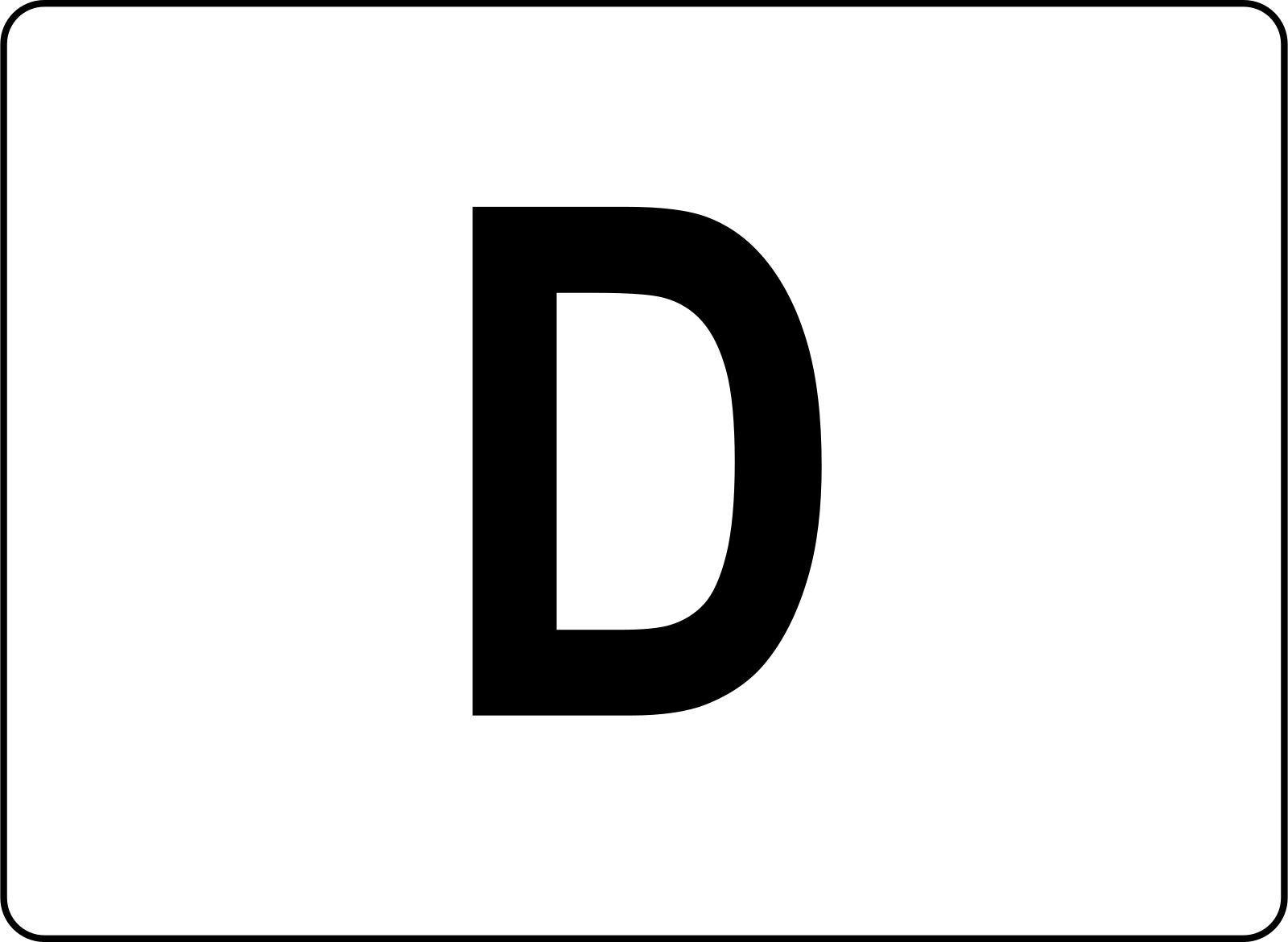
Decode the M11c sign for tunnels carrying dangerous goods.
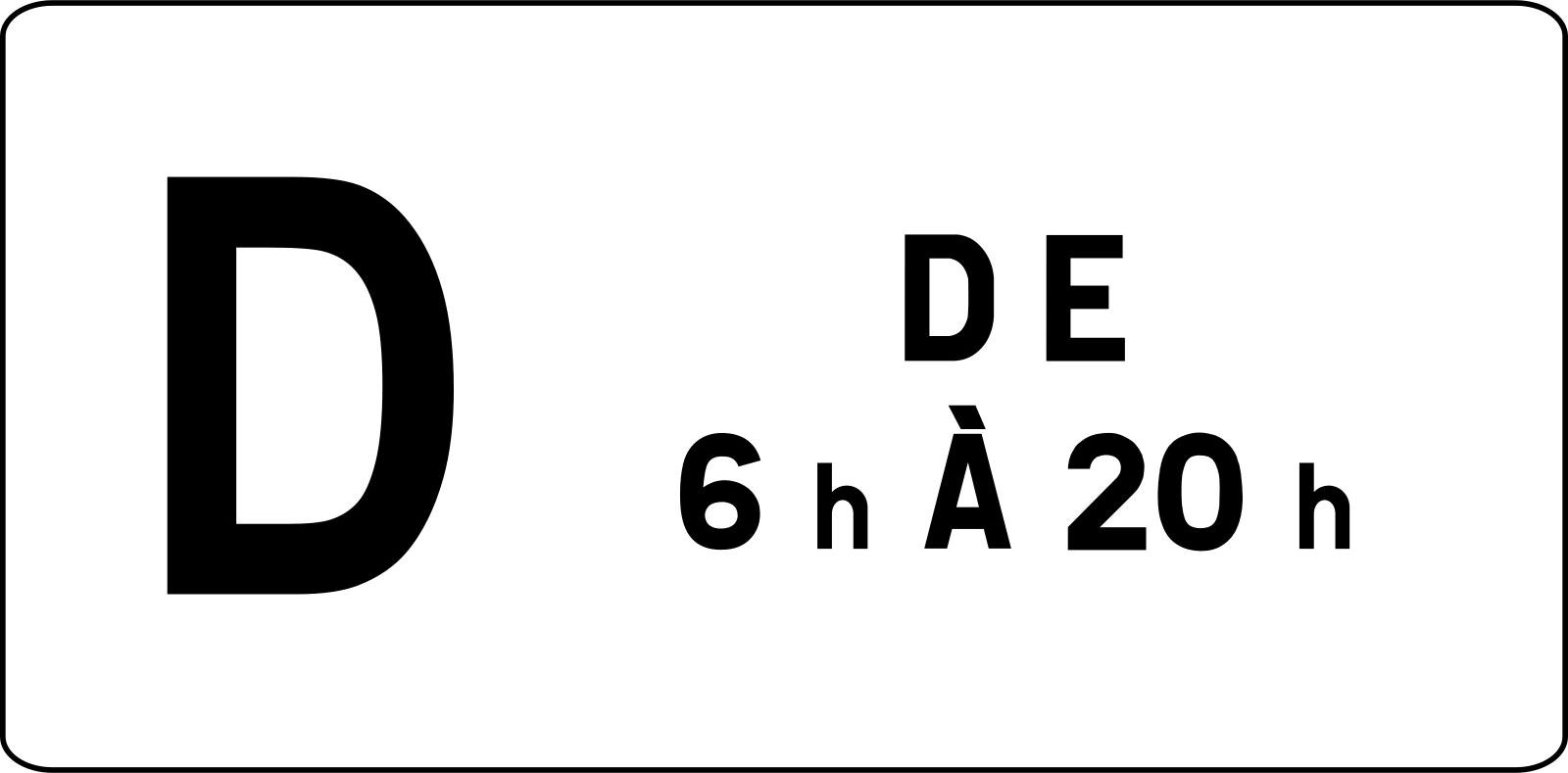
Understand the M11c Tunnel Category Restriction Sign for Dangerous Goods
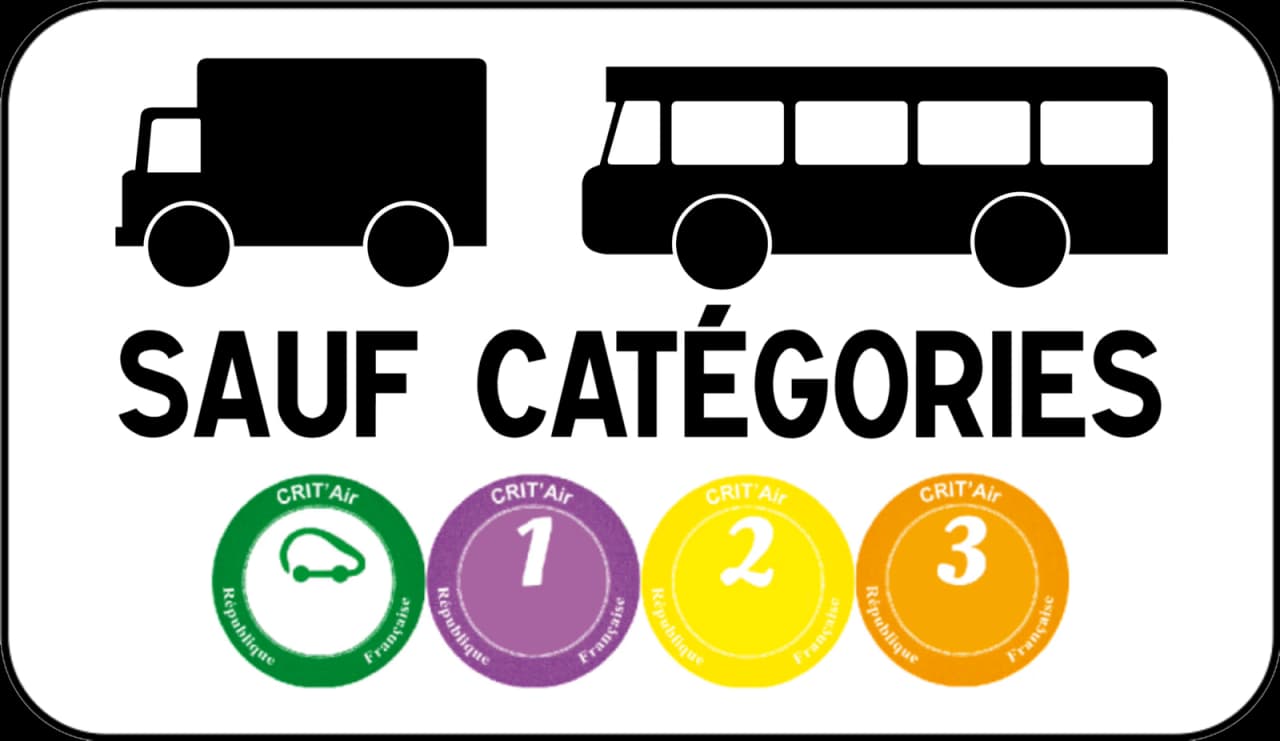
Master the M11d Restriction Plate for Low Emission Zones in France
Clear answers to common questions about the France Other Restriction Plates road sign category. Use this FAQ to review tricky rules, understand how these signs appear in exam scenarios, and remove confusion that often leads to mistakes in the French driving theory exam in France.
The main purpose of these supplementary plates is to provide specific, detailed information that modifies or clarifies the primary traffic sign they accompany. They define who can pass, when they can pass, and under what conditions, covering aspects like vehicle type, time of day, specific zones, or cargo restrictions.
You need to carefully read the supplementary plate along with the main sign. For example, if the main sign indicates a prohibited direction, an 'Other Restriction Plate' might specify that the prohibition applies only to 'heavy goods vehicles' or 'vehicles over 3.5 tonnes'. Always check if the restriction is based on your vehicle's category, size, weight, or its cargo.
Low-emission zones (LEZs) are areas where certain polluting vehicles are restricted to improve air quality. The 'low emission zone' plate (M11d) typically accompanies a general entry sign and specifies which vehicles are allowed based on their emission standards. You might need a specific permit or your vehicle must meet certain Euro standards to enter.
Tunnels are often categorised (e.g., A, B, C, D, E) based on the potential risk associated with vehicles carrying dangerous goods. The signs indicating tunnel categories for vehicles carrying dangerous goods (M11c) inform drivers of the specific restrictions or prohibitions for their type of hazardous cargo to ensure safety and prevent severe incidents within the confined space of a tunnel.
While a green light generally indicates you can proceed, an accompanying 'Other Restriction Plate' can still impose conditions. For example, a green light might be present, but a plate could specify 'no entry except for local access' or 'except for buses'. You must always consider the supplementary information to ensure your passage is permitted.
Ready to deepen your understanding of French road signs? Dive into our comprehensive overview of official sign categories and groups. This structured approach will help you learn Code de la route classifications more effectively, preparing you thoroughly for your Permis de Conduire theory exam.
Explore Sign Categories