Temporary additional plates are crucial companions to main warning and information signs, providing vital context like distance, duration, or affected directions. Understanding these plates is essential for anticipating upcoming hazards, adapting your speed, and making safe decisions on the road, which will also help you confidently pass your theory exam.
An explanation of how France Temporary Additional Plates road signs apply in real traffic situations in France. Learn where these signs are typically placed, what drivers are expected to do when they appear, and how correct reactions help you stay safe, avoid fines, and succeed in your French driving theory exam.
You will encounter temporary additional plates most frequently in areas with temporary road conditions, such as construction zones, accident sites, or event areas. These plates are always supplementary, meaning they are placed beneath or alongside a primary temporary warning or information sign. For instance, a 'KM1: Distance' plate below a temporary warning sign indicates how many kilometres *before* the actual hazard you will encounter it. A 'KM2: Extent' plate might show how many kilometres the hazard or restriction will cover. The 'KM9: Other indication' plate can provide specific instructions or clarifications relevant to the main sign, such as 'except for residents' or directional arrows. It's vital to read the additional plate in conjunction with the main sign to gauge when a hazard begins, its duration, and how it might affect your lane or direction of travel, allowing you to prepare and react appropriately.
An overview of the key learning outcomes when studying the France Temporary Additional Plates road sign category. Understand the main concepts, sign meanings, and traffic situations covered here so you can recognise patterns, answer theory questions more confidently, and build a solid foundation for safe driving in France.
Master France's temporary additional plates that refine warning and information signs, specifying distance, extent, or special instructions. Understanding these plates alongside main temporary signs is crucial for identifying when temporary hazards begin, their duration, and affected directions, aiding your theory test revision on road signs.
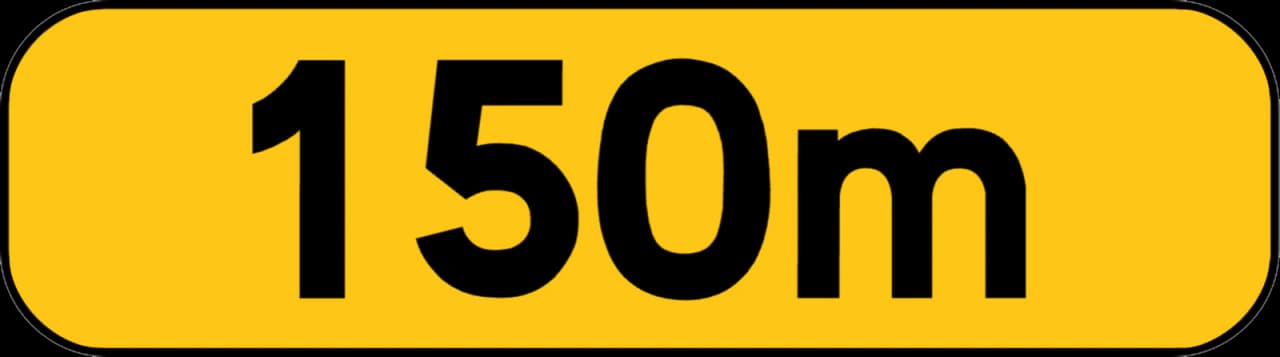
KM1 Distance Plate: Understand Temporary Sign Information in France
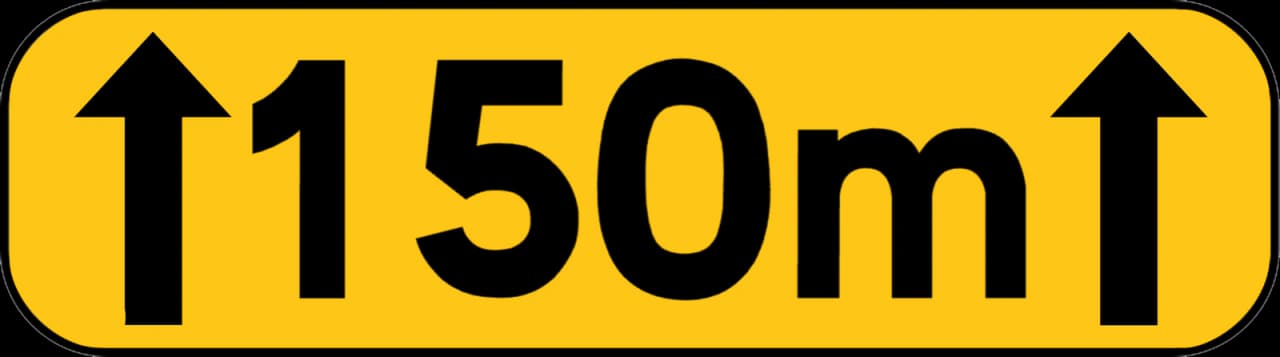
The KM2 'Extent' Plate: Understanding Temporary Hazard Information in France
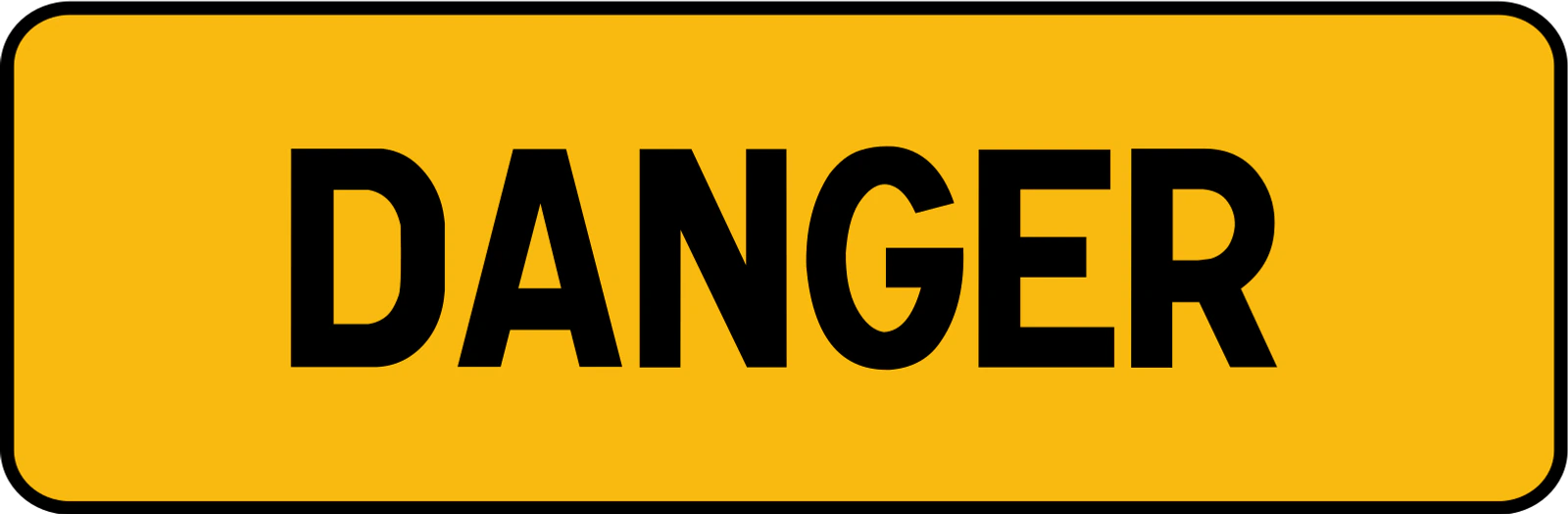
KM9: The 'Other Indication' supplementary plate clarifies temporary warnings.
Clear answers to common questions about the France Temporary Additional Plates road sign category. Use this FAQ to review tricky rules, understand how these signs appear in exam scenarios, and remove confusion that often leads to mistakes in the French driving theory exam in France.
The main purpose of temporary additional plates is to provide specific details about a temporary warning or information sign. They clarify aspects like how far away the hazard is, how long the affected area will be, or which specific direction or lane is relevant. They help drivers understand the precise nature and scope of the temporary situation ahead.
Temporary additional plates are always mounted directly below or adjacent to the main temporary sign they are modifying. You should always read the additional plate in conjunction with the sign it accompanies. Think of them as a team; the plate doesn't mean much on its own but significantly refines the message of the main sign.
You'll typically see these plates during temporary road works, repairs, or when special events necessitate changes to normal traffic flow. They are common in areas where hazards are not permanent, requiring drivers to be extra vigilant and aware of changing conditions ahead.
Yes, understanding temporary additional plates is very important for passing your theory test. The exam often includes questions testing your ability to interpret signs in context, and knowing how these plates modify warnings or information is a key part of that. Correctly interpreting them is also crucial for safe driving.
A 'KM1: Distance' plate, typically found below a warning sign, tells you how many kilometres away the hazard indicated by the main sign will be encountered. For example, if you see a temporary warning sign for road works with a 'KM1: 2' plate underneath, it means the road works will begin in 2 kilometres.
Ready to deepen your understanding of French road signs? Dive into our comprehensive overview of official sign categories and groups. This structured approach will help you learn Code de la route classifications more effectively, preparing you thoroughly for your Permis de Conduire theory exam.
Explore Sign Categories