The B3 'No Overtaking' sign is a prohibitory traffic sign used in France, legally enforcing restrictions on drivers. When you see this sign, it means that overtaking is forbidden for you or certain vehicles from that point onwards, unless a supplementary plate indicates otherwise. It's crucial to understand these signs to maintain safety and avoid penalties. Always check for any supplementary plates that might specify exceptions or conditions for the restriction.
Master the 'No Overtaking' (B3) prohibitory sign's specific restrictions and why it's crucial for French driving theory. Understanding this sign's interpretation is key to avoiding penalties and ensuring safe road practices during your licence process revision.
Prohibitory signs are legally binding signs that prevent unsafe or unsuitable traffic movements. This sign may restrict entry, overtaking, turning, parking, stopping, horns, vehicle type, vehicle size, weight, or dangerous goods. Drivers should identify whether the restriction applies to them before entering the controlled area and should choose another lawful route if necessary. Official French sign code: B3.
"No overtaking" tells drivers that a movement, access, vehicle category, stopping action, dimension, weight, or behaviour is prohibited. The restriction applies from the sign unless a plate or road layout states otherwise.
Get clear, practical answers to the most common questions about the B3 - No overtaking road sign. Learn how the sign works, what rules it represents, and how it affects real driving situations. This FAQ strengthens your understanding and supports accurate decision making for the French driving theory exam in France.
The B3 sign clearly indicates that overtaking other vehicles is prohibited. This is a mandatory rule that applies from the point where the sign is placed, and you must comply with it to ensure road safety and adhere to French traffic laws.
Yes, supplementary plates below the B3 sign can modify the restriction. These plates might specify that the prohibition applies only to certain types of vehicles, during specific times, over a certain distance, or in a particular direction. Always read these plates carefully.
The restriction imposed by the B3 sign remains in effect until you reach an 'End of Prohibition' sign (often a greyed-out version of the B3 sign) or until the road layout or a new traffic sign indicates that overtaking is permitted again. Do not assume the restriction ends automatically.
A common mistake is assuming the restriction ends when the sign is no longer visible or that it doesn't apply if other drivers are overtaking. Learners may also fail to read supplementary plates, leading to incorrect responses in exam questions about specific scenarios. Always remember the restriction applies until explicitly cancelled.
You will typically encounter the B3 'No Overtaking' sign on stretches of road where visibility is poor, such as on bends, near road junctions, or on hills where overtaking would be dangerous. It's placed to prevent accidents in high-risk situations.
A clear reference image of the B3 - No overtaking road sign used in France.
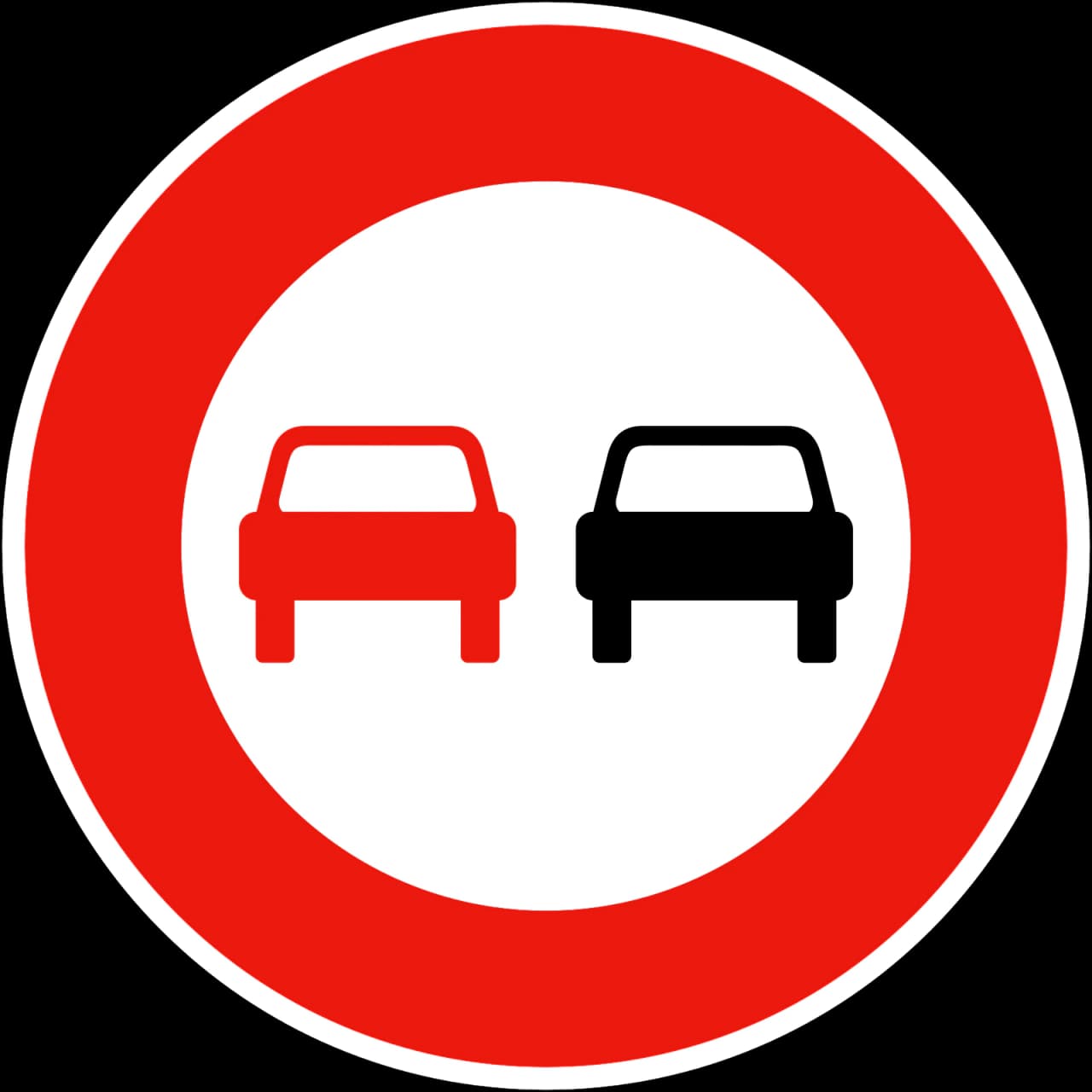
The B3 - No overtaking road sign may also be known by these alternative names or terms.
The B3 - No overtaking road sign is part of the France Prohibitory Signs category, which groups together signs with similar rules and functions.
Master French road signs by comparing this 'No overtaking' (B3) prohibitory sign with similar traffic sign examples. This focused traffic sign comparison sharpens your recognition skills for theory test revision.
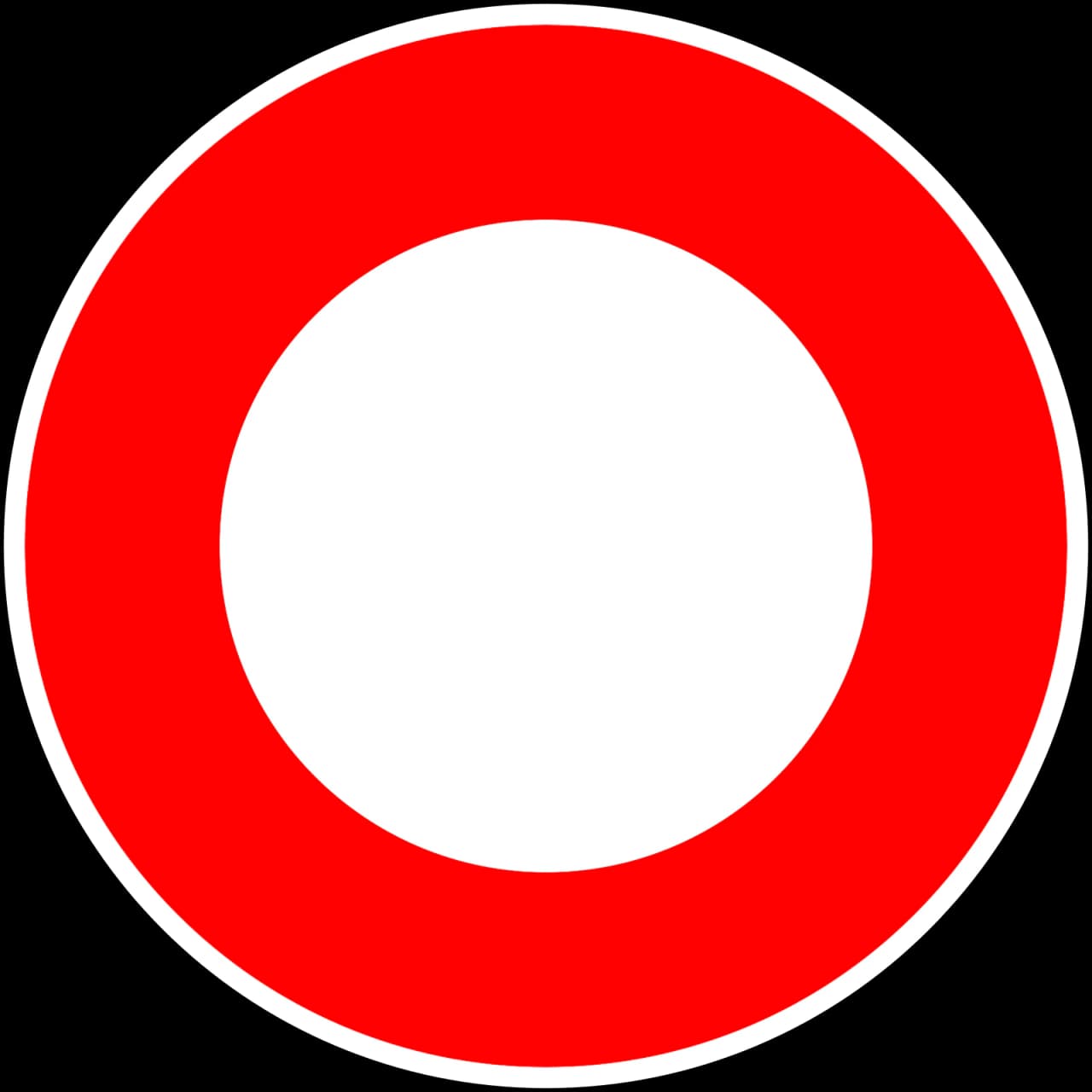
B0 'No Vehicles' Sign: Understanding This Important Prohibition
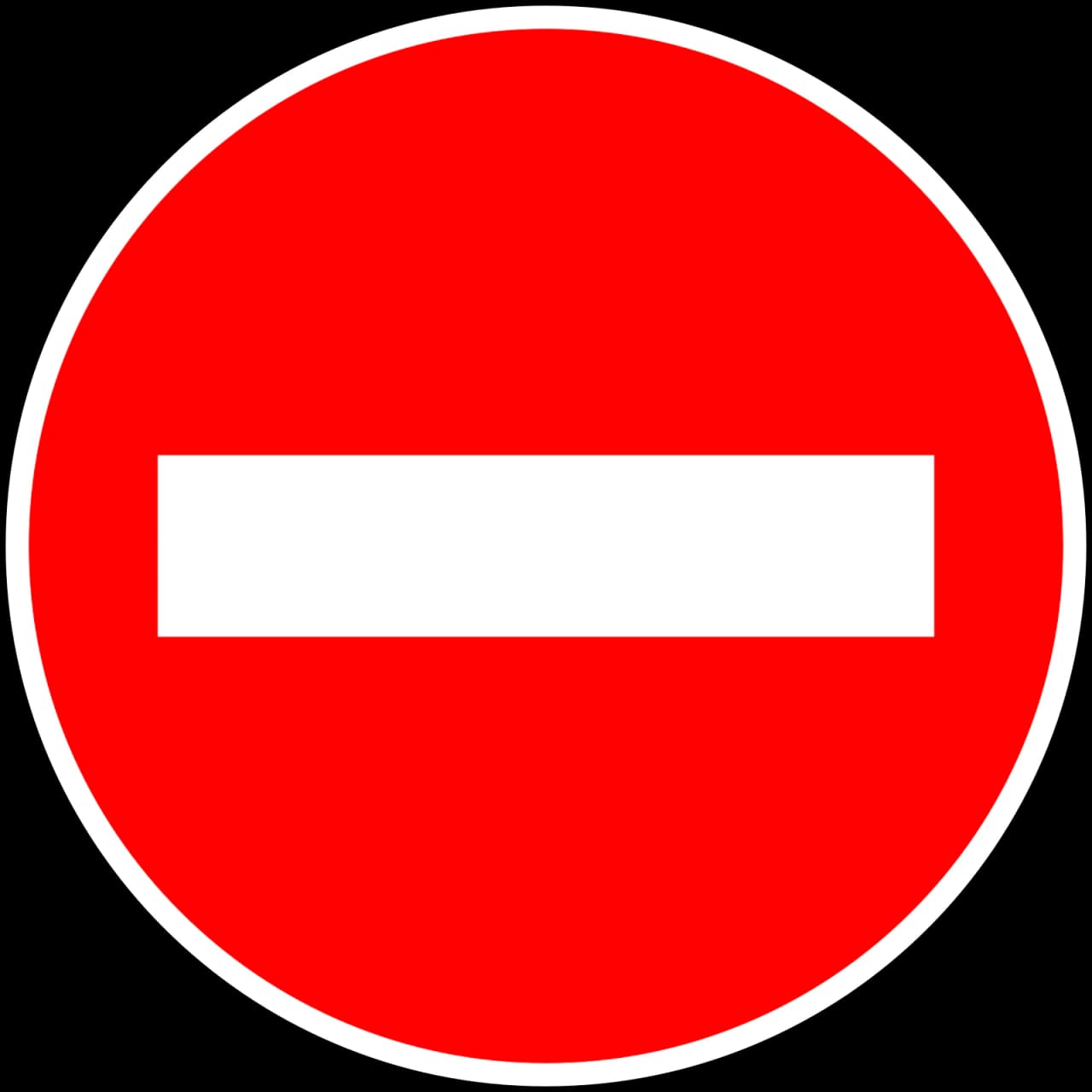
What does the B1 'No Entry' prohibitory sign mean for French drivers?
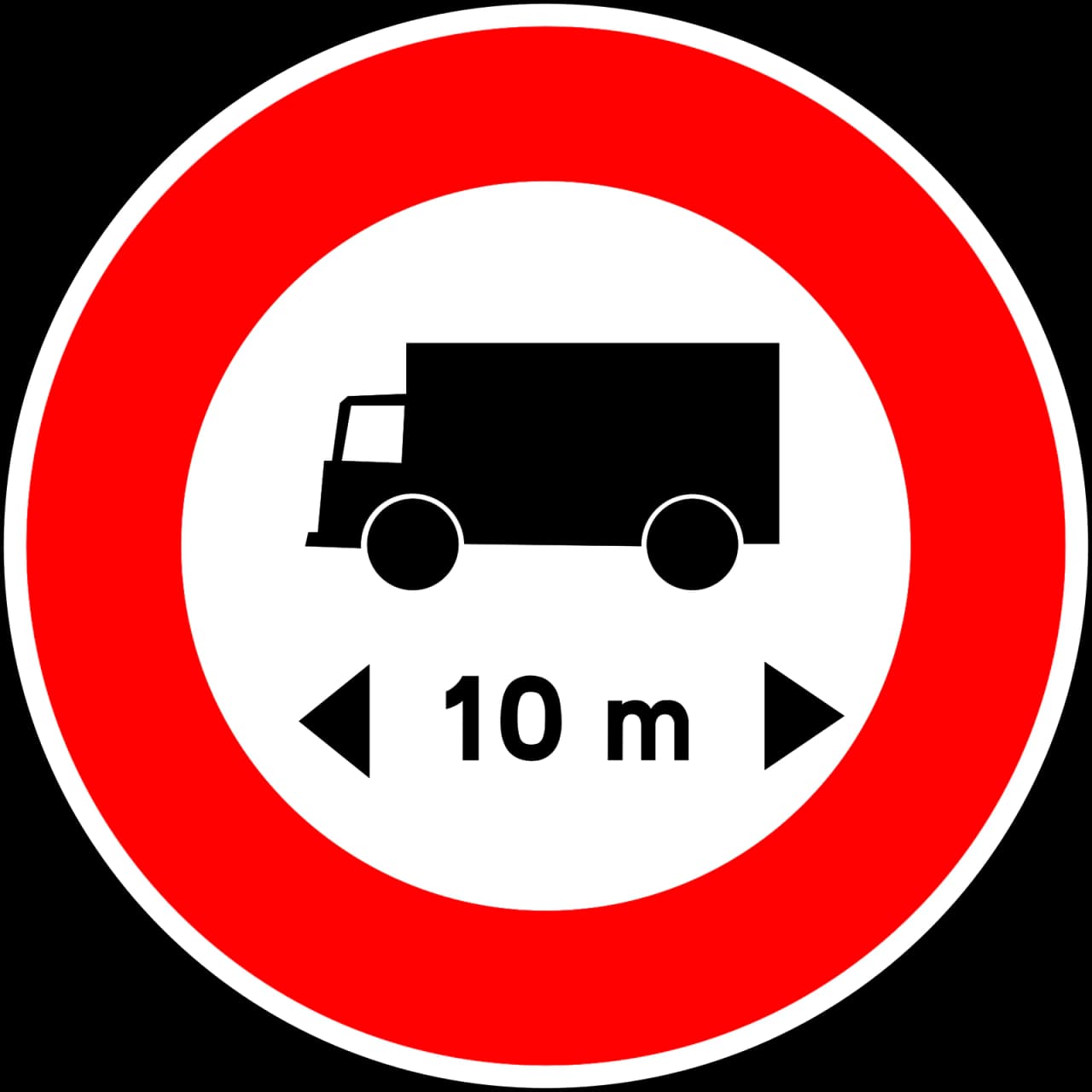
France's B10a 'Length Limit' Sign Prohibits Certain Vehicle Movements
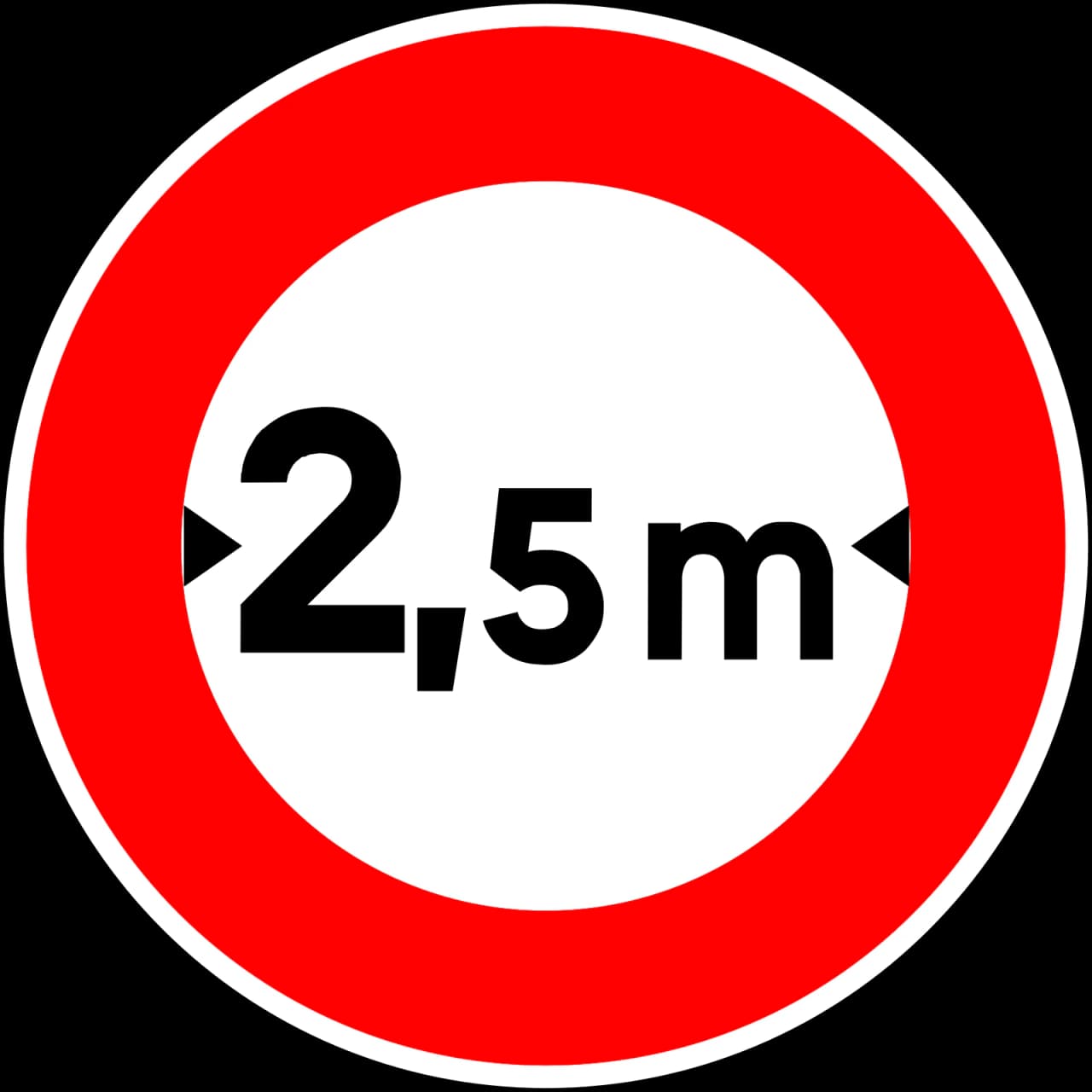
Observe the B11 Width Limit sign to avoid restricted zones.
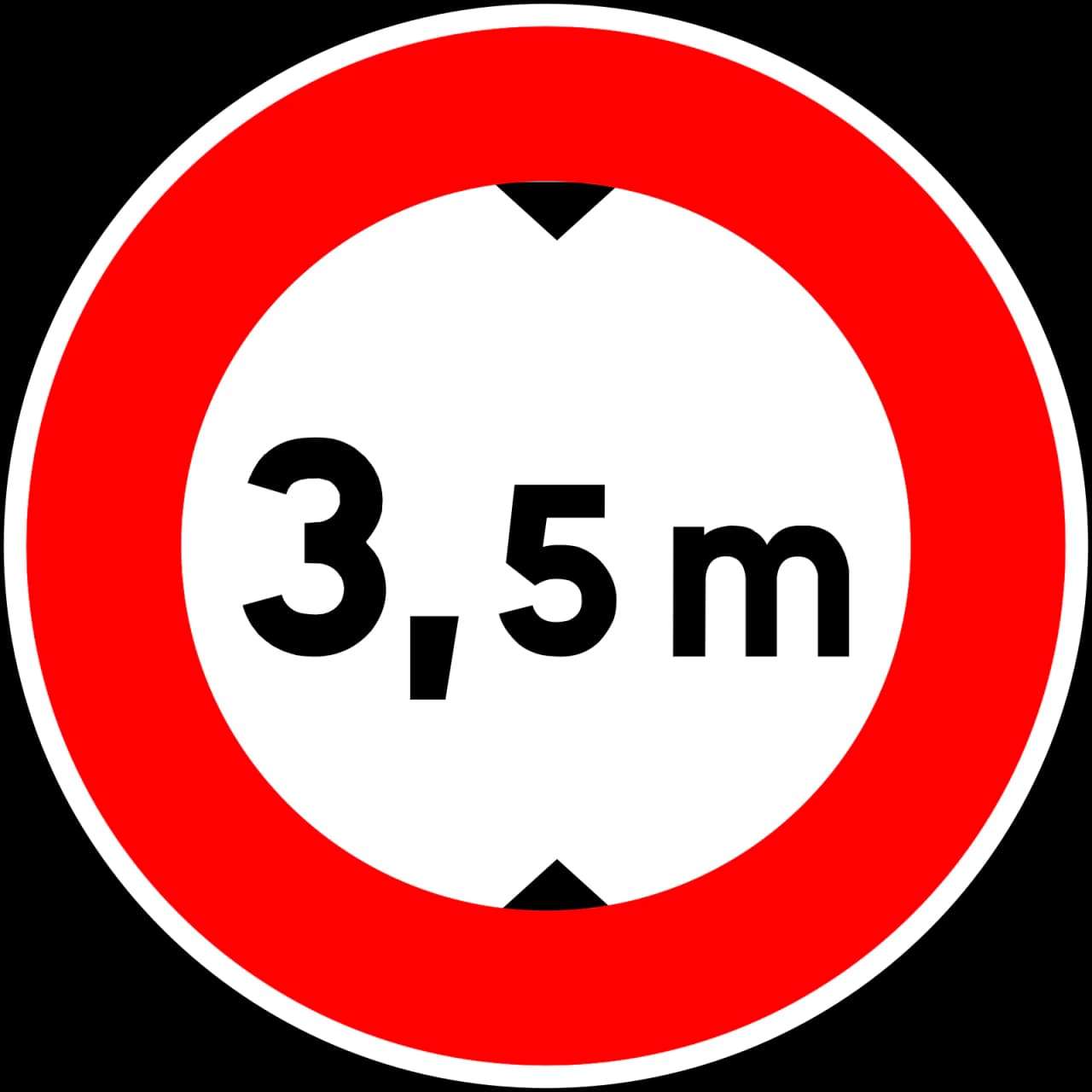
B12 Height Limit: Know Your Vehicle's Clearance and Avoid Restrictions
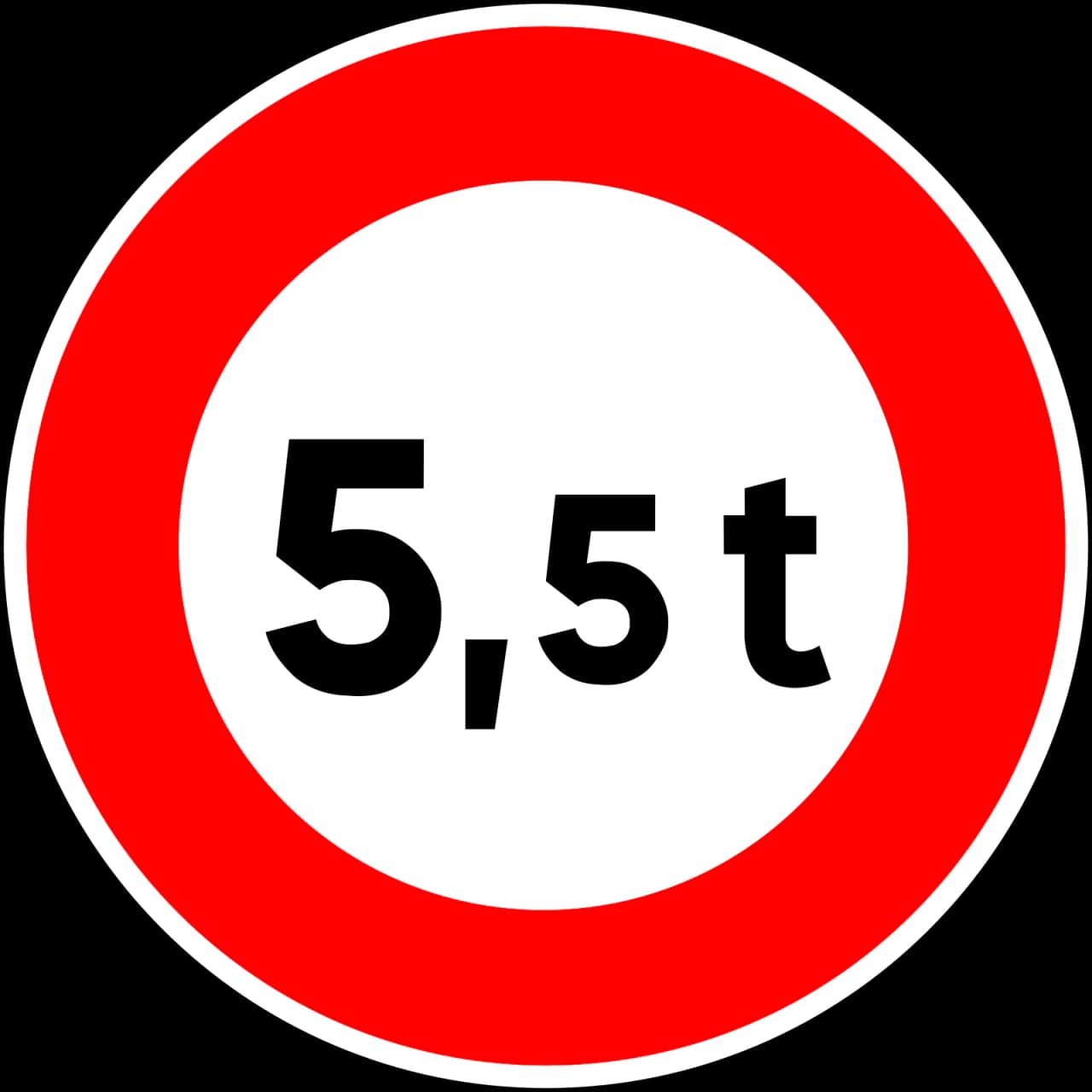
The B13 Weight Limit sign restricts vehicles exceeding a specified weight.
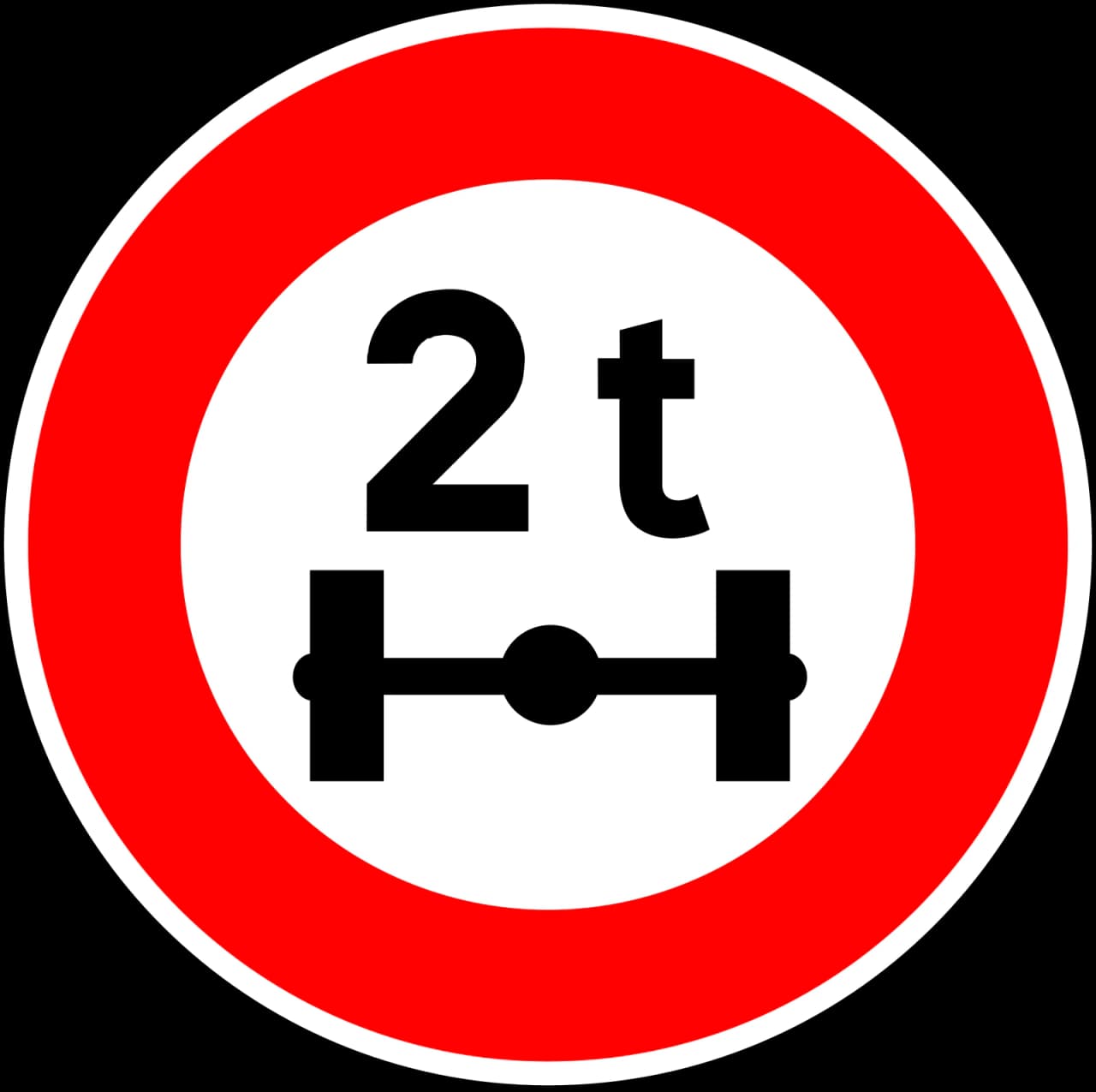
B13a: Understand the Axle Weight Limit Prohibitory Sign
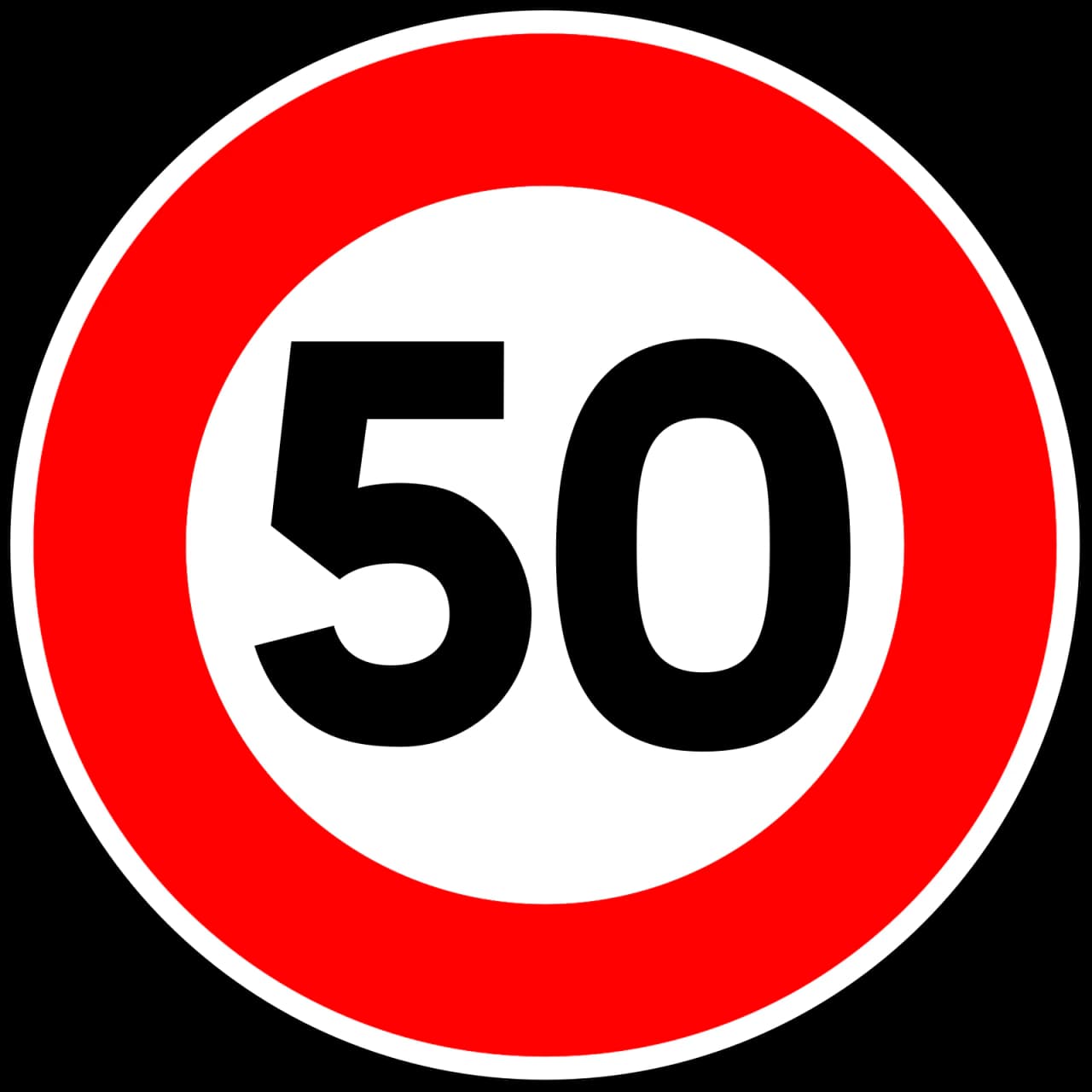
The B14 'Speed Limit' Sign: Understanding and Obeying Prohibitory Restrictions
Now that you've reviewed the full list of French road signs, enhance your understanding. Explore signs grouped by specific categories for deeper insights, test your recognition with practice questions, and solidify your knowledge for the Code de la route exam.
Browse All French Road Signs