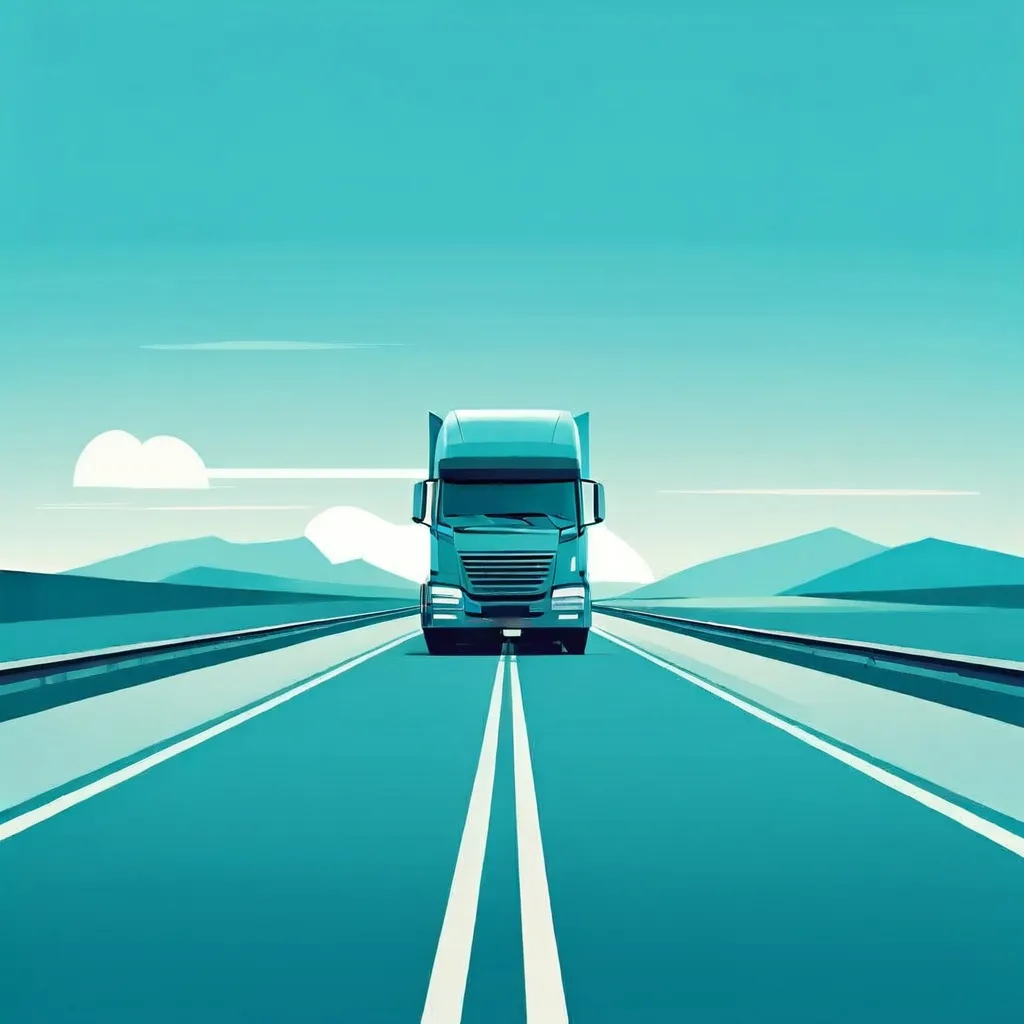
Driving in Germany on Sundays and public holidays means encountering fewer large trucks due to the "Sonn- und Feiertagsfahrverbot" for vehicles over 7.5 tonnes, as stipulated by StVO § 30. This article clarifies the ban's duration and impact, demonstrating how it benefits car drivers by easing congestion and improving overtaking conditions on major routes. Familiarizing yourself with these traffic patterns is essential for navigating German roads efficiently and successfully preparing for your driving theory test.
Article content overview
Driving in Germany, especially during weekends and public holidays, presents a unique traffic dynamic that every prospective driver should understand. One significant factor influencing this dynamic is the Sonntagsfahrverbot und Feiertagsfahrverbot, or the Sunday and Holiday Truck Ban. This regulation, stemming from the German Road Traffic Regulations (Straßenverkehrs-Ordnung, StVO), specifically § 30, places restrictions on certain heavy goods vehicles, profoundly impacting the flow of traffic for all road users. For car drivers, this ban often translates into more relaxed journeys, easier overtaking, and reduced congestion, particularly on major routes like the Autobahnen. Familiarizing yourself with these rules is not only beneficial for smoother travel but is also a crucial element for successfully preparing for the German driving theory exam.
The cornerstone of the Sunday and Holiday Truck Ban lies within § 30 of the German Road Traffic Regulations (StVO). While the section is titled "Umweltschutz, Sonn- und Feiertagsfahrverbot" (Environmental Protection, Sunday and Holiday Driving Ban), its most prominent practical implication for many drivers is the restriction on heavy vehicle movements during specific times. Section (1) of this paragraph emphasizes the general principle of avoiding unnecessary noise and exhaust emissions when using vehicles, prohibiting the unnecessary running of engines and excessively loud closing of doors, as well as aimless driving within built-up areas if it bothers others. However, it is Section (3) that directly addresses the truck ban itself, stipulating the conditions and times under which certain trucks are prohibited from driving.
This regulation is intended to reduce noise and air pollution on rest days, allowing for more peaceful weekends. The environmental aspect is paramount, aiming to reduce the overall burden of heavy traffic on Germany’s infrastructure and its residents during periods of rest. Understanding this core purpose helps explain why the ban is implemented and its significant impact on traffic patterns.
The German Sunday and Holiday Truck Ban is quite specific in its application, and grasping these details is essential for both driving and the theory test. The ban primarily targets Lastkraftwagen (trucks) with a permissible total mass exceeding 7.5 tonnes. This means smaller delivery vans or trucks below this weight threshold are generally not affected by this specific prohibition. Furthermore, the ban applies to the commercial or paid transport of goods, which includes any associated empty runs for the purpose of such transport. This clarifies that private use of a truck over 7.5 tonnes, or those carrying goods for non-commercial purposes (with certain exceptions), might be exempt.
The temporal scope of the ban is also crucial: it is in effect from midnight (0:00) on Sunday morning until 10:00 PM (22:00) on Sunday evening. This extends to all official public holidays (gesetzliche Feiertage) recognized across Germany, though the specific holidays may vary by federal state. Importantly, the ban applies to all public roads in Germany, not just the Autobahnen, although the impact is most noticeable on major arterial routes due to the volume of trucks that typically use them.
While the ban is comprehensive, there are legally defined exceptions to ensure essential services and certain types of transport are not unduly hindered. These exceptions are detailed within the StVO and further clarified by administrative regulations. Some key exemptions include:
These exceptions are carefully defined to address genuine needs without undermining the primary objective of reducing general truck traffic on weekends and holidays. When preparing for your theory test, understanding these specific exceptions is vital, as questions often probe the nuances of when a truck might be permitted to drive.
For car drivers, the most significant and welcome effect of the Sunday and Holiday Truck Ban is a noticeable reduction in truck traffic. This decrease in heavy vehicles on the roads, particularly on Sundays and public holidays, leads to several benefits:
The German authorities also recognize the importance of smooth traffic flow during holiday periods. While the truck ban aids in this, understanding broader traffic patterns, such as the "Ferienreisewelle" (holiday travel wave), is also beneficial for long-distance drivers. However, for the purpose of the theory test, focusing on the direct implications of the StVO § 30 ban for car drivers is key.
The Sunday and Holiday Truck Ban is a frequently tested topic in the German driving theory examination. Questions will assess your understanding of:
Understanding the rationale behind the ban – environmental protection and ensuring a more peaceful period for residents – will help you answer questions more effectively. It’s not just about memorizing times and weights, but grasping the underlying principles of German traffic law.
The German driving theory test aims to equip you with the knowledge needed to navigate German roads safely and legally. The Sonntagsfahrverbot und Feiertagsfahrverbot is a significant rule that affects traffic flow, and understanding its implications is part of becoming a responsible driver. By studying the rules outlined in § 30 of the StVO and understanding how this ban contributes to a more pleasant driving environment for car occupants, you are well on your way to passing your theory exam.
Furthermore, recognizing how this ban influences traffic patterns can help you plan your own journeys more effectively. While the roads may be clearer on a Sunday, it’s also wise to be aware of other potential traffic disruptions, particularly during peak holiday travel times, and to always prioritise safe driving practices.
Understanding Germany's traffic regulations is a broad topic. For a more comprehensive grasp of driving in Germany, explore related areas such as speed limits, priority rules, and specific driving situations on the Autobahn.
Article content overview
Explore related topics, search based questions, and concepts that learners often look up when studying Germany Truck Ban: Car Drivers. These themes reflect real search intent and help you understand how this topic connects to wider driving theory knowledge in Germany.
Find clear and practical answers to common questions learners often have about Germany Truck Ban: Car Drivers. This section helps explain difficult points, remove confusion, and reinforce the key driving theory concepts that matter for learners in Germany.
The "Sonn- und Feiertagsfahrverbot" is a German regulation (StVO § 30) that prohibits trucks with a gross vehicle weight exceeding 7.5 tonnes from driving on Sundays and public holidays between 0:00 and 22:00.
For car drivers, the ban significantly reduces the number of large trucks on Autobahnen and other roads, leading to less congestion, easier overtaking, and generally smoother traffic flow during these restricted periods.
Yes, the truck ban for vehicles over 7.5 tonnes applies to all public roads in Germany, not just Autobahnen.
Yes, there are exceptions for specific types of transport, such as perishable goods (like fresh milk, meat, or vegetables), newspapers, and some emergency services or specific combined transport operations.
The ban applies to all official public holidays recognized in Germany, including New Year's Day, Good Friday, Easter Monday, Labour Day, Ascension Day, Whit Monday, Corpus Christi (in some states), German Unity Day, All Saints' Day (in some states), Reformation Day (in some states), and Christmas Day and Boxing Day.
Didn't find what you were looking for? Continue your German driving theory preparation by exploring related articles, specific road sign categories, or in-depth guides on complex traffic situations. Deepen your understanding before the official test.