
This lesson focuses on the critical skills required to operate heavy goods vehicles safely during Ireland's challenging weather conditions. You will learn how to adapt your driving style to maintain vehicle stability, manage increased stopping distances, and handle aerodynamic forces, which are essential topics for your Category C Driver Theory Test.

Lesson content overview
Operating a heavy goods vehicle (HGV) under the Category C licence in Ireland requires an advanced understanding of vehicle dynamics, especially when meteorological hazards strike. The Irish climate is notoriously unpredictable, characterized by heavy localized downpours, dense sea fog, black ice, and severe Atlantic gales.
For professional drivers, managing a rigid goods vehicle weighing over 3,500 kg in these conditions is not just a matter of comfort—it is a critical safety obligation. This lesson explores the physics of heavy vehicle handling, the mechanics of tyre-to-road friction, and the specific driving techniques required to pass your Driver Theory Test and operate safely on Irish roads.
To safely control a heavy transport vehicle when weather conditions deteriorate, you must first understand the physical forces acting upon it. Traction, or grip, is the frictional force between the vehicle's tyres and the road surface. This force is responsible for three primary control inputs: acceleration, steering, and deceleration (braking).
The coefficient of friction dictates how much braking or steering force can be transmitted to the road. On a dry, well-maintained Irish asphalt road, this coefficient is high. However, the presence of water, snow, or ice introduces a lubricating layer that prevents direct contact between the tyre tread rubber and the road aggregate.
A central concept in the Irish Goods Vehicle Driver Theory Test Course (Category C) is how vehicle loading impacts handling.
Body roll is the lateral tilting of an HGV's chassis on its suspension during cornering or when subjected to side forces. Lateral sway is the continuous side-to-side oscillation of the vehicle body. Both phenomena alter the weight distribution across the axles, destabilising the vehicle's grip on slippery roads.
Adjusting your speed and maintaining a safe space cushion are the two most effective preventative actions a driver can take. Many accidents involving commercial vehicles occur because drivers attempt to maintain posted speed limits when road conditions have clearly compromised traction.
The posted speed limit is a maximum legal limit under ideal conditions; it is not a target when weather conditions deteriorate. Under Irish Road Safety Authority (RSA) guidelines, drivers must adjust their speed downward to ensure they can stop safely within the distance they can see to be clear.
The Hazard of Maintaining Posted Speed Limits in Heavy Rain: Maintaining a speed of 80 km/h or 90 km/h on a waterlogged dual carriageway or motorway dramatically increases the risk of aquaplaning. Always reduce speed proactively before you hit pooled water.
In dry conditions, the standard safe following distance for an HGV is at least 2 seconds. This provides sufficient time to react and bring a heavy vehicle to a halt. In adverse weather, these gaps must be adjusted systematically:
Identify a Stationary Marker: Choose a landmark ahead, such as a road sign, bridge, or gantry.
Count the Gap: When the rear of the vehicle ahead passes that marker, count "one thousand and one, one thousand and two..."
Double in the Wet (4-Second Rule): If the road is wet or it is raining, your gap must be at least 4 seconds to account for reduced braking efficiency.
Multiply by Ten on Ice (20-Second Rule): On icy or snowy roads, increase the gap to up to ten times the dry standard—at least 20 seconds.
Ireland’s high annual rainfall leads to frequent pooling of water on road surfaces, particularly on poorly drained rural roads or rutted sections of motorways. This environment introduces two primary hazards: reduced grip and aquaplaning.
Aquaplaning occurs when a layer of water builds up between the HGV’s tyres and the road surface. This occurs when the tyre tread cannot disperse the water quickly enough.
As speed increases, the water pressure in front of the tyre forces a wedge of water under the contact patch. Eventually, the tyre loses all physical contact with the road and rides entirely on a film of water.
A dangerous driving condition where standing water causes a vehicle's tyres to lose contact with the road surface, rendering steering and braking completely ineffective.
If your vehicle begins to aquaplane, standard defensive driving instincts can sometimes cause a crash. Panicked steering inputs or harsh braking will destabilise the vehicle the instant the tyres regain contact with the road.
A skid occurs when tyre grip is compromised to the point where the wheels slide rather than roll. Skids can be initiated by over-accelerating (drive-wheel spin), over-braking (wheel lock-up), or cornering too fast (lateral slide).
Modern Category C vehicles are equipped with advanced driving aids designed to maintain steerability during hard deceleration.
Release the Brakes/Accelerator: If braking or accelerating initiated the skid, immediately release the pedals. This allows the wheels to spin freely and match the road speed, which is the fastest way to re-establish rolling friction.
Steer into the Skid: Turn the steering wheel gently in the direction that the rear of the vehicle is sliding. For example, if the rear of the truck swings to the right, steer to the right.
Avoid Overcorrecting: Once the vehicle starts to straighten, wind back the steering gently to prevent a secondary skid in the opposite direction (the "fishtail" effect).
Look Where You Want to Go: Keep your eyes focused down the road on your intended path of travel, rather than staring at the hazard you are trying to avoid.
Low visibility conditions dramatically reduce a driver's perception of hazards, lane markings, and the brake lights of vehicles ahead. In Ireland, dense mist and localized fog on motorways like the M7 or M8 present major hazards for HGV drivers.
Using the correct lighting setup is essential for your own visibility and to ensure other road users can see your vehicle without being blinded.
Using Hazard Lights in Extreme Weather: Hazard warning lights should only be used when your vehicle is stationary and causing a temporary obstruction, or to warn drivers behind you of a sudden danger ahead (e.g., traffic coming to a complete stop on a fog-bound motorway). Do not drive continuously with hazard lights on.
In winter or muddy road conditions, road spray containing salt and grime from other vehicles can instantly coat an HGV's windscreen, completely blinding the driver.
High-sided goods vehicles—such as curtain-siders, box vans, and double-deck trailers—experience significant aerodynamic forces. When strong winds blow laterally (crosswinds), they act on the large flat side of the vehicle like a sail.
Strong winds exert a continuous force on the side of the HGV, which must be countered by subtle, steady steering corrections. However, sudden gusts pose the greatest threat, particularly at exposed points along Irish roads:
Crosswinds destabilise the vehicle's lateral weight distribution. In severe cases, particularly if the HGV is unladen or carrying a high-centre-of-gravity load, strong winds can tilt the vehicle enough to cause a roll-over.
When towing, the wind forces acting on the trailer can cause severe sway, which can drag the towing vehicle out of its lane.
Reduce Speed: Slower speeds greatly reduce the lateral aerodynamic forces acting on your vehicle and give you more time to react to sudden gusts.
Keep Both Hands on the Wheel: Maintain a firm, positive two-handed grip on the steering wheel to absorb sudden inputs.
Anticipate Gusts: Watch for wind warning signs, swaying trees, or debris on the road. Be ready to react when passing gaps in hedges or exiting tunnels.
Increase Lateral Space: Give extra room to cyclists, motorcyclists, and pedestrian traffic, as they can easily be blown into your path by wind gusts.
Under Irish road traffic law and the European Union frameworks that govern professional drivers, there are several key regulations that must be adhered to in adverse weather.
Tyre tread depth is critical for dispersing water and maintaining traction. While the absolute legal minimum tread depth in Ireland is 1.6 mm for most vehicles, safe practice for commercial HGVs is much higher.
Professional drivers must perform a walkaround check before starting their journey. This includes checking that all lights are clean and working, windscreens are clear of ice and snow, and tyres are in roadworthy condition.
| Weather Condition | Key Hazards | Speed Adjustment | Following Distance | Action Plan / Controls |
|---|---|---|---|---|
| Heavy Rain | Aquaplaning, reduced grip, road spray. | Reduce speed by 10–20 km/h below the limit. | At least 4 seconds (Double). | Steady steering; avoid sudden braking; ensure wipers are active. |
| Fog / Mist | Extreme low visibility, tailgating. | Slow down to match your visible stopping distance. | At least 4 seconds or more. | Use dipped headlights and fog lights (if <100m visibility). |
| Ice and Snow | Complete loss of traction, black ice. | Drive at a walking pace or extremely low speed. | At least 20 seconds (10x). | Smooth, gentle inputs; use high gears; avoid harsh braking. |
| Strong Winds | Vehicle sway, steering deviation, rollover risk. | Reduce speed significantly, especially when unladen. | Maintain standard/increased gap. | Firm grip on wheel; anticipate exposed areas and gaps. |
Explore all units and lessons included in this driving theory course.
Lesson content overview
Explore all units and lessons included in this driving theory course.
Explore search topics learners often look for when studying Adapting to Adverse Weather Conditions. These topics reflect common questions about road rules, driving situations, safety guidance, and lesson level theory preparation for learners in Ireland.
Browse additional driving theory lessons that cover connected traffic rules, road signs, and common driving situations related to this topic. Improve your understanding of how different rules interact across everyday traffic scenarios.
Understand the specific driving theory requirements for operating heavy goods vehicles on high-speed Irish roads. Learn about correct lane discipline, speed limits for goods vehicles, and how to safely manage heavy traffic flows and motorway junctions under varying road conditions.
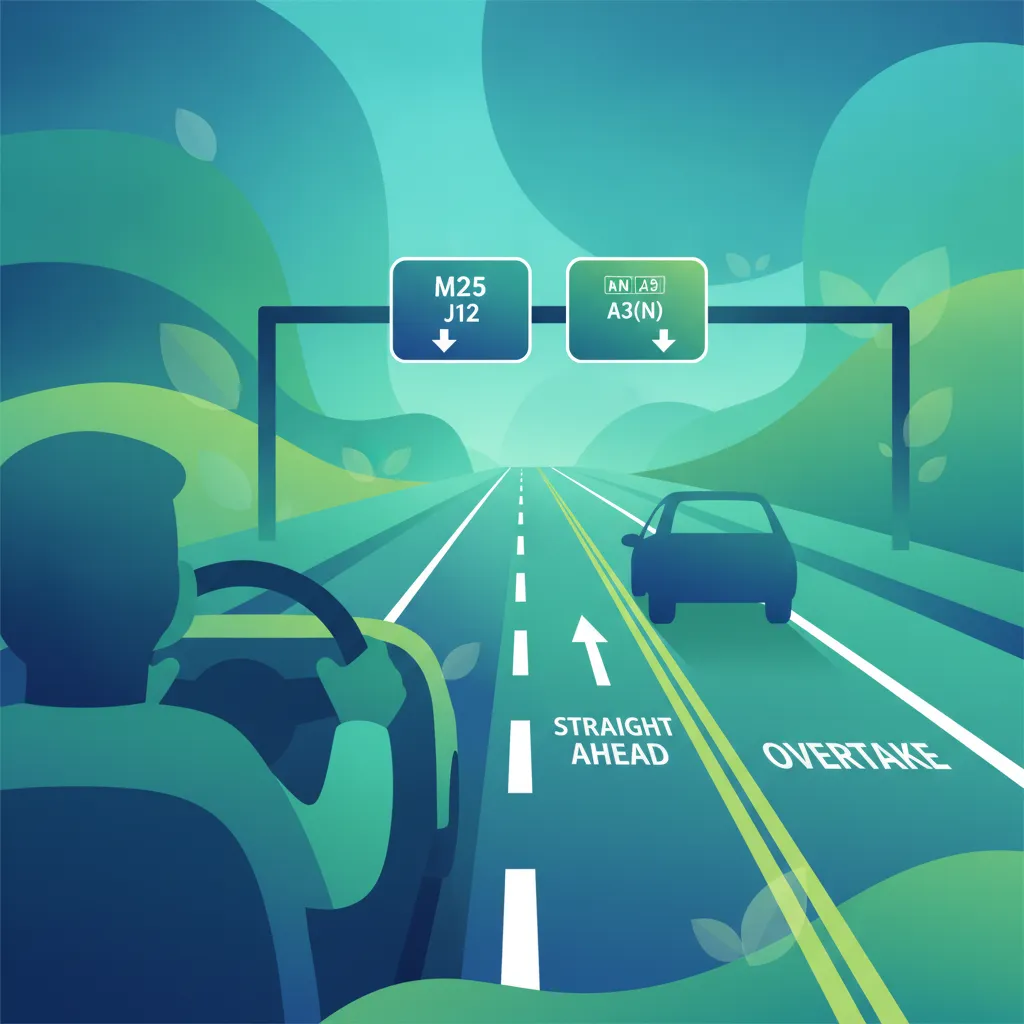
This lesson describes the legal regulations and driving conventions for operating heavy commercial vehicles on motorways and high-speed dual carriageways. It explains specific Irish motorway rules, including bans on heavy goods vehicles occupying the outer overtaking lanes. Drivers will learn to manage high-speed slip-road merging, maintain safe spacing buffers, and anticipate long-range changes in overall traffic flow.

Motorway transport requires consistent forward planning, strict speed restriction compliance, and clear mirror checks before exiting lanes. This lesson details the rules of joining and leaving motorways, navigating toll plazas safely, and managing breakdowns on the hard shoulder. Drivers will learn to balance high-speed travel with passenger stability, ensuring a comfortable, secure ride.

This lesson outlines the rules and procedures for riding safely on dual carriageways and motorways in Ireland. It covers merging from slip roads, maintaining lane discipline, and executing high-speed overtaking manoeuvres in accordance with RSA standards. Motorcyclists will learn to anticipate turbulence from large commercial trucks and recognize the safety signs used on high-speed routes.
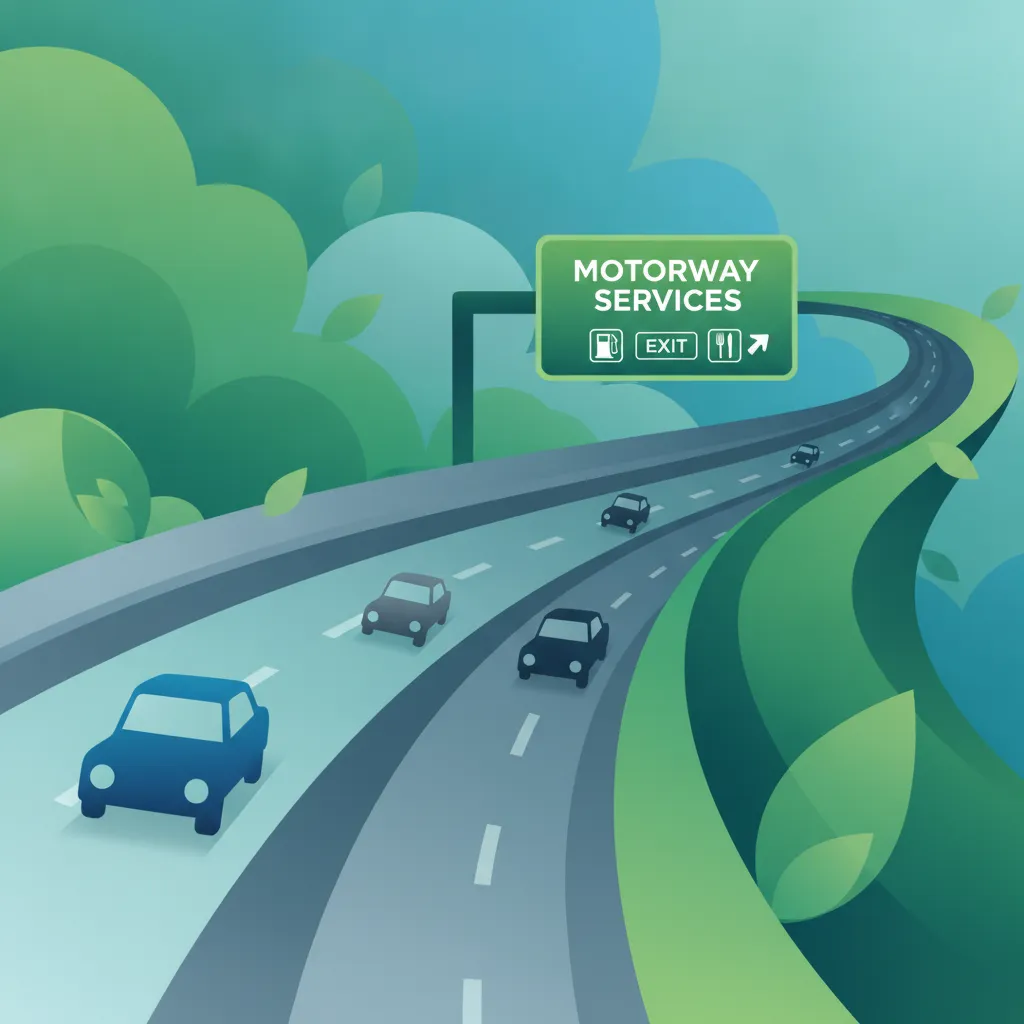
Motorways are designed for safe, high-speed travel, but require strict adherence to lane discipline and specific regulations. This lesson explains that the left lane is for normal driving, while middle and right lanes are strictly for overtaking slower traffic. You will learn how to identify motorway exits, use the hard shoulder during absolute emergencies, and understand the legal restrictions placed on learner permit holders.
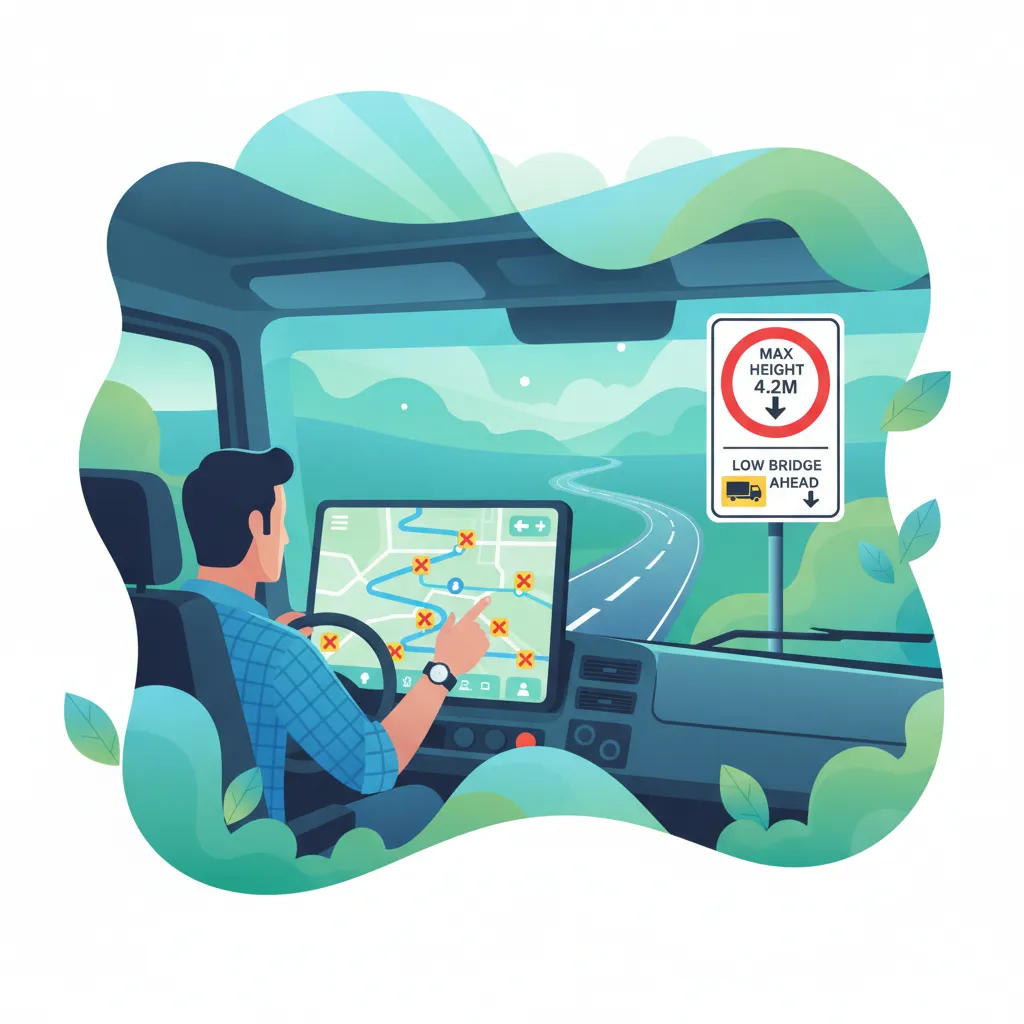
This lesson teaches professional drivers how to systematically map out travel routes that are compatible with heavy vehicle dimensions. It covers the limitations of consumer-grade GPS systems and emphasizes the use of specialized truck navigation systems that account for low bridges and load restrictions. Drivers will also learn to plan for congestion, access timing regulations, and proper entrance paths into commercial zones.
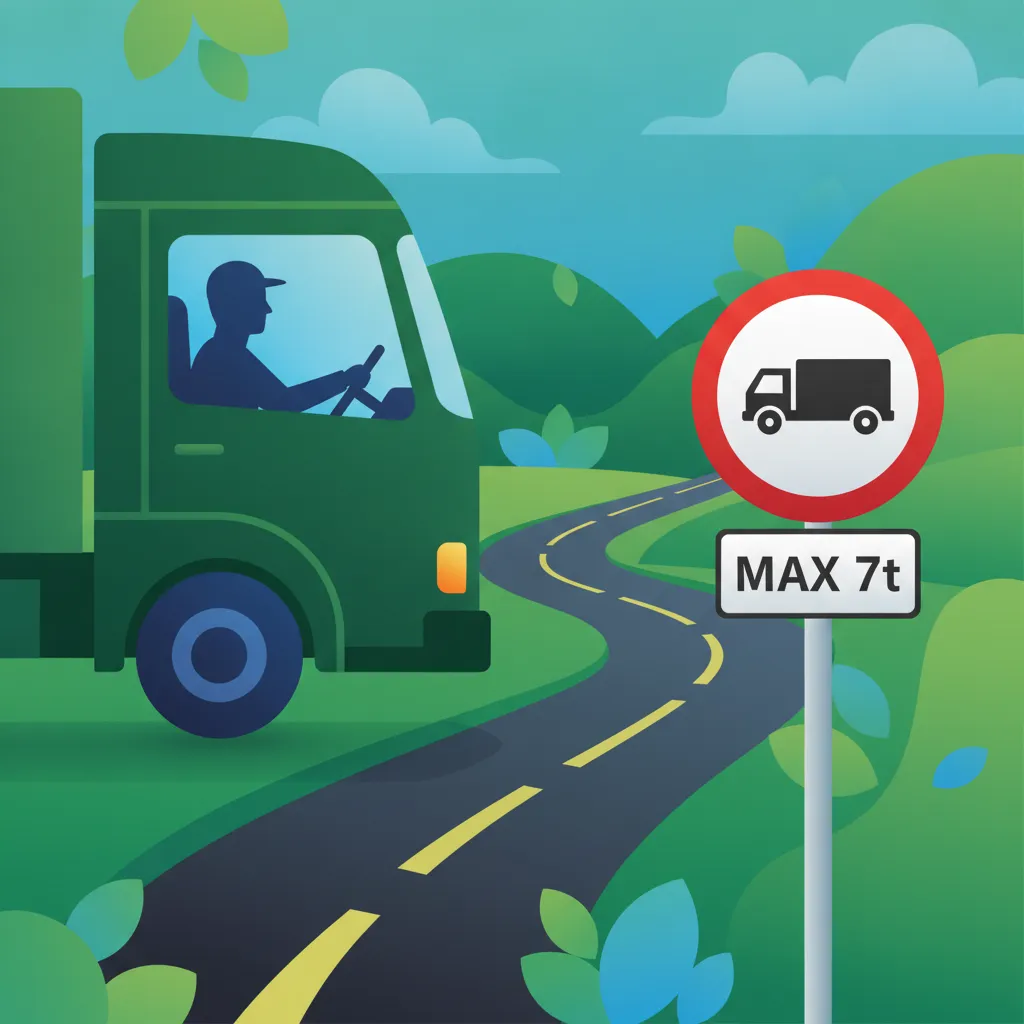
This lesson details the exact visual indicators, symbols, and text used on Irish traffic signs to communicate regulatory restrictions for heavy vehicles. It covers signs denoting height clearances, narrow bridges, and width-limited streets that require immediate driver diversion. By recognizing these specialized warnings early, professional drivers prevent costly structural collisions and traffic offences.

This lesson explores the legal frameworks and structural limitations that govern maximum vehicle weights on specific bridges and underground routes. It explains local authority by-laws, city-centre heavy vehicle exclusion zones, and environmental restrictions across major urban centres in Ireland. Drivers will learn to identify safe alternative bypass routes when encountering weight-restrictive public structures.

Irish rural routes are often narrow, lacking central markings, and bordered by tall hedges that restrict forward visibility on sharp bends. This lesson teaches drivers how to negotiate blind curves, anticipate slow-moving agricultural machinery, and respond to wandering farm animals. Drivers will learn to regulate vehicle speed proactively, maintaining a safe stopping margin in rural areas.

This lesson focuses on managing the interactions between commercial goods vehicles and non-motorized or lightweight commuters. It outlines defensive driving techniques to utilize when overtaking cyclists, navigating pedestrian crossings, or negotiating shared junctions in Irish cities. Drivers will examine common cyclist behaviors at roundabouts and understand how to maintain massive safety margins to protect lives.

This lesson investigates the relationship between heavy goods vehicle dimensions and the physical constraints of Irish road networks. It highlights how vehicle length and weight contribute to pavement wear and stress on aging bridges and tunnels. Drivers will analyze specific high-risk zones, such as narrow lanes and gauntlet points, where extreme spatial awareness is mandatory.
Learn the physics behind heavy vehicle stability and how proper load distribution affects your ability to control the vehicle in adverse conditions. This lesson covers the relationship between cargo placement, centre of gravity, and the mechanical forces that influence handling on uneven road surfaces.
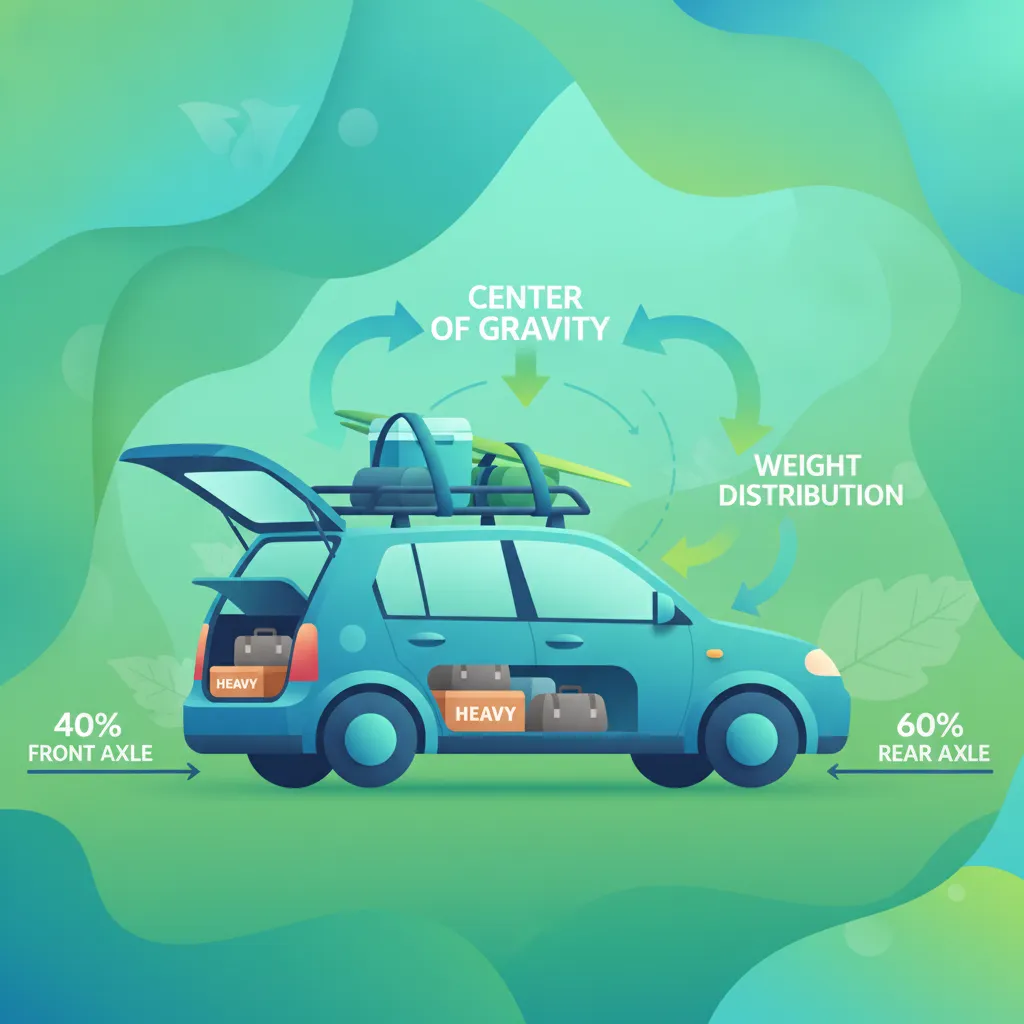
This lesson explains the physical principles of weight distribution and axle overloading on heavy commercial vehicles. It examines how a high centre of gravity increases tipping risks during cornering and alters overall braking effectiveness. Drivers will discover methods for positioning cargo to distribute weight evenly, ensuring optimal steering control and stable vehicle dynamics.

As passenger numbers change throughout a service shift, a heavy vehicle suspension, center of gravity, and steering responsiveness adapt dynamically. This lesson covers load balancing, the physical risks of overloading, and how uneven weight distribution compromises stability during turns. Drivers will learn to perform regular axle weight assessments to comply with Irish transport safety rules.
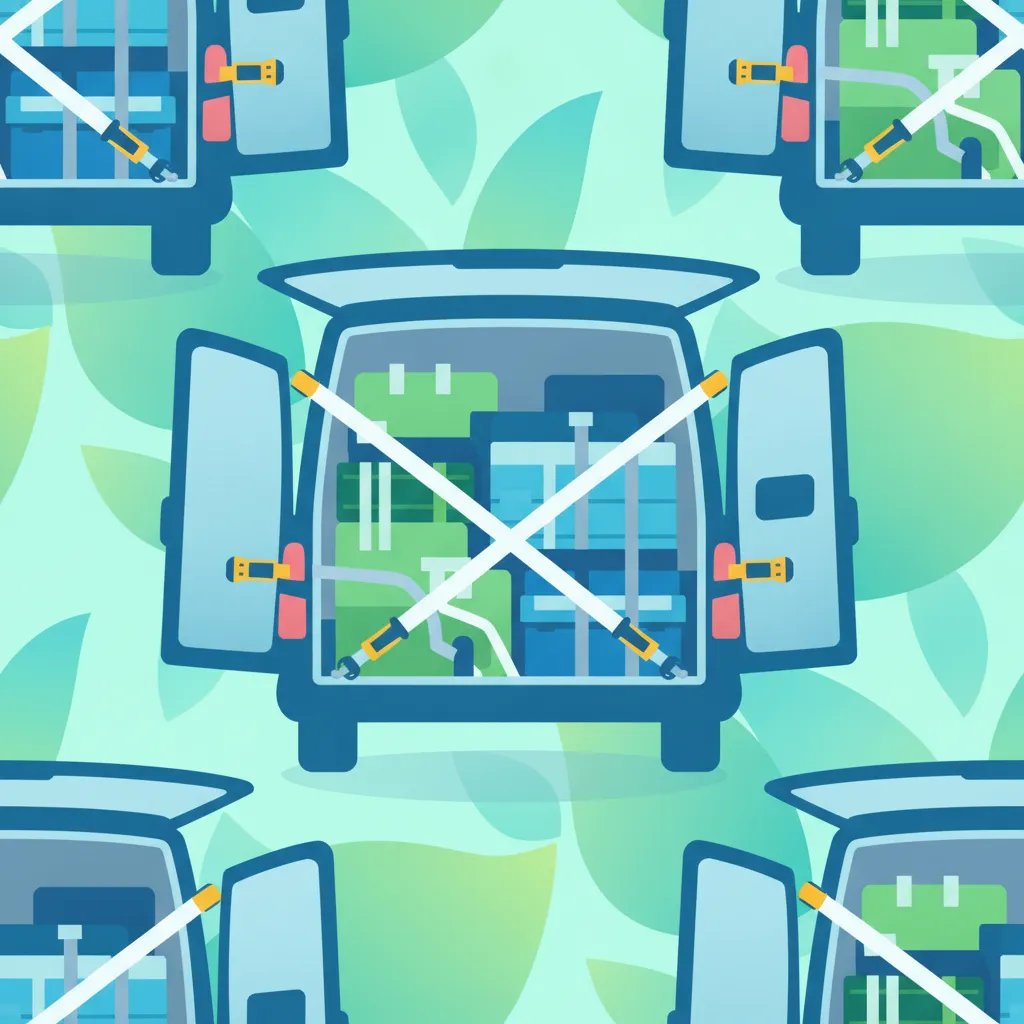
This lesson focuses on the practical mechanics of securing goods to prevent kinetic shift during sudden braking or evasive steering manoeuvres. It teaches the correct use of tensioning straps, chains, blocking bars, and friction-increasing mats according to Irish safety guidelines. Drivers will learn to perform rigorous pre-trip and en-route checks to guarantee that cargo remain secure throughout the transit.

Carrying heavy loads or towing trailers significantly alters a car's handling, acceleration, and braking characteristics. This lesson outlines the physics of load distribution, explaining why you must secure cargo to prevent shifting and keep the vehicle's centre of gravity low. You will learn about legal roof rack weight limits, safe trailer coupling practices, and how to adjust your driving style when towing.
This lesson teaches professional drivers how to systematically map out travel routes that are compatible with heavy vehicle dimensions. It covers the limitations of consumer-grade GPS systems and emphasizes the use of specialized truck navigation systems that account for low bridges and load restrictions. Drivers will also learn to plan for congestion, access timing regulations, and proper entrance paths into commercial zones.

Sudden or jerky vehicle movements can cause immediate discomfort or direct physical injuries to onboard passengers, particularly standing occupants. This lesson teaches progressive throttle control, gradual gear shifts, and smooth steering inputs that stabilize the heavy vehicle body. Drivers will master the technique of progressive braking to ensure comfortable, safe slowing actions at junctions.

This lesson addresses the mechanical dynamics of turning long-wheelbase and articulated commercial vehicles at intersections, junctions, and roundabouts. It covers the necessity of deep cornering lines, early mirror checks, and correct signaling to warn vulnerable road users of wide turn maneuvers. Drivers will learn how to minimize rear cut-in and ensure the entire vehicle clears urban obstacles safely.
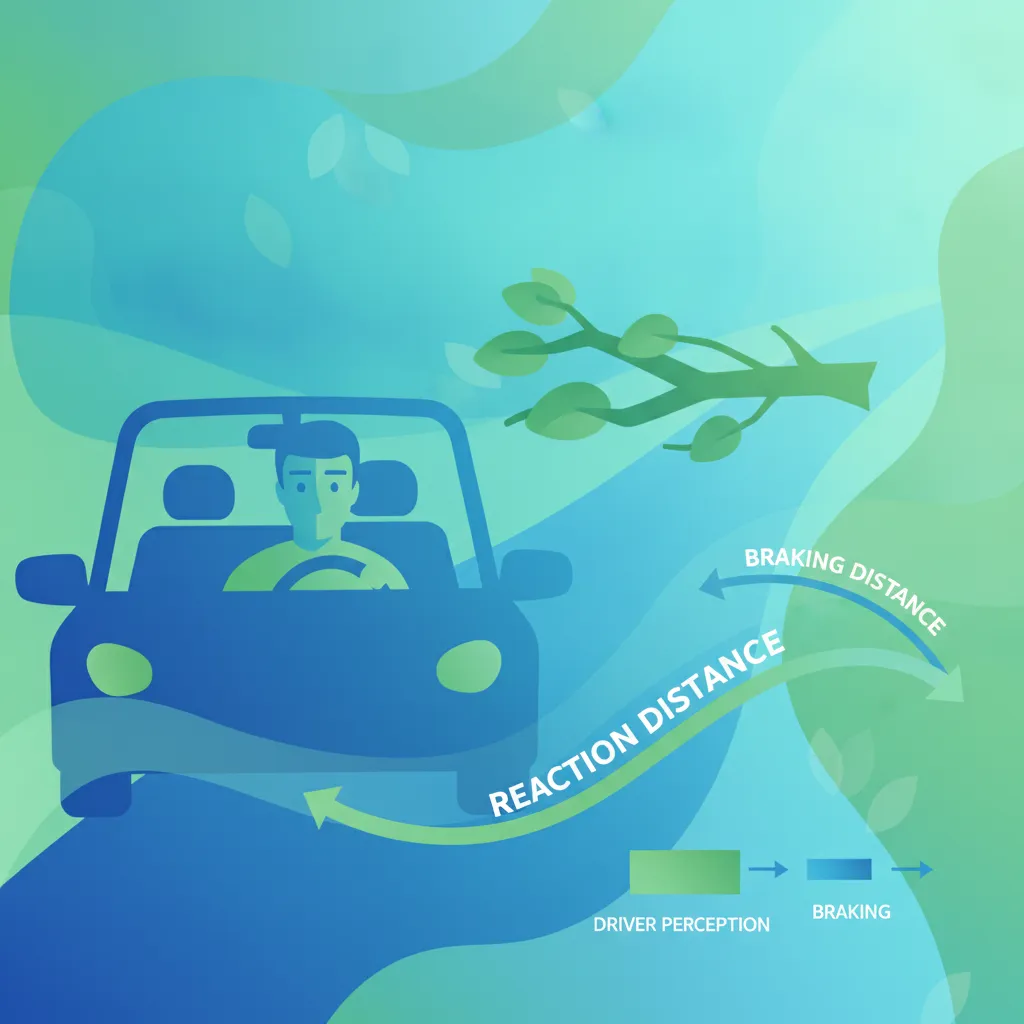
This lesson details how total stopping distance scales with vehicle mass, explaining the critical combination of perception-reaction delay and mechanical braking time. It covers the operation of main air-brake systems, auxiliary engine retarders, and trailer-coupling brake setups. Drivers will learn to maintain safe following distances and apply progressive braking patterns to avoid dangerous brake fade.

Driver fatigue and visual distractions are major contributors to commercial passenger vehicle accidents on national transport networks. This lesson explores the physiological indicators of drowsiness, the benefits of healthy sleep habits, and strategies for avoiding digital distractions. It emphasizes strict compliance with professional driver hours to maintain alertness and safe operations.
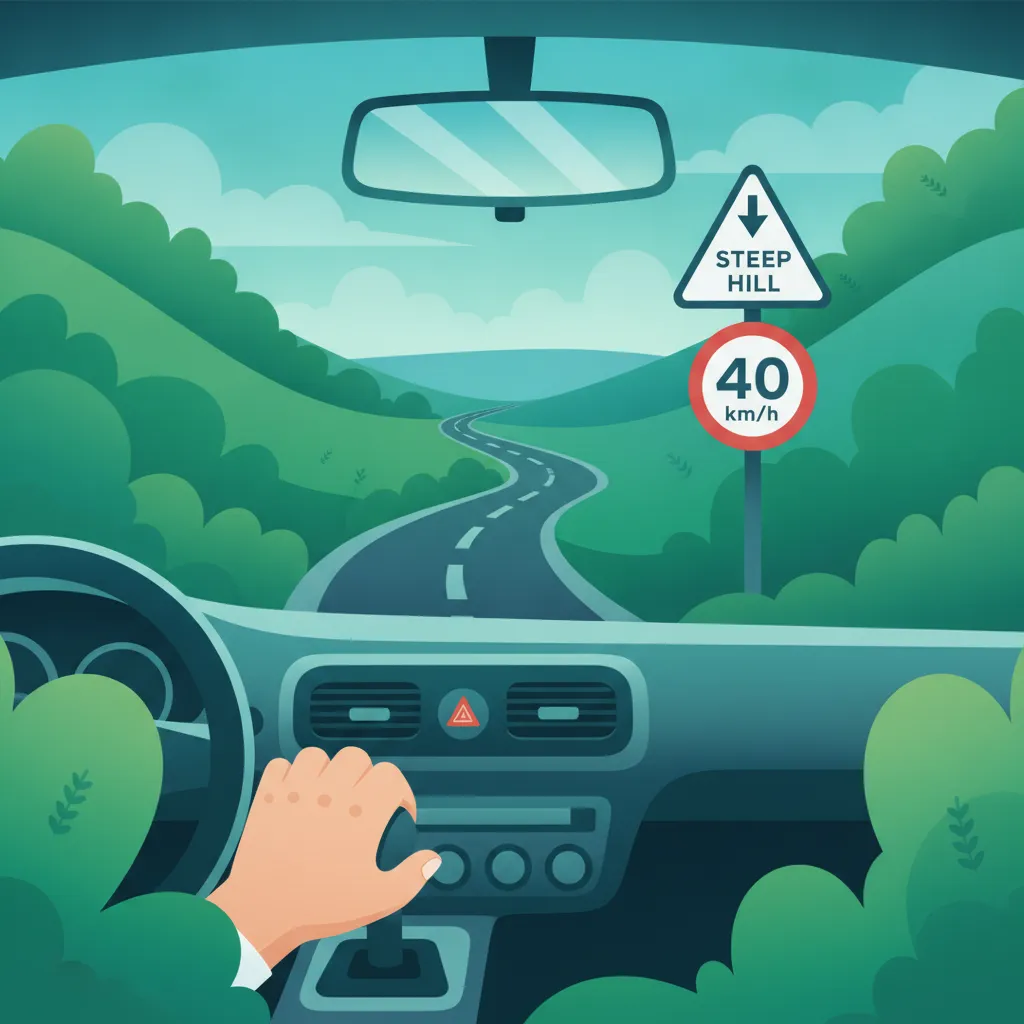
This lesson focuses on the technical skills required to navigate steep hills and prolonged descents without losing vehicle control. It explains the mechanics of engine braking, correct low-gear selection, and how gravity affects heavily loaded vehicles on downward slopes. Drivers will study safety techniques to prevent kinetic runaway situations and learn how to manage vehicle speed defensively.
Find clear answers to common questions learners have about Adapting to Adverse Weather Conditions. Learn how the lesson is structured, which driving theory objectives it supports, and how it fits into the overall learning path of units and curriculum progression in Ireland. These explanations help you understand key concepts, lesson flow, and exam focused study goals.
Heavy goods vehicles have significantly longer stopping distances than passenger cars, especially on wet or slippery road surfaces. Increasing your following distance provides the extra space needed to react safely to hazards, preventing emergency braking that could lead to a skid or jackknife.
High-sided vehicles are susceptible to being pushed by strong crosswinds. You should reduce your speed, hold the steering wheel firmly with both hands, and be prepared to make small steering corrections. Be especially cautious when emerging from tunnels or passing gaps in hedges where wind gusts are strongest.
Yes, understanding the risk of hydroplaning is part of the road safety knowledge required for your test. You must be able to identify when the water depth is sufficient to lift your tyres off the road surface and know to reduce speed and avoid sudden manoeuvres.
Yes. Failure to adapt your driving to weather conditions can be categorized as careless or dangerous driving. Under Irish law, this can result in penalty points, a heavy fine, and potential disqualification from driving, which is why mastering these rules is vital for professional drivers.
Use the practice question search tool to pinpoint specific topics, road signs, or rules you need to master for your official Driver Theory Test. Refine your study strategy and ensure comprehensive preparation for all aspects of the Irish driving exam. Start your focused revision now and build confidence for your learner permit test.