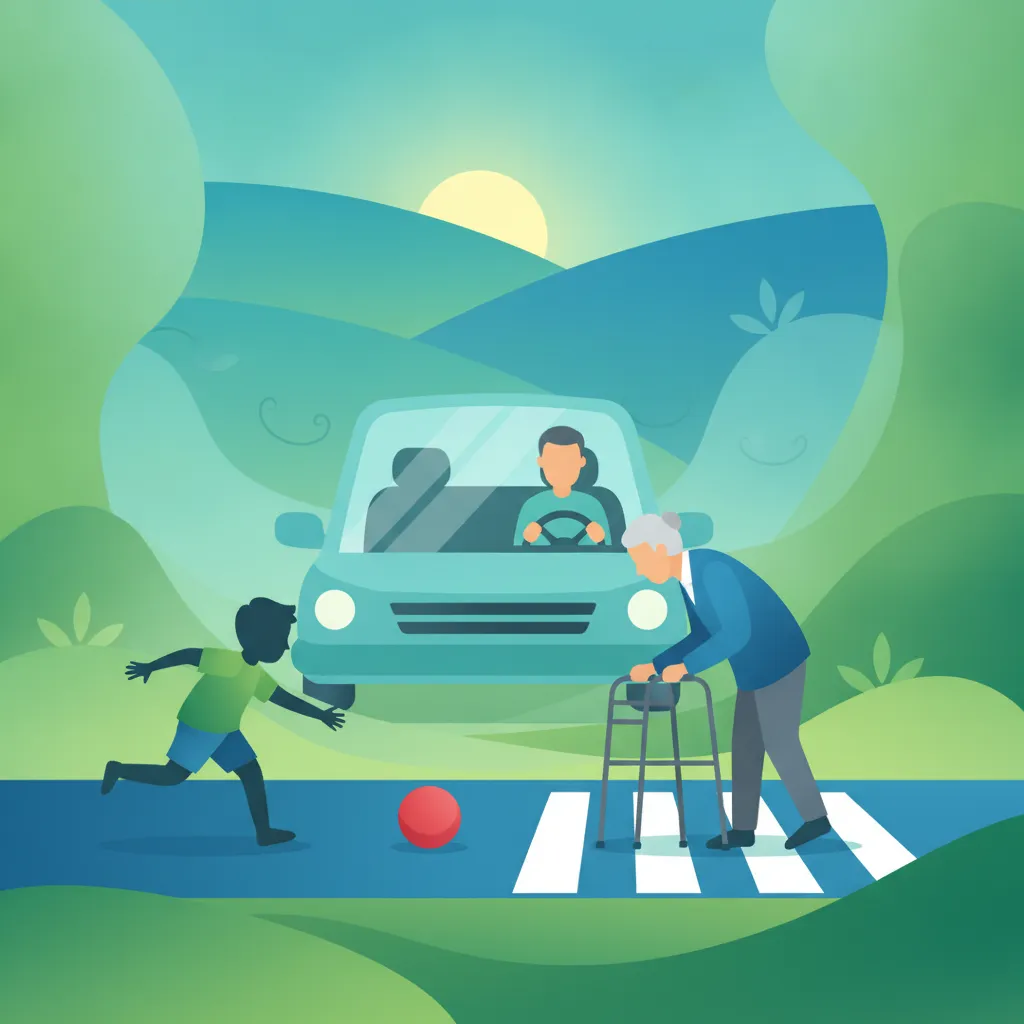
This lesson focuses on identifying and responding to the unique behaviors of children and elderly pedestrians when driving large passenger vehicles. As a professional driver, you must understand how to adjust your approach to ensure safety in residential and shopping areas. This content builds on your knowledge of hazard anticipation in Unit 6 to prepare you for safe, responsible driving.
Lesson content overview
As a professional driver operating a large passenger vehicle—such as a city bus, regional coach, or school transport vehicle—you carry a profound responsibility. Under the Irish Rules of the Road and the Road Safety Authority (RSA) guidelines, professional Category D and D1 licence holders are held to the highest standard of duty of care. Among all road users, children and elderly pedestrians represent the most vulnerable.
Because of their physical, sensory, and cognitive profiles, these groups are highly susceptible to serious injury or fatality in conflicts with heavy passenger vehicles. Operating a vehicle that may weigh over 10 to 18 tonnes means your stopping distances are greatly extended, your blind spots are extensive, and your vehicle's physical presence can easily intimidate or obscure these vulnerable road users (VRUs). This lesson covers the physiological, psychological, and environmental risks associated with children and elderly pedestrians and outlines the defensive driving strategies required to prevent incidents.
Before examining pedestrian behaviour, it is critical to understand how the physical characteristics of a Category D passenger vehicle interact with vulnerable road users.
A fully loaded double-decker or regional coach requires significantly more distance to come to a complete stop than a standard passenger car. At a speed of 50 km/h, a heavy bus can take more than double the distance to stop compared to a car, especially when accounting for air-brake lag (the fraction of a second it takes for compressed air to operate the brakes after the pedal is pressed).
The driving position in a bus is elevated, which improves forward visibility at a distance but creates a severe blind spot directly in front of the vehicle, below the windscreen level. Small children standing close to the front bumper are completely invisible to the driver. Similarly, the structural pillars (A-pillars) and large side mirrors can hide an elderly pedestrian stepping off a kerb at an angle.
When a long-wheelbase vehicle turns, the rear of the bus swings outward in the opposite direction of the turn (tail swing). Additionally, during tight left turns, the rear wheels cut inward (rear-wheel tracking). If children are standing on the edge of the footpath or an elderly person is using a walking aid near the kerb, they can easily be struck by the side of the bus or its mirrors.
Children under the age of 16 do not perceive the traffic environment in the same way adults do. Professional drivers must never assume that a child sees them, understands the danger, or will obey traffic rules.
The physiological and psychological limitations in children (typically under 12 years of age) that prevent them from accurately assessing vehicle speeds, distances, and peripheral hazards.
While children present risks due to impulsivity and lack of development, elderly pedestrians (typically classified as those over 65) present risks associated with physical frailty, reduced mobility, and sensory decline.
To safely navigate environments where children and elderly pedestrians are present, Category D drivers must transition from passive observation to active, defensive hazard management. This is built upon three core principles.
Recognise the Zone: Identify when you are entering a residential area, school zone, shopping district, or approaching a bus stop. Look for warning signs, parked cars, and footpaths.
Reduce Speed Pre-emptively: Do not wait for a hazard to appear. Lower your speed below the posted limit (e.g., to 30 km/h or less in a 50 km/h zone) to buy valuable reaction time.
Increase the Lateral Safety Margin: Position your bus further away from the kerb (towards the centre of the lane, without crossing the centre line) to create a buffer zone.
Scan and Cover the Brake: Scan from left to right, focusing on the spaces between parked cars, behind trees, and near shop doorways. Rest your foot lightly over the brake pedal (covering the brake) to eliminate reaction lag.
A safety margin is the physical space you maintain around your vehicle to allow for human error.
Speed is the single most critical factor determining the severity of a pedestrian collision. The physical force of an impact increases exponentially with speed.
| Vehicle Speed | Probability of Pedestrian Fatality (Adult) | Probability of Pedestrian Fatality (Child/Elderly) | Stopping Distance (12m Bus - Dry Road) |
|---|---|---|---|
| 30 km/h | ~5% to 10% | ~15% to 20% | ~14 to 16 metres |
| 50 km/h | ~40% to 50% | ~70% to 80% | ~28 to 32 metres |
| 60 km/h | ~80%+ | ~95%+ | ~40+ metres |
Reducing your speed from 50 km/h to 30 km/h in sensitive areas more than halves your stopping distance and dramatically improves the survival rate of a pedestrian in the event of an unavoidable impact.
Never assume a pedestrian has seen you or will act logically.
Under Irish law, professional drivers have an elevated statutory duty of care. Failing to adjust your driving to protect vulnerable road users can lead to charges of careless or dangerous driving, substantial fines, penalty points, and the loss of your professional Driver CPC (Certificate of Professional Competence) qualification.
In Ireland, School Wardens (often referred to as "lollipop persons") are legally authorised to stop traffic to allow children to cross.
When operating a dedicated school transport service or driving near one:
Environmental and vehicular factors significantly alter the risk profile when interacting with children and elderly pedestrians.
Understanding common driver errors can help you actively avoid making them.
Why are these rules so strict? The safety margins are dictated by biological and physical realities:
As a professional Category D driver, you must integrate the following practices into your daily driving routine:
Explore all units and lessons included in this driving theory course.
Lesson content overview
Explore all units and lessons included in this driving theory course.
Explore search topics learners often look for when studying Risks Associated with Children and Elderly Pedestrians. These topics reflect common questions about road rules, driving situations, safety guidance, and lesson level theory preparation for learners in Ireland.
Browse additional driving theory lessons that cover connected traffic rules, road signs, and common driving situations related to this topic. Improve your understanding of how different rules interact across everyday traffic scenarios.
Explore how professional drivers navigate complex city environments, including managing stops, interacting with urban road users, and adhering to specific bus lane restrictions in Irish cities. Understand the theory behind maintaining safety and service efficiency in high-density traffic areas.
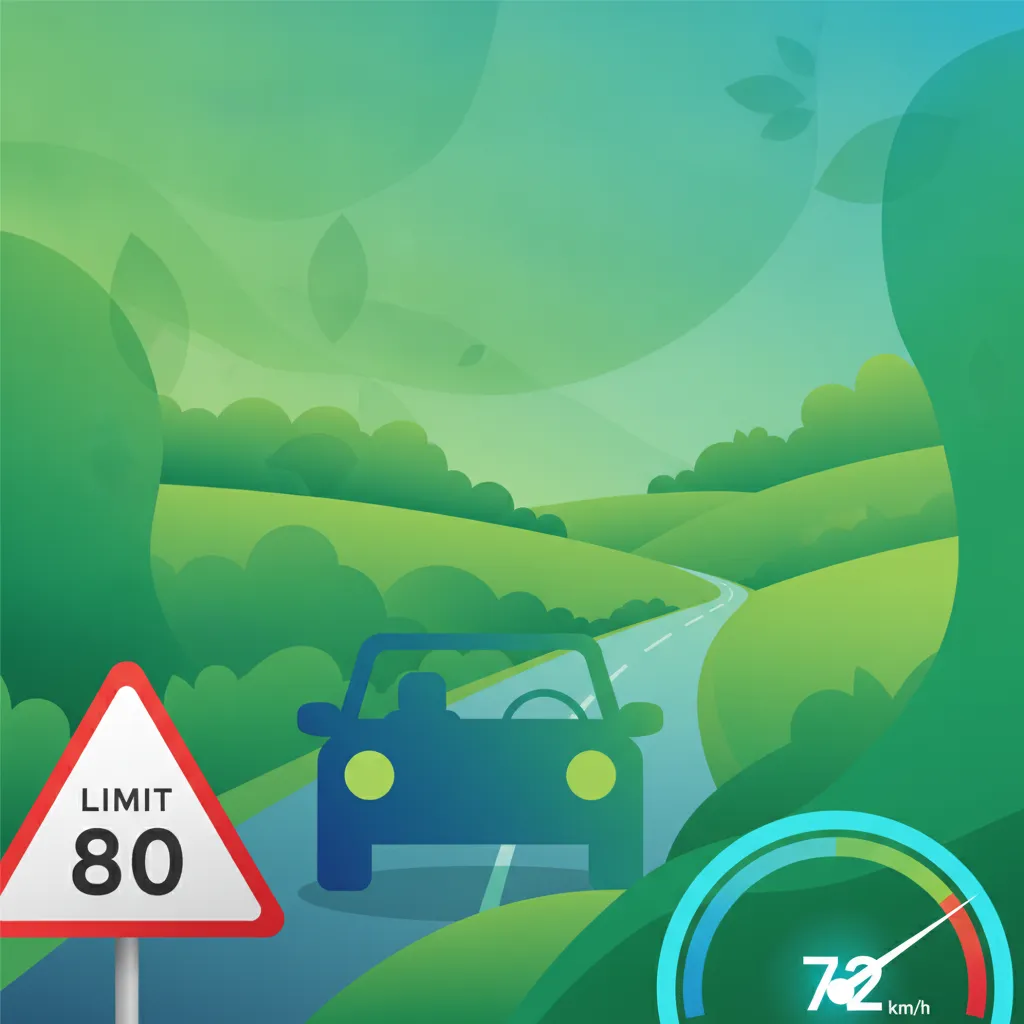
Speed management requires adjusting vehicle velocity to suit current weather, passenger load, and the specific limits of Irish roads. This lesson details speed restrictions for buses and minibuses on motorways, national routes, and built-up areas throughout Ireland. It highlights the driver obligation to prioritize passenger safety over schedule delays by maintaining appropriate speeds.

The regulatory framework in Ireland imposes strict standards of operation, dimension limits, and speed boundaries on heavy passenger fleets. This lesson reviews vehicle registration tax context, commercial operator licensing laws, and mandatory annual vehicle roadworthiness testing. By understanding these statutory regulations, drivers avoid severe legal infractions and maintain their professional driving credentials.
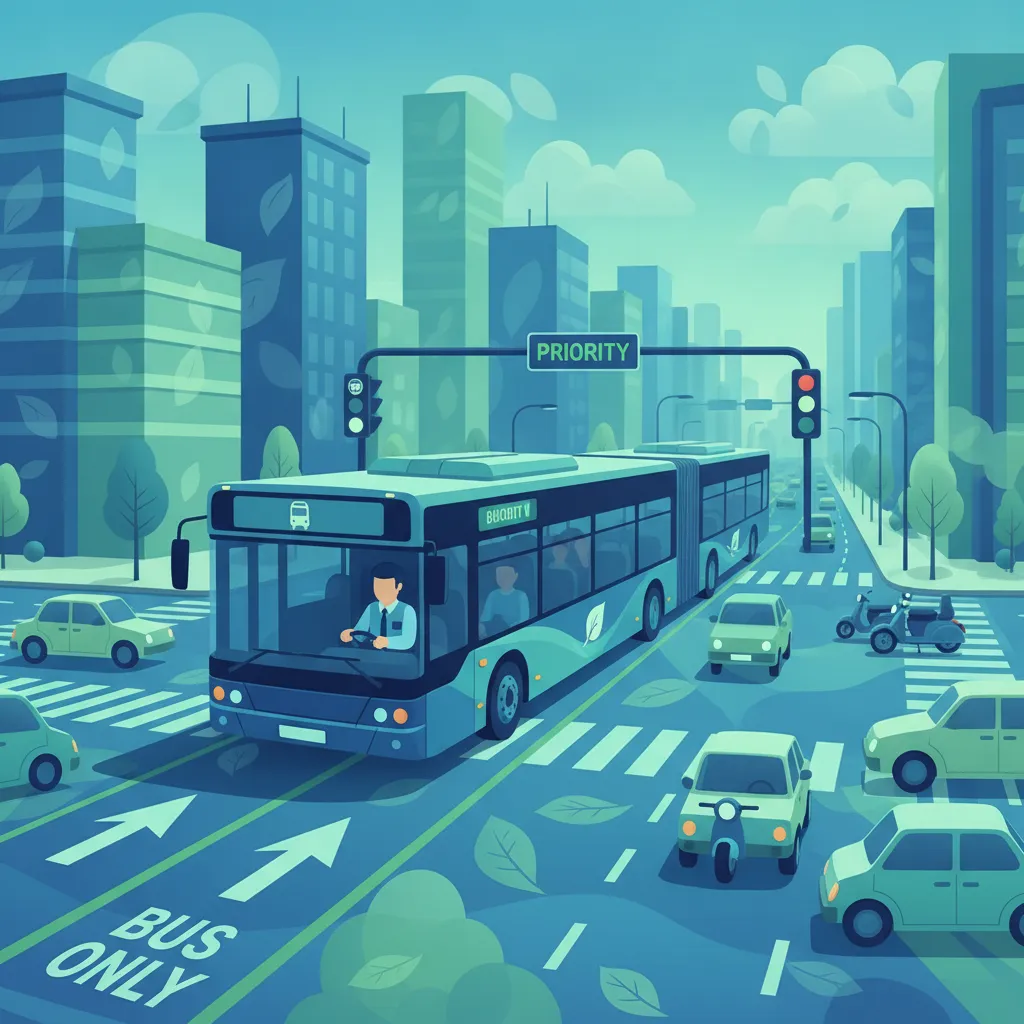
Driving large vehicles through dense city traffic requires outstanding lane discipline, spatial awareness, and consistent patience. This lesson teaches drivers how to utilize public bus corridors, manage tight yellow box intersections, and handle narrow city streets. It focuses on predicting traffic pattern shifts to maintain service timetables while minimizing fuel waste and driver stress.
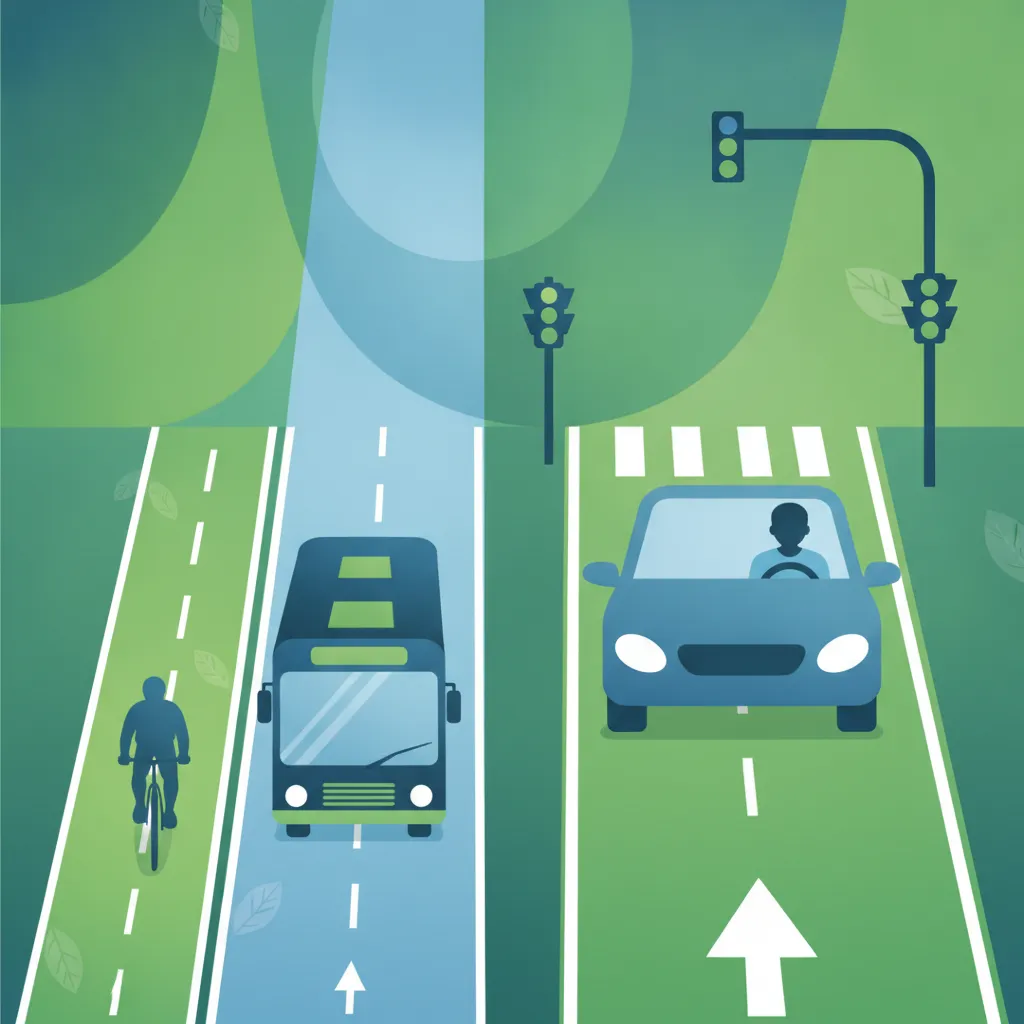
Bus lanes and cycle tracks are designed to encourage public transport and safe active travel in congested urban areas. This lesson explores the differences between with-flow and contra-flow bus lanes, detailing the restricted operating hours during which other vehicles are banned. You will understand when taxi drivers or emergency vehicles can use these lanes, and how to avoid costly traffic violations and safety risks.
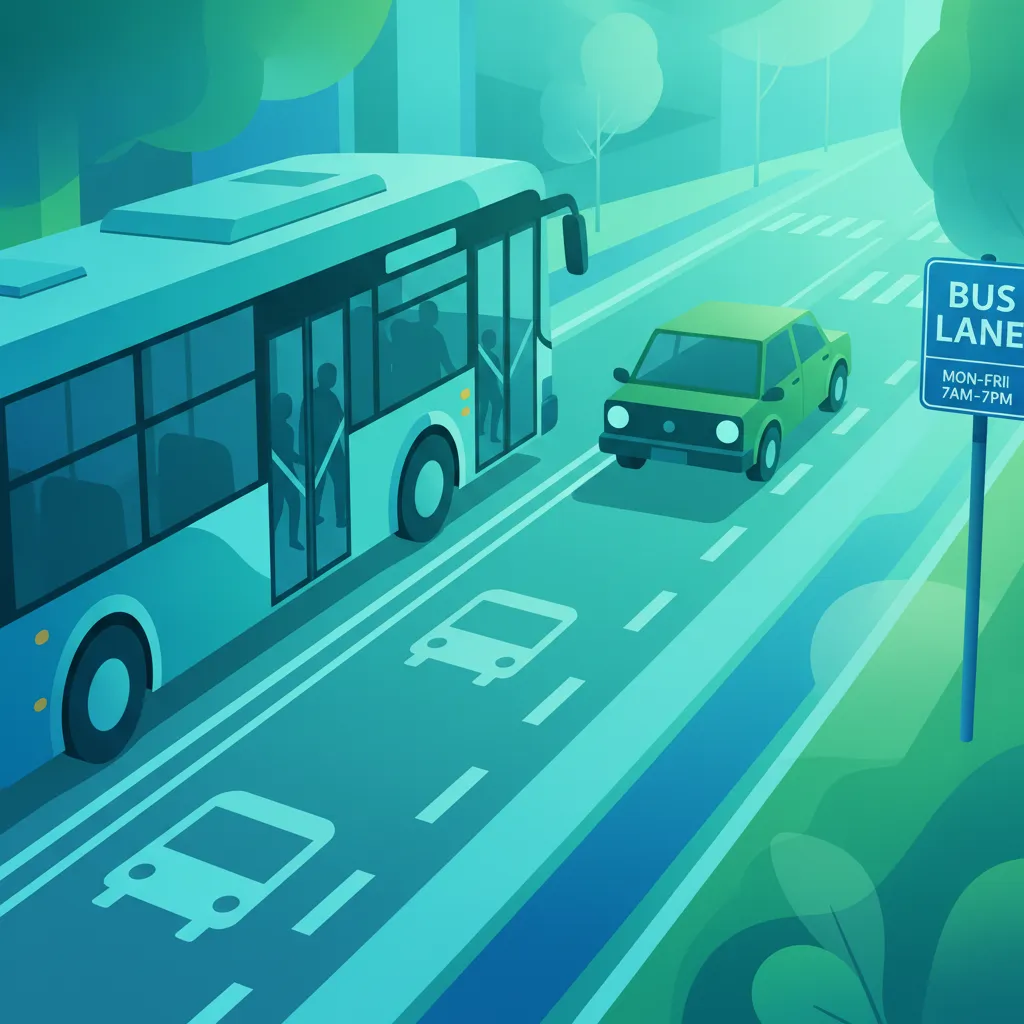
This lesson details the legal operations allowed within Irish bus lanes, including active hours, non-permitted traffic types, and exceptions. Drivers will learn safe approach trajectories for public transport stops, maintaining legal clearance, and navigating curbside hazards safely. The material highlights compliance with local bylaws to guarantee steady, uninterrupted traffic flow and passenger convenience.
Large passenger vehicles must maintain consistent lane positioning to prevent side-swipe incidents and sustain smooth urban traffic patterns. This lesson covers standard lane selection rules, safe overtaking procedures, and how to use designated public transit corridors correctly. Drivers will learn the importance of checking mirrors continuously and planning lane changes well in advance.
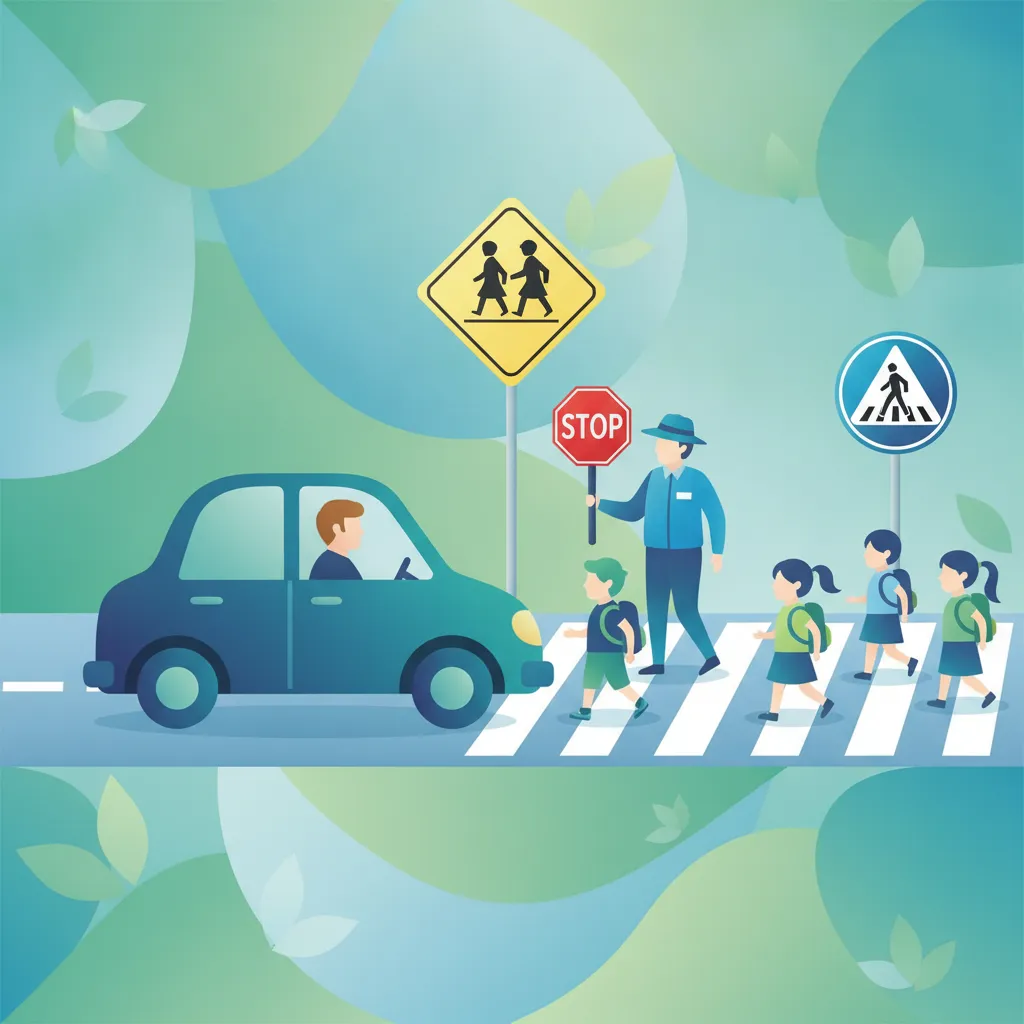
School zones and pedestrian crossings require high driver alertness and strict compliance with local speed limits in Ireland. This lesson details the legal rules of zebra and pelican crossings, explaining driver requirements when amber warning beacons are flashing. Drivers will study safety procedures for dropping off or picking up children, preventing common blind-spot accidents near schools.
This lesson clarifies the legal regulations surrounding bus lanes and cycle lanes in Ireland, highlighting when motorcycles are permitted to enter them. It outlines how to cross these lanes safely when turning left, and how to scan for cyclists approaching from behind. Riders will learn to respect lane markings, observe signposted operational hours, and avoid blocking designated public transit lanes.
Operating large passenger vehicles requires instant, accurate interpretation of general and specialized Irish road signage to prevent regulatory violations. This lesson covers the precise meanings of clearway signs, bus corridor indicators, low bridge warnings, and weight restriction zones. Drivers will examine how school zone beacons and specific roundabout indicators apply to large vehicle dimensions.

Motorway transport requires consistent forward planning, strict speed restriction compliance, and clear mirror checks before exiting lanes. This lesson details the rules of joining and leaving motorways, navigating toll plazas safely, and managing breakdowns on the hard shoulder. Drivers will learn to balance high-speed travel with passenger stability, ensuring a comfortable, secure ride.
Learn the theory of professional hazard perception for large passenger vehicles. This lesson covers scanning routines, managing blind spots, and adjusting for vehicle dynamics to proactively identify risks and maintain safety margins in varying Irish road conditions.

This lesson explores the safe operation of heavy transport vehicles during severe meteorological hazards typical of the Irish climate. It teaches techniques for adjusting speed and doubling following distances to prevent loss of steering traction and control on waterlogged or icy roadways. Drivers will understand how to manage lateral aerodynamic forces from crosswinds on high-sided goods vehicles.
Maintaining an extensive buffer zone ahead of a large passenger vehicle is critical to ensuring enough space for emergency maneuvers. This lesson teaches the time-gap method, detailing how following distances must double on wet roads or increase with full passenger loads. It builds hazard anticipation skills, teaching drivers to read distant traffic cues and react early to hazards.
Proactive hazard perception involves constantly scanning the road ahead to identify potential dangers before they turn into actual emergencies. This lesson covers active scanning techniques, helping you look far ahead, check mirrors regularly, and identify subtle risk clues such as exhaust smoke from parked cars or children playing near kerbs. Anticipating these developments gives you the time to adjust speed and position safely.
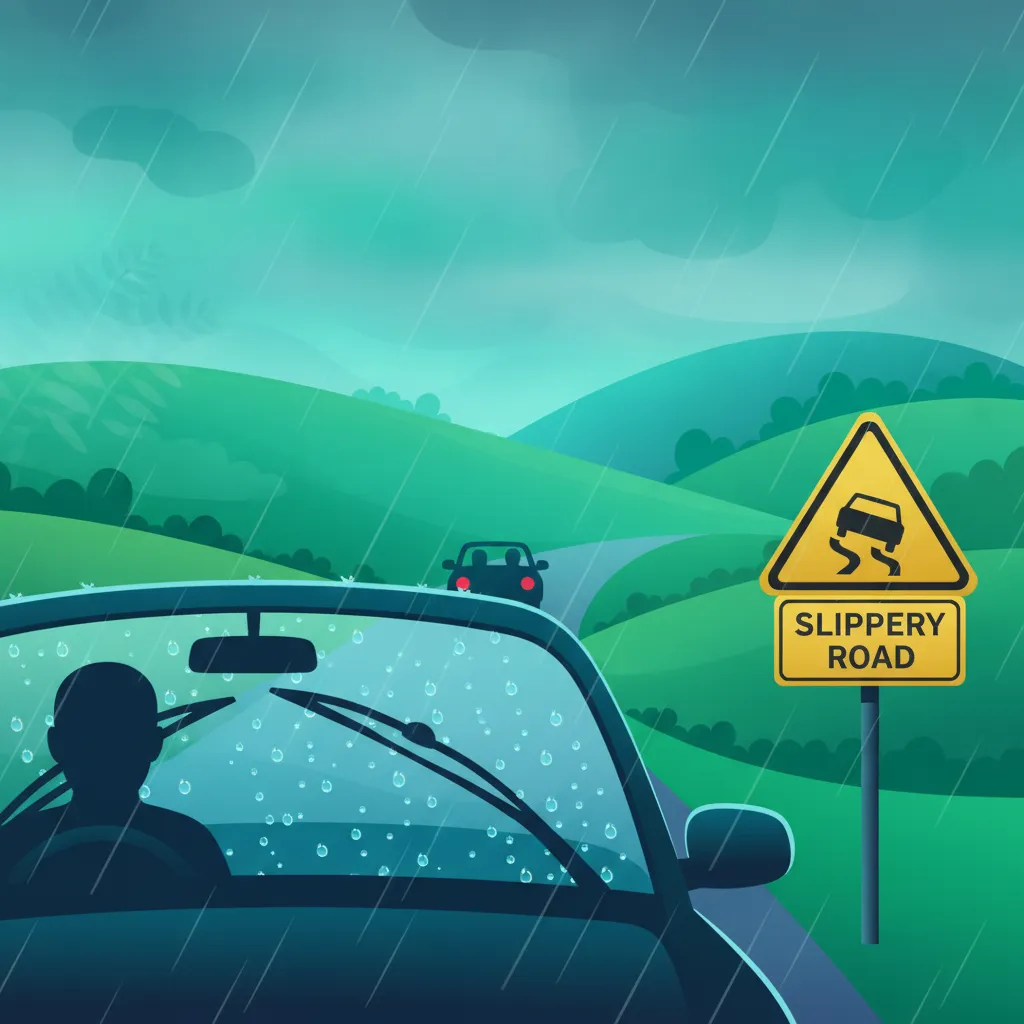
Wet roads, heavy winter fog, and strong lateral winds present major safety challenges for high-sided passenger vehicles in Ireland. This lesson explains how to prevent aquaplaning, double following distances on wet surfaces, and use fog lights correctly to maintain visibility. Drivers will learn handling adjustments to counteract sudden wind gusts when crossing exposed bridges or motorways.
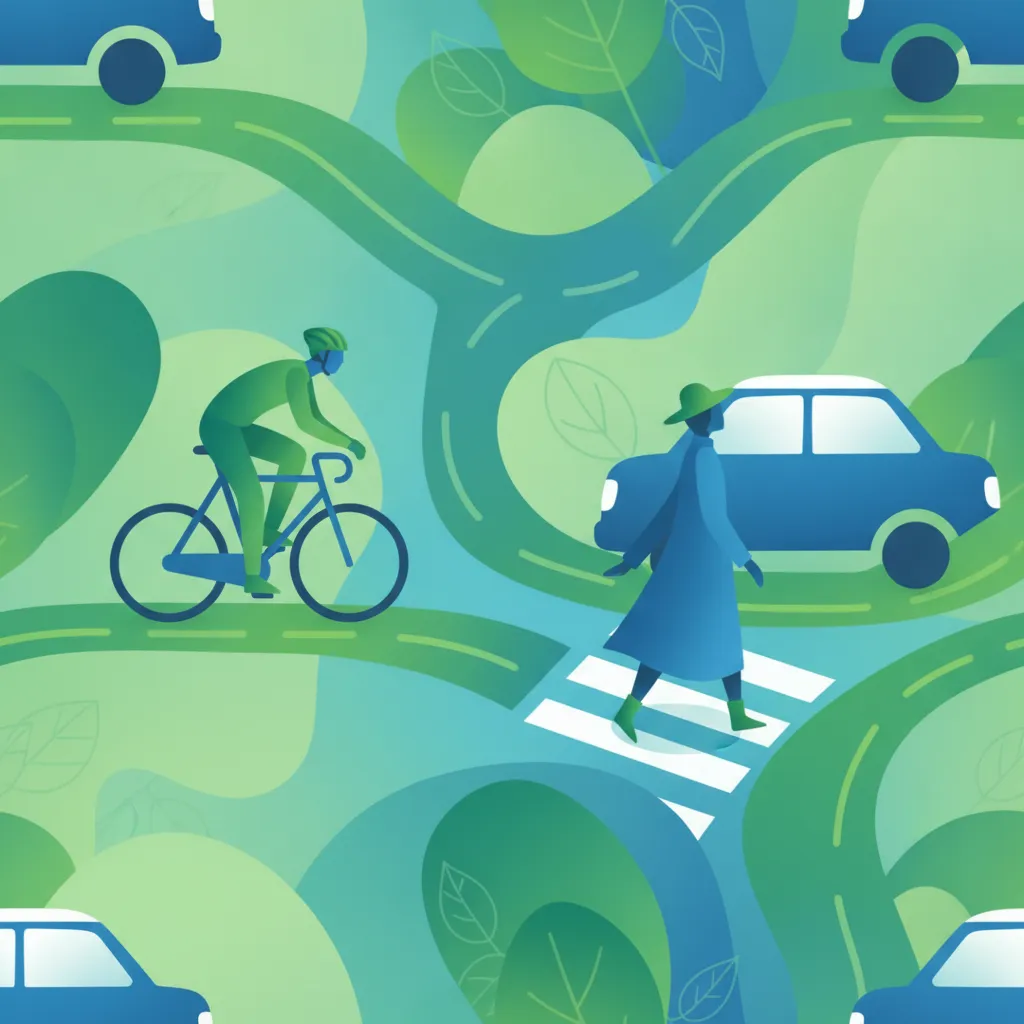
Heavy vehicles require continuous visual scanning to identify small or slow-moving road users who may enter the path of travel. This lesson explores the typical behaviors of young children, elderly pedestrians, and visually impaired road users. Drivers will build strong hazard perception skills to anticipate sudden movements, ensuring they can brake safely and avoid serious accidents.
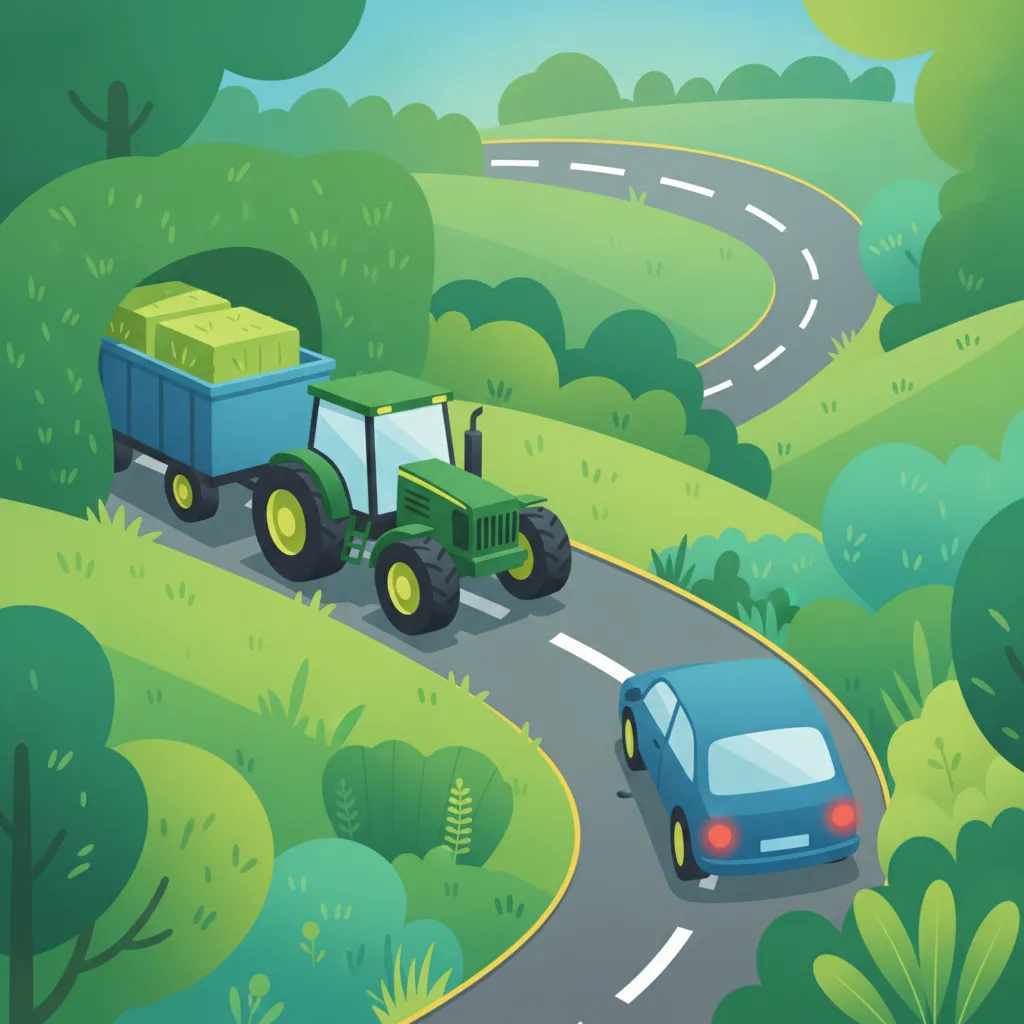
Irish rural roads are often narrow, winding, and bordered by high hedges, presenting unique hazards compared to urban streets. This lesson focuses on scanning for hidden hazards such as slow-moving farm machinery, mud on the road surface, and loose livestock. You will learn how to adjust your speed before entering blind bends, sound your horn at blind crests, and safely share the road with local agricultural traffic.

Irish rural routes are often narrow, lacking central markings, and bordered by tall hedges that restrict forward visibility on sharp bends. This lesson teaches drivers how to negotiate blind curves, anticipate slow-moving agricultural machinery, and respond to wandering farm animals. Drivers will learn to regulate vehicle speed proactively, maintaining a safe stopping margin in rural areas.
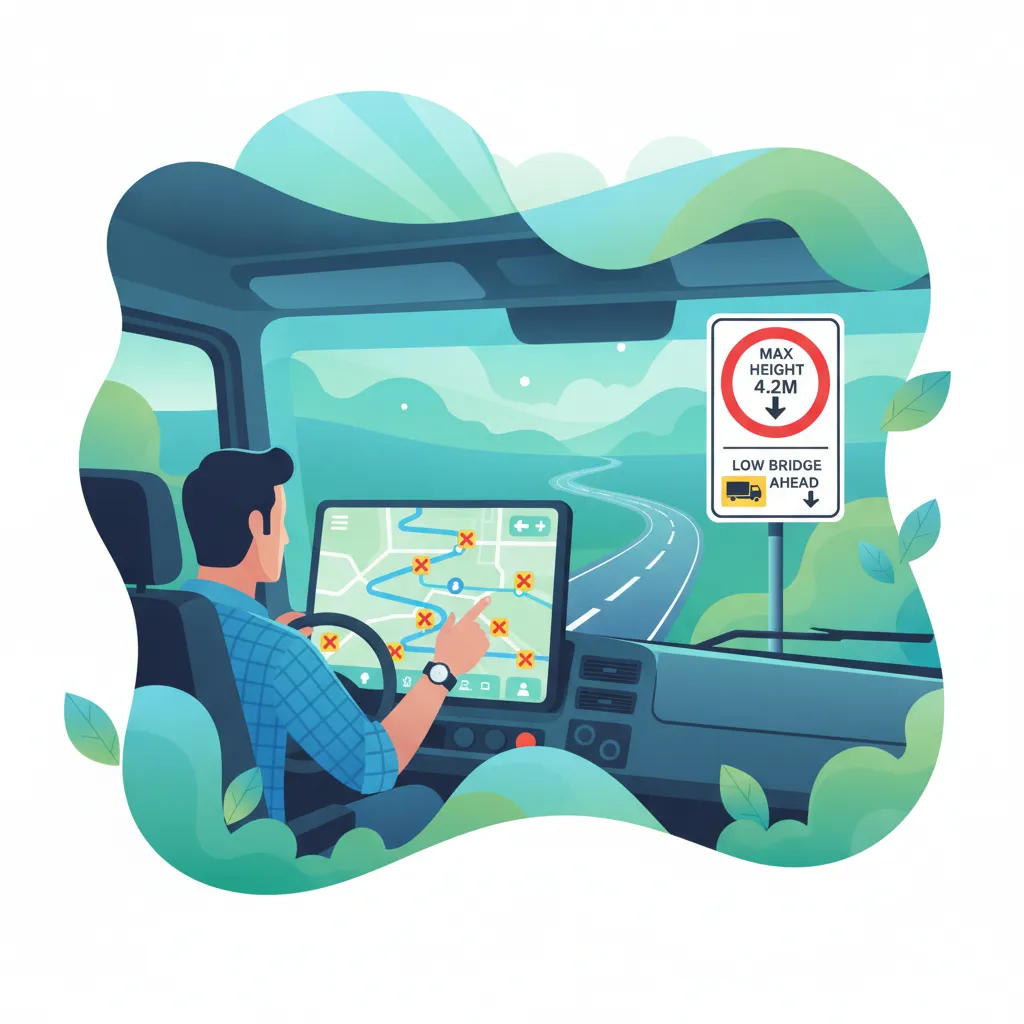
This lesson teaches professional drivers how to systematically map out travel routes that are compatible with heavy vehicle dimensions. It covers the limitations of consumer-grade GPS systems and emphasizes the use of specialized truck navigation systems that account for low bridges and load restrictions. Drivers will also learn to plan for congestion, access timing regulations, and proper entrance paths into commercial zones.
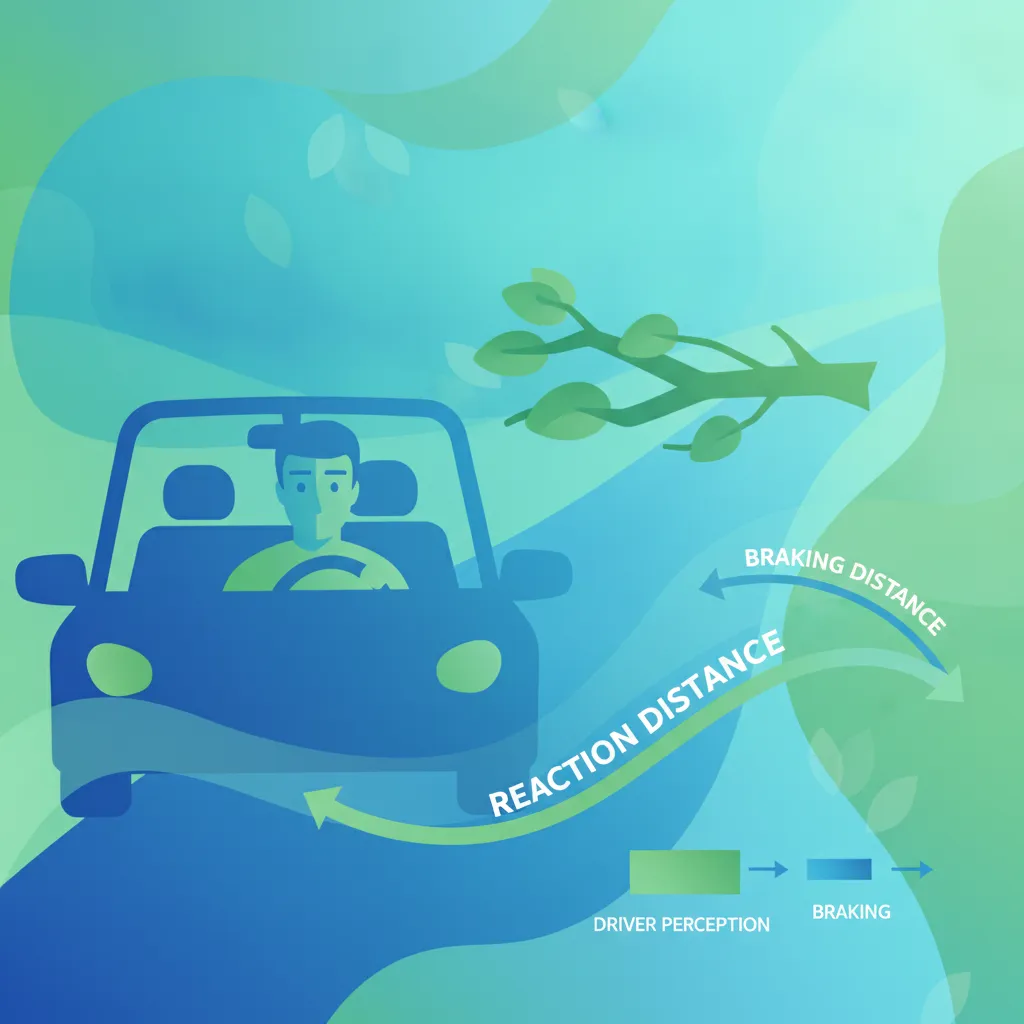
This lesson details how total stopping distance scales with vehicle mass, explaining the critical combination of perception-reaction delay and mechanical braking time. It covers the operation of main air-brake systems, auxiliary engine retarders, and trailer-coupling brake setups. Drivers will learn to maintain safe following distances and apply progressive braking patterns to avoid dangerous brake fade.

This lesson addresses the mechanical dynamics of turning long-wheelbase and articulated commercial vehicles at intersections, junctions, and roundabouts. It covers the necessity of deep cornering lines, early mirror checks, and correct signaling to warn vulnerable road users of wide turn maneuvers. Drivers will learn how to minimize rear cut-in and ensure the entire vehicle clears urban obstacles safely.
Find clear answers to common questions learners have about Risks Associated with Children and Elderly Pedestrians. Learn how the lesson is structured, which driving theory objectives it supports, and how it fits into the overall learning path of units and curriculum progression in Ireland. These explanations help you understand key concepts, lesson flow, and exam focused study goals.
Elderly pedestrians may have reduced mobility, slower reaction times, or hearing impairments. As a professional driver, you must provide them with sufficient time to clear the road fully before proceeding, as they may be unable to react as quickly to your vehicle's approach.
Children often struggle to judge the speed and distance of heavy vehicles like buses and coaches. They may also be easily distracted or act impulsively, meaning you cannot rely on them to follow standard road-crossing conventions.
You must significantly reduce your speed, stay alert for children emerging from between parked cars, and strictly adhere to all warning signs. Always expect the unexpected and maintain a wide margin of safety.
Yes, the Irish Driver Theory Test includes hazard awareness scenarios that require you to identify potential risks posed by vulnerable road users. You are expected to demonstrate knowledge of defensive actions, such as slowing down and preparing to stop.
Use the practice question search tool to pinpoint specific topics, road signs, or rules you need to master for your official Driver Theory Test. Refine your study strategy and ensure comprehensive preparation for all aspects of the Irish driving exam. Start your focused revision now and build confidence for your learner permit test.