Modern vehicles are equipped with advanced technology, but these features can significantly divert your attention from the road. This article details the types of in-car technology that pose distraction risks in Turkey, explains how they can impair driving performance, and outlines safe usage practices mandated by Turkish traffic laws. Mastering this knowledge is essential for your driving theory education and the MTSK e-sınav.
Article content overview
Modern vehicles are increasingly sophisticated, offering a range of technological features designed to enhance comfort, convenience, and safety. However, the very presence of these advanced systems within the cabin presents a significant challenge to driver concentration on Turkish roads. While the focus of driver distraction often falls on mobile phones, it is crucial to understand that navigation systems, large infotainment screens, and other integrated electronic aids can equally, if not more profoundly, divert a driver's attention from the primary task of operating the vehicle safely. This comprehensive guide delves into the various types of in-car technology that can lead to distraction, their impact on driving performance, and the essential safe usage practices as dictated by Turkish traffic legislation, all vital knowledge for successfully passing your ehliyet sınavı and ensuring your safety and that of others on the road.
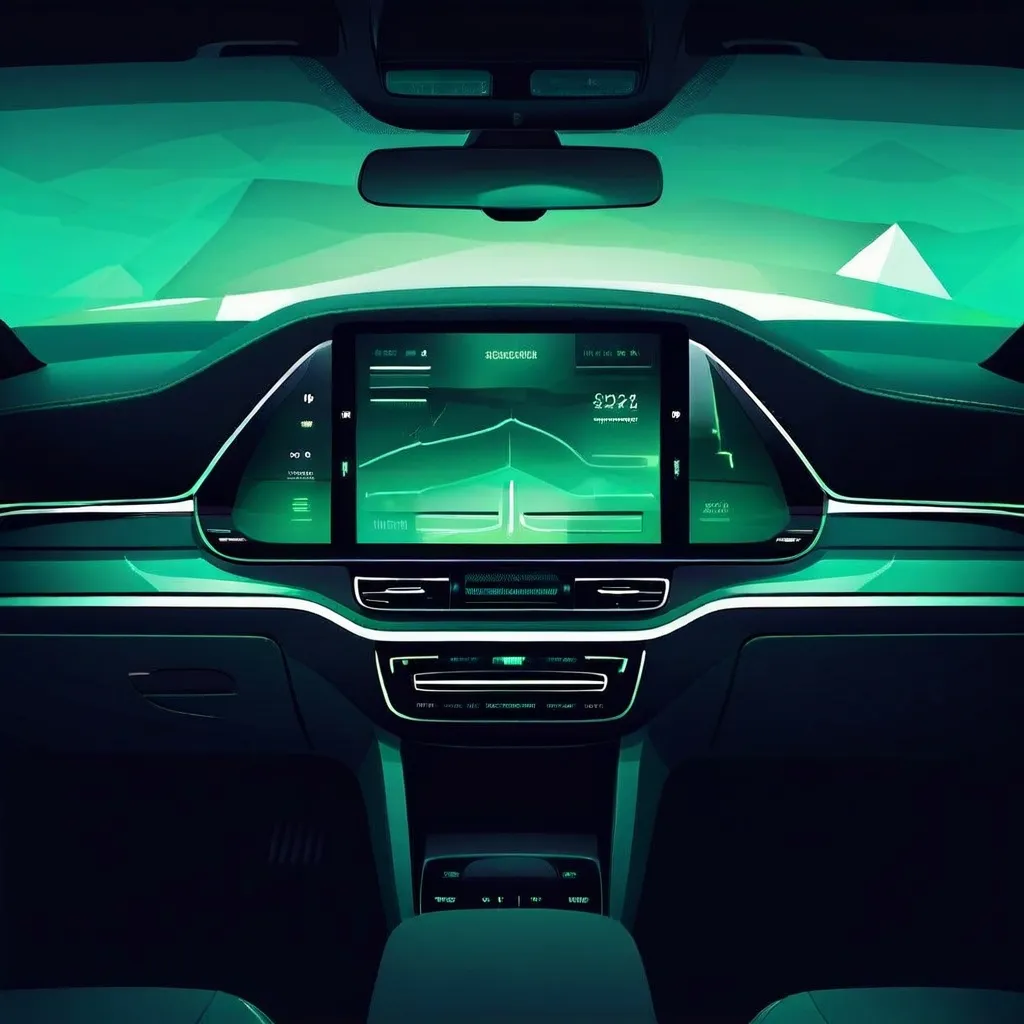
The central infotainment screen has become a standard feature in many contemporary vehicles, serving as a hub for everything from navigation and music to climate control and vehicle settings. While these screens offer unparalleled functionality, their complex interfaces and the sheer volume of information they present can easily pull a driver's gaze away from the road. Adjusting a destination, changing a radio station, or even simply reading a notification on the screen requires visual and cognitive engagement that directly competes with the demands of driving. This is particularly true in busy urban environments in Turkey, where split-second decisions are often necessary. The temptation to interact with these systems, even for a brief moment, can lead to dangerous lapses in attention, making it difficult to perceive developing hazards or react appropriately to changing traffic conditions.
Navigation systems, whether built-in or via smartphone integration, are invaluable for finding routes and avoiding getting lost. However, their operation can be a significant source of driver distraction. The process of inputting a destination, reviewing the route, or reacting to voice prompts can consume a substantial amount of a driver's cognitive resources. Even when a route is already set, drivers may still glance at the map display to confirm their current location or upcoming turns, a behavior that momentarily removes their eyes from the road ahead. This is especially problematic in complex urban settings or during challenging weather conditions in Turkey, where immediate visual awareness is paramount for safe driving. Understanding how to use these systems safely, often by setting destinations before driving or utilising voice commands when absolutely necessary and safe to do so, is a key aspect of responsible vehicle operation.
The spectrum of in-car technology extends far beyond just mobile phones and navigation. Modern vehicles incorporate a multitude of electronic features that can inadvertently lead to distraction. This includes sophisticated climate control systems with complex button layouts or touch interfaces, advanced driver-assistance systems (ADAS) that require monitoring and understanding, and even digital dashboards that can display a wealth of information, some of which may be non-essential for immediate driving. Furthermore, the use of voice-activated controls, while intended to reduce physical interaction, still requires cognitive processing and can distract the driver from the road. Each of these technologies, when used inappropriately or excessively while driving in Turkey, contributes to a deficit in driver attention, increasing the risk of accidents.
The fundamental issue with in-car technology distraction is cognitive overload. Driving requires a significant amount of mental processing to monitor the environment, anticipate other road users' actions, make decisions, and execute maneuvers. When a driver engages with in-car technology, their cognitive resources are divided. This diversion of attention, known as a "visual-manual distraction" if physical interaction is involved, or a "cognitive distraction" if it's primarily mental engagement, can lead to several detrimental effects on driving performance. These include a narrowed field of vision, a delayed reaction time to hazards, and a reduced ability to process important traffic information, all of which are critical considerations for the ehliyet sınavı.
To mitigate the risks associated with in-car technology, drivers in Turkey must adopt specific safe usage practices. The Turkish traffic legislation, as reflected in the MTSK e-sınav requirements, emphasizes that the driver's primary responsibility is to operate the vehicle safely. This means:
The consequences of driver distraction due to in-car technology can be particularly severe when vulnerable road users are involved. In busy Turkish cities, pedestrians, cyclists, and motorcyclists are at a heightened risk if drivers are not fully attentive. A driver distracted by their navigation system might fail to notice a pedestrian crossing the road, a child darting out from between parked cars, or a cyclist indicating a turn. The rapid pace of urban traffic demands constant vigilance, and any lapse in concentration can have devastating outcomes. Therefore, maintaining full situational awareness is not just about obeying the law; it’s about protecting the most vulnerable members of our community.
The MTSK e-sınav, administered by the Ministry of National Education (MEB) in Turkey, frequently includes questions designed to assess a candidate's awareness of driver distraction, including those caused by in-car technology. Expect questions that present scenarios where a driver is tempted to use their phone, adjust the radio, or consult their GPS at inappropriate times. You will need to identify the safest course of action and understand why interacting with these systems can be dangerous. Understanding the principles of hazard perception and defensive driving, which are intrinsically linked to avoiding distraction, is paramount. The exam often tests your ability to prioritize safety over convenience, a core tenet of responsible driving.
Ultimately, mastering the use of in-car technology is about cultivating responsible driving habits that extend beyond passing the ehliyet sınavı. It’s about developing a mindset where safety and focus on the road are paramount. By consciously choosing to minimize distractions from electronic devices and systems, drivers contribute to a safer traffic environment for everyone in Turkey. This commitment to attentive driving not only helps prevent accidents but also fosters a culture of respect and consideration for all road users. Embracing these principles will serve you well throughout your driving career.
Modern in-car technologies including infotainment screens, navigation systems, and voice-activated controls can significantly impair driving performance by causing visual-manual and cognitive distractions. These distractions narrow your field of vision, delay hazard reactions, and reduce situational awareness—particularly dangerous in busy Turkish cities where pedestrians, cyclists, and motorcyclists share the roads. Safe practices include programming destinations before driving, minimizing in-motion interaction, using voice commands sparingly, and delegating tasks to passengers when possible. Understanding these principles is essential for both road safety and success on the MTSK e-sınav, which frequently tests candidates on recognizing unsafe technology use scenarios.
A short set of high-value points that capture the most important ideas from this article.
In-car technology like infotainment screens and navigation systems can be as distracting as mobile phones, diverting both visual attention and cognitive resources from driving.
Cognitive load from technology use narrows your field of vision, delays reaction time, and reduces your ability to process traffic information.
Navigation systems pose risks both during destination input and while reviewing route displays; always set your destination before starting to drive.
Advanced Driver-Assistance Systems (ADAS) are safety aids, not replacements for attentive driving—never over-rely on them.
Vulnerable road users such as pedestrians, cyclists, and motorcyclists are especially at risk when drivers are distracted by technology in urban Turkish traffic.
Turkish traffic legislation requires drivers to prioritize safe vehicle operation over convenience when using in-car technology.
The two main types of distraction from in-car tech are visual-manual (taking eyes/hands off controls) and cognitive (mental engagement competing with driving thoughts).
Passengers can safely handle navigation or entertainment controls while you focus on driving.
Voice commands still require cognitive processing—use them sparingly and only when safe.
The MTSK e-sınav tests your ability to identify unsafe technology interaction scenarios and prioritize safety over convenience.
Assuming that voice-activated controls are completely safe because they keep your hands on the wheel—cognitive distraction remains a factor.
Glancing at navigation map displays even when a route is already set, which removes eyes from the road momentarily.
Adjusting climate controls or vehicle settings while driving in busy urban traffic when it could wait.
Over-relying on ADAS features and becoming less vigilant about monitoring traffic conditions yourself.
Failing to pre-program navigation or select music before starting a journey, leading to dangerous interaction while the vehicle is in motion.
Article content overview
A short set of high-value points that capture the most important ideas from this article.
In-car technology like infotainment screens and navigation systems can be as distracting as mobile phones, diverting both visual attention and cognitive resources from driving.
Cognitive load from technology use narrows your field of vision, delays reaction time, and reduces your ability to process traffic information.
Navigation systems pose risks both during destination input and while reviewing route displays; always set your destination before starting to drive.
Advanced Driver-Assistance Systems (ADAS) are safety aids, not replacements for attentive driving—never over-rely on them.
Vulnerable road users such as pedestrians, cyclists, and motorcyclists are especially at risk when drivers are distracted by technology in urban Turkish traffic.
Turkish traffic legislation requires drivers to prioritize safe vehicle operation over convenience when using in-car technology.
The two main types of distraction from in-car tech are visual-manual (taking eyes/hands off controls) and cognitive (mental engagement competing with driving thoughts).
Passengers can safely handle navigation or entertainment controls while you focus on driving.
Voice commands still require cognitive processing—use them sparingly and only when safe.
The MTSK e-sınav tests your ability to identify unsafe technology interaction scenarios and prioritize safety over convenience.
Assuming that voice-activated controls are completely safe because they keep your hands on the wheel—cognitive distraction remains a factor.
Glancing at navigation map displays even when a route is already set, which removes eyes from the road momentarily.
Adjusting climate controls or vehicle settings while driving in busy urban traffic when it could wait.
Over-relying on ADAS features and becoming less vigilant about monitoring traffic conditions yourself.
Failing to pre-program navigation or select music before starting a journey, leading to dangerous interaction while the vehicle is in motion.
Explore related topics, search based questions, and concepts that learners often look up when studying In-Car Tech Distraction Turkey. These themes reflect real search intent and help you understand how this topic connects to wider driving theory knowledge in Turkey.
Find clear and practical answers to common questions learners often have about In-Car Tech Distraction Turkey. This section helps explain difficult points, remove confusion, and reinforce the key driving theory concepts that matter for learners in Turkey.
In-car technology that can cause distraction includes navigation systems, large touchscreens, infotainment units, voice command systems, and integrated apps, beyond just mobile phones.
Navigation systems can distract drivers by requiring them to look at the screen for directions, adjust settings, or enter destinations, taking their eyes and attention off the road.
Turkish traffic law emphasizes that drivers must maintain full attention on the road. Using complex electronic devices or screens in a manner that compromises safety is prohibited and can lead to penalties.
Yes, passengers can contribute to distraction by engaging the driver in conversations or asking them to operate technology, increasing the risk of attention deficits.
Drivers should set up navigation and entertainment systems before starting their journey, use voice commands when possible, limit adjustments while driving, and prioritize road awareness over technology interaction.
After finding the specific Turkish driving theory articles you need, dive deeper into related topics or challenge your knowledge with practice questions. Enhance your understanding of trafik işaretleri, road rules, and vehicle safety to ensure you are fully prepared for the official ehliyet sınavı.