Learn the precise method for executing safe lane changes in the dynamic environment of Turkish cities. This guide covers the essential checks using mirrors and signals, the crucial blind spot observation, and how to effectively judge safe gaps in traffic flow, all vital for passing your ehliyet sınavı and driving confidently.
Article content overview
Changing lanes in the dynamic and often congested urban environments of Türkiye requires a precise and well-rehearsed sequence of actions. Understanding and executing these maneuvers correctly is not only crucial for ensuring the safety of yourself and other road users but is also a fundamental requirement tested in the Turkish ehliyet sınavı. This article will guide you through the essential steps: checking your mirrors, signaling your intentions, observing your blind spots, and waiting for a safe gap, all within the context of Turkish traffic law and practical driving conditions.
The primary goal when changing lanes in any Turkish city is to do so without causing disruption or danger to other vehicles. This means anticipating traffic flow, being aware of your surroundings at all times, and communicating your intentions clearly to other drivers. The entire process is designed to prevent sudden braking, swerving, or cutting off other vehicles, which are common causes of accidents, particularly in busy city centers like Istanbul or Ankara.
Executing a safe lane change is a multi-step process that demands your full attention and adherence to a specific order. Deviating from this sequence can lead to critical errors and potentially dangerous situations on the road. In Turkish driving theory, this is often presented as a core competency, emphasizing the methodical approach required for safe vehicle control.
The foundational principle is to gain comprehensive awareness of the traffic situation around your vehicle before initiating any movement. This involves a systematic check of your immediate environment, ensuring that the chosen lane is clear and that your maneuver will not impede or endanger anyone else. This structured approach is what examiners look for, and it's the best practice for all drivers on Turkish roads.
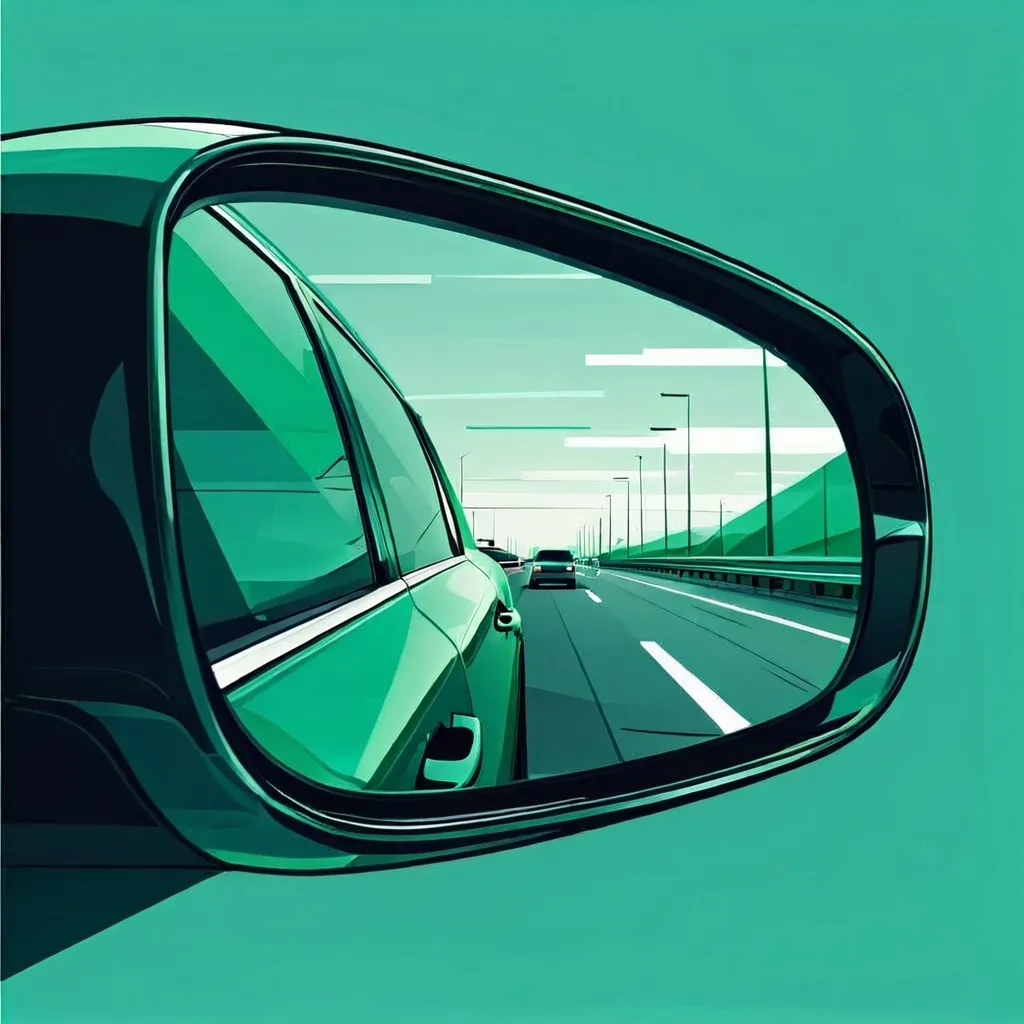
Before you even consider moving your vehicle sideways, your first action must be to check your mirrors. This initial step provides you with an overview of the traffic approaching from behind and alongside your vehicle in both the current and target lanes. You need to consult your interior rearview mirror to see traffic directly behind you, and critically, your wing mirrors (side mirrors) to assess vehicles in the adjacent lanes, especially in your blind spots.
This comprehensive mirror check is not a fleeting glance; it requires a deliberate assessment of your surroundings. You need to understand the speed and proximity of any vehicles in the lanes you intend to enter. Failing to adequately check your mirrors can lead to pulling into the path of an oncoming vehicle or merging into a space that is too small, leading to a dangerous situation or a failing grade in your practical driving test.
Once you have assessed your mirrors and determined that a lane change might be feasible, the next vital step is to signal your intention. In Türkiye, as in most countries, this is done using your vehicle's indicators (turn signals). You must activate the indicator for the direction you intend to move well in advance of the maneuver. This provides other road users with adequate notice of your planned action, allowing them to adjust their speed or position accordingly.
The timing of your signal is critical. Signaling too late means other drivers may not have enough time to react, while signaling too early could mislead other drivers into thinking you are turning off the road or exiting at the next junction. Generally, you should signal at least three seconds before changing lanes, giving ample warning in urban traffic where speeds can be variable and reactions might need to be quicker. This clear communication is a cornerstone of safe urban driving and a key aspect of hazard awareness in Turkish traffic.
Remember, your signal is a request, not a command. Even with your signal on, you must still ensure the lane is clear and safe to enter before proceeding.
Even with thorough mirror checks, certain areas around your vehicle remain hidden from direct view – these are your blind spots. For any lane change, it is absolutely mandatory to check your blind spots. This involves turning your head briefly to look over your shoulder in the direction you intend to move. This physical check is indispensable for detecting any vehicles, particularly motorcycles or bicycles, that might be positioned in the blind area of your wing mirror.
The blind spot check is often a point of failure in driving tests because it represents a significant potential hazard. A vehicle that you cannot see in your mirrors could be immediately beside you, making a lane change extremely dangerous. This step ensures that you have a complete 360-degree understanding of your immediate surroundings before committing to the lane change.
After completing your mirror checks, signaling, and blind spot assessment, the final crucial step is to find and wait for a safe gap in the traffic of your target lane. A safe gap is one that is large enough for your vehicle to merge into without forcing other drivers to brake suddenly or swerve. This requires judging the speed and distance of approaching vehicles in the target lane and ensuring you have ample space to maneuver smoothly and safely.
In busy Turkish city traffic, finding this gap can sometimes require patience. It is always better to wait for a slightly longer period than to rush the maneuver and create a hazard. The ability to accurately judge gaps is a key skill for safe driving and is heavily assessed in the practical driving examination, known as the direksiyon sınavı for the ehliyet. Don't underestimate the importance of this observational skill in preventing collisions.
Never assume other drivers will anticipate your move. Always wait until you are certain you have a safe and adequate gap before proceeding with the lane change. Forcing your way into traffic is a serious safety risk.
Turkish cities present a variety of driving scenarios, each with its own nuances for lane changes. Whether you're navigating the dense traffic of Istanbul, the wider avenues of Ankara, or the busy streets of İzmir, the core principles remain the same, but awareness of local driving conventions is vital.
For example, when changing lanes on a multi-lane road, the expectation is that you will move into a gap that allows for a smooth transition. Sometimes, especially in very heavy traffic, there might be a brief period where drivers in different lanes move at similar speeds. In such cases, you must wait for a clear and definite space. It’s also important to note that Turkish traffic law, governed by principles often found in MEB MTSK guidelines, prioritizes predictable and safe maneuvers above all else.
Major roads and boulevards in Turkish cities often feature multiple lanes in each direction. Here, lane changes are frequent, as drivers navigate to reach their desired exits, overtake slower vehicles, or position themselves for turns. The consistent application of the mirror-signal-check-gap sequence is paramount. Be aware that traffic can merge from side streets or turnings, so always scan beyond the immediate adjacent lane.
During peak hours, traffic can become very dense, leading to slow-moving or stationary queues. Changing lanes in such conditions requires extreme caution. You must still perform all the checks, but the gaps you are looking for will be much smaller, and the speeds of other vehicles will be very low. It's essential to remain vigilant for sudden movements from other vehicles or for pedestrians who might be crossing between stationary cars.
Learner drivers often make mistakes during lane changes that can lead to a lower score or even failure in the direksiyon sınavı. Understanding these common pitfalls can help you avoid them.
One frequent error is failing to check the blind spot or performing a perfunctory check without actually seeing what is there. Another common issue is signaling too late or not at all, leaving other drivers unaware of the driver's intentions. Rushing the maneuver by entering a gap that is too small or forcing your way into traffic is also a significant problem. The examiners for the ehliyet sınavı are specifically looking for a calm, systematic, and safe execution of this maneuver.
The ability to perceive and react to potential hazards is a critical component of the Turkish driving theory test and practical driving. Lane changes inherently involve managing potential hazards, such as other vehicles’ unpredictable actions, poor visibility, or road conditions. Your structured approach to lane changes directly demonstrates your hazard perception skills.
While specific signs for lane changes are rare, many signs indirectly influence how you should approach lane changes. For example, signs indicating lane reductions, upcoming diversions, or mandatory lane usage for certain types of vehicles all require you to plan your lane changes more carefully and earlier. Always be aware of signs that might affect the road ahead and adjust your driving accordingly.
Mastering lane changes is a fundamental skill that will be assessed during your practical driving examination for your Turkish ehliyet. The theoretical knowledge you gain from your driving school and resources like this app prepares you for the MTSK e-sınav, while practical application is key for the direksiyon sınavı. Focus on practicing the sequence: mirrors, signal, blind spot, gap.
Consistent practice, under the guidance of a qualified instructor, is the best way to build confidence and proficiency. Pay close attention to feedback and work on areas where you feel less certain. Understanding the "why" behind each step—safety, communication, and hazard avoidance—will solidify your learning.
To effectively navigate discussions about driving and prepare for your ehliyet sınavı, understanding key terms is essential. The following glossary covers some of the most relevant concepts for lane changes in Türkiye.
By internalizing these steps and terminology, you will be well-equipped to perform lane changes safely and confidently in Turkish urban traffic, and to successfully navigate the requirements of your ehliyet sınavı. Remember that safe driving is a continuous learning process, and mastering maneuvers like lane changes is a significant step towards becoming a responsible driver.
This article provides a systematic approach to safe lane changes in Turkish urban traffic, emphasizing a four-step process: mirror checks, signaling, blind spot verification, and gap assessment. The content is particularly relevant for learners preparing for the ehliyet sınavı, as it highlights common exam mistakes and practical application in congested Turkish cities like Istanbul, Ankara, and İzmir. Understanding Turkish-specific terminology, road signs like C10 and C11, and the mandatory procedural sequence prepares learners for both the MTSK e-sınav and direksiyon sınavı. Mastering these techniques ensures safe driving behavior and compliance with Turkish traffic regulations.
A short set of high-value points that capture the most important ideas from this article.
Always follow the mirror-signal-blind spot-check-gap sequence before changing lanes
Check both interior rearview and wing mirrors to assess traffic in your current and target lanes
Activate your turn signal at least 3 seconds before moving, but recognize it's a request not a command
Physically turn your head to check blind spots—mirrors alone cannot see all surrounding traffic
Wait for a safe gap that allows smooth merging without forcing other drivers to brake or swerve
The mandatory four-step lane change procedure: Ayna Kontrolü → Sinyal → Kör Nokta kontrolü → Güvenli mesafe bekleme
Signaling too early in Turkey can mislead drivers into thinking you're exiting at the next junction
Blind spot checks are mandatory and a common failure point in the direksiyon sınavı
Never force your way into traffic—Turkish traffic law prioritizes predictable and safe maneuvers
Road signs C10 (Lane Ends) and C11 (Lane Merging) require early planning and lane change preparation
Failing to check blind spots or performing a perfunctory head check without actually observing the area
Not signaling or signaling too late, leaving other drivers unaware of your intentions
Entering a gap that is too small or forcing the maneuver when other vehicles won't yield
Assuming other drivers will anticipate your lane change or yield to your signal
Rushing the maneuver by skipping or rushing through mirror checks before proceeding
Article content overview
A short set of high-value points that capture the most important ideas from this article.
Always follow the mirror-signal-blind spot-check-gap sequence before changing lanes
Check both interior rearview and wing mirrors to assess traffic in your current and target lanes
Activate your turn signal at least 3 seconds before moving, but recognize it's a request not a command
Physically turn your head to check blind spots—mirrors alone cannot see all surrounding traffic
Wait for a safe gap that allows smooth merging without forcing other drivers to brake or swerve
The mandatory four-step lane change procedure: Ayna Kontrolü → Sinyal → Kör Nokta kontrolü → Güvenli mesafe bekleme
Signaling too early in Turkey can mislead drivers into thinking you're exiting at the next junction
Blind spot checks are mandatory and a common failure point in the direksiyon sınavı
Never force your way into traffic—Turkish traffic law prioritizes predictable and safe maneuvers
Road signs C10 (Lane Ends) and C11 (Lane Merging) require early planning and lane change preparation
Failing to check blind spots or performing a perfunctory head check without actually observing the area
Not signaling or signaling too late, leaving other drivers unaware of your intentions
Entering a gap that is too small or forcing the maneuver when other vehicles won't yield
Assuming other drivers will anticipate your lane change or yield to your signal
Rushing the maneuver by skipping or rushing through mirror checks before proceeding
Explore related topics, search based questions, and concepts that learners often look up when studying Lane Changes in Turkish Traffic. These themes reflect real search intent and help you understand how this topic connects to wider driving theory knowledge in Turkey.
Find clear and practical answers to common questions learners often have about Lane Changes in Turkish Traffic. This section helps explain difficult points, remove confusion, and reinforce the key driving theory concepts that matter for learners in Turkey.
The first step is always to check your mirrors, specifically your rearview and side mirrors, to assess the traffic situation behind and beside you.
Checking the blind spot is crucial because mirrors cannot show vehicles that are very close to your car on the sides. It prevents collisions with cyclists, motorcyclists, or other vehicles that might be hidden there.
It's safe to move when you have identified a sufficient gap in the traffic in the lane you intend to enter, ensuring you won't impede other vehicles or create a hazard.
Yes, you must always use your turn signal to indicate your intention to change lanes well in advance, giving other road users notice of your planned maneuver.
Yes, the MTSK ehliyet sınavı and the practical driving test assess your understanding and application of safe lane changing procedures in various traffic conditions, including busy urban environments.
After finding the specific Turkish driving theory articles you need, dive deeper into related topics or challenge your knowledge with practice questions. Enhance your understanding of trafik işaretleri, road rules, and vehicle safety to ensure you are fully prepared for the official ehliyet sınavı.