This unit covers the essential technical knowledge required to maintain a vehicle's safety in accordance with Turkish traffic legislation. You will learn how to perform mandatory inspections, manage tyre health, utilize lighting systems, and ensure passenger safety to prepare for your Category B theory exam.
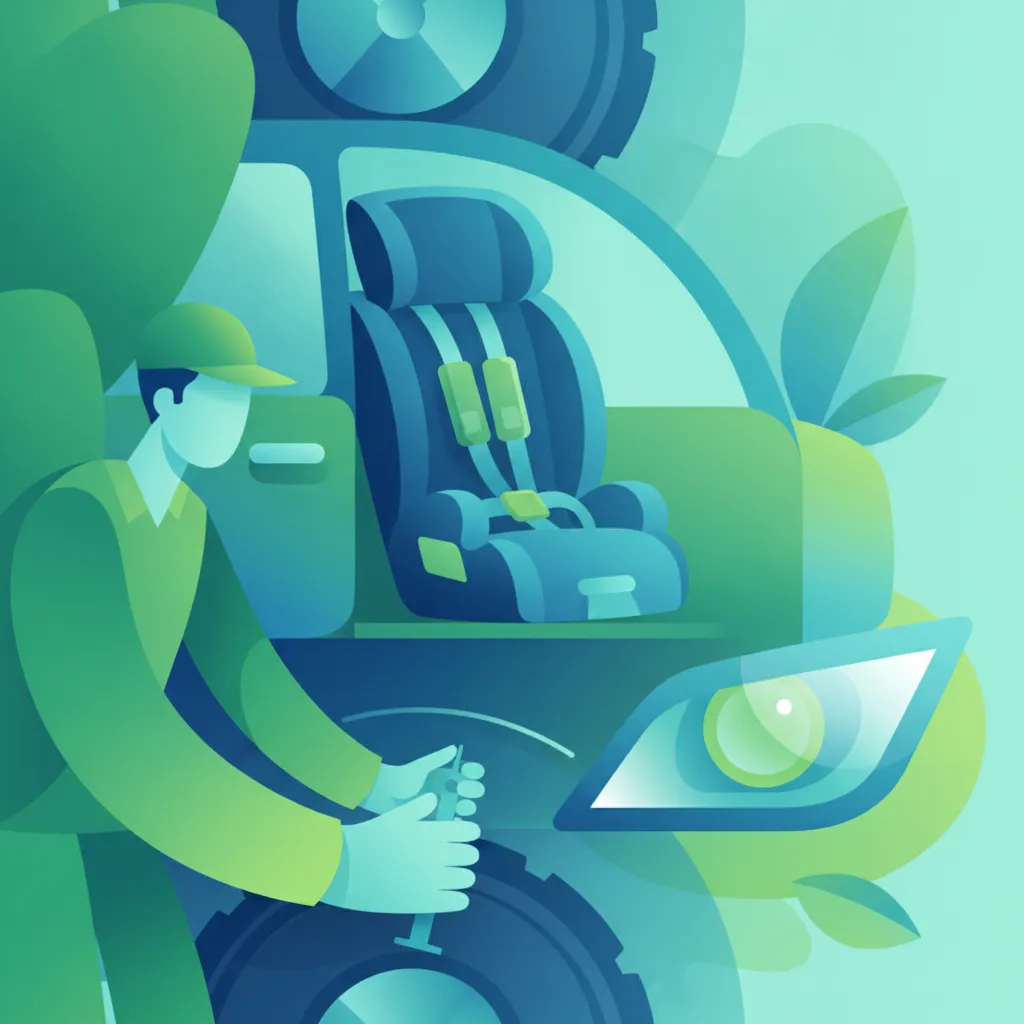
Browse all lessons that make up Vehicle Safety, Lights, Tyres, Loads and Passenger Safety. Each lesson focuses on specific topics, learning objectives, and core concepts, helping you build essential knowledge and follow a clear, structured progression toward your study goals in Turkey.
This lesson focuses on routine vehicle inspections, fluid level checks, and basic preventive maintenance tasks every driver should perform. It details the indicators on the dashboard instrument panel and how to react to critical engine warning lights. Motorists will learn to recognize mechanical faults before they lead to dangerous road breakdowns.
This lesson covers the proper usage, maintenance, and alignment of the vehicle's lighting systems, including high beams, low beams, and fog lights. It explains the legal requirements for activating lights during daytime, twilight, tunnel crossings, and heavy rain. Drivers will learn how to avoid blinding oncoming motorists while maintaining visibility.
This lesson details tire safety, covering tread depth limits, correct air pressure, and the critical importance of seasonal tire swaps. It explains how improper inflation causes tire blowouts, increased fuel consumption, and severe aquaplaning risks on wet roads. Drivers will learn how to inspect tires and change a flat tire safely in an emergency.
This lesson explains the legal guidelines and safety physics for carrying passengers and securing cargo inside or on top of a vehicle. It details how excess weight or poorly distributed cargo negatively affects vehicle handling, braking, and fuel efficiency. Drivers will learn the legal payload limits specified under Turkish Category B regulations.
This lesson focuses on active passenger safety systems, detailing the proper installation and use of seat belts and child car seats. It explains the physics of collision impacts and how functional safety restraints dramatically reduce serious injury or death. Drivers will learn their legal responsibility to ensure all passengers are securely buckled.
Explore high-intent keywords and long-tail search topics learners use when researching Vehicle Safety, Lights, Tyres, Loads and Passenger Safety. These terms reflect how people search for reliable study materials, structured explanations, and unit-level theory preparation support in Turkey.
Find clear answers to the most common questions learners ask about Vehicle Safety, Lights, Tyres, Loads and Passenger Safety. Understand how the unit is organized, what learning goals it supports, and how it contributes to your study progression with structured explanations and practical guidance tailored for learners in Turkey.
Understanding vehicle safety systems is essential because mechanical failures, such as faulty lights or worn tyres, are common causes of accidents. The exam ensures that every driver can perform basic checks to maintain safety and comply with Turkish traffic laws.
Under Turkish legislation, children under a certain height and age must be secured using appropriate child restraint systems in the rear seats. It is illegal to allow children to sit in the front seat if they do not meet the legal criteria.
You should check your tyre pressure regularly, at least once a month and before any long journey. Maintaining the correct pressure as recommended by your vehicle manufacturer is crucial for safety, fuel efficiency, and preventing blowouts.
Yes, operating a vehicle with defective lights, unsafe tyres, or insecure loads in Turkey can result in traffic fines, penalty points, and, in severe cases, having your vehicle removed from traffic until the faults are corrected.
All included lessons
Lessons in Vehicle Safety, Lights, Tyres, Loads and Passenger Safety
See who benefits most from studying Vehicle Safety, Lights, Tyres, Loads and Passenger Safety. This overview explains how the unit supports different learning needs, what level of knowledge is helpful before starting, and how it fits into the overall study path in Turkey.
This unit is ideal for Category B license candidates preparing for the MTSK e-sınav who need to master the vehicle technique section. It also benefits new drivers looking to understand their daily maintenance responsibilities for safe operation on Turkish roads.

Ready to systematically prepare for your ehliyet sınavı? Explore our comprehensive curriculum to find the perfect study path. Dive into expertly organized modules covering all official topics. Build a solid understanding of Turkish road rules, signs, and safety protocols for exam success and confident driving.
Explore Driving Theory CurriculumExplore all units and lessons included in this driving theory course.
Ready to systematically prepare for your ehliyet sınavı? Explore our comprehensive curriculum to find the perfect study path. Dive into expertly organized modules covering all official topics. Build a solid understanding of Turkish road rules, signs, and safety protocols for exam success and confident driving.
Explore Driving Theory Curriculum