
This lesson introduces the vital maintenance routines and technical checks required for every Category B driver. You will learn to monitor fluid levels, understand dashboard warning lights, and identify potential mechanical faults before they compromise your safety.
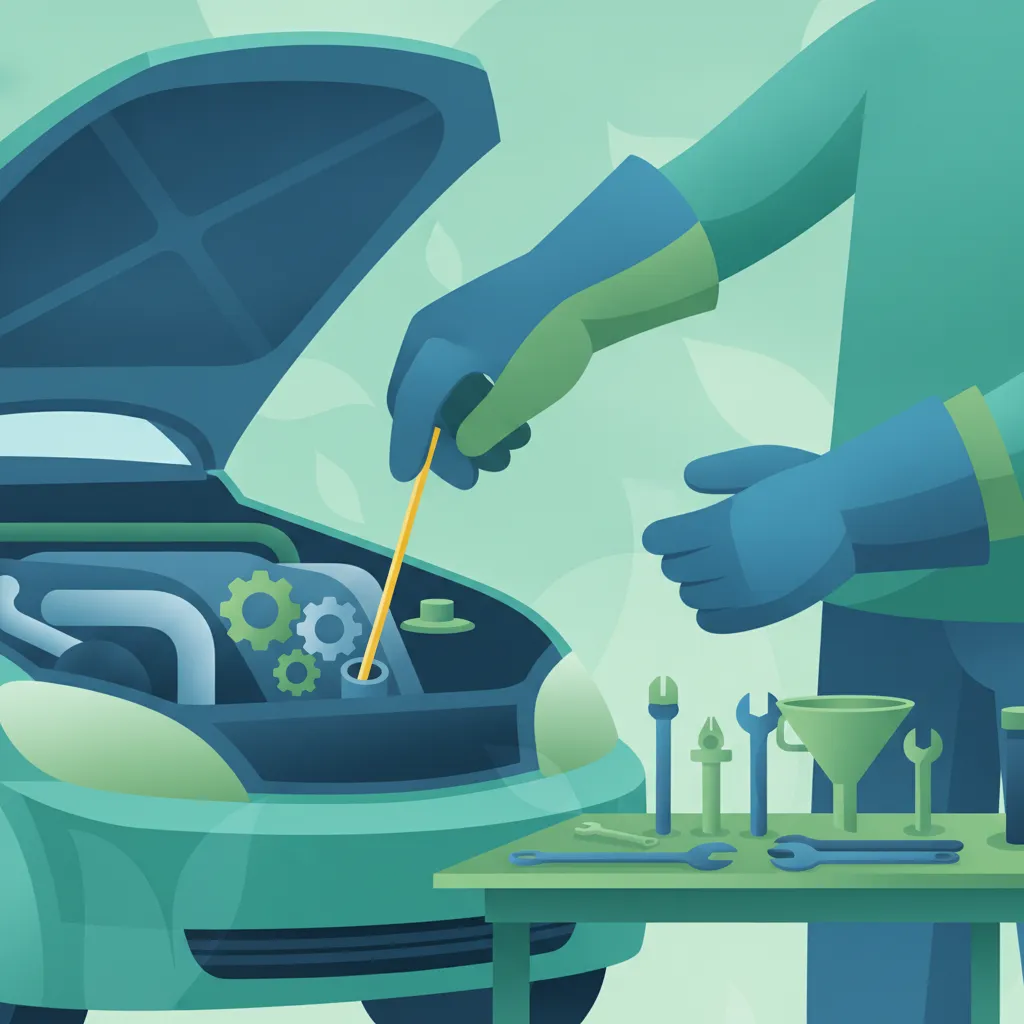
Lesson content overview
To obtain a Category B passenger vehicle driving license in Turkey, candidates must demonstrate a thorough understanding of vehicle mechanics, preventive maintenance, and dashboard diagnostics. The Turkish Ministry of National Education (MEB) theory exam (MTSK e-sınav) regularly features questions testing a driver’s ability to perform pre-trip inspections, recognize critical safety hazards, and respond correctly to instrument panel warnings.
Regular vehicle inspection and maintenance (araç bakımı) are not merely suggestions; they are core driver responsibilities under Turkish traffic law. Operating a vehicle that is mechanically unsafe compromises road safety, degrades fuel efficiency, increases harmful emissions, and can lead to severe civil or criminal liability in the event of an accident.
Modern passenger vehicles are complex combinations of mechanical, hydraulic, and electronic systems. These systems wear down over time due to friction, heat, chemical aging, and environmental factors. Preventive maintenance is the practice of scheduled inspections and actions designed to identify and resolve minor mechanical issues before they escalate into dangerous failures.
The system of scheduled diagnostics, fluid replenishments, and component replacements performed to prevent vehicle breakdown, ensure passenger safety, and keep the vehicle within legal environmental and safety standards.
A driver who neglects routine maintenance risks unexpected breakdowns on active roadways, such as high-speed motorways (otoyollar). Sudden mechanical failures—like brake loss, tire blowouts, or engine seizures—can lead to catastrophic multi-vehicle collisions. Additionally, a poorly maintained vehicle experiences increased friction and inefficient combustion, driving up fuel consumption and releasing higher levels of toxic emissions into the atmosphere.
Before starting any journey, a responsible driver must perform a rapid visual and physical inspection of the vehicle. This routine helps catch obvious safety risks before the vehicle is set in motion.
Check around the vehicle: Walk completely around the car to look for any visible hazards, such as children, pets, or debris hidden in your blind spots.
Inspect under the vehicle: Look for active fluid leaks. Puddles of dark oil, bright green or pink coolant, or clear oily brake fluid on the pavement indicate a system leak that must be addressed immediately.
Check the tires: Perform a visual check of all four tires. Look for obvious deflation, sidewall bulging, or deep cracks. Ensure that the spare tire is also present and functional.
Inspect all glass and mirrors: Ensure that the windshield, rear window, side windows, and mirrors are clean, undamaged, and free of dirt, ice, or condensation that could impair your visibility.
Test exterior lighting: Turn on your headlights, taillights, turn signals, and hazard lights to ensure all bulbs are working properly. Replace any burnt-out bulbs immediately to remain visible to other road users.
Fluids are the lifeblood of your vehicle's mechanical systems. Operating a vehicle with insufficient or contaminated fluid levels can cause rapid, catastrophic damage to critical components. All fluid level checks must be performed while the vehicle is parked on a flat, level surface to ensure accurate readings.
Engine oil lubricates the moving parts inside the internal combustion engine, reducing friction, dissipating heat, and capturing microscopic debris. Running an engine with low oil pressure or insufficient volume will cause metal-on-metal contact, leading to permanent engine seizure within minutes.
Engine coolant (a mixture of water and chemical antifreeze) regulates the engine's operating temperature by absorbing combustion heat and dissipating it through the radiator.
NEVER open the radiator cap or expansion tank cap while the engine is hot! The cooling system operates under high pressure. Opening the cap when hot can cause boiling coolant and steam to spray out violently, resulting in severe facial and hand burns.
Brake fluid is a non-compressible hydraulic fluid that transmits the physical force from your foot on the brake pedal directly to the brake calipers or drums at the wheels.
Windshield washer fluid is mixed with cleaning agents to keep your front and rear glass clear of dirt, dust, bugs, and road spray.
The dashboard instrument panel uses color-coded warning lights to communicate the vehicle’s operating status. Understanding these symbols and reacting correctly can mean the difference between a simple roadside fix and a completely ruined engine.
| Indicator Icon | Name | Meaning & Severity | Mandatory Driver Action |
|---|---|---|---|
| Oil Pressure Warning Light (Oil Can Symbol) | Low Engine Oil Pressure | The oil pump is not circulating enough oil to lubricate the engine. Continuing to run the engine will cause catastrophic mechanical failure. | Stop immediately in a safe location. Switch off the engine. Check the dipstick. If oil is low, add the correct grade. If the light remains on, do not restart; tow the vehicle. |
| Engine Temperature Warning Light (Thermometer in Liquid) | Engine Overheating | The coolant temperature has exceeded safe limits. The engine block is at risk of warping or cracking. | Pull over safely. Turn off the engine. Let the engine cool completely before checking the coolant expansion tank. Look for coolant leaks. |
| Battery Charge Warning Light (Battery with + and -) | Alternator / Charging System Failure | The alternator is not charging the electrical system. The car is running solely on battery power and will shut down once the battery is depleted. | Turn off all non-essential electronics (radio, A/C, heated seats) and drive immediately to the nearest auto repair shop. Do not turn off the engine until you are in a safe repair location. |
| Brake System Warning Light (Circle with Exclamation Point) | Brake System Fault or Handbrake Engaged | The handbrake is still pulled up, or the brake fluid level is dangerously low, indicating a hydraulic leak or severe brake pad wear. | Ensure the handbrake is fully released. If released and the light stays on, stop driving immediately. Test pedal pressure and arrange for a tow. |
Tires are your vehicle's only physical contact with the road. Proper tire care directly dictates your braking distance, cornering traction, hydroplaning resistance, and fuel efficiency.
Tire pressure must be checked at least once a month and always before going on long road trips.
The tread pattern on your tires channels water away from the contact patch, preventing the vehicle from sliding on wet pavement—a dangerous phenomenon known as hydroplaning (suda kızaklama).
A highly responsive braking system is critical for defensive driving and emergency stops.
The car battery provides the heavy electrical current required to spin the engine starter motor and powers the vehicle's electronics when the engine is off.
Your pre-drive inspection must also extend to the vehicle cabin and cargo storage areas to ensure that all occupants and cargo are fully secured.
Every vehicle has a strict legal weight limit known as the Gross Vehicle Weight Rating (GVWR) or Azami Yüklü Ağırlık. Exceeding this limit places dangerous stress on the tires, suspension, and brakes.
Seat belts are your primary active protection system during an impact.
Every car manufacturer outlines a specific periodic maintenance schedule within the vehicle’s owner’s manual. This schedule is typically structured around driving distances (e.g., every 10,000 km, 15,000 km, or 20,000 km) or elapsed time (e.g., once every year), whichever comes first.
Regular maintenance visits typically include:
If you regularly drive in severe conditions—such as heavy stop-and-go city traffic, hot dusty environments, or short commutes where the engine never fully warms up—you should service your vehicle more frequently than the standard recommended intervals.
To pass your driving theory exam and stay legally compliant on Turkish roads, keep these essential rules in mind:
This lesson covers essential vehicle inspection and maintenance knowledge required for the Turkish Category B driving theory exam. Learners must understand how to perform pre-trip walkaround checks, monitor critical fluid levels (engine oil, coolant, brake fluid, washer fluid), and interpret the dashboard's color-coded warning system with specific mandatory responses. Key Turkish regulations include the 1.6mm minimum tire tread depth, two-year TÜVTÜRK inspection requirement, and seasonal winter tire obligations. The content also addresses tire pressure management, brake system wear indicators, battery terminal corrosion, load securing principles, and mandatory safety equipment including first-aid kits, fire extinguishers, and warning triangles.
A short set of high-value points that capture the most important learning from this lesson.
Perform a complete pre-trip walkaround including fluid leak checks, tire inspection, lighting tests, and glass/mirror cleanliness verification.
Engine oil must be checked when the engine is cold, with the dipstick reading between MIN and MAX marks on a flat surface.
Red dashboard warning lights (oil pressure, overheating, battery, brake system) require immediate safe stopping and engine shutdown.
Turkey's legal minimum tire tread depth is 1.6mm, and winter tires are mandatory for commercial vehicles from December 1 to April 1.
TÜVTÜRK periodic inspection is mandatory every two years for Category B vehicles; expired inspection certificates result in fines and vehicle impoundment.
Explore all units and lessons included in this driving theory course.
Never open the radiator or expansion tank cap while the engine is hot due to high-pressure steam and boiling coolant risk.
Brake fluid is hygroscopic and absorbs moisture over time, which lowers its boiling point and can cause brake failure during prolonged braking.
Measure tire pressure when tires are cold (driven less than 3 km) to avoid falsely elevated readings from heated air expansion.
Yellow or orange dashboard indicators signal non-critical faults requiring service soon, while a flashing Check Engine light indicates active engine misfire requiring immediate speed reduction.
Warning triangles must be placed 30 meters away on urban roads and 150 meters away on high-speed intercity highways.
Assuming all dashboard lights mean the same thing; failing to distinguish red critical warnings from yellow informational alerts.
Checking tire pressure or oil level immediately after driving, when readings are inaccurate due to heated components.
Ignoring local winter tire mandates in provinces where Valilik enforcement applies to private Category B vehicles.
Overlooking brake pad wear indicators like squealing or grinding sounds, which signal deteriorating friction material or metal-on-rotor contact.
Assuming coolant only matters in winter; antifreeze also raises the boiling point and contains rust inhibitors essential year-round.
Lesson content overview
A short set of high-value points that capture the most important learning from this lesson.
Perform a complete pre-trip walkaround including fluid leak checks, tire inspection, lighting tests, and glass/mirror cleanliness verification.
Engine oil must be checked when the engine is cold, with the dipstick reading between MIN and MAX marks on a flat surface.
Red dashboard warning lights (oil pressure, overheating, battery, brake system) require immediate safe stopping and engine shutdown.
Turkey's legal minimum tire tread depth is 1.6mm, and winter tires are mandatory for commercial vehicles from December 1 to April 1.
TÜVTÜRK periodic inspection is mandatory every two years for Category B vehicles; expired inspection certificates result in fines and vehicle impoundment.
Explore all units and lessons included in this driving theory course.
Never open the radiator or expansion tank cap while the engine is hot due to high-pressure steam and boiling coolant risk.
Brake fluid is hygroscopic and absorbs moisture over time, which lowers its boiling point and can cause brake failure during prolonged braking.
Measure tire pressure when tires are cold (driven less than 3 km) to avoid falsely elevated readings from heated air expansion.
Yellow or orange dashboard indicators signal non-critical faults requiring service soon, while a flashing Check Engine light indicates active engine misfire requiring immediate speed reduction.
Warning triangles must be placed 30 meters away on urban roads and 150 meters away on high-speed intercity highways.
Assuming all dashboard lights mean the same thing; failing to distinguish red critical warnings from yellow informational alerts.
Checking tire pressure or oil level immediately after driving, when readings are inaccurate due to heated components.
Ignoring local winter tire mandates in provinces where Valilik enforcement applies to private Category B vehicles.
Overlooking brake pad wear indicators like squealing or grinding sounds, which signal deteriorating friction material or metal-on-rotor contact.
Assuming coolant only matters in winter; antifreeze also raises the boiling point and contains rust inhibitors essential year-round.
Explore search topics learners often look for when studying Vehicle Inspection and Maintenance. These topics reflect common questions about road rules, driving situations, safety guidance, and lesson level theory preparation for learners in Turkey.
Browse additional driving theory lessons that cover connected traffic rules, road signs, and common driving situations related to this topic. Improve your understanding of how different rules interact across everyday traffic scenarios.
Learn about the critical role of seat belts, child restraint systems, and vehicle inspection requirements in ensuring passenger safety. This theory lesson explains the technical standards and mandatory legal equipment every Category B driver in Turkey must maintain to comply with traffic legislation and enhance overall road safety.
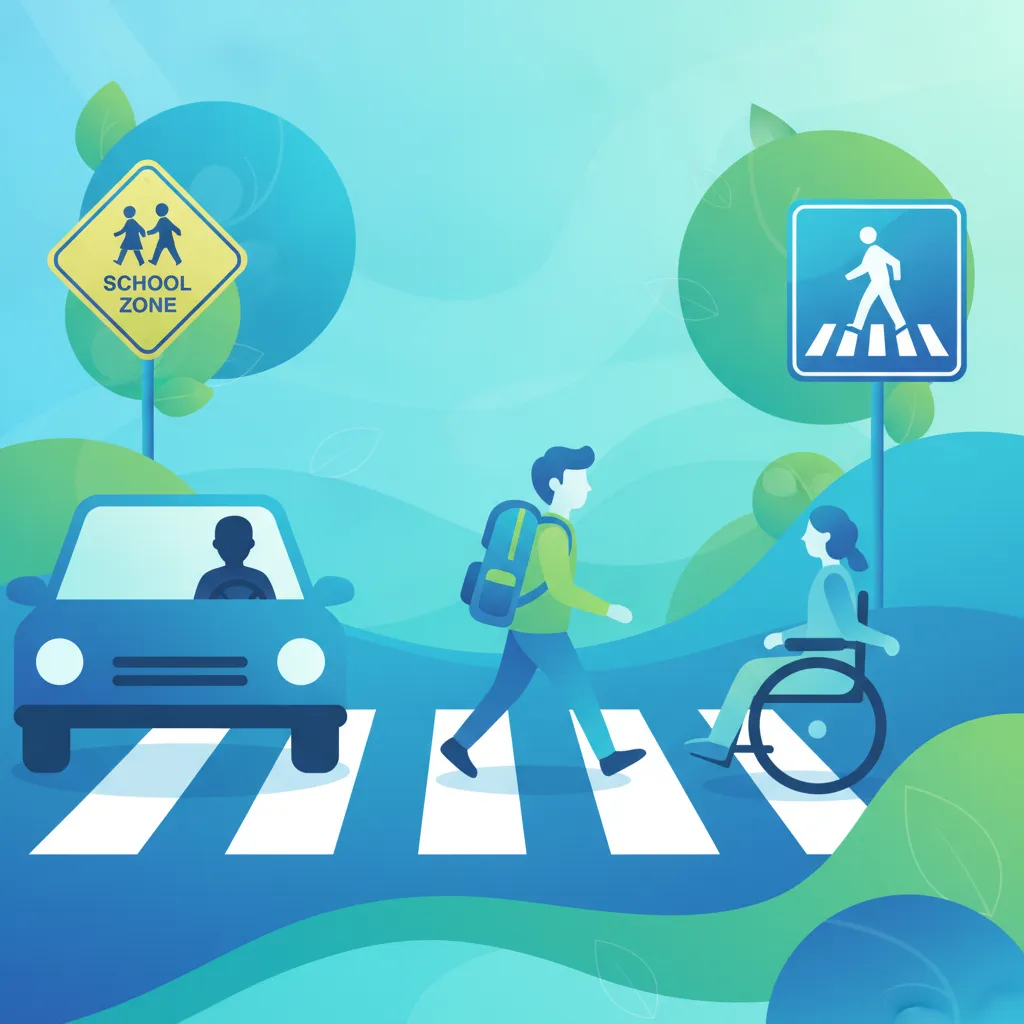
Learners will identify the different categories of vulnerable road users and understand the heightened risks they face. The lesson emphasizes the importance of recognizing these users, anticipating their actions, and taking proactive measures to ensure their safety while operating passenger vehicles. Strategies for mitigating danger and fostering a protective driving environment are explored.
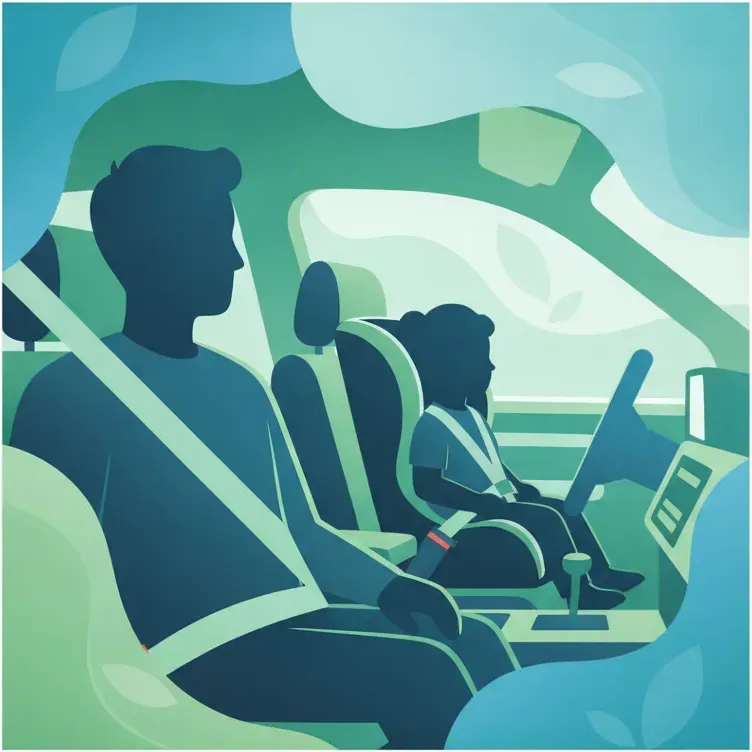
This lesson focuses on active passenger safety systems, detailing the proper installation and use of seat belts and child car seats. It explains the physics of collision impacts and how functional safety restraints dramatically reduce serious injury or death. Drivers will learn their legal responsibility to ensure all passengers are securely buckled.

This lesson focuses on protecting vulnerable road users, such as pedestrians, cyclists, and motorcyclists, in mixed traffic environments. Learners will examine specific strategies for increased vigilance, anticipatory driving, and properly yielding to these users. The lesson also covers high-risk zones, such as school areas and public transport stops, emphasizing the need for heightened safety.

Learners will explore the core safety priorities for passenger transport, including the correct use of seat belts, securing luggage, and maintaining passenger stability during vehicle motion. The lesson highlights the importance of clear safety briefings, the location and operation of emergency exits, and conducting risk assessments before departure. By mastering these practices, drivers can significantly reduce the likelihood of accidents and injuries.

This lesson presents effective braking strategies designed to safeguard passengers and prevent wheel lock-up or skidding. Learners will become familiar with progressive braking, the use of ABS, and techniques for maintaining vehicle stability during sudden stops. Proper braking ensures passenger comfort and reduces accident risk, especially in adverse road conditions.

This lesson explains the legal guidelines and safety physics for carrying passengers and securing cargo inside or on top of a vehicle. It details how excess weight or poorly distributed cargo negatively affects vehicle handling, braking, and fuel efficiency. Drivers will learn the legal payload limits specified under Turkish Category B regulations.
Learners will explore best practices for ensuring passenger safety during the boarding and alighting process, focusing on proper vehicle positioning, door operation, and passenger assistance. The lesson covers the use of handrails, steps, and ramps, as well as strategies for managing standing passengers and luggage. Emphasis is placed on clear communication and maintaining situational awareness to prevent accidents.

Learners will explore the proper adjustment and utilization of mirrors, rear-view cameras, and blind spot sensors to maximize visibility while operating a passenger vehicle. The lesson covers the optimal positioning of mirrors for comprehensive coverage, interpreting camera and sensor alerts, and integrating these tools into safe driving practices. Proper use of these technologies reduces blind spots and enhances overall situational awareness.

Learners will examine common vehicle emergencies that may occur while transporting passengers, such as fires, tire blowouts, or brake failures. The lesson emphasizes quick recognition of warning signs and outlines step-by-step emergency protocols to ensure the safety of passengers and other road users. Strategies for effective incident response and communication are also covered.
This lesson focuses on the specific considerations required when transporting children, elderly individuals, and passengers with reduced mobility. Topics include the proper installation of child safety seats, techniques for assisting elderly passengers, and procedures for safely boarding and securing wheelchair users. Drivers will learn how to use accessibility features and special equipment to ensure a safe and dignified travel experience for these vulnerable groups.
Explore the official guidelines for managing vehicle breakdowns on Turkish roads. Understand the correct usage of warning triangles, hazard lights, and necessary safety precautions on high-speed motorways versus urban streets. This guide clarifies how to safely handle mechanical emergencies and protect yourself and other road users.
Learners will examine common vehicle emergencies that may occur while transporting passengers, such as fires, tire blowouts, or brake failures. The lesson emphasizes quick recognition of warning signs and outlines step-by-step emergency protocols to ensure the safety of passengers and other road users. Strategies for effective incident response and communication are also covered.
This lesson explains the critical steps to take during a road accident, focusing on scene safety, emergency calling, and basic first aid. It details how to secure the crash scene using reflectors to prevent secondary collisions and how to assess injured victims safely. Drivers will learn essential life-saving techniques required by Turkish law.
This lesson provides guidance on appropriate actions to take in the event of an accident or emergency while operating a goods vehicle. Learners will understand how to secure the scene, call Turkish emergency services (112), provide basic first aid, and complete necessary documentation. Emphasis is placed on ensuring personal safety, preventing further incidents, and facilitating rescue teams.
Knowing how to act immediately following a traffic accident or mechanical breakdown is crucial for saving lives and preventing secondary collisions. This lesson provides clear instructions on securing the scene using warning markers, assessing injuries, and immediately dialing the national 112 emergency number. You will learn what critical information to report, how to administer basic life-saving first aid within your capacity, and how to position a disabled moped safely out of active traffic lanes.
This lesson focuses on effectively managing road closures and detours that affect goods vehicle routes. Learners will explore strategies for obtaining real-time information, updating navigation systems, and planning alternate routes to maintain efficiency and compliance. Emphasis is placed on safety considerations, communication with dispatch centers, and adhering to traffic management.
Find clear answers to common questions learners have about Vehicle Inspection and Maintenance. Learn how the lesson is structured, which driving theory objectives it supports, and how it fits into the overall learning path of units and curriculum progression in Turkey. These explanations help you understand key concepts, lesson flow, and exam focused study goals.
Red warning lights indicate a serious fault that requires immediate attention. You should safely pull over and stop the vehicle as soon as it is legal to do so, turn off the engine, and consult your manual or professional assistance.
You should check your tyre pressure at least once a month and always before a long journey. Proper pressure is vital for safety, fuel efficiency, and preventing premature tyre wear.
The theory exam focuses on the driver's ability to identify indicators and understand basic maintenance tasks. You need to recognize what items to check, such as oil, coolant, and tyre condition, rather than performing complex repairs.
You must be familiar with checking engine oil, coolant, brake fluid, and windscreen washer fluid levels. Keeping these topped up is essential for the safe operation of your vehicle.
Use our comprehensive practice search to find exactly the Turkish driving theory questions you need to master. Whether reviewing specific road signs, traffic rules, or first aid scenarios, select your perfect practice set and boost your confidence for the official ehliyet sınavı.