
This section covers additional signs and plates that accompany primary road signs, providing vital context and refining their meaning. Understanding these supplementary plates is crucial for correctly interpreting traffic regulations, ensuring safe driving, and successfully passing your theory exam. They explain details like distance, duration, specific vehicles, or directions, so you always know exactly what the main sign applies to.
An explanation of how Turkey Additional Signs and Plates road signs apply in real traffic situations in Turkey. Learn where these signs are typically placed, what drivers are expected to do when they appear, and how correct reactions help you stay safe, avoid fines, and succeed in your Turkish driving theory exam.
You will encounter these supplementary signs and plates most frequently in conjunction with primary traffic signs, such as speed limits, parking restrictions, or priority signs. For instance, a 'No Parking' sign might be accompanied by a plate indicating it applies only for a certain length or on a specific side of the road. Similarly, a warning sign might have a plate showing the distance to the hazard ahead, allowing you to prepare in advance. Plates indicating the direction of the main road are essential at junctions and roundabouts, helping you navigate complex intersections correctly. Disabled parking plates clearly define designated areas. Always remember to read the supplementary plate together with the main sign it is attached to, as it significantly modifies the instruction or warning.
An overview of the key learning outcomes when studying the Turkey Additional Signs and Plates road sign category. Understand the main concepts, sign meanings, and traffic situations covered here so you can recognise patterns, answer theory questions more confidently, and build a solid foundation for safe driving in Turkey.
These additional signs and plates in Turkish traffic law provide crucial context, refining the meaning of main signs for distance, duration, or specific conditions. Studying them together with their primary signs is key for accurate interpretation during your driving theory exam revision and daily driving. Understanding their role in defining parking, priority, and warnings is essential for safe driving knowledge.
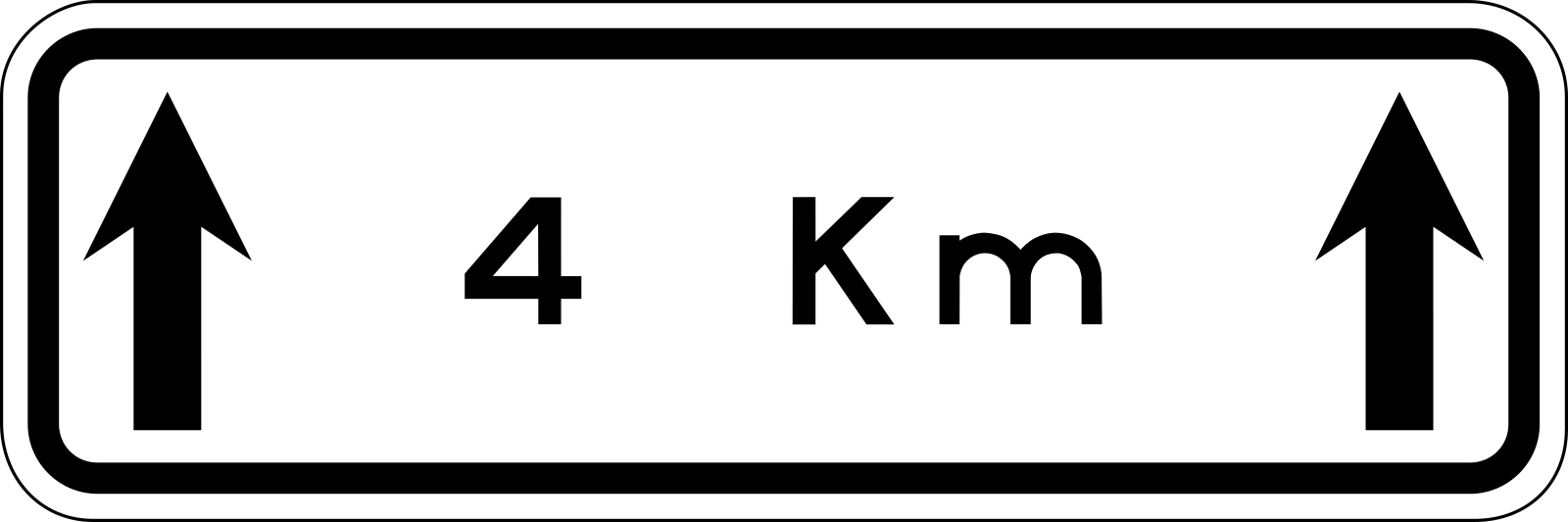
The PL-1 Length supplementary plate modifies main traffic signs to provide crucial context.
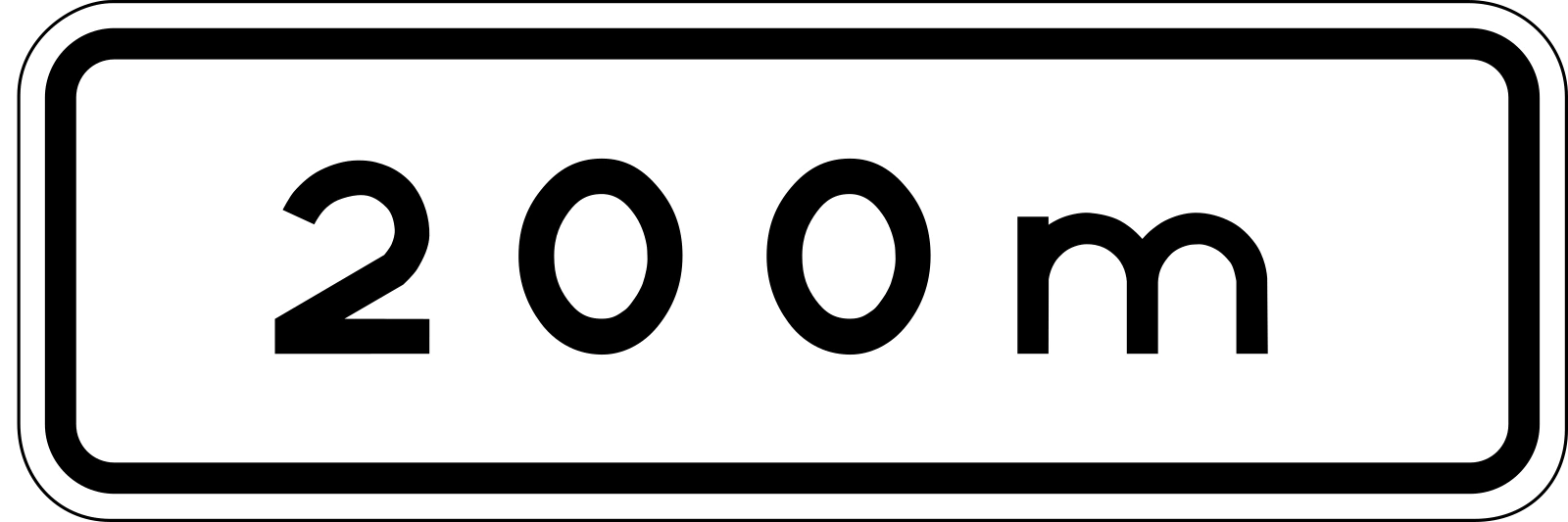
PL-2 Distance Plate: Modifying the Main Sign's Message
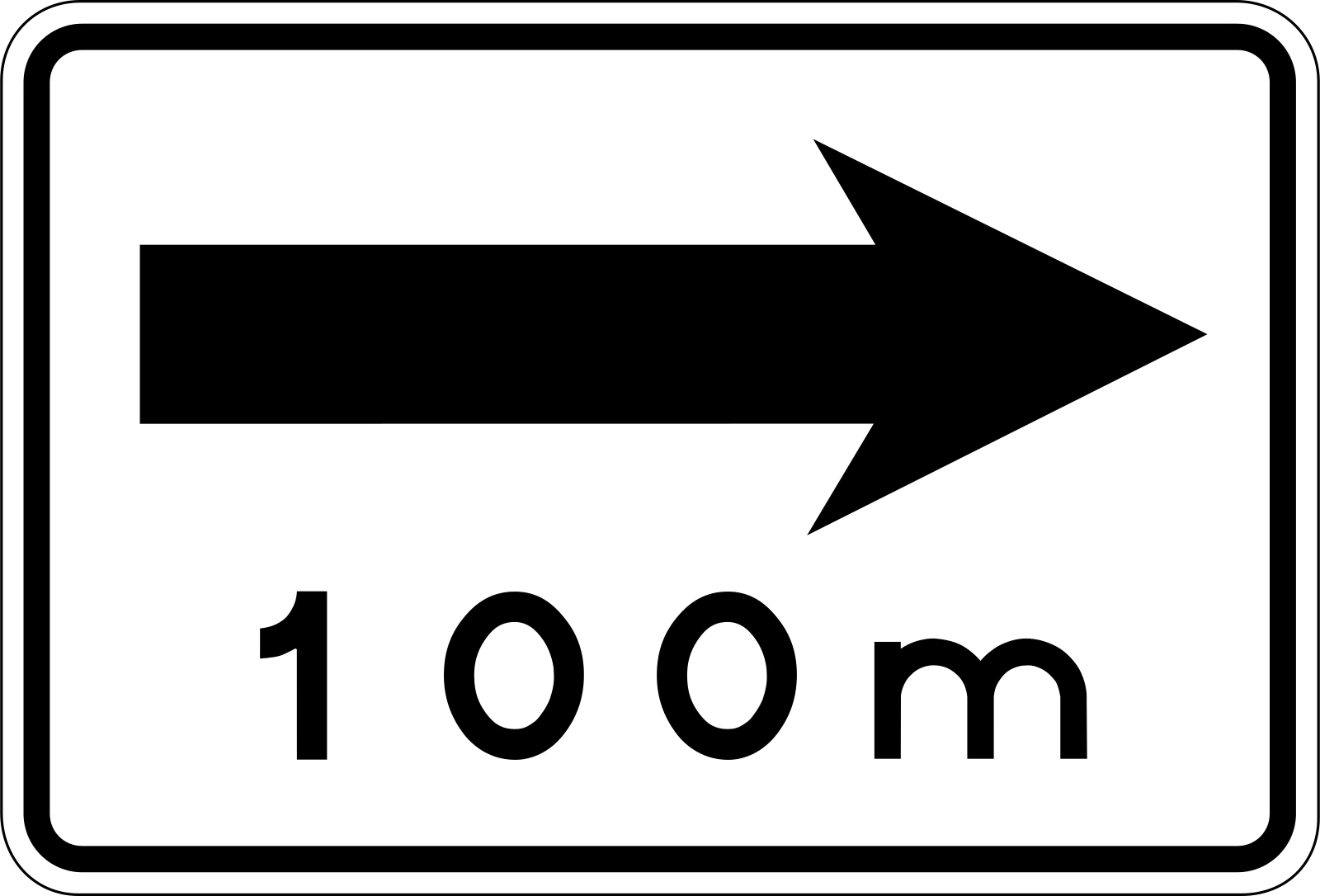
PL-3: Understand How Supplementary Plates Extend Parking and Stopping Signs
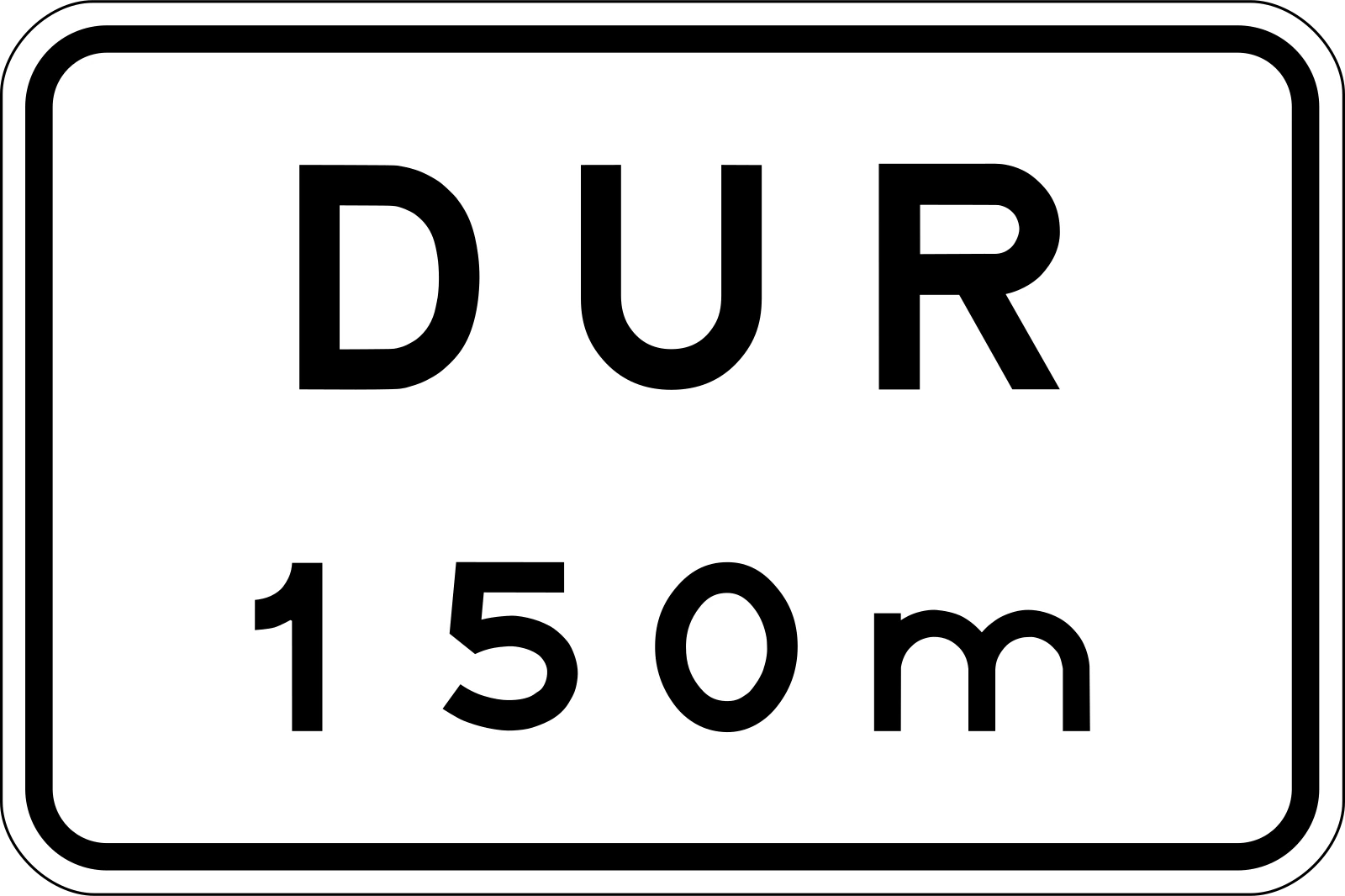
PL-5 Stop Ahead: Modifying Main Signs with Additional Details
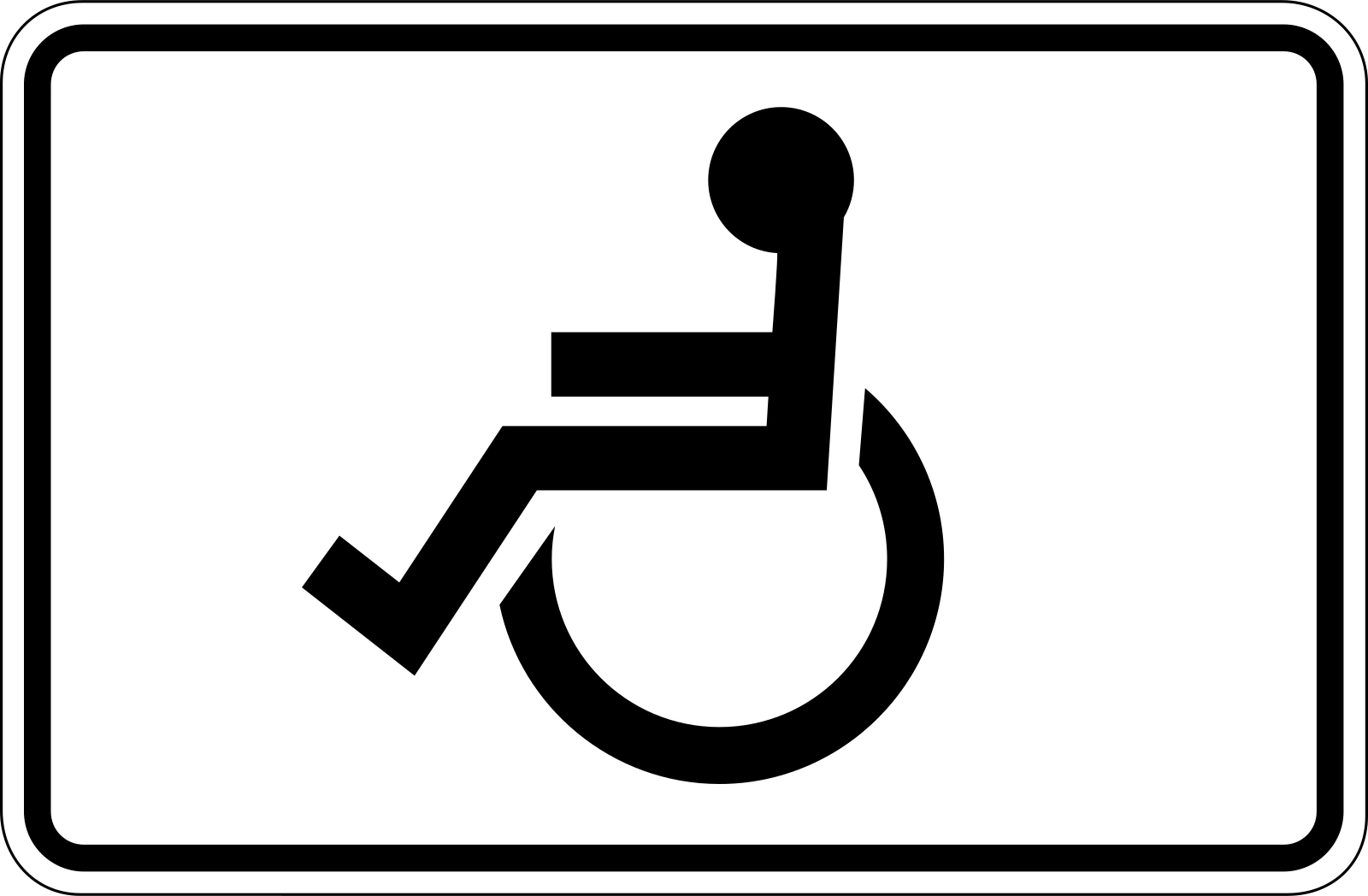
The PL-6 Disabled Parking Plate: Modifying Main Signs for Parking

Understand the PL-7 'Ice or Snow' Supplementary Plate for Turkish Road Signs
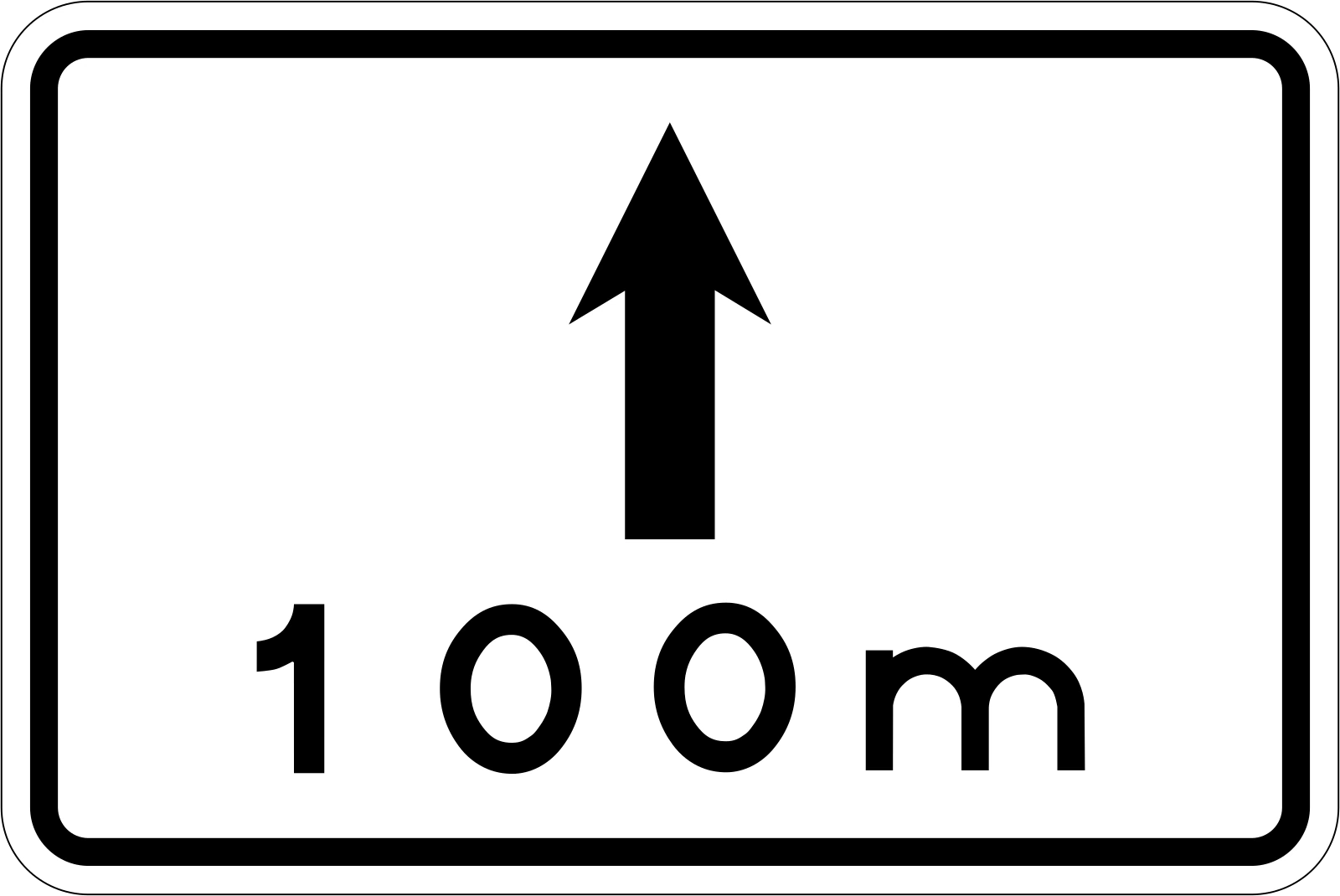
This supplementary sign marks the beginning of no-parking or no-stopping zones.
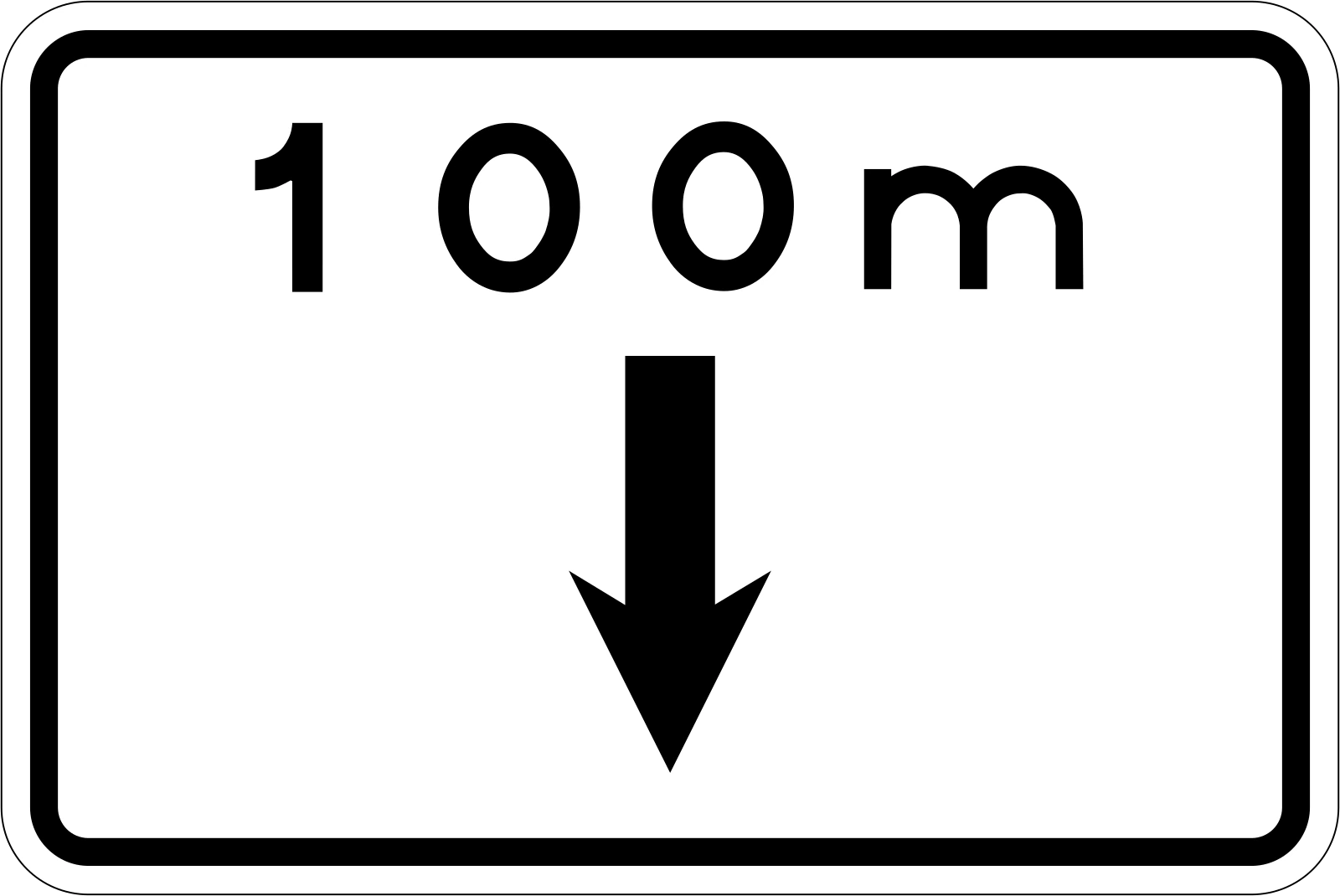
The PL-8 supplementary plate signifies the end of no-parking or no-stopping restrictions.
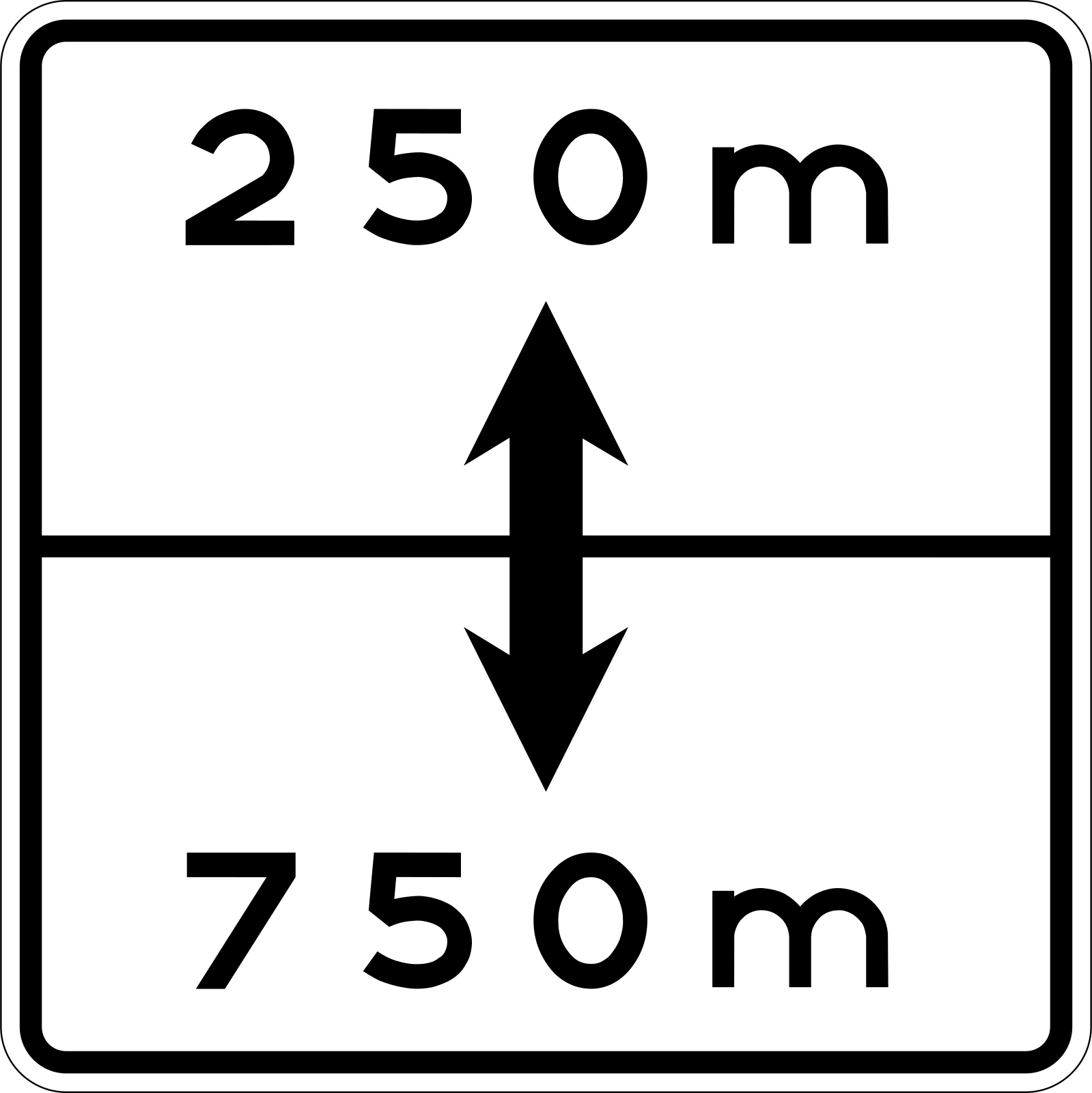
PL-8 Continuation Plates Clarify and Extend Main Traffic Sign Meanings
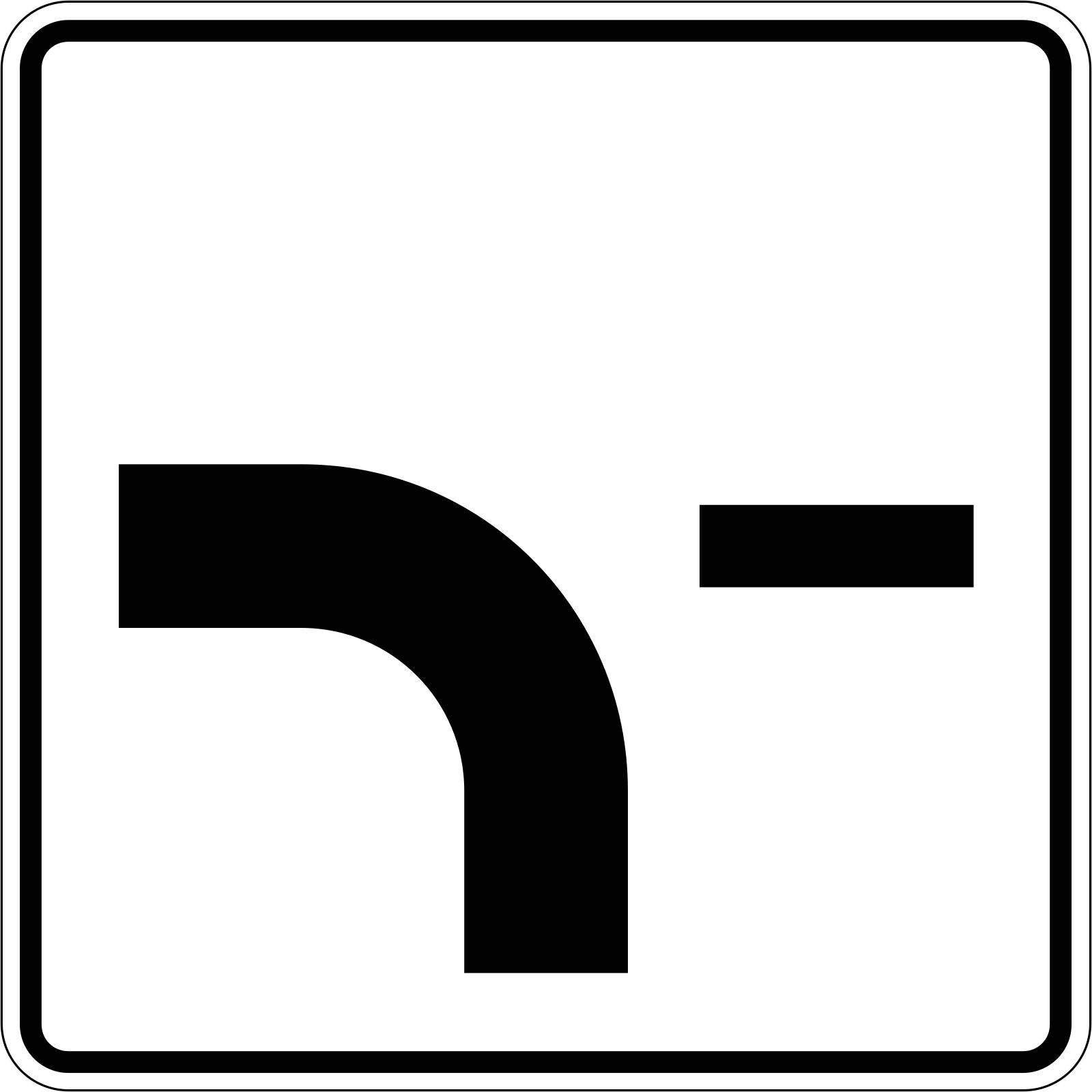
Understand How Supplementary Plates Like PL-11 Modify Main Traffic Signs

Understand the Direction of Main Road Supplementary Plate (PL-11) in Turkey
Clear answers to common questions about the Turkey Additional Signs and Plates road sign category. Use this FAQ to review tricky rules, understand how these signs appear in exam scenarios, and remove confusion that often leads to mistakes in the Turkish driving theory exam in Turkey.
The main purpose of these supplementary signs and plates is to provide additional information that modifies or clarifies the primary traffic sign they are placed beneath. They specify details such as the distance to a hazard, the length of a restricted zone, the direction of a particular route, or the specific conditions under which a sign is applicable, like time of day or type of vehicle.
A 'Length' plate, often seen with 'No Stopping' or 'No Parking' signs, tells you how long the restricted section is. A 'Distance' plate, usually below a warning sign, indicates how far away the hazard is. You need to adjust your speed and awareness accordingly. For 'Length', you need to know when the restriction ends. For 'Distance', you need to be prepared for the hazard that is approaching.
When you see a 'Stop Ahead' plate, it means a stop sign is approaching soon. This gives you advance warning to check your mirrors, slow down, and prepare to stop at the designated stop line. It's crucial to be ready to yield to other traffic and proceed only when it is safe and clear.
These plates specify the extent of parking or stopping restrictions. A 'Beginning' plate marks where a restriction starts, an 'Ending' plate shows where it finishes, and a 'Continuation' plate indicates that the restriction carries on beyond that point, often used on long stretches or around bends. You must observe these to know precisely where you are allowed or not allowed to park or stop.
Yes, understanding these additional signs and plates is very important for your theory test. Questions often test your ability to interpret them correctly in combination with main signs. Misinterpreting them can lead to incorrect answers and potentially unsafe driving situations in real life.
After reviewing these categories, delve into specific sign groups to strengthen your understanding of individual trafik işaretleri. This focused study reinforces your knowledge of Turkish traffic rules and prepares you effectively for the ehliyet sınavı.
Browse Road Sign Categories