The PL-2 Distance plate is a supplementary traffic sign used in Turkey to provide additional context to a main sign. It clarifies information such as how far away a restriction applies, the length of a hazard or zone, the direction of a priority road, or the location of specific facilities like disabled parking. Always interpret this plate in conjunction with the main sign it accompanies to understand its full impact on your driving decisions, including speed, lane choice, and priority.
This PL-2 "Distance" plate modifies primary traffic signs by specifying distance, duration, or direction, crucially impacting your driving decisions. Mastering its interpretation is vital for theory test revision and understanding Turkish road sign meaning.
Additional plates refine the meaning of another sign and should not be read in isolation. This plate may show how far away a sign applies, how long a restriction continues, where a no-parking or no-stopping rule begins or ends, whether disabled parking applies, or how the priority road runs through a junction. Drivers should combine the plate with the main sign before deciding speed, route, lane position, stopping, or priority. Official Turkish sign code: PL-2.
"Distance" adds distance, length, direction, section, priority-road course, disabled parking, ice or snow, or stop-ahead detail to a main sign. It changes how the main sign should be applied.
Get clear, practical answers to the most common questions about the PL-2 - Distance road sign. Learn how the sign works, what rules it represents, and how it affects real driving situations. This FAQ strengthens your understanding and supports accurate decision making for the Turkish driving theory exam in Turkey.
The PL-2 Distance plate's primary purpose is to modify or clarify the meaning of the main traffic sign it is placed below. It provides essential details about distance, length, direction, or specific application, ensuring drivers have a complete understanding before acting.
You must read the PL-2 plate and the main sign together as a single instruction. For example, if the main sign is a speed limit and the PL-2 plate indicates '500m', it means the speed limit begins 500 meters ahead. Never interpret the main sign in isolation.
Yes, the PL-2 Distance plate can specify where a no-parking or no-stopping zone begins, ends, or how long it lasts. You must check the plate to know if the restriction is in effect at your current location, ahead of you, or for a specific distance.
A common exam trap is failing to read the supplementary plate together with the main sign. Learners might assume a general rule applies when the PL-2 plate specifies a distance, direction, or limited scope, leading to an incorrect response in a theory test question or real driving scenario.
If the PL-2 plate shows arrows, it indicates the direction or section where the main sign's instruction applies. If it shows a diagram of a priority road, it explains how that priority road navigates through an upcoming junction, helping you decide whether to yield or proceed.
A clear reference image of the PL-2 - Distance road sign used in Turkey.
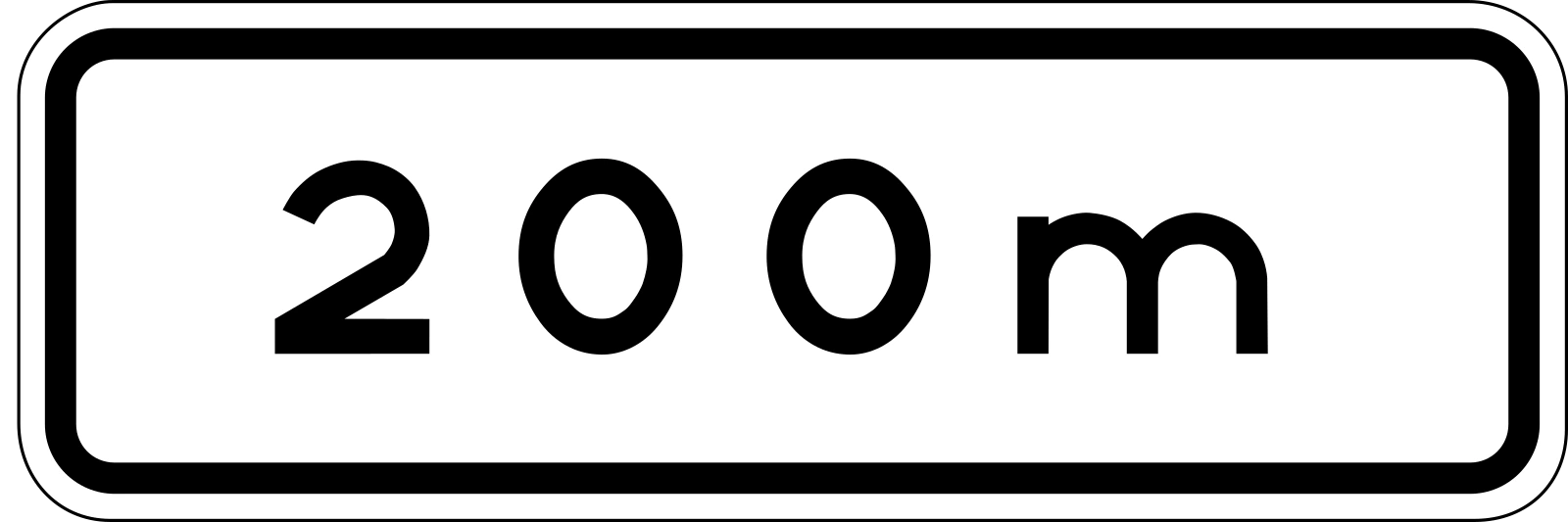
The PL-2 - Distance road sign may also be known by these alternative names or terms.
The PL-2 - Distance road sign is part of the Turkey Additional Signs and Plates category, which groups together signs with similar rules and functions.
Comparing related road signs like the Distance plate (PL-2) with others helps build recognition and reduces errors. Effective theory test revision involves understanding nuances between similar traffic signs for better sign recognition and recall in your exam preparation.
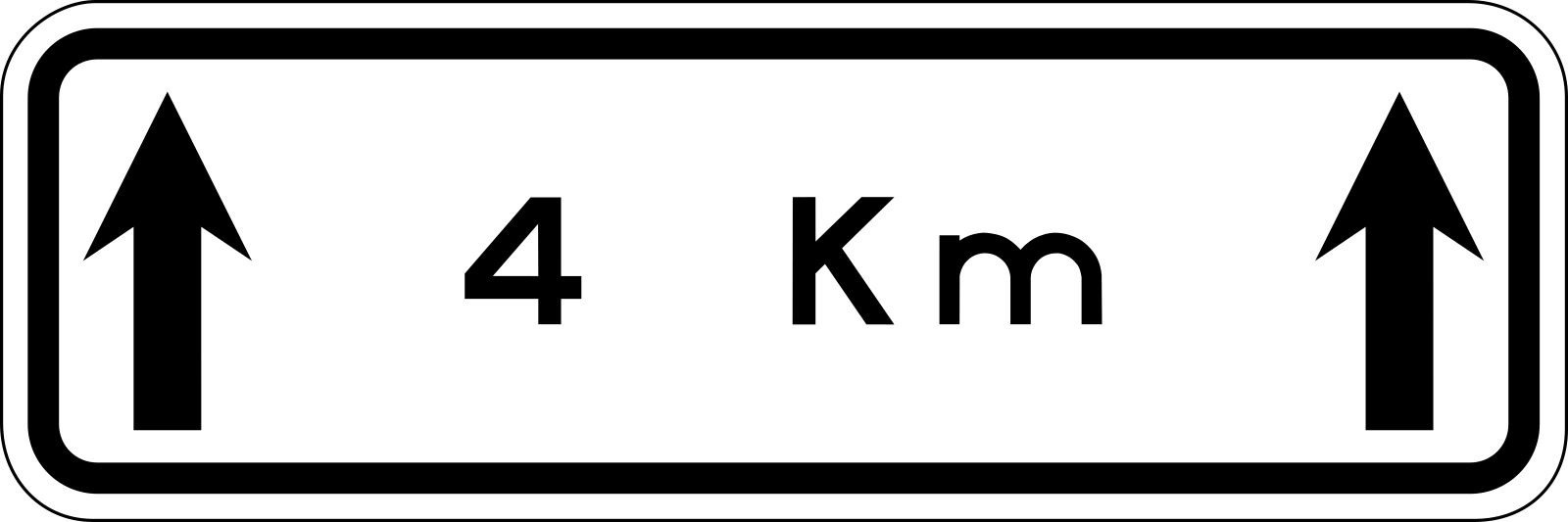
The PL-1 Length supplementary plate modifies main traffic signs to provide crucial context.
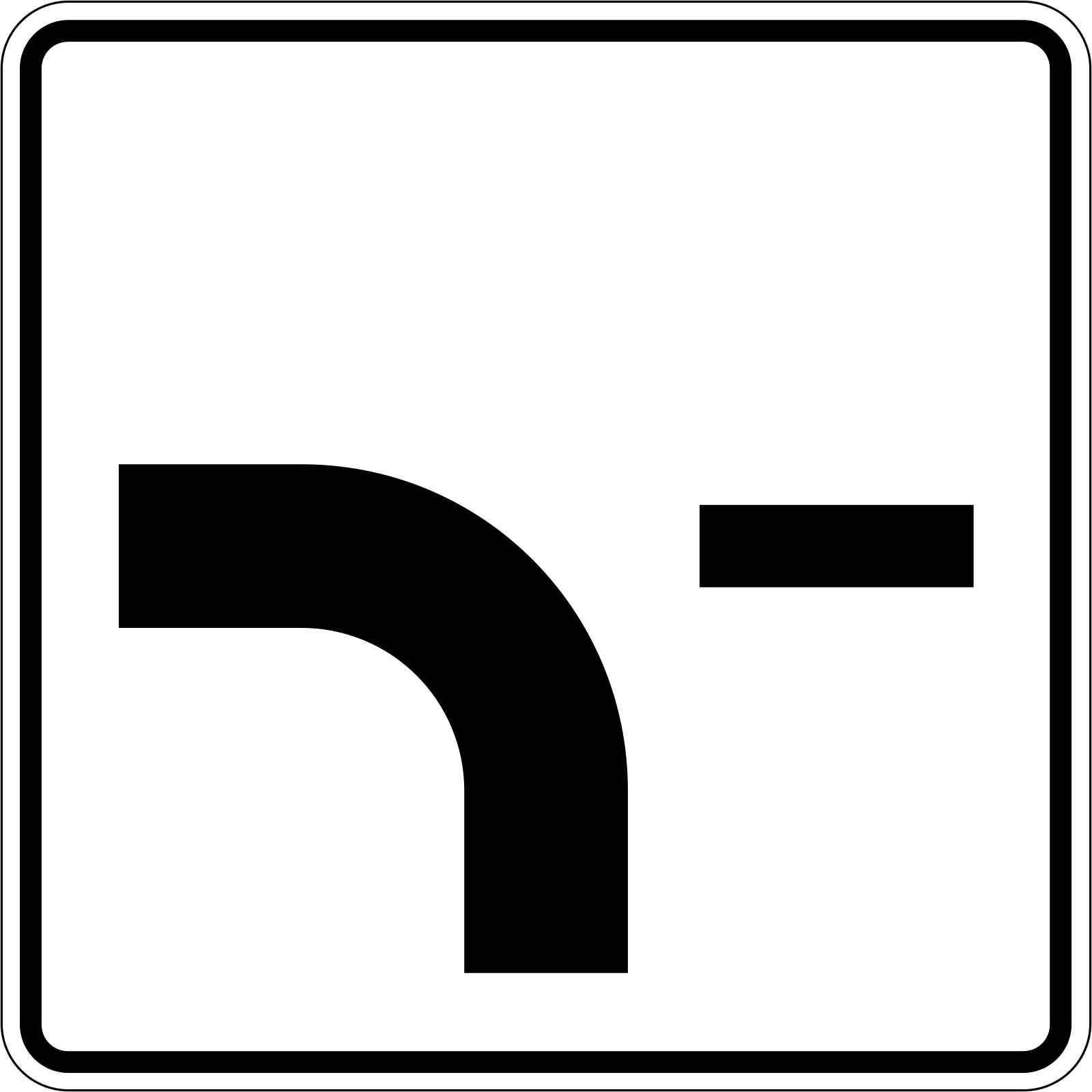
Understand How Supplementary Plates Like PL-11 Modify Main Traffic Signs
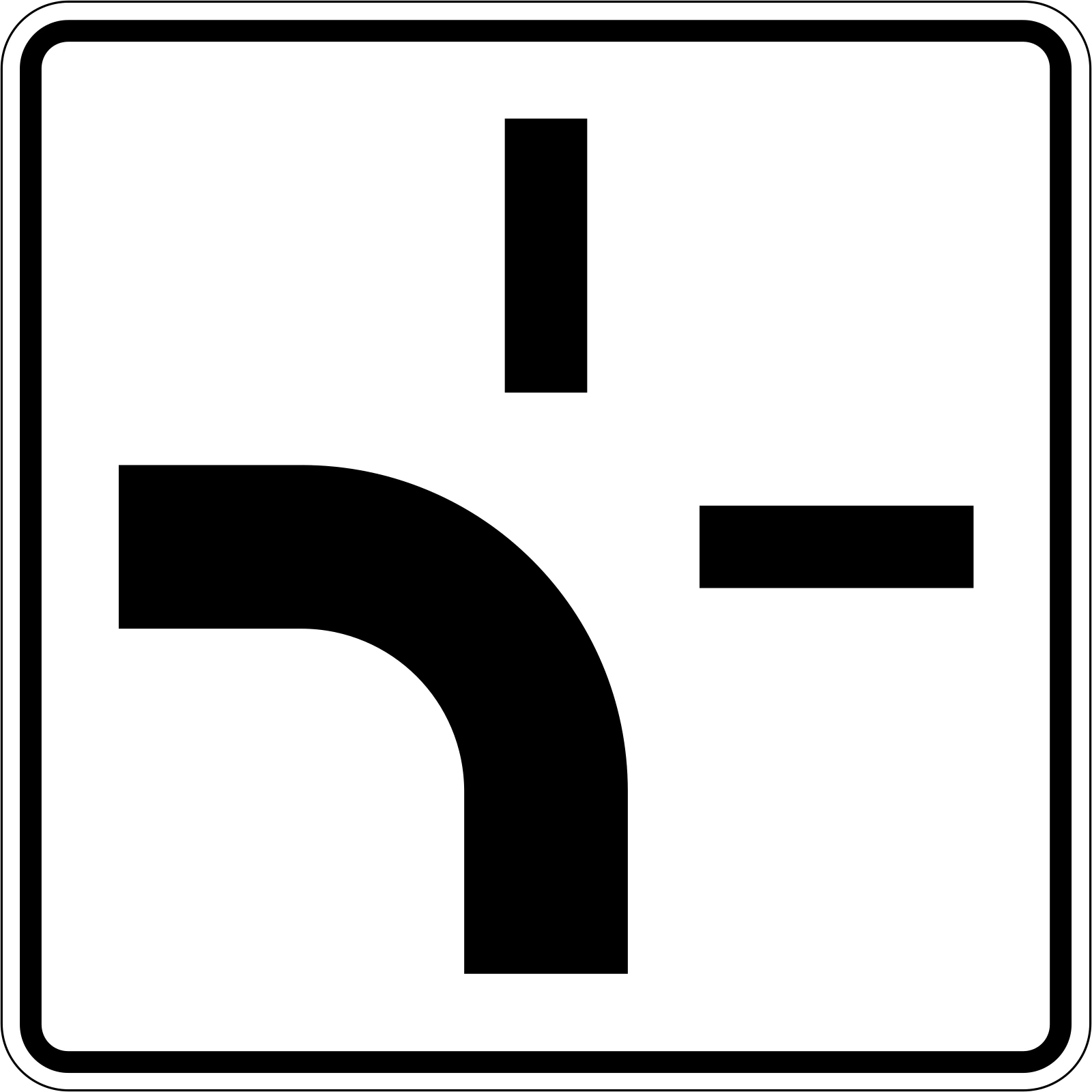
Understand the Direction of Main Road Supplementary Plate (PL-11) in Turkey
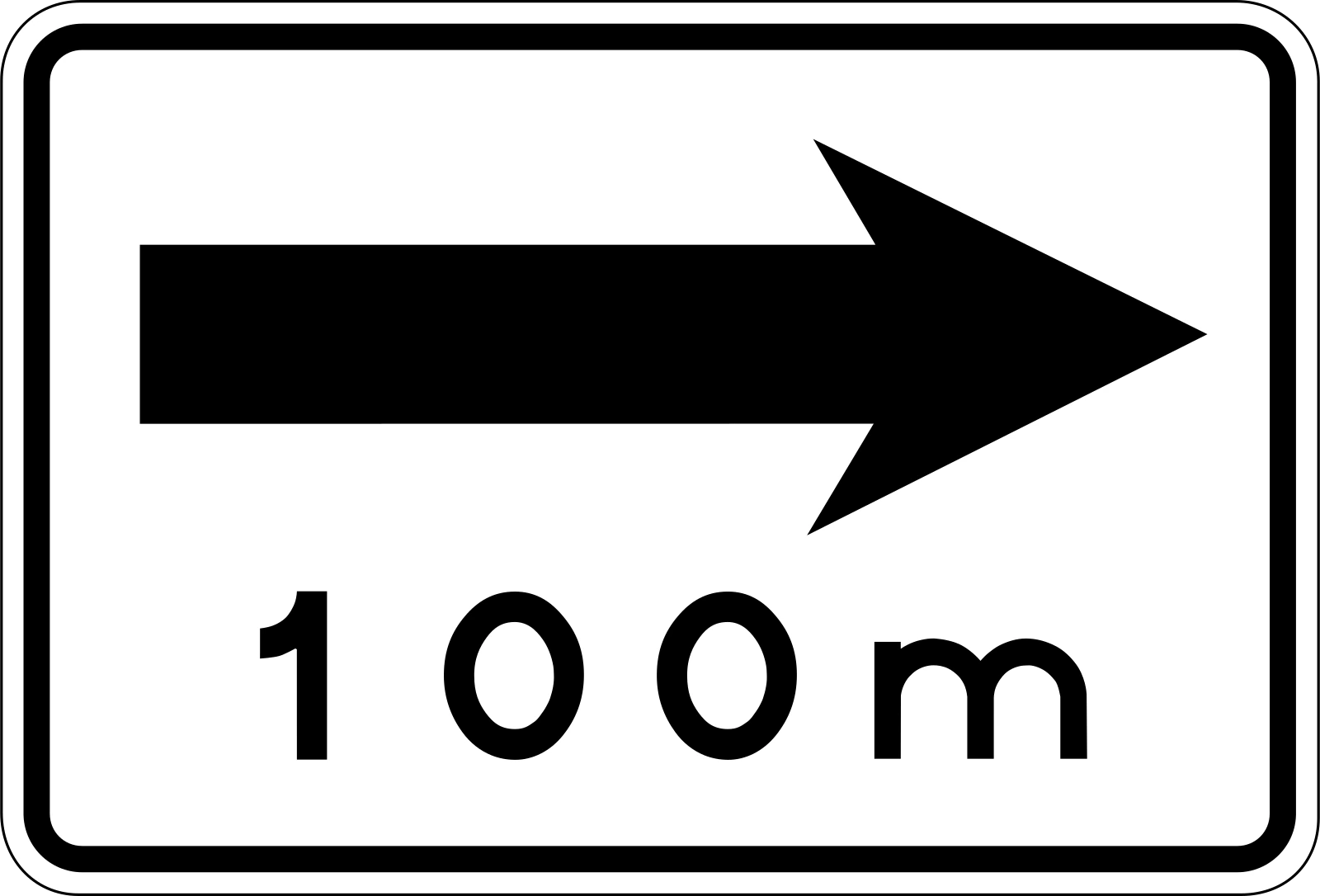
PL-3: Understand How Supplementary Plates Extend Parking and Stopping Signs
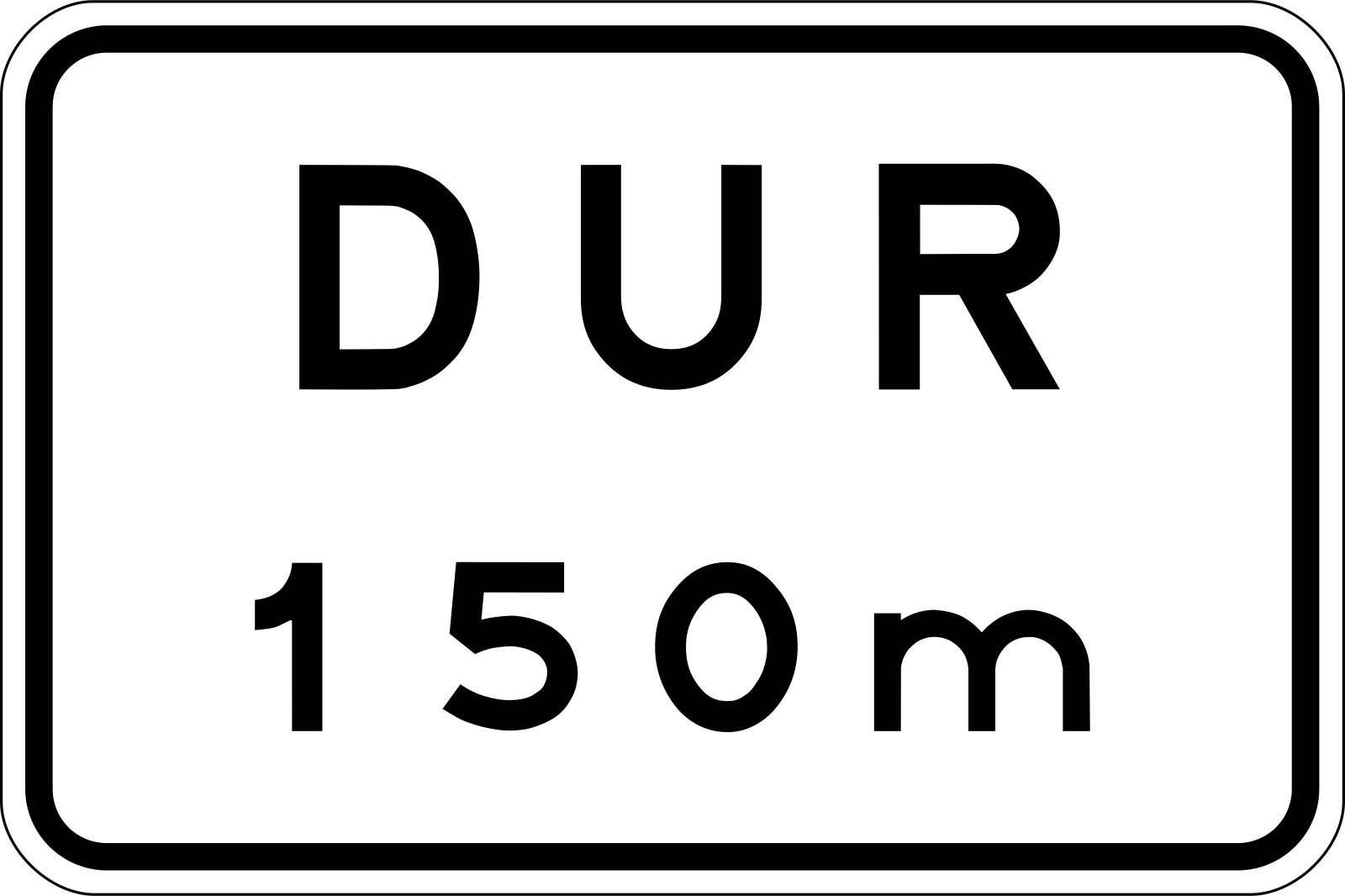
PL-5 Stop Ahead: Modifying Main Signs with Additional Details
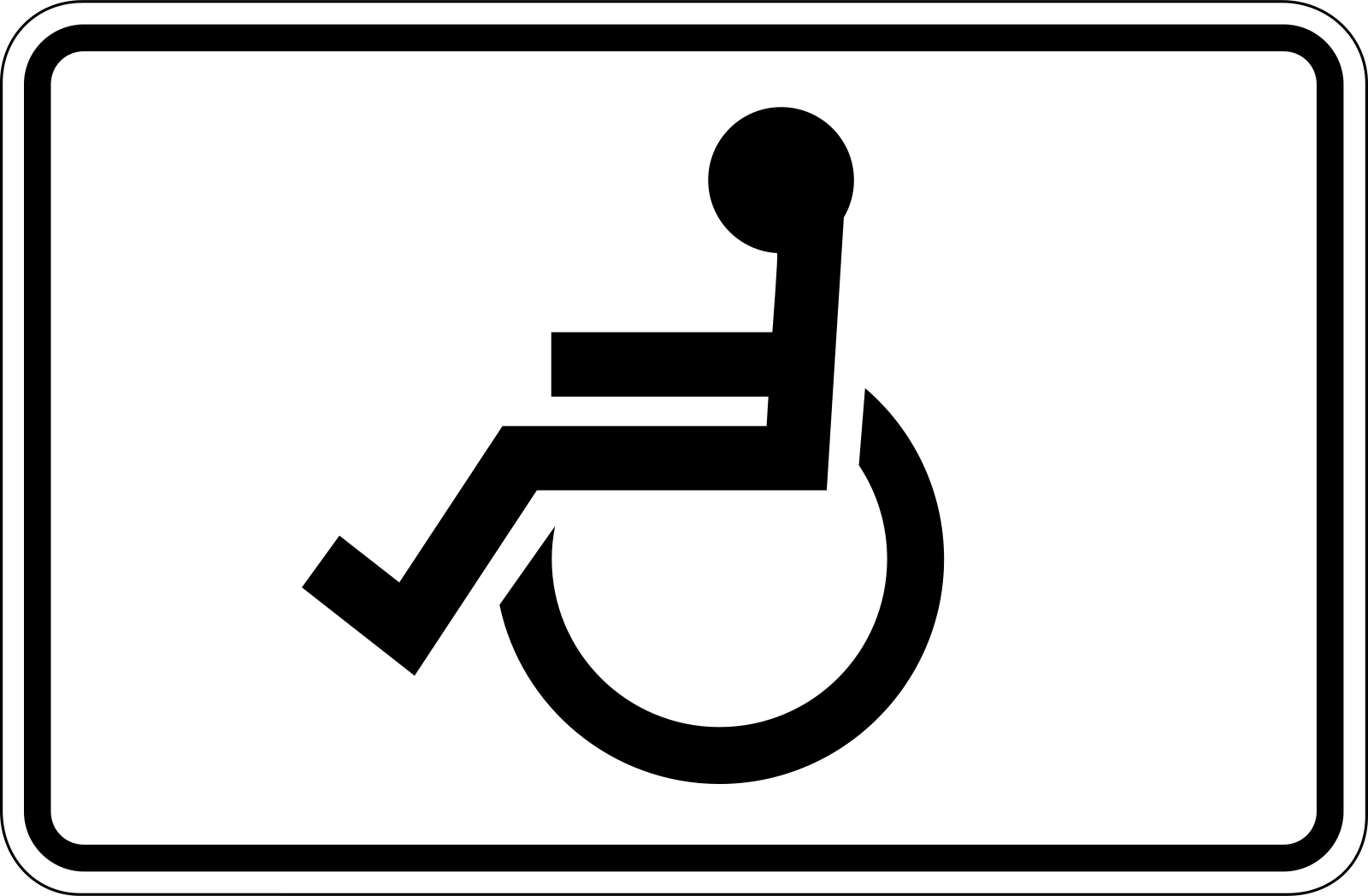
The PL-6 Disabled Parking Plate: Modifying Main Signs for Parking
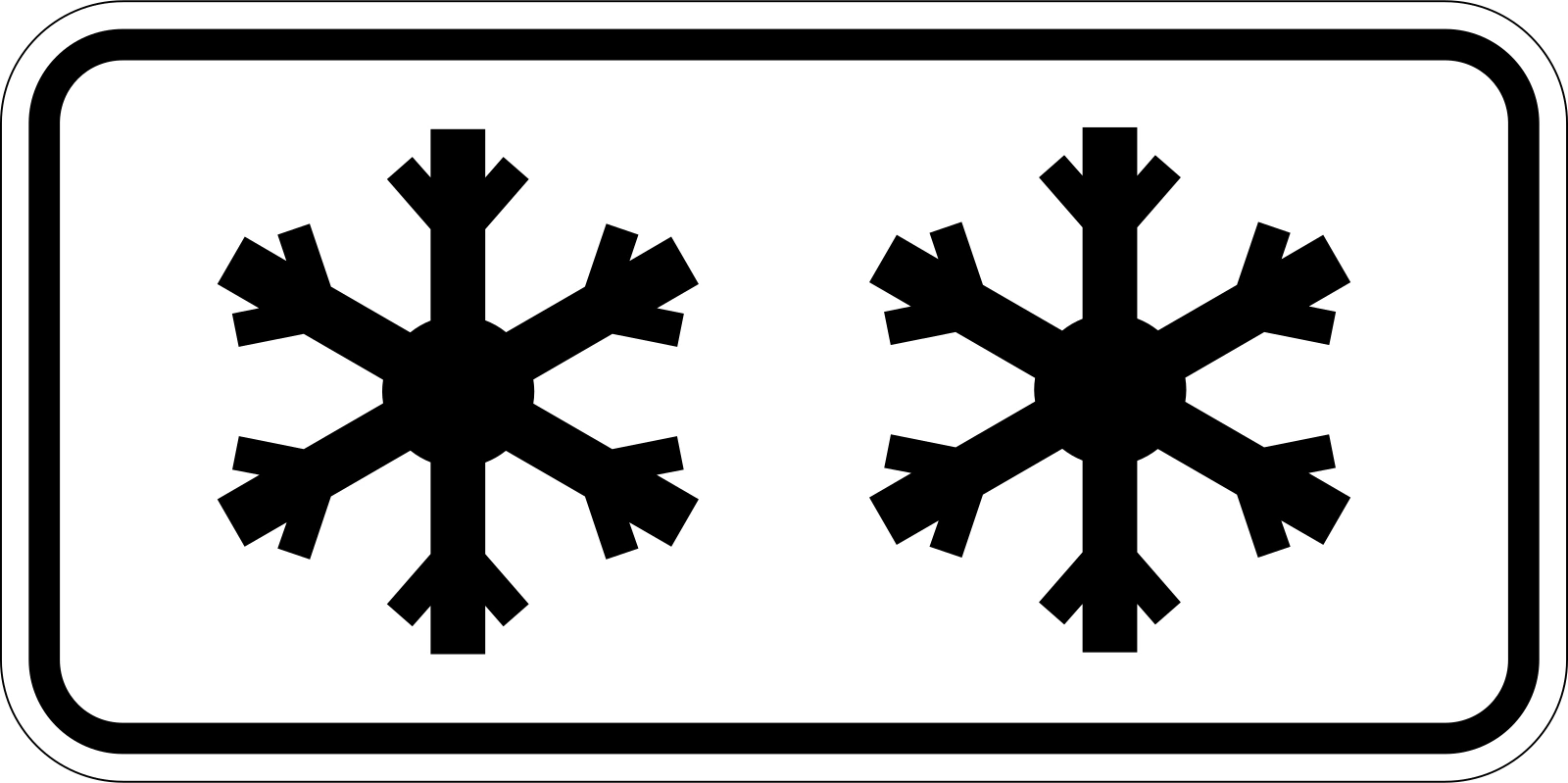
Understand the PL-7 'Ice or Snow' Supplementary Plate for Turkish Road Signs
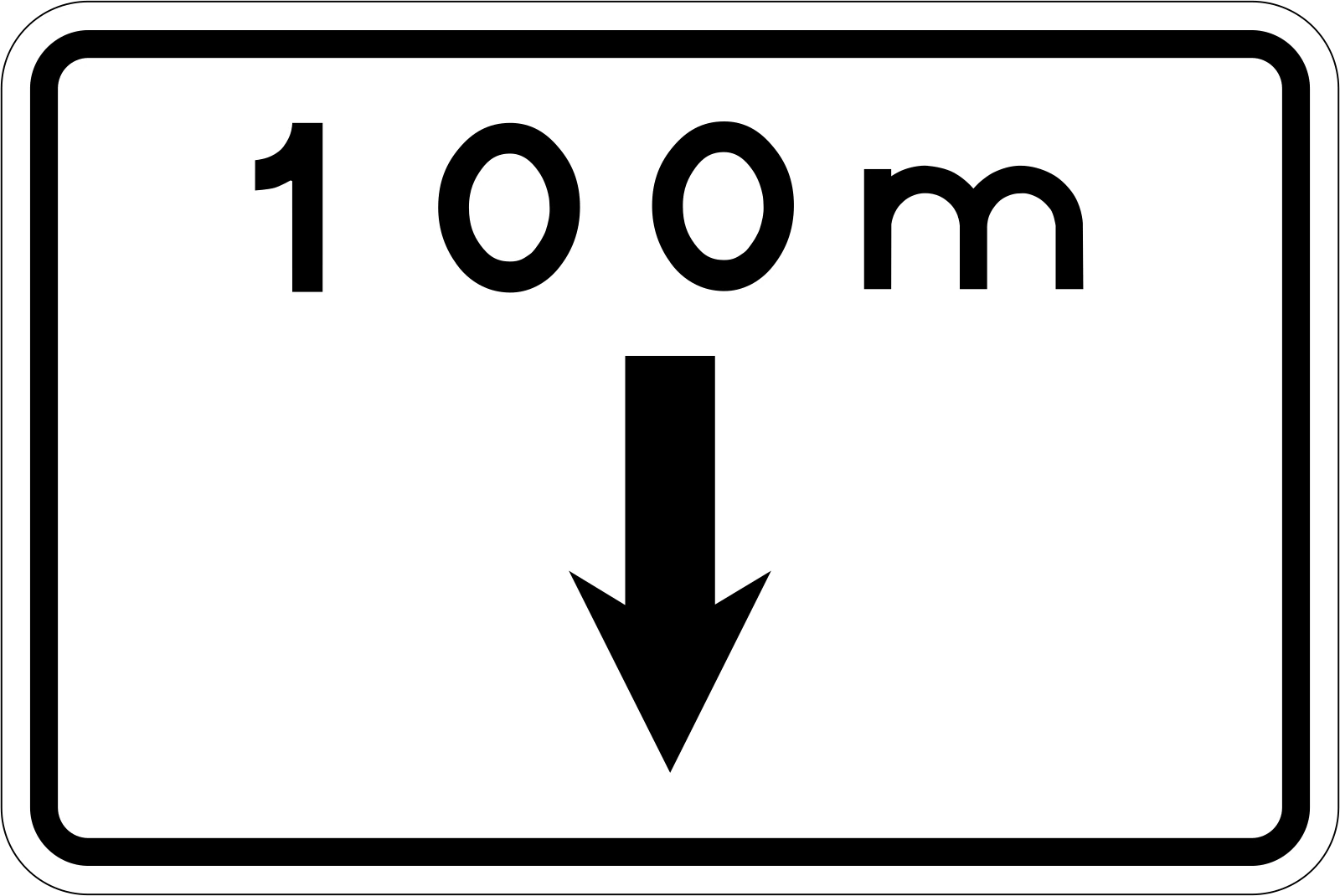
The PL-8 supplementary plate signifies the end of no-parking or no-stopping restrictions.
Deepen your understanding of specific Turkish traffic signs by exploring related theory modules and practical application exercises. These resources help you translate symbol recognition into the correct legal actions required for the MTSK e-sınav exam.
Before you start your engine in Türkiye, a thorough check of your vehicle's lights, indicators, and general visibility is non-negotiable for safe driving. This article guides you through these essential checks, explaining why they are crucial for your ehliyet theory test and everyday driving compliance with Turkish traffic legislation.
Learning the legal framework regarding alcohol consumption is a mandatory part of your preparation for the Turkish driving theory exam. This guide clarifies the specific blood alcohol thresholds enforced by local authorities and explains how repeat offenses or high penalty points can lead to the permanent loss of your driving privileges. By mastering these regulations, you will better understand your legal obligations as a road user in Türkiye.
Master Load Security and Commercial Vehicle Rules for Your Turkish Driving Test!
Master Your Obligations: Drive Lawfully and Safely Under Turkish Road Rules.
Additional plates refine the meaning of another sign and should not be read in isolation. This plate may show how far away a sign applies, how long a restriction continues, where a no-parking or no-stopping rule begins or ends, whether disabled parking applies, or how the priority road runs through a junction. Drivers should combine the plate with the main sign before deciding speed, route, lane position, stopping, or priority. Official Turkish sign code: PL-8.
Additional plates refine the meaning of another sign and should not be read in isolation. This plate may show how far away a sign applies, how long a restriction continues, where a no-parking or no-stopping rule begins or ends, whether disabled parking applies, or how the priority road runs through a junction. Drivers should combine the plate with the main sign before deciding speed, route, lane position, stopping, or priority. Official Turkish sign code: PL-8.
After reviewing the full list of Turkish road signs, dive deeper into specific categories or test your knowledge with practice questions. Further study will solidify your understanding of trafik işaretleri for your ehliyet sınavı success.
View All Turkish Road Signs