
This lesson covers the essential legal requirements for keeping your moped or light quadricycle road-legal in Great Britain. You will learn the difference between insurance types, how vehicle tax works, and why maintaining your documentation is critical for compliance with DVSA and DVLA standards.
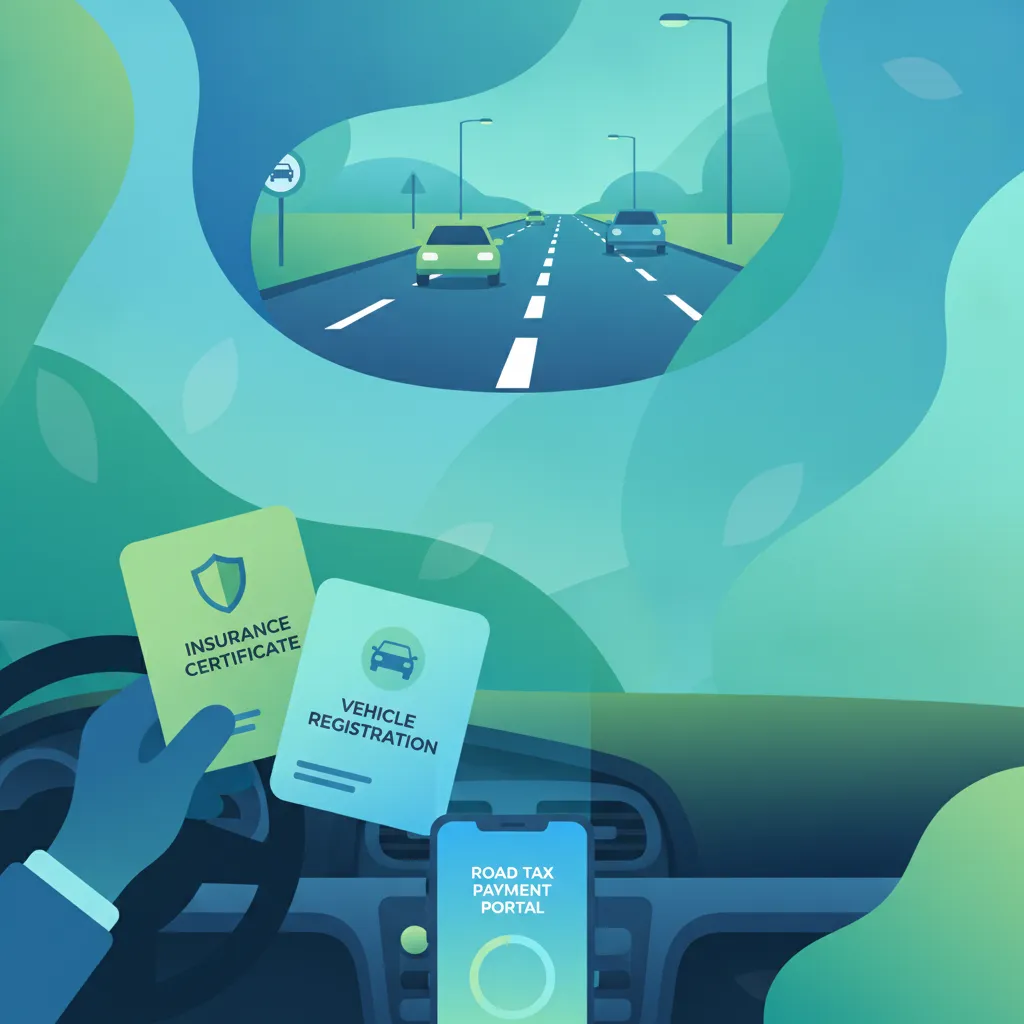
Lesson content overview
Operating a Category AM vehicle – whether it's a moped or a light quadricycle – on public roads in Great Britain comes with significant legal responsibilities. Beyond mastering riding skills and understanding the Highway Code, every rider must ensure their vehicle is properly insured, taxed, and registered. These administrative obligations are not mere formalities; they are fundamental to road safety, financial protection, and legal compliance. Failure to adhere to these rules can lead to severe penalties, including hefty fines, penalty points on your licence, and even the seizure of your vehicle.
This lesson, part of the Great Britain AM Licence Theory Course, will guide you through the essentials of vehicle insurance, tax (often referred to as road tax), and registration. By understanding these requirements, you will be equipped to keep your Category AM vehicle legally road-worthy and avoid unnecessary complications.
The legal requirements for vehicle insurance, tax, and registration are in place to protect all road users and ensure a fair and safe environment. At their core, these regulations address risk management, public revenue generation, and legal enforceability. Insurance serves as a vital financial safety net, mitigating the financial impact of accidents on third parties and, in some cases, on the vehicle owner. Vehicle tax contributes to the maintenance and improvement of the road infrastructure that all drivers use. Registration provides a clear, traceable link between a vehicle and its keeper, allowing authorities to enforce compliance with these crucial rules.
In Great Britain, it is a legal imperative for every vehicle used on public roads, including Category AM mopeds and light quadricycles, to have valid insurance. The minimum level of coverage required is known as Compulsory Third-Party Insurance (CTP). This type of insurance is designed primarily to protect other people and their property.
Compulsory Third-Party Insurance covers your legal liability for injury or death to third parties, as well as damage to their property, if you are involved in an accident that is deemed your fault. This means if you cause an accident that harms a pedestrian, another driver, or damages someone else's vehicle or property, your CTP policy will cover the costs associated with those third-party losses. It does not, however, cover any damage to your own vehicle or injuries you might sustain.
The legal necessity of CTP is enshrined in the Road Traffic Act 1988, which mandates that no vehicle can be driven or even kept on a public road without it. The rationale behind this law is to ensure that victims of road accidents are not left out of pocket due to the actions of an uninsured driver. Without CTP, victims might face significant financial hardship, impacting medical costs, vehicle repairs, and loss of earnings.
Driving any Category AM vehicle on a public road without valid Compulsory Third-Party Insurance is a serious offence, carrying severe penalties.
The penalties for driving without valid CTP insurance are substantial and strictly enforced. If you are caught, you could face:
It is crucial to understand that your CTP policy must be current and valid for the entire period your vehicle is on a public road. A lapsed policy, even for a short time, exposes you to these severe consequences.
While Compulsory Third-Party Insurance is a legal requirement, many Category AM vehicle owners choose to purchase a more extensive policy known as comprehensive insurance, often referred to as "fully comprehensive." This is an optional policy that provides a much broader range of financial protection.
Comprehensive insurance extends coverage beyond third-party liability to include protection for your own vehicle and, in some cases, for yourself. Key benefits often include:
Although not legally mandated, comprehensive insurance offers peace of mind and can save you considerable out-of-pocket expenses should your vehicle be damaged or stolen. Given the value of mopeds and light quadricycles, and the potential costs of repair, many riders consider this additional protection a worthwhile investment.
When considering insurance, always compare different policies. While CTP is the minimum, comprehensive insurance offers far greater protection for your investment and personal well-being.
The primary distinction between CTP and comprehensive insurance lies in what they cover. CTP focuses solely on protecting third parties from your actions. Comprehensive insurance encompasses CTP coverage but adds protection for your own vehicle and often for you, the rider. It's a balance between legal compliance and personal financial security.
| Feature | Compulsory Third-Party (CTP) Insurance | Comprehensive (Fully) Insurance |
|---|---|---|
| Legal Requirement | Mandatory | Optional (not legally required) |
| Covers Third-Party Injury | Yes | Yes |
| Covers Third-Party Damage | Yes | Yes |
| Covers Own Vehicle Damage | No | Yes |
| Covers Fire | No | Yes |
| Covers Theft | No | Yes |
| Covers Own Personal Injury | Usually limited or none | Often included or optional add-on |
Beyond insurance, all Category AM vehicles used on public roads in Great Britain must be taxed. This is known as Vehicle Excise Duty (VED), though it is widely referred to as "road tax." VED is an annual charge levied by the government, primarily to generate revenue for road maintenance and infrastructure improvements. It also plays a role in promoting environmentally friendly vehicle choices.
The amount of VED you pay depends on several factors, including your vehicle's CO₂ emissions, engine size, and the date it was first registered. For Category AM vehicles like mopeds and light quadricycles, the bands are typically simpler than for cars, often based on engine size for older vehicles or CO₂ emissions for newer ones.
The payment process for VED is managed by the Driver and Vehicle Licensing Agency (DVLA). You can pay online, at a Post Office, or over the phone. Crucially, the VED must be paid and current for your vehicle to be legally driven on public roads. Unlike in previous years, there is no physical tax disc to display on your vehicle; instead, the police and enforcement agencies use electronic records to check a vehicle's tax status.
Certain Category AM vehicles may be exempt from paying VED, or qualify for concessions. These exemptions are typically granted to:
Even if your vehicle is exempt from VED, you must still apply for the exemption through the DVLA and ensure it is registered and has valid Compulsory Third-Party Insurance. An exemption from VED does not mean an exemption from other legal requirements.
Driving or keeping an untaxed Category AM vehicle on a public road is illegal and carries significant penalties:
It is your responsibility as the registered keeper to ensure your vehicle's VED is always current. Many services offer reminders, but regular checks of your vehicle's status with the DVLA are advisable.
Every vehicle on the road in Great Britain must be registered with the Driver and Vehicle Licensing Agency (DVLA). This process creates a unique identity for your vehicle, linking it to a registered keeper and allowing authorities to monitor its tax and insurance status. The official document that records these details is the V5C Certificate, commonly known as the "logbook."
Vehicle registration serves several vital purposes:
When you purchase a brand-new Category AM vehicle, the dealership will usually handle the initial registration. For imported vehicles, you are responsible for the import and registration process.
The V5C certificate is a crucial document that you must keep safe. It contains details about the vehicle (make, model, engine size, colour) and the registered keeper. It is imperative to keep the V5C up-to-date.
When buying or selling a second-hand moped or light quadricycle, both the buyer and seller must complete the relevant sections of the V5C.
The seller must send the completed V5C (or the V5C/2 new keeper supplement) to the DVLA immediately.
The new keeper will receive a new V5C in their name from the DVLA within a few weeks.
Any change in your personal details, such as a change of address, must also be notified to the DVLA so that your V5C can be updated. Failing to do so can lead to missed tax reminders, insurance notifications, and potential fines. It's a common misunderstanding that the V5C is proof of legal ownership; it primarily records the registered keeper, who is responsible for the vehicle's tax and insurance.
As highlighted throughout this lesson, failing to comply with insurance and tax regulations for your Category AM vehicle carries severe consequences. These penalties are designed to deter non-compliance and maintain road safety standards for all users of Great Britain's roads.
The most common enforcement actions you could face if caught driving an uninsured or untaxed Category AM vehicle include:
Do not assume your insurance or tax is automatically renewed. Always verify their validity, especially before any journey. Even a temporary lapse can lead to significant legal trouble.
To avoid these severe penalties, adopt these best practices:
Several common misconceptions can lead to unintentional non-compliance:
The requirements for insurance, tax, and registration for Category AM vehicles are not designed to be a burden, but rather to foster a framework of responsible vehicle ownership and road safety.
By adhering to these rules, you not only protect yourself from legal consequences but also contribute to a safer, more responsible road environment for everyone in Great Britain.
For Category AM vehicle owners in Great Britain, understanding and adhering to insurance, tax, and registration rules is paramount.
Always ensure your Category AM vehicle is insured, taxed, and registered correctly and promptly. Regularly check the status of your documents and set reminders for renewals to maintain legal compliance and ride safely on UK roads.
Explore all units and lessons included in this driving theory course.
Lesson content overview
Explore all units and lessons included in this driving theory course.
Explore search topics learners often look for when studying Insurance, Tax, and Road Tax Essentials. These topics reflect common questions about road rules, driving situations, safety guidance, and lesson level theory preparation for learners in Great Britain.
Browse additional driving theory lessons that cover connected traffic rules, road signs, and common driving situations related to this topic. Improve your understanding of how different rules interact across everyday traffic scenarios.
Understand the essential legal obligations for Category AM mopeds and quadricycles in Great Britain. This lesson details compulsory insurance, vehicle tax (VED), and registration requirements, including consequences of non-compliance.
This lesson provides a detailed definition of Category AM, specifying the types of vehicles it covers, including mopeds and light quadricycles. It clarifies the legal technical specifications, such as maximum engine size and speed caps, that define these vehicles in Great Britain. You will learn about the key differences between two- and three-wheeled options and understand how these classifications are crucial for legal compliance, road safety, and passing the theory test.
This lesson details the sequential process for acquiring a Category AM licence, starting with the provisional application and moving through the mandatory theory and practical tests. It covers essential criteria like age limits, medical fitness, and the specific rules that apply to learner riders, such as displaying L-plates. You will also learn about the legal duties concerning vehicle registration, insurance, and road tax compliance, which are vital throughout your journey to becoming a qualified rider.
This lesson details all the necessary documentation required at each stage of the AM licensing process, from applying for a provisional licence to attending your theory and practical tests. You will learn about the required forms of identification, proof of insurance, and vehicle registration documents. The lesson also provides a clear overview of the DVSA test procedures, explaining the format of the multiple-choice theory test, the hazard perception section, and the criteria for the practical assessment.
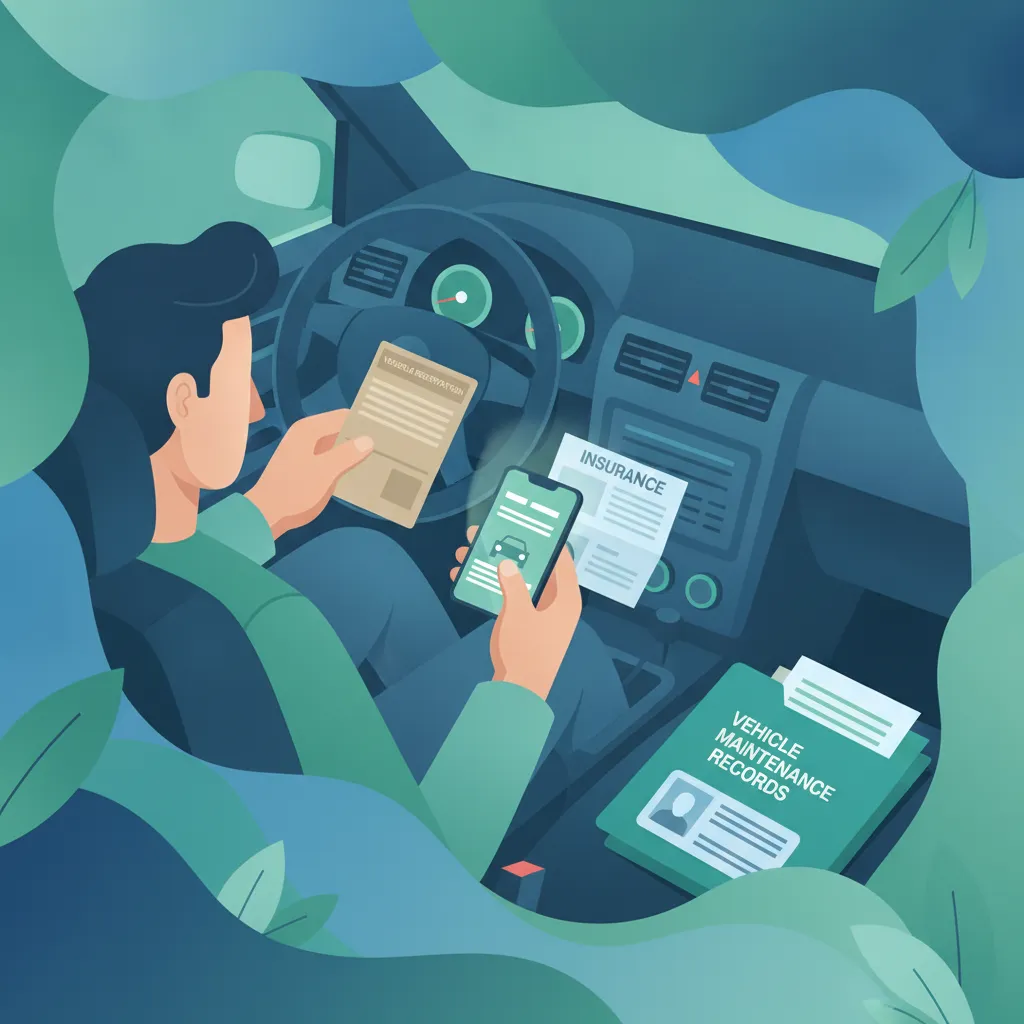
This lesson details the crucial documentation required for legal driving in the UK. It explains the purpose of the V5C registration document, the MOT test certificate, and proof of insurance and road tax (Vehicle Excise Duty). You will learn where to keep these documents and when you might be required to present them to authorities.
This lesson clarifies the specific speed limits that apply to Category AM vehicles on various British roads, from 30 mph zones in built-up areas to national speed limits on single and dual carriageways. It emphasizes that the posted limit is a maximum, not a target, and teaches you how to choose an appropriate speed based on factors like weather, traffic, and road layout. Understanding these rules is vital for both legal compliance and personal safety.
This lesson focuses on regulatory road signs, which convey legally enforceable instructions that all road users must follow. You will learn to identify and understand signs dictating speed limits, prohibited actions like 'no entry' or 'no overtaking', and mandatory directions at junctions. The content explains the distinct shapes and colours used for these signs, ensuring you can comply with their instructions correctly and avoid penalties while riding your AM vehicle.

This lesson provides a clear overview of the primary goods vehicle licence categories: C1, C, C1E, and CE. It explains the specific vehicle types, weight thresholds, and axle configurations permitted for each classification. You will learn about the DVSA's regulatory framework, including the essential age and medical fitness criteria for eligibility, as well as the steps for obtaining a full licence. Understanding these legal definitions is fundamental for ensuring compliance and safety.
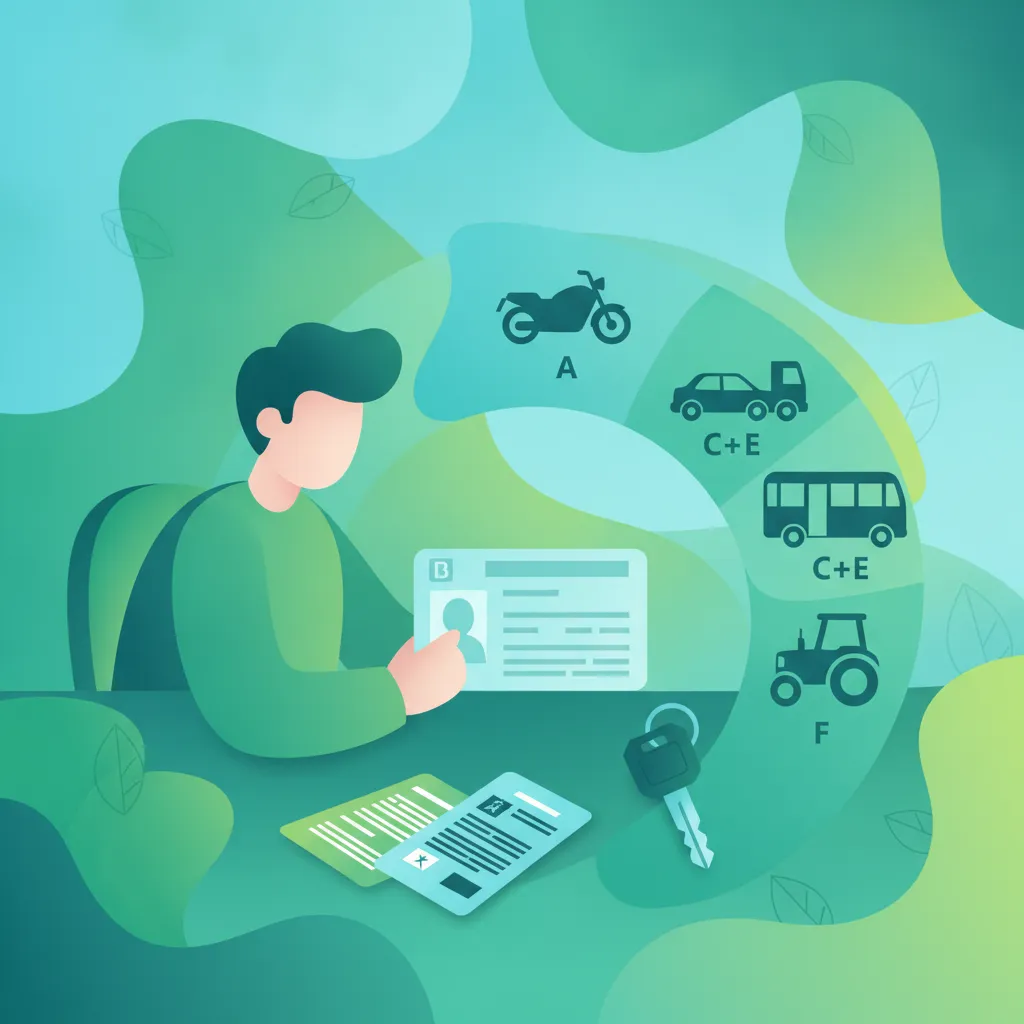
This lesson explains the different motorcycle licence categories in Great Britain, including A1, A2, and the unrestricted Category A. It details the specific age requirements, power and engine size restrictions, and the mandatory training progression set by the DVSA. Learners will understand the entitlements and limitations of each licence, ensuring they follow the correct legal path to becoming a qualified rider.
This lesson outlines the statutory framework governing UK driving licences, focusing on Category B. It details the functions of the Driver and Vehicle Licensing Agency (DVLA) and the Driver and Vehicle Standards Agency (DVSA). Key topics include the various licence categories, age and medical fitness requirements, and the legal standing of the Highway Code.
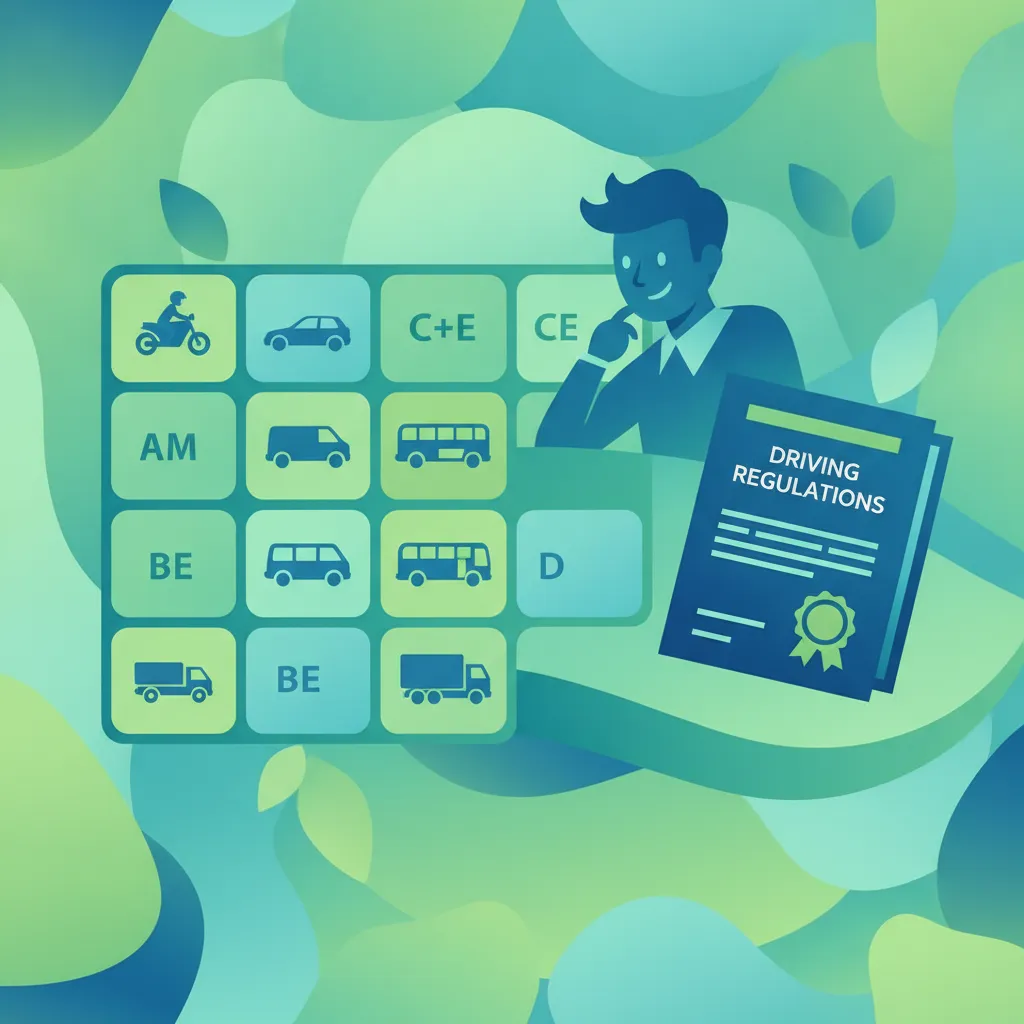
This lesson provides a comprehensive overview of the four passenger vehicle licence categories: D1, D, D1E, and DE. It details the specific legal criteria, vehicle types, and eligibility requirements for each. Learners will understand how DVSA theory test mandates intersect with DVLA licensing procedures, clarifying the privileges and limitations of each category. The content also explains the key statutory provisions from the Highway Code that govern passenger vehicle operation in Great Britain.
Learn about the severe consequences of driving a Category AM vehicle without valid insurance or tax in Great Britain. Covers fines, penalty points, vehicle seizure, and common misunderstandings.
This lesson explains the legal consequences of committing traffic offences in Great Britain. It details the penalty points system, explaining how points are issued for various offences like speeding or using a mobile phone, and the thresholds that can lead to a driving ban. Understanding these penalties, fines, and potential licence revocation reinforces the importance of consistent, lawful riding and helps you appreciate the value of a clean driving record.

Gain a comprehensive understanding of the legal repercussions for violating goods vehicle regulations, which can range from civil penalties to criminal prosecution. This lesson details the fines, penalty points, and potential vehicle seizure enforced by authorities like the DVSA and the police. It clarifies how serious offences are handled in court and how repeated infractions can lead to escalating sanctions, impacting both your licence and professional career.
Explore the critical topics of driver liability, insurance, and legal penalties in Great Britain. This lesson distinguishes between civil and criminal liability in the context of road incidents. It details the compulsory third-party insurance every driver must have and explains the penalty points system for traffic offences, including fines and potential disqualification.
This lesson outlines the serious consequences of failing to comply with road transport law. It details the graduated system of fines and penalties that can be issued by the DVSA and police for offences ranging from drivers' hours violations to vehicle defects. The lesson also explains more severe sanctions, such as vehicle prohibition, licence suspension, and referral to the Traffic Commissioner, which can impact both the driver and their employer.
This lesson explains the legal consequences of committing traffic offences. It covers how the penalty points system works, the number of points for common offences like speeding, and how accumulating 12 points can lead to disqualification under the 'totting-up' procedure. You will also learn about the specific rules for new riders, who can have their licence revoked with just 6 points.
This lesson details the consequences of committing traffic offences. It explains how penalty points are added to your licence for infractions like speeding or using a mobile phone. You will learn about the threshold for disqualification (totting-up) and the specific, stricter rules that apply to new drivers within the first two years of passing their test.
This lesson clarifies the specific speed limits that apply to Category AM vehicles on various British roads, from 30 mph zones in built-up areas to national speed limits on single and dual carriageways. It emphasizes that the posted limit is a maximum, not a target, and teaches you how to choose an appropriate speed based on factors like weather, traffic, and road layout. Understanding these rules is vital for both legal compliance and personal safety.
This lesson outlines the serious legal and professional consequences of committing traffic offences. It covers common issues such as speeding, using a mobile phone, and the strict limits on alcohol, explaining the system of fixed penalty notices and penalty points. The content makes clear how accumulating points can lead to fines, licence suspension or revocation, and the loss of a professional driving career. The importance of understanding and following company policy on incident reporting is also stressed.
This lesson focuses on regulatory road signs, which convey legally enforceable instructions that all road users must follow. You will learn to identify and understand signs dictating speed limits, prohibited actions like 'no entry' or 'no overtaking', and mandatory directions at junctions. The content explains the distinct shapes and colours used for these signs, ensuring you can comply with their instructions correctly and avoid penalties while riding your AM vehicle.
This lesson details all the necessary documentation required at each stage of the AM licensing process, from applying for a provisional licence to attending your theory and practical tests. You will learn about the required forms of identification, proof of insurance, and vehicle registration documents. The lesson also provides a clear overview of the DVSA test procedures, explaining the format of the multiple-choice theory test, the hazard perception section, and the criteria for the practical assessment.
Find clear answers to common questions learners have about Insurance, Tax, and Road Tax Essentials. Learn how the lesson is structured, which driving theory objectives it supports, and how it fits into the overall learning path of units and curriculum progression in Great Britain. These explanations help you understand key concepts, lesson flow, and exam focused study goals.
Yes, it is a legal requirement to have at least third-party insurance to ride any moped or light quadricycle on public roads in Great Britain, even if the vehicle is not being used frequently.
Third-party insurance covers injury to others and damage to their property, while comprehensive insurance covers those things plus damage to your own vehicle, even if the accident was your fault.
Yes, even if your vehicle tax rate is zero, you must still officially register your vehicle and renew your tax status annually with the DVLA to remain compliant.
Riding without insurance can lead to a fixed penalty notice, points on your licence, a substantial fine, and the police have the power to seize and potentially destroy your vehicle.
Dive into our comprehensive question bank to find exactly what you need for your Great Britain theory test. Use our advanced filters to pinpoint specific subjects or test your knowledge on challenging areas, ensuring you're fully prepared for success.