This lesson guides you through the essential visual language of British roads, focusing on how markings dictate your positioning as an AM licence rider. By mastering these rules, you will understand how to navigate lanes, overtaking zones, and restricted areas safely. This knowledge is a direct requirement for the DVSA theory test and your everyday safety as a moped or light quadricycle rider.
Lesson content overview
Road markings are an indispensable part of the Great Britain road network, serving as a silent language that guides, warns, and regulates vehicle movements. For anyone undertaking the Great Britain AM Licence Theory Course, mastering the interpretation of these markings is not just a theoretical exercise; it is fundamental for safe navigation, maintaining proper lane discipline, and adhering to the Highway Code. This comprehensive lesson will delve into the various types of road markings you will encounter, their legal implications, and how to apply them correctly as a moped or light quadricycle rider.
Understanding these markings ensures predictable traffic flow, reduces the risk of collisions, and allows all road users, especially vulnerable ones like moped and light quadricycle riders, to share the road safely. Misinterpreting or ignoring road markings can lead to serious accidents, traffic violations, and penalties.
Road markings are painted directly onto the carriageway to convey critical information to drivers, complementing road signs and traffic lights. They define where vehicles may travel, where they must stop or wait, and how lanes are allocated among different road users. These markings play a vital role in ensuring road safety by delineating safe vehicle trajectories, reducing conflict points, and promoting predictable behaviour.
The underlying logic of road markings is multifaceted: they enhance safety by creating clear boundaries, improve predictability by standardising rules, and provide clear legal evidence for enforcement. This lesson connects directly to your understanding of road signs, signals, and priority rules, reinforcing lane positioning and vehicle control skills essential for mopeds and light quadricycles.
White lines are among the most common road markings, primarily regulating the movement of traffic within lanes and dictating overtaking rules. Correctly interpreting these lines is crucial for preventing side-swipe collisions and ensuring smooth traffic flow.
A continuous, unbroken solid white line separates lanes of traffic moving in the same direction, indicating that overtaking or changing lanes is strictly prohibited. This rule applies whether it's a single solid white line on a single carriageway or a double solid white line marking the edge of a dual carriageway. The primary purpose of these lines is to prevent unsafe manoeuvres in areas where visibility might be restricted, or where lane changes would pose a significant risk.
Motor vehicles, including mopeds and light quadricycles, must remain within their designated lane and must not cross a solid white line. There are very few exceptions to this rule, such as when directed by a police officer, to pass a stationary obstruction, or to allow an emergency vehicle to pass. Crossing a solid white line to overtake a slow-moving vehicle is illegal and can result in penalties.
In contrast to solid lines, a broken white line, consisting of a series of dashes, signifies that lane changing or overtaking is permitted if it is safe to do so. These lines separate traffic moving in the same direction, providing drivers with flexibility to manoeuvre when the road ahead is clear and there is no danger from approaching traffic or other road users.
When encountering a broken white line, you should always check your mirrors, signal your intention, and ensure sufficient space and visibility before changing lanes or overtaking. It is essential to ensure that your manoeuvre will not endanger other road users or obstruct their path. Overtaking when visibility is restricted, even on a broken white line, remains illegal and dangerous.
Double white lines, two parallel white lines, are used to define lane boundaries more strictly, often on dual carriageways or specific sections of road where increased regulation is necessary. These can appear in a few configurations, each with distinct implications for overtaking and lane changing:
These markings are critical for managing traffic flow and safety, especially where vehicles might be moving at higher speeds or where head-on collision risks are significant. Misreading double white lines can lead to severe consequences.
Yellow lines painted along the edge of the carriageway indicate restrictions on waiting and stopping. These markings are essential for maintaining clear traffic flow, especially in urban areas, and preventing obstructions.
A single solid yellow line at the edge of the carriageway indicates that waiting is prohibited during specific times, which are usually displayed on nearby signs. "Waiting" means stopping your vehicle for any reason other than immediately picking up or dropping off passengers or goods, or if you are held up by traffic.
While waiting is generally restricted, brief loading or unloading of goods or passengers is often permitted on a single yellow line, provided it is done safely and does not obstruct traffic. However, this allowance is not unlimited; local authorities may impose additional restrictions through supplementary signs. Always look for these signs to confirm the exact hours of operation and any specific exemptions. Misinterpreting these rules can lead to fines and inconvenience.
Double solid yellow lines at the edge of the carriageway are a clear indication that no waiting is allowed at any time. This means you cannot stop your vehicle for any purpose, including loading, unloading, or picking up/dropping off passengers, unless a specific exemption is clearly displayed on nearby signage. These lines are typically found on busy roads, at junctions, or in areas where continuous traffic flow is paramount.
The rule exists to prevent any obstruction of traffic, maintain clear visibility for all road users, and enhance safety in critical areas. Stopping on double yellow lines, even for a moment, can lead to fines and potentially your vehicle being towed away.
Red lines are employed in specific urban areas, particularly on "Red Routes," to enforce even stricter waiting and stopping prohibitions than yellow lines. These routes are designed to keep traffic moving freely on major arteries in busy towns and cities.
A single solid red line along the edge of the carriageway prohibits waiting during specific restricted times, which are indicated on nearby signs. Similar to single yellow lines, you cannot wait here during the operational hours. However, the restrictions on red routes are generally more stringent, often prohibiting any stopping whatsoever during these times, not just waiting.
Always check the accompanying signs carefully, as they specify when the restrictions apply and any very limited exceptions. Parking is only allowed outside of the specified restricted times.
Double solid red lines indicate that waiting is prohibited at any time, 24 hours a day, every day of the week. This is the most restrictive kerbside marking. You must not stop, wait, load, or unload at any time on a double red line. These are typically found on the busiest urban roads where maintaining traffic flow is absolutely critical.
Ignoring double red lines can lead to significant fines and penalties, and it poses a direct threat to the smooth flow of traffic and road safety. Emergency vehicles and statutory undertakers working on the road may have exemptions, but general road users do not.
Beyond general traffic lanes, the road network in Great Britain features dedicated lanes for specific types of road users or vehicles. These special purpose lanes are identifiable by distinct markings and symbols, designed to improve efficiency, safety, and prioritise certain forms of transport.
Bus lanes are designated lanes, often painted in red or amber, marked with "BUS ONLY" or "BUS LANE" symbols. Their primary purpose is to allow buses to move more quickly through congested areas, promoting the efficiency of public transport. In some cases, specific signs may also permit taxis, motorcycles, or even pedal cycles to use these lanes.
Bus lanes can be time-dependent, allowing other traffic to use them outside specified hours (e.g., "Bus Lane 07:00-10:00, 16:00-19:00"), or all-day bus lanes, which are restricted continuously. As a moped or light quadricycle rider, you must pay close attention to the accompanying signs. Unless explicitly exempted by signage, you must not use a bus lane during its hours of operation to avoid fines and penalties.
Cycle lanes are dedicated sections of the carriageway specifically for cyclists, identifiable by a bicycle symbol and often painted green or a contrasting colour. These lanes are designed to provide a safer space for cyclists, separating them from faster or heavier motor traffic.
There are two main types:
When riding a moped or light quadricycle, you must always be mindful of cycle lanes and give cyclists a minimum of 1.5 metres clearance when overtaking, respecting their space and ensuring their safety.
In certain areas, particularly urban centres or approaches to junctions, specific lanes or zones may be designated for mopeds and light quadricycles. These are usually indicated by unique road markings, often a moped symbol on the carriageway, and sometimes distinct colouring. These lanes are intended to provide an appropriate width and space for smaller vehicles, enhancing their safety and aiding traffic flow.
Where such dedicated lanes are present, moped and light quadricycle riders are generally expected, and sometimes legally required, to use them unless signs indicate otherwise. Other vehicles must not occupy these lanes. Always look for these specific markings and adhere to their instructions to ensure your own safety and compliance with local regulations.
Some lane markings, often at junctions, include a symbol (such as a left-turn arrow combined with a small car symbol) explicitly indicating that "other traffic may use this lane" in addition to what might initially appear to be a dedicated lane (e.g., for cycles or mopeds). This marking enables mopeds, bicycles, and other specific vehicles to use the lane when required, typically for turning manoeuvres or merging.
The presence of this marking clarifies that the lane is shared, reducing unnecessary congestion and allowing for more efficient use of road space. When you see this, understand that the lane is not exclusive, and you should use it cautiously, always ensuring safety and not interfering with other users.
Maintaining proper lane discipline is paramount for safe and efficient driving. It involves consistently staying within your designated lane and adhering to any directional guidance provided by road markings.
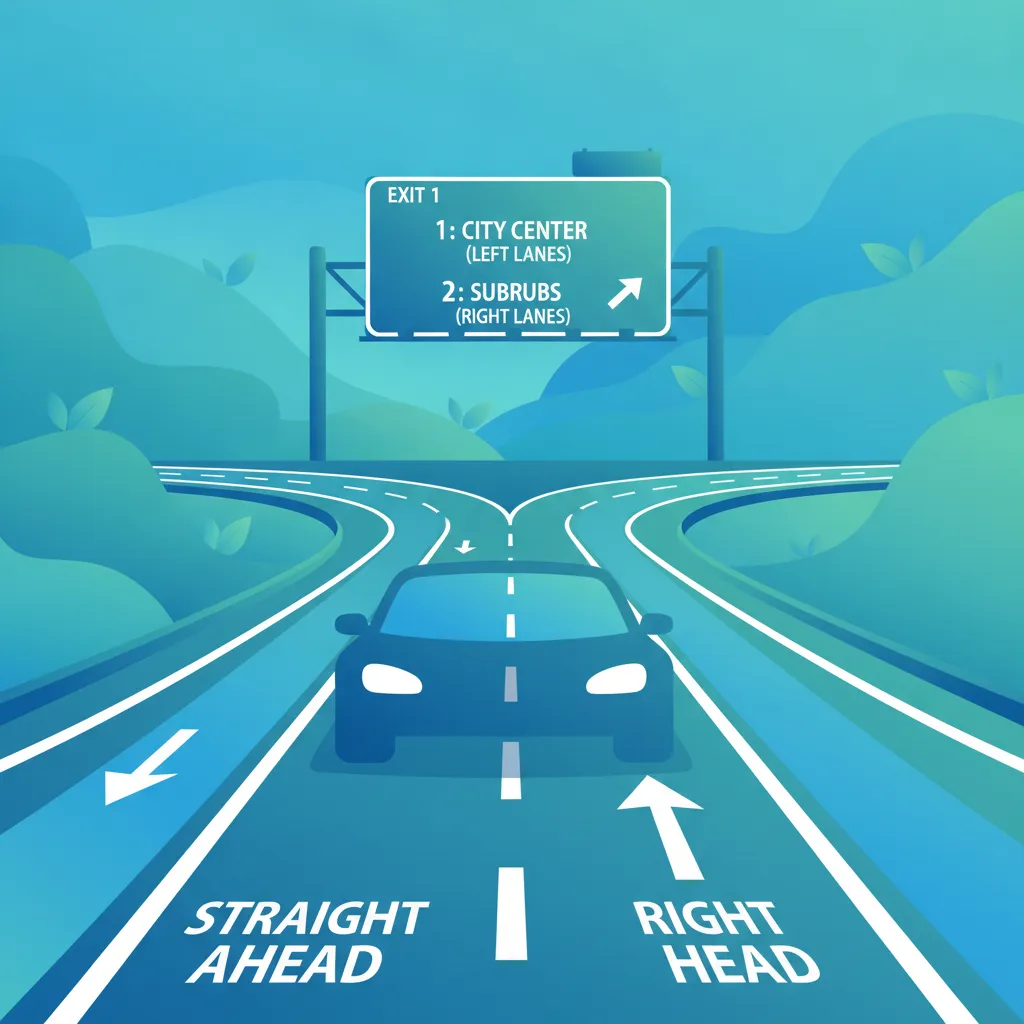
Directional arrows painted on the road surface are regulatory markings that indicate the permissible movements from a specific lane. These can include "straight ahead only," "left turn only," "right turn only," or combinations thereof (e.g., "straight ahead or left turn"). These arrows are binding; you must follow the indicated direction for the lane you occupy.
Ignoring lane arrows can lead to dangerous situations, such as cutting across traffic at a junction or attempting to proceed straight from a turn-only lane, causing conflict with other vehicles. Always position your vehicle in the correct lane well in advance of a junction or turn, aligning with the lane arrows.
Lane end markings, such as tapering solid or broken white lines or a "Lane Ends" symbol, signal that a lane is coming to an end. Drivers must merge safely into the adjacent lane(s) before the marked lane fully concludes. This requires careful observation, signalling, and cooperation with other drivers.
When you see a lane end marking, you should:
Failing to merge in a timely and safe manner can lead to abrupt braking, collisions, and disruption of traffic flow.
All road markings covered in this lesson are a critical part of the Highway Code and Great Britain traffic law. Failing to comply with these markings constitutes a traffic violation and can lead to various penalties, including:
The legal status of these markings is generally mandatory; they are not merely advisory guidelines. Understanding the rationale behind each rule – whether it's preventing head-on collisions, maintaining clear sightlines, or ensuring smooth traffic flow – underscores the importance of strict compliance.
The interpretation and adherence to road markings must also adapt to varying conditions.
For riders of mopeds and light quadricycles, maintaining impeccable lane discipline is crucial for your safety. Your smaller size and lighter weight mean you are more vulnerable in collisions, making correct positioning and adherence to markings even more vital.
Road markings are a critical element of traffic management in Great Britain, providing essential information that complements road signs and signals. As a rider preparing for your AM Licence, a thorough understanding of solid and broken white lines, various yellow and red lines, and specialised lane markings is indispensable. This knowledge will enable you to navigate the roads safely, adhere to legal requirements, and contribute to predictable and efficient traffic flow. Consistent lane discipline, especially for mopeds and light quadricycles, directly translates into reduced risk and enhanced safety for all road users.
Road markings communicate essential traffic rules through a visual language of white, yellow, and red lines, each with specific meanings for lane discipline and waiting restrictions. White lines govern overtaking and lane changes, with solid lines prohibiting these actions and broken lines permitting them when safe. Yellow and red lines control kerbside behaviour, with single markings indicating time-based restrictions and double markings prohibiting waiting or stopping entirely. Special lanes for buses and cyclists require careful attention to accompanying signage and line types to determine when they may or may not be used. As an AM licence rider, maintaining correct lane discipline through proper lane positioning, respecting directional arrows, and understanding these markings is critical for both theory test success and safe road navigation.
A short set of high-value points that capture the most important learning from this lesson.
Solid white lines strictly prohibit overtaking or lane changes; broken white lines permit these manoeuvres when safe to do so.
Double white line rules depend on configuration: both solid means no crossing from either side; solid/broken allows crossing only from the broken-line side.
Single yellow and red lines indicate time-based waiting/stopping restrictions with specific exemptions; double yellow and red lines prohibit waiting or stopping at any time.
Mandatory cycle lanes (solid white line) are exclusive to cyclists; advisory cycle lanes (broken white line) may be used by other vehicles when necessary.
Lane arrows painted on the road are legally binding and you must follow the indicated direction for your lane.
Explore all units and lessons included in this driving theory course.
A solid white line on your side of a double line marking means you must not cross; check which line is nearest to you first.
Yellow lines restrict waiting; red lines (Red Routes) restrict stopping and waiting, with stricter enforcement in urban areas.
Bus lanes may allow other traffic outside operational hours, but mopeds are generally not permitted unless signs indicate otherwise.
Mandatory cycle lanes require you to give cyclists a minimum 1.5 metres of clearance when passing on the main carriageway.
Never attempt to turn from a straight-ahead lane or go straight from a turn-only lane; position correctly well before the junction.
Crossing a double white line when the solid line is on your side, thinking the broken line on the opposite side permits crossing.
Believing that loading or unloading is always permitted on single yellow lines without checking the accompanying time restrictions.
Entering a mandatory cycle lane assuming it is advisory, or parking in one thinking cyclists can go around you.
Stopping on double yellow or double red lines briefly for dropping off passengers, which is not permitted.
Attempting to change lanes at the last moment when positioned incorrectly for upcoming lane arrows.
Lesson content overview
A short set of high-value points that capture the most important learning from this lesson.
Solid white lines strictly prohibit overtaking or lane changes; broken white lines permit these manoeuvres when safe to do so.
Double white line rules depend on configuration: both solid means no crossing from either side; solid/broken allows crossing only from the broken-line side.
Single yellow and red lines indicate time-based waiting/stopping restrictions with specific exemptions; double yellow and red lines prohibit waiting or stopping at any time.
Mandatory cycle lanes (solid white line) are exclusive to cyclists; advisory cycle lanes (broken white line) may be used by other vehicles when necessary.
Lane arrows painted on the road are legally binding and you must follow the indicated direction for your lane.
Explore all units and lessons included in this driving theory course.
A solid white line on your side of a double line marking means you must not cross; check which line is nearest to you first.
Yellow lines restrict waiting; red lines (Red Routes) restrict stopping and waiting, with stricter enforcement in urban areas.
Bus lanes may allow other traffic outside operational hours, but mopeds are generally not permitted unless signs indicate otherwise.
Mandatory cycle lanes require you to give cyclists a minimum 1.5 metres of clearance when passing on the main carriageway.
Never attempt to turn from a straight-ahead lane or go straight from a turn-only lane; position correctly well before the junction.
Crossing a double white line when the solid line is on your side, thinking the broken line on the opposite side permits crossing.
Believing that loading or unloading is always permitted on single yellow lines without checking the accompanying time restrictions.
Entering a mandatory cycle lane assuming it is advisory, or parking in one thinking cyclists can go around you.
Stopping on double yellow or double red lines briefly for dropping off passengers, which is not permitted.
Attempting to change lanes at the last moment when positioned incorrectly for upcoming lane arrows.
Explore search topics learners often look for when studying Road Markings and Lane Discipline. These topics reflect common questions about road rules, driving situations, safety guidance, and lesson level theory preparation for learners in Great Britain.
Browse additional driving theory lessons that cover connected traffic rules, road signs, and common driving situations related to this topic. Improve your understanding of how different rules interact across everyday traffic scenarios.
Explore the nuances of road markings beyond basic lines. This lesson covers red routes, bus lanes, cycle lanes, and specific markings for mopeds and light quadricycles, detailing their rules and implications for safe riding in Great Britain.
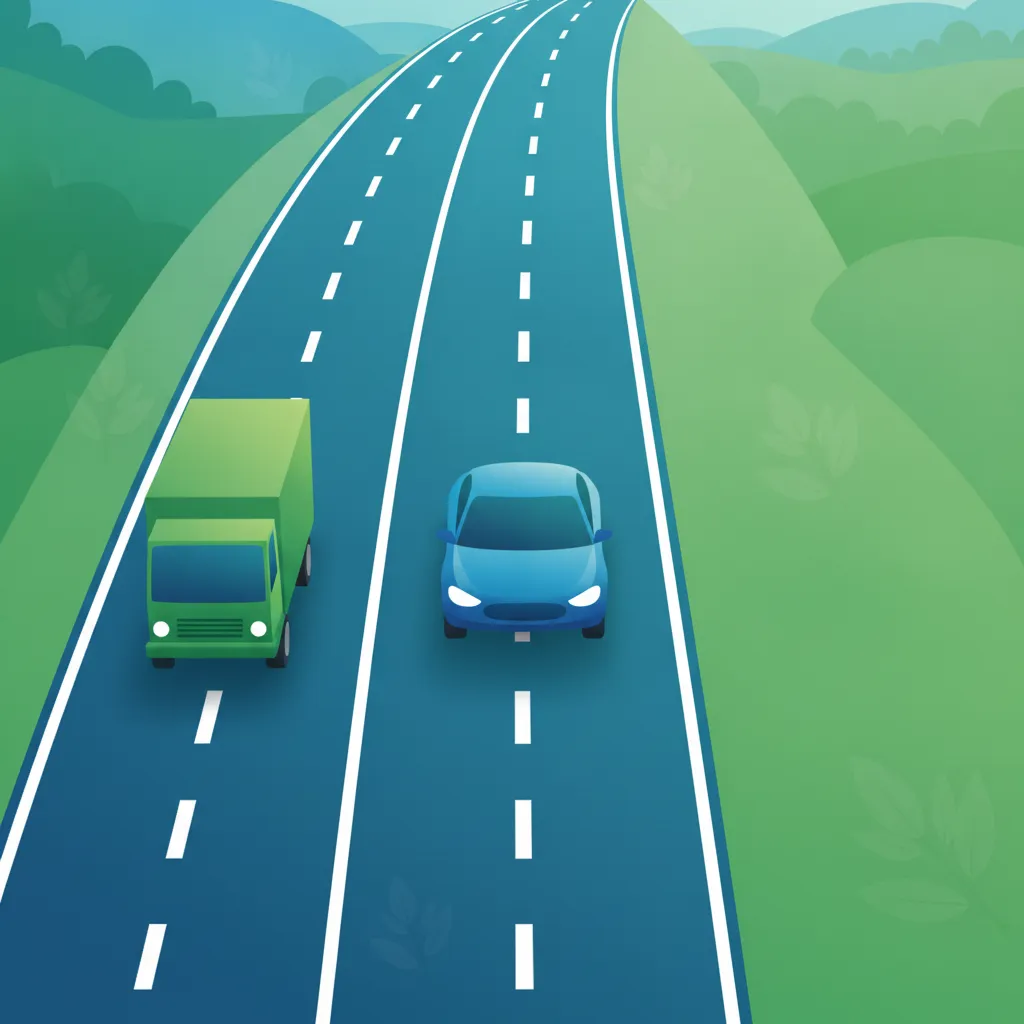
This lesson explains how lines running parallel to the kerb control traffic movement. You will learn that broken white lines divide lanes, while solid white lines generally prohibit crossing them. The specific rules for double white lines, including when you are permitted to cross, are also covered in detail to ensure safe overtaking.
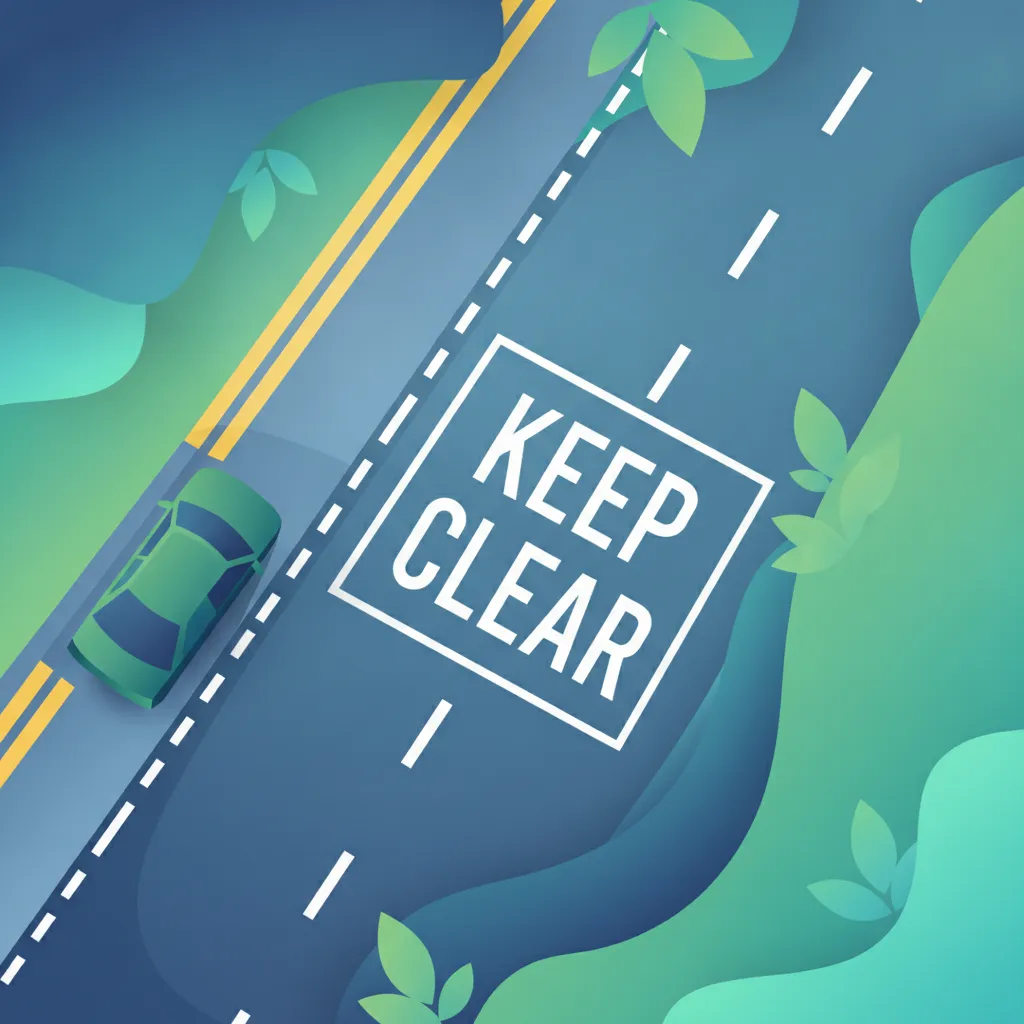
This lesson explains markings found at the side of the road that regulate parking and stopping. You will learn the meaning of single and double yellow lines, and the stricter rules associated with red lines on 'Red Routes'. The lesson also covers markings for parking bays, loading zones, and hatched areas that are designed to separate traffic.

This lesson decodes the language of road markings painted on the road surface. You will learn the rules associated with solid and broken white lines, double white lines that restrict overtaking, and yellow lines controlling parking. Proper understanding of these markings is crucial for maintaining correct lane discipline and riding legally.
This lesson covers the signs that help you navigate your journey effectively. It explains how sign colours indicate the type of road—blue for motorways, green for primary routes, and white for non-primary routes. You will also learn to interpret signs for tourist attractions, services, and lane information at complex junctions.
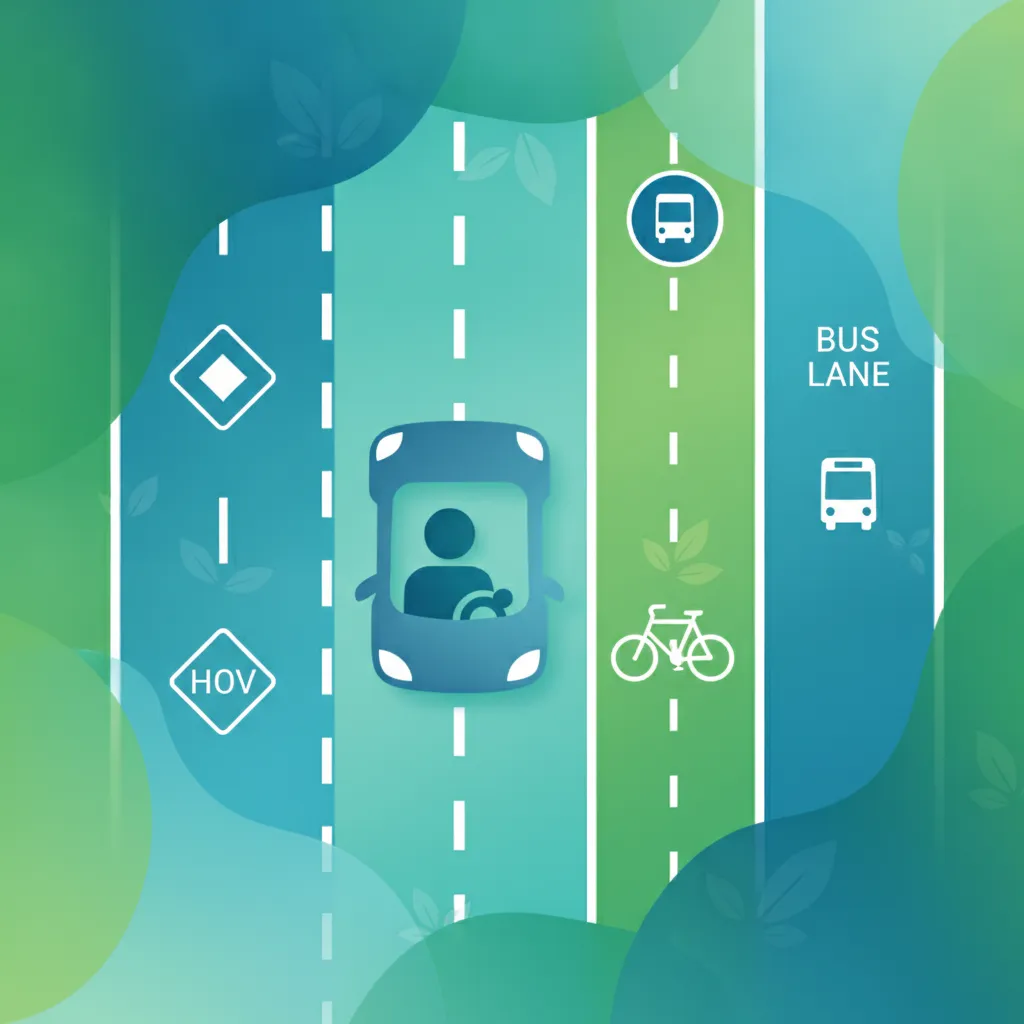
This lesson covers lanes designated for specific types of traffic to improve flow and safety. You will learn to identify mandatory and advisory cycle lanes, and understand the signs indicating the operational hours of bus lanes. The rules governing these lanes are critical for avoiding penalties and ensuring the safety of all road users.
This lesson details how to safely navigate junctions controlled by traffic signals. It explains the meaning of filter arrows, which allow you to proceed in a specific direction even if the main light is red. You will also learn about respecting advanced stop lines for cyclists and how to approach a junction when the traffic lights are not working.
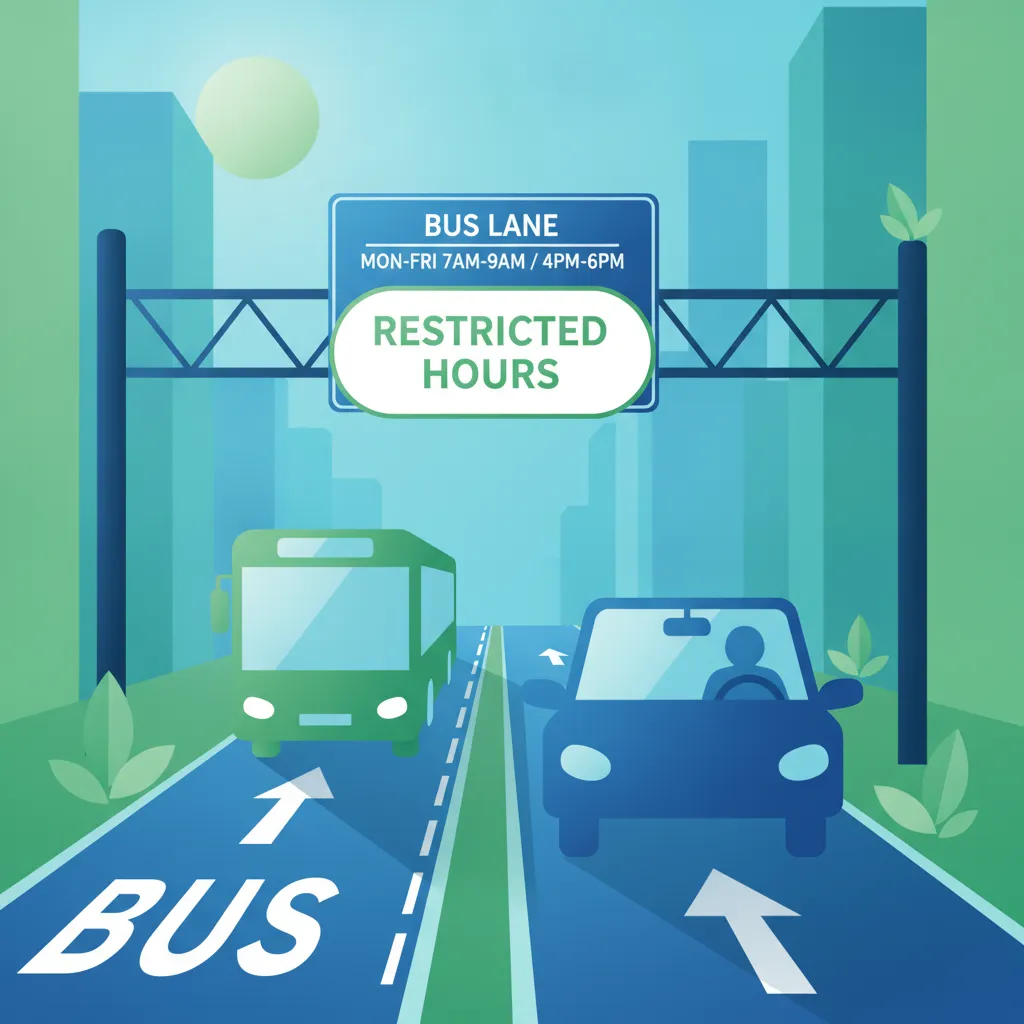
This lesson covers the importance of maintaining correct lane discipline when driving a large passenger vehicle. It details how to position your vehicle safely within a lane on various road types, including multi-lane carriageways and motorways. You will learn the specific rules governing bus lanes, including how to interpret markings, adhere to operating times, and understand the exemptions and penalties associated with their use to ensure legal and efficient driving.
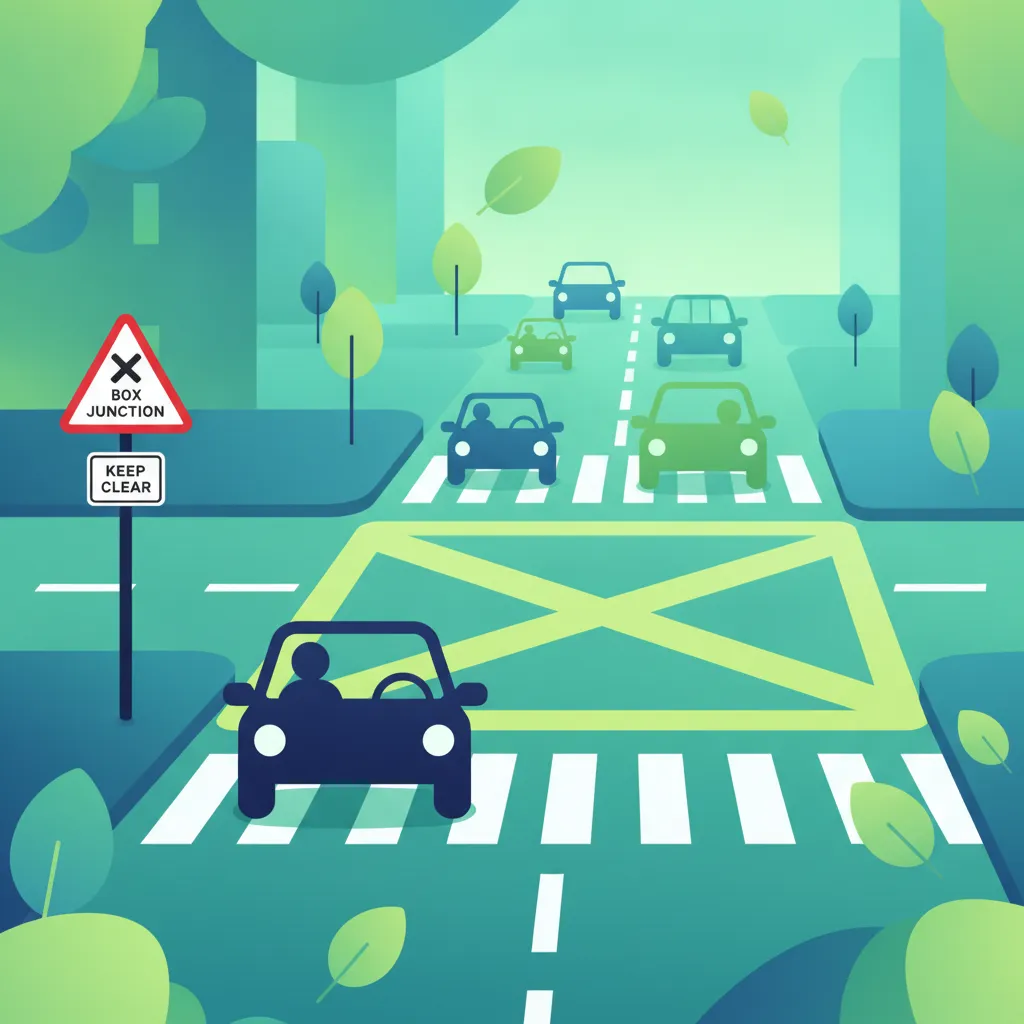
This lesson focuses on the markings that control traffic at intersections. It explains the primary rule of a yellow box junction: do not enter unless your exit is clear. You will also learn the difference between the solid white 'Stop' line and the broken 'Give Way' line, which dictate your priority over other traffic.

This lesson tackles the complexities of large roundabouts, which often have multiple lanes and exits. It stresses the importance of reading signs on the approach to select the correct lane for your destination. You will learn about maintaining lane discipline while on the roundabout and signalling correctly as you pass exits and prepare to leave.

This lesson focuses on the importance of excellent lane discipline for drivers of large vehicles. It details the rules and best practices for lane selection on motorways and dual carriageways, emphasizing the need to stay in the appropriate lane and signal intentions early. Correct positioning within a lane to maximize safety margins and visibility, especially around vulnerable road users, is a key focus for maintaining professional driving standards.
Master safe navigation by understanding lane arrows, lane end markings, and maintaining proper lane discipline. Learn how these elements guide your movements and ensure compliance with the Highway Code for AM category riders.
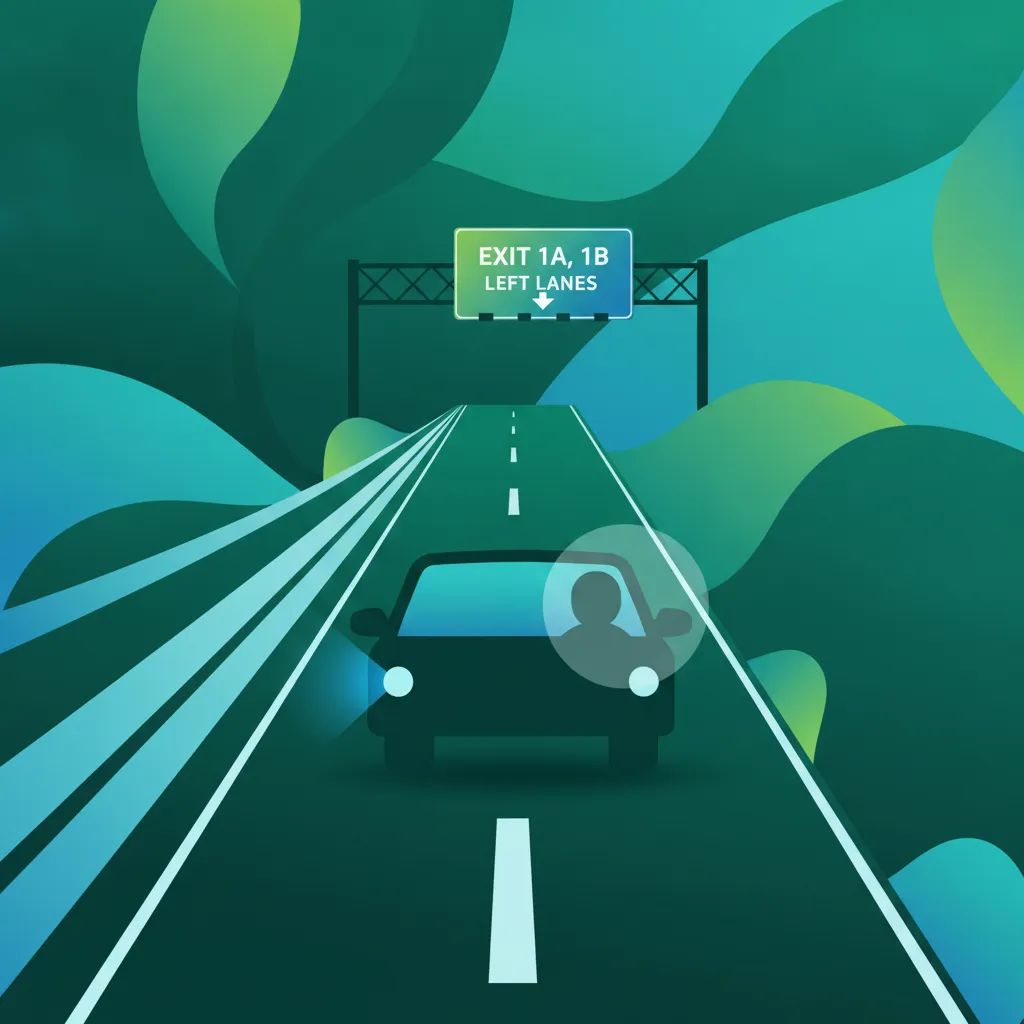
This lesson focuses on the correct procedure for moving from one lane to another. It highlights the critical safety steps of checking your interior and side mirrors, signalling in good time, and performing a final head check into your blind spot. This ensures the space you intend to move into is clear before you begin the manoeuvre.
This lesson focuses on the importance of excellent lane discipline for drivers of large vehicles. It details the rules and best practices for lane selection on motorways and dual carriageways, emphasizing the need to stay in the appropriate lane and signal intentions early. Correct positioning within a lane to maximize safety margins and visibility, especially around vulnerable road users, is a key focus for maintaining professional driving standards.
This lesson tackles the complexities of large roundabouts, which often have multiple lanes and exits. It stresses the importance of reading signs on the approach to select the correct lane for your destination. You will learn about maintaining lane discipline while on the roundabout and signalling correctly as you pass exits and prepare to leave.
This lesson covers the importance of maintaining correct lane discipline when driving a large passenger vehicle. It details how to position your vehicle safely within a lane on various road types, including multi-lane carriageways and motorways. You will learn the specific rules governing bus lanes, including how to interpret markings, adhere to operating times, and understand the exemptions and penalties associated with their use to ensure legal and efficient driving.
This lesson explains how lines running parallel to the kerb control traffic movement. You will learn that broken white lines divide lanes, while solid white lines generally prohibit crossing them. The specific rules for double white lines, including when you are permitted to cross, are also covered in detail to ensure safe overtaking.
This lesson focuses on the markings that control traffic at intersections. It explains the primary rule of a yellow box junction: do not enter unless your exit is clear. You will also learn the difference between the solid white 'Stop' line and the broken 'Give Way' line, which dictate your priority over other traffic.
This lesson covers lanes designated for specific types of traffic to improve flow and safety. You will learn to identify mandatory and advisory cycle lanes, and understand the signs indicating the operational hours of bus lanes. The rules governing these lanes are critical for avoiding penalties and ensuring the safety of all road users.
This lesson covers the signs that help you navigate your journey effectively. It explains how sign colours indicate the type of road—blue for motorways, green for primary routes, and white for non-primary routes. You will also learn to interpret signs for tourist attractions, services, and lane information at complex junctions.
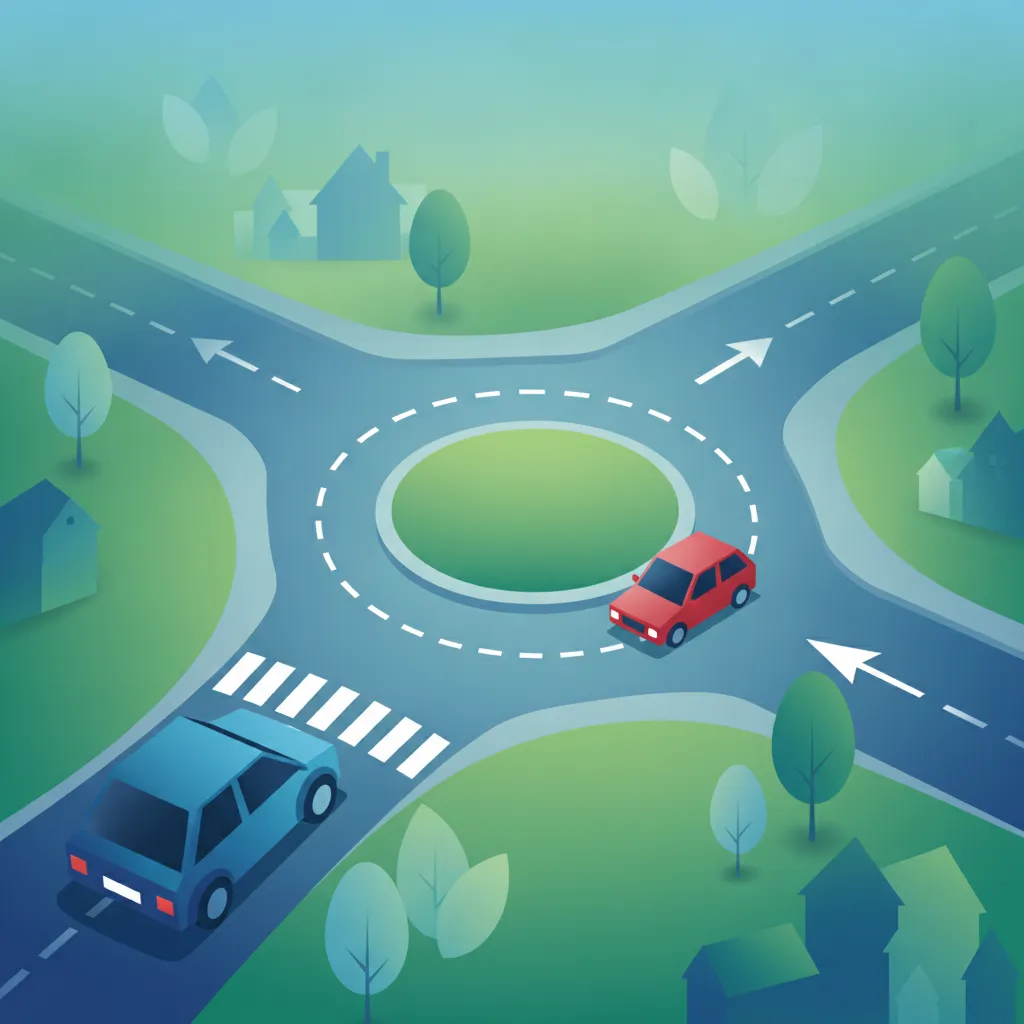
This lesson explains how to handle mini-roundabouts, which are common in urban and residential areas. The primary rule is to approach with caution and give priority to any traffic approaching from your right. You will also learn about correct signalling and the importance of being aware of cyclists and motorcyclists who may be harder to see.
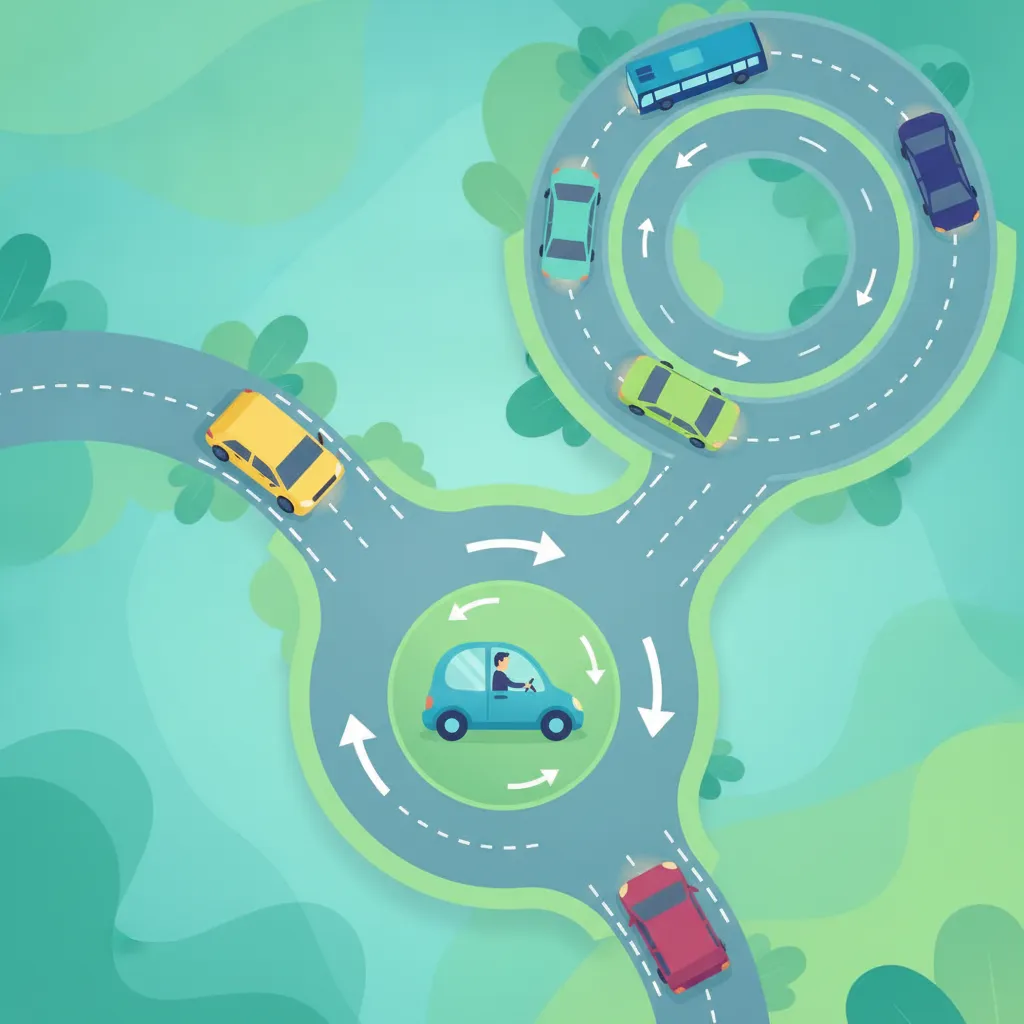
This lesson provides specific techniques for safely navigating the two main types of roundabouts in Great Britain. For multi-lane roundabouts, it covers how to choose the correct lane on approach, maintain your lane while circulating, and signal your exit correctly. It also explains the unique rules for mini-roundabouts, emphasizing the importance of giving way to traffic from the right and navigating them with caution due to their small size.
Find clear answers to common questions learners have about Road Markings and Lane Discipline. Learn how the lesson is structured, which driving theory objectives it supports, and how it fits into the overall learning path of units and curriculum progression in Great Britain. These explanations help you understand key concepts, lesson flow, and exam focused study goals.
Generally, you must not cross or straddle a single solid white line unless it is necessary to avoid an obstruction, pass a stationary vehicle, or enter a side road, provided the road is clear. You should always prioritize safety and avoid crossing if the view ahead is restricted.
It depends on the local signage. You can only use a bus lane if the sign indicates that mopeds or motorcycles are permitted. Always check the specific signs before entering these lanes to avoid penalties.
A single yellow line indicates waiting restrictions that apply during specific times shown on nearby signs. A double yellow line indicates that waiting is prohibited at any time, even if no sign is present.
Yes, lane markings are there to keep traffic organized and safe. You should always maintain proper lane discipline, even on quiet roads, to ensure you are predictable to other road users.
Dive into our comprehensive question bank to find exactly what you need for your Great Britain theory test. Use our advanced filters to pinpoint specific subjects or test your knowledge on challenging areas, ensuring you're fully prepared for success.