
This lesson provides a critical guide to managing road emergencies, breakdowns, and traffic collisions while riding your moped or light quadricycle. It builds on your knowledge of safe riding behaviours to ensure you know exactly how to protect yourself and others if an incident occurs on British roads.
Lesson content overview
Emergencies on the road can be frightening and stressful, but knowing how to react calmly and correctly can significantly reduce risks, save lives, and ensure you comply with the law. This lesson provides a comprehensive guide to managing breakdowns, road traffic collisions, and other emergency situations specifically for riders of mopeds and light quadricycles in Great Britain. By understanding and applying these procedures, you will be prepared to act effectively under pressure, protect yourself and others, and fulfil your legal obligations.
In Great Britain, specific legal duties govern a driver's actions after any road incident, whether it is a minor collision or a serious accident. These duties are designed to ensure safety, facilitate investigations, and provide timely assistance to those in need. Familiarity with these obligations is a crucial part of the Great Britain AM Licence Theory Course.
One of the most immediate and critical legal requirements after any road traffic collision is the "Duty to Stop." This statutory obligation means that if you are involved in a road incident, you must bring your vehicle to a halt at the scene. This applies regardless of the severity of the damage or whether you believe you are at fault.
The purpose of this duty, as outlined in the Road Traffic Act 1988, Section 170, and reinforced by Highway Code Rule 163, is multifaceted. It prevents secondary accidents, allows for the assessment of injuries, and ensures that evidence is preserved for any necessary investigations or insurance claims. Even a minor scrape with a parked vehicle requires you to stop and take appropriate action. Failing to stop after an accident is a serious offence that can lead to severe penalties, including fines, licence points, and even imprisonment.
Never assume a collision is too minor to warrant stopping. Your legal duty applies to any incident involving your vehicle, however slight the damage or injury may seem.
Beyond stopping, you also have a "Duty to Render Assistance" to anyone who has been injured in a road accident, or whose life is being threatened. This involves taking reasonable steps to help, primarily by calling the emergency services (999 or 112) without delay if there are injuries or potential for serious harm. Highway Code Rule 167 explicitly states this requirement.
Your assistance should be within the limits of your competence. While you are not expected to perform complex medical procedures unless you are trained, providing basic first aid such as keeping a casualty warm, reassuring them, or applying direct pressure to a bleeding wound, can make a significant difference. Your primary responsibility is to ensure that professional medical help is summoned swiftly and accurately. This quick action can dramatically improve survival rates and reduce the severity of injuries.
After ensuring the immediate safety of the scene and rendering any necessary assistance, your next legal duty is to exchange information with other parties involved. Highway Code Rule 166 mandates that you provide your name, address, and the registration number of your vehicle to anyone with reasonable grounds to ask for it.
It is also highly recommended that you exchange insurance details, including your insurer's name and policy number. If the other party is not present (e.g., you hit a parked car and the owner is not there), you must leave a note on the vehicle with your details and report the accident to the police within 24 hours. Failure to exchange details, or providing false information, is a serious offence under the Road Traffic Act 1988. Always obtain the same information from other drivers involved for your records.
Understanding when an accident must be reported to the police or your insurer is vital for compliance. These "legal reporting thresholds" vary depending on the incident's nature and severity.
Police Reporting: You must report an accident to the police if:
If you cannot exchange details at the scene (e.g., the other driver leaves, or it's a parked car), you must report the incident to the police within 24 hours.
Insurance Reporting: You are legally obliged to notify your insurer of any accident that could lead to a claim, regardless of how minor it seems. Most insurance policies require you to do this as soon as reasonably practicable, often within 24 hours of the incident. This allows your insurer to assess potential liability and manage claims efficiently. Even if you decide not to make a claim yourself, your insurer needs to know about the incident.
The immediate aftermath of an emergency on the road can be highly dangerous, with the risk of secondary collisions. Prioritizing "Scene Safety" is paramount to protect yourself, other road users, and any casualties. This involves a systematic approach to making the area as safe as possible.
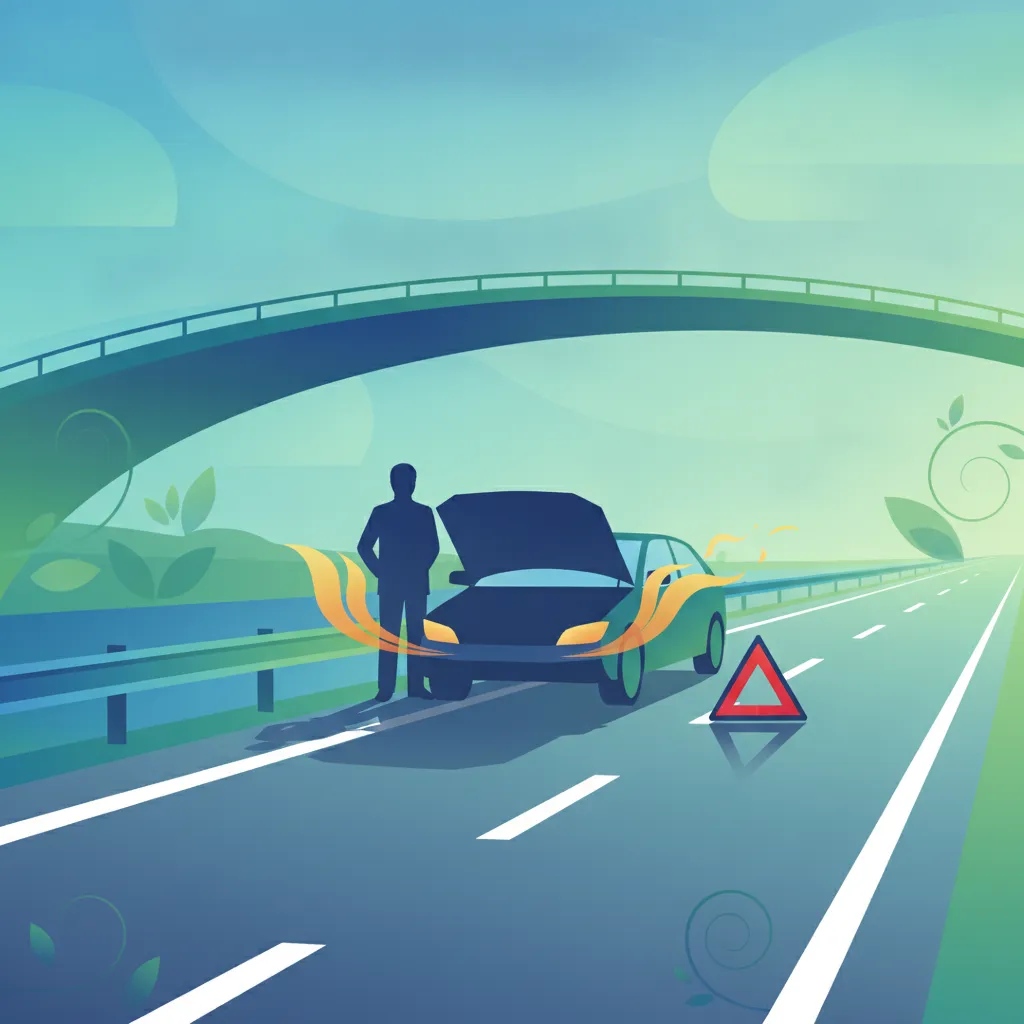
If your moped or light quadricycle is involved in a breakdown or collision, your first priority, after ensuring your own safety, is to secure the scene. If it is safe to do so, move your vehicle off the main carriageway to a safer position, such as a hard shoulder on a motorway or a lay-by on a smaller road. If the vehicle cannot be moved, ensure you take measures to warn approaching traffic effectively.
Once the vehicle is safely positioned, or if it cannot be moved, ensure you are in a safe location away from moving traffic. On a motorway, you should always exit your vehicle from the left-hand side and wait behind a barrier, away from the hard shoulder, if one is available. Never stand between your vehicle and oncoming traffic.
Visual warnings are critical for alerting other drivers to a hazard ahead.
A reflective, portable triangular device placed behind a stationary vehicle to warn approaching traffic of a hazard. Specific distances apply depending on the road type.
Your personal safety is paramount when dealing with an emergency on the road. If you need to leave your vehicle, especially at night or in conditions of poor visibility, wearing high-visibility clothing (such as a reflective jacket or vest) is strongly recommended by the Highway Code. This makes you much more noticeable to other drivers and significantly reduces the risk of being hit.
Always be aware of your surroundings, especially oncoming traffic. If possible, wait for assistance in a safe place, such as behind a safety barrier or well away from the road's edge. Avoid walking into the carriageway unnecessarily. Your safety is your responsibility, and taking these precautions can prevent further injury or tragedy.
Knowing when and how to contact emergency services is a critical skill for any road user. Prompt and clear communication can dramatically improve the outcome of an incident.
You should call 999 (or 112, which works from any phone and connects to the same services) if:
Even if you are unsure about the severity of injuries, it is always better to call and let the emergency services assess the situation. Do not delay in calling if an injury, however minor it seems, is present or suspected.
When you call 999 or 112, be prepared to provide clear and concise information. The operator will ask which service you require (Police, Fire, or Ambulance). Once connected, provide the following key details:
Stay calm and listen carefully to the operator's instructions. Do not hang up until they tell you to, as they may need more information or need to guide you through initial first aid.
Your "duty to render assistance" includes providing first aid within your competence. If you have received first aid training, you can apply your skills to help casualties until professional help arrives. However, if you are not trained, your most important action is to ensure emergency services are called and to keep the injured person safe and reassured.
Never attempt first aid procedures you are not confident in performing, as you could inadvertently cause further harm. Basic actions like covering a casualty with a blanket to prevent shock, talking to them to keep them conscious, and not moving them if you suspect a spinal injury are generally safe and helpful. Prioritise keeping yourself safe from traffic and other hazards while assisting.
Having a clear sequence of actions to follow during an emergency can help you remain calm and ensure all necessary steps are covered. This procedural flow is crucial for AM licence holders.
Secure the Scene: Move your vehicle to a safe location if possible (e.g., hard shoulder, roadside curb). Immediately activate your hazard warning lights. If safe, place a warning triangle 45 metres behind on dual carriageways or 30 metres behind on other roads. Put on high-visibility clothing if it's dark or visibility is poor.
Assess Injuries: Quickly check yourself and any other individuals involved for injuries. Prioritize immediate threats to life.
Call Emergency Services (999/112) if Needed: If there are injuries, fire, or a significant danger/obstruction, call 999 or 112. Provide your precise location, the nature of the incident, and the number and condition of casualties. Stay on the line until instructed to hang up. Provide basic first aid if you are competent and it is safe to do so.
Exchange Information: With other parties involved, exchange your name, address, vehicle registration number, and insurance details (insurer name and policy number). Obtain the same details from them. If the other party is absent (e.g., parked car), leave a note and report to the police within 24 hours.
Document the Incident: Take photographs of the scene, vehicle positions, and damage. Note down details such as the date, time, weather conditions, road surface, and any unique circumstances. Collect contact details of any witnesses.
Notify Your Insurer: Report the incident to your insurance provider as soon as practicable, typically within 24 hours, even if you don't intend to make a claim or believe it was a minor incident.
Cooperate with Police: If police attend the scene or contact you later, cooperate fully by providing statements and any information they request.
Thorough documentation is vital for insurance claims and any potential legal proceedings. Use your mobile phone to take clear photographs of:
In addition to photos, write down notes about the time, date, weather, and specific events of the incident. Collect the names and contact details of any independent witnesses. Their statements can be crucial in establishing what happened.
After the immediate aftermath, your responsibilities continue. As discussed, you must notify your insurance company promptly. Provide them with all the documented information, including photos and witness details. Be honest and factual in your report.
If the police are involved, they may contact you for a formal statement or further information. Cooperate fully with their investigation. Your actions and adherence to procedures at the scene can significantly influence the outcome of any police investigation or insurance claim.
Being prepared for emergencies means not only knowing what to do but also understanding the underlying rules and avoiding common pitfalls.
Several Highway Code rules specifically address emergency situations for all road users, including those on mopeds and light quadricycles:
These rules are not merely guidance; many are backed by law (e.g., Road Traffic Act 1988) and can result in legal consequences if ignored.
The Road Traffic Act 1988 is the primary legislation governing road use in the UK and underpins many of the Highway Code rules related to emergencies. Section 170 of this Act is particularly relevant, outlining the duties of a driver in case of an accident. It covers the duty to stop, report the accident to the police (if certain conditions are met), and provide information. Understanding that these are legal duties, not just recommendations, emphasizes their importance.
A key piece of UK legislation outlining a driver's legal duties to stop, report an accident, and provide information following a road traffic collision.
Many drivers make mistakes during emergencies, often due to panic or a lack of understanding. Some common violations and misconceptions include:
Adhering to correct procedures and avoiding these errors protects not only yourself but also other road users and ensures compliance with the law.
Emergency procedures are not one-size-fits-all. Your actions may need to be adjusted based on weather, light, road type, and the presence of vulnerable road users.
The type of road where an emergency occurs significantly impacts the correct procedure:
When an emergency involves vulnerable road users (pedestrians, cyclists, other moped riders), their safety is the absolute priority.
Mastering emergency procedures is an indispensable part of safe riding and a core requirement for the Great Britain AM Licence. Your ability to respond correctly in a stressful situation can prevent further harm and ensure legal compliance.
Remember these key principles:
By internalizing these steps, you build a foundation for responsible and safe riding on Great Britain's roads.
Explore all units and lessons included in this driving theory course.
Lesson content overview
Explore all units and lessons included in this driving theory course.
Explore search topics learners often look for when studying Crash, Breakdown, and Emergency Procedures. These topics reflect common questions about road rules, driving situations, safety guidance, and lesson level theory preparation for learners in Great Britain.
Browse additional driving theory lessons that cover connected traffic rules, road signs, and common driving situations related to this topic. Improve your understanding of how different rules interact across everyday traffic scenarios.
Understand your statutory duties after an accident, including the duty to stop, render assistance, and exchange information. Essential knowledge for AM licence holders preparing for the Great Britain driving theory test.
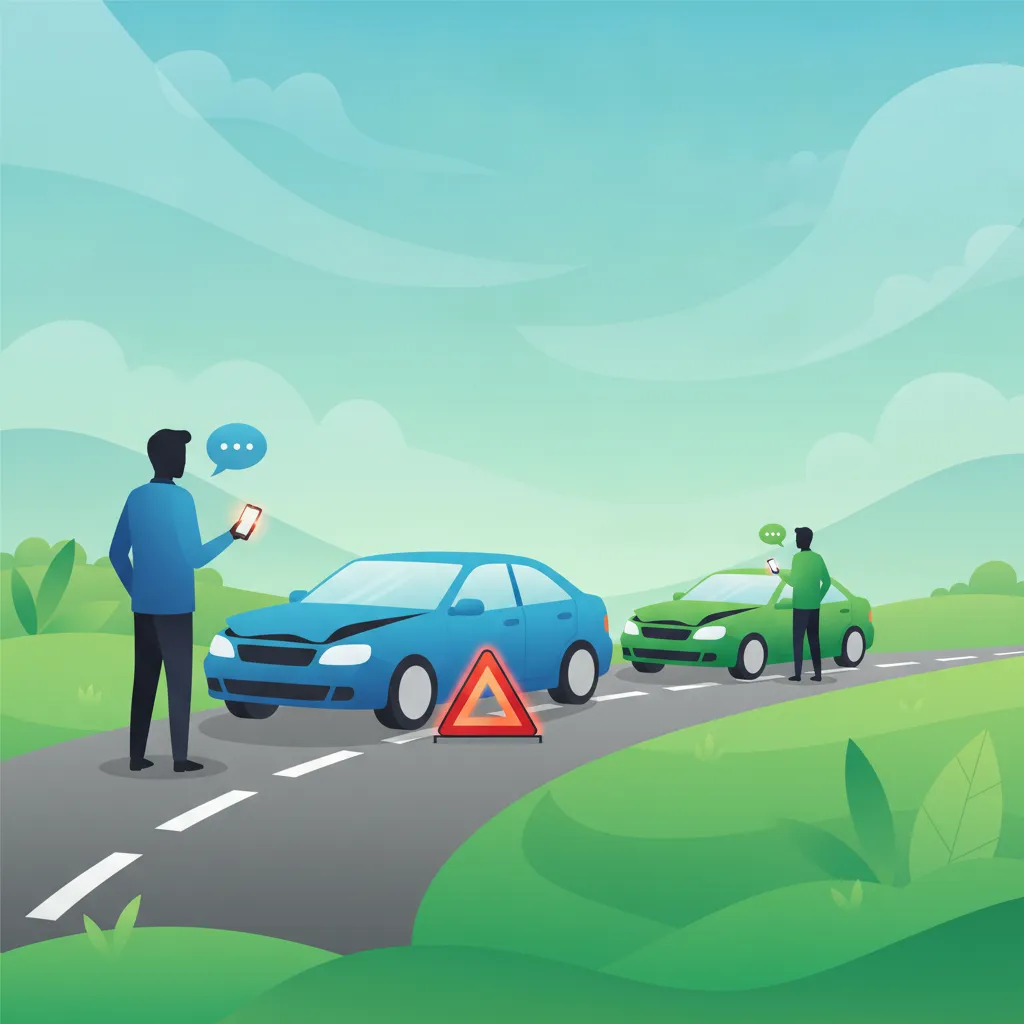
Knowing what to do at an accident scene can save lives. This lesson outlines the critical steps: ensuring your own safety, making the scene safe for others, assessing casualties, and calling the emergency services. It also covers your legal obligations to stop, report the collision, and exchange details with other parties involved.
This lesson focuses on a driver's legal and ethical duty of care to all road users. It explains the concept of a road user hierarchy, which prioritizes the safety of vulnerable groups such as pedestrians, cyclists, and motorcyclists. You will learn the principles of defensive driving, anticipating potential hazards, and maintaining a courteous attitude on the road to ensure safety for everyone.
Explore the critical topics of driver liability, insurance, and legal penalties in Great Britain. This lesson distinguishes between civil and criminal liability in the context of road incidents. It details the compulsory third-party insurance every driver must have and explains the penalty points system for traffic offences, including fines and potential disqualification.
The period after an accident can be stressful and confusing. This lesson provides guidance on the practical steps, such as reporting the incident to your insurer and gathering necessary information for any legal proceedings. It also touches upon the importance of looking after your own physical and mental wellbeing and how to regain confidence in your riding.
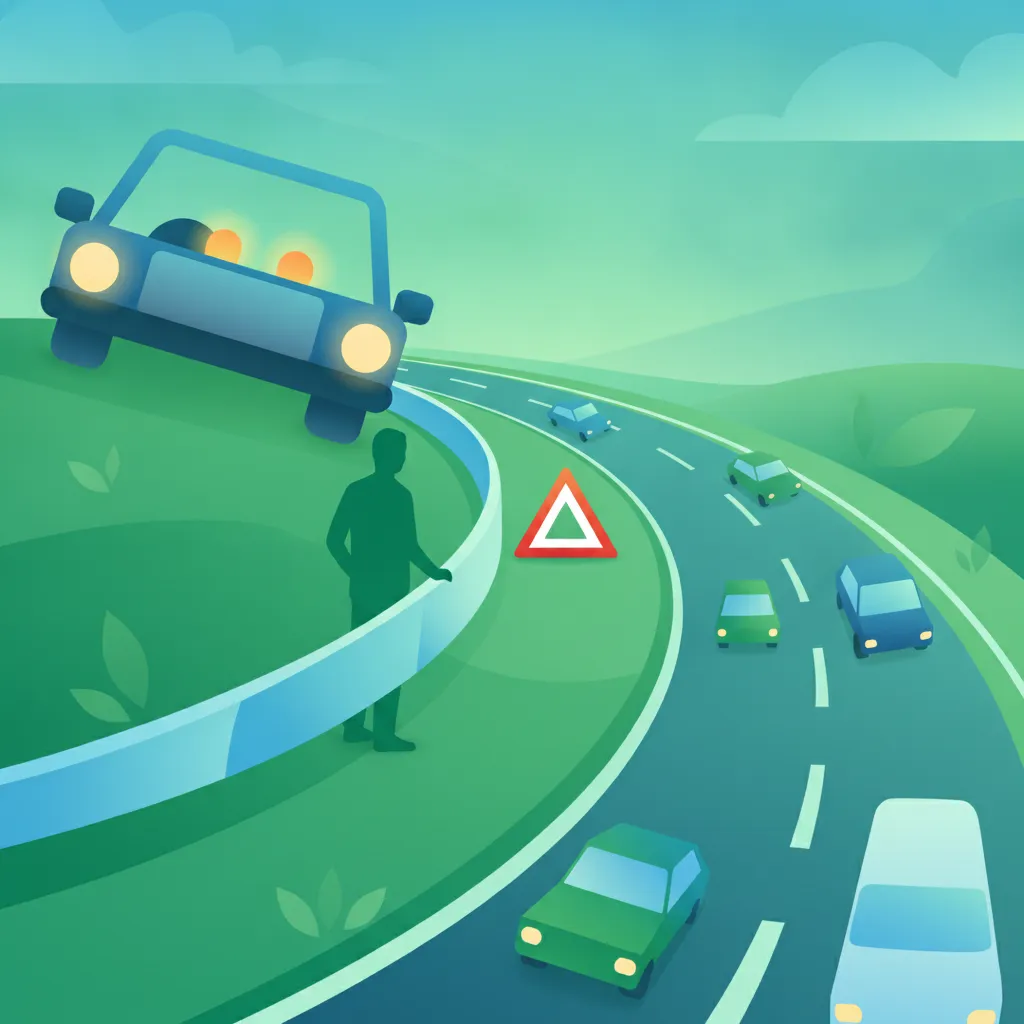
This lesson provides essential guidance for handling on-road emergencies. It outlines the steps to take if your vehicle breaks down, including making yourself visible and getting to a place of safety. You will also learn the basics of what to do at an accident scene, including assessing the situation, calling for help, and providing simple first aid until professional assistance arrives.
This lesson details your legal responsibility for passenger safety. It covers the mandatory use of seatbelts for all occupants and explains the specific laws regarding child car seats, which are based on a child's height or weight. Correctly fitted head restraints and understanding how airbags work are also key components of passenger protection.
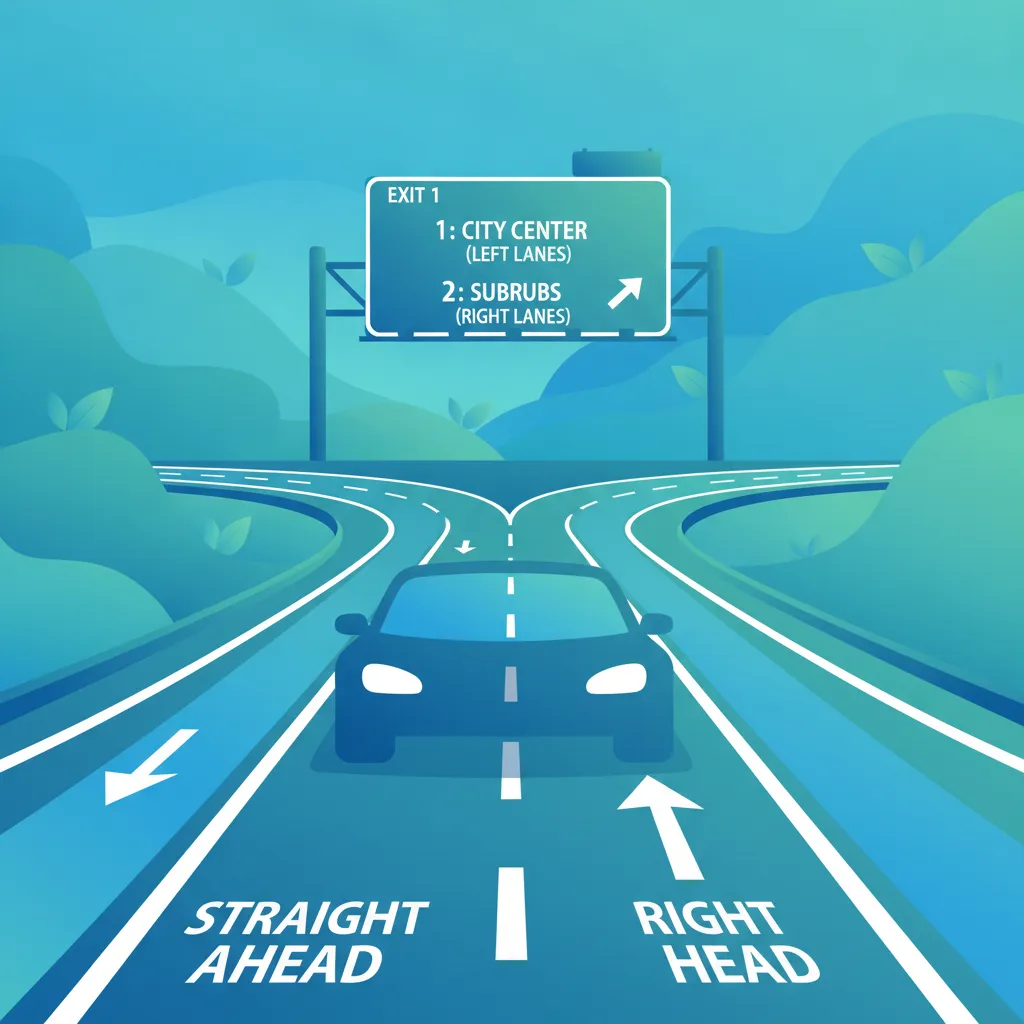
This lesson focuses on the rules conveyed by road markings, such as solid and broken white lines that dictate overtaking rules and lane boundaries. You will learn to interpret waiting and stopping restrictions indicated by yellow and red lines, and understand markings for specific road users like bus and cycle lanes. Maintaining correct lane discipline based on these markings is a fundamental skill for safe navigation and compliance with the Highway Code.
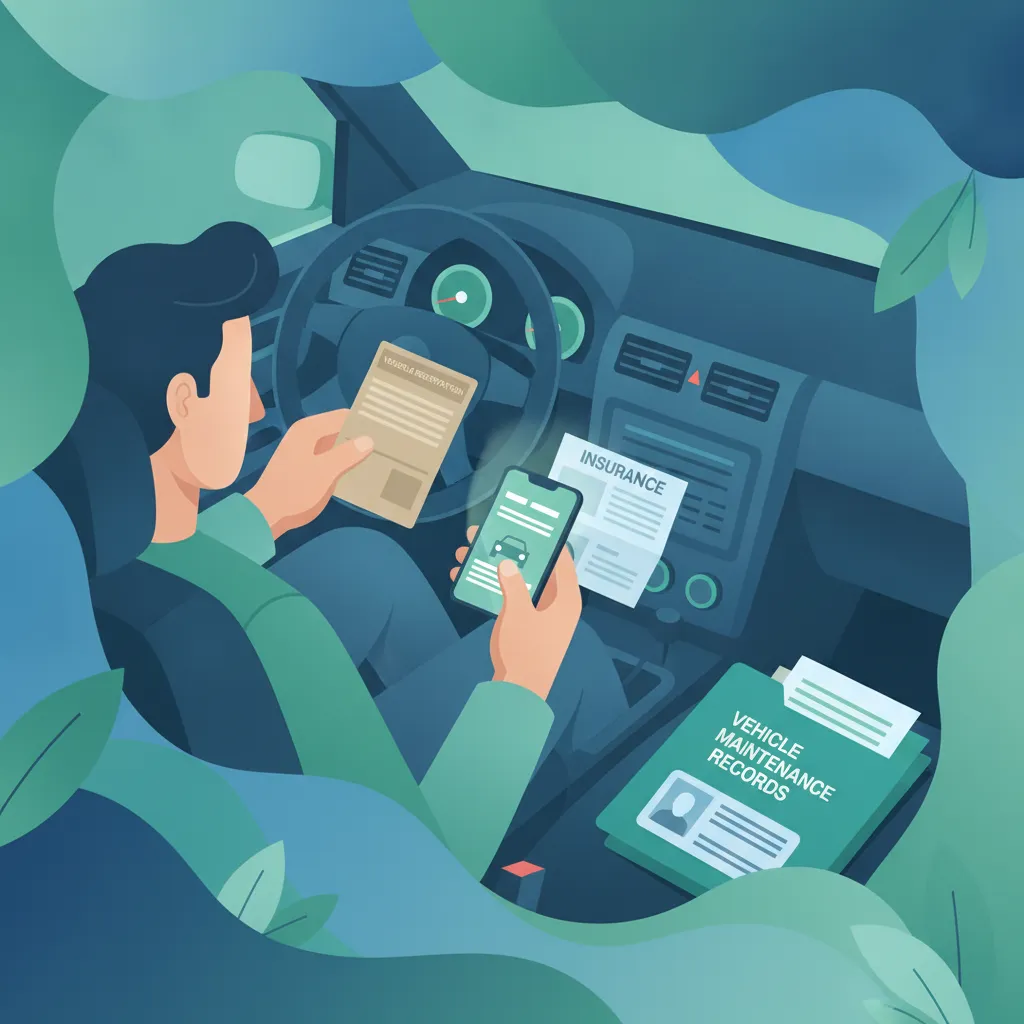
This lesson details the crucial documentation required for legal driving in the UK. It explains the purpose of the V5C registration document, the MOT test certificate, and proof of insurance and road tax (Vehicle Excise Duty). You will learn where to keep these documents and when you might be required to present them to authorities.
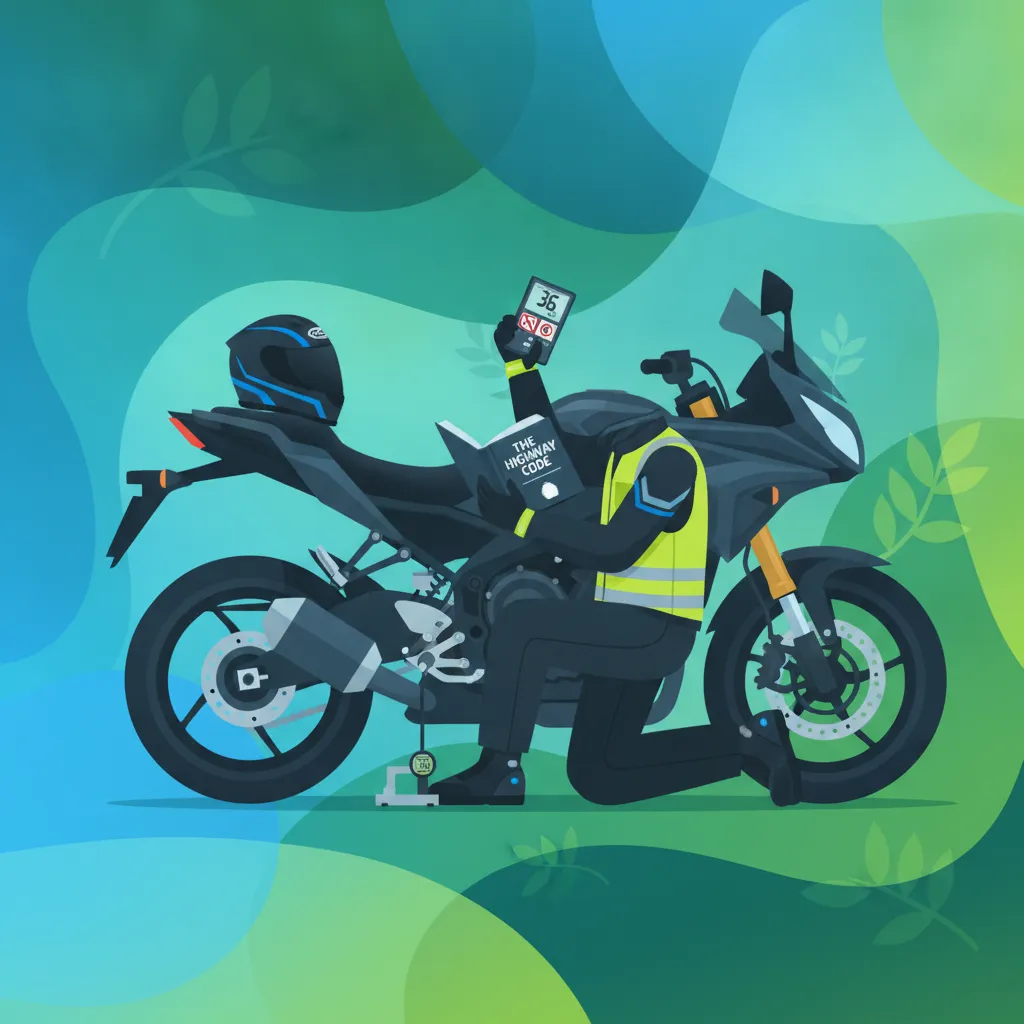
This lesson focuses on the specific obligations a motorcyclist has according to the Highway Code. It emphasizes the legal duty of care towards other road users, pedestrians, and the environment. You will learn how to apply key rules on speed, lane positioning, and signalling from a rider's perspective to ensure safety and legal compliance.
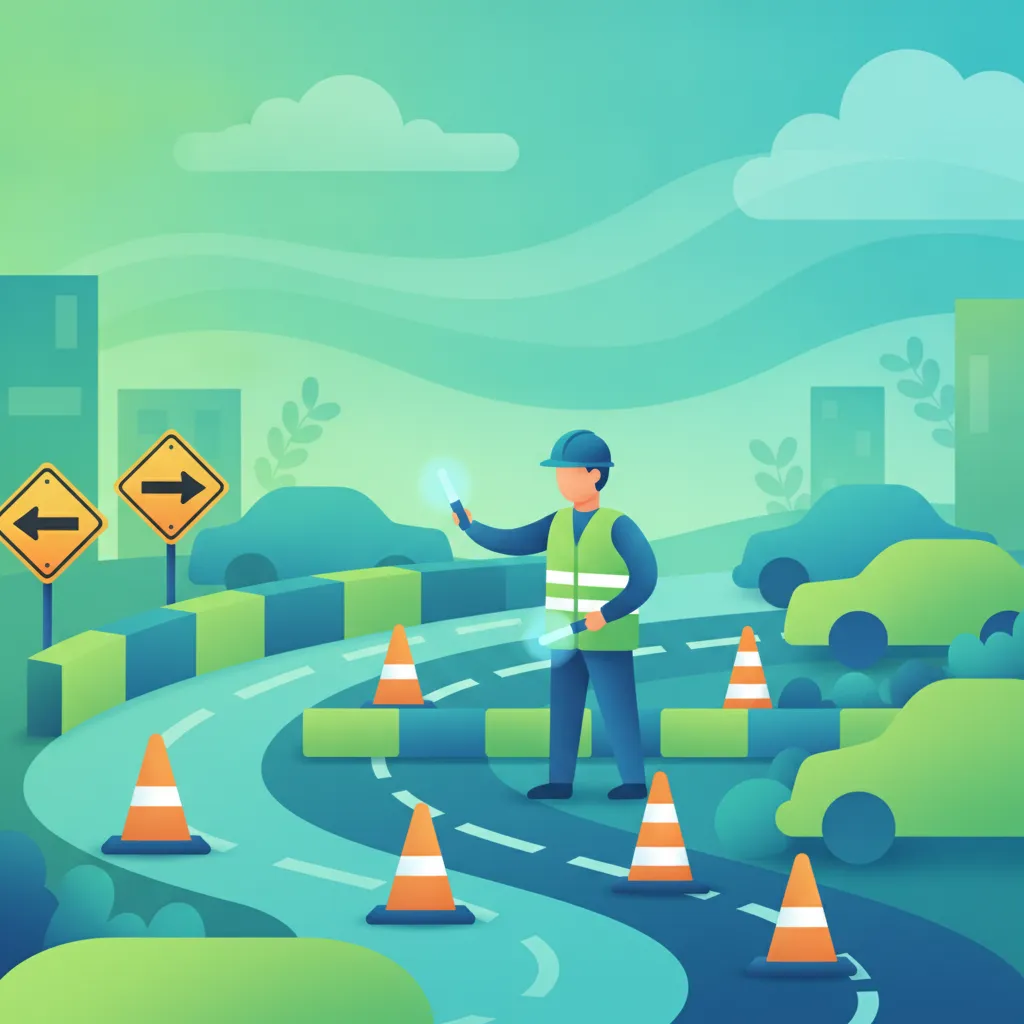
This lesson explains how to drive safely through areas where roadworks are taking place. It stresses the importance of obeying all temporary signs, especially mandatory speed limits, which are in place for your safety and the safety of road workers. You will learn about navigating narrow lanes, contraflow systems, and how to follow official diversion signs.
Learn essential procedures for making a breakdown or collision scene safe, using hazard lights and warning triangles, and effectively communicating with emergency services (999/112) in Great Britain.
Knowing what to do at an accident scene can save lives. This lesson outlines the critical steps: ensuring your own safety, making the scene safe for others, assessing casualties, and calling the emergency services. It also covers your legal obligations to stop, report the collision, and exchange details with other parties involved.
This lesson provides essential guidance for handling on-road emergencies. It outlines the steps to take if your vehicle breaks down, including making yourself visible and getting to a place of safety. You will also learn the basics of what to do at an accident scene, including assessing the situation, calling for help, and providing simple first aid until professional assistance arrives.
The period after an accident can be stressful and confusing. This lesson provides guidance on the practical steps, such as reporting the incident to your insurer and gathering necessary information for any legal proceedings. It also touches upon the importance of looking after your own physical and mental wellbeing and how to regain confidence in your riding.
This lesson explains how to drive safely through areas where roadworks are taking place. It stresses the importance of obeying all temporary signs, especially mandatory speed limits, which are in place for your safety and the safety of road workers. You will learn about navigating narrow lanes, contraflow systems, and how to follow official diversion signs.
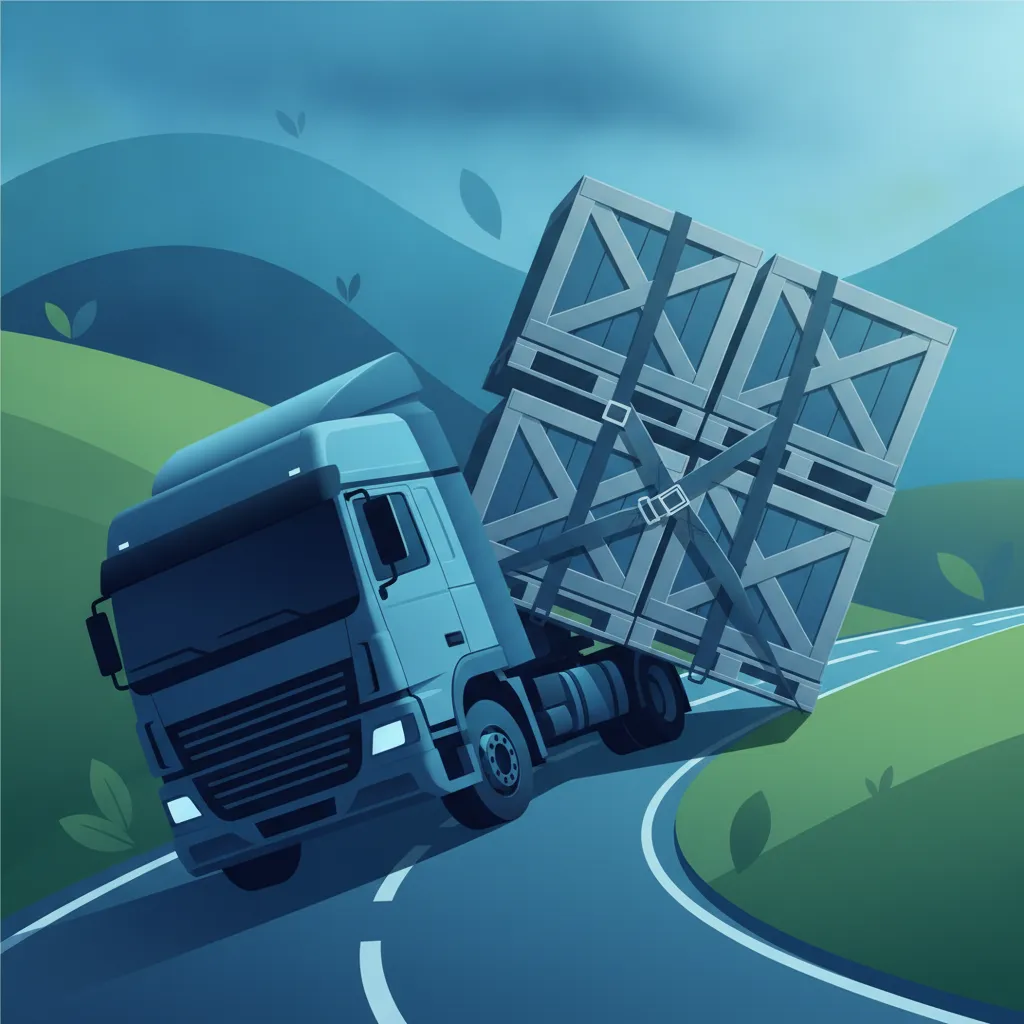
This lesson covers the principles of safe loading to prevent items from shifting or falling and causing a hazard. It explains that any load must be securely fastened and must not obstruct your view. You will also learn how overloading or distributing weight incorrectly can dangerously affect the vehicle's steering, braking, and overall stability.
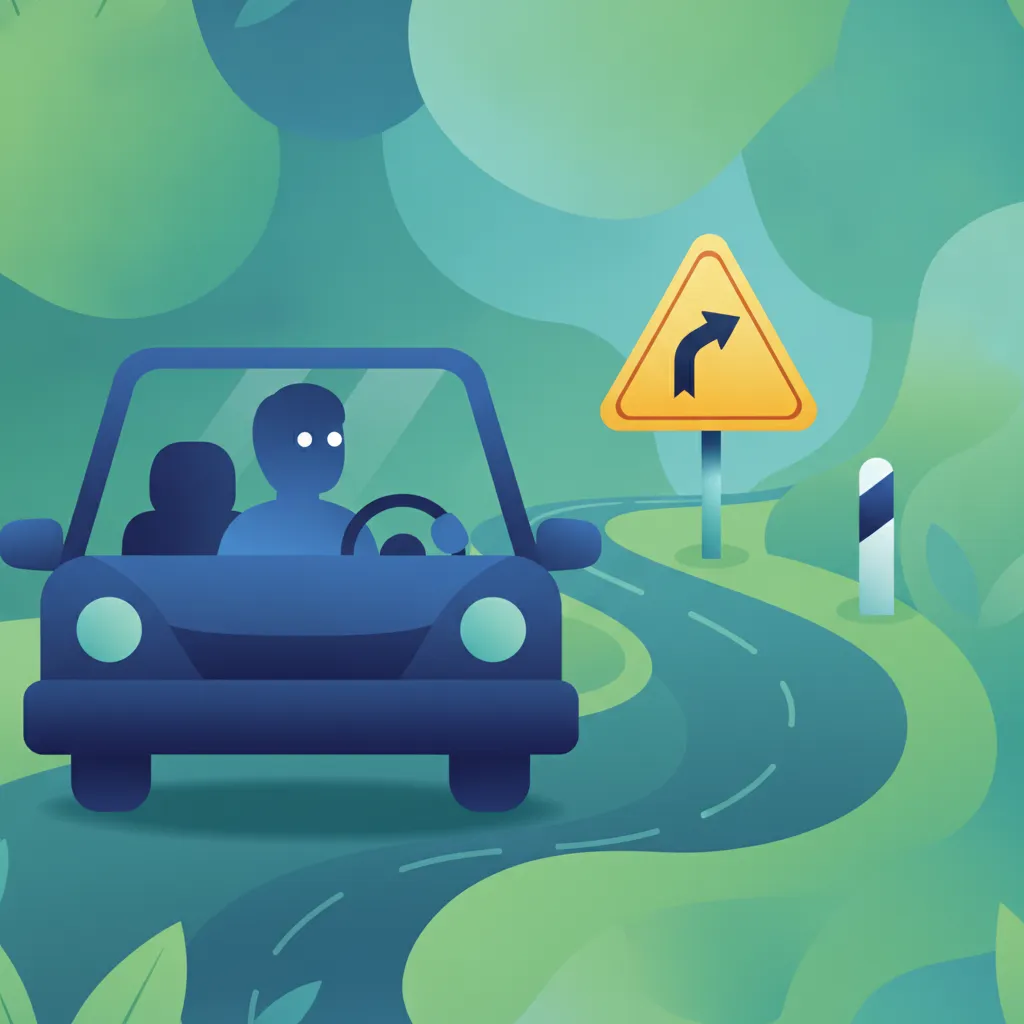
This lesson teaches you to interpret warning signs, which are typically triangular and designed to alert you to potential hazards ahead. You will learn the meanings of common signs indicating sharp curves, slippery surfaces, roadworks, or areas with frequent pedestrian or animal crossings. Understanding these signs is crucial for anticipating dangers and adjusting your speed and position defensively, which is especially important for vulnerable riders of AM vehicles.
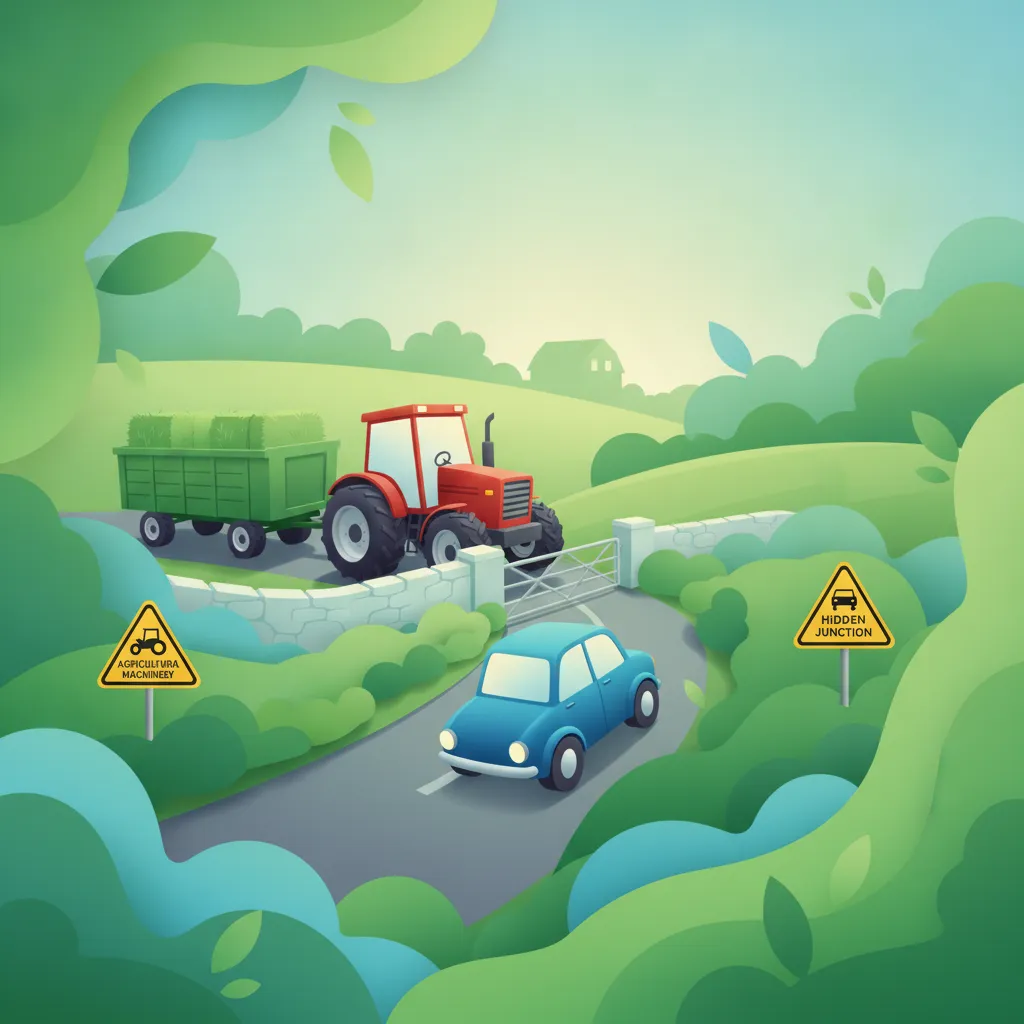
This lesson prepares you for the challenges of countryside driving. It emphasizes that the national speed limit on these roads is often too fast for the conditions. You will learn how to approach sharp bends, use passing places on single-track roads, and anticipate hazards like slow-moving tractors, horse riders, or mud on the road surface.
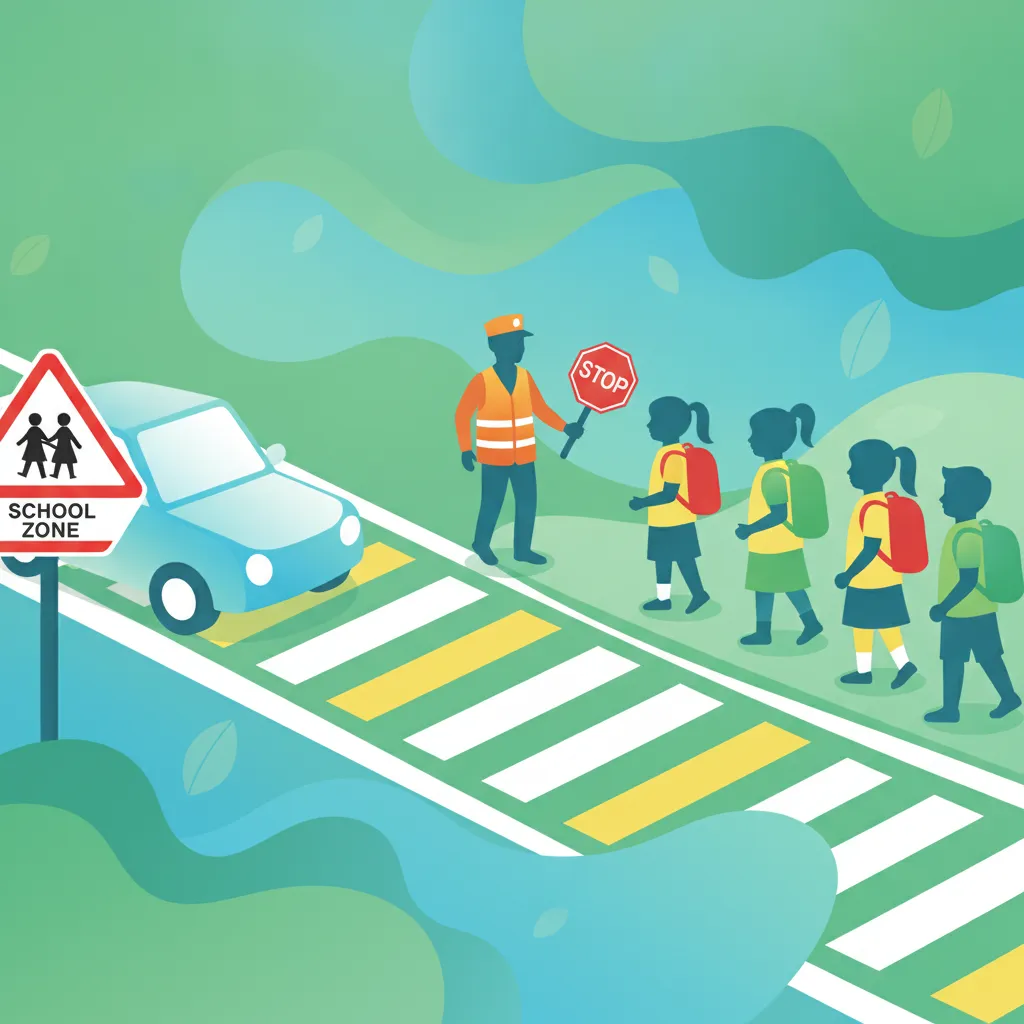
This lesson highlights the need for heightened awareness and reduced speed around schools, parks, and residential areas. Children can be unpredictable, so you must be prepared for them to step into the road without warning. The lesson covers specific signs for school zones and the legal requirement to stop for a school crossing patrol.
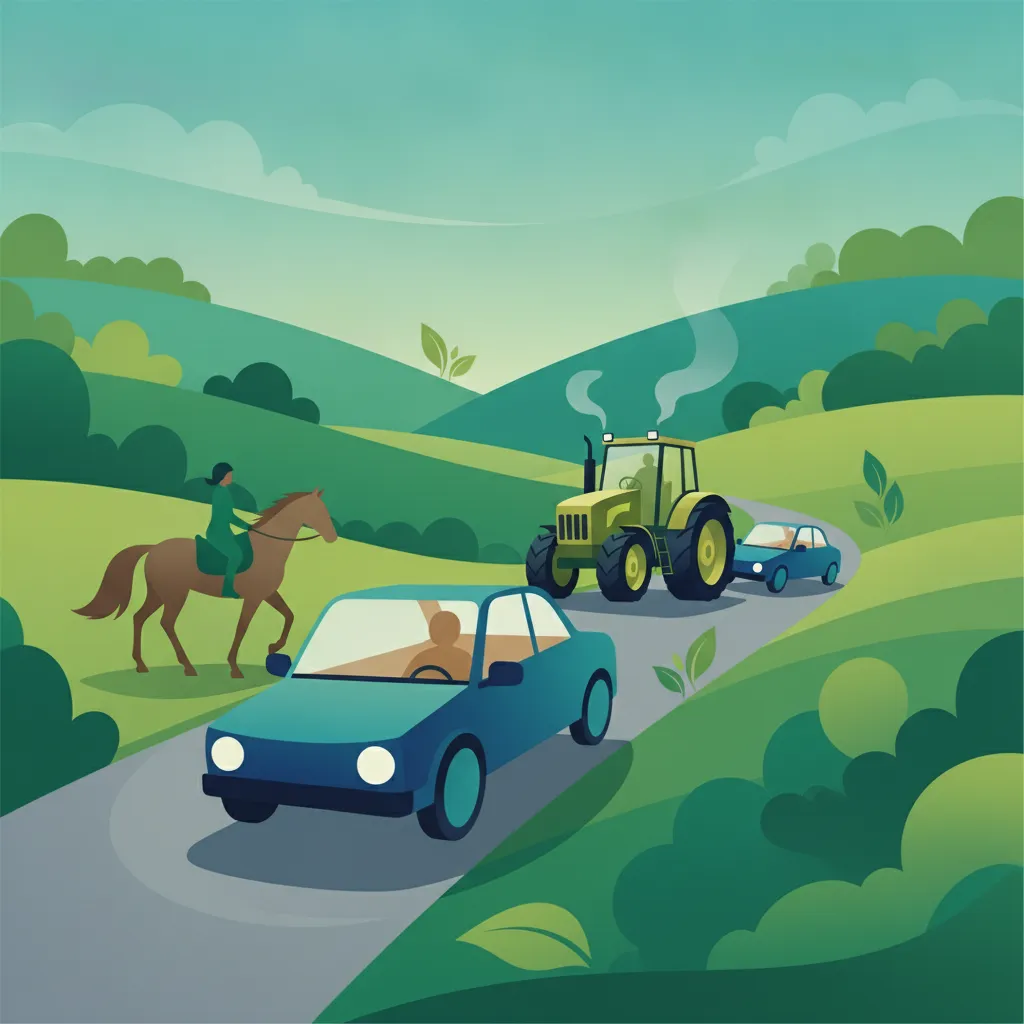
This lesson prepares you for the specific challenges of driving in the countryside. It explains the correct procedure for overtaking horse riders: slow down and pass wide, ensuring you do not spook the animal. You will also learn how to anticipate and safely manage encounters with slow-moving tractors and other farm machinery.
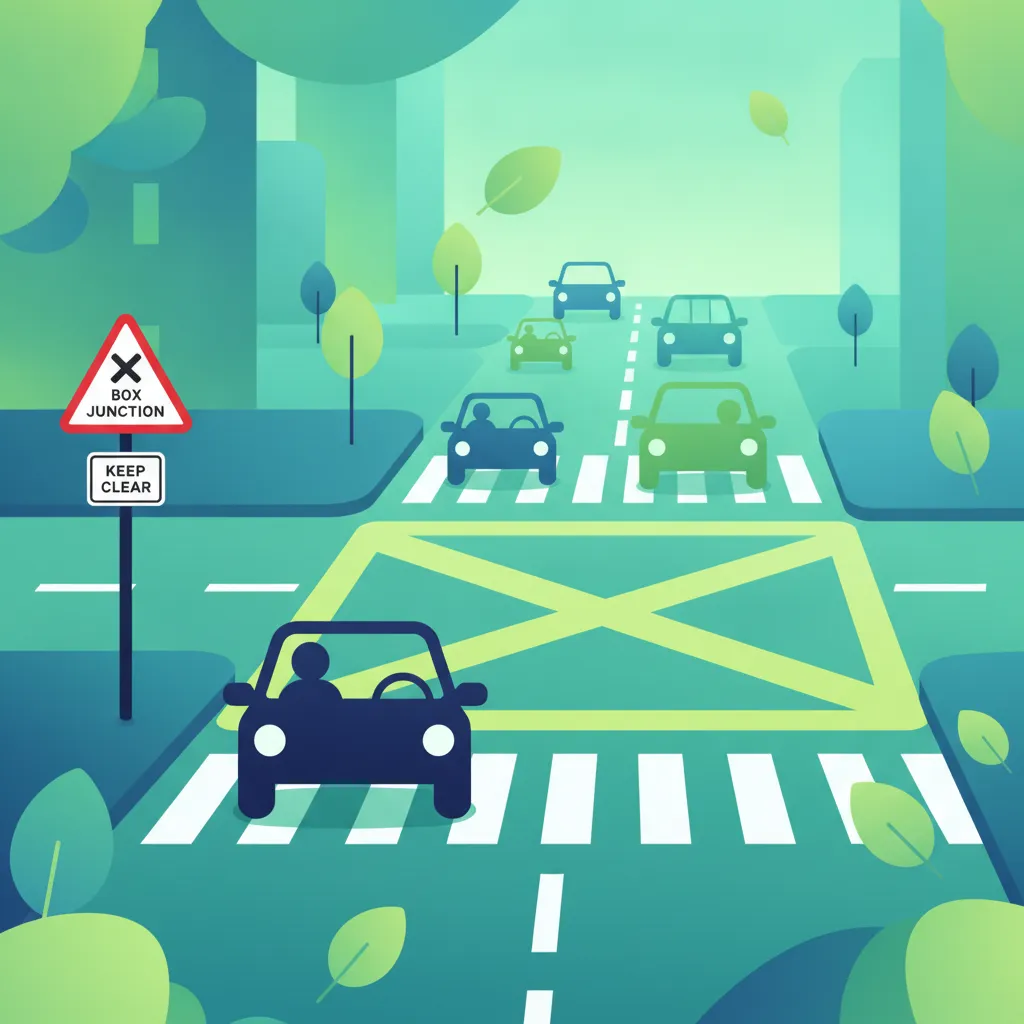
This lesson focuses on the markings that control traffic at intersections. It explains the primary rule of a yellow box junction: do not enter unless your exit is clear. You will also learn the difference between the solid white 'Stop' line and the broken 'Give Way' line, which dictate your priority over other traffic.
Find clear answers to common questions learners have about Crash, Breakdown, and Emergency Procedures. Learn how the lesson is structured, which driving theory objectives it supports, and how it fits into the overall learning path of units and curriculum progression in Great Britain. These explanations help you understand key concepts, lesson flow, and exam focused study goals.
You must stop immediately. Your priority is to ensure the scene is safe, prevent further accidents, and check for injuries. Call 999 or 112 if anyone is injured or if the road is blocked.
You must report an accident to the police if anyone is injured, or if you were unable to exchange details with the other party at the time of the incident.
No, mopeds are not permitted on motorways. However, if you break down on a busy road, you should move to a safe place off the carriageway immediately, away from traffic.
You must provide your name and address, the vehicle owner's details if it is not your vehicle, and the vehicle registration number. It is also good practice to obtain the other party's insurance details.
Dive into our comprehensive question bank to find exactly what you need for your Great Britain theory test. Use our advanced filters to pinpoint specific subjects or test your knowledge on challenging areas, ensuring you're fully prepared for success.